Dali hold the Cangshan–Erhai horizon
Dali is not a single old town surrounded by an easy lake loop. Cangshan rises sharply west of a long Erhai shoreline, while Dali Old Town, Xiaguan, Xizhou and Shuanglang create different bases and visitor pressures. Choose where to sleep, then explore one side of the horizon at a time with water protection and community boundaries visible.
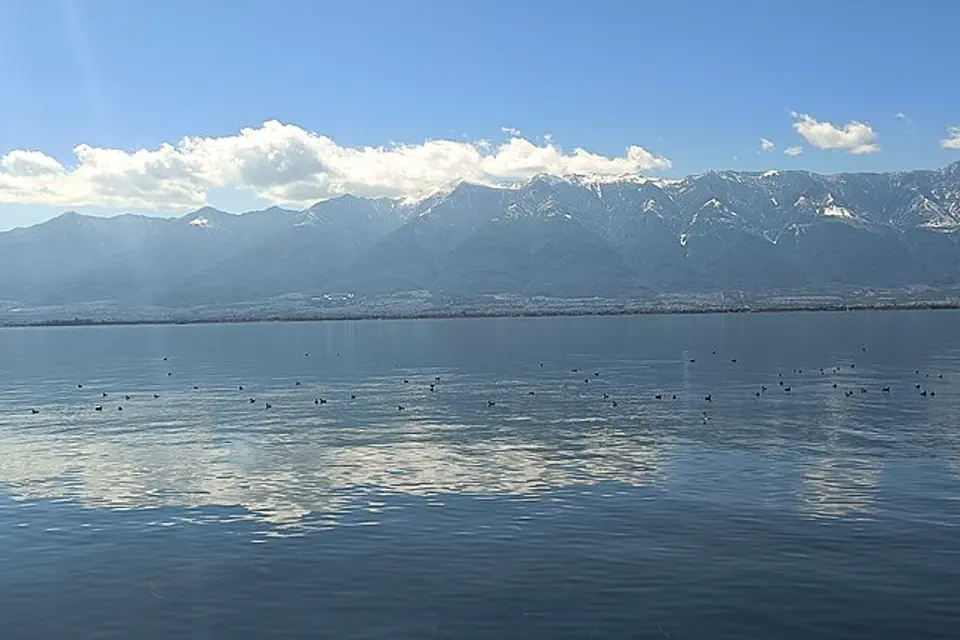
Keep mountain and lake as two parallel lines
The eight chapters move between old-town fabric, village heritage, shore ecology and elevation. A ring-road graphic hides real distance, so every lake day chooses one side and one return.
Dali Old Town beyond the main gates
Early lanes and side courtyards reveal more than the busiest commercial spine. Distinguish reconstructed frontage from surviving fabric, respect residential thresholds and use one local museum or documented building to ground the walk.
Xiaguan is the transport city
Modern Dali’s stations, airport links and services sit around Xiaguan rather than inside the old town. Keep the two names separate in bookings and use Xiaguan for practical movement instead of dismissing it as an inconvenient transfer zone.
Xizhou and Bai architectural context
Xizhou can support a heritage and food day when approached through credible interpretation. Ask before entering courtyards, avoid reducing Bai culture to patterned walls or costume portraits and leave room for residents using the same streets.
Shuanglang without circling the lake
The east shore offers different mountain views and a highly developed visitor economy. Choose one village or shoreline sequence, verify road conditions and do not treat a transfer-heavy loop as proof that the entire lake was experienced.
Erhai is an ecosystem before a backdrop
Stay on designated paths, respect protection zones and do not enter wetlands or farm plots for a reflection shot. Boat and cycling access changes; choose a regulated activity and carry waste back from quieter stretches.
Cangshan by managed elevation
Cableways and trails reach different elevations and can close for wind or weather. Select the route by mobility and conditions, carry layers and avoid combining the highest option with a tight rail departure.
Monument, temple and mountain axis
The Chongsheng Temple complex needs time for spatial sequence, not just the familiar pagoda view. Verify current entry, dress respectfully around active religious space and use the Cangshan backdrop as context rather than an excuse to leave the managed path.
Culture is not an open studio
Markets, craft workshops and homes involve people, livelihoods and selective access. Choose community-led interpretation where possible, ask before photography and avoid buying wildlife, antique or culturally sensitive material with unclear provenance.
Make three decisions while the map is still quiet
Dali station is in Xiaguan
High-speed rail arrives south of Dali Old Town, and airport transfers create another route. Save the full accommodation address and do not accept “old town pickup” without a named gate or meeting point.
Old Town, Xizhou and east shore solve different stays
Old Town maximizes food and transport options; Xizhou offers quieter northern access; Shuanglang favors east-shore views with more road dependence. Pick one primary base and split only on a longer trip.
Do not promise the entire Erhai ring in one day
A full loop turns villages, wetlands and shore into drive-by scenery. Choose west or east, one cultural anchor and one waterside segment, then return without racing sunset traffic.
Alternate settlement, water and height
Begin with old-town context, give one side of Erhai a full day, move north for Bai heritage and keep Cangshan weather-flexible.
Old Town and Three Pagodas axis
Walk the quieter town fabric early, use one institution for context and visit the temple complex with enough time to read the mountain alignment.
Xizhou and one shore section
Travel north for a respectful architecture and food chapter, then use a designated Erhai path without extending into an improvised lake circuit.
One east-shore village
Choose Shuanglang or another researched base, accept the road time and focus on one lived place and shoreline rather than collecting photo platforms.
Cangshan if conditions allow
Use the managed cableway or trail suited to weather and mobility. Swap in Xiaguan, museum or slow town time if wind, rain or visibility closes the mountain plan.
The lake road is not the lake experience
Observe Erhai protection rules
Wetland, shoreline and water-quality measures can change access. Stay on open paths, use regulated boats or bicycles and never bypass barriers for a private-water photo.
Pace the first mountain day
Dali sits at elevation and Cangshan climbs far higher. Hydrate, use sun protection and avoid rapid exertion on arrival; seek professional medical advice when personal conditions raise concern.
Name every village and the return
A generic “Erhai tour” can hide shopping stops or a rushed ring road. Agree on the exact side, stops, waiting time and final drop-off before departure.
Dali planning FAQ
Should I stay in Dali Old Town or by Erhai?
Old Town is easiest for first-time food and transport; Xizhou or the east shore can suit quieter, place-specific stays. Choose by the first two mornings, not by a lake-view label alone.
Can I cycle all around Erhai in one day?
The full distance, road conditions and protected sections make a one-day circuit unsuitable for many visitors. Select an open, managed segment and verify current bicycle access.
How many days does Dali need?
Four full days cover old-town context, one west-shore day, one east-shore or village day and Cangshan. Add nights for weather flexibility and a slower base change.
Is Cangshan always open?
No. Wind, rain, fire risk, maintenance and other conditions can affect cableways and trails. Use official notices and keep a lower-elevation alternative ready.
Official sources and photo credit
Planning facts and licenses were reviewed on 28 August 2026. Transport, reservations, protected-area access, border rules and local operating arrangements change; verify the current authority or operator close to travel. The image was resized and converted to WebP; its display crop may vary by screen, with no other material changes.