Guiyang & Guizhou build a rain-and-karst cabinet
Guizhou’s strongest destinations sit in different directions from Guiyang and cannot be gathered into one effortless circuit. Waterfalls, caves, cone karst and community-based cultural visits each depend on rain, road time and local access. Use the capital for transport and context, then open only one regional drawer at a time.
Choose one watershed before choosing attractions
Libo, Huangguoshu, Zhijin and southeastern village routes are not adjacent. These chapters pair landscape processes with the practical transfer and cultural responsibilities that belong to them.
Guiyang for transport and provincial context
Use the city for rail or air arrival, one museum and food orientation. Stay near the station serving the chosen corridor rather than assuming every Guizhou excursion begins from the same platform.
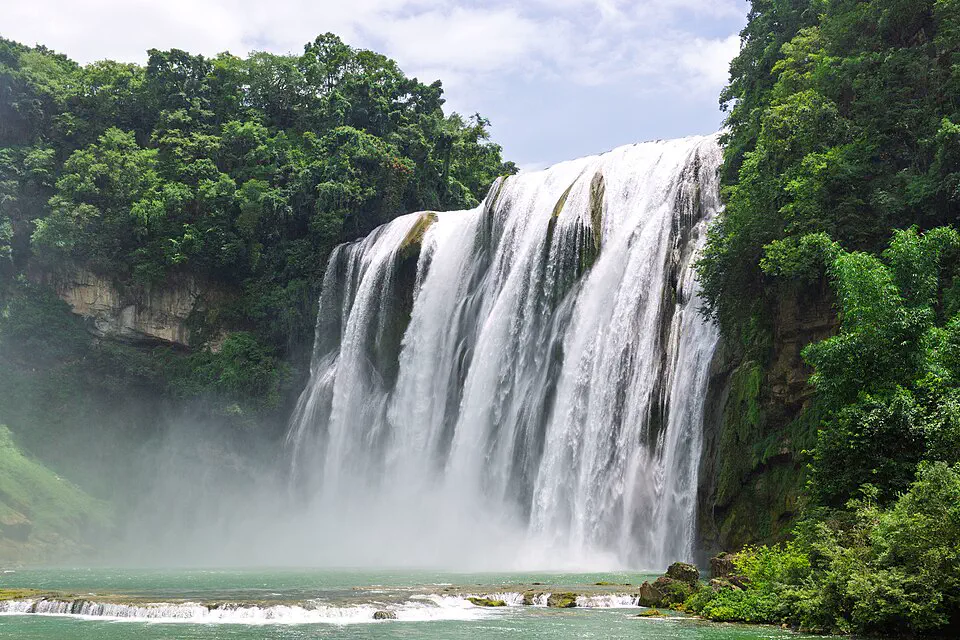
Huangguoshu by water and crowd conditions
The waterfall system involves shuttles, stairs and several scenic components. Check current water, weather and operating arrangements, wear shoes for spray and choose a limited circuit rather than racing every named fall.
Cone forests and water routes as a separate base
Libo’s UNESCO karst lies far south of Guiyang and benefits from its own overnight plan. Verify train or road connection, park shuttles and current trail access; protect water quality and remain within managed routes.
Zhijin Cave by geology and capacity
The large cave system can involve long walking, stairs, humidity and controlled group flow. Use UNESCO geopark interpretation, follow lighting and photography rules and keep the road transfer visible.
Community visits require consent and context
Miao, Dong, Bouyei and other communities are not interchangeable cultural displays. Choose locally grounded interpretation, ask before portraits or entering homes and avoid treating festivals, clothing or rituals as guaranteed performances.
Fast trains do not erase the last road
High-speed stations can shorten the trunk journey while leaving a long shuttle or driver segment. Name the final county, village or park gate and confirm the last return before booking a same-day round trip.
Sour, fermented and chili flavors by region
Guizhou cuisine changes across communities and cities. Ask about fish, fermentation, chili and shared broths, carry dietary requests in Chinese and avoid claiming one Guiyang snack represents the whole province.
Wet weather changes more than photographs
Rain can enrich waterfalls while raising trail, road, cave and flood risk. Follow official closures, keep one museum or city day flexible and do not pressure a driver through unsafe mountain conditions.
Make three decisions while the map is still quiet
Guiyang North and East direct different corridors
Major stations sit on different sides of the city and serve different routes. Match the exact train to the first regional leg and avoid a hotel that creates an extra cross-city transfer before dawn.
Select west, south or southeast
Huangguoshu lies west, Libo south and many community routes southeast. A five-day trip should prioritize one corridor; a longer trip can add another with a deliberate base change.
Use local expertise without buying a staged village
Ask how access, consent, fees and photography are handled. Prefer transparent, community-connected interpretation and walk away from products promising private rituals or guaranteed costume portraits.
A Guizhou route that admits the road
Begin in Guiyang, choose one landscape corridor for two days and use the final day for context or transfer. A second corridor belongs to a longer stay.
Museum, market and route check
Use a provincial collection and one food neighborhood, then verify the exact train, driver or park connection before leaving the capital.
Huangguoshu with weather margin
Travel west, choose a measured waterfall circuit and overnight when transport makes the same-day return brittle. Keep spray, stairs and water conditions in the plan.
Alternative Libo corridor
Instead of Huangguoshu, move south for Libo and give karst, water routes and the last-mile transfer enough time. Do not combine both versions at speed.
Community context or calm return
Use a credible nearby cultural chapter or return to Guiyang with enough buffer for the next train. A remote village is not a spare half-day.
Consent and catchment conditions are route data
Check rainfall at the destination, not only Guiyang
Mountain and valley conditions vary across the province. Follow local warnings and park notices, and move the city day when heavy rain compromises roads or trails.
Save the county and gate in Chinese
English names may collapse several villages or scenic sections. Carry the full Chinese destination, accommodation and pickup point offline and confirm them with the operator before departure.
A ticket never buys a portrait
Ask before photographing people, domestic space, craft work or religious activity. Respect refusals, pay transparent workshop or guide fees and avoid distributing children’s images without informed permission.
Guiyang & Guizhou planning FAQ
Can Guiyang be a base for all of Guizhou?
It is a strong transport hub, but the province is too large for repeated same-day returns. Choose one corridor and use an overnight base near Libo, Huangguoshu or a community route when distance requires it.
How many days does Guizhou need?
Five days support Guiyang plus one substantial regional corridor. Seven or eight allow a second direction with weather margin and without turning village visits into roadside stops.
Is Huangguoshu best after heavy rain?
More water can increase visual drama but also trail, spray, flood and transport risk. Follow official access and safety information rather than seeking extreme conditions.
How should I visit minority villages respectfully?
Choose community-connected interpretation, ask permission for people and homes, avoid staged stereotypes and understand that daily life and religious activity are not guaranteed performances.
Official sources and photo credit
Planning facts and licenses were reviewed on 28 August 2026. Transport, reservations, protected-area access, border rules and local operating arrangements change; verify the current authority or operator close to travel. The image was resized and converted to WebP; its display crop may vary by screen, with no other material changes.
- UNESCO World Heritage Centre — South China Karst, including Libo.
- Guizhou Provincial Government — Libo Zhangjiang Scenic Spot orientation.
- UNESCO Global Geoparks — Zhijindong Cave.
- China Railway 12306 — official ticket and identity-document guidance.
- Huangguoshu Waterfall, Guizhou — Kcx36, CC BY-SA 4.0.