Lhasa & Tibetan Plateau ascend by stages
Lhasa cannot be planned like another Chinese city break. Foreign visitors generally need advance permission and approved travel arrangements for the Tibet Autonomous Region, while the city sits around 3,700 meters above sea level. Solve legal access first, discuss health risks with a qualified clinician when appropriate, and make the first days gentler than the sightseeing ambition.
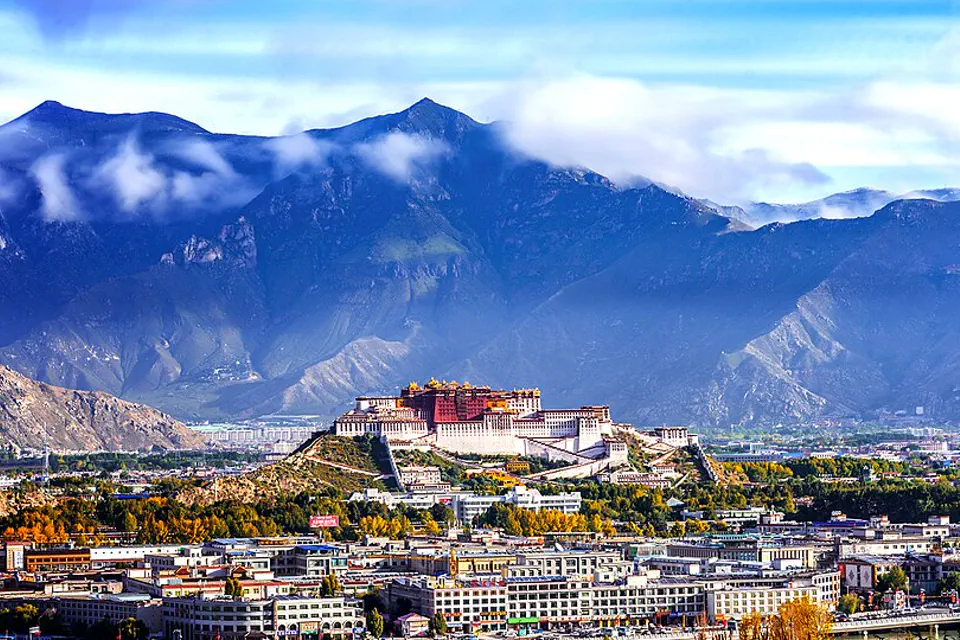
Every stage needs permission, recovery and respect
The first stage is paperwork, the second is arrival and the third is a slow Lhasa sequence. Only then should any higher or more remote plateau route enter the plan.
Confirm the legal route before paying
Foreign travelers should verify current Tibet travel permission and approved-tour requirements through competent authorities and a reputable specialist operator. Rules and closures can change; do not rely on an old permit guide or a seller who asks you to misstate the route.
The first day is for adaptation
Air or rail arrival can still produce rapid exposure to high sleeping elevation. Keep exertion mild, avoid alcohol at first, hydrate normally and learn how to contact the guide and medical help. Fitness does not guarantee protection from altitude illness.
Barkhor is a living pilgrimage circuit
Move with the flow of worshippers, follow clockwise local practice where instructed and never obstruct prostrations. Photography may be restricted inside religious spaces; ask before portraits and avoid treating devotion as street theater.
Timed heritage after the body settles
The palace rises through many steps at high altitude and uses controlled visitor access. Follow the confirmed entry and guide arrangement, move slowly and do not hide significant symptoms merely to preserve a ticket.
Garden space as a gentler heritage day
Norbulingka provides a lower-intensity component of the UNESCO ensemble, though walking and sun still matter. Use it to balance the harder stair day and interpret the relationship among palace, temple and city.
Active institutions define visitor behavior
Sera, Drepung and other monasteries have worship, teaching and resident communities. Follow guide and site rules, keep voices low, never photograph prohibited interiors or debates and avoid reducing monks to portrait subjects.
Museums before the distant plateau
A credible museum can provide archaeological, artistic and regional context while the traveler continues to acclimatize. Read labels critically, respect sensitive material and keep the visit shorter if headache or fatigue worsens.
Higher routes are new medical and permit decisions
Namtso, Shigatse, Everest-area or other plateau routes may add elevation, distance and additional permissions. Treat each as a separate approved itinerary with staged sleeping altitude, current road information and a clear descent response.
Make three decisions while the map is still quiet
No confirmed access means no completed booking chain
Ask the operator which approvals apply to nationality, visa type and exact route, when documents will be issued and what happens if access changes. Keep flexible international and domestic arrangements until the legal route is credible.
Discuss personal risk before abrupt ascent
Travelers with heart, lung, sleep or other relevant conditions should seek individualized medical advice. Evidence-based guidance favors gradual acclimatization; medication decisions belong with a qualified clinician, not a tour salesperson.
Do not schedule the hardest stairs first
Place a gentle orientation and lower-intensity heritage day before the Potala or higher excursions. Build the plan so worsening symptoms can trigger rest, assessment or descent without fighting a chain of non-refundable stops.
A Lhasa sequence led by the body
The example below is intentionally slow. It is not medical clearance and does not replace the approved itinerary or current advice from qualified professionals.
Hotel, guide contact and gentle orientation
Keep movement light, confirm permits and tickets, eat simply and monitor how the traveler feels. Do not add a high viewpoint or long prostration circuit.
Short Barkhor and Jokhang chapter
Visit only as approved and follow religious behavior and photography rules. Stop early if symptoms or fatigue worsen and preserve a quiet afternoon.
Potala or Norbulingka by capacity
Use the timed heritage visit appropriate to current health and the operator’s sequence. Move slowly on steps and keep the second component optional.
Monastery, museum and only then farther travel
Add one active institution and one contextual collection. Continue to a higher approved route only after health, weather, permits and staged sleeping elevation are all reassessed.
Altitude symptoms are not a test of character
Worsening symptoms require action
Severe headache, confusion, difficulty walking, breathlessness at rest or other serious symptoms require urgent professional assessment and often descent. Follow medical guidance and the operator’s emergency process; do not continue upward.
Protect skin, eyes and hydration
High ultraviolet exposure, cold, low humidity and wind can coexist. Carry layers, sun protection and water, but do not assume excessive water prevents altitude illness.
Ask before every sensitive photograph
Obey bans inside temples and at security or military facilities, ask before photographing people and let pilgrims maintain movement and privacy. Drones may be restricted and should never be flown without explicit legal permission.
Lhasa & Tibetan Plateau planning FAQ
Do foreign visitors need a permit to travel to Lhasa?
Current official travel advice says foreign visitors need advance permission and approved arrangements for the Tibet Autonomous Region. Requirements can change, so verify the exact route with competent authorities and a reputable specialist operator.
Does arriving by train prevent altitude sickness?
No. Rail may change the ascent profile but Lhasa still has a high sleeping elevation. Travelers remain at risk and should follow evidence-based acclimatization and medical guidance.
How long should I stay in Lhasa before going higher?
There is no single safe number for every person. The CDC describes the first several days as important for acute acclimatization and recommends gradual ascent; discuss personal risk with a qualified clinician and reassess symptoms before going higher.
Can I travel independently around the Tibetan Plateau?
Foreign-visitor access and approved-tour requirements constrain independent travel in the Tibet Autonomous Region, and some routes need additional permissions. Confirm the current legal arrangement before booking.
Official sources and photo credit
Planning facts and licenses were reviewed on 28 August 2026. Transport, reservations, protected-area access, border rules and local operating arrangements change; verify the current authority or operator close to travel. The image was resized and converted to WebP; its display crop may vary by screen, with no other material changes.
- UK Foreign, Commonwealth and Development Office — current Tibet permit and regional access advice.
- US CDC Yellow Book — high-altitude travel and altitude illness.
- UNESCO World Heritage Centre — Historic Ensemble of the Potala Palace, Lhasa.
- China Railway 12306 — official ticket and identity-document guidance.
- Potala Palace, Lhasa — Lhasa Government, CC BY-SA 4.0.