Xiamen & Fujian Tulou move from port veranda to mountain rings
Xiamen and the Fujian Tulou belong in one regional guide only if their scales remain separate. Xiamen is a coastal city of ferries, shaded streets and layered port history. The inscribed tulou are living earthen settlements scattered across inland valleys. Treat the rural day as a conservation and road decision, not as an accessory to an island photo walk.
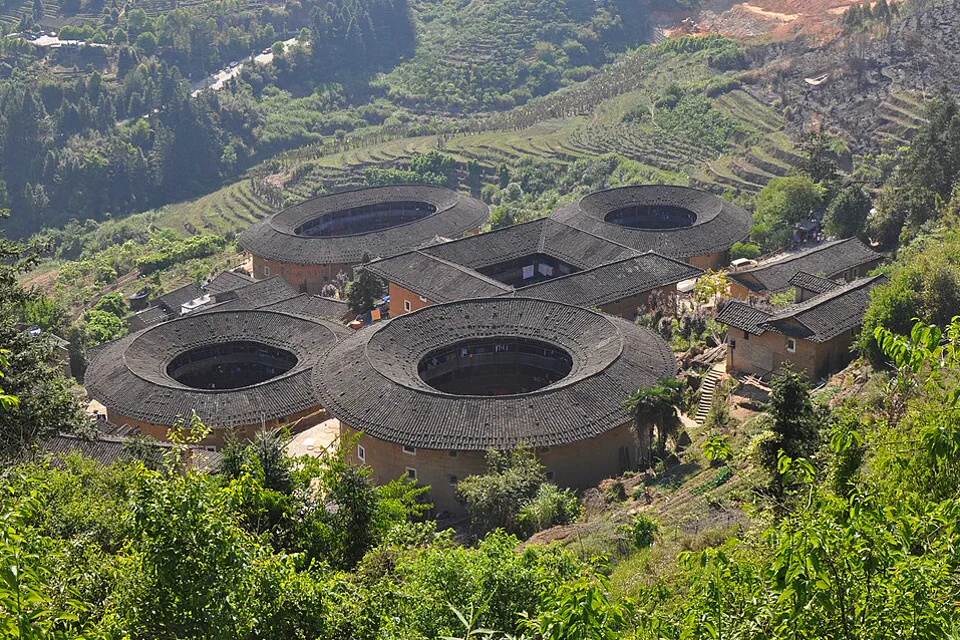
Draw two circles that should not collapse into one
The first circle is urban Xiamen: waterfront, old streets, institutions and ferry systems. The second is one inland tulou cluster reached by a long, verified road chain. These chapters protect both from a day that spends more time changing vehicles than reading place.
Shapowei and the working harbor edge
Read fishing-port traces, university influence and creative reuse without assuming every painted facade is old. Walk one compact loop, keep working access clear and pair it with a nearby museum or waterfront rather than hopping repeatedly across the island.
Zhongshan Road beyond the shopfront
Arcades, side lanes and religious buildings reveal a port-city fabric that the main commercial strip can obscure. Go in cooler hours, turn into one parallel street and distinguish restored spectacle from businesses still serving residents.
Kulangsu by reservation and ferry
The historic settlement has protected heritage, steep lanes and controlled ferry logistics. Confirm the eligible passenger terminal, identity rules and return window; choose a small set of buildings and museums rather than queueing at every viewpoint.
One beach or boardwalk segment
Xiamen’s coast is long and seasonally exposed. Select one reachable section, check heat, rain, wind and swimming conditions, and let the sea be a slower chapter instead of forcing it between ferry and railway deadlines.
Overseas exchange needs a museum anchor
Fujian’s maritime and migration histories deserve more than decorative “international” labels. Choose an institutional collection or documented building, allow time for translation gaps and keep claims tied to the material actually on display.
Choose one inscribed tulou cluster
UNESCO’s Fujian Tulou property contains multiple clusters and individual buildings across a broad inland area. Select Tianluokeng, Hongkeng, Chuxi or another researched component by road logic and conservation value rather than trying to collect circular forms.
A heritage home is not an empty set
Many tulou remain connected to residents and family life. Follow posted access, ask before portraits or interior photography, avoid blocking thresholds and support local interpretation without demanding staged domestic scenes.
Protect the road back to Xiamen
Driver, bus or rail-plus-road arrangements must name the exact cluster and pickup point. Mountain roads, meal stops and crowd controls can extend the day, so carry the destination in Chinese and avoid booking a tight evening train or flight.
Make three decisions while the map is still quiet
Separate Xiamen station from Xiamen North
The central and northern railway stations leave different final transfers. Xiamen Gaoqi Airport and ferry terminals add another naming layer; save the full Chinese name for the transport facility, not merely “Xiamen.”
Stay for city movement, not a tulou fantasy
A central island base helps old streets, waterfront and ferries. Tulou access is a separate operator or transport decision, and choosing an inconvenient Xiamen hotel rarely makes the inland road meaningfully shorter.
One tulou route is enough for one day
The World Heritage property is dispersed. Compare drive time, walking terrain, visitor pressure and the quality of interpretation, then choose a coherent cluster instead of paying for a rushed “all famous tulou” circuit.
Let the port and the mountains keep their scale
Use two Xiamen days to understand the city, one deliberate ferry day and one protected rural day. Move the tulou chapter when weather or road confidence is poor.
Old streets and Shapowei
Begin with an old-street loop, add one museum or religious building and end by the harbor edge. Keep the route compact enough to notice architecture rather than collecting snack queues.
Kulangsu with a short building list
Use the reserved ferry, walk a clear loop through selected heritage buildings and allow hills and crowds to slow you. Return before the final crossing becomes the day’s main memory.
Institution and sea air
Choose one serious cultural collection, then a nearby coastal segment. Rain or heat can invert the order, and swimming should depend on posted local conditions rather than the look of the water.
One valley, one cluster, one return
Travel inland with the exact heritage component named, spend time understanding communal form and conservation, and leave enough road buffer to return without a late transport gamble.
Ferries and mountain roads punish vague bookings
Use the passenger terminal on your ticket
Visitor ferries and resident services may use different terminals or rules. Match passport details, departure point and time slot, and do not follow a generic map pin to whichever pier looks closest.
Do not enter private rooms for a photograph
A ticket to a scenic area does not erase residential boundaries. Follow local signage, ask permission and keep voices and drones away from domestic and ritual spaces.
Stone, tile and mountain roads become slower
Coastal rain and inland mountain weather affect different parts of the trip. Keep a city museum alternative, wear shoes suited to wet paving and let the tulou operator confirm road conditions before departure.
Xiamen & Fujian Tulou planning FAQ
Can I visit Fujian Tulou as a half-day trip from Xiamen?
The inland road and dispersed clusters make a full day more realistic. A half-day product often means very little time inside the heritage landscape. Confirm the exact cluster and door-to-door schedule before booking.
Which Fujian Tulou cluster should I choose?
Choose by road time, walking ability, conservation context and current access. Tianluokeng, Hongkeng, Chuxi and other components offer different settlement patterns; there is no need to collect several in one rushed day.
Do I need to reserve the Kulangsu ferry?
Treat the ferry as a time-specific, identity-linked transport booking. Official arrangements can change, so verify the current passenger terminal, ticket channel and required document close to travel.
How many nights work for Xiamen and tulou?
Three nights support two city days and one tulou day. Four or five nights give Kulangsu, museums, coast and the rural excursion enough space to respond to weather.
Official sources and photo credit
Planning facts and licenses were reviewed on 28 August 2026. Transport, reservations, protected-area access, border rules and local operating arrangements change; verify the current authority or operator close to travel. The image was resized and converted to WebP; its display crop may vary by screen, with no other material changes.