Avignon, Aix & the Luberon
Choose one city base and one inland landscape instead of chasing every market.
Avignon and Aix-en-Provence are independent city bases with different station and street logic. The Luberon’s villages, abbeys and seasonal landscapes require a bus, bicycle, tour or car; market calendars and summer roads shape what is possible.
Sleep where the useful departures are.
Three nights support both cities or one city plus a Luberon day. Avignon is stronger for rail and western Provence; Aix suits eastern Provence and Marseille links. A village overnight can reduce driving but adds a luggage and bus problem.
Solve the complete last mile.
Avignon Centre and Avignon TGV are separate stations; Aix Centre and Aix-en-Provence TGV are also separate. Luberon villages rarely form an easy linear public-transport loop, so pick one cluster.
Let current conditions edit the map.
Summer brings heat, festivals, lavender expectations and road pressure; bloom timing is agricultural and variable, not guaranteed. Mistral, fire restrictions and winter closures change outdoor routes.
Keep a real lower-risk day.
Use city museums, markets and shaded architecture when rural heat, wind or fire controls intervene. A cancelled village bus should become a deeper city day, not a taxi chain across Provence.
Choose the route that answers the day you actually have.
Each file has its own access contract, sequence, fallback, failure points, official sources and licensed image record.
Avignon Papal City & Rhône Edge
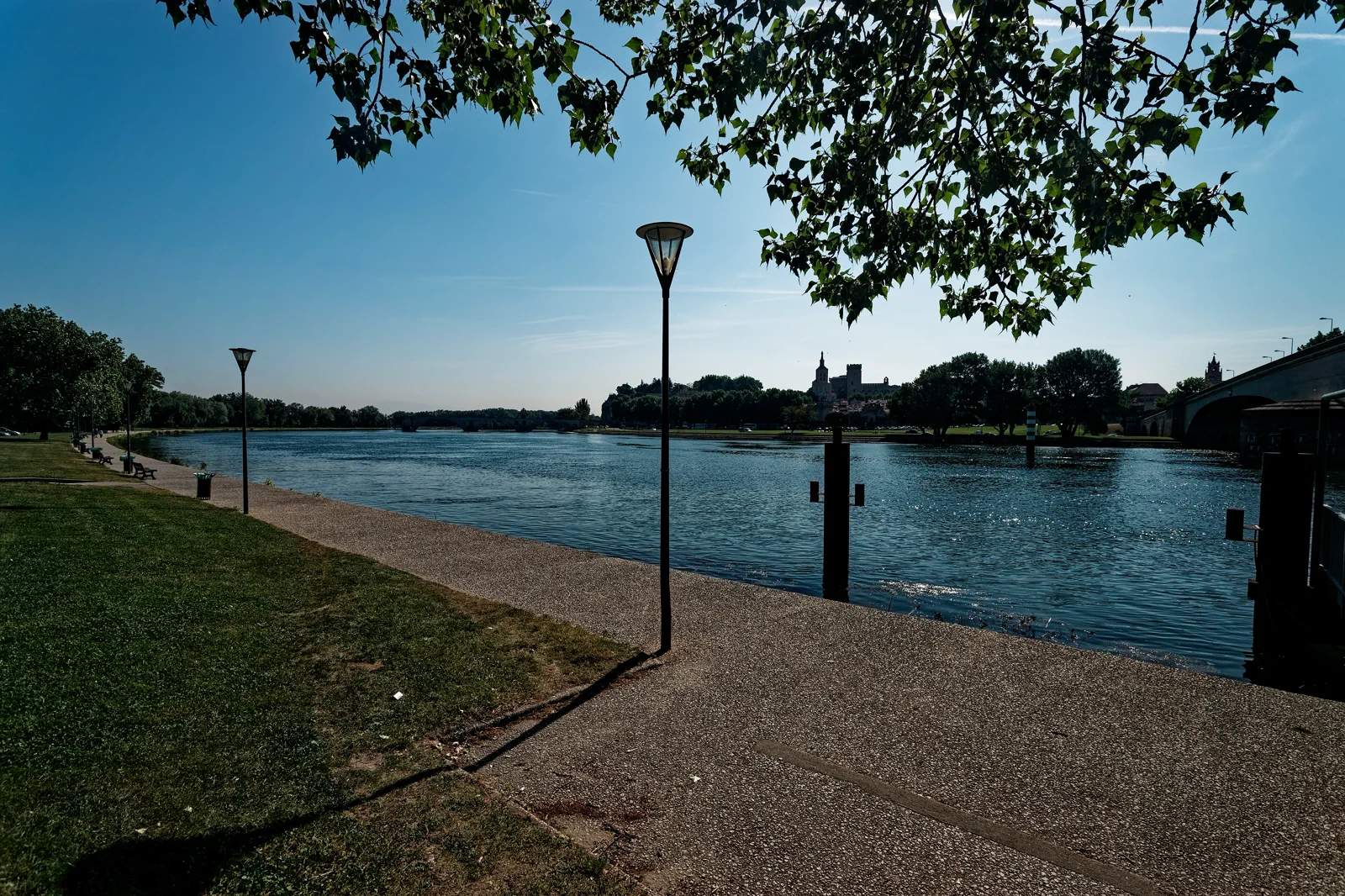
Connect the Palais des Papes, Pont d’Avignon and walled streets in one route while distinguishing the central and TGV stations and accounting for festival access.
Open the complete route →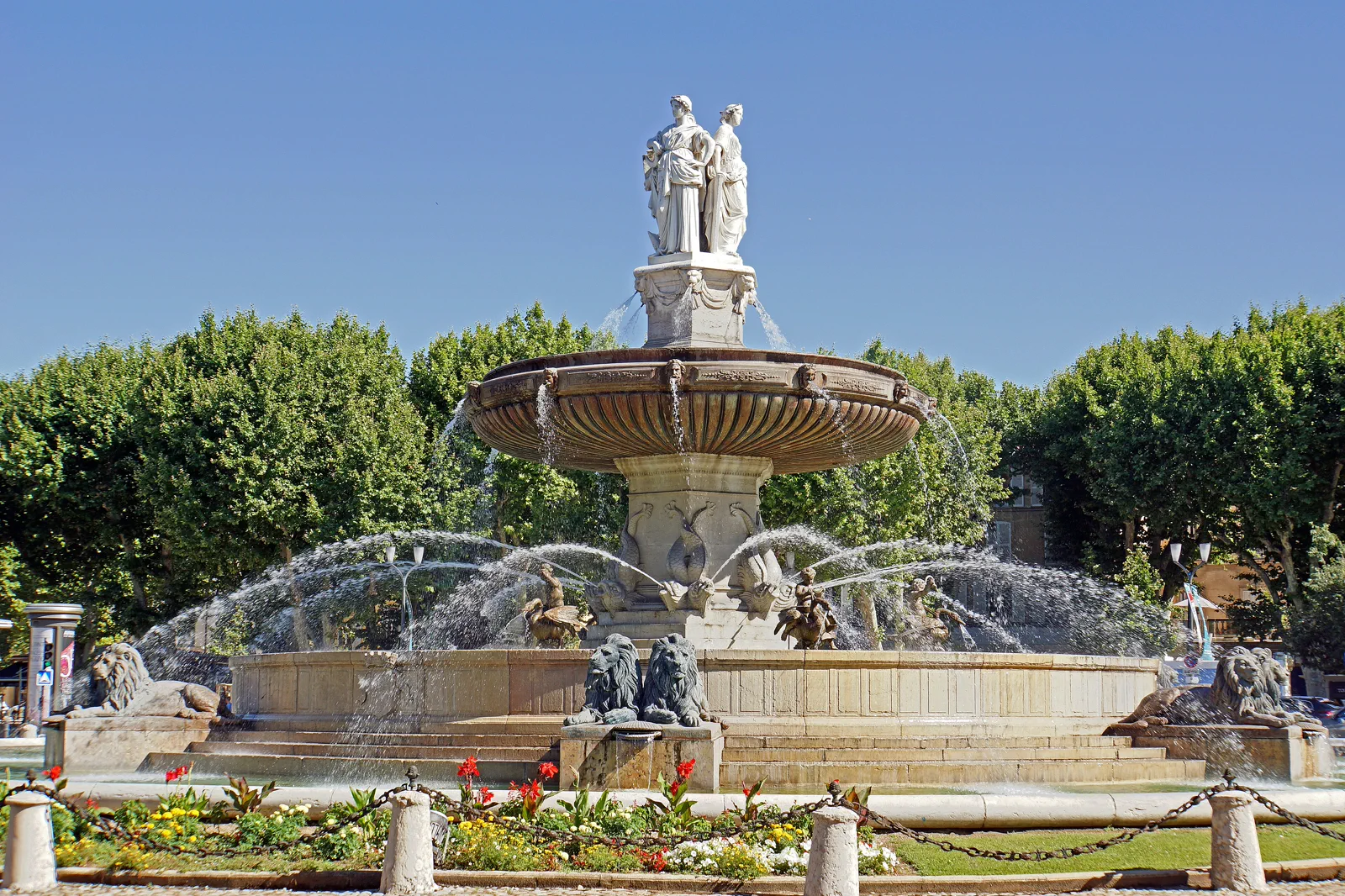
Aix Markets & Cézanne Ground
Use Aix’s market streets and Cézanne sites through current reservations, while distinguishing the central bus-and-rail city from the distant TGV station.
Open the complete route →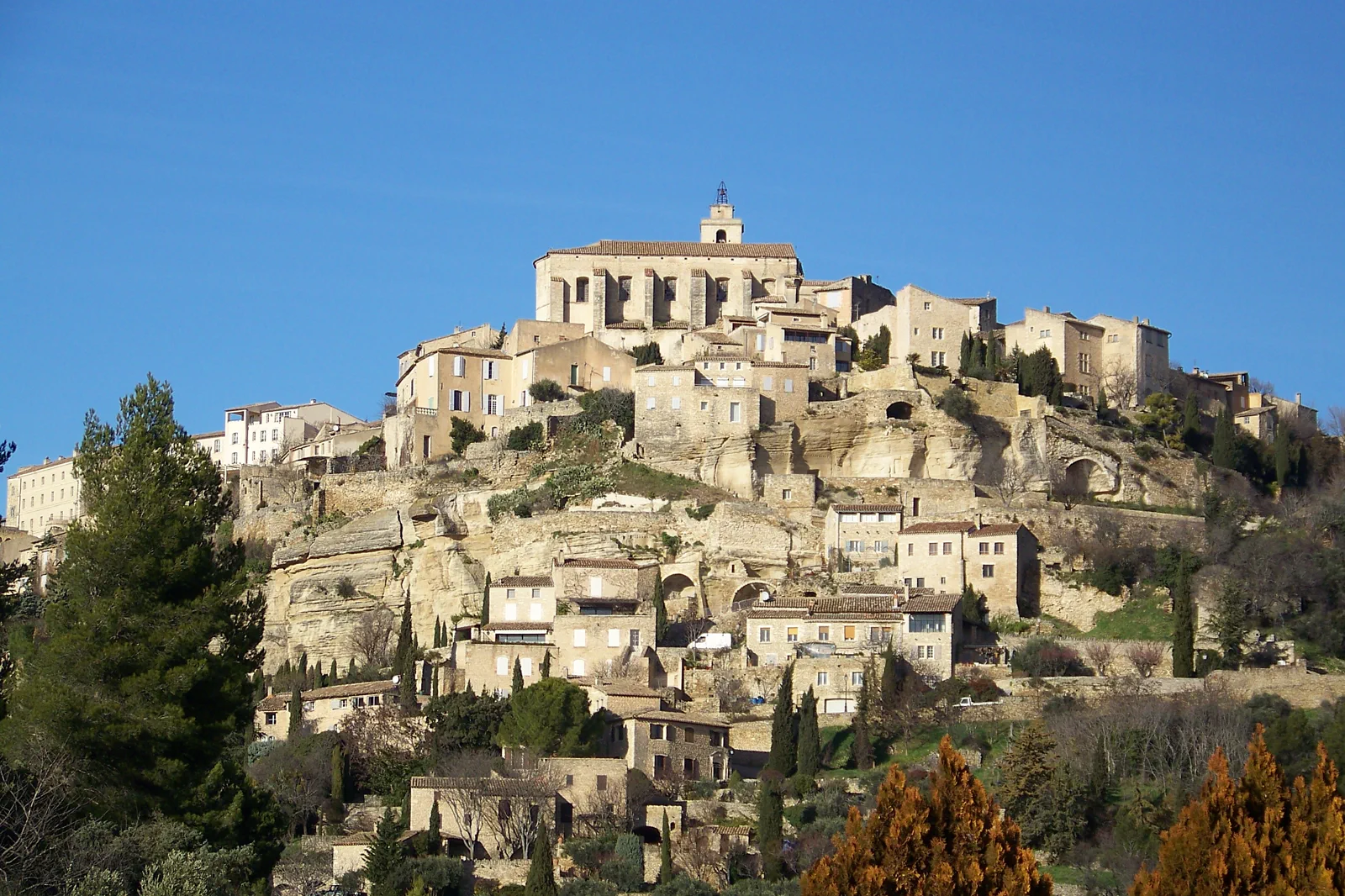
Luberon Villages & Sénanque
Choose one Luberon village cluster and, if appropriate, Sénanque Abbey through current access and worship rules, replacing the impossible goal of collecting every hill town and lavender field.
Open the complete route →Three routes, three different sacrifices.
Avignon Papal City & Rhône Edge
Access: Avignon Centre is just outside the walls; Avignon TGV requires a regional connector. Read the ticket carefully and allow festival or security diversions before a timed palace entry.
Trade-off: The palace, bridge, several museums and a Luberon excursion do not fit one day. The route keeps Avignon inside its walls and river edge, giving up the rural add-on.
Time: Allow five to seven hours for the walled city and palace, or a full day during a programmed festival visit. The bridge and palace each need separate admission time.
Aix Markets & Cézanne Ground
Access: Aix Centre station and bus station serve the city; Aix-en-Provence TGV lies outside it and requires a shuttle or bus. The Cézanne studio is uphill from the core, so place it before heat or fatigue grows.
Trade-off: A full market, major exhibition and rural Sainte-Victoire route exceed one day. The plan gives up the mountain excursion so Aix’s art and urban rhythm retain depth.
Time: Allow five to seven hours for Aix center and one art site. A Sainte-Victoire excursion or multiple museums needs another day.
Luberon Villages & Sénanque
Access: Regional buses serve some villages on limited schedules, but a tour, bicycle or car is often required. Choose the cluster from the live timetable, road and parking rules; never assume taxis can bridge missed rural buses.
Trade-off: The route gives up “all the Luberon.” Two villages or one village plus the abbey already consume a full day after parking, heat and meals are counted.
Time: Allow a full day for one two-stop cluster. One village alone merits three to five hours with a market or meal; adding a third usually creates road tourism.
These regional sources control the moving parts.
Use the guide for structure, then reopen official transport, destination and weather information for the exact travel date.
Avignon, Aix & the Luberon FAQ
How long should I give Avignon, Aix & the Luberon?
Three nights support both cities or one city plus a Luberon day. Avignon is stronger for rail and western Provence; Aix suits eastern Provence and Marseille links. A village overnight can reduce driving but adds a luggage and bus problem.
What transport decision matters most around Avignon, Aix & the Luberon?
Avignon Centre and Avignon TGV are separate stations; Aix Centre and Aix-en-Provence TGV are also separate. Luberon villages rarely form an easy linear public-transport loop, so pick one cluster.
What should I do if weather, access or transport changes?
Use city museums, markets and shaded architecture when rural heat, wind or fire controls intervene. A cancelled village bus should become a deeper city day, not a taxi chain across Provence.
Official sources and photo credits
Planning facts and image licensing were reviewed on 19 September 2026. Verify current tickets, services, roads, weather and site access before travel.
- Provence-Alpes-Côte d’Azur tourism — official regional guide.
- TER ZOU! — official regional rail information.
- ZOU! — official regional bus and train planning.
- Avignon - Île de Piot - Chemin des Berges - Panorama View from the Rhône river bank towards Pont Saint Bénézet (Pont d'Avignon), Jardin des doms, Avignon Cathedral, Palais des Papes & Pont Édouard Daladier 02.jpg — Txllxt TxllxT, CC BY-SA 4.0. Resized, display-cropped and converted to WebP; no other material edits.
- France-002438 - Cours Mirabeau Fountain (15867627856).jpg — Dennis G. Jarvis, CC BY-SA 2.0. Resized, display-cropped and converted to WebP; no other material edits.
- Village of Gordes.jpg — Einaz80, CC BY-SA 4.0. Resized, display-cropped and converted to WebP; no other material edits.