Dolomites, Trentino & South Tyrol
Choose one valley base and let lifts, buses and weather open only the mountain that works today.
The Dolomites and the neighboring Trentino and South Tyrol valleys are not one rail destination. Bolzano, Trento, Dobbiaco and Calalzo open different corridors; Cortina and Madonna di Campiglio depend on onward buses or roads; every cable car and trailhead has its own operating season. A workable mountain trip fixes one valley base, one vertical system and one lower-weather day instead of chasing famous peaks across passes.
Base, transfer, season and fallback must work together.
Sleep beside the useful departure.
Four to seven nights in one valley gives enough flexibility to move a high day when cloud, wind or thunderstorms intervene. Split bases only when the transfer opens a genuinely different corridor, such as Bolzano to Cortina or Trento to the Brenta group; changing valleys every night consumes the clear-weather window.
Name the whole last mile.
Mainline rail reaches Bolzano and Trento, while other gateways use regional rail to Dobbiaco or Calalzo followed by buses. Trailheads, regulated parking, cable cars and refuge approaches are separate contracts. Verify every leg in the direction of the last descent, not only the morning connection.
Let current conditions edit the route.
Lift and mountain-bus seasons do not align perfectly with hotel seasons, and shoulder months can leave high routes inaccessible despite clear valley streets. Summer storms often build after morning; autumn light shortens rapidly; winter requires a snow-specific plan rather than a summer trail translated onto white ground.
Keep one complete lower-risk day.
Keep a complete valley or city day beside every high plan: Bolzano’s archaeology and arcades, Cortina’s town and lower paths, or Trento’s MUSE and Buonconsiglio context. If the first lift or regulated shuttle is canceled, use that fallback immediately rather than driving to another pass under the same weather system.
Choose the gateway, threshold and return you actually have.
Each route uses a different planning instrument, exact official sources and a complete alternative when the main gate closes.
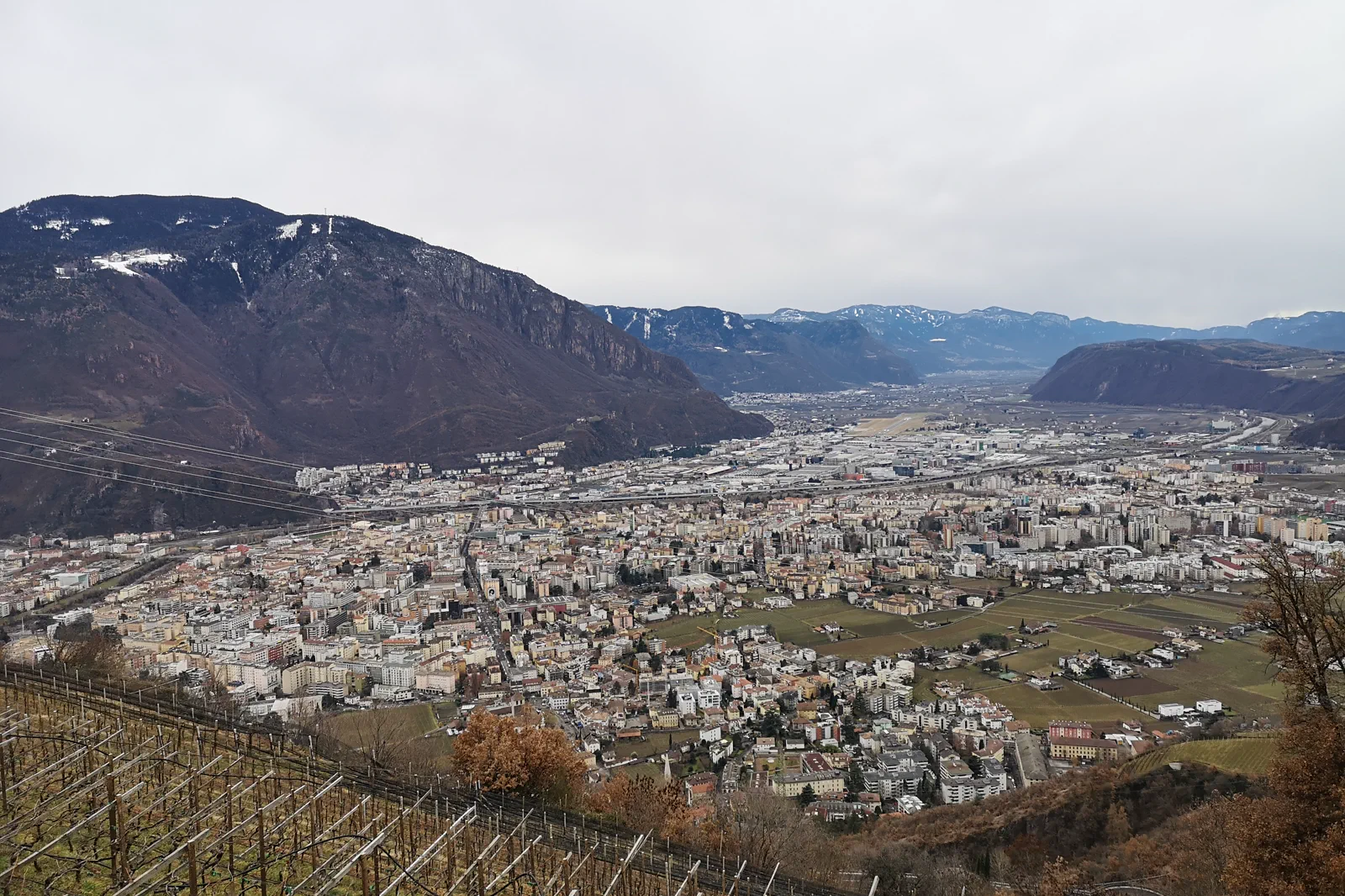
Bolzano & Renon
Choose Bolzano’s archaeology and civic culture, the Renon cable-car and narrow-gauge plateau, or a low vineyard-edge route, then treat station, cableway and mountain railway as one timed vertical connection.
Open the complete route →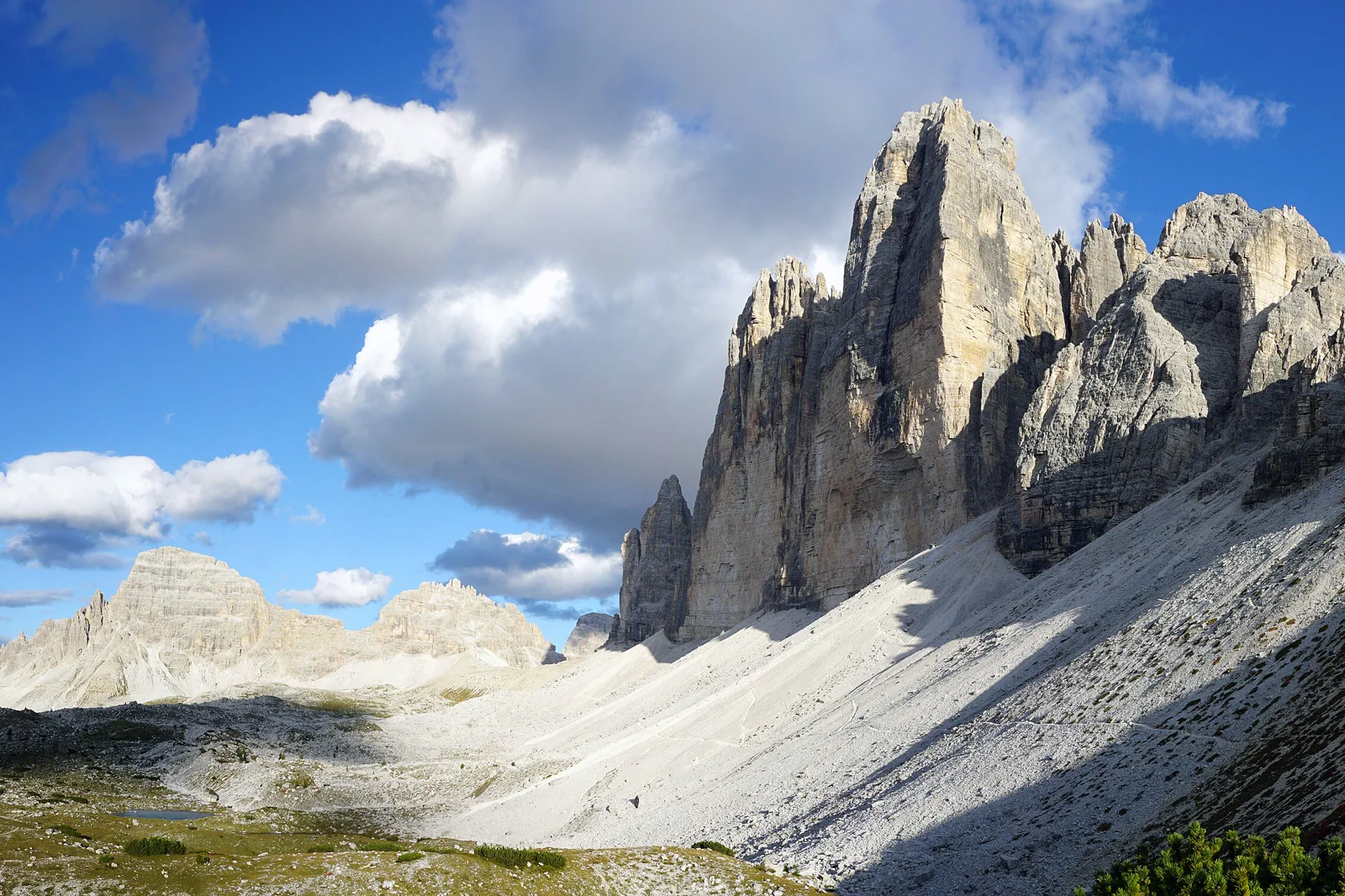
Cortina & Tre Cime
Choose a Cortina lift and viewpoint, the regulated Tre Cime access and circuit, or a lower valley day, then verify the correct rail gateway, bus or parking product and storm-safe return before entering the high terrain.
Open the complete route →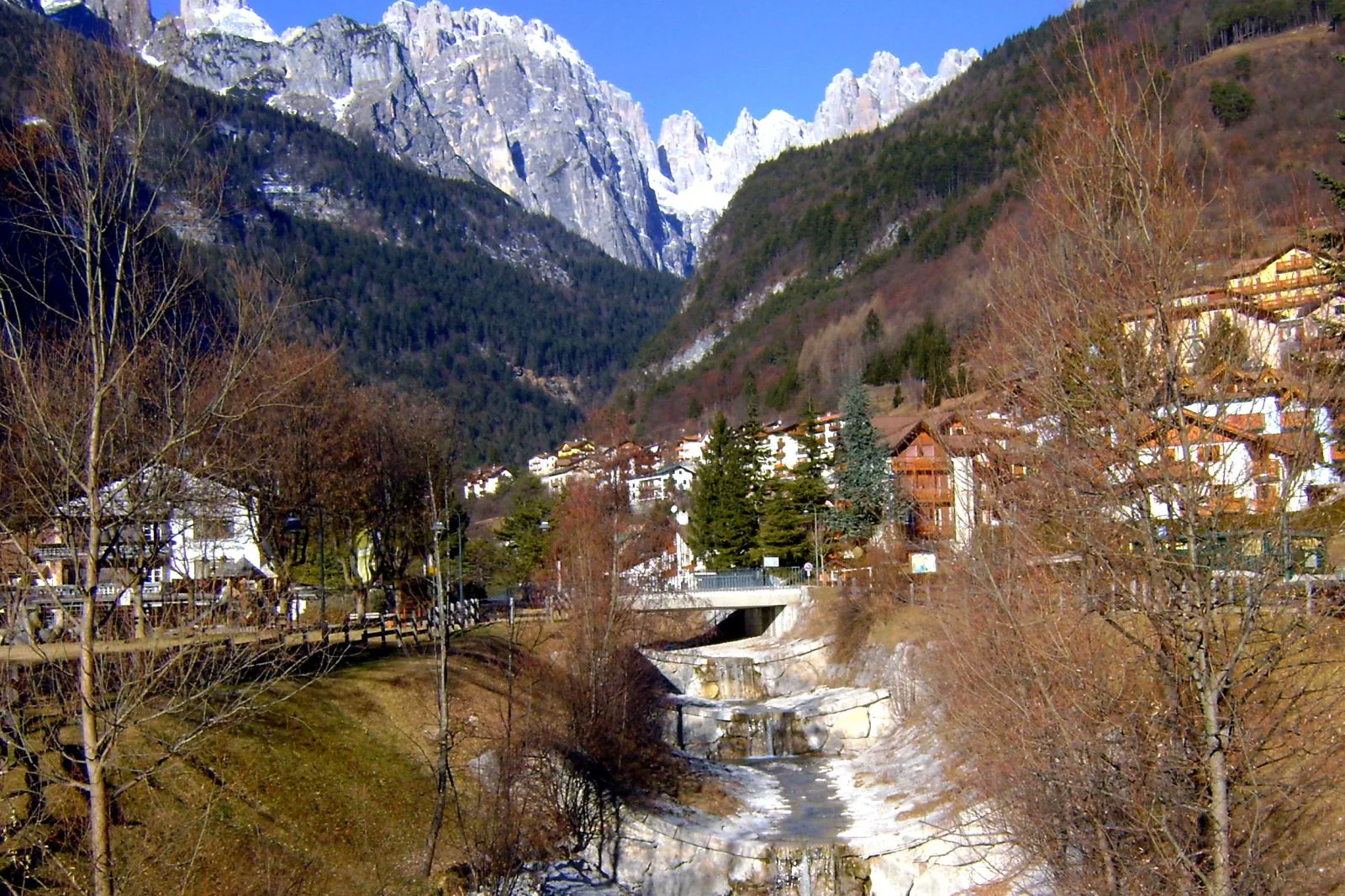
Trento & the Brenta Dolomites
Choose a complete Trento and MUSE city day, a Madonna di Campiglio lift window, or a refuge-led Brenta route, then verify every rail, coach, lift and foot stage as a staircase rather than one generic mountain transfer.
Open the complete route →Every route gains something by leaving something else out.
Bolzano & Renon
Gateway: Bolzano station is walkable from the centre and the lower Renon cable-car terminal, but they are different first stops. The cableway and plateau railway operate as linked yet distinct services, with separate boarding and possible maintenance. Choose the plateau stop and return before ascending rather than riding uphill to decide.
Sacrifice: The archaeology museum merits a sustained visit, while Renon uses transit time and rewards a real plateau walk rather than a quick return photograph. Choosing the cable system gives up city collections; choosing the museum gives up the mountain window but secures a weather-resilient day.
Time: Allow five to seven hours for Bolzano with the archaeology museum, or a full six-to-eight-hour operating window for Renon and one plateau walk. Combining both deeply is not a compact day.
Cortina & Tre Cime
Gateway: Cortina has no mainline railway station. Travelers commonly connect by bus from gateways such as Calalzo or Dobbiaco, while Tre Cime trailheads use separate seasonal buses, road controls or parking arrangements. The Cortina arrival, lift base and Tre Cime access point are three different destinations; name every transfer.
Sacrifice: Tre Cime’s regulated access and long trail window conflict with a separate Cortina lift day, and shifting between mountain sectors spends the best weather in transit. Choosing one high gate gives up another famous viewpoint but creates a route with a defensible return.
Time: Reserve a full eight-to-ten-hour window for Tre Cime including transfers. One Cortina lift sector can fill six to eight hours; a lower town-and-valley day remains useful with four to six hours.
Trento & the Brenta Dolomites
Gateway: Trento is a mainline rail city with MUSE and the historic centre reachable locally. Madonna di Campiglio and Brenta trailheads require a named coach or road transfer, followed in many cases by a lift and foot approach. A refuge name is not a transport destination; trace every stage from the valley stop to the return platform.
Sacrifice: MUSE and Trento’s civic layers can sustain a full day, while the Brenta corridor spends substantial time on coaches and vertical transport. Attempting both compresses the museum and risks the mountain return, so the city or range must be the explicit primary purpose.
Time: Give Trento and MUSE six to eight hours. A Brenta lift or refuge day needs eight to ten hours including the complete coach connection and should not carry a separate city reservation.
These sources control the moving parts.
Use this guide for structure, then reopen the official destination, transport, park or venue information for the exact date.
Dolomites, Trentino & South Tyrol FAQ
How long should I give Dolomites, Trentino & South Tyrol?
Four to seven nights in one valley gives enough flexibility to move a high day when cloud, wind or thunderstorms intervene. Split bases only when the transfer opens a genuinely different corridor, such as Bolzano to Cortina or Trento to the Brenta group; changing valleys every night consumes the clear-weather window.
What transport decision matters most around Dolomites, Trentino & South Tyrol?
Mainline rail reaches Bolzano and Trento, while other gateways use regional rail to Dobbiaco or Calalzo followed by buses. Trailheads, regulated parking, cable cars and refuge approaches are separate contracts. Verify every leg in the direction of the last descent, not only the morning connection.
What should I do if weather, access or transport changes?
Keep a complete valley or city day beside every high plan: Bolzano’s archaeology and arcades, Cortina’s town and lower paths, or Trento’s MUSE and Buonconsiglio context. If the first lift or regulated shuttle is canceled, use that fallback immediately rather than driving to another pass under the same weather system.
Official sources and photo credits
Planning facts and image licensing were reviewed on 26 September 2026. Verify current tickets, rail, roads, ZTLs, paths, ferries and site access before travel.
- South Tyrol — official regional mobility information.
- Visit Trentino — official regional travel information.
- Dolomiti — official Cortina and Dolomites destination information.
- Gries-Bozen vom Guntschnaberg Richtung Süden.jpg — Bartleby08, CC BY-SA 4.0. Resized, display-cropped and converted to WebP; no other material edits.
- Tri Cime panorama 1.jpg — kallerna, CC BY-SA 4.0. Resized, display-cropped and converted to WebP; no other material edits.
- View to the Brenta Dolomites, Molveno - Lago di Molveno - panoramio.jpg — Zoran Kurelić Rabko, CC BY-SA 3.0. Resized, display-cropped and converted to WebP; no other material edits.