Italian Lakes
Choose one rail gateway, one water crossing and a return that still works after the postcard.
Como, Maggiore and Garda are separate transport systems rather than interchangeable blue scenery. Rail reaches particular shore towns, boats operate named routes and seasons, and buses or roads complete other edges. A useful lake plan begins with the mainland gateway and final return before selecting villas, islands or a second shore.
Base, transfer, season and fallback must work together.
Sleep beside the useful departure.
Two nights on one lake creates a full water day without tying it to a Milan arrival. Three nights allows a poor-weather mainland day and a second shore. Switching accommodation between lakes usually spends more time on rail gateways and luggage than on the water.
Name the whole last mile.
Como, Varenna, Stresa, Desenzano and Peschiera solve different arrivals; some celebrated lake towns have no rail station. Match the train to a named pier or bus connection, distinguish similarly named stations and docks, and record the final practical boat and onward rail before leaving the gateway.
Let current conditions edit the route.
Boat routes, frequencies, villa access and daylight vary by season, while storms, wind and high visitor pressure can remove a planned crossing. Summer heat makes exposed docks and steep lanes harder; shoulder seasons need a complete mainland plan when reduced services break a multi-stop circuit.
Keep one complete lower-risk day.
Build every lake day around a rail-connected or road-connected gateway with enough streets, waterfront and indoor options to remain worthwhile. When boats are suspended or full, stay on that shore and protect the train or bus return instead of assembling taxis around the water.
Choose the gateway, threshold and return you actually have.
Each route uses a different planning instrument, exact official sources and a complete alternative when the main gate closes.
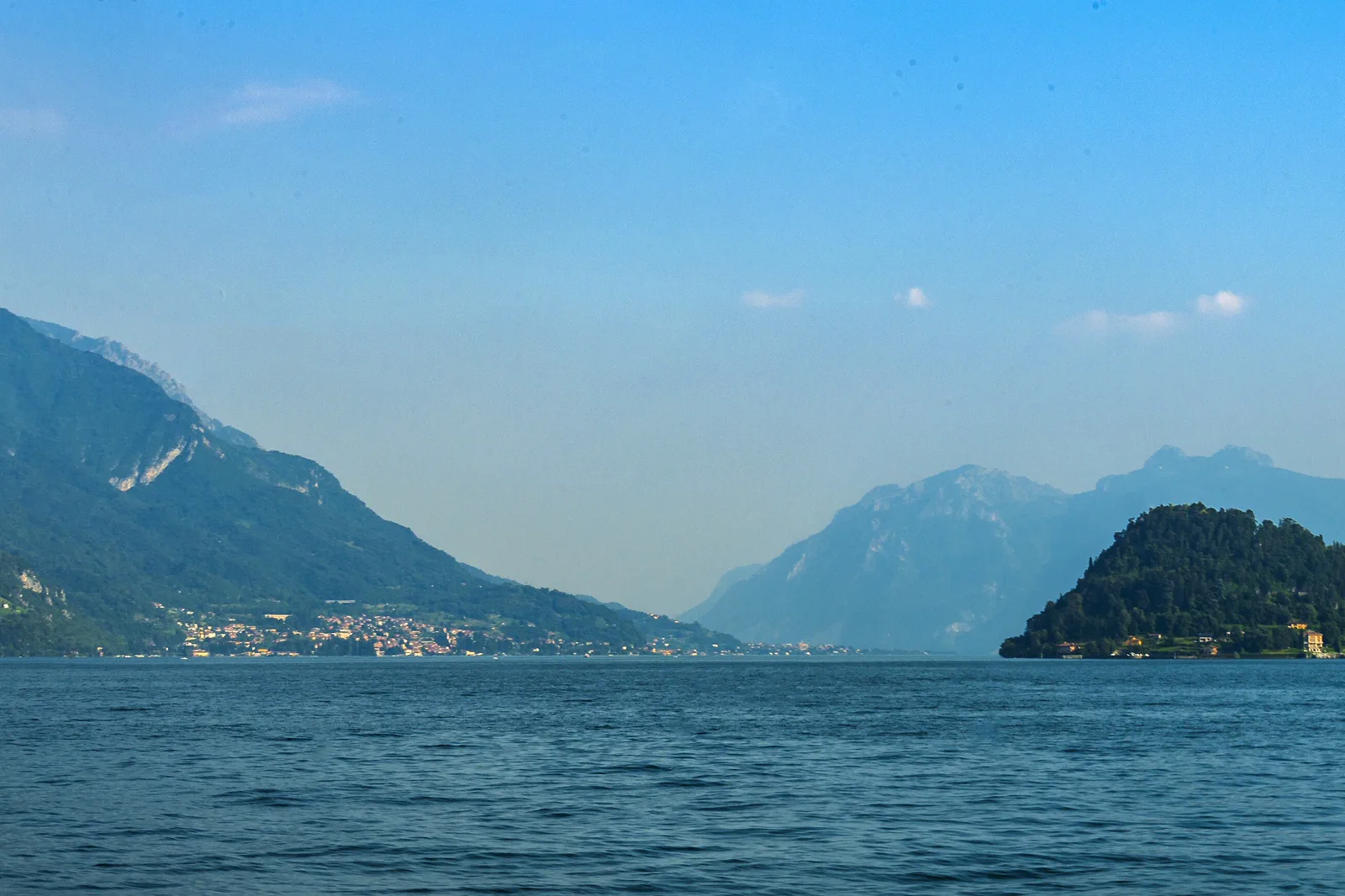
Lake Como Central Lake
Choose Varenna, Bellagio or the western shore as the day’s anchor, then make one purposeful central-lake crossing while retaining a direct route back to the rail or accommodation gateway.
Open the complete route →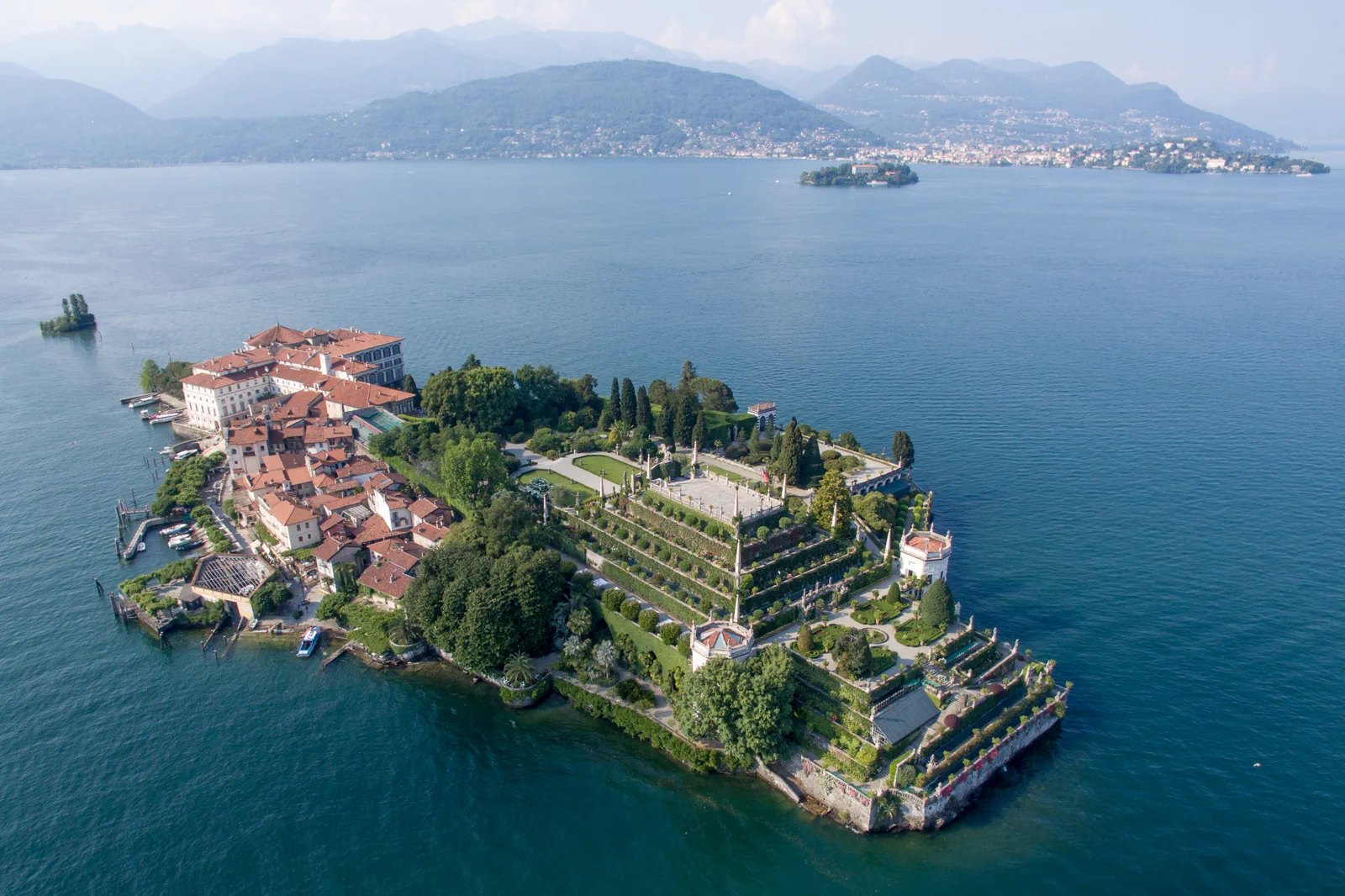
Lake Maggiore & the Borromean Islands
Choose whether one Borromean island, a two-island sequence or the mainland shore is the main visit, and treat boat transport and each admission as separate commitments rather than a single “islands” ticket.
Open the complete route →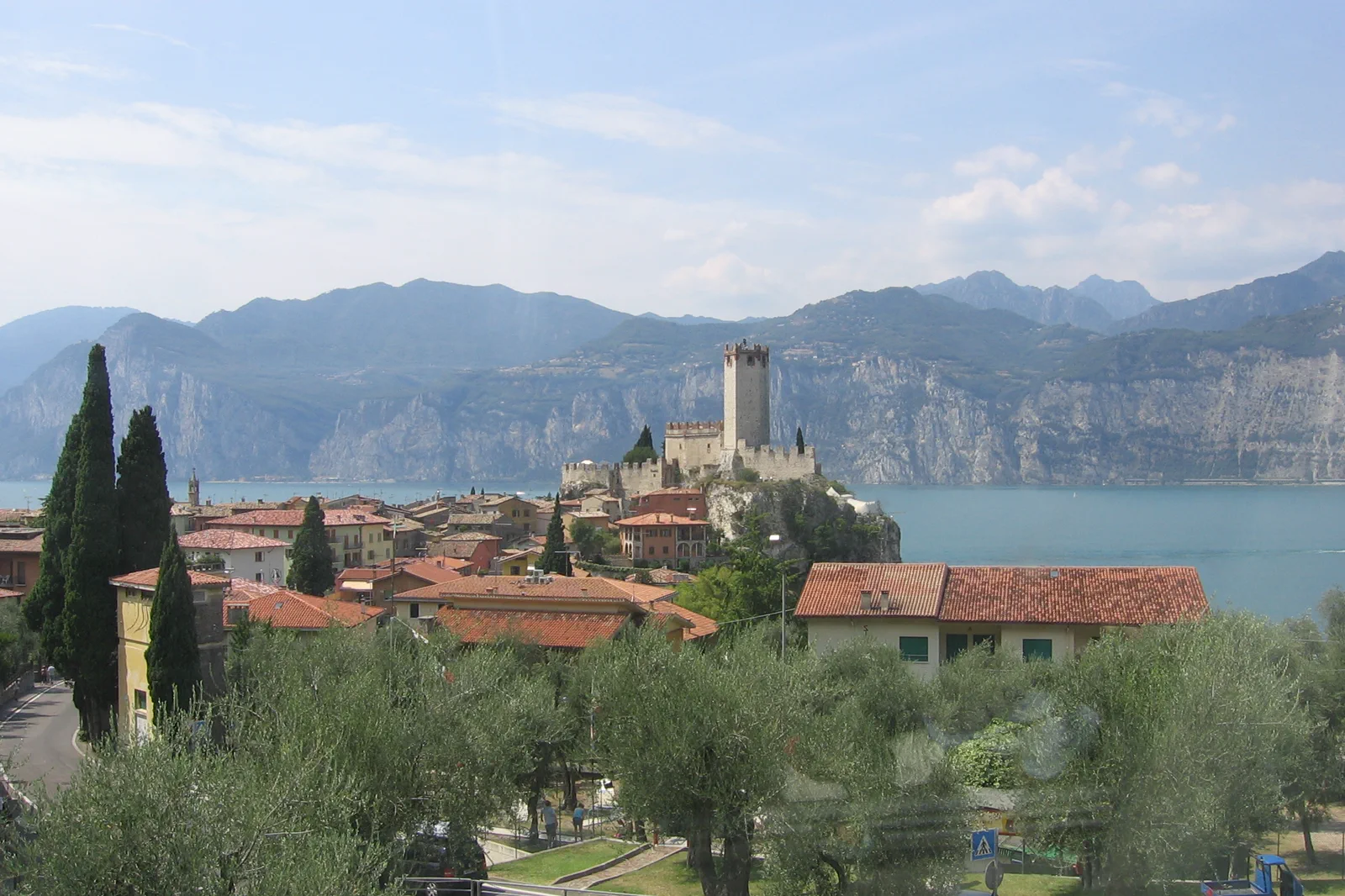
Lake Garda Shores
Choose a southern rail gateway, an eastern-shore corridor or a northern mountain-edge day before travel, because Lake Garda’s length and changing road, bus and boat links make a spontaneous full circuit unrealistic.
Open the complete route →Every route gains something by leaving something else out.
Lake Como Central Lake
Gateway: Varenna-Esino station and the Varenna ferry landings are connected by a real downhill and uphill walk; Bellagio has no rail station, and Menaggio requires a water or road connection. Como’s stations and piers serve a different southern gateway. Save the exact landing and service type rather than treating “Lake Como” as one terminal.
Sacrifice: Three towns can appear close across the water while their boarding queues, sailing pattern and hill streets consume the day. Giving one town depth and one crossing priority sacrifices a postcard checklist but keeps the return resilient.
Time: Allow seven to nine hours from the rail gateway for one central-lake crossing and two bounded shores. A one-town lake day can fit four to five hours and is the safer reduced-service plan.
Lake Maggiore & the Borromean Islands
Gateway: Stresa railway station is uphill from its waterfront, and the area has multiple landing points and boat products. Other mainland towns create different island approaches. Match the operator, pier, island stop and final shore to the rail return; a generic “boat to Isola Bella” instruction is incomplete.
Sacrifice: Island palaces and gardens require admission and sustained time after the boat lands. Adding a second island buys variety but sacrifices a relaxed interior, meal and reserve sailing. The route chooses either depth or movement explicitly.
Time: Allow a full seven-to-nine-hour day from the rail gateway for two carefully timed islands; one island and the mainland can fit five to seven hours with a better reserve.
Lake Garda Shores
Gateway: There is no single Lake Garda station. Desenzano del Garda-Sirmione and Peschiera del Garda serve the south, while eastern, western and northern towns require onward buses, boats or road travel. Sirmione’s station name does not place the train in the historic peninsula; the last mile must be planned.
Sacrifice: A full-lake circuit turns scenery into hours of transfers and road delay. Choosing one gateway and one direction sacrifices geographic coverage, but creates time for a town, meal, swim or attraction and leaves a credible return.
Time: Allow a full day for one Garda gateway and one shore extension. A two-night stay is better for a northern town or cross-lake plan; a complete circuit is not a responsible day-trip promise.
These sources control the moving parts.
Use this guide for structure, then reopen the official destination, transport, park or venue information for the exact date.
Italian Lakes FAQ
How long should I give Italian Lakes?
Two nights on one lake creates a full water day without tying it to a Milan arrival. Three nights allows a poor-weather mainland day and a second shore. Switching accommodation between lakes usually spends more time on rail gateways and luggage than on the water.
What transport decision matters most around Italian Lakes?
Como, Varenna, Stresa, Desenzano and Peschiera solve different arrivals; some celebrated lake towns have no rail station. Match the train to a named pier or bus connection, distinguish similarly named stations and docks, and record the final practical boat and onward rail before leaving the gateway.
What should I do if weather, access or transport changes?
Build every lake day around a rail-connected or road-connected gateway with enough streets, waterfront and indoor options to remain worthwhile. When boats are suspended or full, stay on that shore and protect the train or bus return instead of assembling taxis around the water.
Official sources and photo credits
Planning facts and image licensing were reviewed on 26 September 2026. Verify current tickets, rail, roads, ZTLs, paths, ferries and site access before travel.
- Navigazione Laghi — official services for Lakes Maggiore, Garda and Como.
- in-Lombardia — official regional destination information.
- Visit Garda — official lake destination information.
- Bellagio and Lake Como from Menaggio-Varenna ferry.jpg — Daniel Case, CC BY-SA 3.0. Resized, display-cropped and converted to WebP; no other material edits.
- Borromeo-P3P-20170530-010 (36234155645).jpg — CucombreLibre from New York, NY, USA, CC BY 2.0. Resized, display-cropped and converted to WebP; no other material edits.
- MALCESINE GARDA LAKE AND SCALIGERO CASTLE.מלצ'סינה טירת סקליג'רי ואגם גארדה.jpg — Avisadehh, CC0. Resized, display-cropped and converted to WebP; no other material edits.