Milan
Fix one controlled interior, then keep the rest of Milan on one legible street and transit line.
Milan rewards deliberate transitions rather than landmark accumulation. The cathedral complex, Brera, Santa Maria delle Grazie, the Castello, Porta Nuova and the Navigli sit in different operating zones, and the scarce reservation or exact museum entrance should determine the direction of the day rather than become one more pin in a cross-city loop.
Base, transfer, season and fallback must work together.
Sleep beside the useful departure.
Three nights supports one historic-centre and collection day, one fixed-reservation or castle day and one modern-city to canal sequence. A fourth night makes room for a fair, major exhibition or a lower-pressure evening without forcing an airport move and a timed admission onto the same clock.
Name the whole last mile.
Milano Centrale, Porta Garibaldi and Cadorna are separate rail gateways, while the city airports use different rail, coach and terminal arrangements. Match the arrival product to the hotel and first booked door, then save the ATM line and station exit that serve the actual entrance rather than navigating only to a district name.
Let current conditions edit the route.
Summer heat makes exposed piazzas and rooftop visits more demanding, while rain shifts value toward collections and covered passages. Trade fairs, fashion and design events can tighten rooms and alter public-space access; they should be checked as dated operating conditions, not assumed attractions.
Keep one complete lower-risk day.
Keep a same-zone alternative for every controlled interior. Cathedral exteriors, the Galleria, Brera streets, Castello courtyards, Porta Nuova public space and a bounded canal walk can preserve a coherent day when a roof, gallery or reserved visit changes, without sending the traveler across Milan to chase a replacement headline.
Choose the gateway, threshold and return you actually have.
Each route uses a different planning instrument, exact official sources and a complete alternative when the main gate closes.
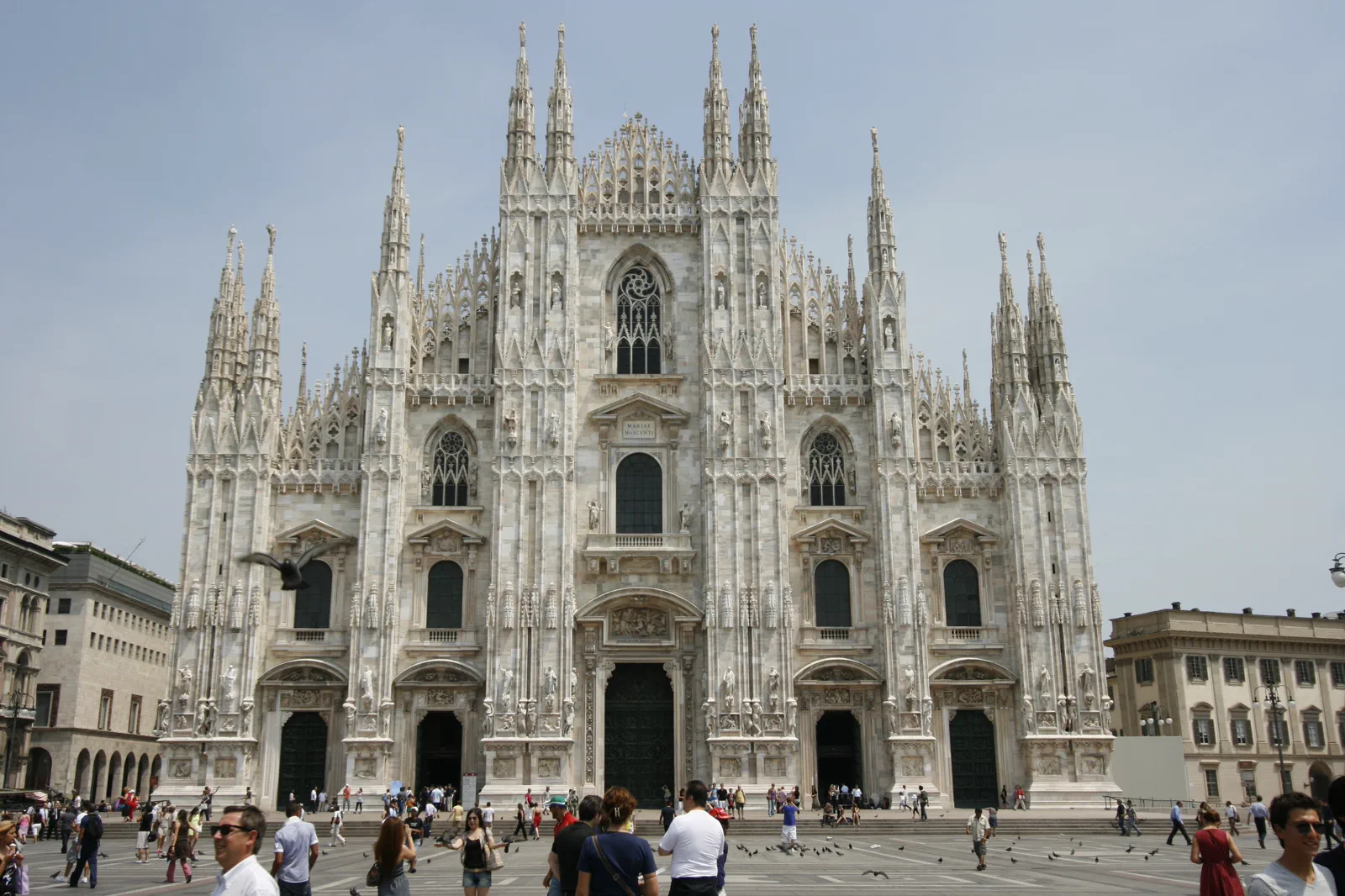
Duomo, Brera & the Historic Centre
Choose whether the cathedral complex or the Pinacoteca di Brera receives the day’s main attention, then cross the historic centre once without treating terraces, church, galleries, shopping arcade and every Brera interior as equal commitments.
Open the complete route →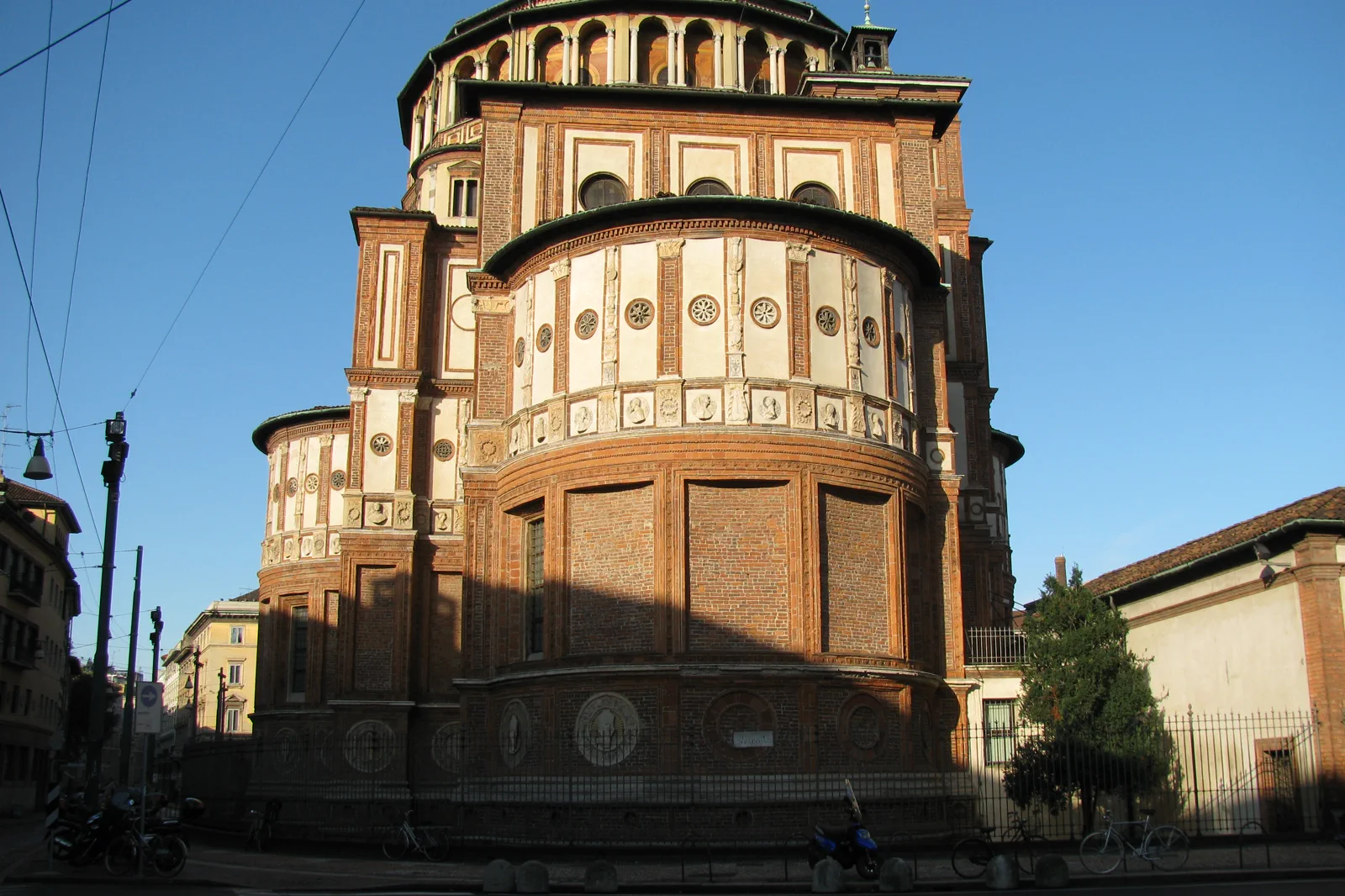
The Last Supper, Santa Maria delle Grazie & the Castello
Build the day around the exact Last Supper admission slot, then decide whether Santa Maria delle Grazie, the Castello museums or the park receives the remaining attention instead of assuming one famous image unlocks the whole western centre.
Open the complete route →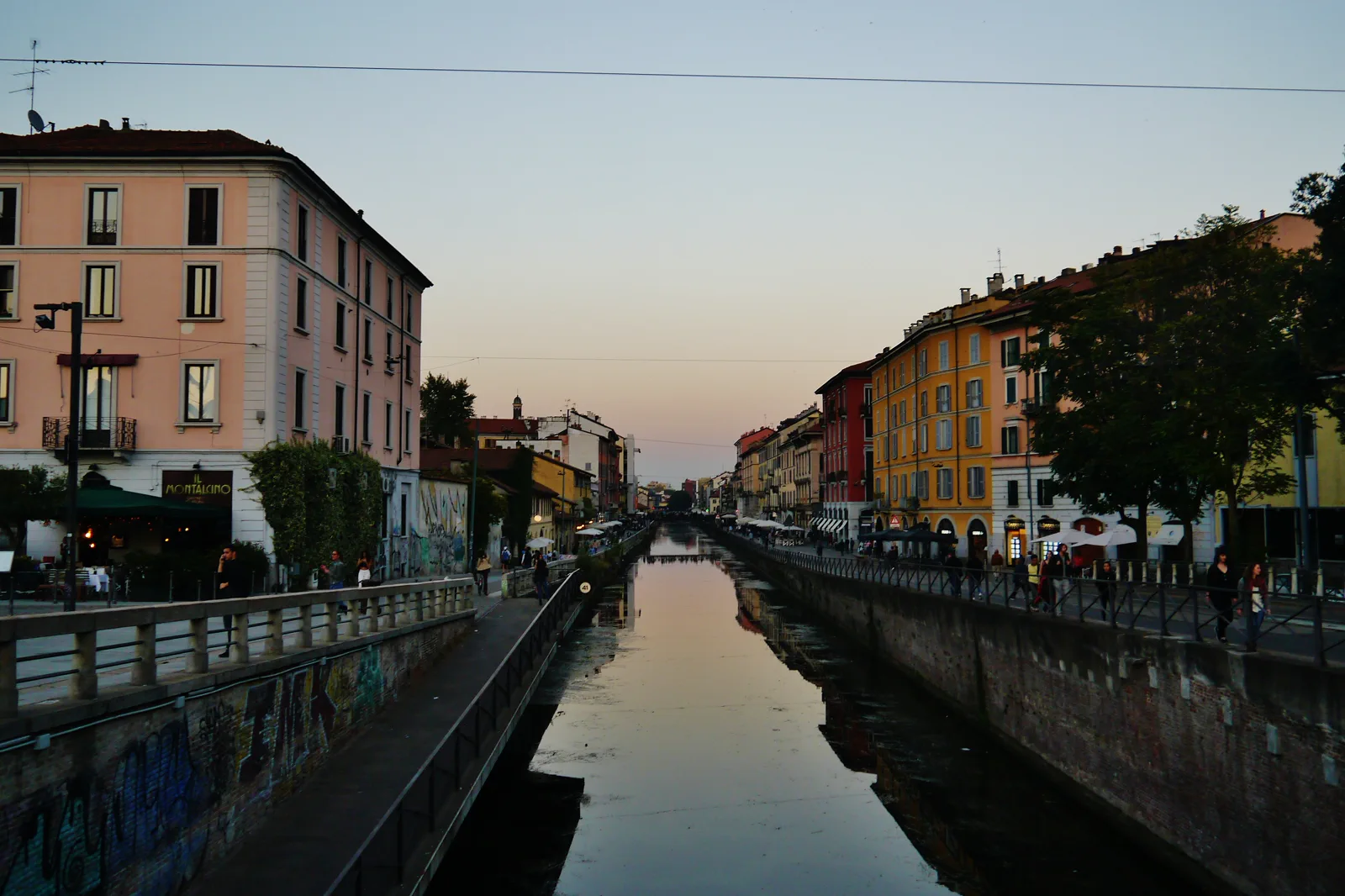
Navigli, Porta Nuova & Milan Design
Decide whether contemporary Porta Nuova, a current design attraction or the Navigli evening is the main layer, then make only one north-to-south transit move so fashionable districts do not become a day of disconnected photo stops.
Open the complete route →Every route gains something by leaving something else out.
Duomo, Brera & the Historic Centre
Gateway: Duomo station serves the square on two Metro lines, but its exits emerge around a large pedestrian and traffic field. Brera is approached more usefully from the north side of the centre or from Lanza, depending on the final door. Follow the entrance printed on the cathedral or gallery booking; a façade, terrace lift and museum entrance are not interchangeable.
Sacrifice: A complete cathedral complex and a serious Brera collection visit both require security, standing and focused indoor time. Selecting one as the anchor gives up depth in the other, but preserves a meal, a coherent northbound walk and enough attention to understand the chosen interior.
Time: Allow six to eight hours for one substantial controlled interior, the historic-centre walk and a real break. A public-realm circuit without a major interior can fit three to four hours.
The Last Supper, Santa Maria delle Grazie & the Castello
Gateway: The Cenacolo Vinciano has its own controlled visit instructions beside Santa Maria delle Grazie; entering the church is a separate act. Conciliazione and Cadorna serve different approaches, while Cairoli is useful near the Castello. Save the booked entrance and arrival requirement rather than navigating only to the church name.
Sacrifice: The Last Supper’s fixed slot cannot absorb a late airport or rail arrival, and the Castello is a multi-museum complex rather than one quick room. Giving one institution depth sacrifices breadth in the other but prevents the entire day from becoming a sequence of security lines.
Time: Allow five to seven hours for the fixed Cenacolo visit, the church precinct, a meal and one bounded Castello or park layer. The Last Supper itself should never be scheduled as a connection-day afterthought.
Navigli, Porta Nuova & Milan Design
Gateway: Porta Garibaldi rail and Metro services the northern start, while Porta Genova is the practical Metro gateway for Naviglio Grande and the Darsena side. These are not adjacent districts. Use one confirmed ATM transfer and save the late return from the canal-side stop before settling into dinner.
Sacrifice: Porta Nuova, a meaningful design interior and an unhurried Navigli evening each require a different attention window. A split day works only by choosing one daytime anchor; adding every design quarter and canal branch turns the useful transfer into repeated cross-city travel.
Time: Allow a full afternoon and evening for one northern or design anchor plus the Navigli. A single district can fill three to four hours; all-day coverage of both should include a real rest and one transit crossing.
These sources control the moving parts.
Use this guide for structure, then reopen the official destination, transport, park or venue information for the exact date.
Milan FAQ
How long should I give Milan?
Three nights supports one historic-centre and collection day, one fixed-reservation or castle day and one modern-city to canal sequence. A fourth night makes room for a fair, major exhibition or a lower-pressure evening without forcing an airport move and a timed admission onto the same clock.
What transport decision matters most around Milan?
Milano Centrale, Porta Garibaldi and Cadorna are separate rail gateways, while the city airports use different rail, coach and terminal arrangements. Match the arrival product to the hotel and first booked door, then save the ATM line and station exit that serve the actual entrance rather than navigating only to a district name.
What should I do if weather, access or transport changes?
Keep a same-zone alternative for every controlled interior. Cathedral exteriors, the Galleria, Brera streets, Castello courtyards, Porta Nuova public space and a bounded canal walk can preserve a coherent day when a roof, gallery or reserved visit changes, without sending the traveler across Milan to chase a replacement headline.
Official sources and photo credits
Planning facts and image licensing were reviewed on 26 September 2026. Verify current tickets, rail, roads, ZTLs, paths, ferries and site access before travel.
- Duomo di Milano — official cathedral-complex visits.
- YesMilano — official city attractions and planning context.
- ATM Milano — official urban transport information.
- Milan-duomo-front-facade.jpg — Skarkkai, CC0. Resized, display-cropped and converted to WebP; no other material edits.
- Santa Maria delle Grazie.jpg — Masi27185 ( talk ), CC BY-SA 3.0. Resized, display-cropped and converted to WebP; no other material edits.
- Milano Naviglio Grande am Abend 1.jpg — Zairon, CC BY-SA 4.0. Resized, display-cropped and converted to WebP; no other material edits.