Naples, Pompeii & Vesuvius
Separate the living city, the buried cities and the volcano into complete operating days.
Naples, Pompeii, Herculaneum and Vesuvius share a volcanic landscape but not one visitor system. The city uses metro, funicular and walking layers; archaeological parks use named entrances and long exposed routes; the crater depends on separate transport, timed access and live safety decisions.
Base, transfer, season and fallback must work together.
Sleep beside the useful departure.
Three to five nights in Naples supports one complete city day and one archaeological day, with a third day for Herculaneum or a weather-dependent volcano plan. Staying near Centrale/Garibaldi favors regional rail; the historic centre favors evenings but adds the station transfer; the waterfront favors ferries but not every excavation departure.
Name the whole last mile.
Napoli Centrale, the Garibaldi underground levels, Porta Nolana and Molo Beverello serve different networks. Circumvesuviana/EAV and Trenitalia stops are not interchangeable labels for Pompeii or Herculaneum. Save the exact station, entrance and return before boarding.
Let current conditions edit the route.
Exposed ruins and volcanic paths become strenuous in summer heat, while rain can close surfaces or crater access. Strikes, works and crowd controls affect regional rail. Keep MANN and the city centre as strong all-weather alternatives.
Keep one complete lower-risk day.
When a site or volcano gate closes, use one complete substitute rather than a rushed second attempt: MANN for archaeology, Herculaneum for a smaller excavation, or Naples’ civic and sacred layers for a transport disruption.
Choose the gateway, threshold and return you actually have.
Each route uses a different planning instrument, exact official sources and a complete alternative when the main gate closes.
Naples Centre, MANN & the Waterfront
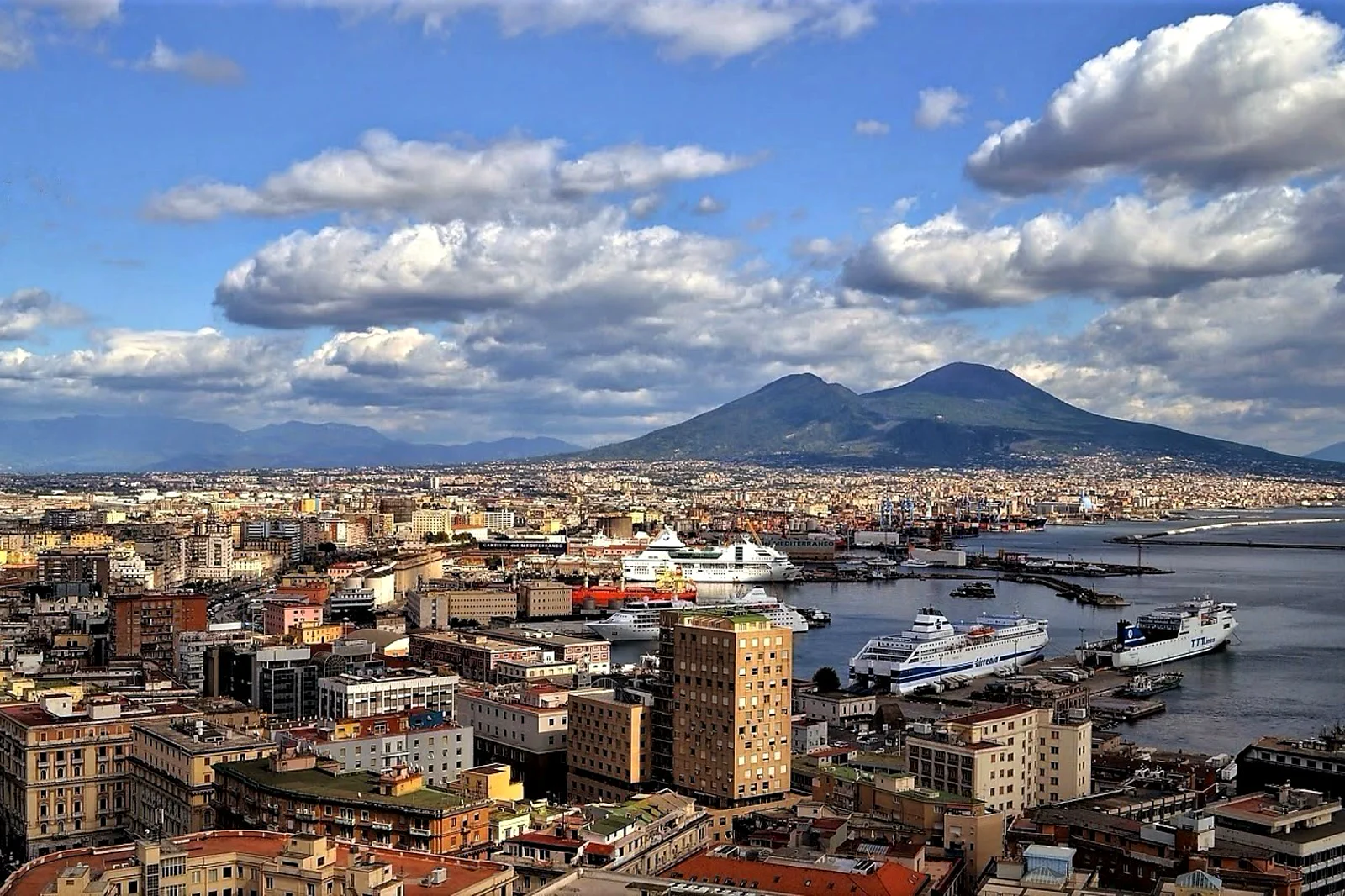
Choose the decumani, the National Archaeological Museum or the Toledo–waterfront axis as the day’s main layer, then assign markets, food and viewpoints to real dayparts instead of weaving repeatedly across the city.
Open the complete route →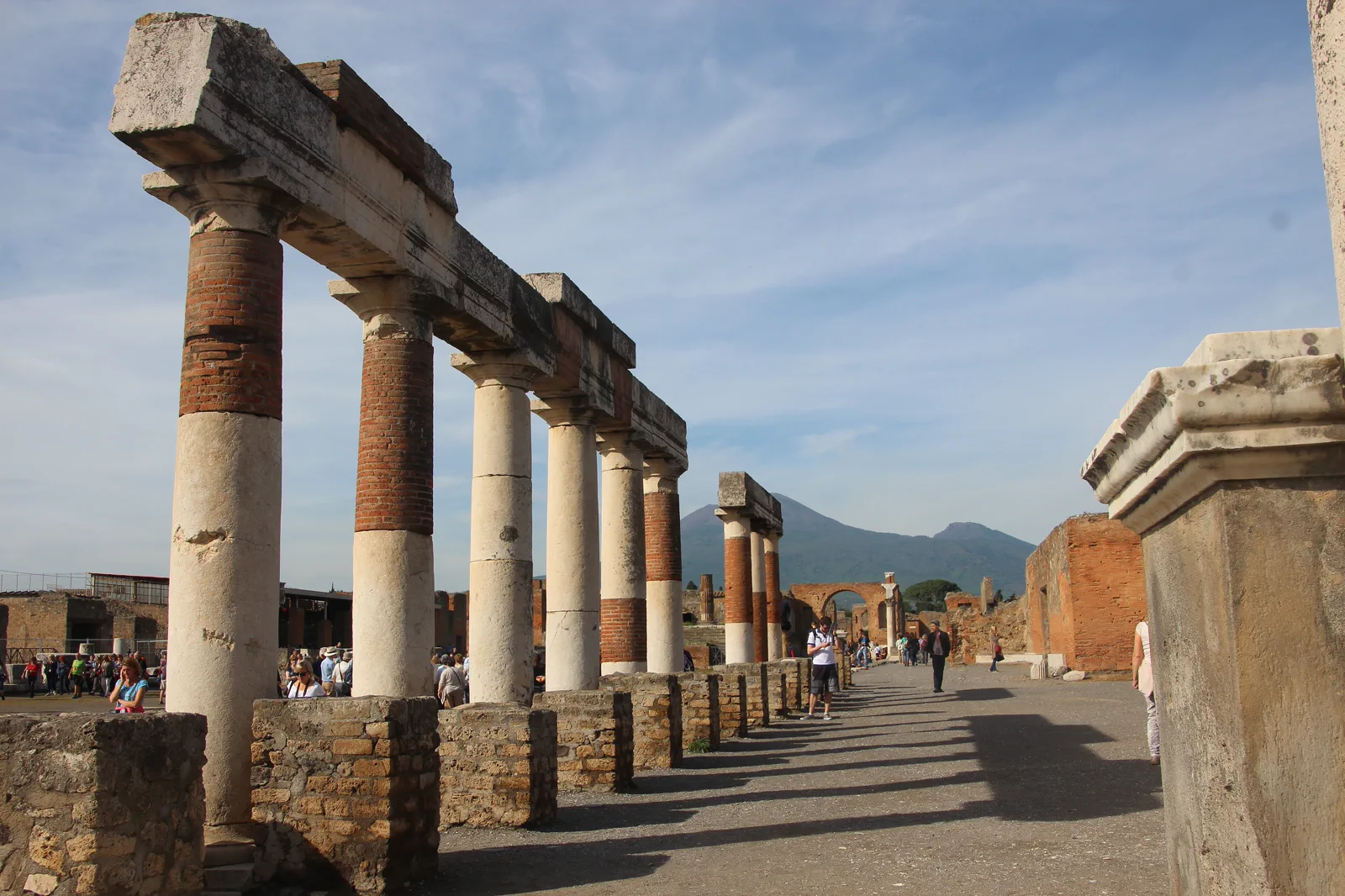
Pompeii Archaeological City
Choose a core Pompeii route, a wider Pompeii+ landscape or the site’s accessible route, then match the correct rail stop and named entrance to the planned exit instead of wandering until heat decides the day.
Open the complete route →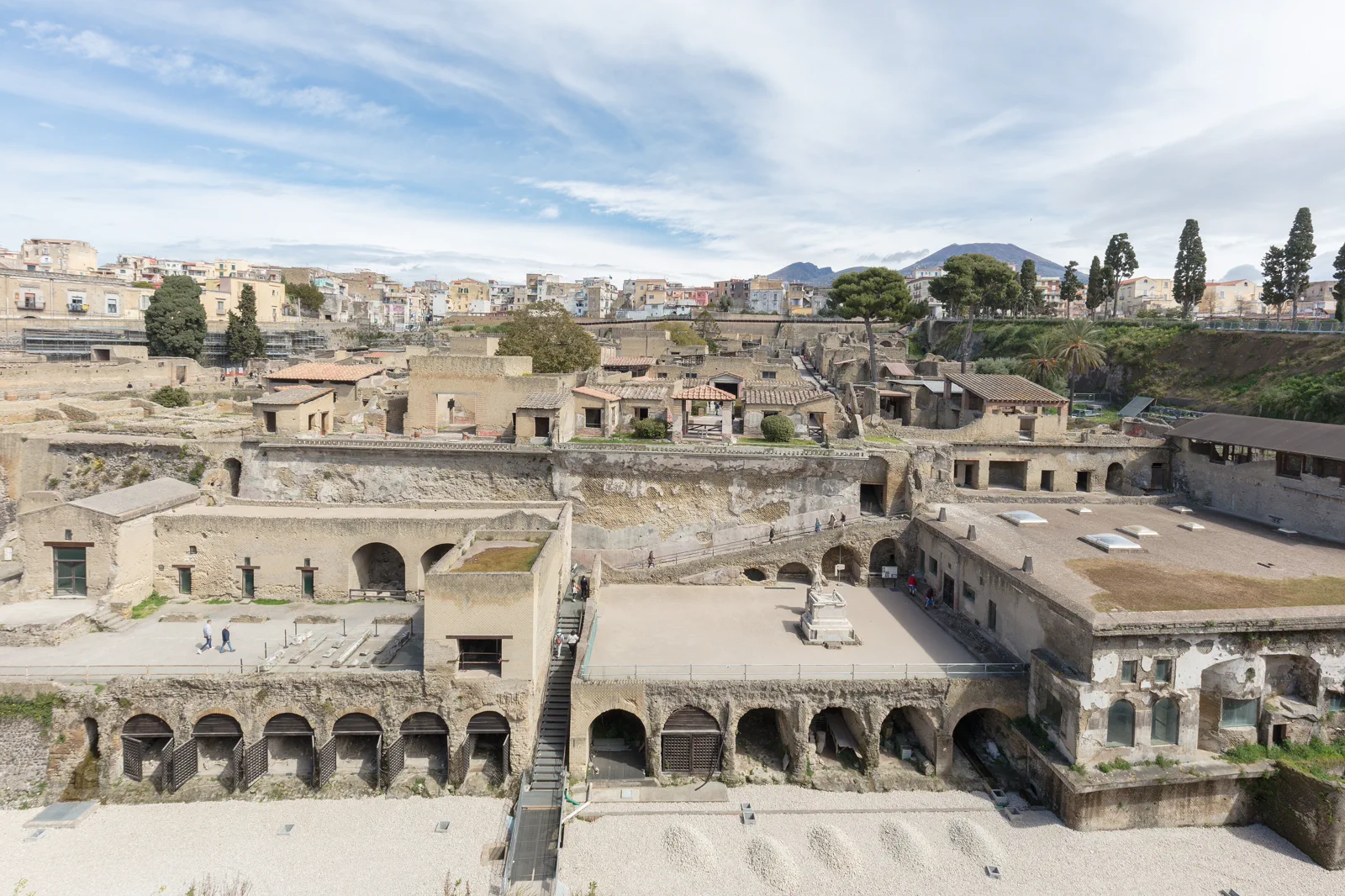
Herculaneum or Vesuvius
Choose an Herculaneum excavation day or a weather-cleared Vesuvius crater product before leaving Naples; the Ercolano walk, park booking and crater transport are separate systems, not a guaranteed combined excursion.
Open the complete route →Every route gains something by leaving something else out.
Naples Centre, MANN & the Waterfront
Gateway: Museo and Dante stations serve different edges of the old centre; Toledo and Municipio serve the western civic and waterfront line; Centrale/Garibaldi is a separate arrival system. Use one metro entry and one downhill street direction rather than treating every station as central.
Sacrifice: MANN can absorb the attention needed for churches, underground sites or a long market walk. Choosing one principal layer gives up several famous interiors but creates room for Naples’ density, a proper meal and a calmer evening exit.
Time: Allow six to eight hours for a museum-led or street-led city day with a real break. Keep a shorter arrival day to one spine and the waterfront.
Pompeii Archaeological City
Gateway: Pompei Scavi–Villa dei Misteri suits Porta Marina, while Pompei Santuario and other rail services approach the modern town and Anfiteatro side. Gate names, rail operators and ticket products differ. Decide the entrance and exit pair before choosing the train.
Sacrifice: Pompeii’s scale makes a complete checklist impossible. Choosing one urban argument gives up distant houses or villas but preserves water, shade, attention and a reliable route back to the rail gate.
Time: Allow five to seven hours for a focused route plus arrival and return. A wider villa plan needs most of a day and should not be combined with Vesuvius.
Herculaneum or Vesuvius
Gateway: Ercolano Scavi station sits uphill from the archaeological entrance. Vesuvius access requires a separate confirmed road and park-entry chain; arriving at Ercolano does not create a crater transfer automatically. Work backward from the official crater slot and return.
Sacrifice: The excavation rewards slow room-by-room reading, while the crater uses transfer and uphill walking time. Combining both gives up depth and recovery margin; choosing one creates a complete visit with a reliable return.
Time: Allow four to six hours for Herculaneum with transport, or most of a day for a crater window from Naples. Do not promise both as a relaxed half-day pair.
These sources control the moving parts.
Use this guide for structure, then reopen the official destination, transport, park or venue information for the exact date.
Naples, Pompeii & Vesuvius FAQ
How long should I give Naples, Pompeii & Vesuvius?
Three to five nights in Naples supports one complete city day and one archaeological day, with a third day for Herculaneum or a weather-dependent volcano plan. Staying near Centrale/Garibaldi favors regional rail; the historic centre favors evenings but adds the station transfer; the waterfront favors ferries but not every excavation departure.
What transport decision matters most around Naples, Pompeii & Vesuvius?
Napoli Centrale, the Garibaldi underground levels, Porta Nolana and Molo Beverello serve different networks. Circumvesuviana/EAV and Trenitalia stops are not interchangeable labels for Pompeii or Herculaneum. Save the exact station, entrance and return before boarding.
What should I do if weather, access or transport changes?
When a site or volcano gate closes, use one complete substitute rather than a rushed second attempt: MANN for archaeology, Herculaneum for a smaller excavation, or Naples’ civic and sacred layers for a transport disruption.
Official sources and photo credits
Planning facts and image licensing were reviewed on 26 September 2026. Verify current tickets, rail, roads, ZTLs, paths, ferries and site access before travel.
- Naples official tourism portal — city visitor information.
- ANM Napoli — official city transport information.
- EAV — official Campania regional rail information.
- Napoli vista dall'alto. 0009.jpg — Giuseppe Guida, CC BY-SA 4.0. Resized, display-cropped and converted to WebP; no other material edits.
- Pompeii Forum and Vesuvius (23521893934).jpg — Takver from Australia, CC BY-SA 2.0. Resized, display-cropped and converted to WebP; no other material edits.
- Antigua ciudad de Herculano, Italia, 2023-03-27, DD 141.jpg — Diego Delso, CC BY-SA 4.0. Resized, display-cropped and converted to WebP; no other material edits.