Puglia
Choose one rail spine or one coast before the heel widens around you.
Puglia looks linear on a national rail map, but its useful journeys split between the Adriatic main line, FS Sud Est branches, inland UNESCO sites and two very different coasts. A workable visit chooses Bari, the Itria Valley or Lecce as a base, then treats every castle, trullo town and beach as a named connection rather than a nearby map pin.
Base, transfer, season and fallback must work together.
Sleep beside the useful departure.
Four to six nights supports Bari and one northern excursion, a separate Itria Valley day and a Lecce-based southern branch. With fewer nights, choose either Bari plus the Itria Valley or Lecce plus one Salento coast instead of changing accommodation after every town.
Name the whole last mile.
Trenitalia serves the Adriatic spine, while FS Sud Est operates many inland and Salento branches. Station names, replacement buses and seasonal patterns matter; Castel del Monte, trullo towns and beaches often add a bus, walk or booked transfer beyond the railway.
Let current conditions edit the route.
Summer heat makes exposed stone towns and midday station changes demanding, while coastal services and visitor pressure peak. Winter and shoulder seasons reduce heat but can thin branch-line, bus and attraction schedules, so the dated operating day matters more than a generic season label.
Keep one complete lower-risk day.
Keep one complete base-city route for every rural or coastal excursion. If a branch train, bus or protected-site gate fails, stay in Bari, Lecce, Trani or the first Itria town rather than building an unverified taxi chain across the region.
Choose the gateway, threshold and return you actually have.
Each route uses a different planning instrument, exact official sources and a complete alternative when the main gate closes.
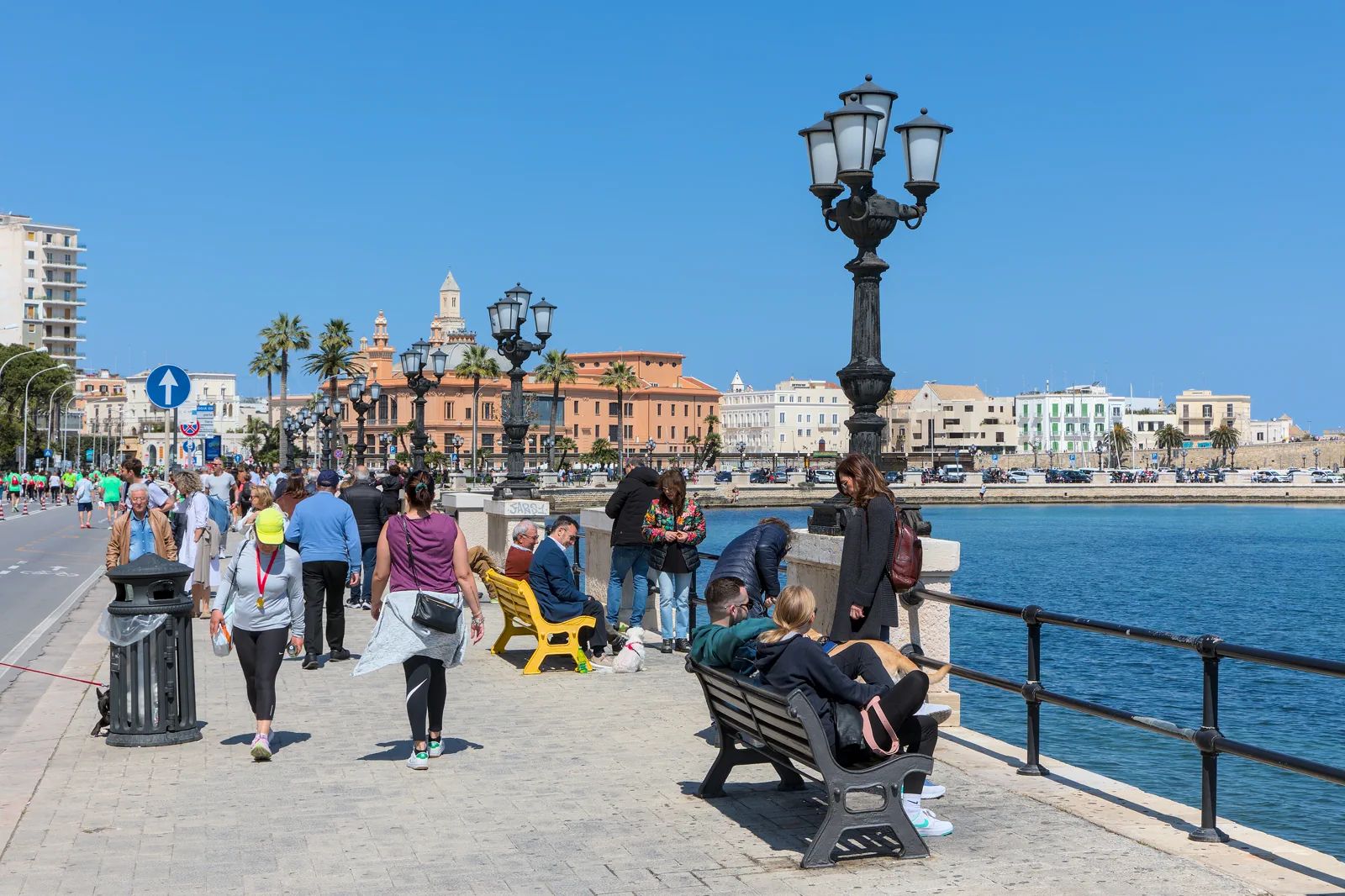
Bari, Trani & Castel del Monte
Decide whether the day belongs to Bari, rail-linked Trani or the inland fortress, then expose the transfer that makes the chosen branch possible instead of advertising all three as an effortless circuit.
Open the complete route →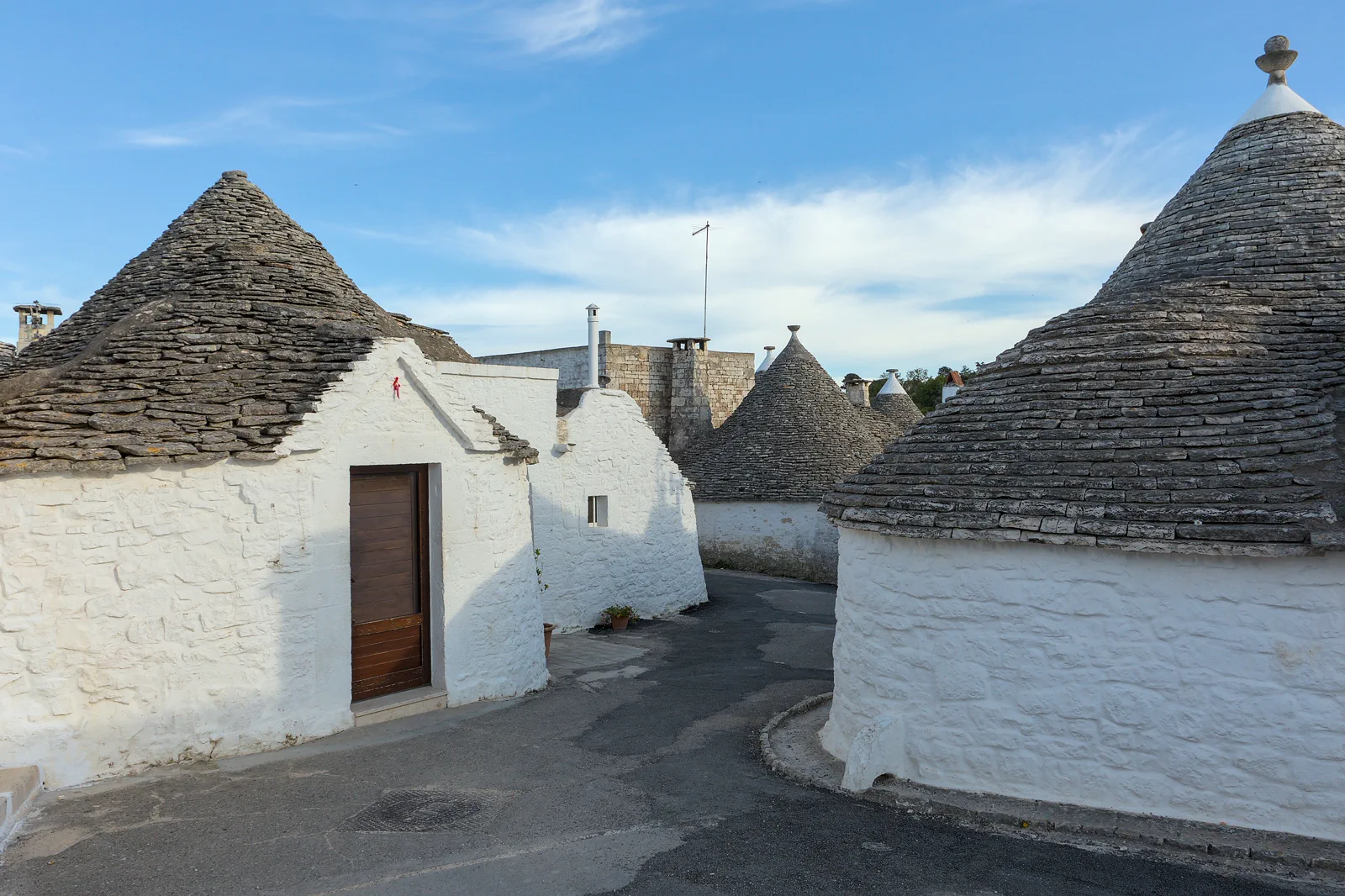
Alberobello & the Itria Valley
Choose one realistic public-transport radius around Alberobello, Locorotondo, Martina Franca or Ostuni and prevent the Itria Valley from becoming a string of white towns with invisible transfers.
Open the complete route →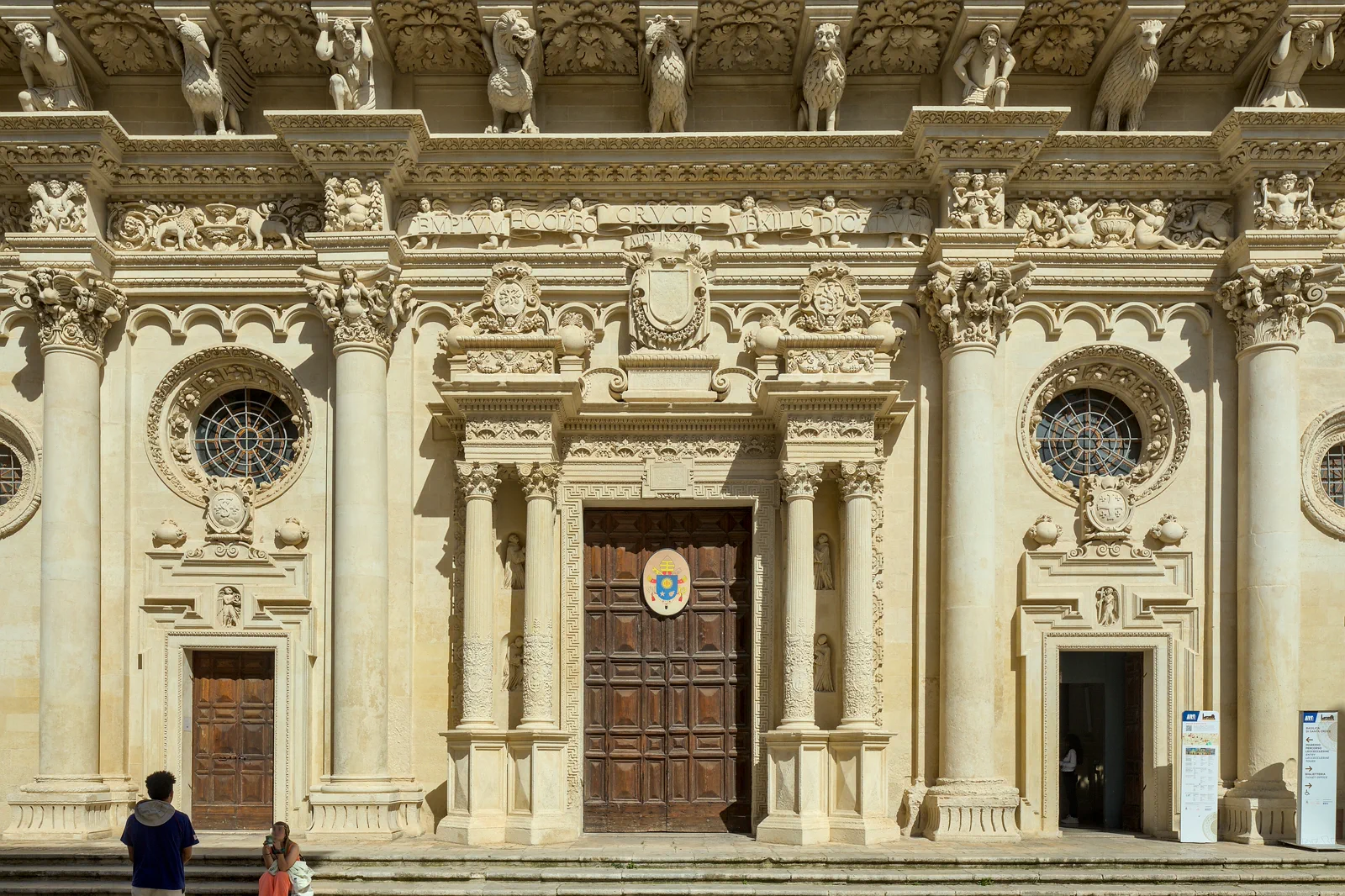
Lecce, Otranto & Gallipoli
Use Lecce as a deliberate base, then choose either the Adriatic Otranto branch or the Ionian Gallipoli branch rather than crossing the Salento peninsula twice for a checklist.
Open the complete route →Every route gains something by leaving something else out.
Bari, Trani & Castel del Monte
Gateway: Bari Centrale is the hub, Bari Vecchia lies beyond a city walk, and Trani has its own main-line station. Castel del Monte is not beside the railway: identify the usable rail or bus gateway, the onward operator, the park or drop-off point and the return before treating the monument as booked.
Sacrifice: Bari and Trani reward unhurried street reading, while Castel del Monte consumes a last-mile window. Adding the fortress to a two-city day replaces interpretation and meal time with transfers; choose which city depth you are willing to sacrifice.
Time: Allow a full six-to-eight-hour day for Bari depth, Trani, or a Castel del Monte commitment. A carefully timed Bari–Trani pair can fill a long day; adding the fortress usually requires a separate day or private transport.
Alberobello & the Itria Valley
Gateway: Alberobello, Locorotondo and Martina Franca sit on FS Sud Est branches; Ostuni’s main-line station is outside its hilltop core. Confirm whether the selected journey is a train, operator bus or replacement service, and identify the town-centre stop plus final return for the exact weekday.
Sacrifice: Public transport preserves a car-free itinerary but limits the number and order of towns. A car expands reach yet introduces ZTL, parking and designated-driver duties; neither mode turns the entire valley into one easy day.
Time: Allow five to seven hours for one town in depth and seven to nine for a verified two-town pair. More than two public-transport stops should become an overnight circuit or booked tour, not a day-plan promise.
Lecce, Otranto & Gallipoli
Gateway: Lecce’s rail and bus departure points must be matched to the selected operator. Otranto and Gallipoli lie on different FS Sud Est branches, and seasonal through-services or replacement buses should never be inferred from a map. In each town, identify the old-town walk from the actual arrival stop.
Sacrifice: Otranto and Gallipoli face different coasts and reward different light, bathing and history decisions. Attempting both turns Lecce into a transfer and risks the final return; choosing one coast preserves a complete port-city route.
Time: Allow a full day for Lecce plus one coast, or five to seven hours for Lecce alone. Otranto and Gallipoli belong on separate days unless using private transport and deliberately sacrificing depth.
These sources control the moving parts.
Use this guide for structure, then reopen the official destination, transport, park or venue information for the exact date.
Puglia FAQ
How long should I give Puglia?
Four to six nights supports Bari and one northern excursion, a separate Itria Valley day and a Lecce-based southern branch. With fewer nights, choose either Bari plus the Itria Valley or Lecce plus one Salento coast instead of changing accommodation after every town.
What transport decision matters most around Puglia?
Trenitalia serves the Adriatic spine, while FS Sud Est operates many inland and Salento branches. Station names, replacement buses and seasonal patterns matter; Castel del Monte, trullo towns and beaches often add a bus, walk or booked transfer beyond the railway.
What should I do if weather, access or transport changes?
Keep one complete base-city route for every rural or coastal excursion. If a branch train, bus or protected-site gate fails, stay in Bari, Lecce, Trani or the first Itria town rather than building an unverified taxi chain across the region.
Official sources and photo credits
Planning facts and image licensing were reviewed on 26 September 2026. Verify current tickets, rail, roads, ZTLs, paths, ferries and site access before travel.
- Viaggiare in Puglia — official Regione Puglia destination portal.
- FS Sud Est — official rail and bus service information.
- Trenitalia — official national and regional rail planning.
- Bari - Lungomare Araldo di Crollalanza.jpg — Benjamin Smith, CC BY-SA 4.0. Resized, display-cropped and converted to WebP; no other material edits.
- Alberobello - Trulli del Rione Aia Piccola - 02.jpg — Benjamin Smith, CC BY-SA 4.0. Resized, display-cropped and converted to WebP; no other material edits.
- Lecce - Santa Croce - 17.jpg — Benjamin Smith, CC BY-SA 4.0. Resized, display-cropped and converted to WebP; no other material edits.