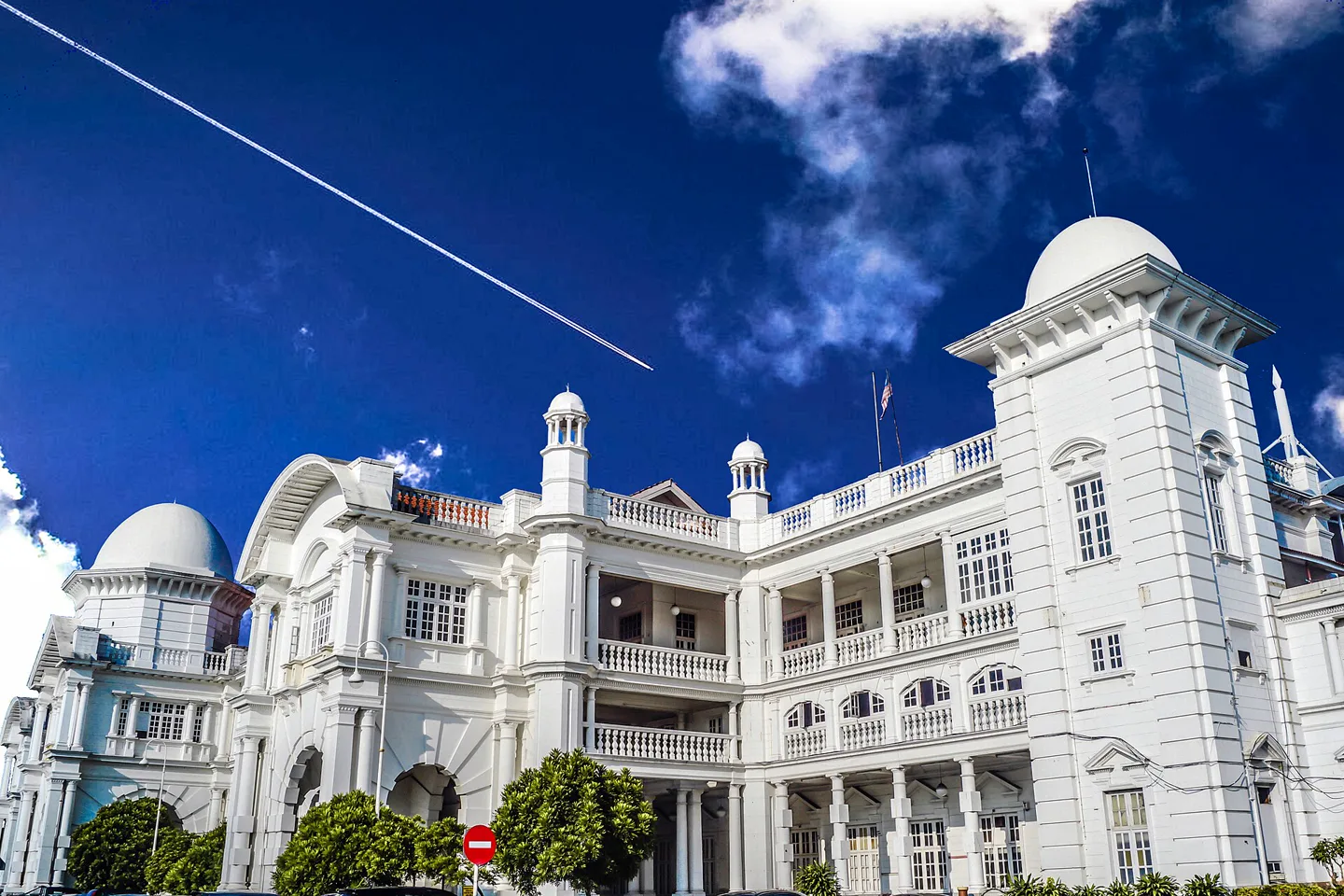
Ipoh inside the Kinta limestone.
Ipoh works when the compact rail-and-old-town core is separated from the wider valley. Read tin-era streets, Kinta River and food businesses on foot; treat cave temples, karst hills and rural edges as planned road branches with living worship and geology intact.
Go beyond the regional overview.
Use the railway city as the hinge, then choose one limestone or mining branch. Cave temples, Gopeng and Batu Gajah are different road days, not a single old-town walk.
01Old Town, Railway & Civic Quarter
Walk Ipoh’s railway and old-town civic quarter with heat control, one heritage interior, food context and a station-based exit.
Open the field guide →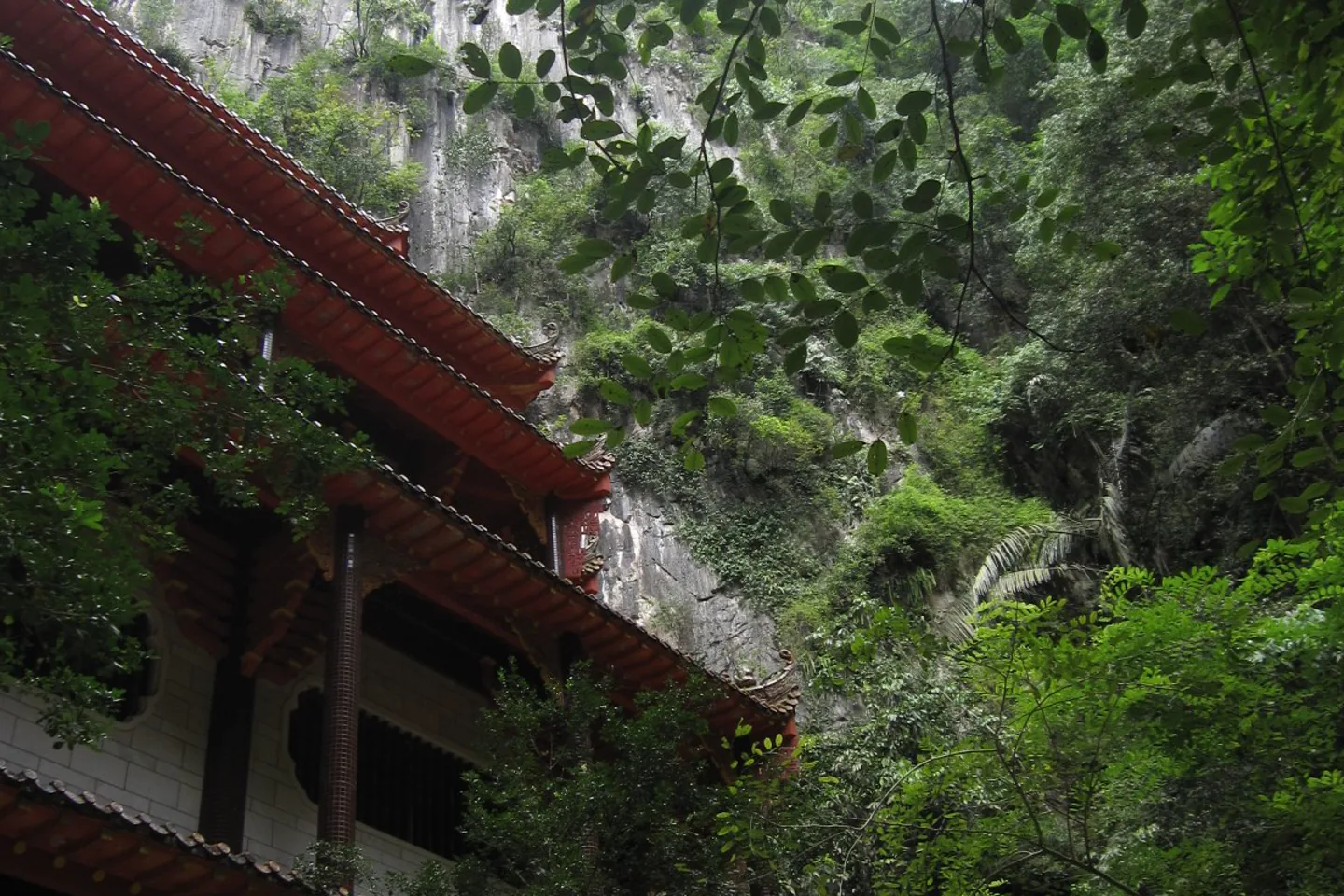 02
02Gunung Rapat Cave Temples
Plan Ipoh’s Gunung Rapat cave temples as active worship sites with named stops, road transport and limestone safety.
Open the field guide →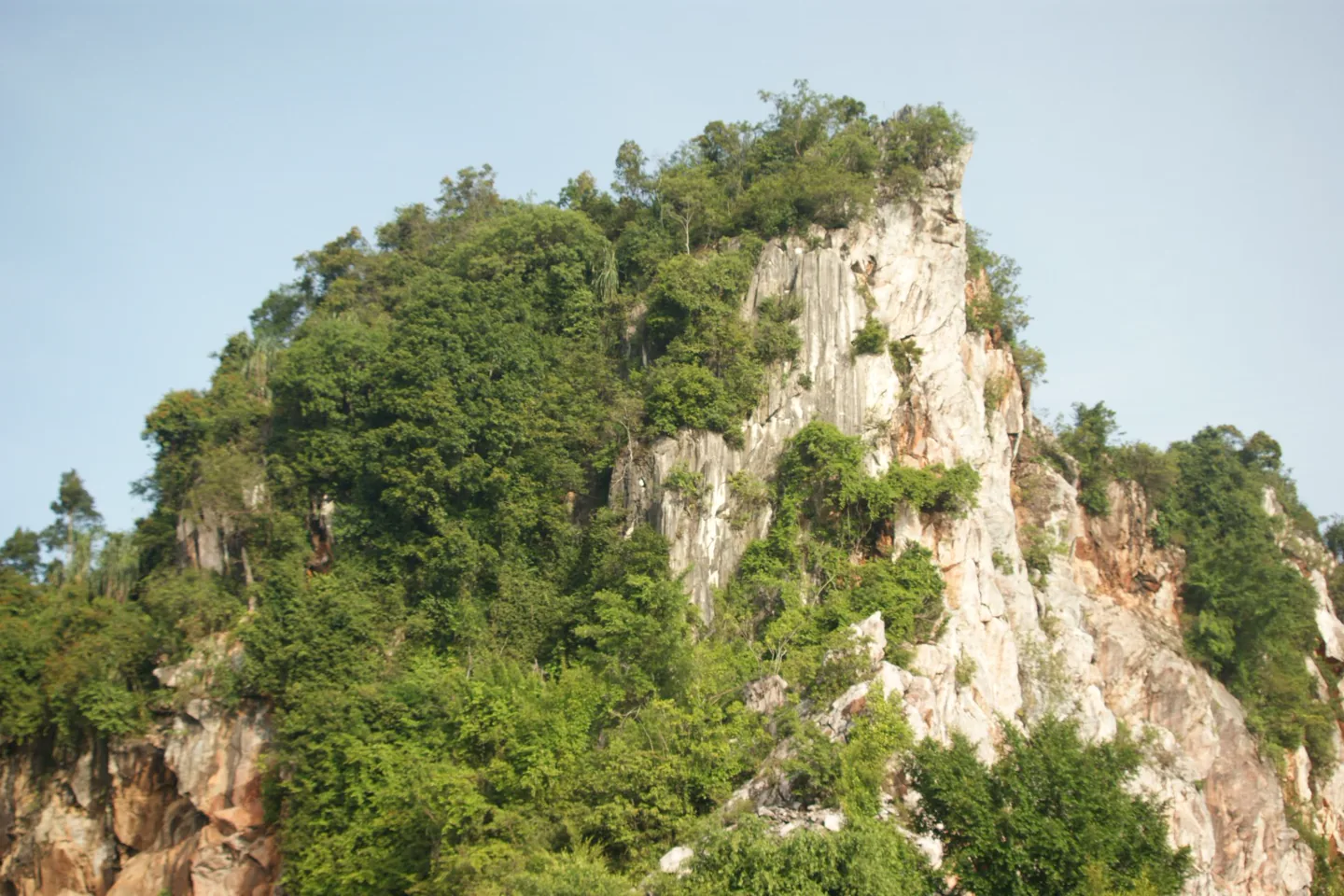 03
03Gopeng & Gua Tempurung
Build a Gopeng and Gua Tempurung branch around the selected cave route, operator responsibility, road time and weather.
Open the field guide →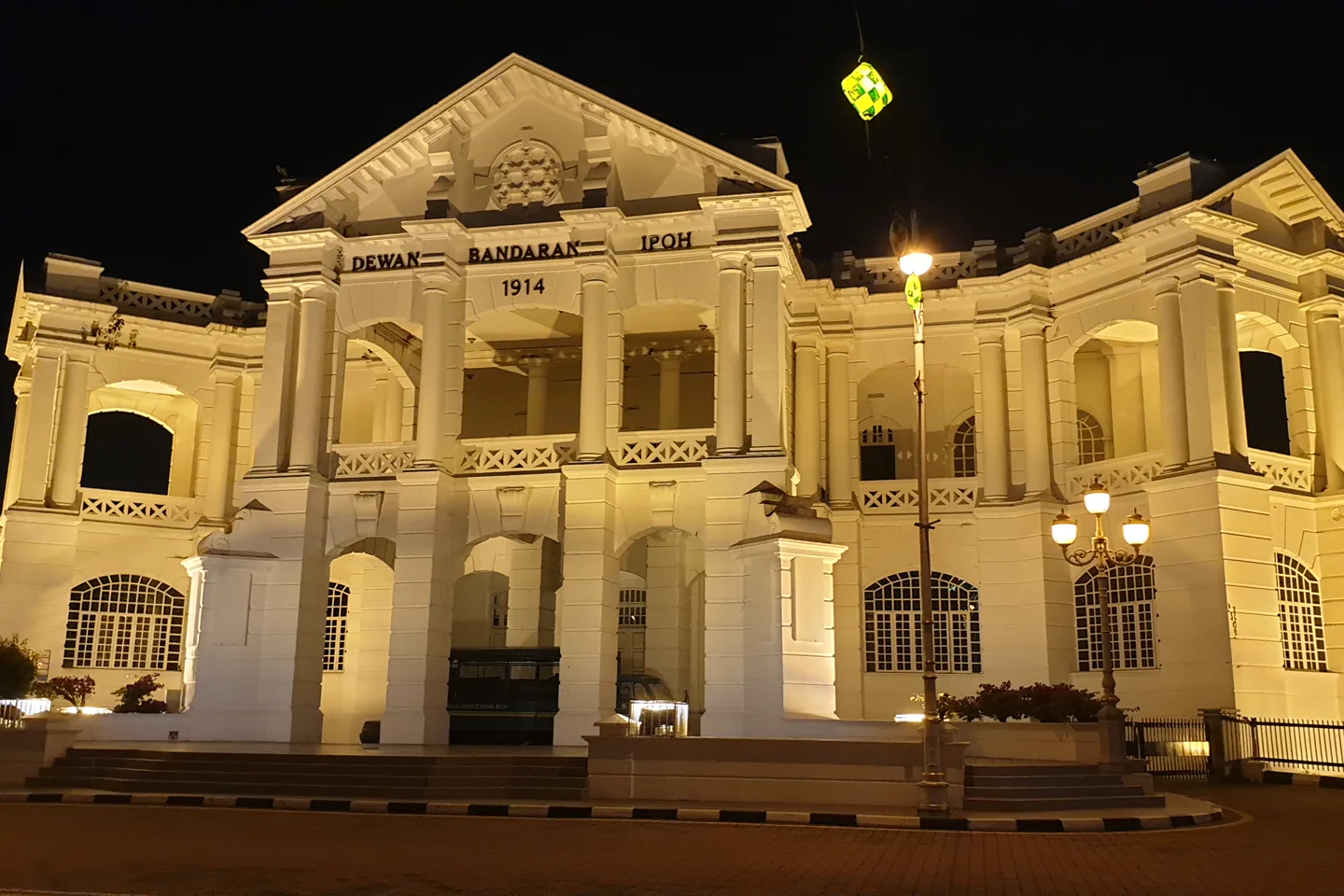 04
04Batu Gajah & Kellie’s Castle
Connect Batu Gajah, tin-mining context and Kellie’s Castle through a road loop that separates evidence from legend.
Open the field guide →The landscape is infrastructure, history and sacred space.
Kinta's limestone is not a scenic wall behind the city. It shapes caves, water, worship, quarry pressure, settlement and the distances visitors must plan.
Do not reduce limestone to a photo stop.
Choose one geological or cultural question for each branch. A cave temple visit requires different behavior from a recreational park or commercial attraction.
- Geology: observe formations without climbing, touching or entering restricted areas.
- Worship: dress modestly, keep voices low and follow photography rules.
- Access: verify the current entrance, hours and safe return transport before departure.
The station earns its place in the route.
Ipoh railway station is both an arrival tool and part of the civic architecture story. Verify current ETS stopping patterns through KTMB and keep an onward buffer.
Exit into the old-town side with the hotel address saved offline. Do not assume a platform arrival means every accommodation is walkable with luggage in heat or rain.
Rail coreStation, town hall, courthouse, shophouses, market streets and Kinta River form a compact first layer. Walk early and use indoor pauses through the hottest hours.
Foot + shadeFood streets and commercial areas east of the river follow a different rhythm. Cross deliberately and avoid carrying a fragile queue plan across peak traffic.
Meal timingReturn to the correct station with time for ticket, platform and baggage checks. Do not attach a remote cave branch directly to a fixed train.
Buffer firstDistance from old town changes the whole day.
Map distance alone does not show a reliable bus, safe pedestrian path, opening schedule or return pickup. Solve each radius independently.
OLD TOWNCave templesGunung Lang / TambunWider Kinta
Inner core · walk
Railway station, civic buildings, Kong Heng, Concubine Lane area and river crossings can form one shaded sequence. Verify museum hours and avoid treating murals as the only history.
Temple belt · hired ride
Sam Poh Tong, Kek Lok Tong, Ling Sen Tong and other cave temples have separate entrances, worship communities and hours. Choose one or two rather than racing along the limestone edge.
Wider valley · dedicated chapter
Gua Tempurung, Batu Gajah, Kellie's Castle, parks or rural food stops require a road plan, current access check and enough daylight. They are not casual add-ons to a train day.
A cave temple is not a themed interior.
Temple courtyards, shrines, resident animals, steps and cave chambers operate under local religious and site rules. Never assume free entry means unrestricted photography or access.
Cover shoulders and knees where requested; remove shoes at marked thresholds.
Keep voices low and silence devices around prayer and ceremonies.
Ask before photographing worshippers, altars, monks or private spaces.
Do not feed wildlife, touch formations or cross barriers for a better angle.
Ipoh's famous dishes run on business hours.
White coffee, noodles, dim sum, bean sprouts, pastries and salt-baked chicken do not form an all-day tasting menu. Build meals around actual opening hours and dietary needs.
Breakfast district
Pick one coffee shop or dim-sum direction and arrive ready to share tables. Ask before filming staff and do not hold a busy seat for extended photography.
Early lunch
Popular noodle and chicken businesses can sell out or close between sessions. Keep a nearby alternative and confirm halal, pork, alcohol and allergy questions directly.
Rest and pastry
Use the hot hours for a museum, café or hotel break. A famous pastry queue is optional; heat recovery improves the evening more than another checklist item.
New-town evening
Choose one food area close to the return route. Traffic and rain can make cross-town restaurant hopping inefficient even when each pin appears nearby.
Build outward one ring at a time.
Two nights work for a compact rail stop. Three nights are stronger when geology, worship, food research or a wider Kinta branch is important.
Station, old town and river
Arrive with daylight, read the civic ensemble and shophouse streets, rest through peak heat and finish with one new-town food direction.
One limestone branch
Prearrange transport to one or two compatible cave temples or parks. Return before a relaxed evening rather than chaining every valley landmark.
Optional wider Kinta
Choose Batu Gajah, a geological site, a museum or a slower food day. Protect the final ETS or onward-road buffer.
Caves, trails, temples and heritage buildings can close for weather, maintenance, worship or safety. Check the official or managing authority and keep a city alternative.
Ipoh and Kinta Valley FAQ
How many nights are useful in Ipoh?
Two nights cover a rail-centered old-town introduction and one cave-temple or limestone branch. Three nights allow a slower food schedule, museums and another valley landscape.
Can I reach Ipoh by train?
KTMB ETS services connect Ipoh with cities on the peninsula's west-side corridor. Timetables and stopping patterns change, so verify the official schedule.
Are Ipoh's cave temples walkable from old town?
No. Major cave temples and limestone sites sit outside the compact rail and old-town core. Plan a hired ride, taxi, e-hailing or licensed tour.
Should I rent a car?
Not for the old-town core. A car can help with a wider Kinta itinerary, but unfamiliar roads, parking and worship-site access still require planning. A hired transfer may be simpler for one branch.
Can Ipoh be a day trip from Kuala Lumpur?
A long rail day is possible, but it leaves little room for cave temples or food opening hours. One or two nights turn Ipoh into a destination instead of a station photograph.
How many cave temples should I visit?
Usually one or two with distinct reasons. More stops can flatten living worship and geology into repeated images while increasing road time.
Official sources and photo credits
Planning facts and licenses were reviewed on 29 August 2026. ETS schedules, temple access and site operations change; verify close to travel. Photographs were resized, center-cropped to 1440 × 960 and converted to WebP; no other material edits were made.
- Tourism Malaysia — Perak guide.
- Tourism Perak — Kinta district.
- KTMB — current ETS timetables.
- Tourism Malaysia — Ipoh itinerary context.
- Ipoh Railway Station — Fairuskhafiz, CC BY-SA 4.0.
- Old Ipoh Town Hall — Michael, CC0 1.0.
- Sam Poh Tong cave temple — Travelpleb, public domain.
- Limestone hill in Ipoh — Aczoom20, CC BY-SA 4.0.