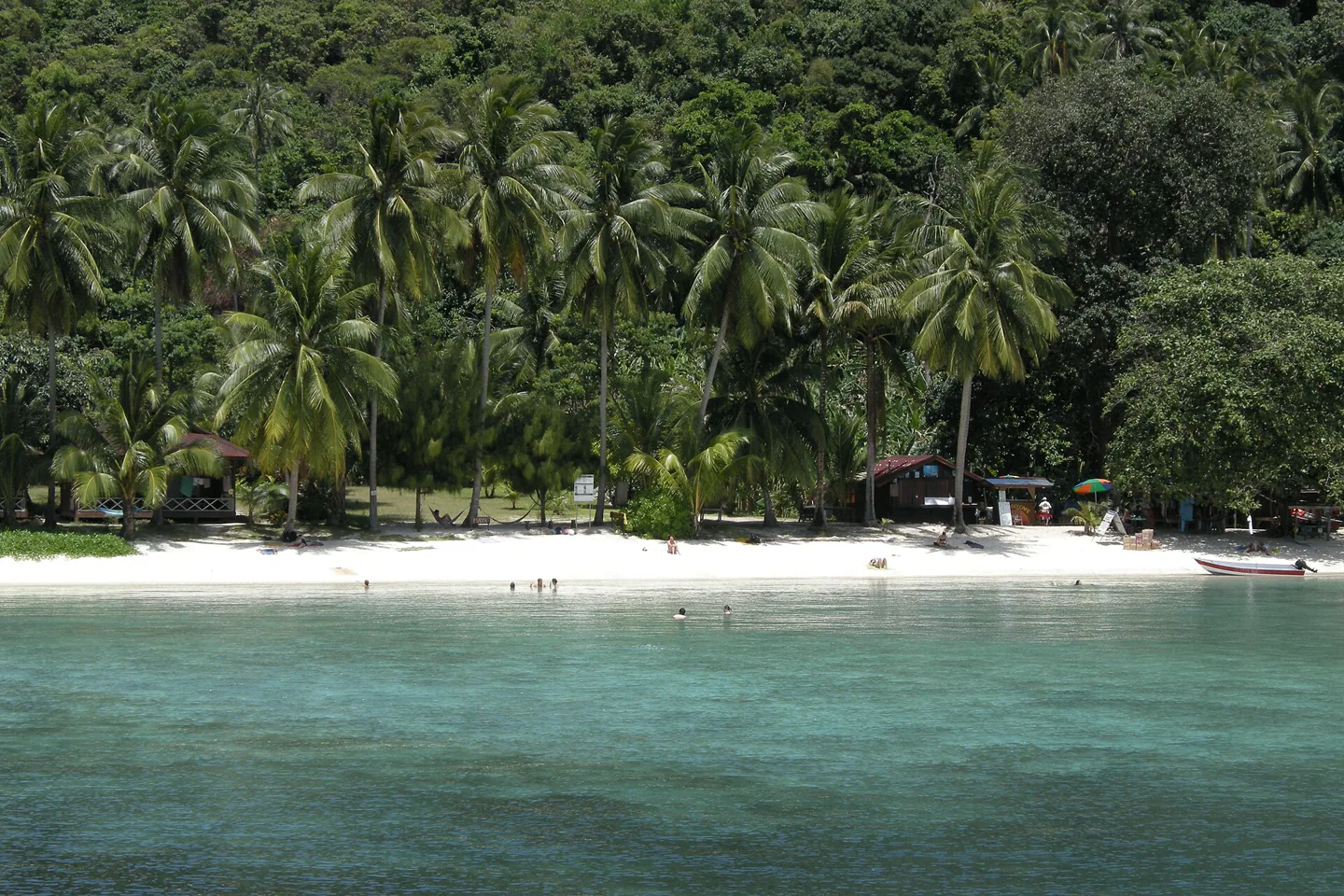
Perhentian or Redang—choose the system before the sand.
The islands share protected tropical water, not one interchangeable itinerary. Accommodation style, mainland jetty, small-boat transfer, marine conditions and operating season decide the useful choice before any beach ranking does.
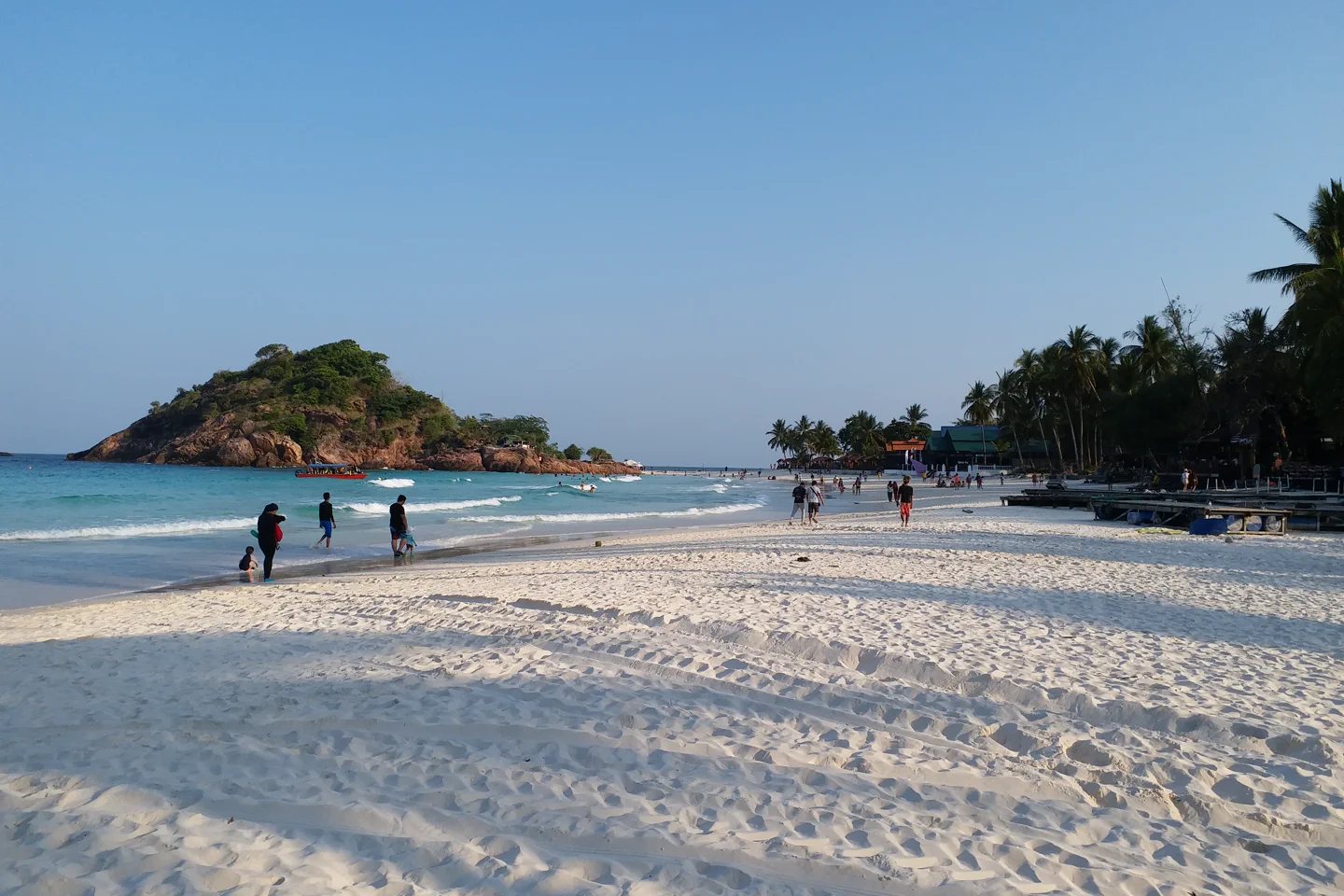
Book the shore that still works in today's sea.
Northeast-monsoon conditions can suspend boats and close island businesses. “Malaysia is warm” is not an operating forecast.
Go beyond the regional overview.
Separate the mainland jetty, two Perhentian base styles and Redang’s different transfer system. A named island is not a complete boat contract.
01Kuala Besut & Perhentian Transfer
Protect the Kuala Besut–Perhentian boat chain with exact jetty, operator, accommodation landing, season and final return.
Open the field guide →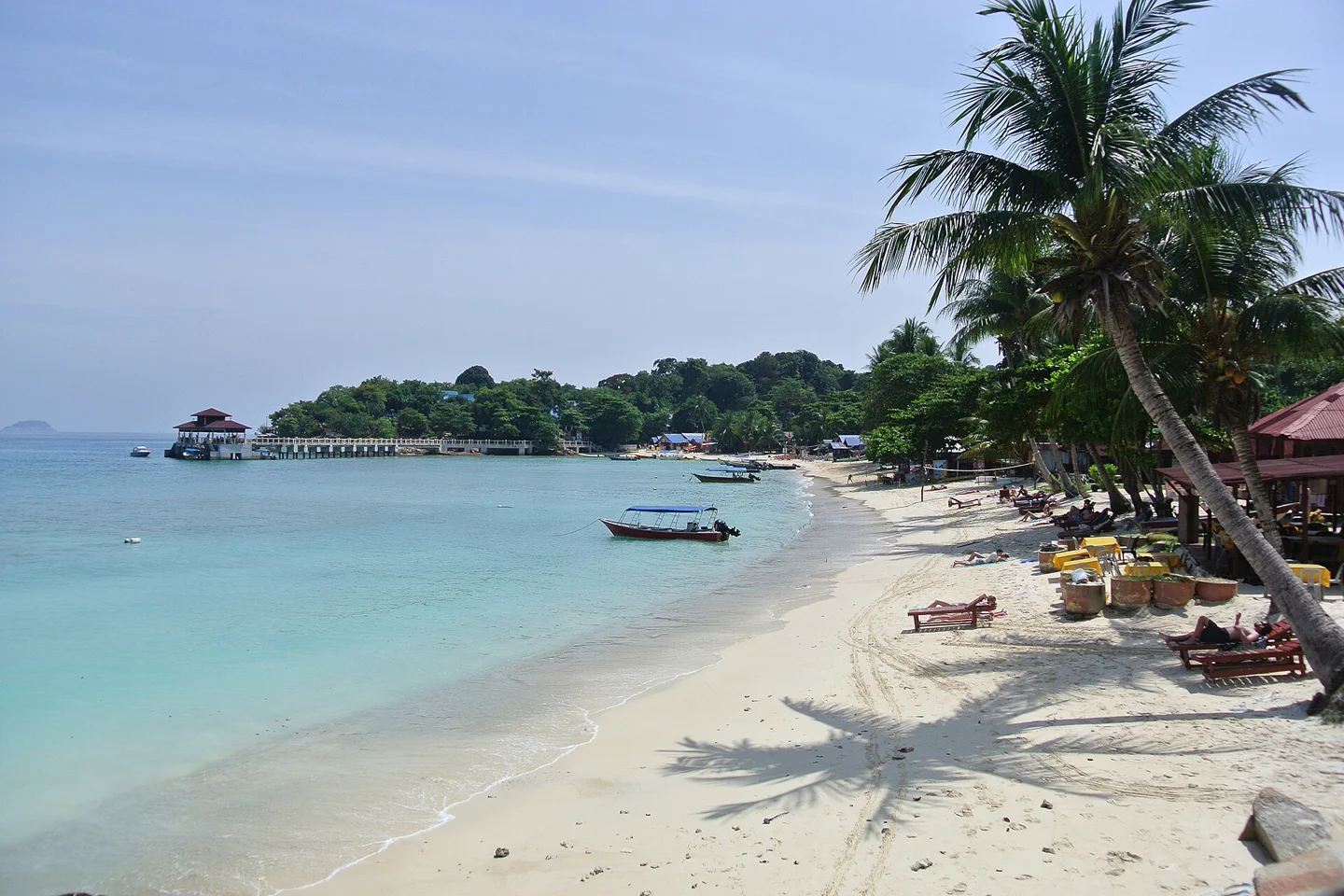 02
02Perhentian Kecil
Choose a Perhentian Kecil base between Long Beach and Coral Bay with footpath, boat, nightlife and reef conduct in view.
Open the field guide →03Perhentian Besar
Plan Perhentian Besar by exact resort shore, boat dependence, family swimming needs and protected marine conduct.
Open the field guide →04Redang & Mainland Transfer
Book Redang through its exact mainland jetty, resort boat, conservation procedure, sea window and protected departure buffer.
Open the field guide →Do not pay until the entire island chain is open.
An annual climate chart cannot confirm today's boat. Check all four signals directly, then repeat the check close to departure when forecasts become useful.
Marine forecast
Read the official forecast and operator advice for wind, thunderstorms and sea state. A sunny mainland morning does not prove a comfortable crossing.
Accommodation open
Confirm the exact property, meal plan, water-taxi access and cancellation terms. Seasonal closure can affect nearby food and services too.
Boat + jetty named
Get the mainland terminal, operator, reporting time, baggage rule and island landing in writing. “Terengganu ferry” is not enough.
Return buffer
Protect the mainland road transfer and onward flight, train or bus. The last island night should not end in a same-margin international connection.
Match the base to your evenings and water access.
The property and beach matter more than the island name alone. Check whether dining, dive operations and the desired swimming shore are walkable, boat-dependent or bundled by the accommodation.
More independent rhythm
A wider range of simple stays and active beach areas can suit social or budget-focused travelers. Conditions vary sharply by bay; ask about noise, path, landing and water-taxi dependence.
Can I reach dinner and my morning boat safely without arranging another boat?
Quieter resort bays
Often a stronger fit for a slower, resort-centered or family stay, but “quiet” does not guarantee shallow water, easy paths or broad dining choice. Select the exact bay and room access.
Which facilities are open at this property during my dates?
Package the transfer honestly
Many stays organize boat, meals and reef outings as one resort system. Compare inclusions and mainland jetty rather than treating a low room rate as the whole trip cost.
Which jetty, boat and missed-connection policy belong to this booking?
Every arrow needs an operator and a buffer.
Perhentian services commonly use Kuala Besut. Redang services may use Merang or Kuala Terengganu according to the property and operator. Confirm the exact chain; never improvise between similarly named jetties.
Mainland arrival
Name the airport, rail or bus terminal and allow for the road distance to the correct jetty.
Jetty check-in
Confirm ticket office, conservation charge process, reporting time and baggage handling.
Sea crossing
Wear the supplied life jacket, protect electronics and follow crew seating and weather instructions.
Final shore
Know whether the boat uses a jetty, small tender or beach landing and whether mobility help is available.
The reef is the destination, not the floor.
The Department of Fisheries lists Redang and Perhentian among Terengganu's marine-park archipelagos and requires a conservation charge. Protection continues after payment: the way a boat, swimmer, snorkeler and diver behaves is part of the itinerary.
Choose skill, sea and supervision together.
Clear-looking water does not remove currents, boat traffic, heat, sun exposure or medical limits. Tell the operator your actual ability before accepting a site.
Read the beach first
Observe flags, boat lanes, current, depth and entry surface. Children and weaker swimmers need active supervision, not only nearby adults.
Fit before wildlife
Test mask, fins and flotation in calm water. Choose a guide and site that match confidence rather than joining a fast wildlife circuit.
Certification is the starting point
Use a qualified operator, disclose health and recent diving honestly, check equipment and follow current agency and professional guidance for depth and onward flying.
One water day, one slow day, one reserve.
This sequence begins after the mainland transfer and assumes one island base. Add a fifth night for diving, recovery or a stronger weather buffer rather than changing islands mid-stay.
Cross, learn the shore
Complete check-in, understand meal and water-taxi arrangements, test the nearest swimming area and confirm the next day's operator.
One guided marine chapter
Snorkel or dive at sites chosen for current sea and ability. Stop before fatigue turns a second or third site into poor reef behavior.
Keep the island slow
Walk only authorized paths, use a calm beach or join a conservation program with clear community and wildlife practice. Let weather remove the agenda.
Reserve, then return
Use the morning conservatively. Reconfirm the boat and mainland vehicle, and keep a generous buffer before the onward terminal.
Darkness, distance and trained guidance protect more than a photograph.
Parts of Terengganu are important turtle habitat. Join only a credible, authorized program; never handle an animal, crowd a nesting female, use flash or follow a social-media pin onto a protected shore.
Nesting and hatching are natural events. A responsible program may offer education with no sighting, restrict group size or cancel when conditions require it.
Perhentian and Redang planning FAQ
Should I choose Perhentian or Redang?
Choose by base and transfer system. Perhentian Kecil and Besar offer different beach and accommodation rhythms via Kuala Besut, while Redang commonly uses a resort-centered stay and specifically confirmed mainland jetty.
How many nights are useful?
Three nights are a practical minimum after the mainland and boat transfer. Four or five provide weather flexibility and a genuinely slow island day.
Do marine-park rules and charges apply?
The Department of Fisheries lists the archipelagos within Terengganu marine parks and requires a conservation charge. Verify current rates, exemptions and collection procedures.
Can I visit during the northeast monsoon?
Businesses and boats may close or suspend operation in rough conditions. Confirm the exact property and operator; do not infer availability from mainland warmth.
Can I move between Perhentian and Redang during one short stay?
That often requires returning through mainland transport systems rather than a simple public island hop. One island system produces a stronger three- to five-night trip.
Can I leave the island and fly the same day?
A conservative mainland buffer is safer because boats and road transfers are weather-dependent. Divers must also follow current professional no-fly guidance for their dive profile.
Official sources and photo credits
Planning facts and licenses were reviewed on 30 August 2026. Island opening, boats, jetties, conservation charges and sea conditions change; verify directly before travel. Photographs were resized, center-cropped to 1440 × 960 and converted to WebP; no other material edits were made.
- Department of Fisheries Malaysia — marine-park management and Terengganu archipelagos.
- Department of Fisheries Malaysia — conservation charge and fee rates.
- Department of Fisheries Malaysia — Perhentian and Redang marine-park contacts.
- Tourism Malaysia — east-coast region and islands.
- METMalaysia — official marine forecast.
- Perhentian Kecil beach — Vyacheslav Argenberg, CC BY 4.0.
- Redang white-sand beach — Azreey, CC BY-SA 4.0.
- Coral Bay, Perhentian Kecil — DTravel AU, CC BY-SA 3.0.