Bath, Bristol & Somerset
Give Bath and Bristol separate city arguments before adding rural Somerset.
Bath and Bristol are close by rail but reward different days: one concentrates Roman archaeology and Georgian streets, the other a working harbour, collections and steep neighbourhoods. Wells, Glastonbury and the Mendips introduce bus-dependent rural connections that should not be hidden inside a city itinerary.
Choose one file from the gateway, weather and return you actually have.
Every file carries its own access decision, sequence, fallback, break points, official sources and licensed image record.
Bath: Roman & Georgian City
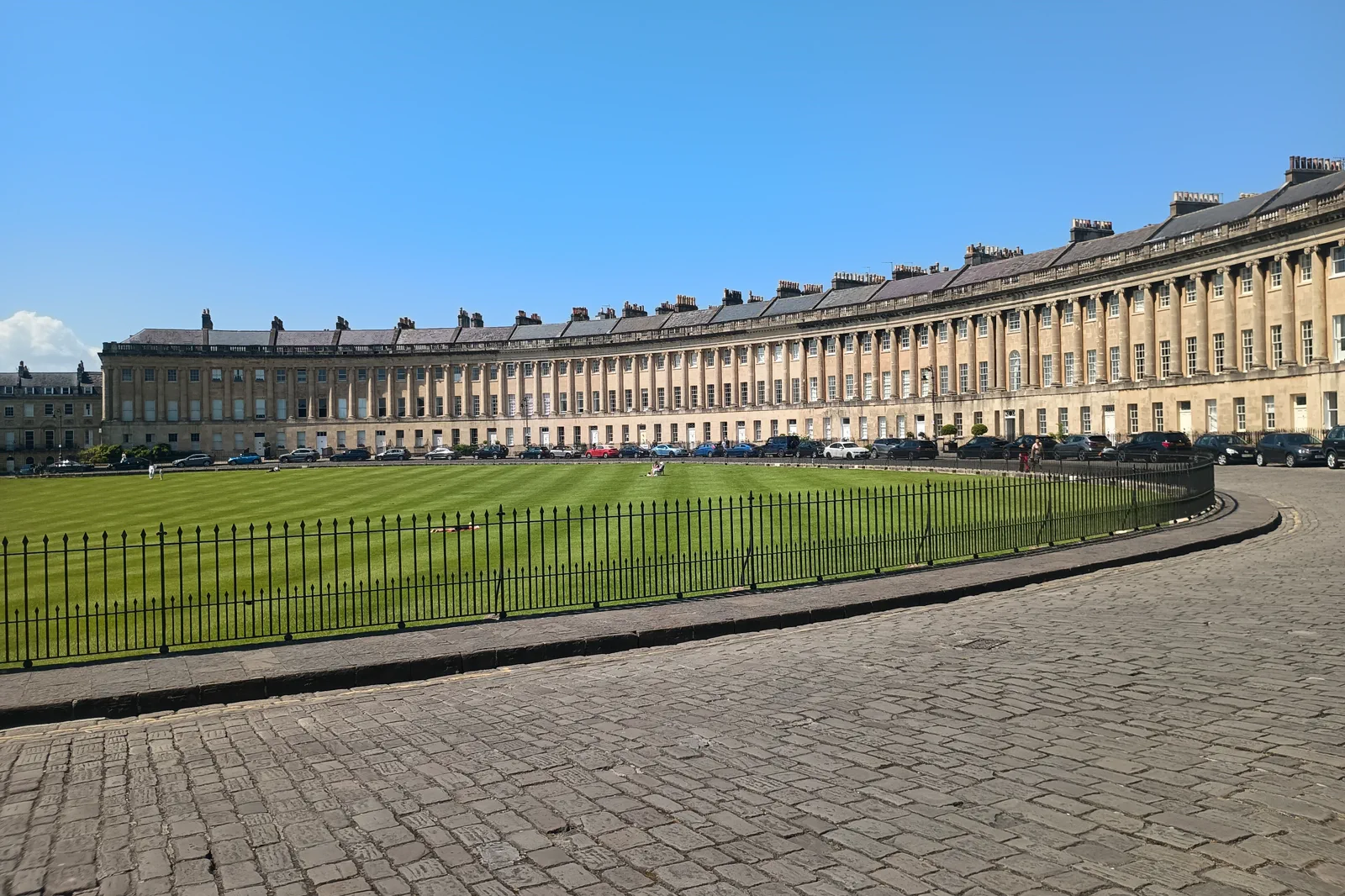
Choose whether the Roman Baths, abbey or Georgian uphill circuit anchors the day, then connect the thermal centre to the crescents without treating every interior and viewpoint as mandatory.
Open the complete field file →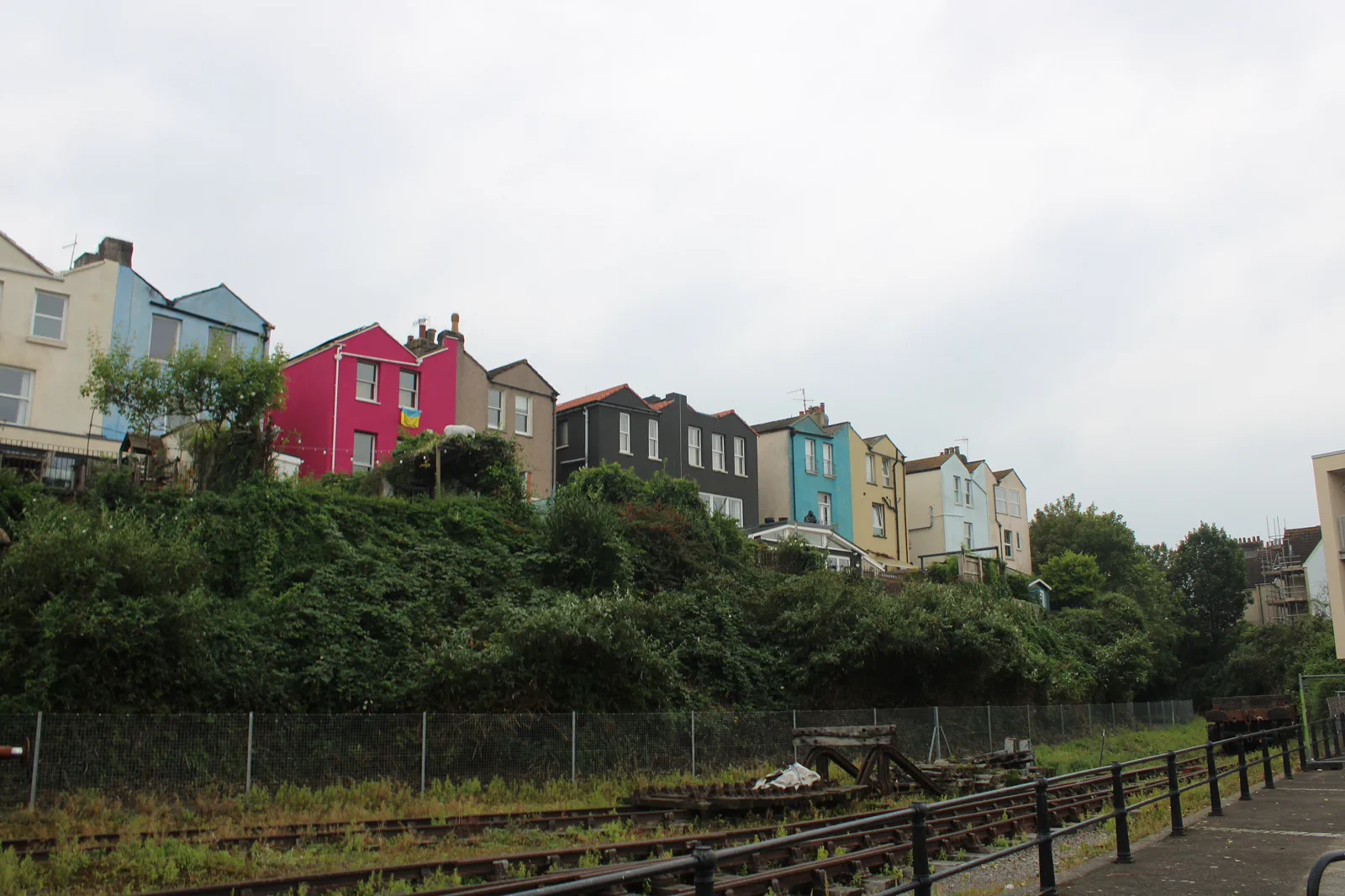
Bristol Harbourside & Clifton
Choose a harbour-led city day or a Clifton ridge day and connect them with one intentional bus or uphill walk, rather than letting the steep gap turn museums, bridge and waterfront into disconnected stops.
Open the complete field file →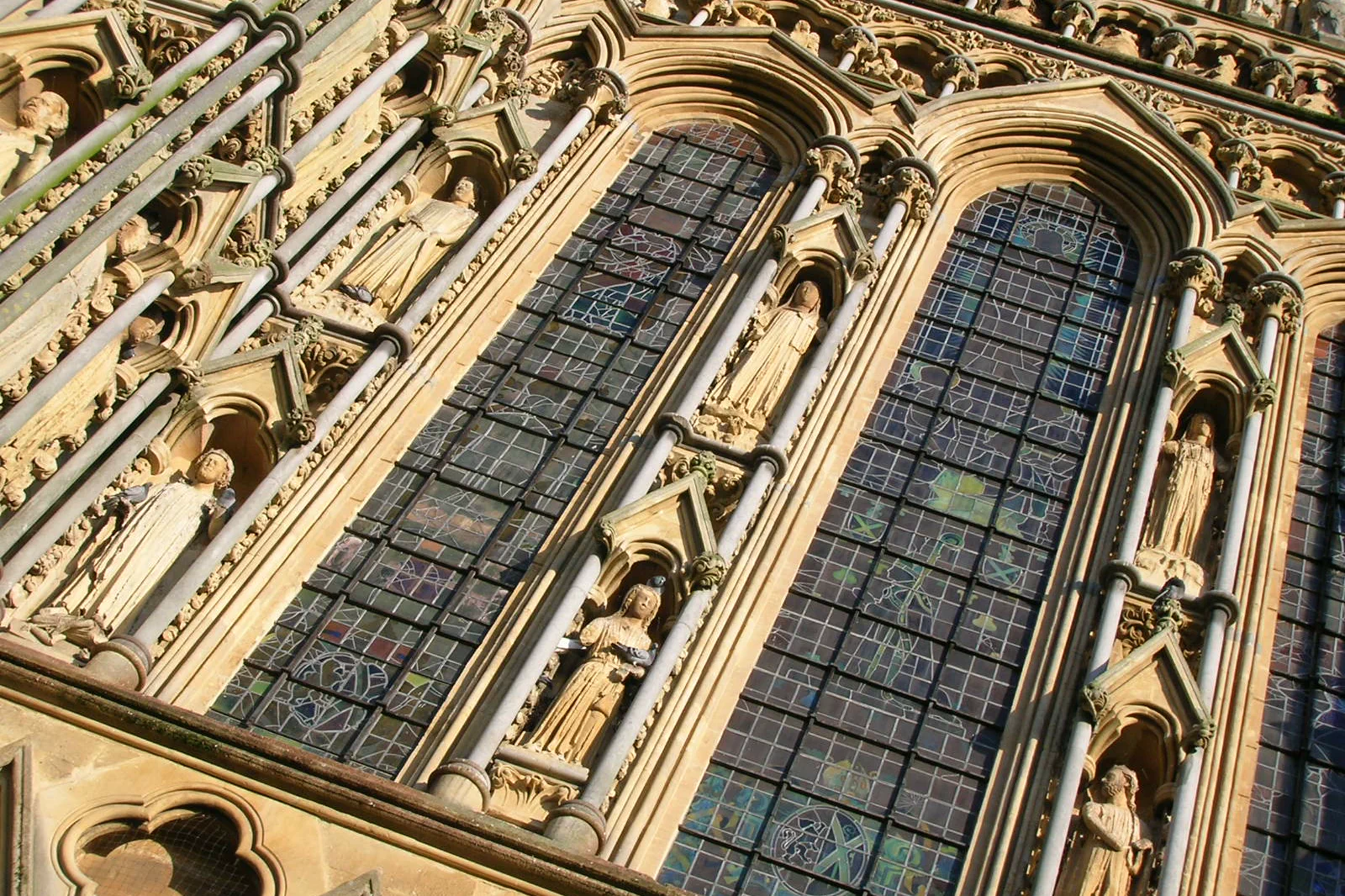
Wells, Glastonbury & the Mendip Edge
Choose Wells or Glastonbury as the main town and add only the rural edge supported by the day’s bus, weather and daylight, instead of presenting cathedral, tor and caves as a single compact circuit.
Open the complete field file →Each route buys something by leaving something else out.
Bath: Roman & Georgian City
Gateway: Bath Spa station is south of the historic core. The Roman Baths and abbey share a busy central precinct, while the Circus and Royal Crescent climb north-west. Book the central interior first and decide the uphill branch before leaving the lower city.
Sacrifice: A deep Roman Baths visit, abbey tower product and full Georgian circuit create a rushed sequence. Choosing one major interior gives up another but allows the city’s layers and hills to make sense.
Time: Allow six to eight hours for one major interior and either the Georgian climb or river branch. A compact Roman Baths and abbey visit can fit four hours.
Bristol Harbourside & Clifton
Gateway: Temple Meads is east of the Floating Harbour; Clifton is uphill and west. Choose a bus or one sustained climb rather than alternating. Harbour ferries, city buses and rail tickets are separate products, and the suspension bridge visitor facilities sit on a specific side.
Sacrifice: A full ship visit, harbour circuit and relaxed Clifton bridge walk exceed a casual day. Choosing Clifton sacrifices some museum depth; choosing the harbour avoids the hill but gives up the gorge perspective.
Time: Allow six to eight hours for the harbour plus Clifton, or five hours for a collection-led harbour day. Add a historic ship only when it is the main paid anchor.
Wells, Glastonbury & the Mendip Edge
Gateway: Wells and Glastonbury have no mainline railway station. Bus origins, stopping patterns and Sunday frequencies differ from Bath and Bristol. Mendip cave sites add another rural connection; confirm the final return before committing to an uphill or underground visit.
Sacrifice: Wells Cathedral, Glastonbury Abbey, the Tor and a cave cannot all receive useful time in one public-transport day. Choosing one town sacrifices the other’s depth but protects the return and a real meal.
Time: Allow a full day from Bath or Bristol for one main town and one modest extension. Wells or Glastonbury alone needs four to six hours including bus margin.
These sources control the moving parts.
Use the route book for structure, then reopen current transport, destination and weather information for the exact date.
Bath, Bristol & Somerset FAQ
How long should I give Bath, Bristol & Somerset?
Three nights allows one full day in each city and a selected Somerset branch. Bath is convenient for early heritage visits; Bristol offers broader evening districts and transport. Changing hotels between them rarely saves enough time to justify the move.
What transport decision matters most around Bath, Bristol & Somerset?
Bath Spa and Bristol Temple Meads both sit outside parts of their visitor cores. Regional trains are frequent but engineering works matter; rural Somerset requires named bus routes and a protected return, especially on Sundays.
What should I do if weather, access or transport changes?
Use a complete museum-led Bath or Bristol day when rural buses, weather or attraction access fail. Do not force Wells and Glastonbury together after a missed connection.
Official sources and photo credits
Planning facts and image licensing were reviewed on 20 September 2026. Verify current tickets, services, roads, paths, tides and site access before travel.
- Visit West — official regional destination guide.
- Great Western Railway — rail planning and service updates.
- First Bus — Bristol, Bath and West services.
- Royal Crescent in Bath - geograph.org.uk - 7845942.jpg — Kevin Pearson, CC BY-SA 2.0. Resized, display-cropped and converted to WebP; no other material edits.
- View of coloured houses on Cumberland Road from Bristol Harbour - geograph.org.uk - 7678327.jpg — Robert Lamb, CC BY-SA 2.0. Resized, display-cropped and converted to WebP; no other material edits.
- Wells cathedral, west front 1.jpg — Tony Grist, Public domain. Resized, display-cropped and converted to WebP; no other material edits.