London
Build each day around one booked door and one side of the Thames.
London is not one compact centre but a chain of walkable districts joined by rail, Underground, bus and river services. A useful plan fixes one timed interior, reads the correct station exit and keeps the rest of the day on a coherent street or river line instead of repeatedly crossing the city.
Choose one file from the gateway, weather and return you actually have.
Every file carries its own access decision, sequence, fallback, break points, official sources and licensed image record.
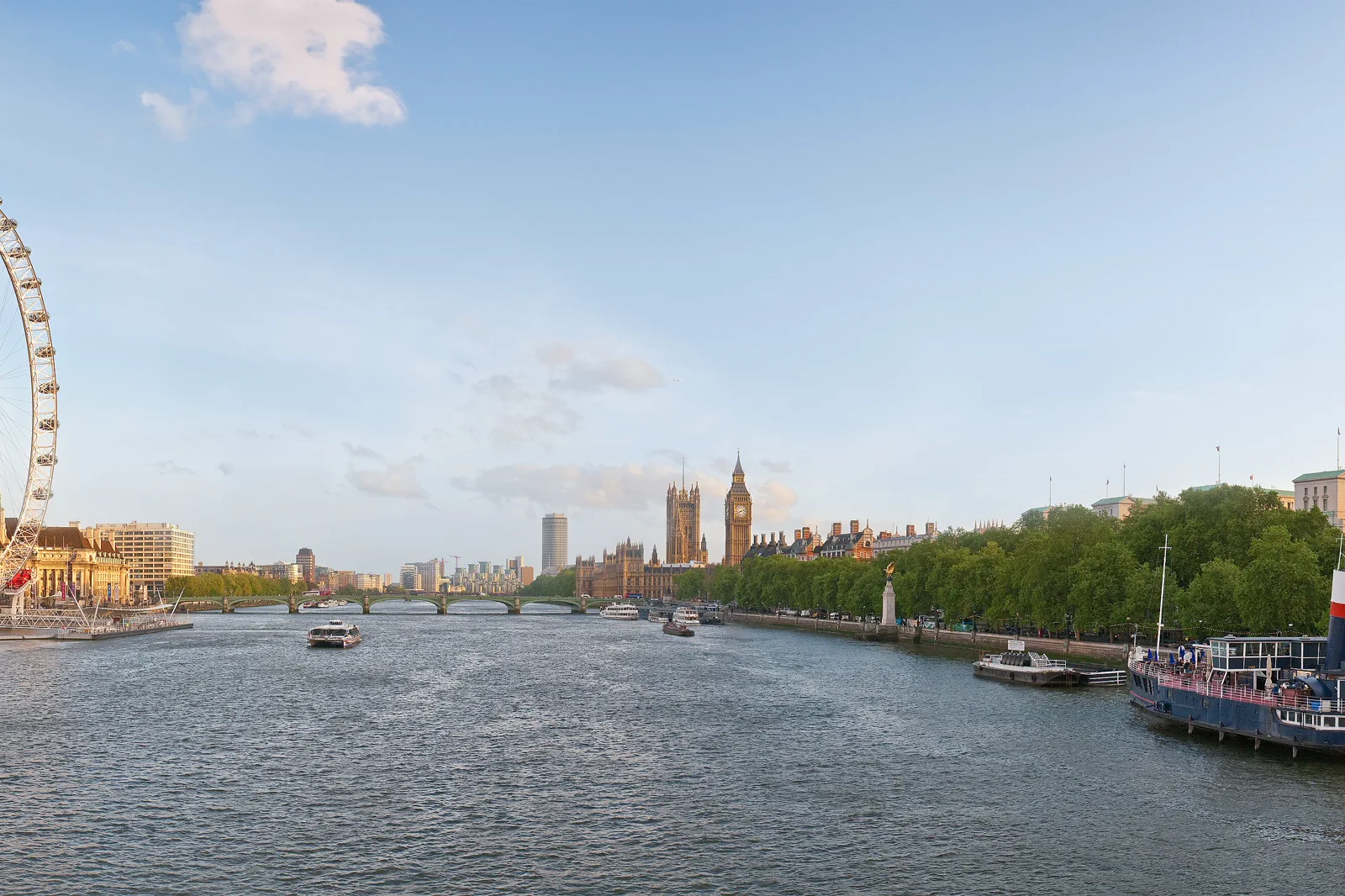
Westminster & the South Bank
Choose whether Parliament, Westminster Abbey or the public river landscape is the day’s main commitment, then cross the Thames only once so security queues and bridge backtracking do not consume the historic core.
Open the complete field file →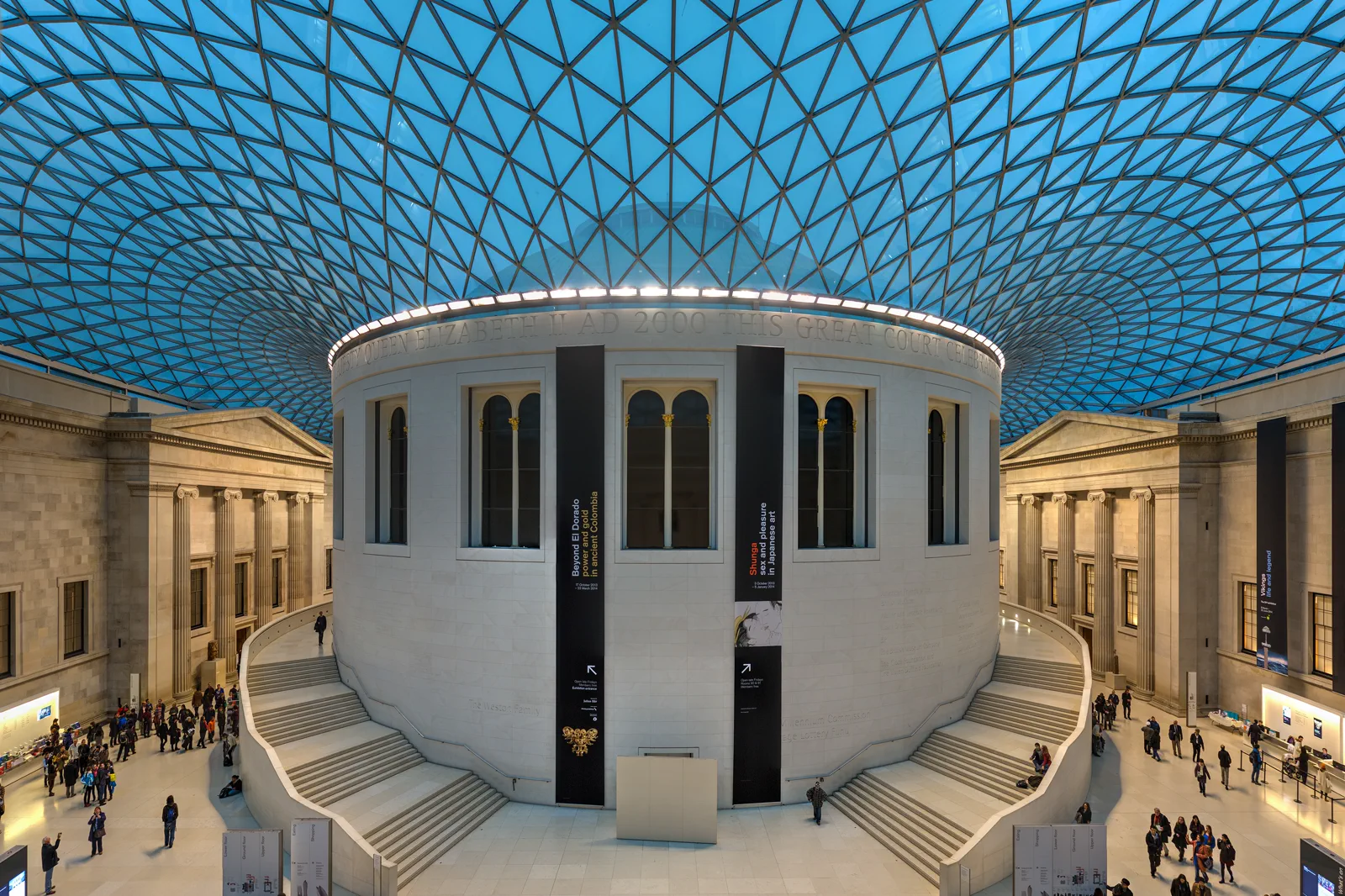
Bloomsbury, the British Museum & Covent Garden
Decide how much attention to give the British Museum, then connect Bloomsbury squares to Covent Garden without pretending a vast collection, two shopping districts and the West End all fit at equal depth.
Open the complete field file →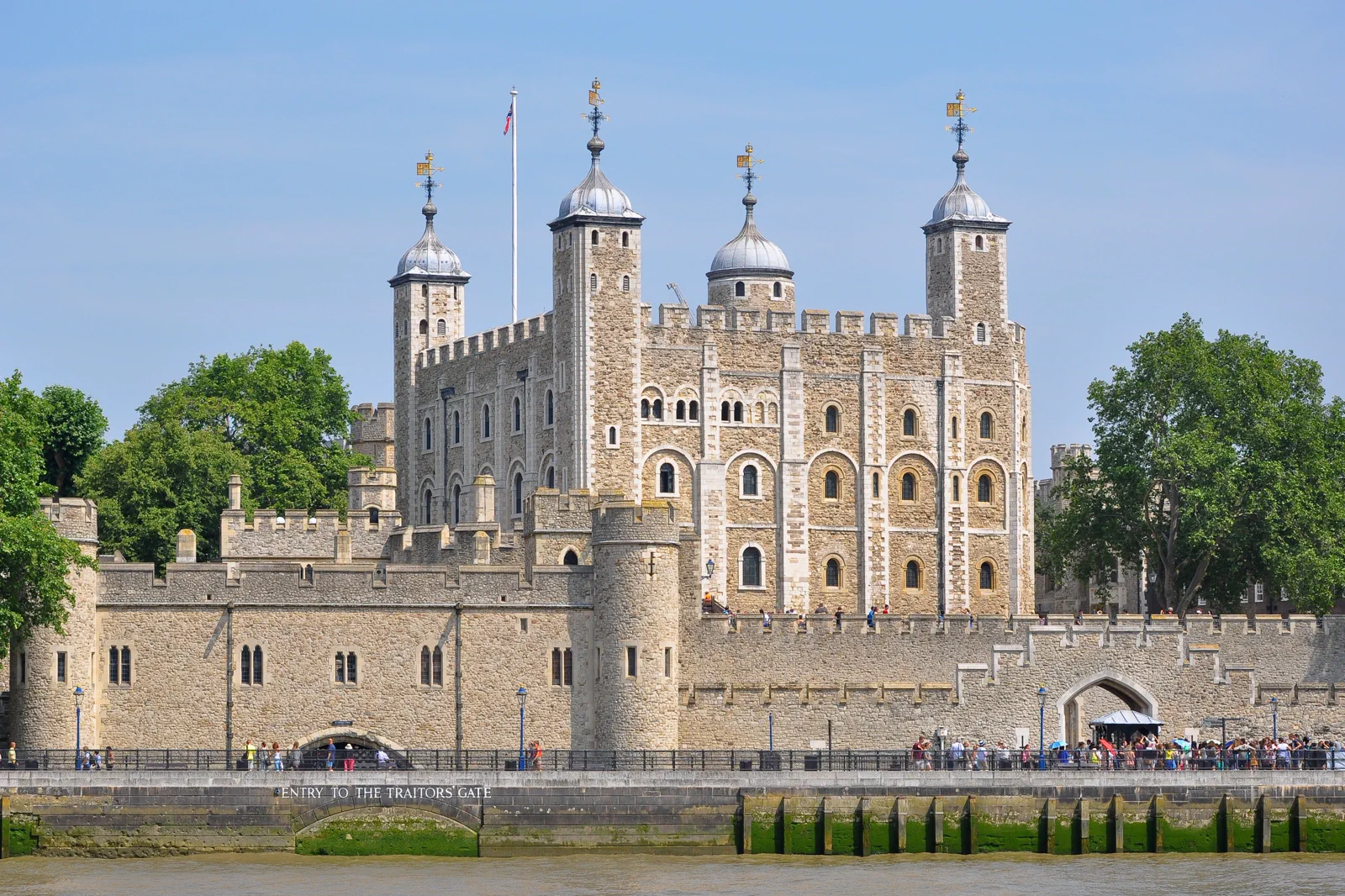
Tower of London, the City & Greenwich
Choose whether the Tower of London or Greenwich is the paid anchor, then use the eastern Thames as a one-direction transfer rather than forcing the fortress, City lanes and every Greenwich museum into one compressed checklist.
Open the complete field file →Each route buys something by leaving something else out.
Westminster & the South Bank
Gateway: Westminster station serves Parliament Square but its exits emerge on different sides of busy roads. St James’s Park suits an abbey-first approach, while Waterloo is the cleanest South Bank finish. Identify the controlled entrance on the official booking, not on a generic map pin.
Sacrifice: Parliament, Westminster Abbey and a major South Bank attraction do not form a comfortable three-interior day. Choosing one booked door gives up another interior but preserves time to understand Whitehall, the bridges and the river as connected civic space.
Time: Allow six to eight hours with one controlled interior and a South Bank finish. An exterior Westminster circuit can fit three to four hours, but combining two major booked buildings normally uses most of the day.
Bloomsbury, the British Museum & Covent Garden
Gateway: Tottenham Court Road, Holborn and Russell Square approach different sides of Bloomsbury. Use the museum’s current entrance guidance and do not assume the nearest named station creates the best exit toward Covent Garden. Leicester Square or Covent Garden can serve the final leg.
Sacrifice: A serious British Museum visit uses the same attention needed for the National Gallery or a matinee. This route deliberately chooses one collection argument, giving up a second major museum so food, streets and an evening booking remain usable.
Time: Allow five to seven hours for a bounded museum visit, a proper break and Covent Garden. Add an evening performance only with a firm museum stop time; two major collections should be separate days.
Tower of London, the City & Greenwich
Gateway: Tower Hill, Fenchurch Street and London Bridge serve different approaches to the Tower and City. Greenwich, Cutty Sark and Maze Hill are separate stations, while river boats use named piers and schedules. Match the arrival to the first door and the return to the final hill or museum.
Sacrifice: A full Tower visit and the Royal Observatory’s hilltop interior are both substantial. Choosing both sacrifices the City walk and much of Greenwich; choosing one anchor makes the river transfer and return leg intelligible.
Time: Allow a full seven-to-nine-hour day for one major interior plus the eastward transfer. The Tower alone can use four hours; Greenwich alone merits at least half a day.
These sources control the moving parts.
Use the route book for structure, then reopen current transport, destination and weather information for the exact date.
London FAQ
How long should I give London?
Four to six nights gives a first visit enough room for Westminster, one collection-led day and the eastern City or Greenwich without turning every meal into a transfer. Choose accommodation by the late-evening line you will actually use, not by the nearest famous landmark.
What transport decision matters most around London?
Heathrow, Gatwick, Stansted, Luton and London City use different rail products and terminals. Within London, large stations such as Bank–Monument, King’s Cross St Pancras and Waterloo are multi-entrance systems; the wrong exit can add a substantial street detour.
What should I do if weather, access or transport changes?
Keep a same-district alternative for every booked interior: a free collection, covered market, church, riverside or smaller museum. Replacing a closure locally protects the route; crossing London to chase another headline sight usually destroys it.
Official sources and photo credits
Planning facts and image licensing were reviewed on 20 September 2026. Verify current tickets, services, roads, paths, tides and site access before travel.
- Visit London — official city visitor guide.
- Transport for London — fares, routes and service status.
- National Rail — rail planning and disruption information.
- Thames Panorama, London - May 2009.jpg — Diliff, CC BY-SA 3.0. Resized, display-cropped and converted to WebP; no other material edits.
- British Museum Great Court, London, UK - Diliff (cropped).jpg — Diliff, CC BY-SA 3.0. Resized, display-cropped and converted to WebP; no other material edits.
- Tower of London viewed from the River Thames.jpg — Bob Collowan, CC BY-SA 3.0. Resized, display-cropped and converted to WebP; no other material edits.