Liangzhu learn to see an archaeological city
Liangzhu's importance is not concentrated in one photogenic ruin. Museum objects, earthworks, settlement hierarchy, rice agriculture and a large water system have to be read together. Make context—not distance covered—the day's measure.
Move downward from object to landscape
Each layer changes what the next one means. Skipping interpretation can make an extraordinary early city appear like an ordinary field.
Jade and skilled production
Begin with excavated objects and how archaeologists interpret labor, ritual and unequal access—not merely with their visual beauty.
Burials and difference
Compare evidence carefully. Rich objects, burial placement and settlement organization support interpretations of social differentiation.
Platforms, walls and zones
Use maps and reconstructions to understand the spatial system. Much of the original material is subtle or protected beneath the present landscape.
Dams and managed risk
The surrounding hydraulic system expands the story beyond a ceremonial center to coordinated landscape management.
Rice and an early state
Place Liangzhu within the lower Yangtze: an agricultural, political and cultural system rather than a mysterious isolated civilization.
Let the museum teach you how to look outside
Reserve and map
Check official reservation, identification, opening and transport requirements for each venue. Similar Liangzhu names do not guarantee adjacent entrances.
Study the museum
Prioritize chronology, excavation context, jade use and the water system. Photograph maps only where allowed and take notes on landscape features.
Enter the site selectively
Choose a managed route that connects to what you learned. Use interpretation rather than tram-stop accumulation as the measure of progress.
Debrief before returning
Revisit the site plan and identify the link between object, city and watershed. Leave buffer for the longer return to central Hangzhou.
Match ambition to available attention
Museum half-day
Best when weather, mobility or time prevents a large outdoor route. Read the complete narrative slowly rather than treating the museum as a preface you must rush through.
Museum + city site
The strongest first visit when current access allows. Reserve most of a day and confirm how you will transfer between exact gates.
Research-led landscape
Add further components of the property only with official access information and a specific question. The UNESCO property is not a single contiguous attraction.
Protected ground is evidence, not an empty stage
Stay on managed routes
Do not climb earthworks, enter closed areas or collect stones, soil or plant material. Subtle remains are still protected remains.
Distinguish evidence and reconstruction
Read labels for what is original, reconstructed, inferred or digitally visualized. Each can teach, but they are not interchangeable.
Avoid unsupported myths
Use the UNESCO nomination context and museum interpretation for major claims. Treat sensational online stories as hypotheses until supported by archaeological evidence.
Liangzhu FAQ
Is Liangzhu in central Hangzhou?
No. Its museum and archaeological components are outside the central West Lake area. Plan the full door-to-door journey and exact destination.
Can I understand the site without a guide?
Yes, if you use the museum, official maps and on-site interpretation carefully. A knowledgeable archaeology guide can help, but verify credentials and scope.
Is there one ticket for everything?
Do not assume so. Reservation, identification and ticket systems can differ by venue and change over time; consult current official channels.
Is Liangzhu suitable for children?
The museum's objects and reconstructions can work well for curious children, while the large outdoor landscape demands more patience. Choose a shorter scope and explain the city-before-the-city story first.
Official sources and photo credit
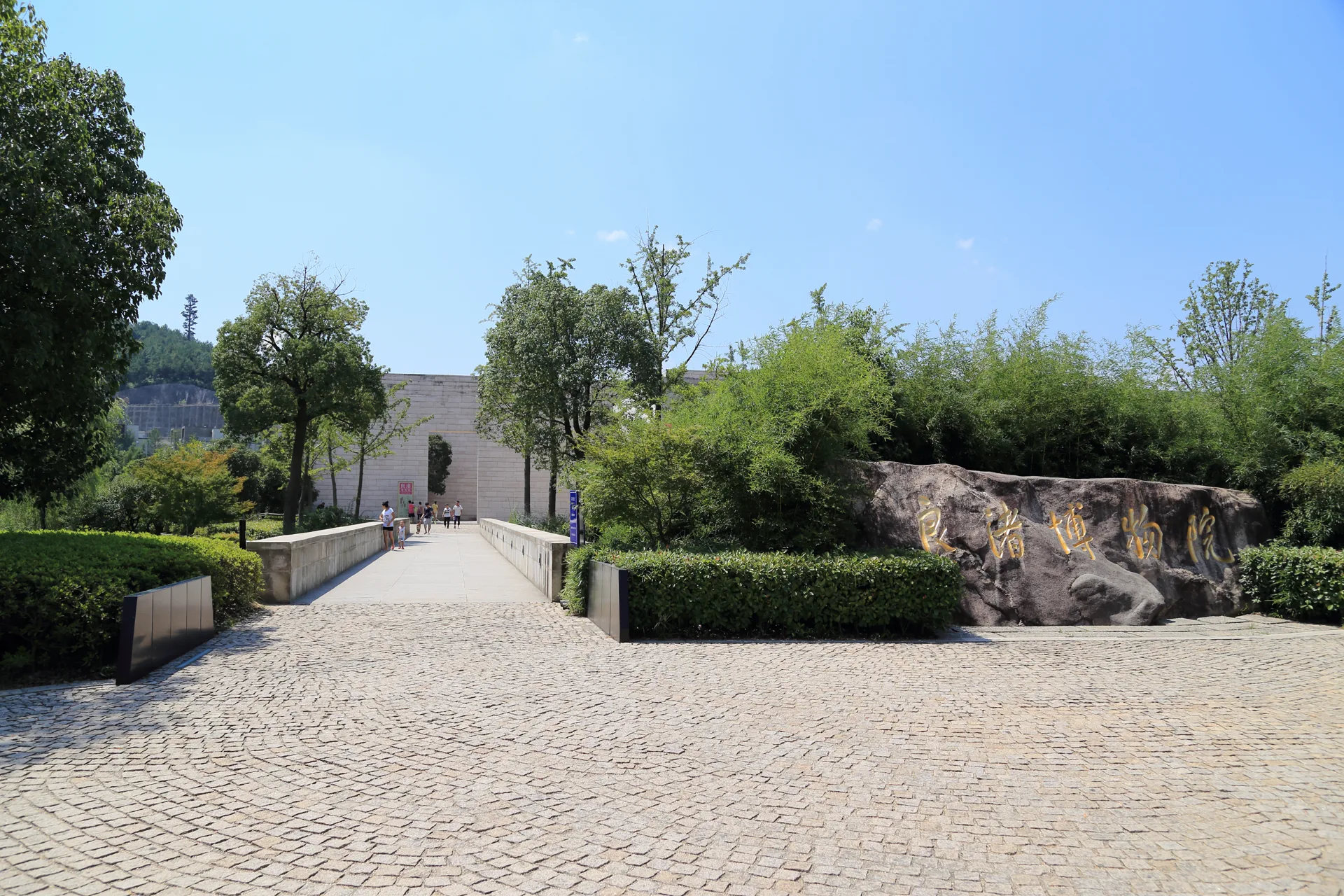
Planning facts and the image license were reviewed on 28 August 2026. Reservations, venue access and transport change; verify current museum and park notices. The image was resized, center-cropped and converted to a 1920 × 1280 WebP file; no other material changes were made.
- UNESCO World Heritage Centre — Archaeological Ruins of Liangzhu City.
- Liangzhu Museum — Zhangzhugang, CC BY-SA 4.0.