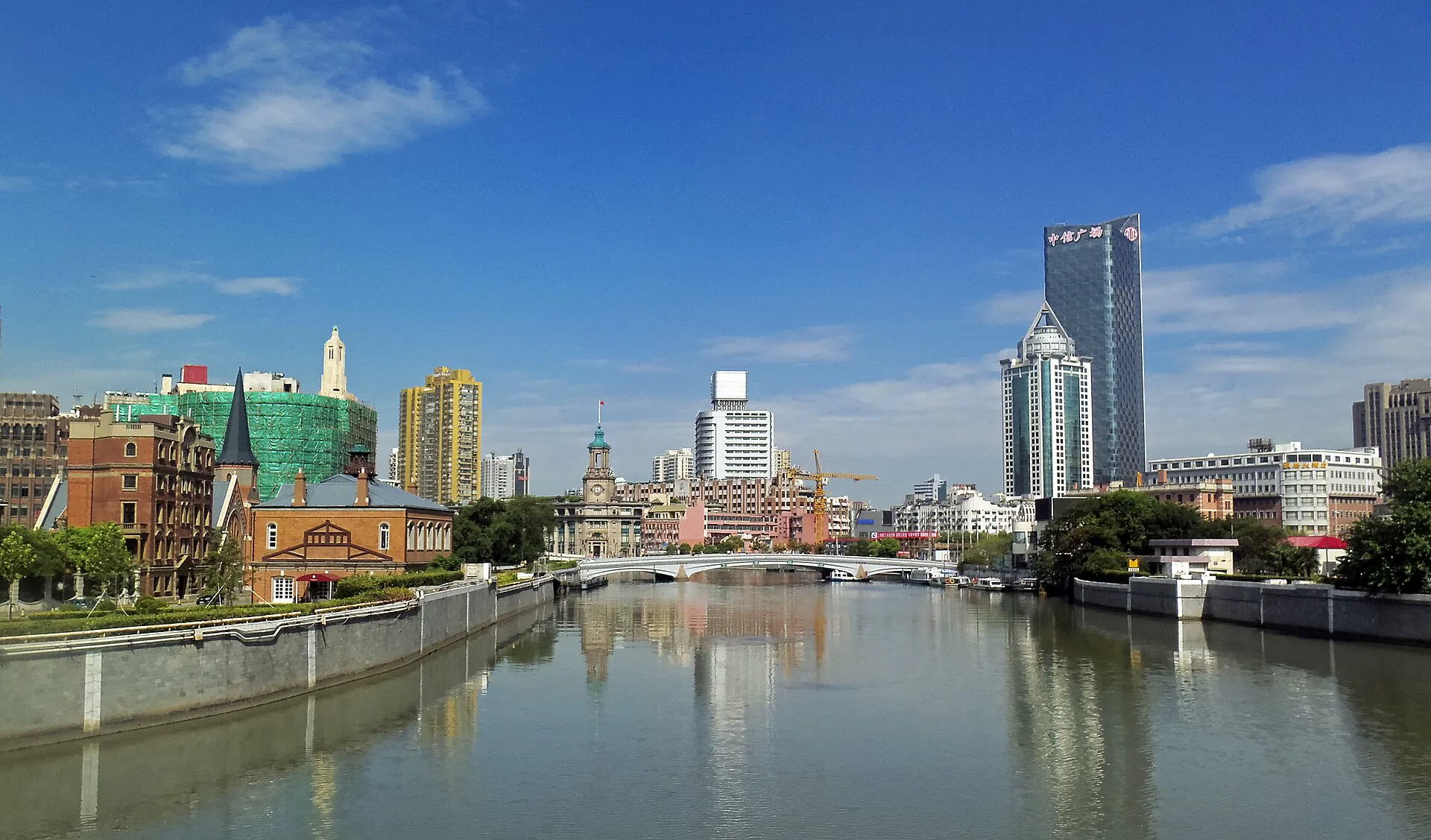
Hongkou & Suzhou Creek follow evidence, not atmosphere
Warehouses, bridges, factories, refugee memory and contemporary river space occupy the same northern city, but not the same historical moment. Let official institutions and surviving fabric keep the sequence honest.
The creek carried industry
Suzhou Creek supported early urban prosperity and accumulated banks, warehouses, mills and infrastructure. Read specific surviving sites instead of calling every brick building “old Shanghai.”
Refuge was lived history
Jewish refugees escaping persecution lived in Shanghai in the 1930s and 1940s. The museum and its collections provide the documented center of this chapter.
Events require names
Memorial halls, warehouses and plaques refer to different conflicts and communities. Verify each site before linking it to a generalized wartime narrative.
Renewal changes the edge
Contemporary paths and cultural reuse make the creek accessible, but design renewal does not erase industrial labor, displacement or resident life.
Begin at the Shanghai Jewish Refugees Museum
The museum occupies the former Ohel Moshe Synagogue area and interprets the lives of Jewish refugees in Shanghai. Its official site is the source for current hours, admission, ID and exhibitions.
Visit with four commitments
- Read before photographing: names, documents and testimony are the content, not a backdrop.
- Allow enough time: do not squeeze the museum between unrelated food or shopping stops.
- Use the official heritage route: verify which nearby sites are public, surviving or reconstructed.
- Protect resident privacy: public history does not make every lane or home publicly accessible.
Current official information lists a passport as an example of valid ID for admission. Recheck the exact rule and holiday calendar.
Select one creek segment
Suzhou Creek extends far beyond the postcard confluence. Decide whether the day is about the eastern bridge sequence, industrial Jing'an, or a further-west public-space walk.
East / Waibaidu and confluence
Read the meeting of Suzhou Creek and Huangpu, the edge of the Bund and Hongkou's position across the water. Expect dense visitor movement.
Central / warehouses and bridges
Use a named official route and confirm memorial opening. The river bends can make two nearby-looking sites longer on foot than expected.
West / environmental and neighborhood layers
Further sections emphasize parks, reuse and everyday river life. They belong to a separate walk, not an automatic extension after the museum.
Build context before the street
Use the official museum opening and carry the required ID. Give permanent history priority before any temporary display or souvenir stop.
Walk only public heritage points
Follow current museum or district guidance through public streets, taking a real meal break away from memorial thresholds.
Choose one bridge sequence
Use light, weather and energy to select the eastern confluence or another named segment. Do not attempt the whole waterway.
Finish at the river, not inside memory
Move to an ordinary public waterfront or dinner area, allowing the historical visit to end without converting it into night entertainment.
Avoid three common distortions
Do not romanticize refuge
Survival in Shanghai occurred under difficult and changing conditions. Use testimony and museum evidence rather than a simplified “safe haven” slogan.
Do not merge every war site
Different buildings document different years, conflicts and communities. Name the event and institution precisely or leave the claim out.
Do not stage residents
The neighborhood continues to function. Ask before portraits, stay out of doorways and keep tour-group conversations away from homes.
Hongkou and Suzhou Creek FAQ
How much time does the museum need?
Allow at least two focused hours, more for temporary exhibitions or deeper reading. Check current last entry and avoid arriving near closure.
Can I walk from the museum to the Bund?
Yes through a selected Hongkou and creek route, but the exact bridge and final Bund point matter. Use the map to avoid unnecessary bank changes.
Is the whole Suzhou Creek route accessible?
Many public sections are improved, but construction, bridge approaches and accessibility vary. Check the specific segment rather than assuming continuous step-free access.
Can I photograph inside the museum?
Follow current museum and exhibition signage. Even where photography is allowed, avoid flash, intrusive equipment and photographing other visitors closely.
Official sources and photo credit
Planning facts and license were reviewed on 27 August 2026. Museum hours, tickets, heritage routes and riverfront access change; verify current official information before travel. The image was resized and converted to WebP; visible framing may crop the display.
- Shanghai Jewish Refugees Museum - official visitor information and collections.
- Shanghai Municipal Government - Shanghai Jewish Refugees Museum overview.
- Shanghai Municipal Government - Suzhou Creek city walk.
- Suzhou Creek from Waibaidu Bridge - Daniel Case, CC BY-SA 3.0; resized and converted to WebP, display crop.