Vézelay, Fontenay & Abbey Country
Vézelay is a pilgrimage hill with a steep village approach; Fontenay is a secluded Cistercian domain. Each deserves its own last mile, quiet reading and return.
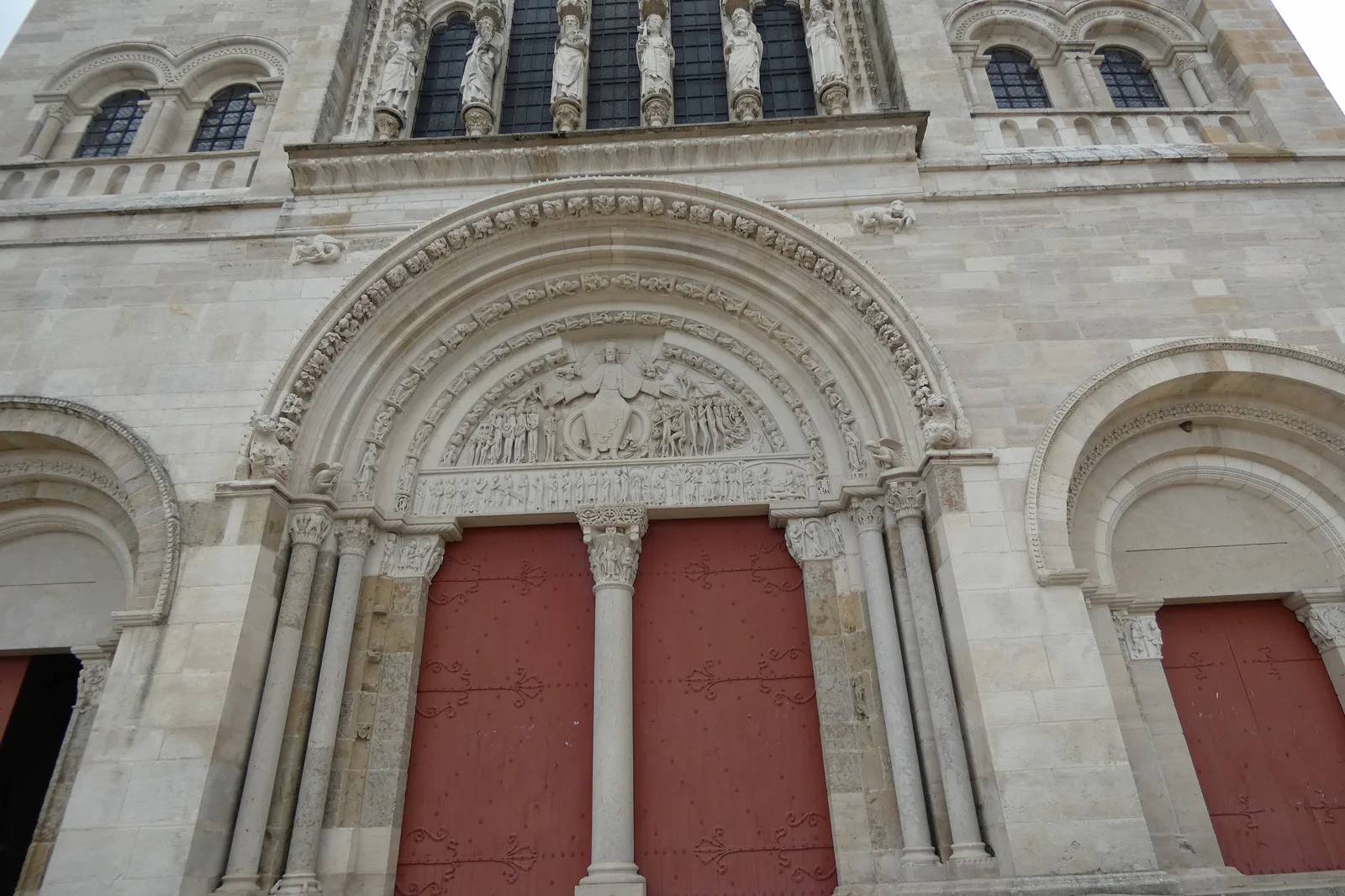
Vézelay hill and basilica
Use the village climb, basilica and viewpoints as one route. Rail travelers need the current connection from a regional station.
Fontenay Abbey
Make the preserved monastic complex and valley setting the sole rural anchor. A car, taxi or arranged tour is usually the practical contract.
Two-abbey road day
Compare Romanesque pilgrimage and Cistercian seclusion only with a planned car or guide route and ample opening-hour margin.
Know where the day actually begins.
Neither monument sits beside a major mainline platform. Vézelay commonly requires a bus, taxi, bicycle or car from a regional station; Fontenay requires its own road connection. Confirm pickup and mobile coverage before departure.
Choose what the route leaves out.
A two-abbey day gives up museum depth, village meals and walking. The route favors one site by public transport or a deliberate comparative road day, not an improvised rural transfer.
Fit this route into Dijon, Beaune & Burgundy, not into an isolated checklist.
Burgundy’s “climats” are working vineyard parcels, not a single attraction road. Dijon and Beaune are rail-connected city bases; the Route des Grands Crus and abbey hills require a bicycle, tour, car or rural connection plus responsible tasting decisions.
Two or three nights between Dijon and Beaune support both cities and one vineyard or abbey day. Dijon has broader rail and museum depth; Beaune makes cellars and the southern Côte-d’Or easier.
Frequent regional trains join Dijon and Beaune, but vineyard villages and abbeys need a deliberate last mile. Bicycle routes can be excellent yet still require weather, rental hours and sober riding.
Harvest alters vineyard traffic and appointment availability; summer increases heat and bicycle pressure. Winter favors city collections and cellar visits, while rural openings and daylight can be limited.
Use Dijon or Beaune museums and markets when rural appointments or weather fail. A cancelled tasting should become architecture, food and landscape—not a search for an unverified cellar door.
Arrive, read the place, commit, then protect the return.
Check monument opening, worship notices, exact rural transport, driver return, road weather and the last regional train before leaving the base.
- 01Arrive
Meet the rural connection
Arrive at the correct station or road junction and confirm the return with the driver or timetable before leaving.
- 02Read the place
Approach through the landscape
At Vézelay, accept the village climb; at Fontenay, use the valley approach and grounds to understand seclusion before entering.
- 03Commit
Read one abbey slowly
Respect worship, silence and conservation. Use current interpretation and do not force access to closed liturgical or restoration areas.
- 04Return
Leave before the last mile becomes uncertain
Return to the pickup point early and keep one regional train or road buffer. Rural dining should not endanger the connection.
Use the live operator, monument and destination sources for this route.
The route explains the decision; these official pages control current admission, transport, weather, access and closures.
Keep the day useful when the headline plan disappears.
If the rural connection fails, use Dijon, Beaune, Auxerre or another confirmed rail city rather than attempting a long roadside walk. If an abbey interior closes, keep only the publicly permitted village or grounds route.
Check monument opening, worship notices, exact rural transport, driver return, road weather and the last regional train before leaving the base.
Change the plan before the problem compounds.
Rural taxis need advance booking
Do not assume an app car will serve the return. Reconfirm the driver and meeting point.
Vézelay is steep and cobbled
Mobility and heat matter on the climb; consult official access options.
Religious sites set their own rhythm
Services, retreats and conservation may restrict visits. Quiet conduct is part of access.
Other ways to use Dijon, Beaune & Burgundy.
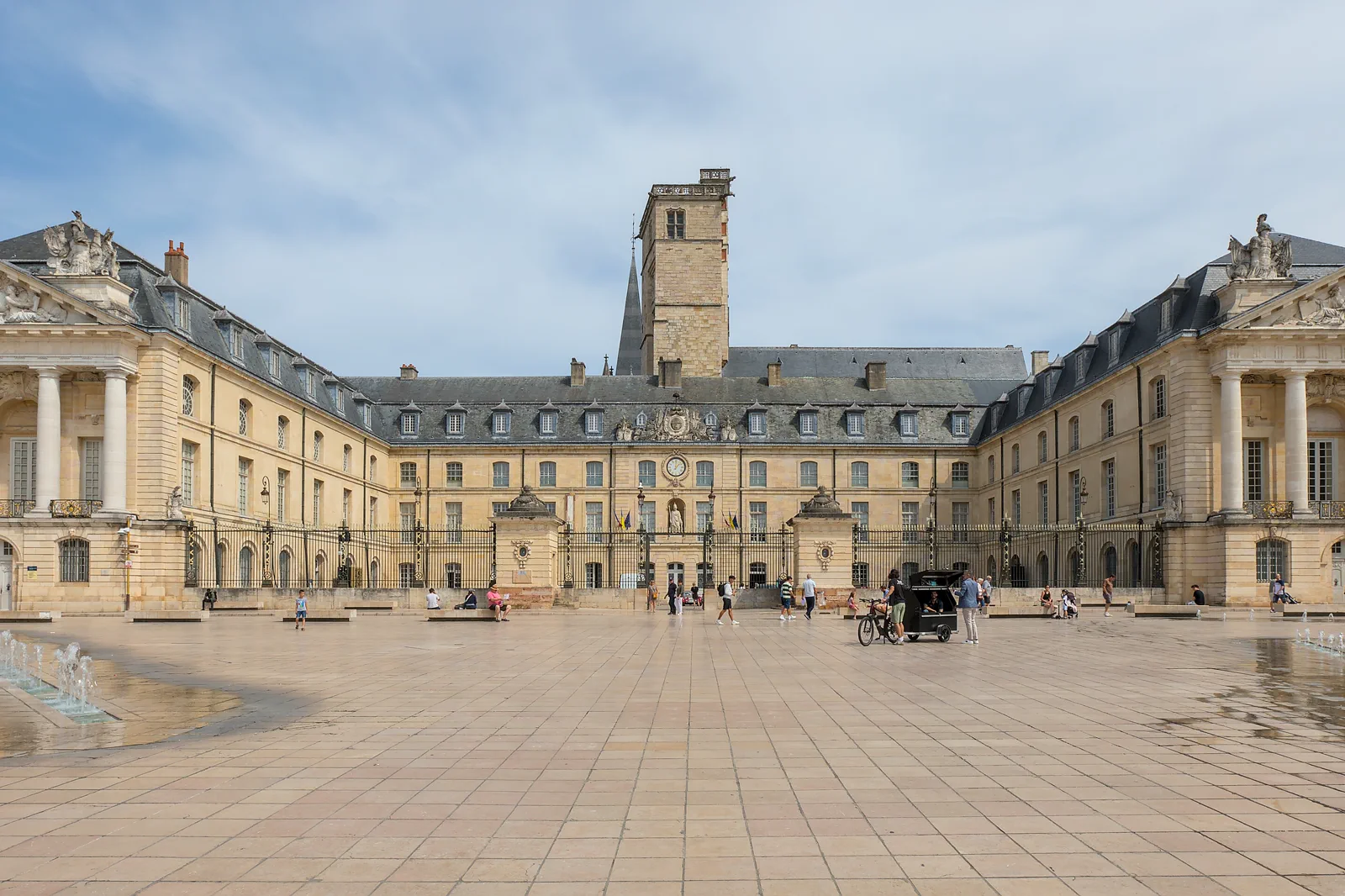
Dijon Ducal City & Markets
Use Dijon’s ducal center, Musée des Beaux-Arts and market streets as a complete city decision, not merely a platform before…
Open this guide →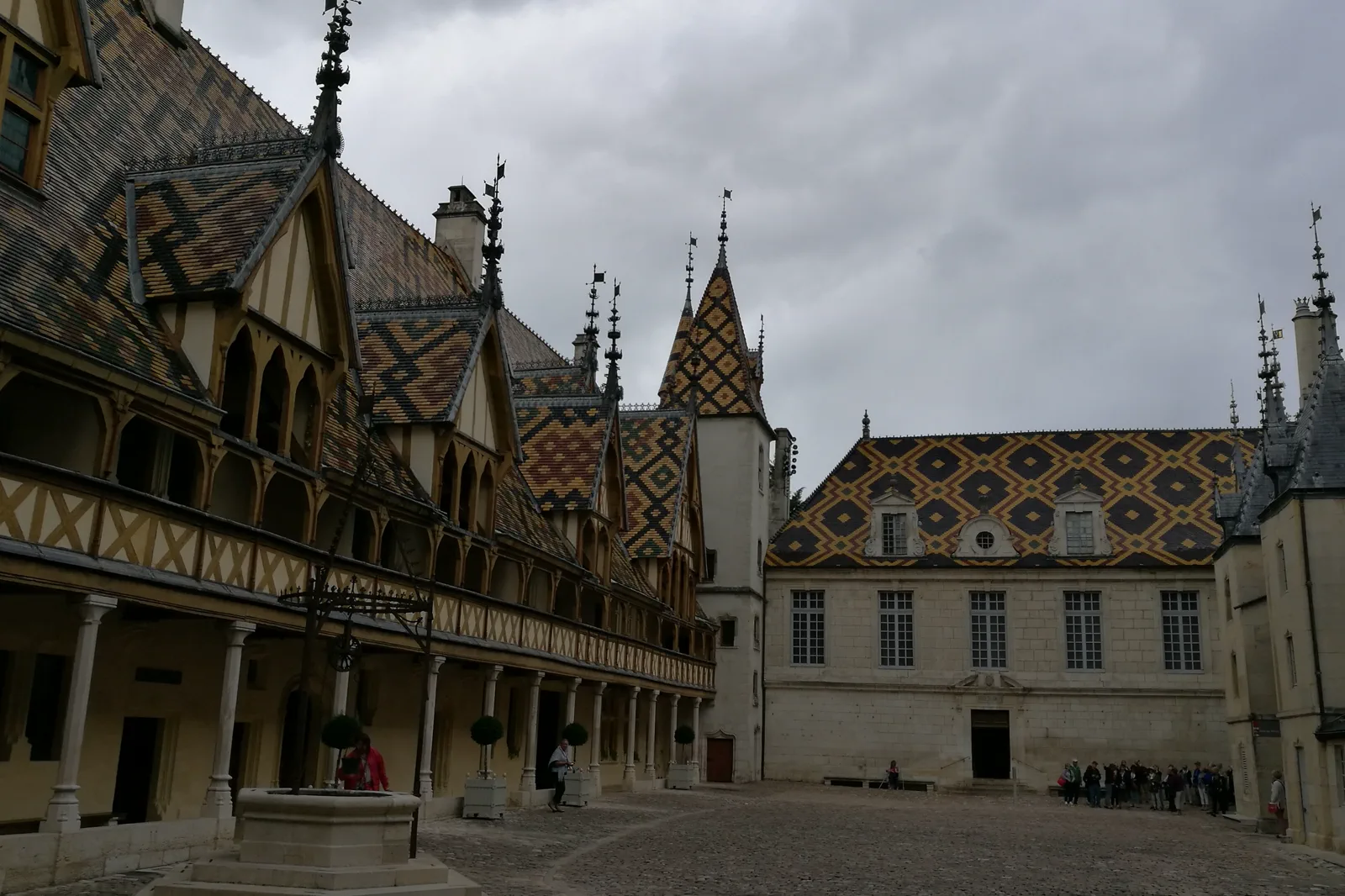
Beaune Hospices & Vineyard Edge
Anchor Beaune on the Hôtel-Dieu and walled center, then choose one cellar or vineyard-edge experience with a responsible…
Open this guide →Vézelay, Fontenay & Abbey Country FAQ
How much time should I give Vézelay, Fontenay & Abbey Country?
Allow most of a day for either abbey from a rail base. A two-site road route needs eight to ten hours and should be booked around opening windows.
What should I combine with Vézelay, Fontenay & Abbey Country?
Combine Vézelay and Fontenay only by deliberate car or guide itinerary. Otherwise pair one abbey with its nearest town or stay overnight.
What should I verify before leaving?
Check monument opening, worship notices, exact rural transport, driver return, road weather and the last regional train before leaving the base.
Official sources and photo credits
Planning facts and image licensing were reviewed on 19 September 2026. Admission, transport, roads, trails, sea, fire, weather and local access can change; reopen the linked authority or operator before travel.
- Basilica of Vézelay — official visitor and worship information.
- Fontenay Abbey — official visitor information.
- Burgundy Tourism — official regional guide.
- TER Bourgogne-Franche-Comté — official rail information.
- Climats of Burgundy — official World Heritage interpretation.
- Dijon - Palais des Ducs et des États de Bourgogne - 01.jpg — Benjamin Smith, CC BY-SA 4.0. Resized, display-cropped and converted to WebP; no other material edits.
- Hôtel-Dieu de Beaune - the famous coloured roof tiles (34480191663).jpg — Elliott Brown from Birmingham, United Kingdom, CC BY-SA 2.0. Resized, display-cropped and converted to WebP; no other material edits.
- Basilique de Vézelay - Extérieur 20.jpg — Renhour48, CC0. Resized, display-cropped and converted to WebP; no other material edits.