France choose the route contract before the postcard.
High-speed rail makes distant cities look adjacent, but stations, timed monuments, cellar appointments, rural buses, mountain lifts, sea state and fire controls decide the usable day. Twenty complete hubs make those transitions visible before you book.
Choose a corridor, not a wish list.
Paris–Normandy, the Loire, Alsace–Burgundy, Bordeaux, Occitanie and the Mediterranean each reward a small number of connected bases.
Distinguish station from destination.
A station named for a palace, dune, TGV city or mountain region may still require a shuttle, bus, bicycle, taxi or long walk.
Protect one flexible day.
Weather, strikes, fire controls, sea state and monument operations change. Keep a complete city or lower-risk route in the same base.
Build the first trip from city corridors, not a national checklist.
Paris, its regional estates, Lille, Normandy and Brittany combine dense rail cities with very different last-mile contracts for palaces, memorial landscapes, tides and peninsulas.
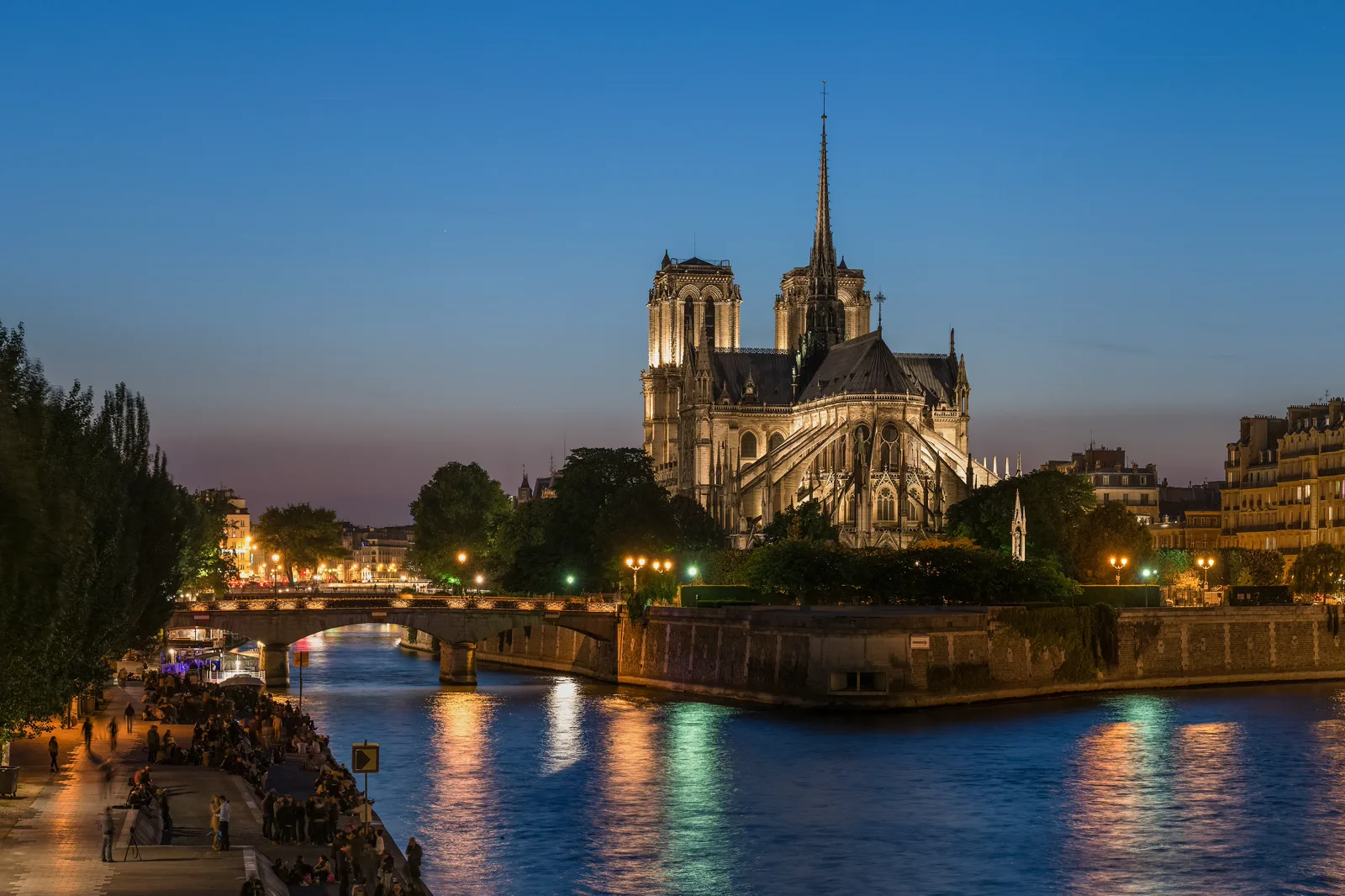
Paris
Paris works best as a set of walkable river and neighborhood fields joined by short Métro or RER moves. The useful decision is not how many landmarks fit on a…
Open the regional route book →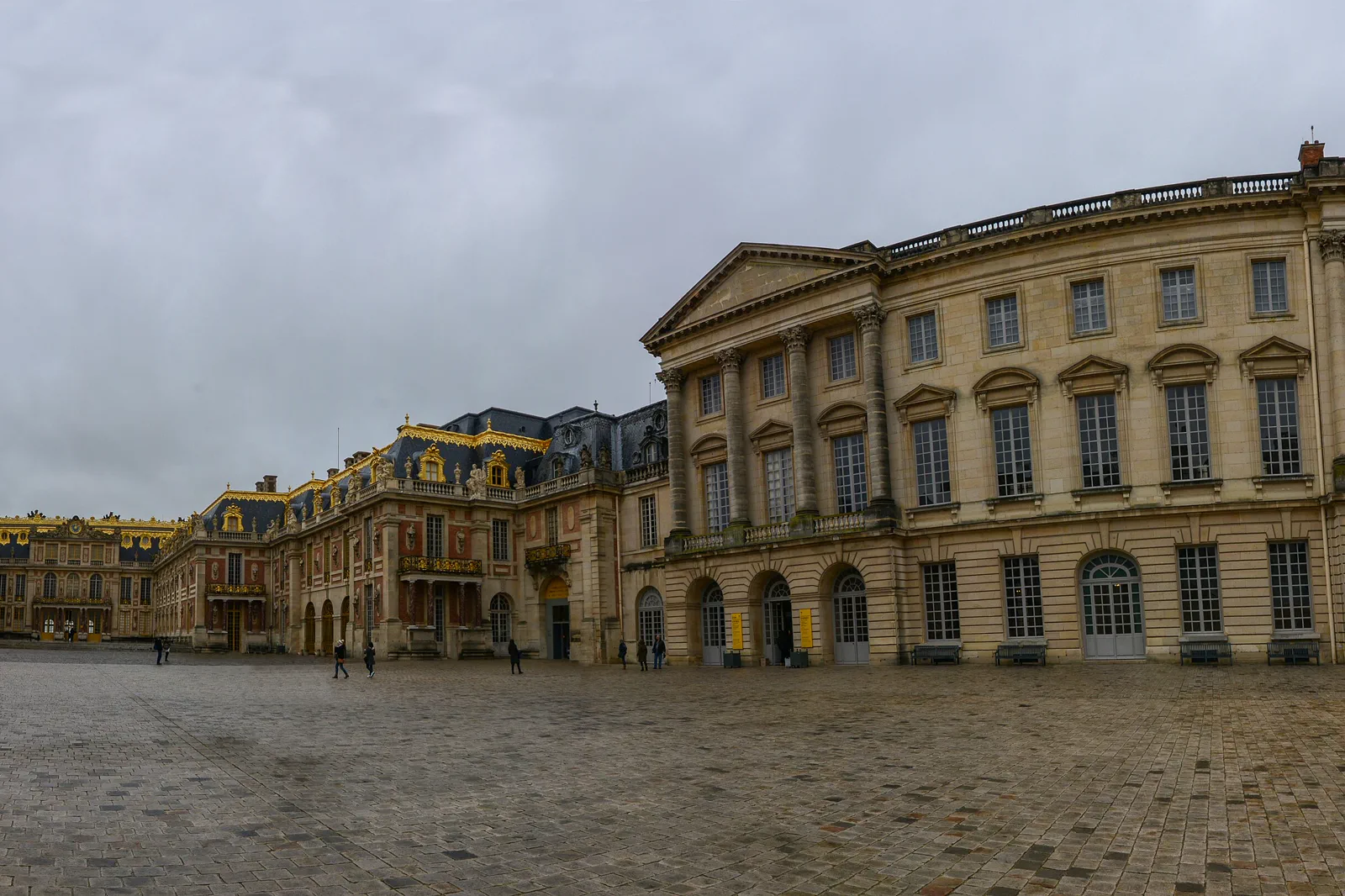
Versailles, Fontainebleau & Giverny
The famous excursions around Paris use different rail terminals, local transfers, reservation systems and landscape scales. Treat Versailles, Fontainebleau…
Open the regional route book →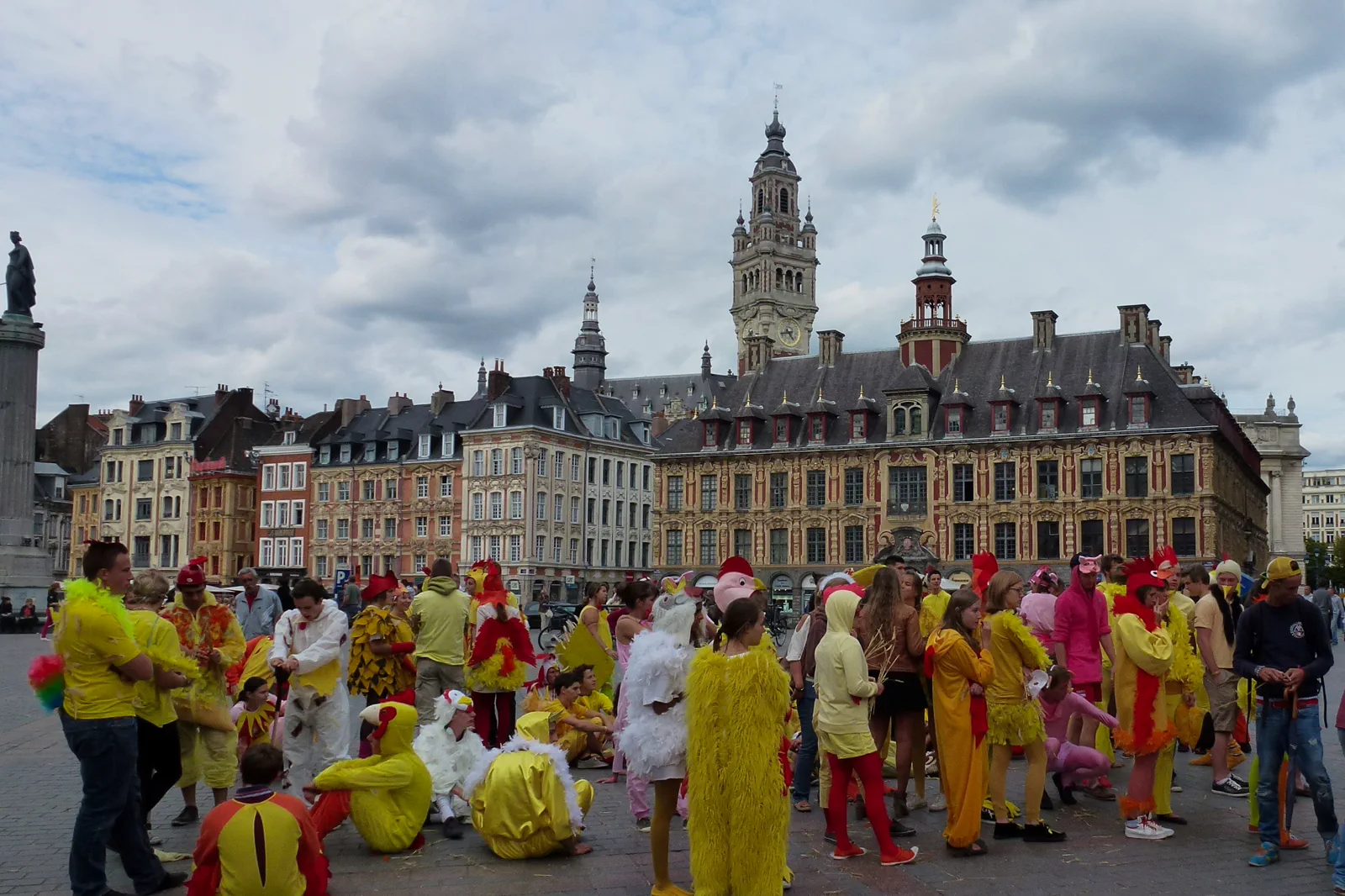
Lille, Arras & the Opal Coast
Lille is a rail gateway to three very different northern trips: Flemish-influenced city streets and collections, First World War remembrance landscapes around…
Open the regional route book →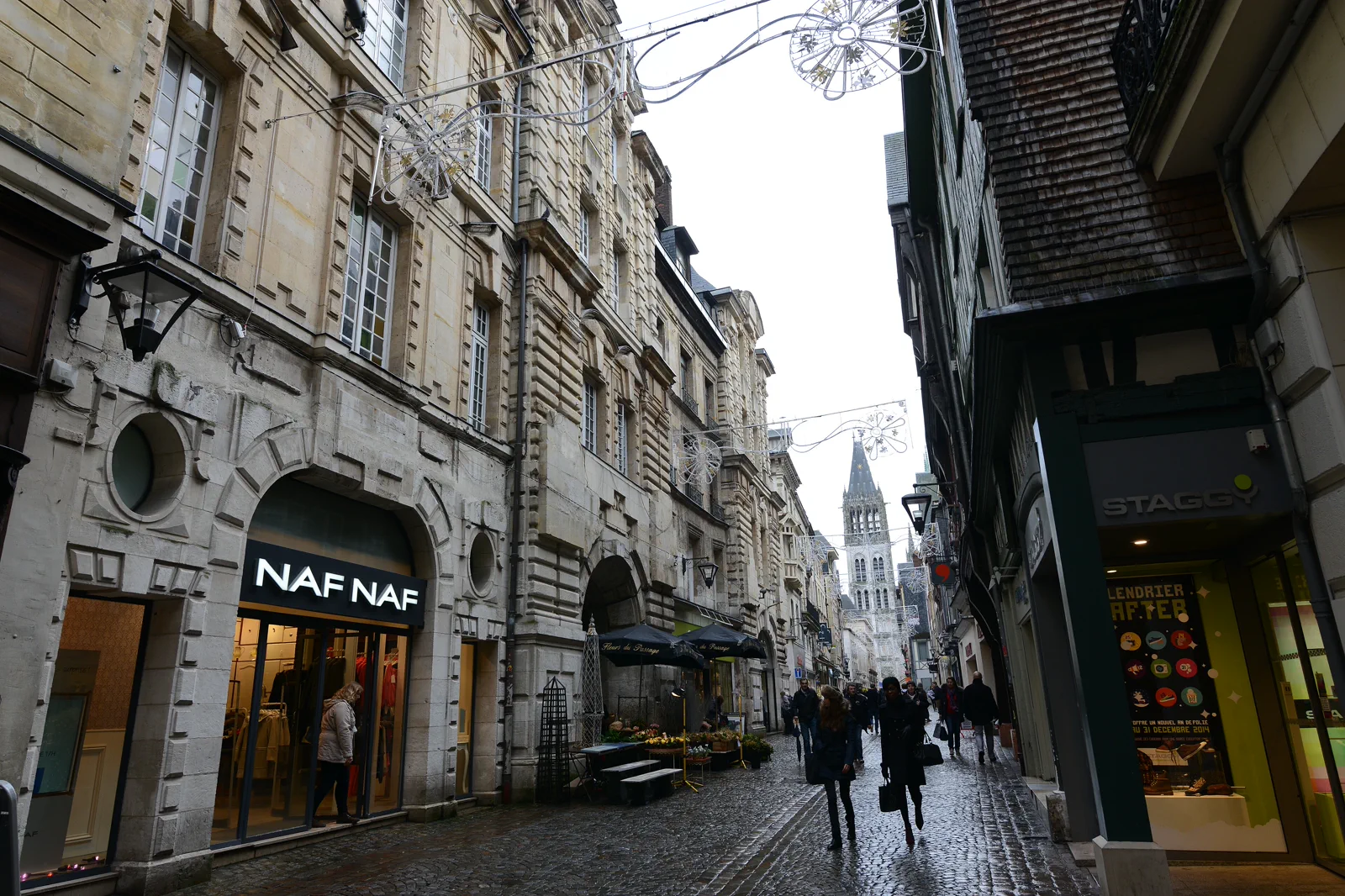
Normandy: Rouen, Bayeux & Mont-Saint-Michel
Normandy’s best-known places lie on different rail and road systems: Rouen is a compact Seine city, Bayeux is a base for interpreted D-Day landscapes, and…
Open the regional route book →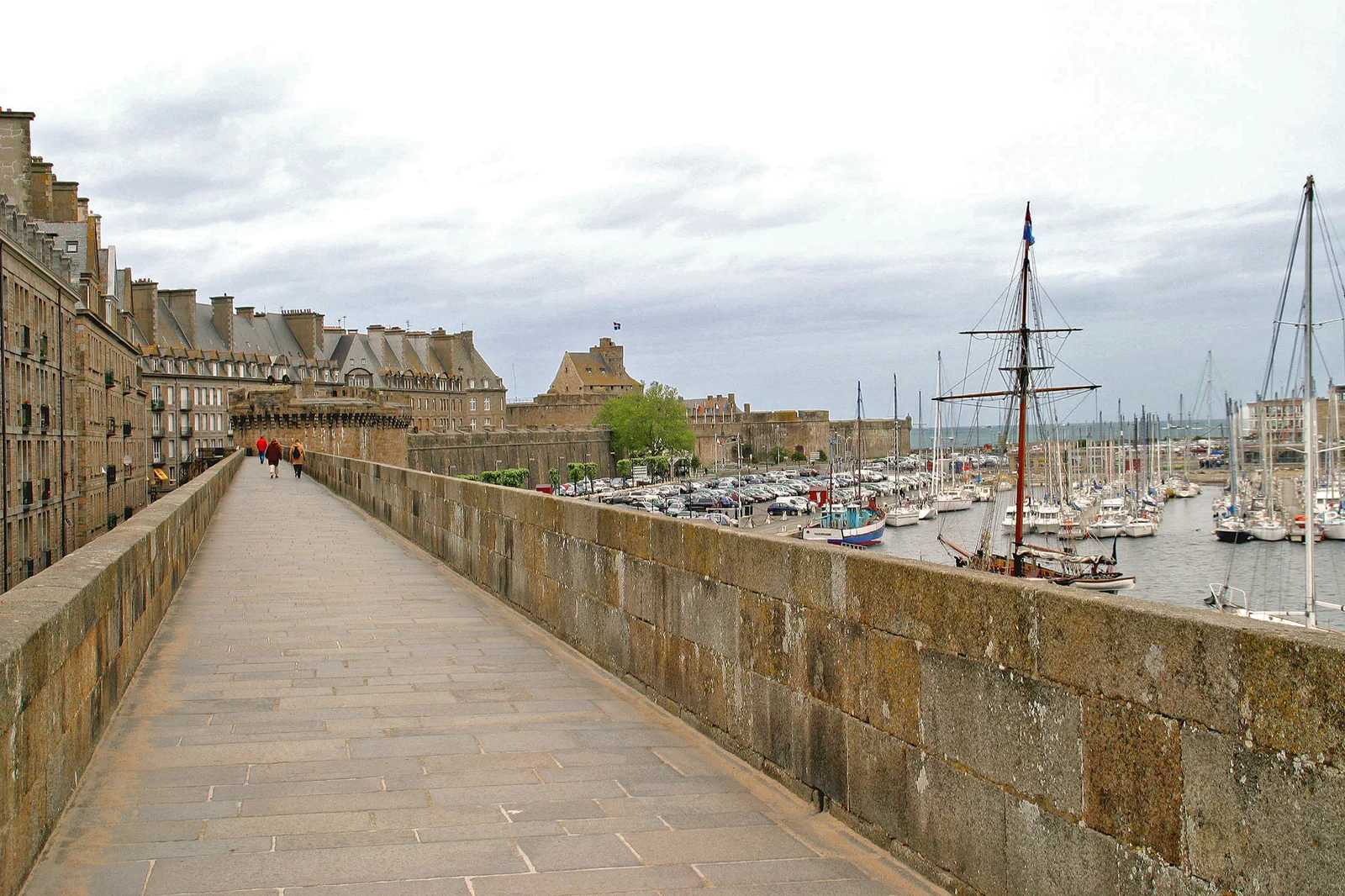
Brittany: Walled Ports, Megaliths & Atlantic Headlands
Brittany is not one coastal loop. Saint-Malo and Dinan form a rail-and-bus pair, Carnac and the Gulf of Morbihan revolve around megaliths and boat or local…
Open the regional route book →Let estates, cellars, rivers and altitude set the day.
The Loire Valley, Champagne, Alsace, Burgundy, Lyon and the French Alps reward fewer bases, booked interiors and a clear distinction between a rail gateway and the rural or mountain site beyond it.
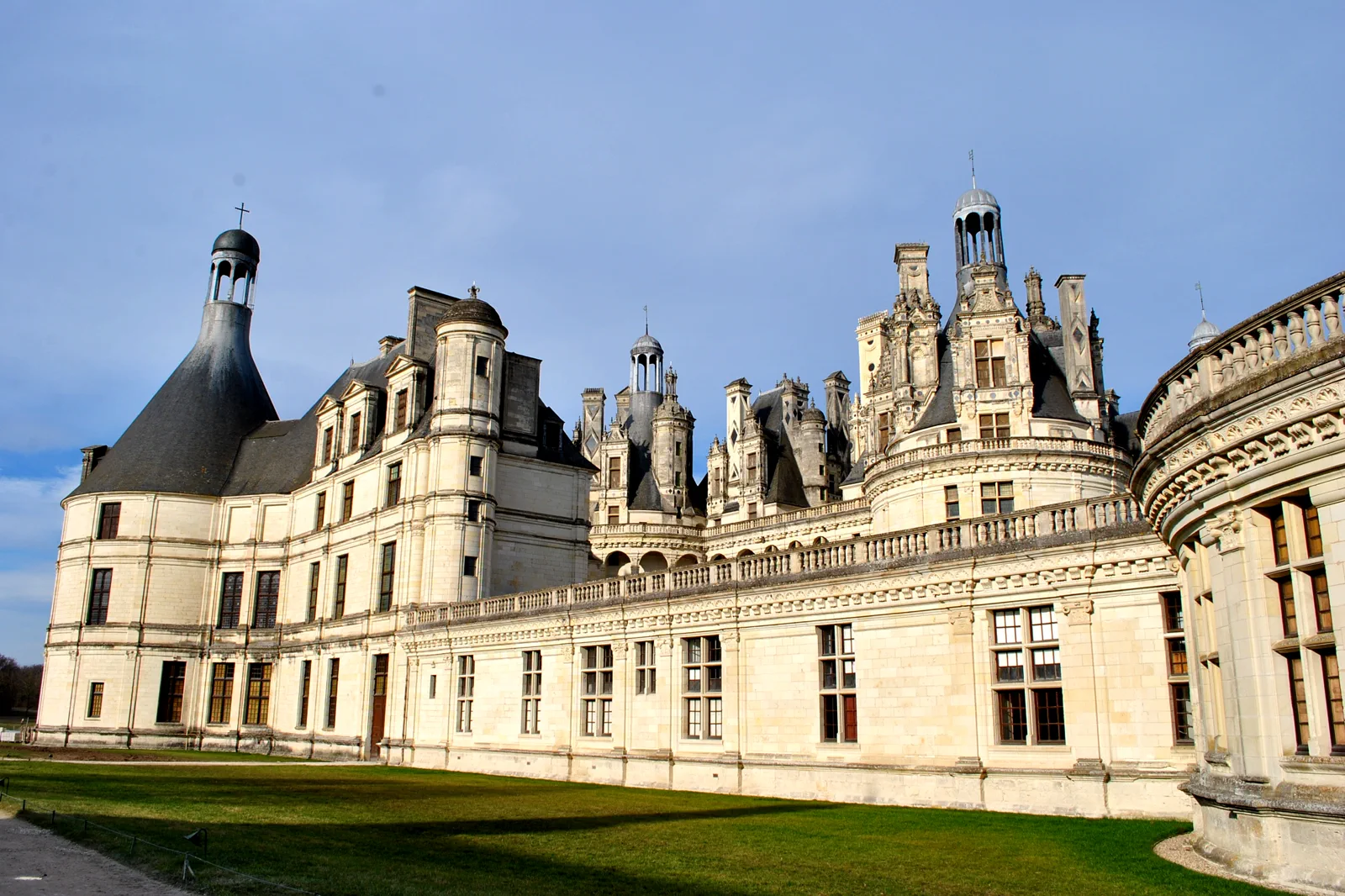
Loire Valley Châteaux
The Loire Valley is a chain of towns, rail stops, gardens and estates rather than one castle park. Blois and Chambord, Amboise and Chenonceau, and Tours with…
Open the regional route book →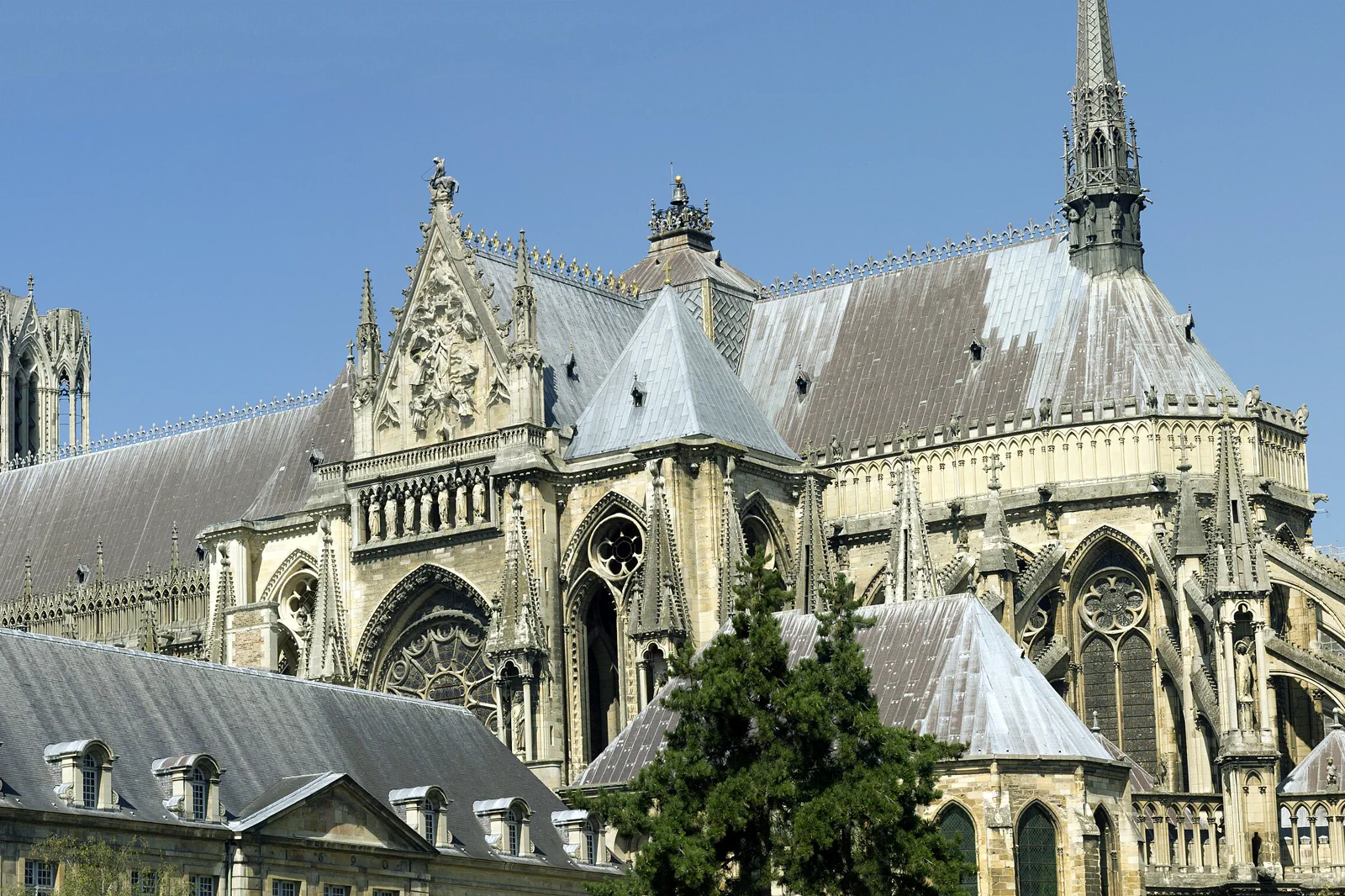
Reims, Épernay & Champagne Country
Champagne travel combines cathedral cities, working cellars, regulated tastings and vineyard villages. Reims and Épernay are rail-friendly bases, while rural…
Open the regional route book →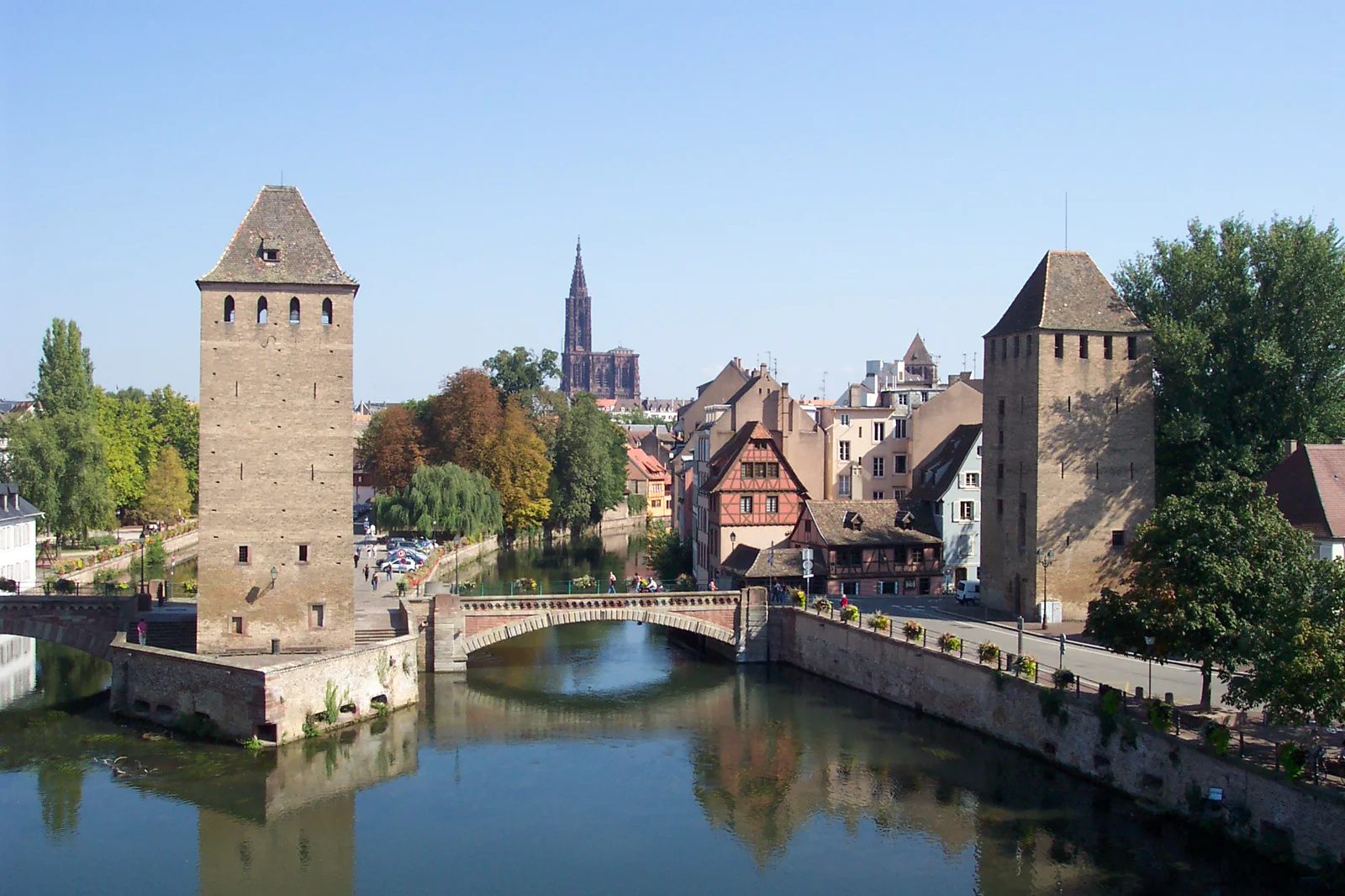
Strasbourg, Colmar & the Alsace Wine Route
Strasbourg and Colmar are strong rail cities with different urban rhythms; the wine-route villages sit on a patchwork of trains, buses, bicycles and roads. A…
Open the regional route book →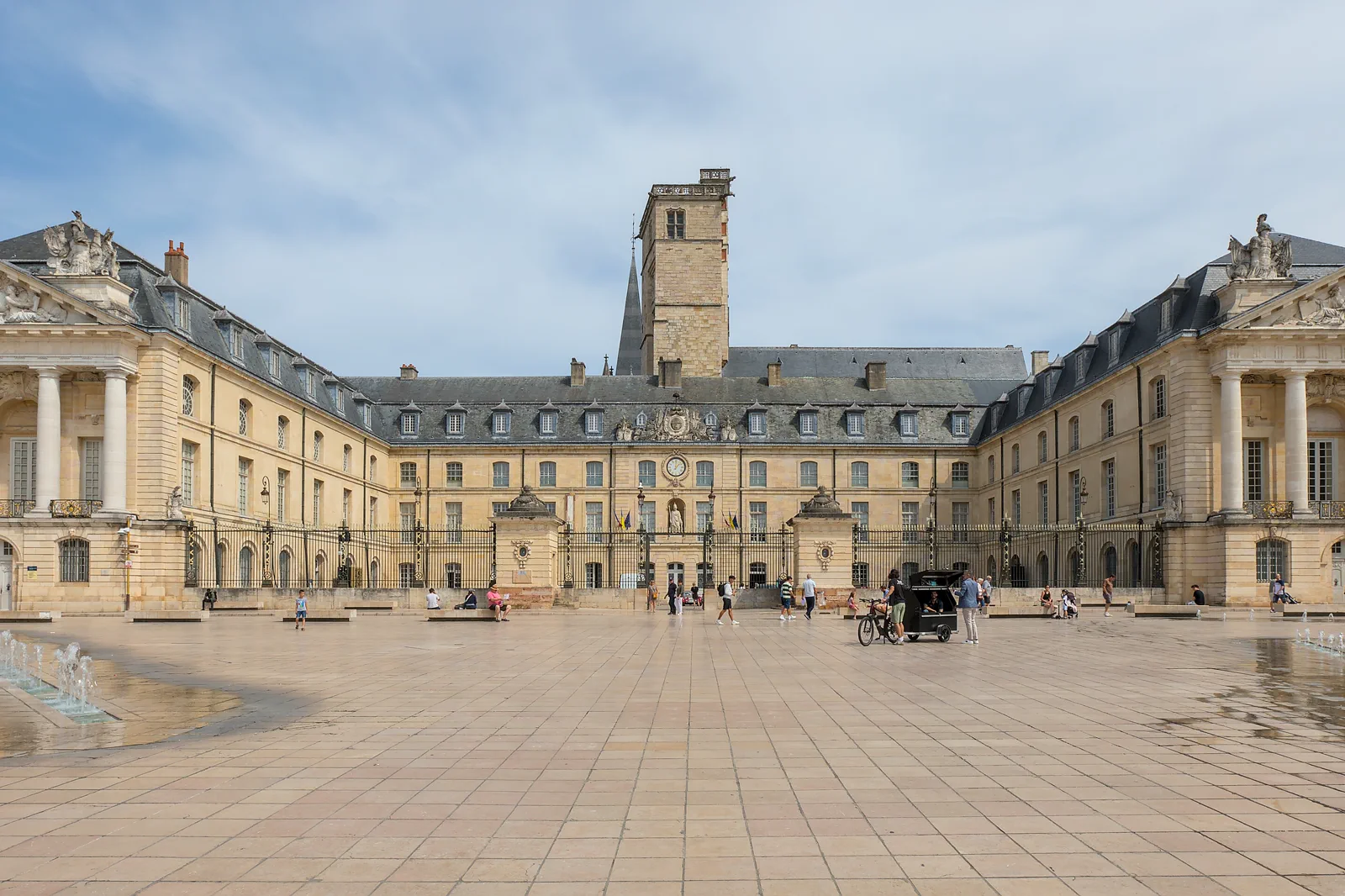
Dijon, Beaune & Burgundy
Burgundy’s “climats” are working vineyard parcels, not a single attraction road. Dijon and Beaune are rail-connected city bases; the Route des Grands Crus and…
Open the regional route book →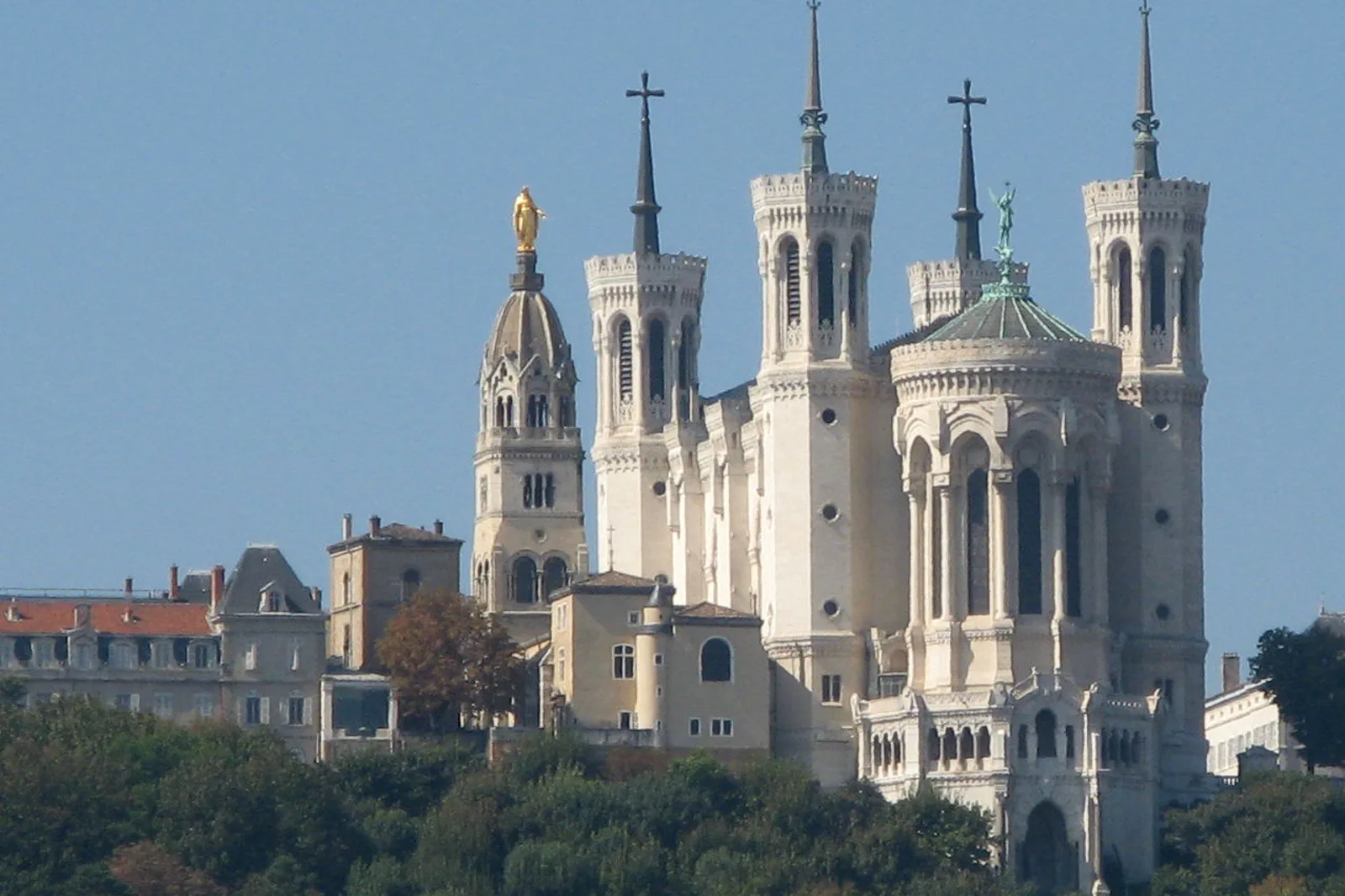
Lyon & the Rhône Gateway
Lyon’s planning logic comes from the Saône, Rhône and two hills. Vieux Lyon and Fourvière form a vertical historic route; Presqu’île and Croix-Rousse connect…
Open the regional route book →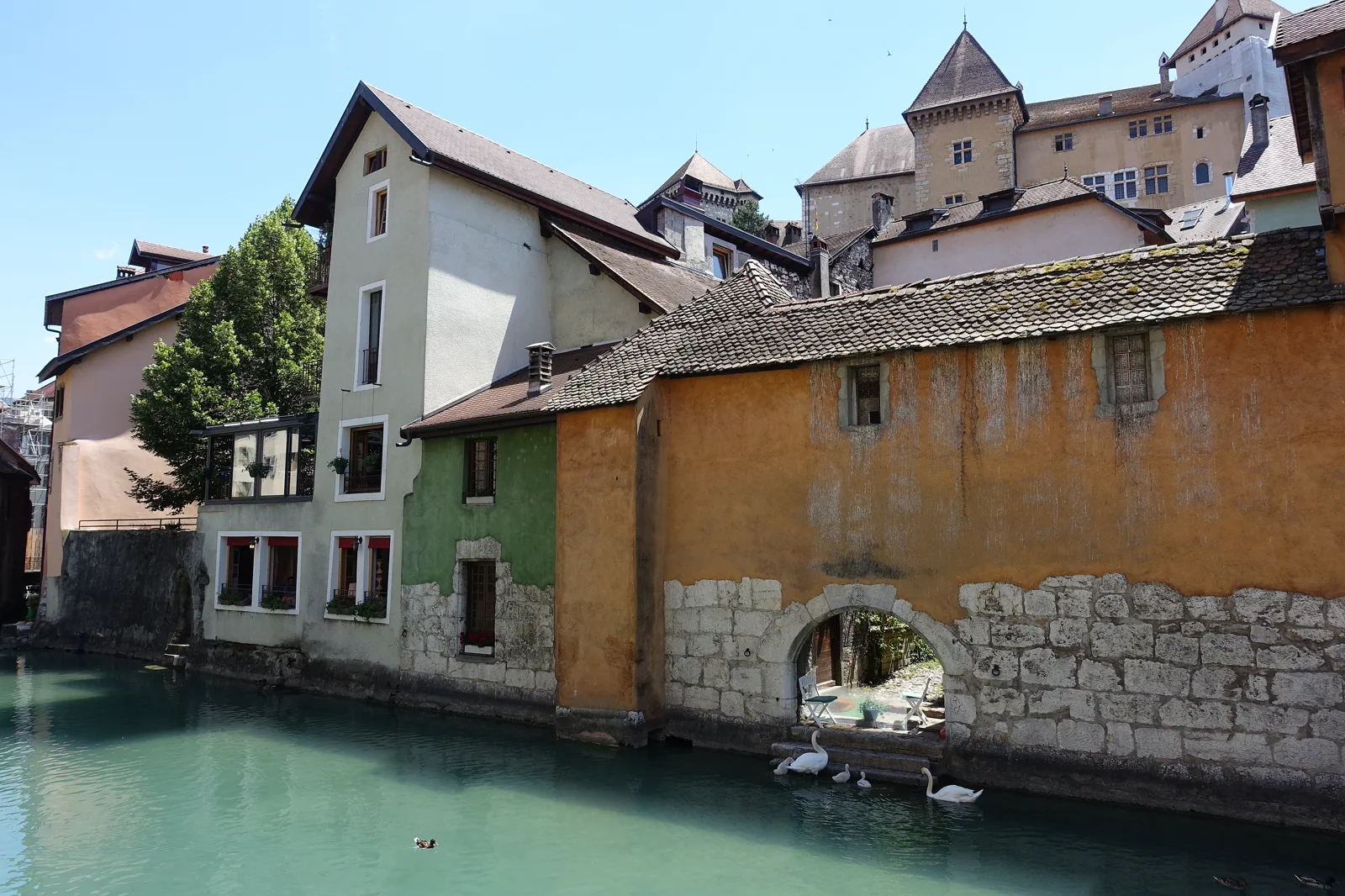
Annecy, Chamonix & the French Alps
Annecy, Chamonix and Grenoble expose three different Alpine systems: a lake city with busy shores, a high-mountain valley whose lifts are weather-dependent,…
Open the regional route book →Read estuary, cave, brick city and mountain weather separately.
Bordeaux, Dordogne, Toulouse, Albi, Carcassonne and the Basque-Pyrenean gateways use regional rail well until vineyards, caves, surf or mountain roads create another operating layer.
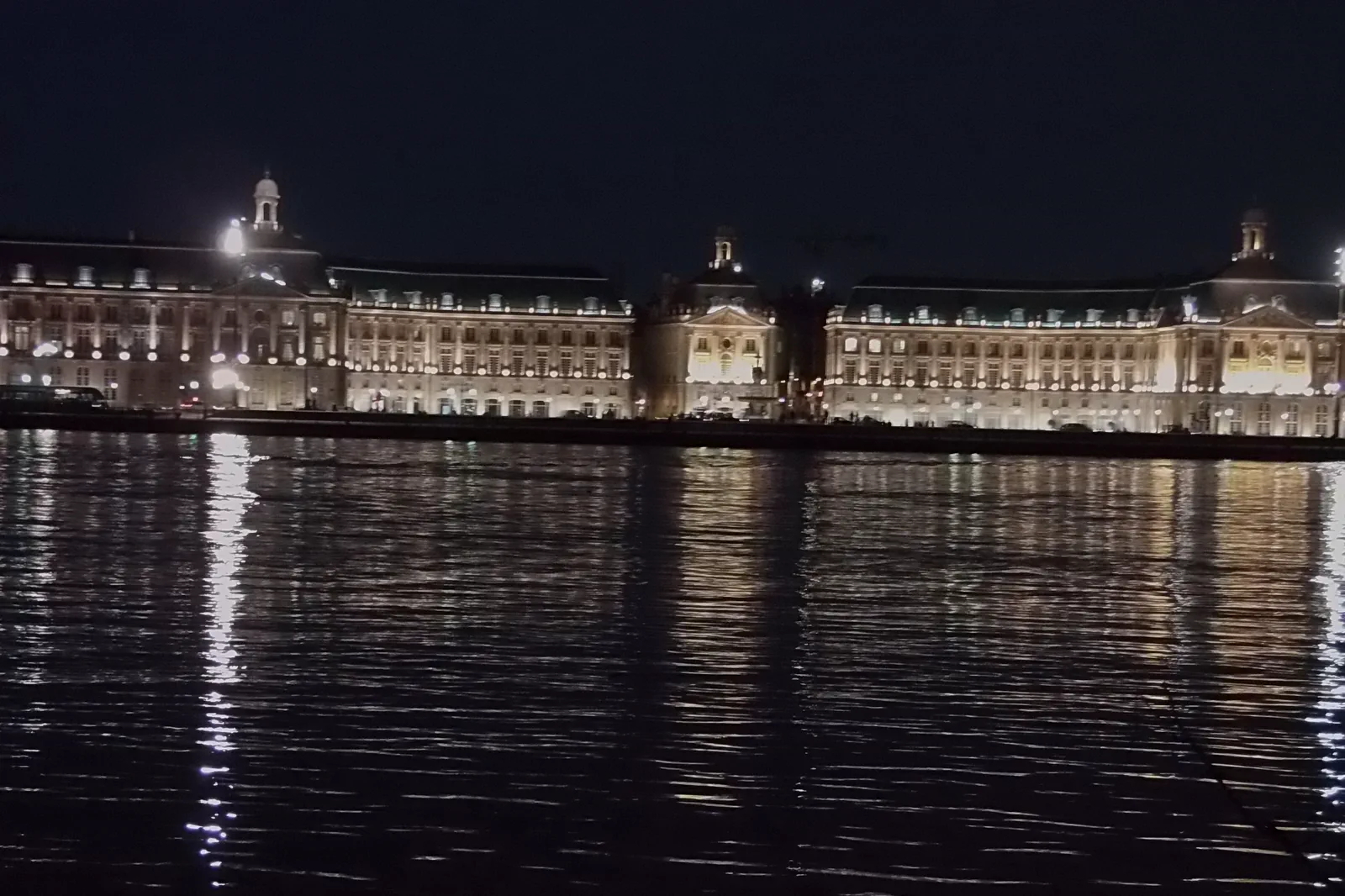
Bordeaux, Saint-Émilion & Arcachon
Bordeaux’s tram city, Saint-Émilion’s vineyard hill and Arcachon Bay’s dune-and-tide landscape are three complete systems. Regional trains make each…
Open the regional route book →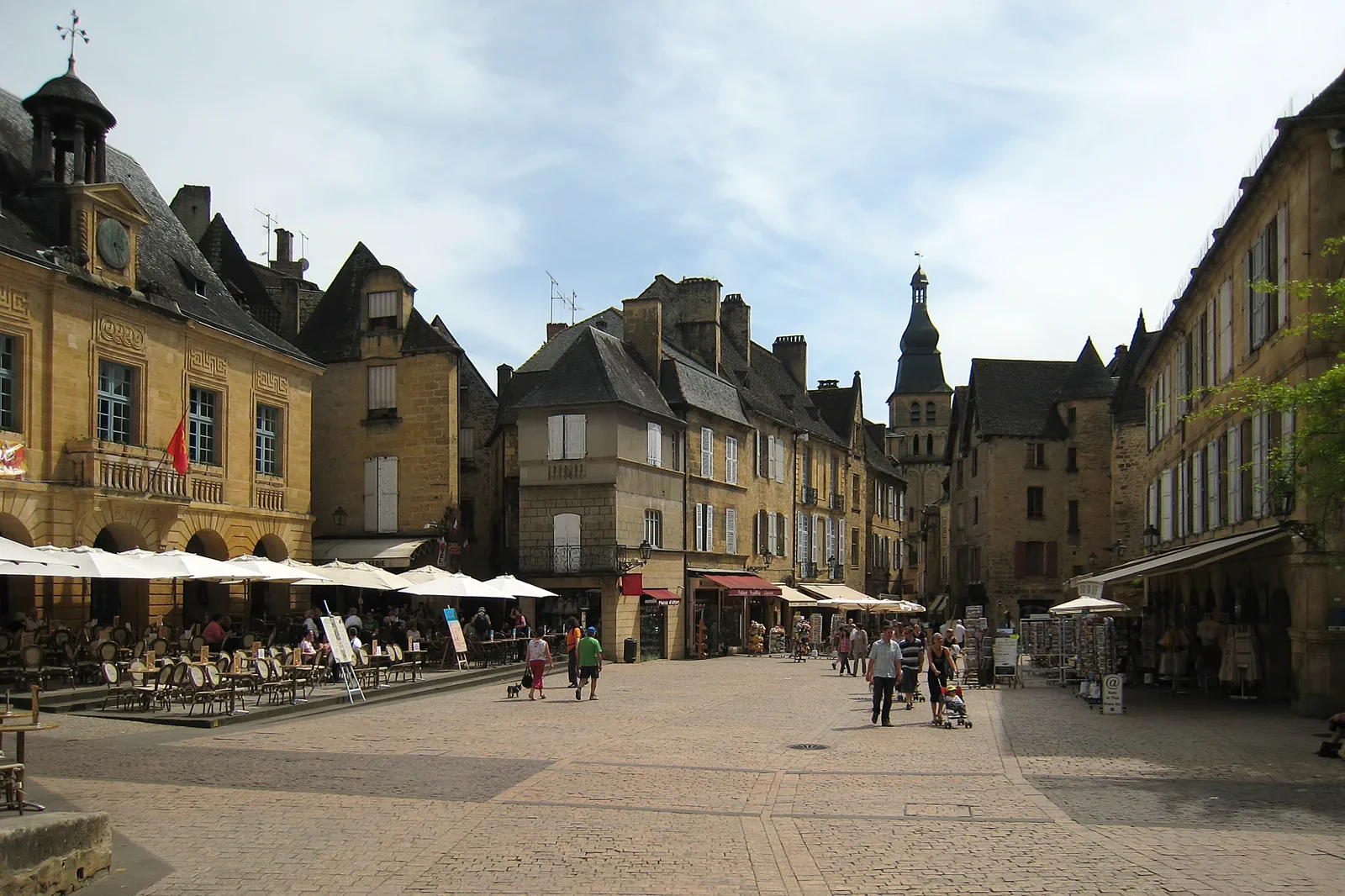
Dordogne & Périgord Noir
Sarlat’s market city, the Vézère’s prehistoric sites and the Dordogne’s cliff villages and castles are close on a map but dispersed across rural roads. A car,…
Open the regional route book →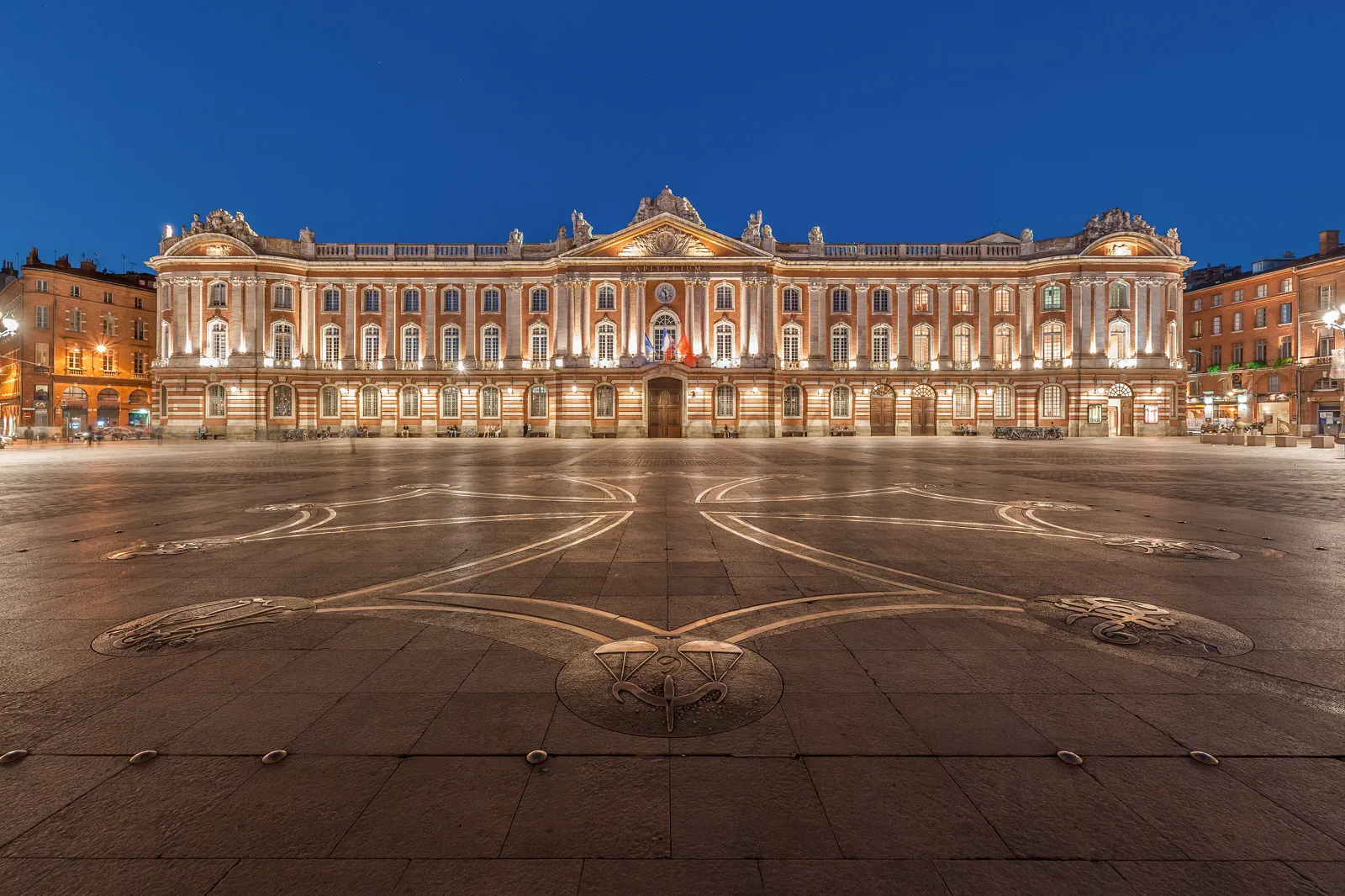
Toulouse, Albi & Carcassonne
Toulouse’s Garonne and aerospace layers, Albi’s episcopal brick city and Carcassonne’s fortified cité are distinct destinations on separate rail corridors.…
Open the regional route book →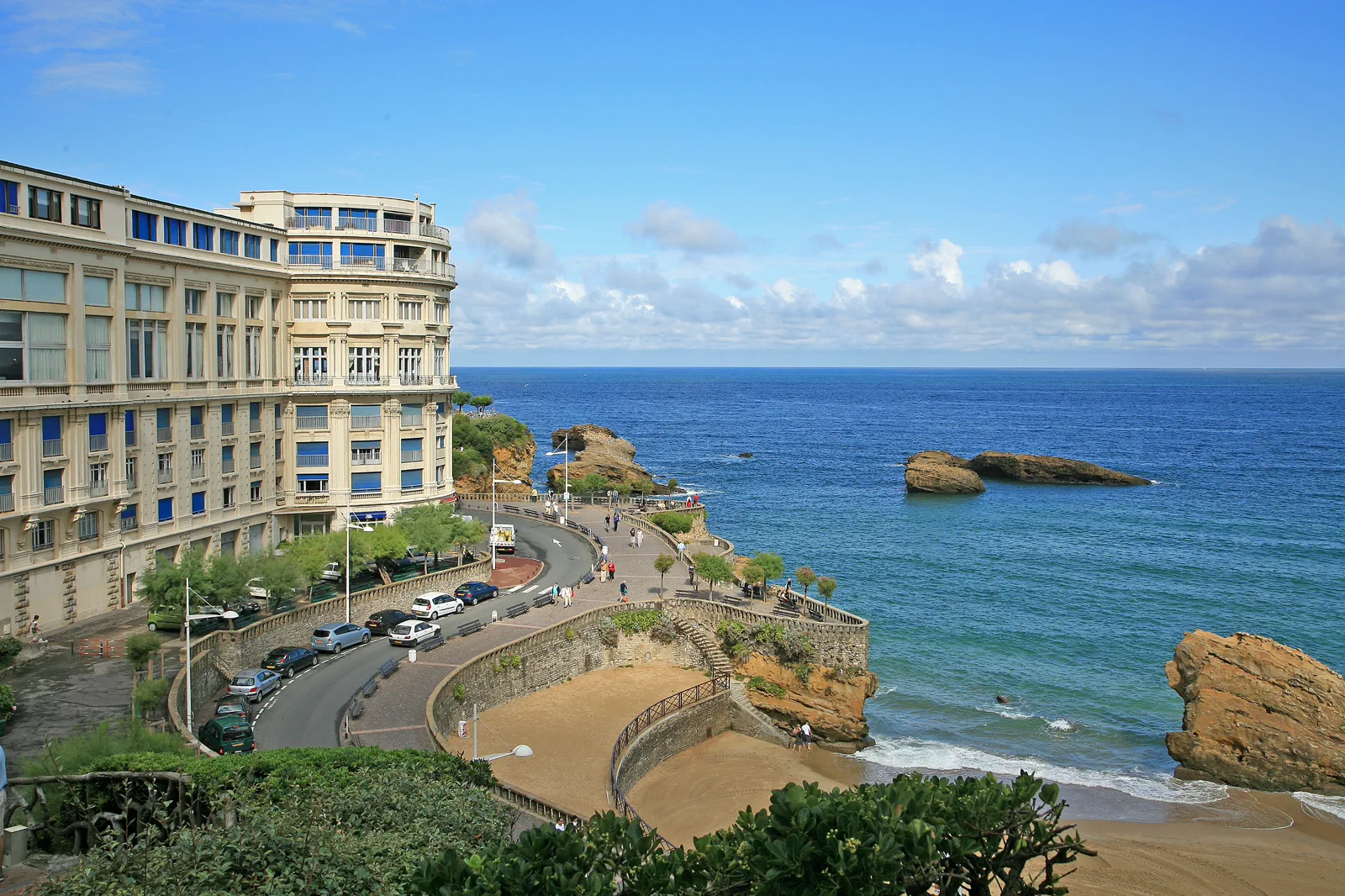
French Basque Coast & the Pyrenees
Bayonne and Biarritz share an urban coastal network, Saint-Jean-de-Luz opens a different harbor and inland Basque corridor, and Gavarnie or Cauterets require…
Open the regional route book →Heat, fire, sea state and road pressure edit the map.
Languedoc, Provence, Marseille, the Riviera and Corsica need live access decisions for wetlands, villages, national parks, coast trains, ferries and island roads.
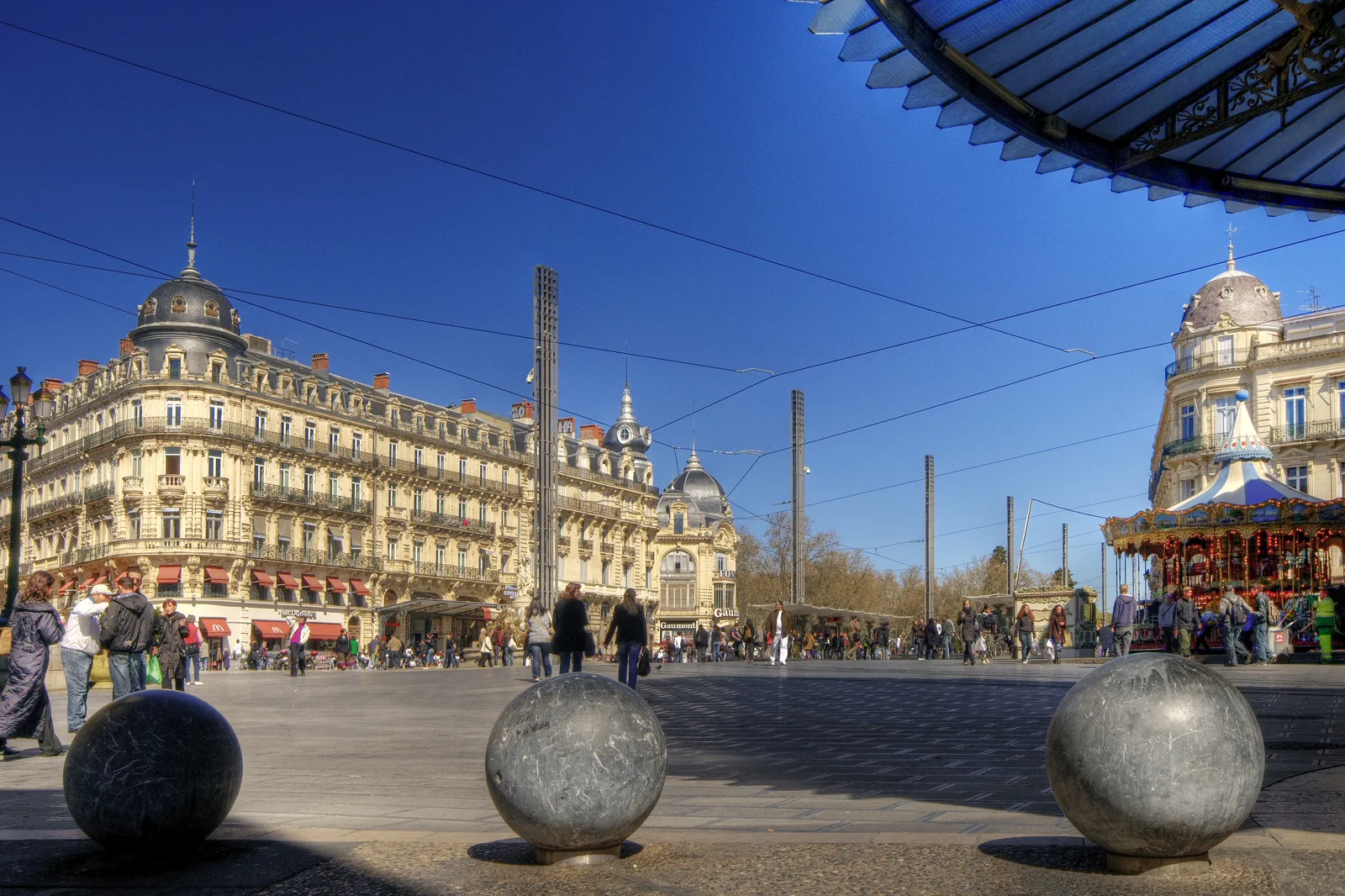
Montpellier, Nîmes & the Camargue
Montpellier, Nîmes and Arles sit on a strong rail corridor, but the Pont du Gard, Camargue wetlands and coast require distinct buses, bicycles, tours or cars.…
Open the regional route book →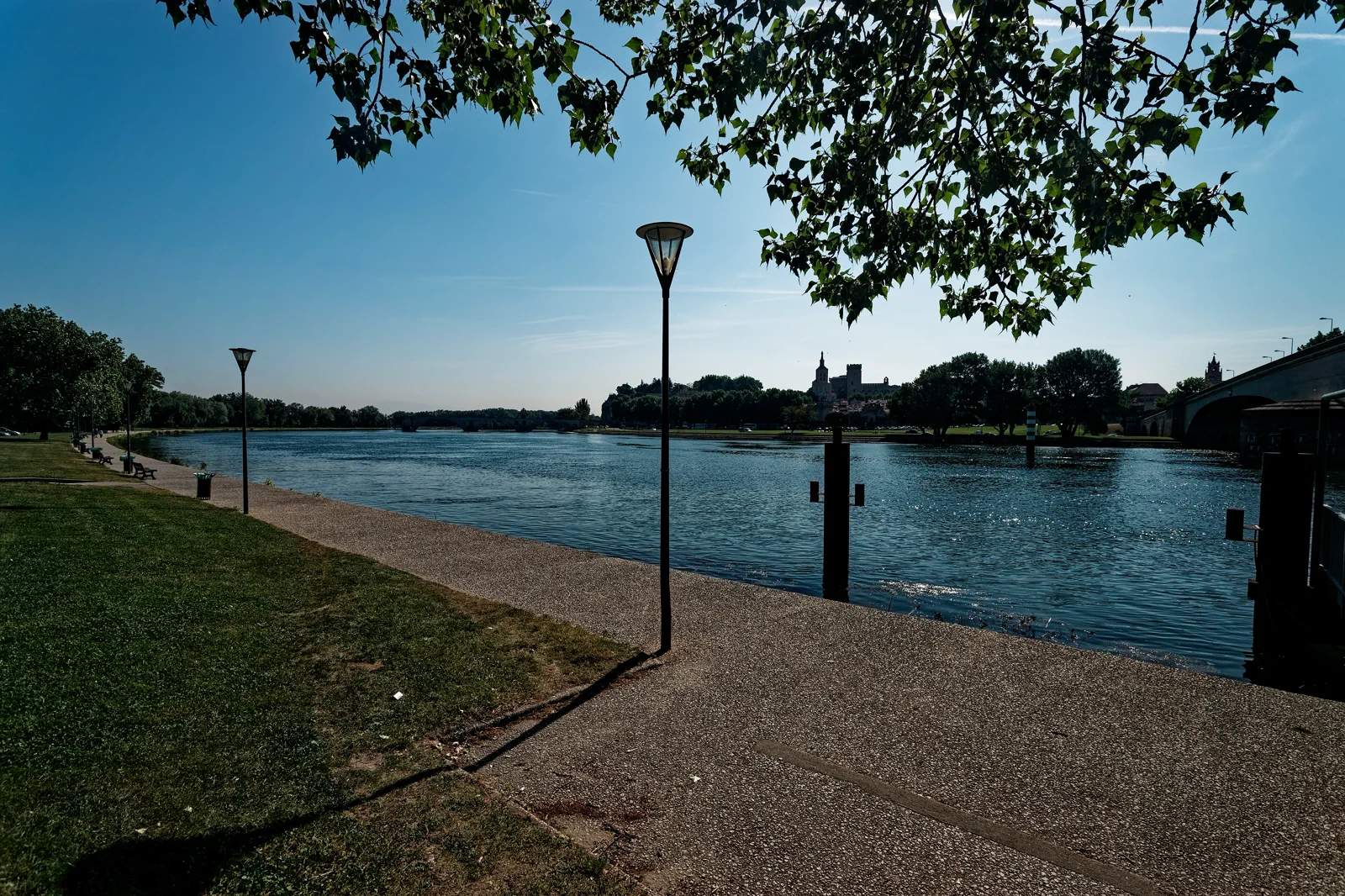
Avignon, Aix & the Luberon
Avignon and Aix-en-Provence are independent city bases with different station and street logic. The Luberon’s villages, abbeys and seasonal landscapes require…
Open the regional route book →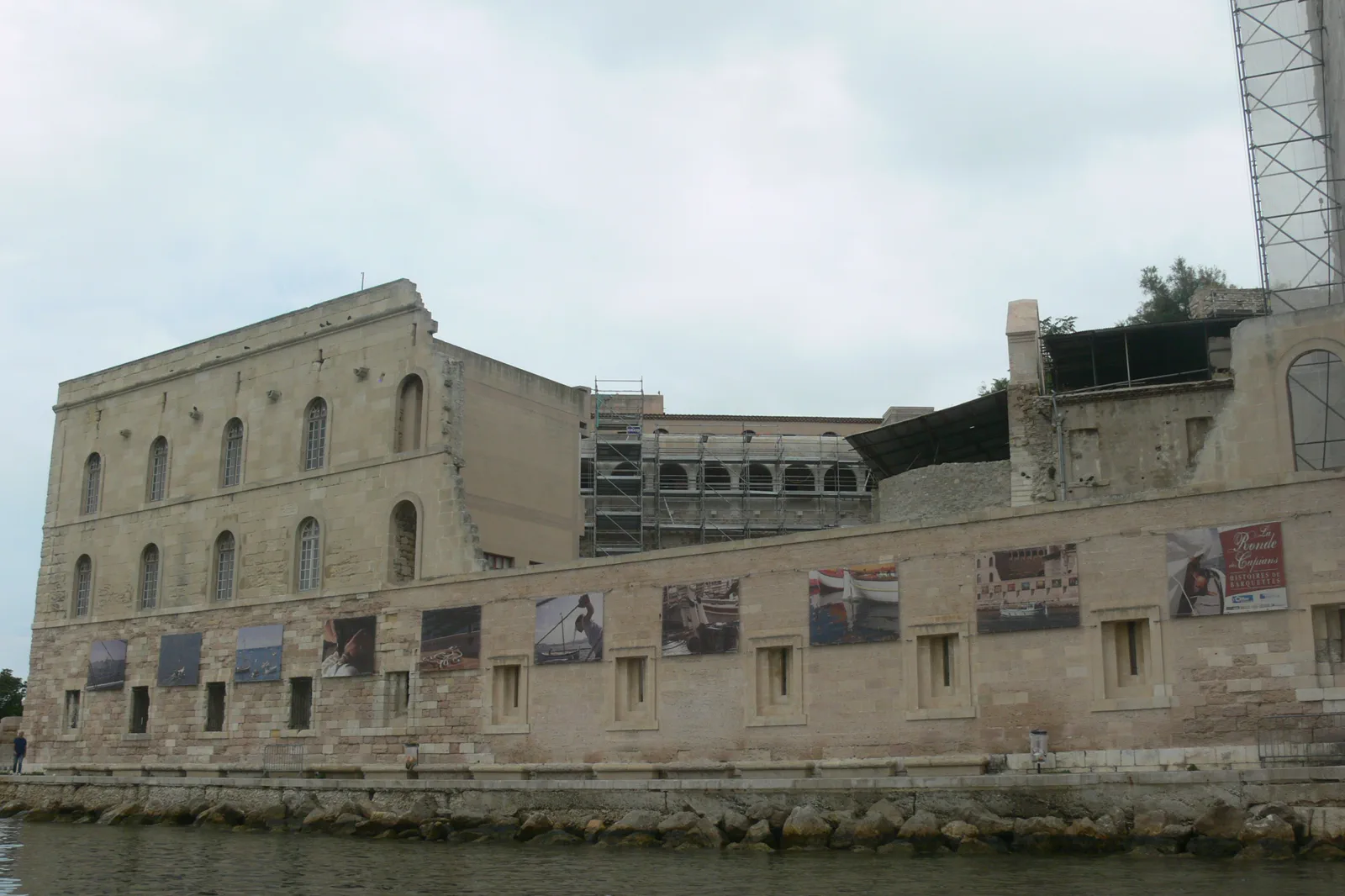
Marseille, Calanques & Cassis
Marseille’s port city, the Calanques National Park and Cassis–La Ciotat coast meet geographically but operate differently. Urban transit, summer reservations,…
Open the regional route book →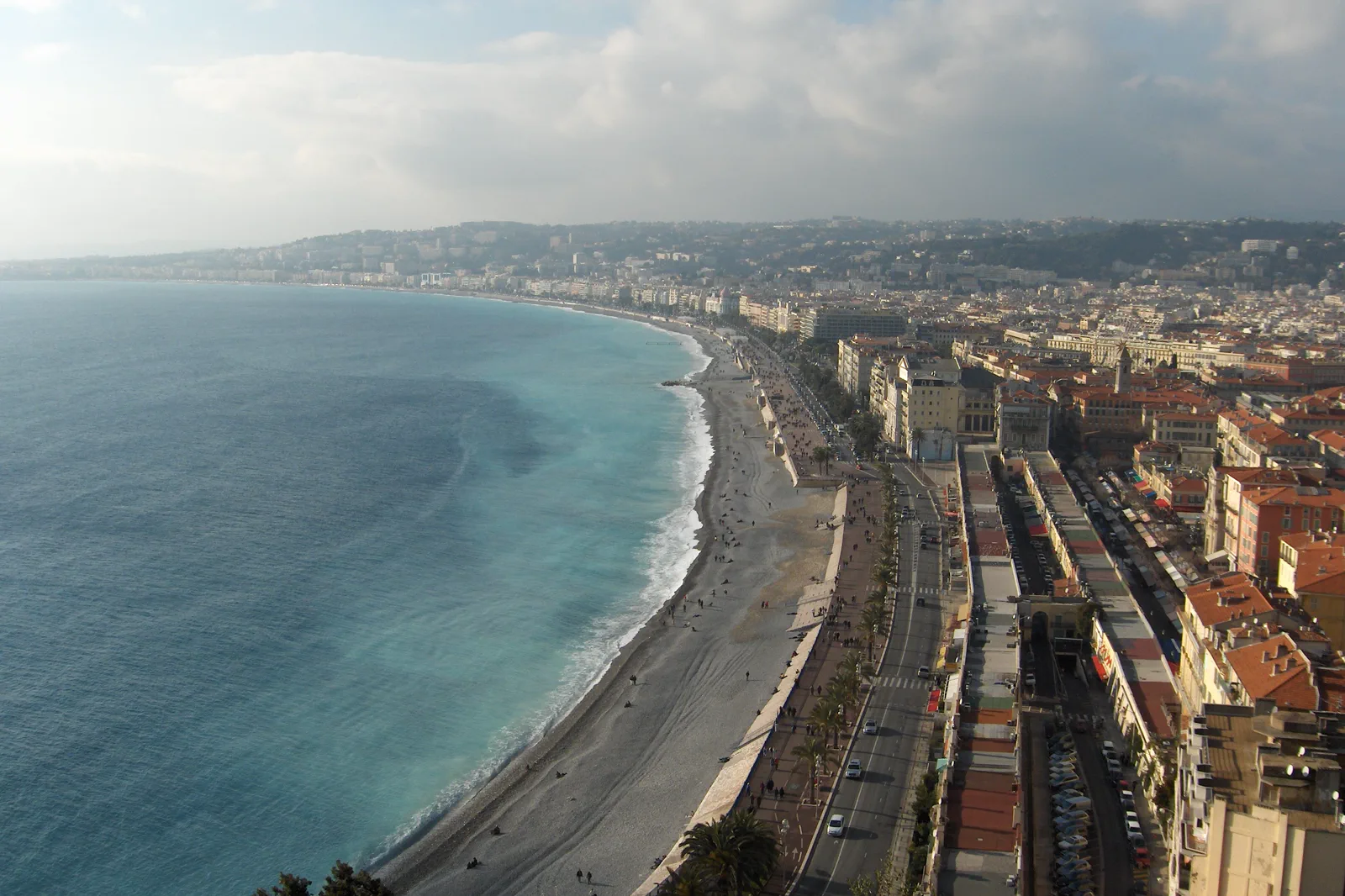
Nice & the Côte d’Azur
Nice is a complete city base; the eastern coast toward Èze, Monaco and Menton and the western coast toward Antibes and Cannes form two separate rail and bus…
Open the regional route book →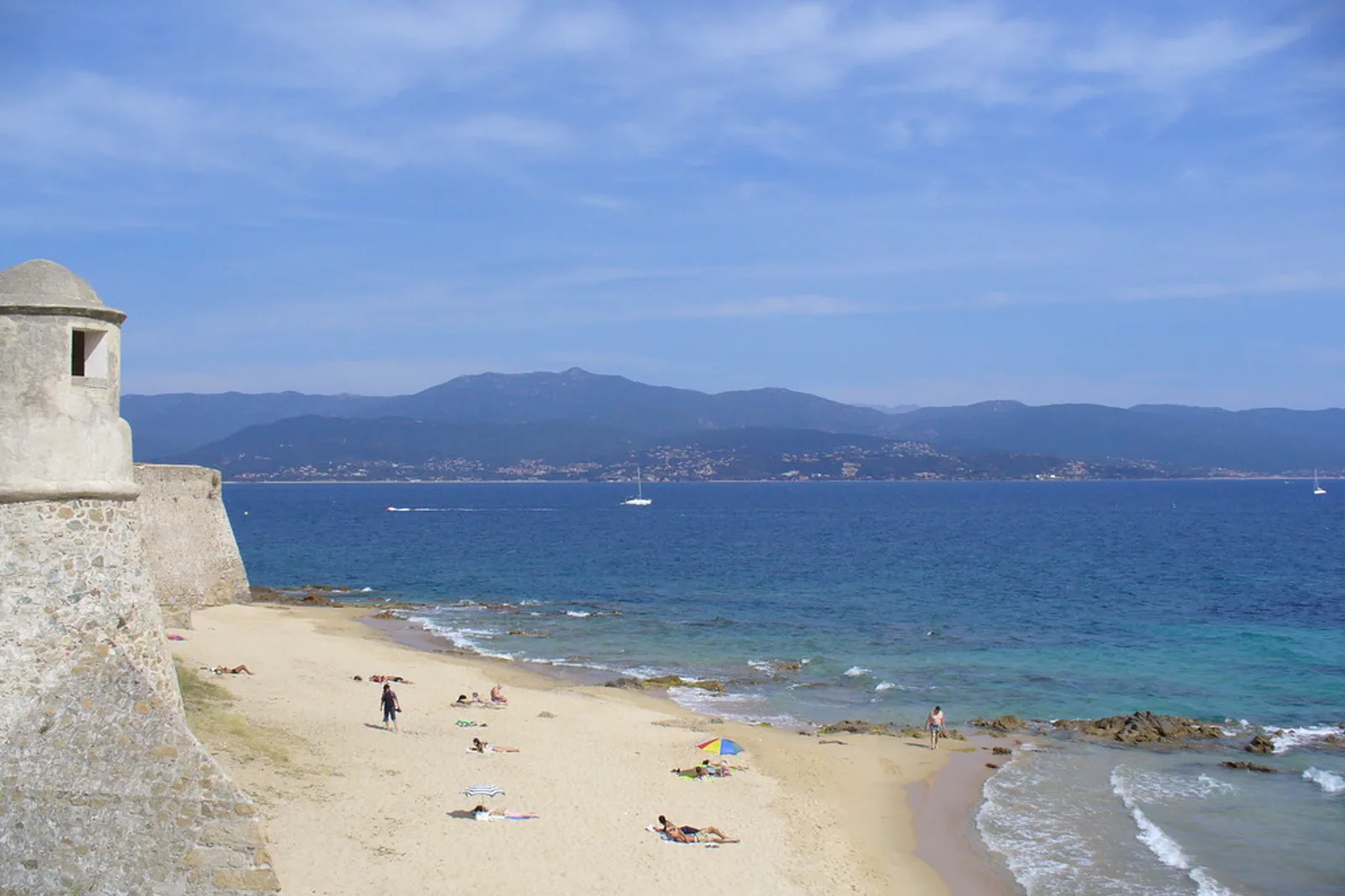
Corsica: Ajaccio, Cap Corse & the South
Corsica’s airports, ferry ports, rail lines and mountain roads create several separate island systems. Ajaccio and the west coast, Bastia and Cap Corse, and…
Open the regional route book →Fast rail shortens the trunk, not the complete journey.
Plan from hotel door to site gate, and keep regional transport, admission and return as separate decisions.
Reserve the long spine that matters.
High-speed and intercity trains can save a full travel day, but station identity, advance fares, reservations and luggage still determine whether the connection is comfortable.
Regional rail finishes many city routes.
Use TER for places such as Albi, Saint-Émilion, Arcachon and the Riviera, then read the local tram, bus or walking contract from the actual station.
Châteaux, vineyards and villages need another mode.
Seasonal buses, bicycles, tours, taxis and cars can all work. Verify the return, Sunday pattern and appointment before committing the first direction.
Operations can override the calendar.
Lift status, fire closures, marine weather, ferry check-in and island roads are live conditions. A booked hotel does not make a closed route available.
Give each base enough days to absorb its own moving parts.
Paris + one connected region
Choose Normandy, Loire, Champagne or another corridor with one or two bases. Protect a Paris weather or closure fallback.
Two strong systems
Pair Paris with Provence, Bordeaux, Alsace or the Alps, or skip Paris for two regional bases. Count the hotel-change day honestly.
Three bases with contrast
Add a coast, mountain or island only when it changes the travel argument. Avoid using the extra days to create daily check-outs.
France runs on several weather and event clocks.
Cities, museums and cellars remain useful, while mountain operations, island services and rural openings need precise checks.
Gardens and walking days expand, but high trails can retain snow and Atlantic or Mediterranean weather remains variable.
Long daylight helps, yet heat, wildfire controls, coast traffic and timed admissions make early starts and backups essential.
Harvest changes vineyard access, storms can affect mountains and sea, and shortening daylight makes rural returns less forgiving.
Do not book the onward train until the airport or ferry transfer is real.
Paris airports
Charles de Gaulle and Orly use different rail and Metro links, fares and disruption patterns. Leave a wide buffer before a separate long-distance ticket.
Regional airports
Nice, Lyon, Marseille, Toulouse, Bordeaux and others can remove a cross-country transfer. Compare the complete route to the regional base, not the headline airfare.
Ferries and Corsica
Port, check-in, vehicle rules and sea state matter. Match the island arrival to the coast you plan to explore instead of crossing Corsica immediately.
France FAQ
How many bases suit a first trip to France?
For seven to ten days, two bases usually protect more useful time than a rapid national circuit. For twelve to fourteen days, three bases can work when each sits on a clear rail corridor or replaces a genuinely long regional transfer.
Do I need a rail pass?
Not automatically. Price the exact high-speed and regional journeys, read reservation requirements, and compare flexibility with advance fares. Urban transit, rural buses and ferries are separate products.
Can I see Paris and Provence in one week?
Yes, but keep the trip to Paris plus one southern base and count the station transfer, hotel change and first or last partial day. Do not add several rural day trips to both ends.
Do I need a car outside Paris?
Many major cities and several excursions work by rail, but rural châteaux, vineyards, mountain valleys, wetlands and Corsican coasts may need a car, driver, tour, bicycle or seasonal bus. Decide route by route.
When should I reserve?
Reserve the high-priority timed monument, high-speed train, major cellar or limited-access natural route once the itinerary is stable. Keep weather-dependent mountain, sea and fire-risk days flexible where operators allow.
Official sources and photo credits
Country planning and image licensing were reviewed on 19 September 2026. Entry, fares, reservations, roads, weather, fire, sea and operating status change; verify directly before travel.
- France.fr — official destination guide.
- SNCF Connect — national and regional rail planning.
- Météo-France — official forecasts and warnings.
- France Visas — official entry information.
- Notre-Dame de Paris and Île de la Cité at dusk 140516 alt.jpg — DXR, CC BY-SA 3.0. Resized, display-cropped and converted to WebP; no other material edits.
- Panorama of the Château de Versailles (23673783164).jpg — Jorge Láscar from Melbourne, Australia, CC BY 2.0. Resized, display-cropped and converted to WebP; no other material edits.
- Lille grand Place 2012.jpg — PIERRE ANDRE LECLERCQ, CC BY-SA 4.0. Resized, display-cropped and converted to WebP; no other material edits.
- Rouen Old Town (30784770452).jpg — Jorge Láscar from Melbourne, Australia, CC BY 2.0. Resized, display-cropped and converted to WebP; no other material edits.
- 00 20128 Saint-Malo - Frankreich.jpg — W. Bulach, CC BY-SA 4.0. Resized, display-cropped and converted to WebP; no other material edits.
- Château de Chambord, Loire Valley - FRANCE.jpg — Ignaz Wiradi, CC BY-SA 3.0. Resized, display-cropped and converted to WebP; no other material edits.
- Panorama view of notre dame de reims.jpg — danigmarx, CC BY-SA 3.0. Resized, display-cropped and converted to WebP; no other material edits.
- Two towers of Ponts Couverts and Strasbourg Cathedral in the distance.jpg — Christina from Victoria, Canada, CC BY 2.0. Resized, display-cropped and converted to WebP; no other material edits.
- Dijon - Palais des Ducs et des États de Bourgogne - 01.jpg — Benjamin Smith, CC BY-SA 4.0. Resized, display-cropped and converted to WebP; no other material edits.
- Basilique de Fourvière from Saone (Lyon).jpg — MickaëlG, CC BY-SA 3.0. Resized, display-cropped and converted to WebP; no other material edits.
- Canal @ Old Town @ Annecy (35501456545).jpg — Guilhem Vellut from Annecy, France, CC BY 2.0. Resized, display-cropped and converted to WebP; no other material edits.
- Bordeaux place de la bourse avec la Garonne-2015a.JPG — Nataloche, CC BY-SA 4.0. Resized, display-cropped and converted to WebP; no other material edits.
- Sarlat 2008 05.jpg — Manfred Heyde, CC BY-SA 3.0. Resized, display-cropped and converted to WebP; no other material edits.
- Toulouse Capitole Night Wikimedia Commons.jpg — Benh LIEU SONG, CC BY-SA 3.0. Resized, display-cropped and converted to WebP; no other material edits.
- 00 1466 Biarritz - Frankreich.jpg — W. Bulach, CC BY-SA 4.0. Resized, display-cropped and converted to WebP; no other material edits.
- Montpellier Place de la Comédie (2377994462).jpg — Wolfgang Staudt from Saarbruecken, Germany, CC BY 2.0. Resized, display-cropped and converted to WebP; no other material edits.
- Avignon - Île de Piot - Chemin des Berges - Panorama View from the Rhône river bank towards Pont Saint Bénézet (Pont d'Avignon), Jardin des doms, Avignon Cathedral, Palais des Papes & Pont Édouard Daladier 02.jpg — Txllxt TxllxT, CC BY-SA 4.0. Resized, display-cropped and converted to WebP; no other material edits.
- Marseille - Vieux Port - MUCEM.jpg — Remi Mathis, CC BY-SA 3.0. Resized, display-cropped and converted to WebP; no other material edits.
- Nice, Quai des États-Unis and Promenade des Anglais FRANCE.jpg — Lspigon, Public domain. Resized, display-cropped and converted to WebP; no other material edits.
- Corsica - Ajaccio - Golfe from the Citadelle - panoramio.jpg — jeffwarder, CC BY-SA 3.0. Resized, display-cropped and converted to WebP; no other material edits.