Lille, Arras & the Opal Coast
Separate urban art, remembrance ground and open coast.
Lille is a rail gateway to three very different northern trips: Flemish-influenced city streets and collections, First World War remembrance landscapes around Arras, and weather-exposed Channel headlands. Each uses a different last mile and deserves its own day.
Sleep where the useful departures are.
Two or three nights in Lille supports the city plus one excursion. Stay in Arras for an early memorial circuit, or near the coast only when the headlands and tide are the trip rather than a rushed rail add-on.
Solve the complete last mile.
Lille Flandres and Lille Europe are close but distinct terminals. Roubaix is urban transit, Arras is a rail base with dispersed memorial sites, and the Opal Coast often needs a bus, bicycle, tour or car after the train.
Let current conditions edit the map.
Northern weather changes quickly; carry a wind and rain layer even in summer. Museum closures, remembrance-site hours and coastal bus frequencies can shape the day more than temperature alone.
Keep a real lower-risk day.
In coastal wind or rain, keep the city or use a named museum rather than forcing exposed cliffs. When a memorial last mile is unavailable, concentrate on Arras and its interpreted underground or civic sites instead of roadside improvisation.
Choose the route that answers the day you actually have.
Each file has its own access contract, sequence, fallback, failure points, official sources and licensed image record.
Old Lille, La Piscine & Roubaix
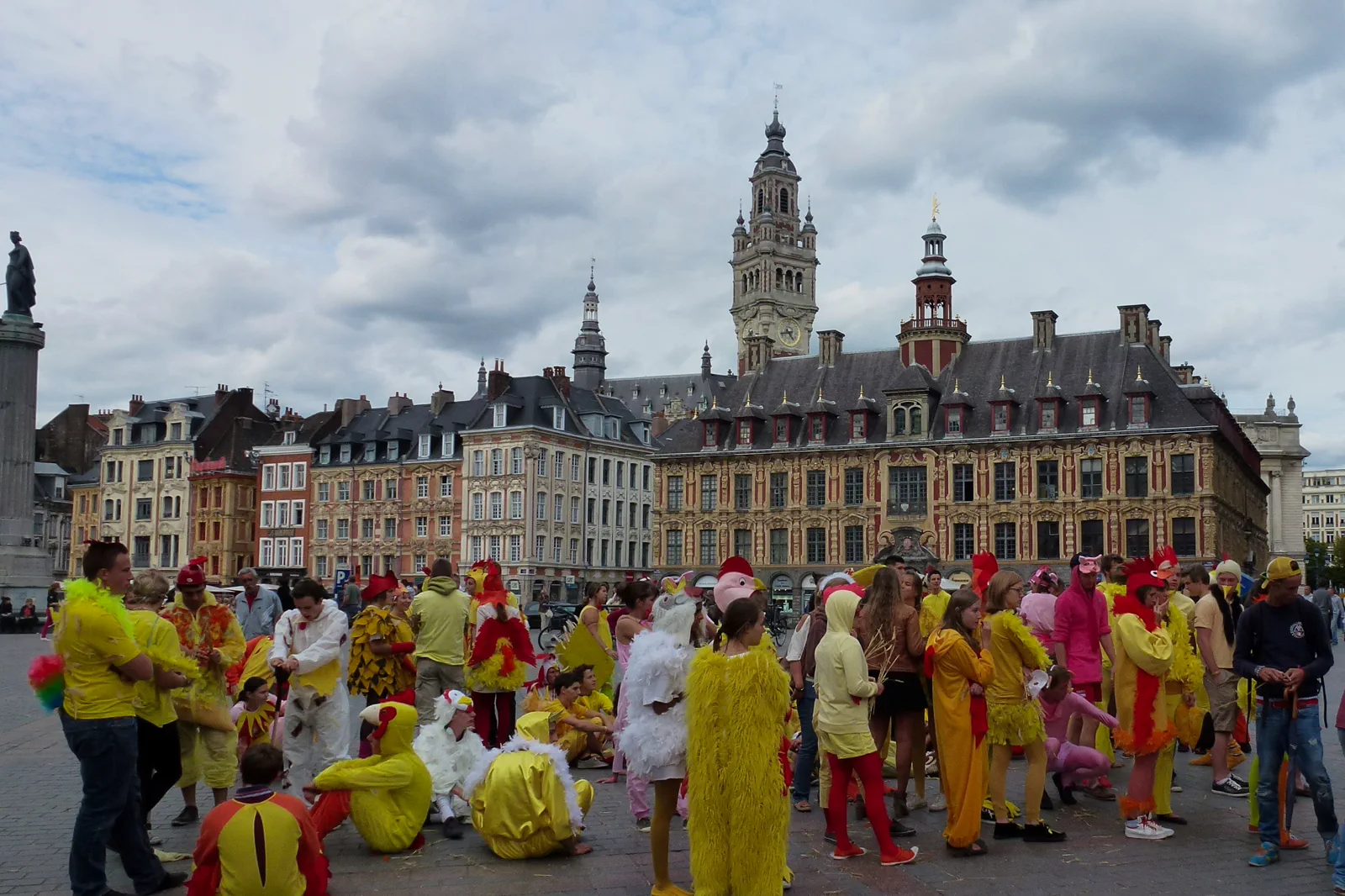
Decide whether Lille’s center or Roubaix’s converted swimming-pool museum carries the day, then connect them without reducing both to a rushed checklist.
Open the complete route →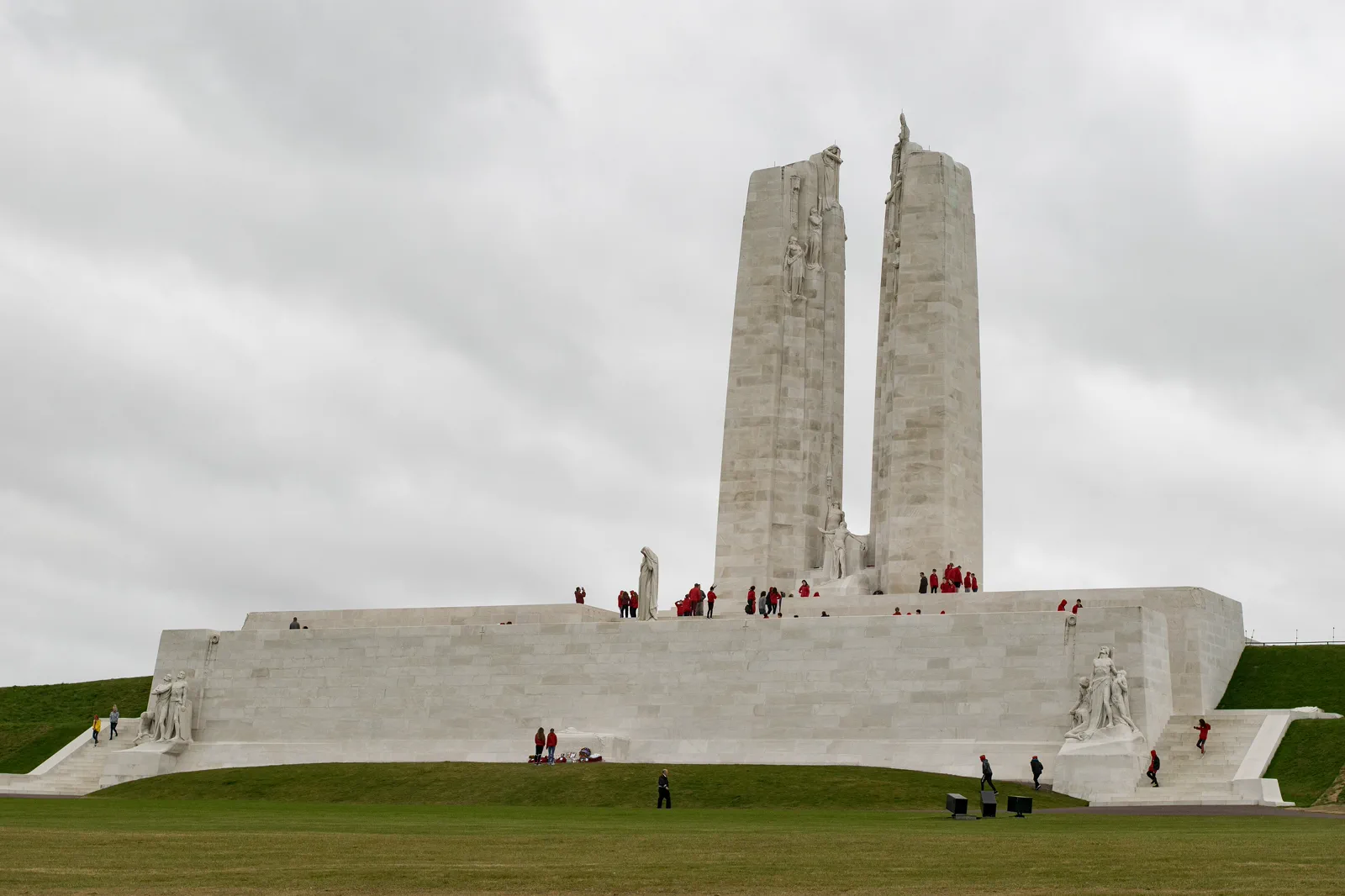
Arras, Vimy & Remembrance Ground
Choose a respectful, interpreted First World War route with a solved last mile, rather than attempting to collect dispersed cemeteries and memorials from a station platform.
Open the complete route →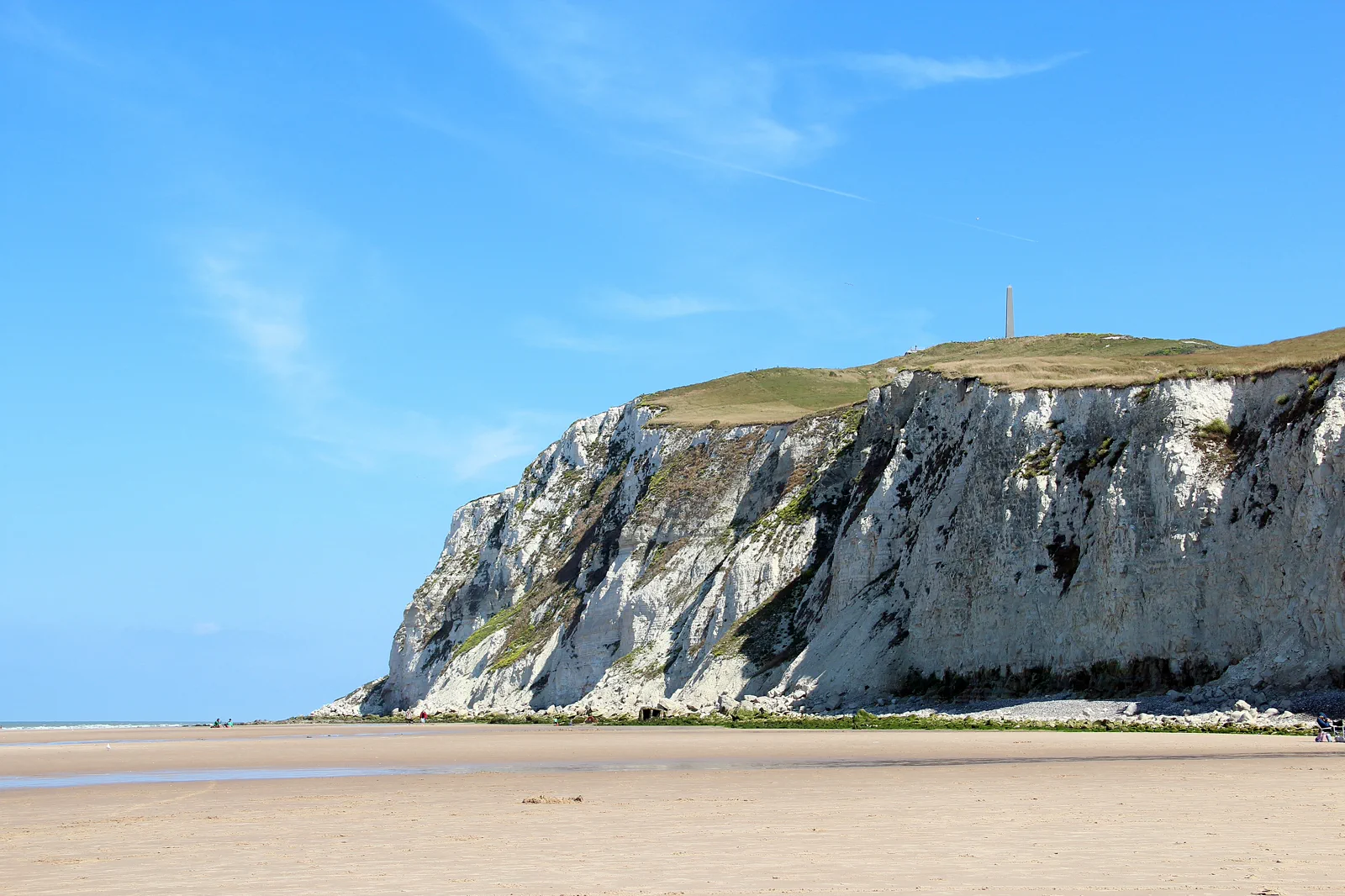
Opal Coast Headlands & Boulogne
Choose a coast segment whose rail or bus access, walking exposure and return work in the day’s wind and visibility, instead of chasing both capes from an unsolved station.
Open the complete route →Three routes, three different sacrifices.
Old Lille, La Piscine & Roubaix
Access: Lille Flandres is the practical center arrival for many regional trains; Lille Europe may require a short walk or one transit move. For La Piscine, follow the current Métro or tram route to Roubaix and the museum’s official final approach.
Trade-off: Adding Roubaix removes time for a second Lille museum, Citadel circuit or long market meal. The route treats the two centers as a curated pair, not proof that every northern collection can fit in one day.
Time: Allow six to eight hours for Lille plus La Piscine and four to six hours for Lille center alone. A collection-led Roubaix day can stand independently.
Arras, Vimy & Remembrance Ground
Access: Arras station is walkable to the central squares, but Vimy and many battlefield sites are not ordinary urban-transit stops. Pre-book or verify the exact tour, taxi, bicycle or driving arrangement and confirm where the return pickup occurs.
Trade-off: A Vimy visit and an extensive Somme or Ypres circuit do not belong in the same casual day. This route gives up geographic coverage so the interpretation, visitor center and preserved terrain receive more than a photo pause.
Time: Allow a full seven-to-nine-hour day for Arras plus Vimy with a booked last mile. Arras alone merits four to six hours when an underground or museum visit is included.
Opal Coast Headlands & Boulogne
Access: Use the rail station that matches the actual day—Boulogne-Ville for the city, Calais for a planned Blanc-Nez connection, or another verified stop. Coastal buses can be seasonal and sparse; save the stop name and last two return options.
Trade-off: The route gives up covering the entire Grand Site des Deux-Caps. One headland plus one town produces a safer and more readable day than a fast vehicle loop with no time for weather or interpretation.
Time: Allow a full day for a headland plus Boulogne or Calais. A Boulogne old-town and Nausicaá day needs six to eight hours; a short signed headland circuit still needs transport margin.
These regional sources control the moving parts.
Use the guide for structure, then reopen official transport, destination and weather information for the exact travel date.
Lille, Arras & the Opal Coast FAQ
How long should I give Lille, Arras & the Opal Coast?
Two or three nights in Lille supports the city plus one excursion. Stay in Arras for an early memorial circuit, or near the coast only when the headlands and tide are the trip rather than a rushed rail add-on.
What transport decision matters most around Lille, Arras & the Opal Coast?
Lille Flandres and Lille Europe are close but distinct terminals. Roubaix is urban transit, Arras is a rail base with dispersed memorial sites, and the Opal Coast often needs a bus, bicycle, tour or car after the train.
What should I do if weather, access or transport changes?
In coastal wind or rain, keep the city or use a named museum rather than forcing exposed cliffs. When a memorial last mile is unavailable, concentrate on Arras and its interpreted underground or civic sites instead of roadside improvisation.
Official sources and photo credits
Planning facts and image licensing were reviewed on 19 September 2026. Verify current tickets, services, roads, weather and site access before travel.
- Lille Tourist Office — official destination information.
- TER Hauts-de-France — official regional rail information.
- Pas-de-Calais tourism — official regional planning.
- Lille grand Place 2012.jpg — PIERRE ANDRE LECLERCQ, CC BY-SA 4.0. Resized, display-cropped and converted to WebP; no other material edits.
- 2017-05 Canadian National Vimy Memorial 01.jpg — 0x010C, CC BY-SA 3.0. Resized, display-cropped and converted to WebP; no other material edits.
- 0 Escalles - Le Cap Blanc-Nez (1).JPG — Jean-Pol GRANDMONT, CC BY 3.0. Resized, display-cropped and converted to WebP; no other material edits.