Dordogne Valley Castles & Cliff Villages
Use Beynac, Castelnaud, La Roque-Gageac or Domme as a coherent bank-and-height route, then add canoeing only when water, operator and return conditions are suitable.
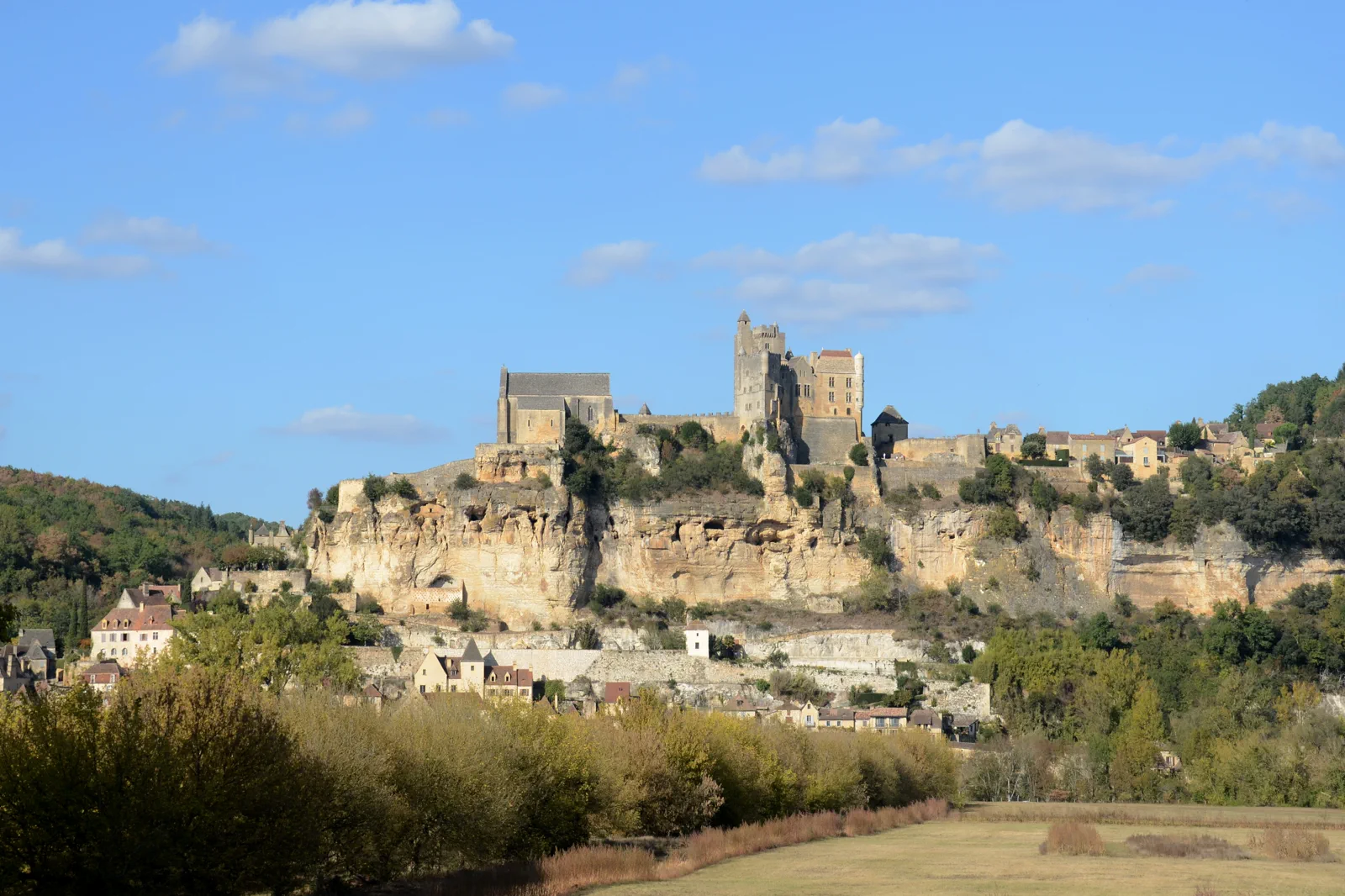
Beynac and French-bank history
Climb the village and visit the château where open, then use river viewpoints. Steep access makes this a substantial half-day.
Castelnaud and conflict interpretation
Use the château museum and opposing-bank geography to understand the valley. Pair with one nearby village, not another distant castle.
River-level route
Use a licensed canoe or boat product with named start, finish and shuttle, or stay in La Roque-Gageac for a lower-impact village day.
Know where the day actually begins.
Public transport is limited. Use a car, driver, bicycle or booked excursion, and identify legal parking before each cliff village. Canoe trips require the operator’s exact base, shuttle and river conditions.
Choose what the route leaves out.
Climbing two villages, touring two castles and paddling is too much for most days. The route chooses one elevation story and one river-level experience.
Fit this route into Dordogne & Périgord Noir, not into an isolated checklist.
Sarlat’s market city, the Vézère’s prehistoric sites and the Dordogne’s cliff villages and castles are close on a map but dispersed across rural roads. A car, driver, bicycle or arranged tour often determines what is responsible and possible. Build each day inside one valley so a missed cave slot, river shuttle or castle closing does not trigger a long corrective drive.
Three or four nights around Sarlat, Les Eyzies or a valley base support two complete route days. Moving lodging can cost more time than it saves unless the trip continues beyond Périgord.
Rail reaches Sarlat and other gateways on limited schedules; major caves, castles and villages need a planned last mile. Taxis and app cars are not dependable spontaneous returns.
Cave and monument reservations, river conditions, market days, summer heat and road pressure all matter. Winter and shoulder seasons are quieter but reduce openings and local services.
Keep Sarlat or another town day ready when a cave ticket, canoe route or rural driver fails. Replace river activity with one accessible château or museum, not with a chain of unverified roads.
Arrive, read the place, commit, then protect the return.
Check château opening, parking, river level, canoe operator and shuttle, heat or storm forecast and the road return before departure.
- 01Arrive
Choose the bank and parking
Approach the selected village through official parking or pickup, keeping narrow resident roads clear and noting the return path.
- 02Read the place
Climb one historical layer
Visit Beynac or Castelnaud with enough time for steep streets, museum interpretation and viewpoints.
- 03Commit
Return to river level
Eat in one village, take a booked boat or canoe, or walk a signed river segment. Confirm where the activity actually ends.
- 04Return
Leave before road and river margins close
Use the shuttle or vehicle with daylight and traffic buffer, avoiding an unscheduled second hill town.
Use the live operator, monument and destination sources for this route.
The route explains the decision; these official pages control current admission, transport, weather, access and closures.
Keep the day useful when the headline plan disappears.
If the river is unsuitable, keep the castle and village route. If heat or mobility blocks the hill, use a lower village, garden or boat only when current access and return are confirmed.
Check château opening, parking, river level, canoe operator and shuttle, heat or storm forecast and the road return before departure.
Change the plan before the problem compounds.
Cliff villages are steep
Cobbles, heat and stairs require footwear, water and a conservative route.
Canoe endpoints are not the start
Understand the shuttle and pickup before launching; carry required safety equipment.
Parking pressure affects residents
Use designated areas and never enter narrow village lanes to save a climb.
Other ways to use Dordogne & Périgord Noir.
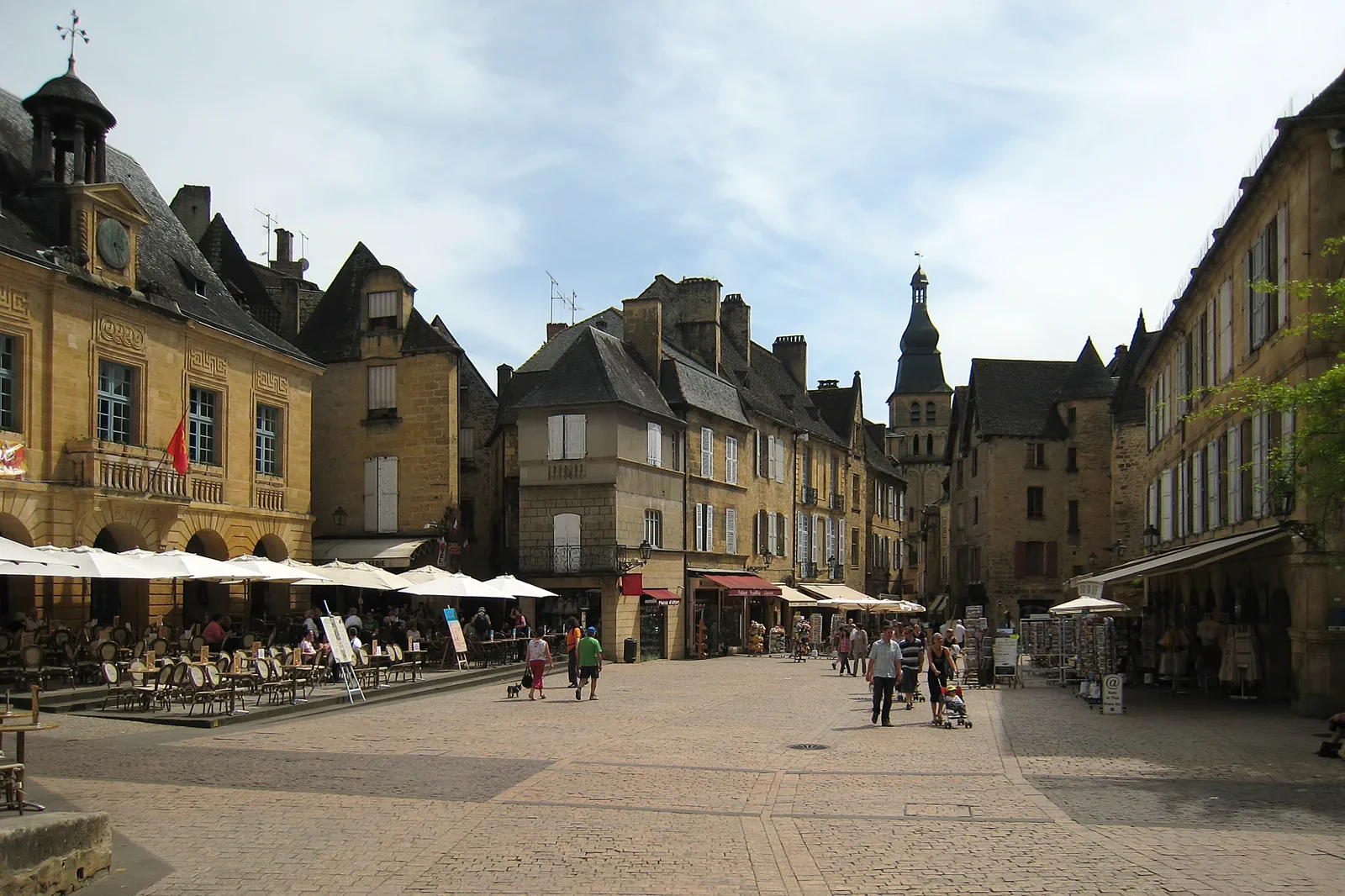
Sarlat Market & Old Town
Use Sarlat’s market calendar and compact lanes to build a complete town day, choosing one food or heritage experience…
Open this guide →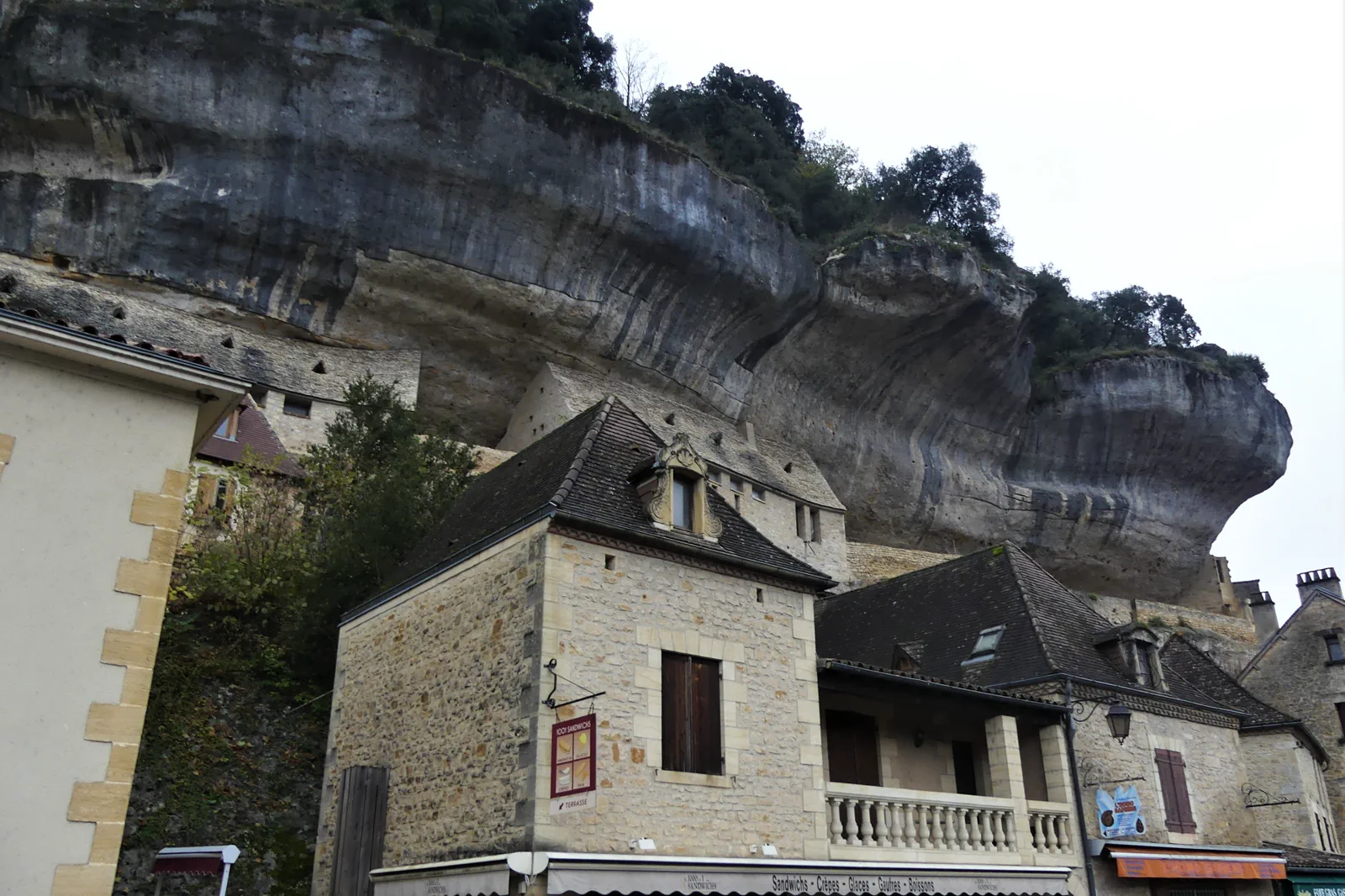
Vézère Valley Prehistory
Choose one original or reconstructed cave experience and one museum or shelter, keeping reservations, conservation rules…
Open this guide →Dordogne Valley Castles & Cliff Villages FAQ
How much time should I give Dordogne Valley Castles & Cliff Villages?
Allow a full day for one castle, one village and a river activity. A castle-and-village route without paddling needs five to seven hours.
What should I combine with Dordogne Valley Castles & Cliff Villages?
Combine Beynac with a nearby river stop or Castelnaud with one neighboring village. Keep the Vézère caves and Sarlat market separate.
What should I verify before leaving?
Check château opening, parking, river level, canoe operator and shuttle, heat or storm forecast and the road return before departure.
Official sources and photo credits
Planning facts and image licensing were reviewed on 19 September 2026. Admission, transport, roads, trails, sea, fire, weather and local access can change; reopen the linked authority or operator before travel.
- Sarlat Tourism — official Dordogne Valley planning.
- Château de Castelnaud — official visitor information.
- Sarlat Périgord Noir tourism — official destination guide.
- Dordogne Périgord Tourism — official regional planning.
- TER Nouvelle-Aquitaine — official regional rail information.
- Sarlat 2008 05.jpg — Manfred Heyde, CC BY-SA 3.0. Resized, display-cropped and converted to WebP; no other material edits.
- Les Eyzies-de-Tayac falaise bourg (2).jpg — Père Igor, CC BY-SA 4.0. Resized, display-cropped and converted to WebP; no other material edits.
- Castle and church (left) of Beynac along the Dordogneriver - panoramio.jpg — Henk Monster, CC BY 3.0. Resized, display-cropped and converted to WebP; no other material edits.