Chamonix Mountain Systems
Chamonix is a valley of separate transport products, not one summit ticket. Pay for the system that matches conditions and keep a complete lower-valley day ready.
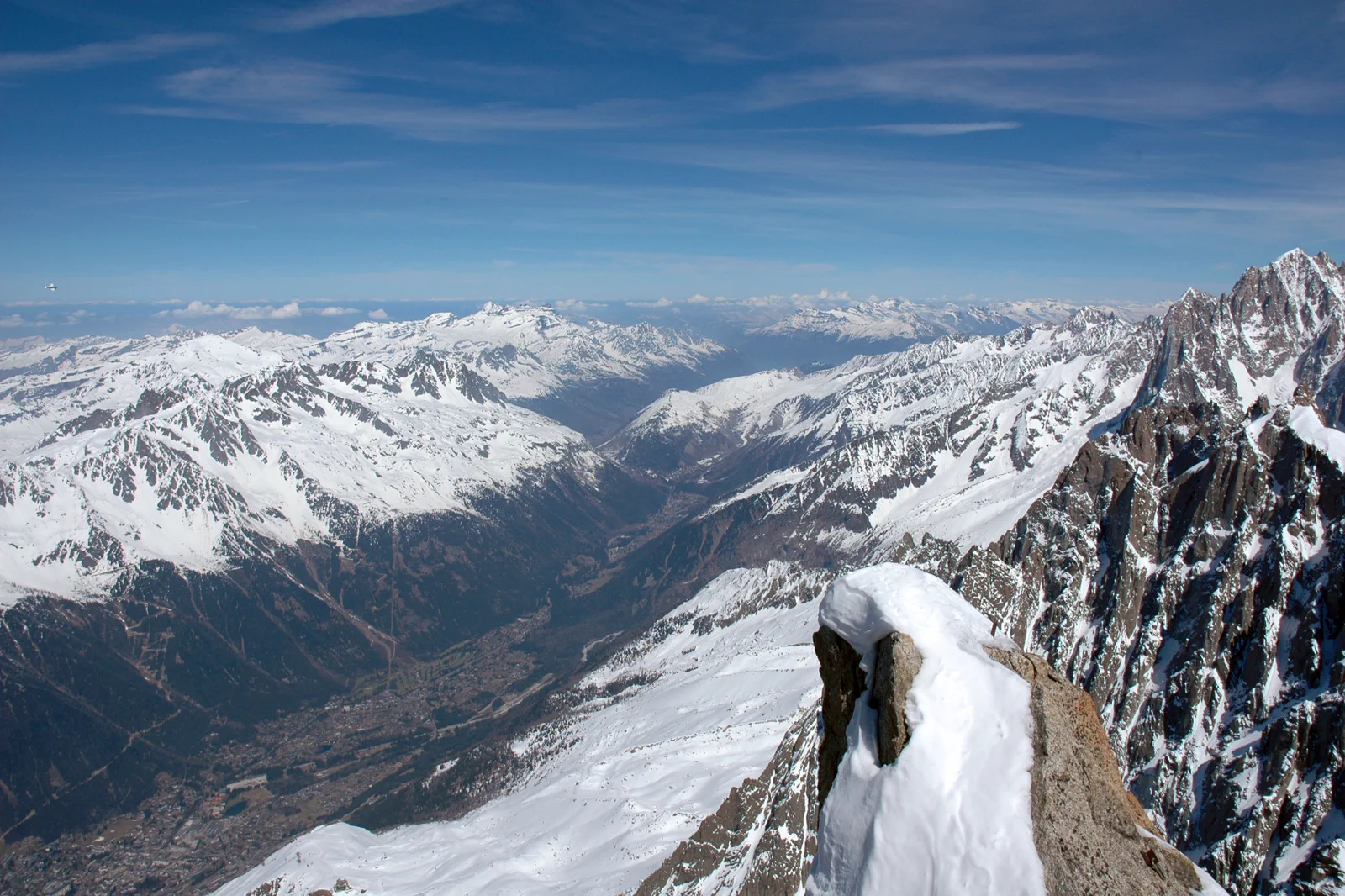
Aiguille du Midi
Use the high cable-car system only with suitable health, wind and visibility. It is a high-altitude visit, not a casual viewpoint.
Montenvers–Mer de Glace
Choose the rack railway and current glacier-site access for landscape and climate interpretation. Construction and stair or gondola arrangements can change.
Lower panorama or valley day
Use Brévent, Flégère or a lower signed route only when its specific lift and trail status are confirmed; otherwise keep museums, villages and valley transport.
Know where the day actually begins.
Arrive through Chamonix station or the valley bus and Mont-Blanc Express network, then walk to the exact lift or railway terminal. Products, departure points and maintenance calendars differ; one open valley does not mean all systems operate.
Choose what the route leaves out.
Two major mountain systems in one day multiply cost and weather risk while shortening both. The route chooses one elevation contract and uses the valley for the remaining time.
Fit this route into Annecy, Chamonix & the French Alps, not into an isolated checklist.
Annecy, Chamonix and Grenoble expose three different Alpine systems: a lake city with busy shores, a high-mountain valley whose lifts are weather-dependent, and an urban basin opening into Chartreuse and Vercors. A clear valley forecast does not guarantee a useful summit day.
Use at least three nights for two Alpine systems. Annecy suits lake and old-town days; Chamonix rewards a valley base with a flexible weather window; Grenoble works for museums, Bastille and lower mountain gateways.
Regional trains and buses connect the gateways, but mountain lift, lake boat and trail access operate on their own clocks. Build the final descent and valley return before buying a high-altitude product.
Snow, maintenance, wind, thunderstorms and trail condition matter more than a simple summer/winter label. Shoulder seasons can close lifts while towns remain fully usable; heat can also intensify lake crowding and afternoon storms.
Keep a complete valley or city day ready: Annecy old town and lakeshore, Chamonix museums and lower walks, or Grenoble collections and Bastille. Never replace a closed lift with an unassessed mountain trail.
Arrive, read the place, commit, then protect the return.
Check Chamonix official live lift, Montenvers and trail status, Météo-France mountain forecast, health guidance and the last descent immediately before travel.
- 01Arrive
Check the live operating board
Before buying or leaving lodging, read lift, railway, road and weather status for the exact system. Confirm the ticket window and last descent.
- 02Read the place
Acclimatize through the valley terminal
Arrive early, eat and hydrate. At high altitude, follow operator health guidance and turn back if symptoms appear.
- 03Commit
Use one mountain system fully
Follow signed visitor areas, current glacier access or maintained trails. Do not leave controlled areas to chase an image or shortcut.
- 04Return
Descend with an earlier backup
Return before the final advertised descent, allowing wind or queue delays, then finish with a valley museum or river walk.
Use the live operator, monument and destination sources for this route.
The route explains the decision; these official pages control current admission, transport, weather, access and closures.
- Chamonix-Mont-Blanc Tourist Office — official live valley planning.
- Compagnie du Mont-Blanc — official lift and railway operations.
- France Montagnes — official French mountain destination guide.
- TER Auvergne-Rhône-Alpes — official regional transport.
- Météo-France — official mountain forecasts and warnings.
Keep the day useful when the headline plan disappears.
If wind, cloud, maintenance or health removes elevation, use the Alpine Museum or current Mont Blanc interpretation, Chamonix streets, Les Praz or another verified low valley route. Do not substitute an unsupervised high trail.
Check Chamonix official live lift, Montenvers and trail status, Météo-France mountain forecast, health guidance and the last descent immediately before travel.
Change the plan before the problem compounds.
Altitude affects healthy visitors
Read medical cautions, ascend gradually where possible and leave immediately if symptoms develop.
Operations can stop quickly
Wind and technical decisions may suspend service after ascent. Follow staff instructions and keep warm layers.
Trail status is not lift status
An operating lift does not certify every path beyond it. Check the specific signed route and season.
Other ways to use Annecy, Chamonix & the French Alps.
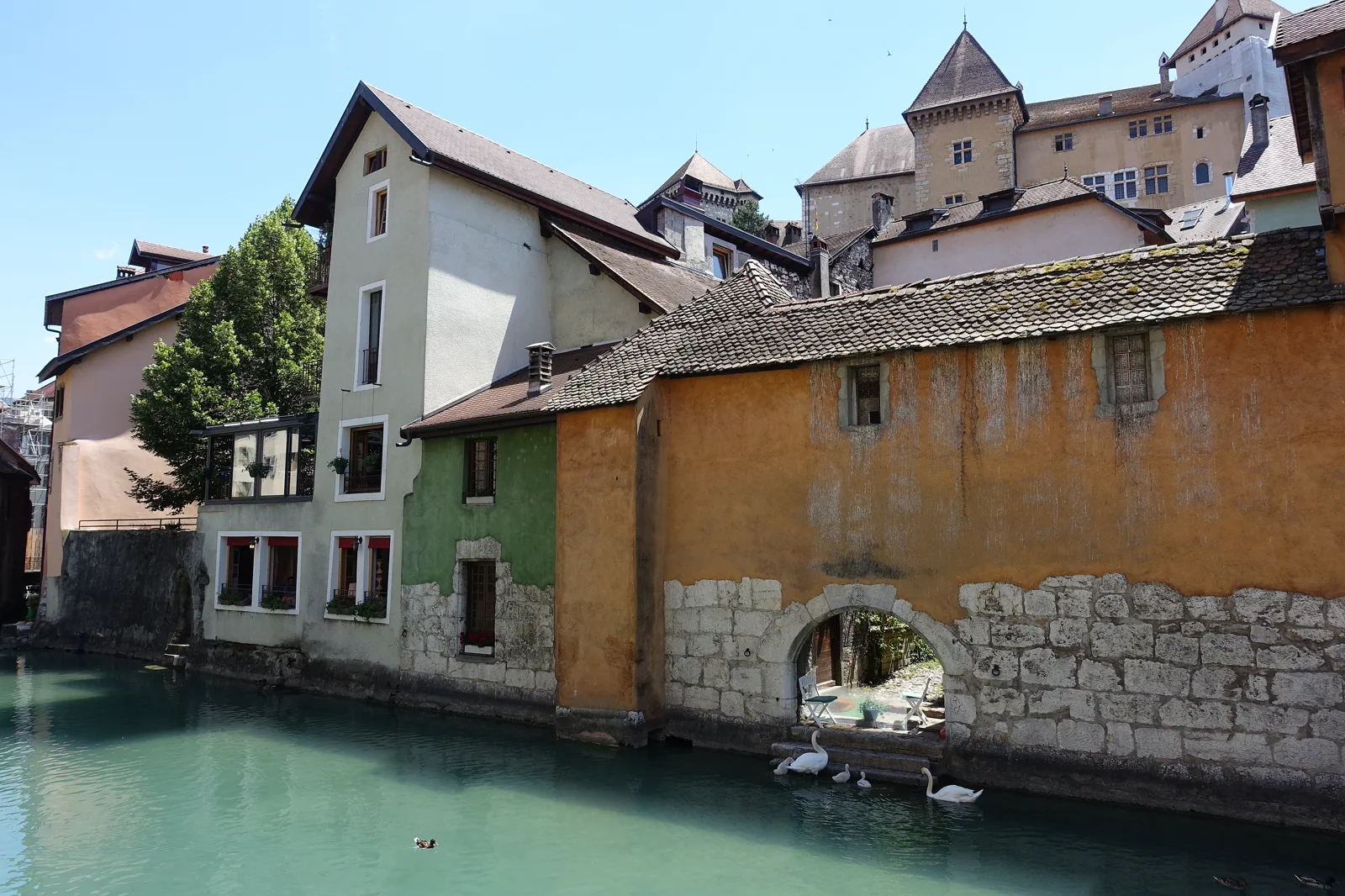
Annecy Old Town & Lake
Connect Annecy’s compact old town to one lake-shore segment, boat or bicycle plan without assuming the full lake circuit…
Open this guide →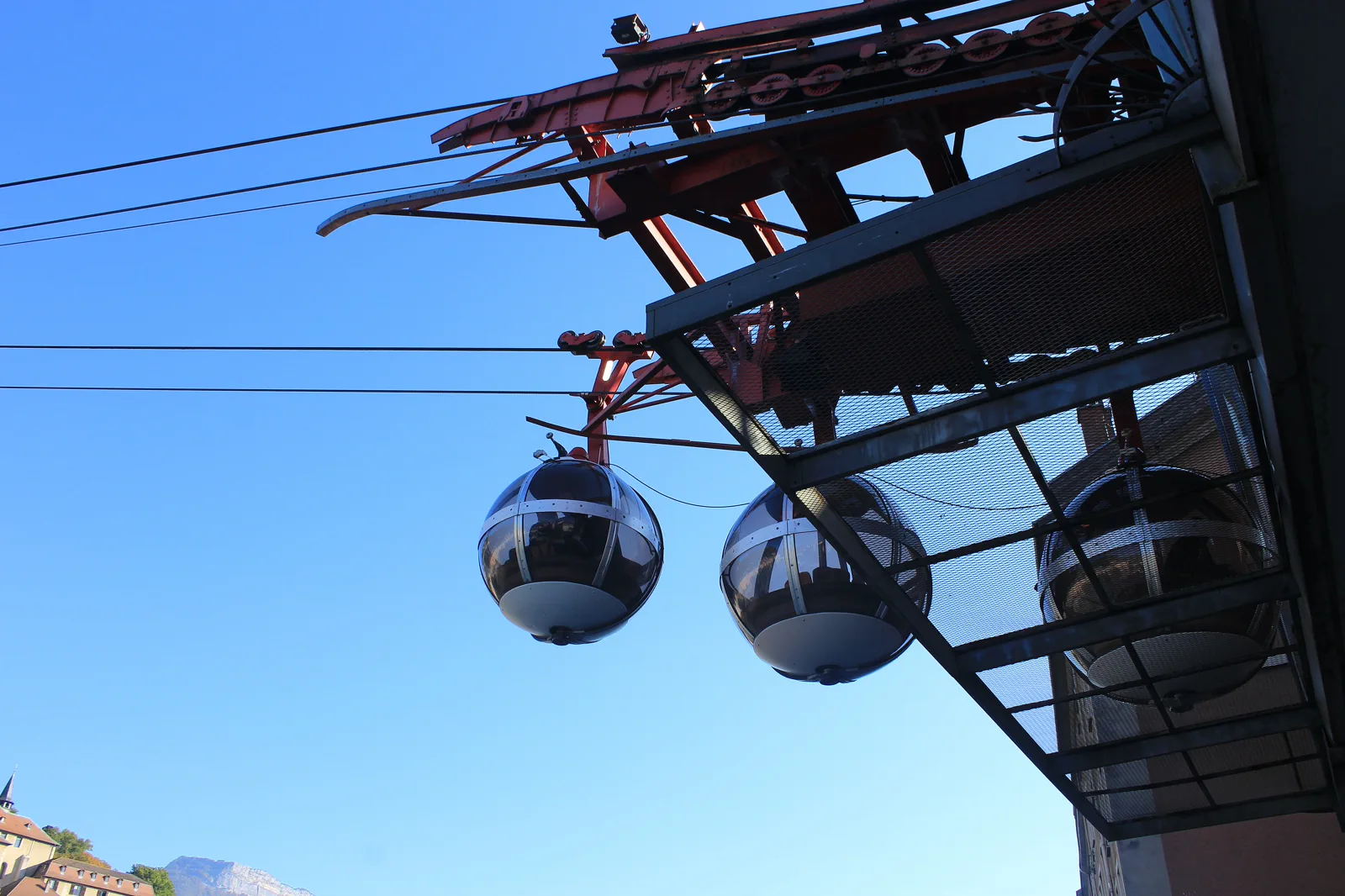
Grenoble, Bastille & Chartreuse Edge
Use Grenoble’s museums and Bastille as one urban-Alpine section, adding Chartreuse only through a named, reachable gateway…
Open this guide →Chamonix Mountain Systems FAQ
How much time should I give Chamonix Mountain Systems?
Give one mountain system four to six hours plus valley margin; make the whole day available for Aiguille du Midi or Montenvers. Two systems need another day.
What should I combine with Chamonix Mountain Systems?
Combine one high system with Chamonix valley only. Keep Annecy, Courmayeur and long hikes for separate weather windows.
What should I verify before leaving?
Check Chamonix official live lift, Montenvers and trail status, Météo-France mountain forecast, health guidance and the last descent immediately before travel.
Official sources and photo credits
Planning facts and image licensing were reviewed on 19 September 2026. Admission, transport, roads, trails, sea, fire, weather and local access can change; reopen the linked authority or operator before travel.
- Chamonix-Mont-Blanc Tourist Office — official live valley planning.
- Compagnie du Mont-Blanc — official lift and railway operations.
- France Montagnes — official French mountain destination guide.
- TER Auvergne-Rhône-Alpes — official regional transport.
- Météo-France — official mountain forecasts and warnings.
- Canal @ Old Town @ Annecy (35501456545).jpg — Guilhem Vellut from Annecy, France, CC BY 2.0. Resized, display-cropped and converted to WebP; no other material edits.
- Valley of Chamonix towards the north from Aiguille du Midi, Chamonix-Mont-Blanc, 2007.jpg — DimiTalen, CC0. Resized, display-cropped and converted to WebP; no other material edits.
- Téléphérique de Grenoble Bastille - Grenoble-Bastille cable car - نقل بالكابلات غرونوبل-الباستيل.jpg — Sami Mlouhi, CC BY-SA 4.0. Resized, display-cropped and converted to WebP; no other material edits.