Arles & the Camargue
Arles’s monuments and Rhône streets deserve their own circuit; the Camargue is a living wetland and agricultural region, not a guaranteed flamingo-and-horse drive-by.
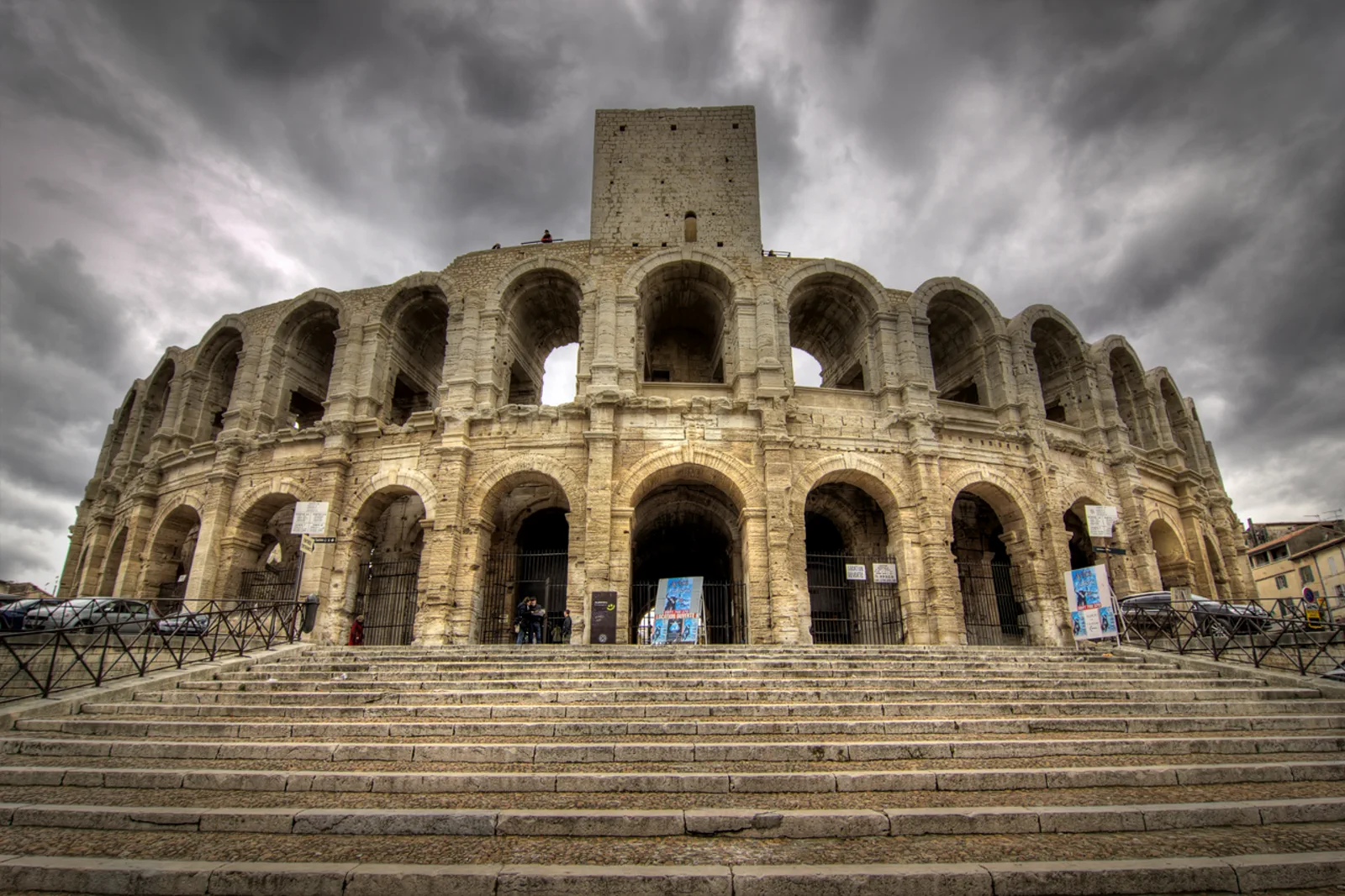
Roman Arles
Use the arena, theater, Alyscamps or archaeological museum selectively through a current pass or tickets. This is a full city day.
Art and Rhône city
Trace Van Gogh context carefully without presenting modern streets as preserved canvases, then use museums and river edges.
Camargue field day
Choose one official visitor center, signed wetland route or guided excursion with transport, weather and closing time confirmed.
Know where the day actually begins.
Arles station is north of the center and walkable to the Roman core. Camargue sites spread south across roads and lagoons; a car, bicycle, seasonal bus or tour must be matched to one named destination.
Choose what the route leaves out.
A deep Arles monument day and substantial Camargue excursion cannot share equal time. The route gives up one so protected landscapes are not reduced to a rushed roadside loop.
Fit this route into Montpellier, Nîmes & the Camargue, not into an isolated checklist.
Montpellier, Nîmes and Arles sit on a strong rail corridor, but the Pont du Gard, Camargue wetlands and coast require distinct buses, bicycles, tours or cars. Roman monuments, living cities and protected lagoons should not be collapsed into one hot-weather checklist.
Three or four nights support two city days and one landscape excursion. Montpellier offers urban transit and coast links; Nîmes centers the Roman corridor; Arles shortens access to the Camargue and Alpilles.
TER trains join the main cities, while the Pont du Gard and wetland sites use seasonal buses, road approaches or tours. Know the exact station—Montpellier Saint-Roch versus Sud de France also matters for timed connections.
Summer heat, mistral, mosquitoes, fire controls and festival calendars shape the region. Wetland water levels and bird presence vary naturally; advertised wildlife is never guaranteed.
Use city museums, markets and shaded historic routes when heat or wind undermines open landscapes. If a wetland road or trail closes, remain in Arles or use an official visitor center rather than entering a restricted track.
Arrive, read the place, commit, then protect the return.
Check Arles monument and event calendar, Camargue park notices, chosen visitor center, road or bus access, wind, heat and fire restrictions.
- 01Arrive
Enter Arles from the station
Walk toward the arena or Rhône, noting the return and heat. Buy only the monument product that matches the chosen sites.
- 02Read the place
Read one city narrative
Follow Roman structures or art-and-river context, limiting interiors so lunch and any wetland departure remain realistic.
- 03Commit
Commit to city depth or one wetland site
Continue to a museum, or meet the arranged Camargue transport and follow official roads and trails.
- 04Return
Return before dusk changes the road contract
Leave the wetland with daylight and fuel margin, or finish the city loop close to the station.
Use the live operator, monument and destination sources for this route.
The route explains the decision; these official pages control current admission, transport, weather, access and closures.
Keep the day useful when the headline plan disappears.
If wind, heat, fire risk or access removes the Camargue, stay in Arles for museums and monuments. If city sites close for events, use the Rhône and current museum alternatives rather than entering restricted wetland tracks.
Check Arles monument and event calendar, Camargue park notices, chosen visitor center, road or bus access, wind, heat and fire restrictions.
Change the plan before the problem compounds.
Wildlife is not guaranteed
Observe from designated areas, keep distance and never bait or pursue birds, horses or cattle for photographs.
Wetland roads and trails can close
Flood, fire, breeding seasons and management work override saved routes.
Festival access reshapes Arles
Major events change monument hours, streets and accommodation; check the exact date.
Other ways to use Montpellier, Nîmes & the Camargue.
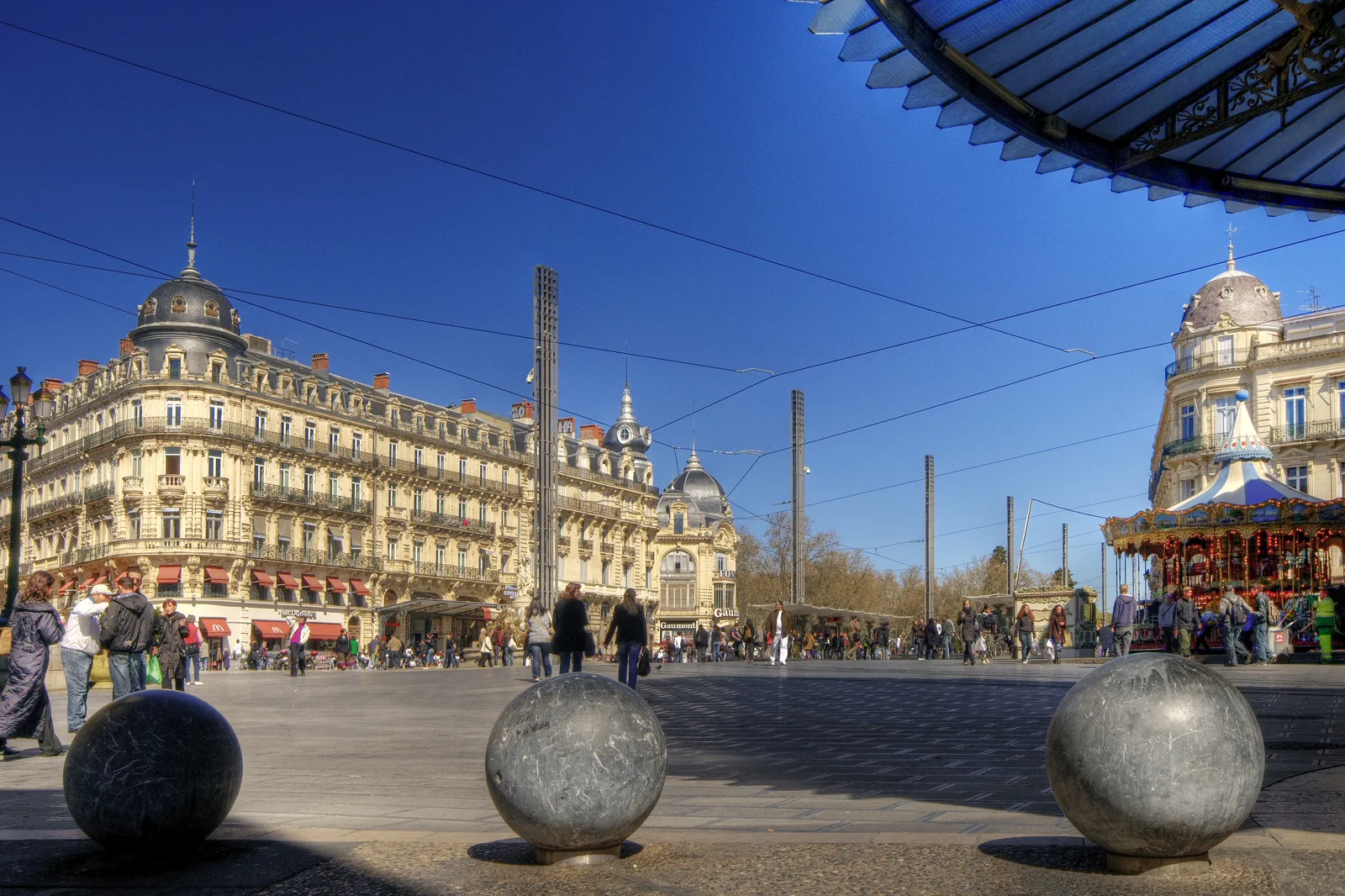
Montpellier & Sète
Decide whether Montpellier’s pedestrian center and contemporary districts or Sète’s canals and port carry the day, then use…
Open this guide →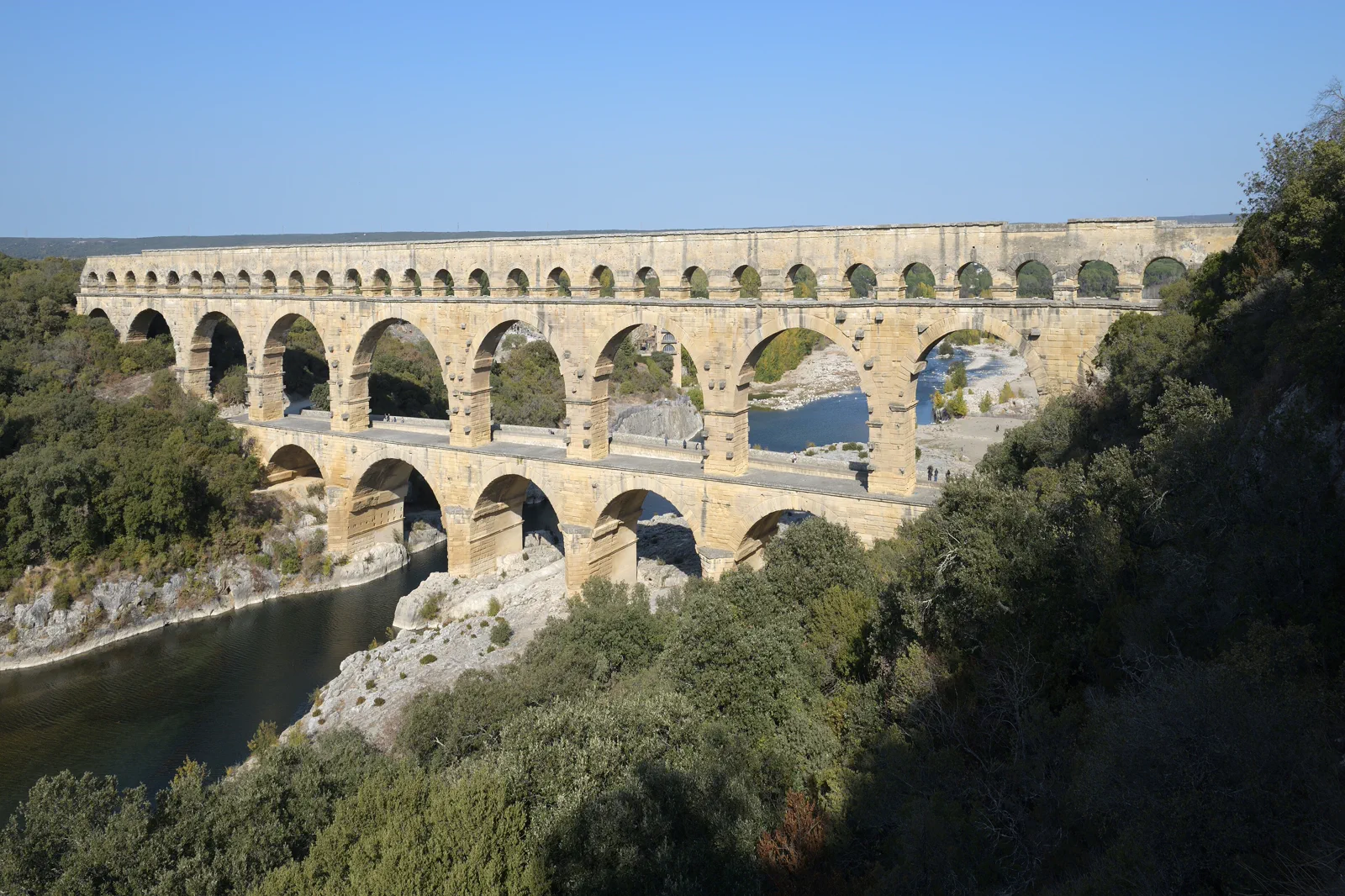
Nîmes & Pont du Gard
Read Nîmes’s Roman monuments as an urban circuit, then reach the Pont du Gard through a verified bus or road connection…
Open this guide →Arles & the Camargue FAQ
How much time should I give Arles & the Camargue?
Allow six to eight hours for Arles and a separate full day for the Camargue from a suitable base. A short visitor-center excursion can pair only with a limited city morning.
What should I combine with Arles & the Camargue?
Combine Arles with one nearby official wetland site when transport is firm. Keep Saintes-Maries, Aigues-Mortes and multiple reserves for separate routes.
What should I verify before leaving?
Check Arles monument and event calendar, Camargue park notices, chosen visitor center, road or bus access, wind, heat and fire restrictions.
Official sources and photo credits
Planning facts and image licensing were reviewed on 19 September 2026. Admission, transport, roads, trails, sea, fire, weather and local access can change; reopen the linked authority or operator before travel.
- Arles Camargue Tourism — official city and region planning.
- Camargue Regional Nature Park — official protected-area information.
- Occitanie Tourism — official regional guide.
- liO Train / TER Occitanie — official rail information.
- Météo-France — official weather and fire-risk context.
- Montpellier Place de la Comédie (2377994462).jpg — Wolfgang Staudt from Saarbruecken, Germany, CC BY 2.0. Resized, display-cropped and converted to WebP; no other material edits.
- Pont du Gard SE Provence.jpg — This Photo was taken by Wolfgang Moroder . Feel free to use my photos, but please mention me as the author and send me a message . This image is not in the public domain . Please respect the copyright protection. It may only be used according to the rules mentioned here. This specifically excludes use in social media , if applicable terms of the licenses listed here not appropriate. Please do not upload an updated image here without consultation with the Author. The author would like to make corrections only at his own source. This ensures that the changes are preserved., Please if you think that any changes should be required, please inform the author., Otherwise you can upload a new image with a new name. Please use one of the templates derivative or extract ., CC BY-SA 3.0. Resized, display-cropped and converted to WebP; no other material edits.
- Colosseum (8620143470).jpg — decar66 from Aix-en-Provence, France, CC BY 2.0. Resized, display-cropped and converted to WebP; no other material edits.