Fontainebleau Palace & Forest Edge
Fontainebleau offers a denser royal interior than a casual day-trip label suggests; reserve attention for the palace, then add either town streets or a defined forest edge with a known return.
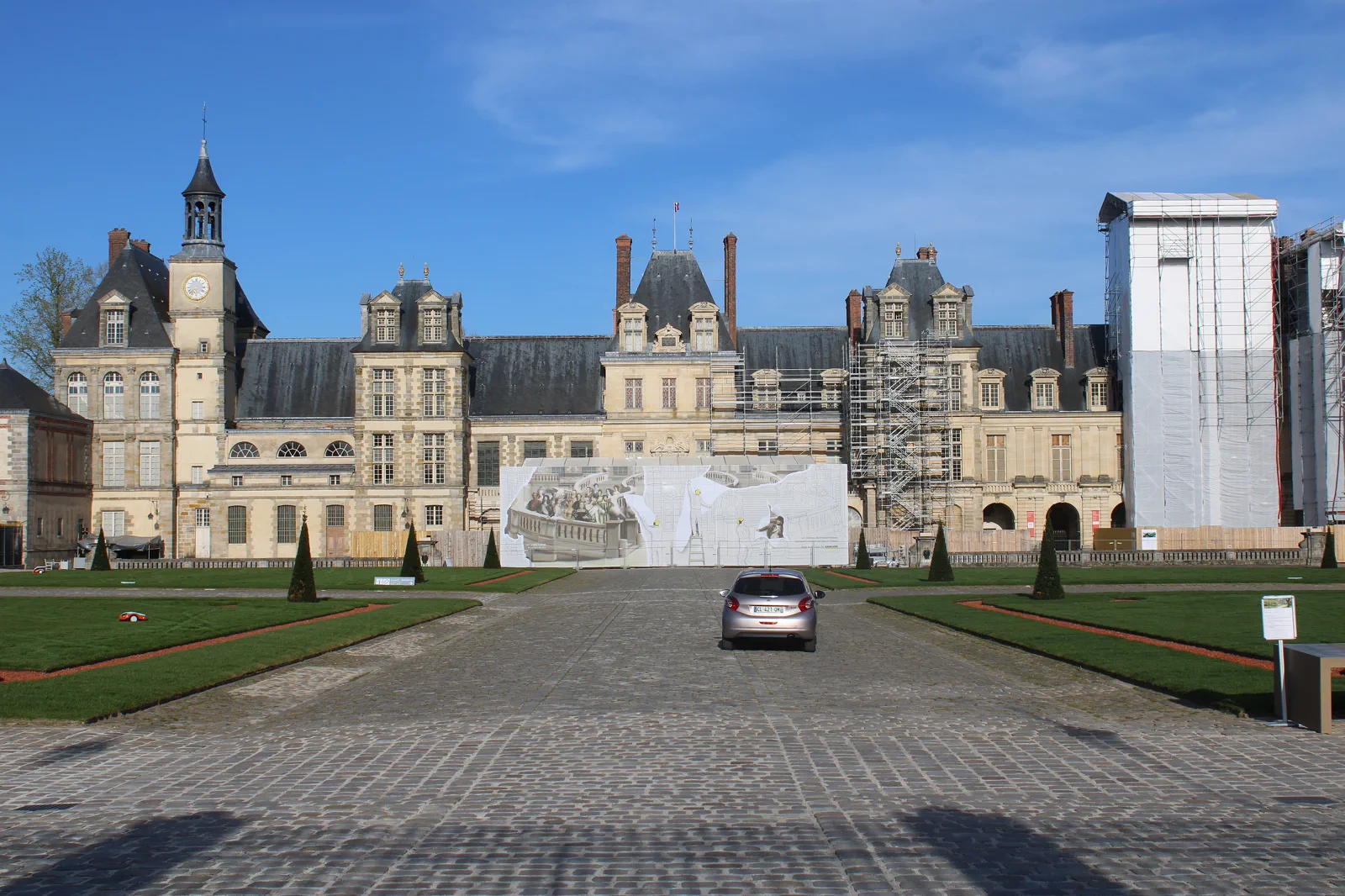
Royal apartments and museum rooms
Make the palace the main study and follow current room openings. This is the strongest wet-weather plan and needs no forest promise.
Palace and formal grounds
Pair the interiors with the courtyards, gardens and canal. It keeps the day self-contained and avoids a second transport contract.
Palace and forest threshold
Add only a named, current, low-risk forest or bouldering-area approach with appropriate footwear and daylight. This suits repeat visitors, not a rushed first palace visit.
Know where the day actually begins.
Take the correct train to Fontainebleau–Avon, then use the current local bus, bicycle option or taxi to the palace; the station is not at the château gate. Save the return stop and validate the local ticket rules before entering the palace.
Choose what the route leaves out.
A forest excursion consumes the time usually given to the palace gardens and town. The plan gives up deep hiking or multiple forest sectors because trail choice, weather and the station connection deserve their own day.
Fit this route into Versailles, Fontainebleau & Giverny, not into an isolated checklist.
The famous excursions around Paris use different rail terminals, local transfers, reservation systems and landscape scales. Treat Versailles, Fontainebleau and Giverny as three separate operating days rather than interchangeable palace cards.
Base in Paris for a single excursion; consider an overnight only when the town or surrounding landscape has its own evening purpose. Each route needs most of a day once terminal access and the return are counted.
Versailles has several stations, Fontainebleau requires the correct station plus a bus or walk, and Giverny normally adds a local connection from Vernon–Giverny. Save the complete chain in both directions before departure.
Garden hours, fountains, house openings, shuttle patterns and daylight vary. Giverny is particularly seasonal; palace interiors remain possible in colder months but outdoor scale and maintenance still change the experience.
If the chosen estate is closed, sold out or transport fails, do not jump blindly to another branch. Use the arrival town, a Paris museum or a closer regional site whose live access is already confirmed.
Arrive, read the place, commit, then protect the return.
Check Château de Fontainebleau openings and visitor route, SNCF service to Fontainebleau–Avon, the current local bus, weather and any forest access restrictions.
- 01Arrive
Solve the last mile
At Fontainebleau–Avon, identify the correct bus direction or other verified transfer before leaving the station forecourt. Note the return stop, not just the palace landmark.
- 02Read the place
Read the palace chronologically
Use the official circuit and current closures to move from royal apartments to galleries without bouncing between wings. Pause in the courtyards before museum fatigue sets in.
- 03Commit
Choose garden, town or forest
Commit to one late block. Gardens need no new transport; town streets support a meal; a forest edge requires daylight, route and return conditions.
- 04Return
Return through a timed connection
Reach the station with one train in reserve. Local buses and regional trains may not align perfectly, so build the transfer rather than aiming at the last possible departure.
Use the live operator, monument and destination sources for this route.
The route explains the decision; these official pages control current admission, transport, weather, access and closures.
Keep the day useful when the headline plan disappears.
In rain, heat or poor trail conditions, keep the palace and town. If palace access changes, use the gardens and Fontainebleau center only after confirming what remains open; the forest should not become an automatic substitute for a missing booking.
Check Château de Fontainebleau openings and visitor route, SNCF service to Fontainebleau–Avon, the current local bus, weather and any forest access restrictions.
Change the plan before the problem compounds.
The station name hides the last mile
Fontainebleau–Avon still requires a local transfer. Confirm stop names and service direction in both directions.
Forest navigation is a separate skill
Boulder sectors and trails are not a casual extension of the palace lawn. Use official maps, daylight and suitable footwear.
Room access varies
Restoration, events and conservation can change the palace circuit. Let the official day notice set expectations.
Other ways to use Versailles, Fontainebleau & Giverny.
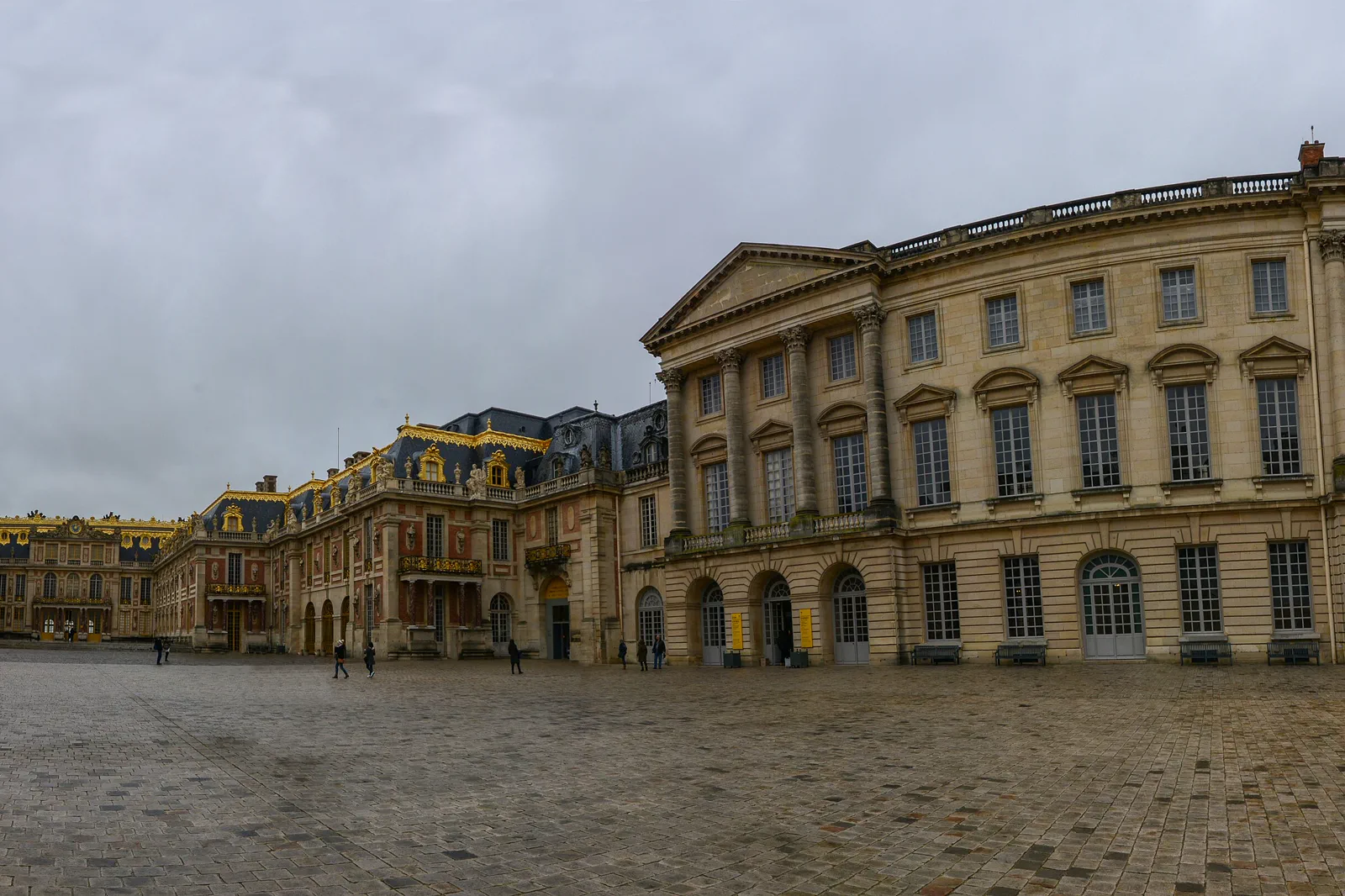
Versailles Palace & Estate
Choose which part of the Versailles estate matters, arrive through the correct station and gate, and stop the palace,…
Open this guide →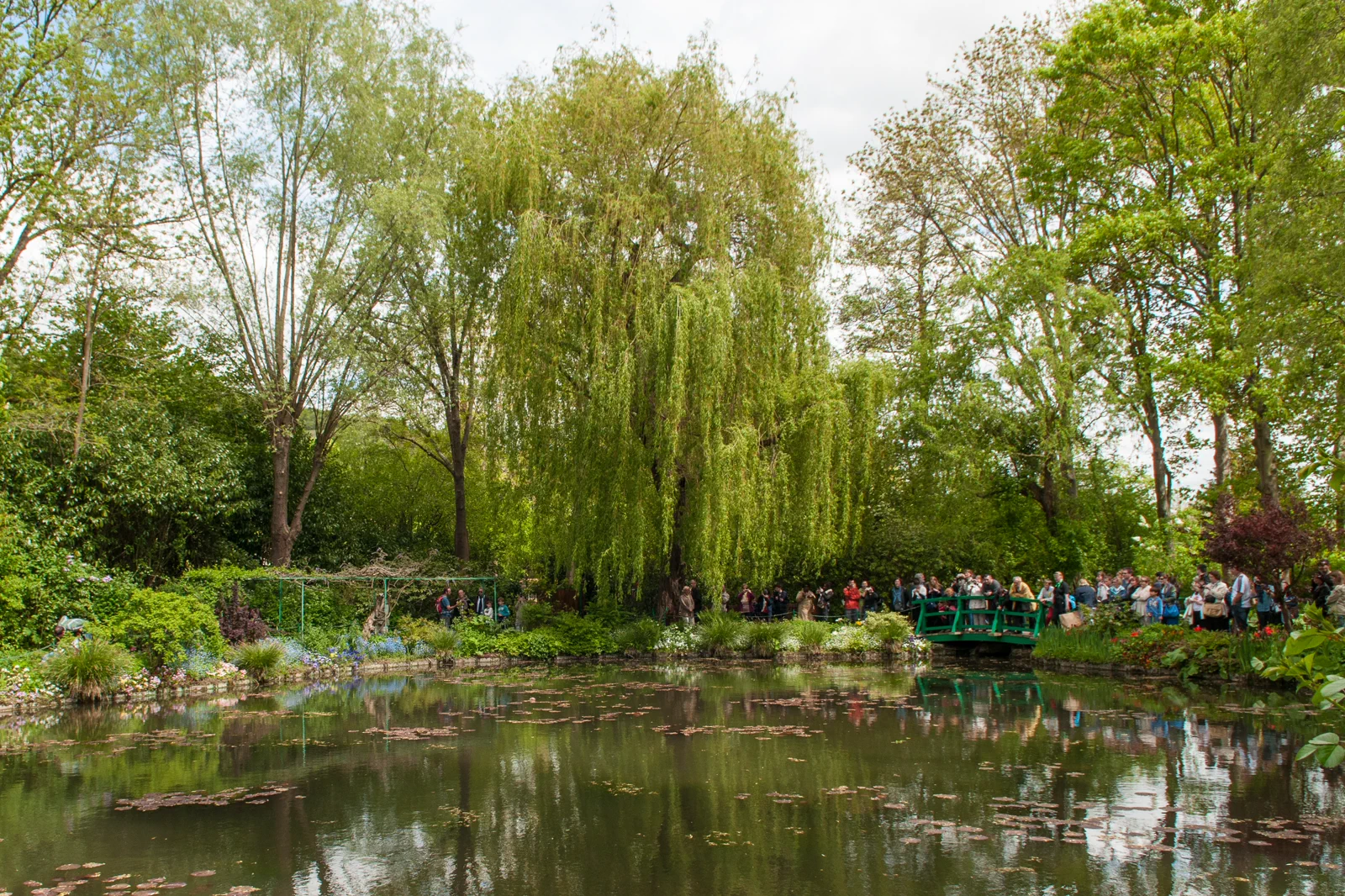
Giverny, Monet’s Gardens & Vernon
Treat Giverny as a seasonal house-and-garden reservation connected through Vernon, not as a Paris rail stop with an…
Open this guide →Fontainebleau Palace & Forest Edge FAQ
How much time should I give Fontainebleau Palace & Forest Edge?
Allow seven to nine hours from Paris for palace, grounds and one compact second block. A palace-and-gardens visit alone usually needs five to six hours including transfers.
What should I combine with Fontainebleau Palace & Forest Edge?
Combine with Fontainebleau town or a defined forest threshold. Do not attach Vaux-le-Vicomte or another château unless its transport, ticket and return are independently solved.
What should I verify before leaving?
Check Château de Fontainebleau openings and visitor route, SNCF service to Fontainebleau–Avon, the current local bus, weather and any forest access restrictions.
Official sources and photo credits
Planning facts and image licensing were reviewed on 19 September 2026. Admission, transport, roads, trails, sea, fire, weather and local access can change; reopen the linked authority or operator before travel.
- Château de Fontainebleau — official visitor information.
- Fontainebleau tourism — official town and forest planning.
- Paris Region — official regional tourism information.
- SNCF Connect — rail planning and live service information.
- Île-de-France Mobilités — regional network information.
- Panorama of the Château de Versailles (23673783164).jpg — Jorge Láscar from Melbourne, Australia, CC BY 2.0. Resized, display-cropped and converted to WebP; no other material edits.
- 2021-04-26 17-37-23 - Fontainebleau - Cour du Cheval Blanc.jpg — Baidax, CC BY-SA 4.0. Resized, display-cropped and converted to WebP; no other material edits.
- Claude Monet house and garden in Giverny (8742620992).jpg — Michal Osmenda from Brussels, Belgium, CC BY 2.0. Resized, display-cropped and converted to WebP; no other material edits.