Bologna Porticoes & Markets
Leave Bologna Centrale on one southbound line, fix any tower or museum booking before the markets, use the porticoes as an operating grid between pauses, and finish near the station-facing side of the centre unless San Luca was chosen as the day’s single extension.
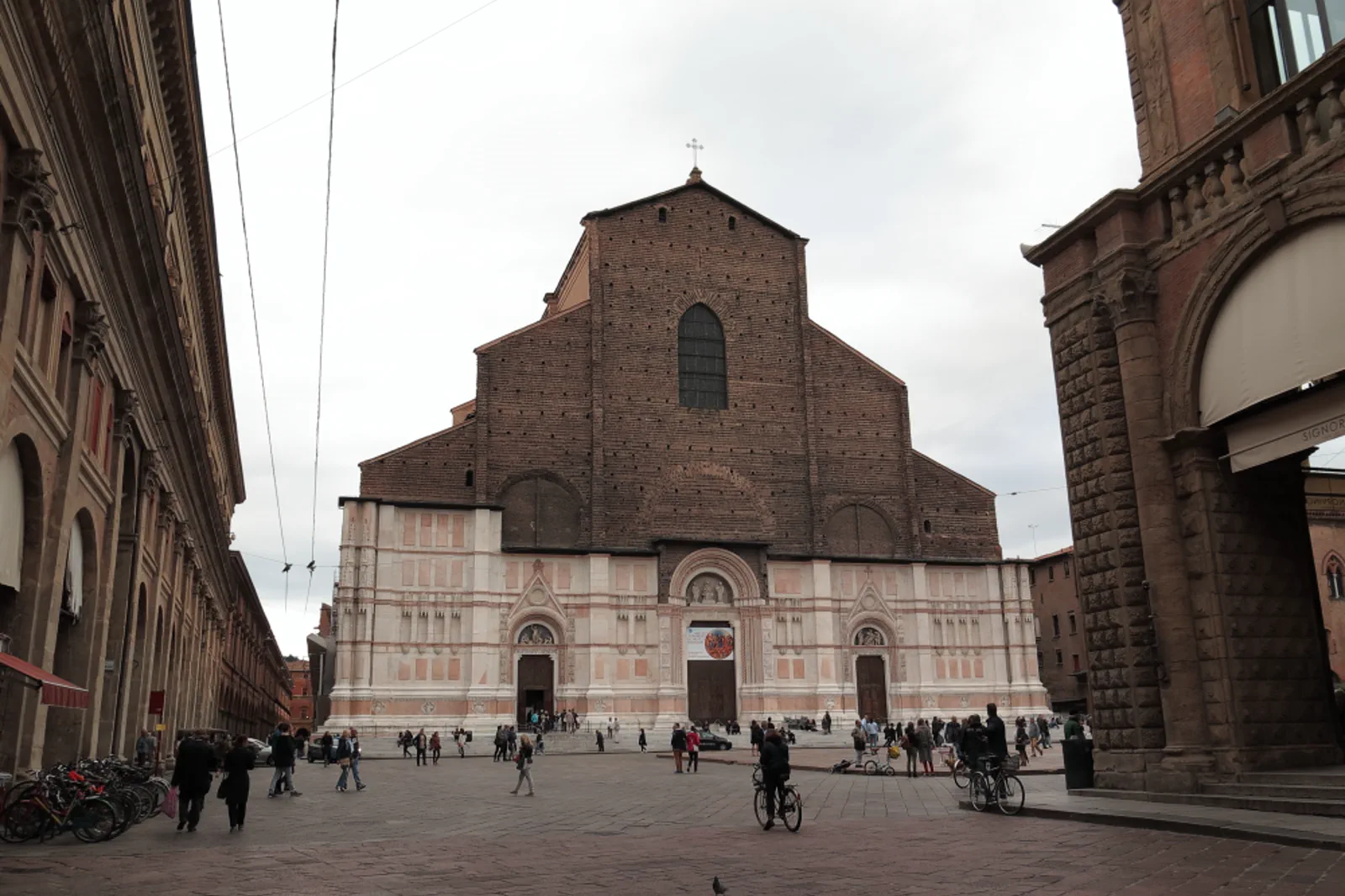
Three useful routes, each with a visible sacrifice.
Choose Bologna’s civic core and towers, a collection-led day, or a portico-and-market route, then use the covered street network to control heat and distance rather than treating San Luca, every market and every museum as one centre walk.
Civic core and tower
Anchor Piazza Maggiore, the municipal complex and a confirmed tower product. This gives a strong vertical and civic reading, but San Luca and a deep museum visit must drop away.
One collection argument
Choose the archaeological, medieval, modern-art or music collections that best match the trip, then connect only the nearest squares. Indoor depth protects a hot or wet day but reduces market and viewpoint time.
Porticoes, food streets and market life
Follow a bounded line through Quadrilatero, Mercato delle Erbe or another current market and the surrounding porticoes. This emphasizes the working city, but it is not a substitute for a booked tower or full museum.
Begin where the transport actually ends.
Bologna Centrale sits north of the historic core and has multiple exits and levels. Via dell’Indipendenza creates the simplest walking line toward Piazza Maggiore; buses may shorten specific legs. The Asinelli tower, civic buildings and San Luca approach use separate reservations or transport decisions, so identify the first controlled door before leaving the station.
Know what the chosen line leaves out.
A timed tower visit and a substantial museum both interrupt the market’s natural morning-to-lunch rhythm, while the Sanctuary of San Luca is a true extension beyond the centre. Selecting one fixed anchor sacrifices a second headline interior but preserves the porticoes as a coherent city system.
Emilia-Romagna has four layers to align.
Emilia-Romagna looks simple because frequent trains join Bologna, Modena, Parma, Ferrara and Ravenna, yet the useful trip splits at each station. Towers and mosaics have entry clocks, food producers require real appointments, Maranello is a last-mile branch, and the Po Delta is not on the city-centre rail spine. The region works when one rail city anchors the day and only one reserved branch leaves it.
BASE
Four to six nights supports Bologna as a central rail base plus one eastern or western overnight when early mosaics, an evening performance or a Delta departure matters. A single Bologna base is efficient for city days but should not be used to disguise long returns from Ravenna, Parma or the coast.
TRANSFER
High-speed and regional services share Bologna Centrale but use different levels, operators and connection margins. Trenitalia TPER covers much of the regional spine; Maranello, rural producers, Comacchio and Delta habitats require buses, booked visits, boats or a car. Name the station exit and the non-rail leg before buying the trunk ticket.
SEASON
Porticoes soften summer heat and rain in Bologna, but exposed squares, walls and wetlands remain demanding. Autumn food events and trade fairs can compress rooms and trains; winter fog shortens landscape views; spring water levels, storms or conservation work can alter Delta access without affecting the rail cities.
LOWER-RISK DAY
When a producer cancels, a tower closes or wetland weather deteriorates, keep a full day in the nearest rail city: Bologna’s civic museums and porticoes, Modena or Parma’s central collections, Ravenna’s confirmed mosaic circuit, or Ferrara’s walls and museums. Do not replace a failed branch with another distant reservation.
Arrive, cross one gate, use one layer, then protect the return.
Check Bologna Welcome for current tower and attraction access, the selected civic museum’s official hours, market trading patterns and Bologna Centrale service information before departure.
- 01Arrive
Exit toward the portico spine
Use the station exit that aligns with Via dell’Indipendenza, note the return entrance and walk south under one continuous street system instead of detouring to an early peripheral sight.
- 02Cross the threshold
Meet the controlled civic door
Take the confirmed tower or museum slot before crowd and heat build. If no reservation exists, keep Piazza Maggiore and the municipal exterior as context rather than joining an uncertain queue.
- 03Use the layer
Use shade as route structure
Move through Quadrilatero, selected market streets and adjacent porticoes with a real meal or rest. Keep producer shops and market stalls in their actual trading hours.
- 04Protect the return
Close on the station axis
Return by a different but parallel portico line, or begin the preplanned San Luca branch only if its bus, walking demand and return all remain inside the day.
Reopen the pages that control today’s gate.
The guide provides the decision structure; these authorities control admission, transport, paths, weather, marine operation and closures.
Keep a complete alternative, not fragments.
If tower access closes or heat makes exposed squares uncomfortable, move the main block into a verified civic museum and connect it with covered porticoes and one operating market. If San Luca transport becomes uncertain, finish inside the centre rather than gambling the onward train.
Check Bologna Welcome for current tower and attraction access, the selected civic museum’s official hours, market trading patterns and Bologna Centrale service information before departure.
Change the plan while the return is still strong.
Covered does not mean cool
Long portico walks still accumulate heat and standing time. Schedule water and a seated break before the afternoon rather than after symptoms appear.
Markets keep different hours
A food district remains visually present after individual stalls close. Check the specific market or producer instead of promising a uniform all-day experience.
San Luca is an extension
The sanctuary and its long portico cannot be added casually after a tower and museum. Confirm the climb, bus and return as a separate branch.
Other complete ways to use Emilia-Romagna.
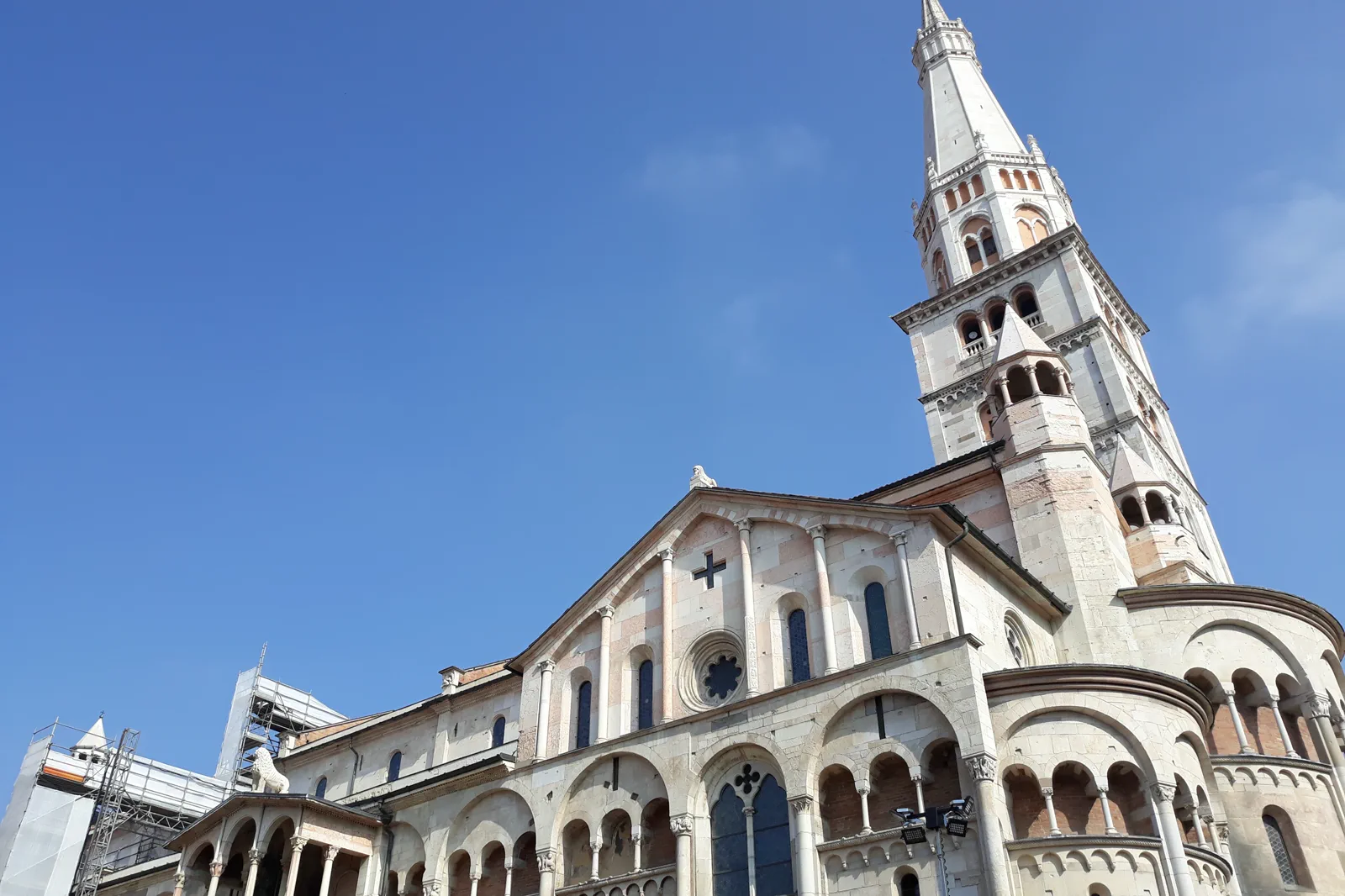
Modena & Parma Along Via Emilia
Choose Modena’s civic and motor story, Parma’s cathedral and cultural collections, or one genuinely reserved…
Open this route folio →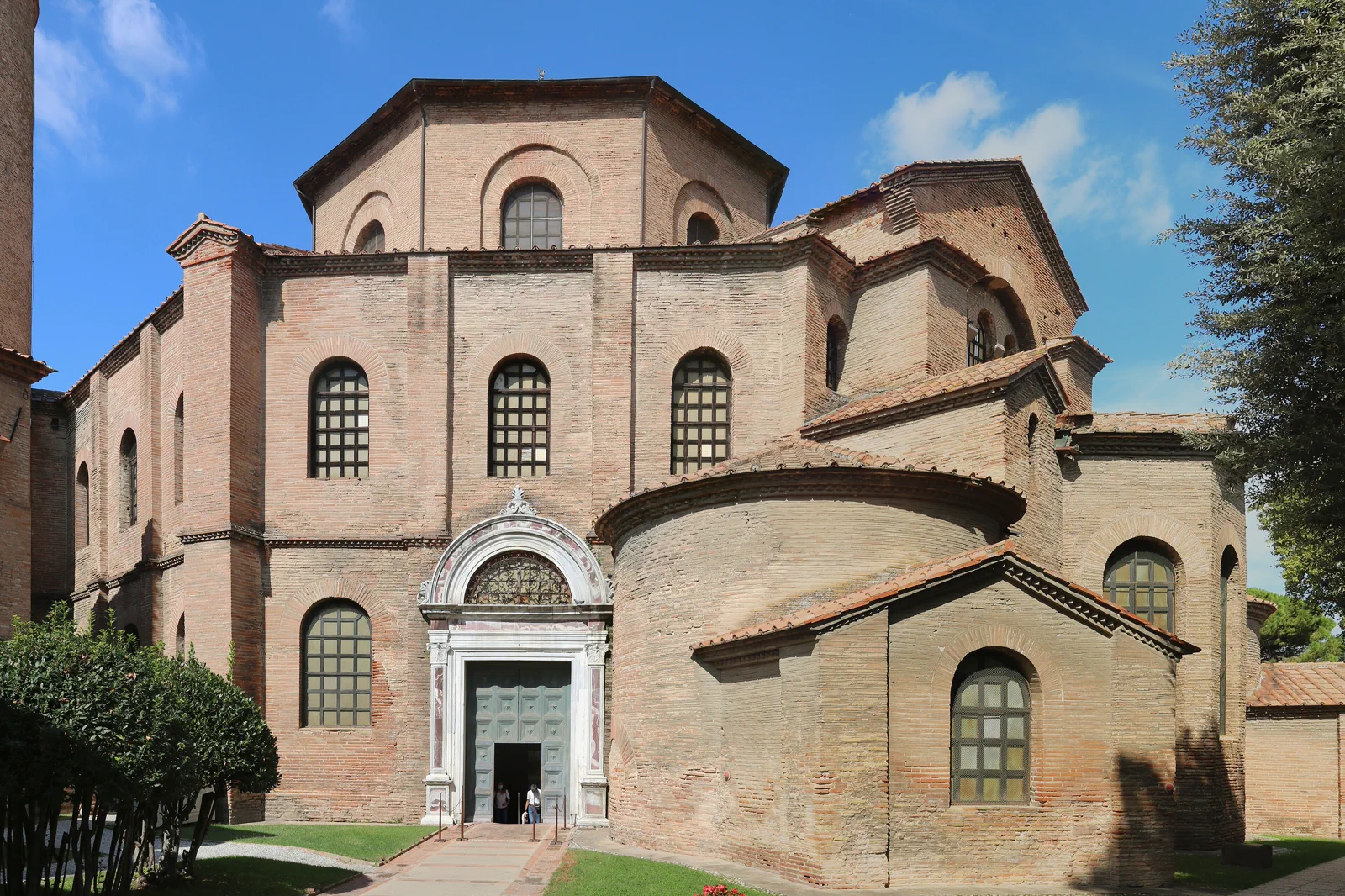
Ravenna, Ferrara or the Po Delta
Choose Ravenna’s mosaic circuit, Ferrara’s walled civic landscape, or a properly arranged Comacchio and Po Delta day; use…
Open this route folio →Bologna Porticoes & Markets FAQ
How much time should I give Bologna Porticoes & Markets?
Allow six to eight hours for one booked civic anchor, the central portico grid and a proper food stop. San Luca needs an additional half-day or must replace the museum-depth block.
What should I combine with Bologna Porticoes & Markets?
Combine Piazza Maggiore with the Quadrilatero and one nearby collection because they share the central grid. Keep San Luca, FICO or a second major collection for a separate route unless one becomes the clear main purpose.
What should I verify before leaving?
Check Bologna Welcome for current tower and attraction access, the selected civic museum’s official hours, market trading patterns and Bologna Centrale service information before departure.
Official sources and photo credits
Planning facts and image licensing were reviewed on 26 September 2026. Admission, rail, roads, ZTLs, paths, ferries, weather and local access can change; reopen the linked authority or operator before travel.
- Bologna Welcome — official city visitor and booking information.
- Musei Civici Bologna — official civic museum information.
- Emilia-Romagna Turismo — official regional destination information.
- Trenitalia TPER — official regional rail information.
- Bologna Piazza Maggiore 11.jpg — GennaroBologna, CC BY-SA 4.0. Resized, display-cropped and converted to WebP; no other material edits.
- Modena - Piazza Grande - Duomo.jpg — Gerolamondo, CC BY-SA 4.0. Resized, display-cropped and converted to WebP; no other material edits.
- Ravenna, Emilia-Romagna - Basilica di San Vitale.jpg — Ingo Mehling, CC BY 2.0. Resized, display-cropped and converted to WebP; no other material edits.