Italy
Align the trunk, the threshold and the return before collecting cities.
High-speed rail links the largest art cities, but timed monuments, private railways, lagoon boats, ZTL edges, mountain lifts, coast buses, ferries and live volcano or weather gates decide the usable trip.
- 01NORTHrail cities · lakes · Alps
- 02CENTREart doors · hill towns
- 03SOUTHvolcanoes · coast roads
- 04ISLANDSports · marine windows
Choose a corridor before a monument list.
Rome–Florence–Venice, a northern lake system, Campania, Sicily or Sardinia each needs a different number of bases and transfer days.
Every famous interior is a separate threshold.
Ticket names, identity rules, entrances, worship, security and capacity can make two adjacent sites incompatible on the same clock.
Keep a complete same-base alternative.
Heat, strikes, sea state, volcano access and mountain weather are normal planning conditions; a useful fallback should still make sense as a day.
Use fast rail for the trunk; price every lake, vineyard and headland last mile separately.
Milan, the lakes, Turin, Genoa and the Via Emilia combine strong rail gateways with ferry clocks, booked collections, rural producers and protected coast paths.
Emilia-Romagna
Emilia-Romagna looks simple because frequent trains join Bologna, Modena, Parma, Ferrara and Ravenna, yet the useful trip splits at each station. Towers and…
Open the regional folio →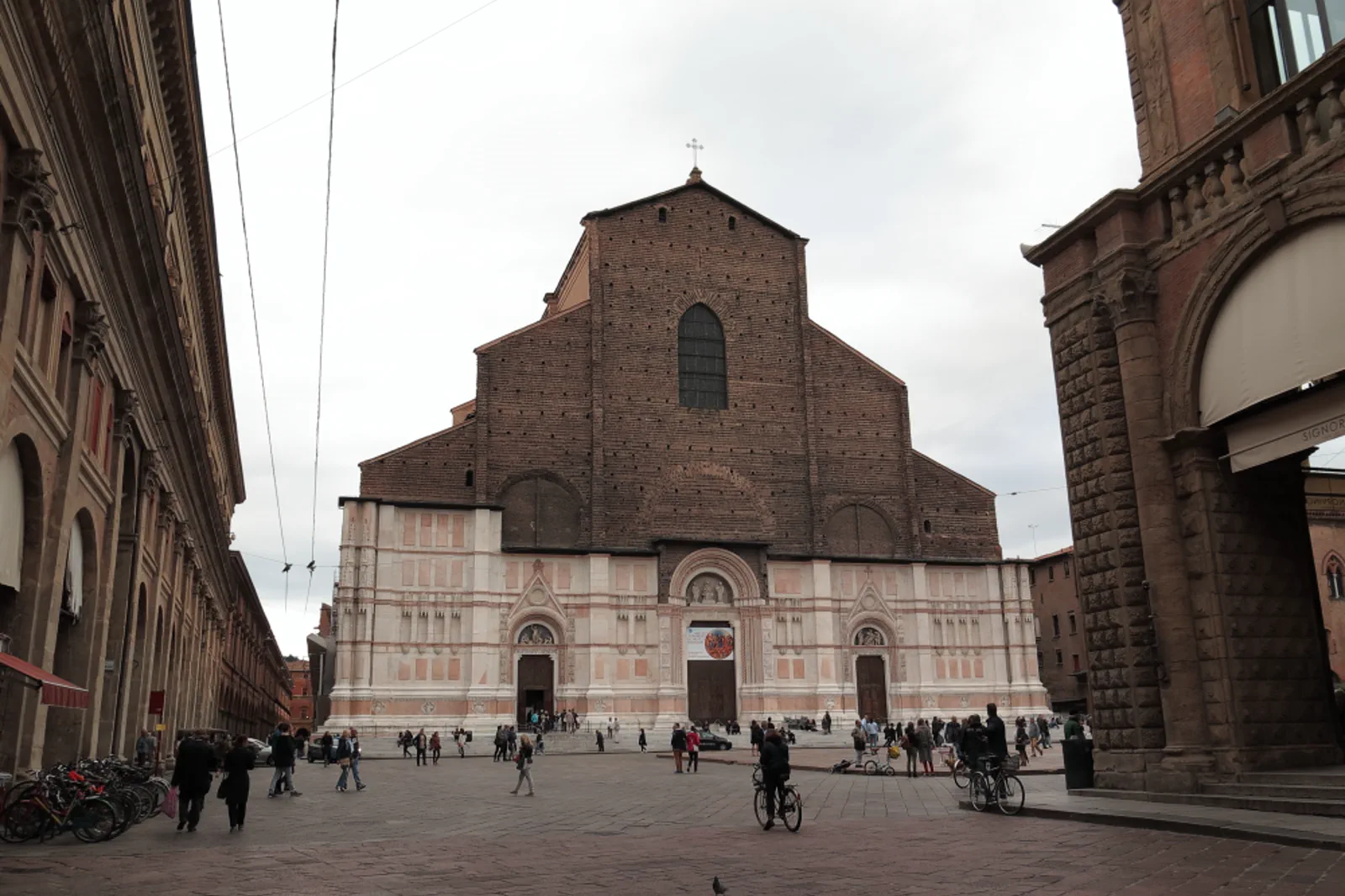 11
11Milan
Milan rewards deliberate transitions rather than landmark accumulation. The cathedral complex, Brera, Santa Maria delle Grazie, the Castello, Porta Nuova and the…
Open the regional folio →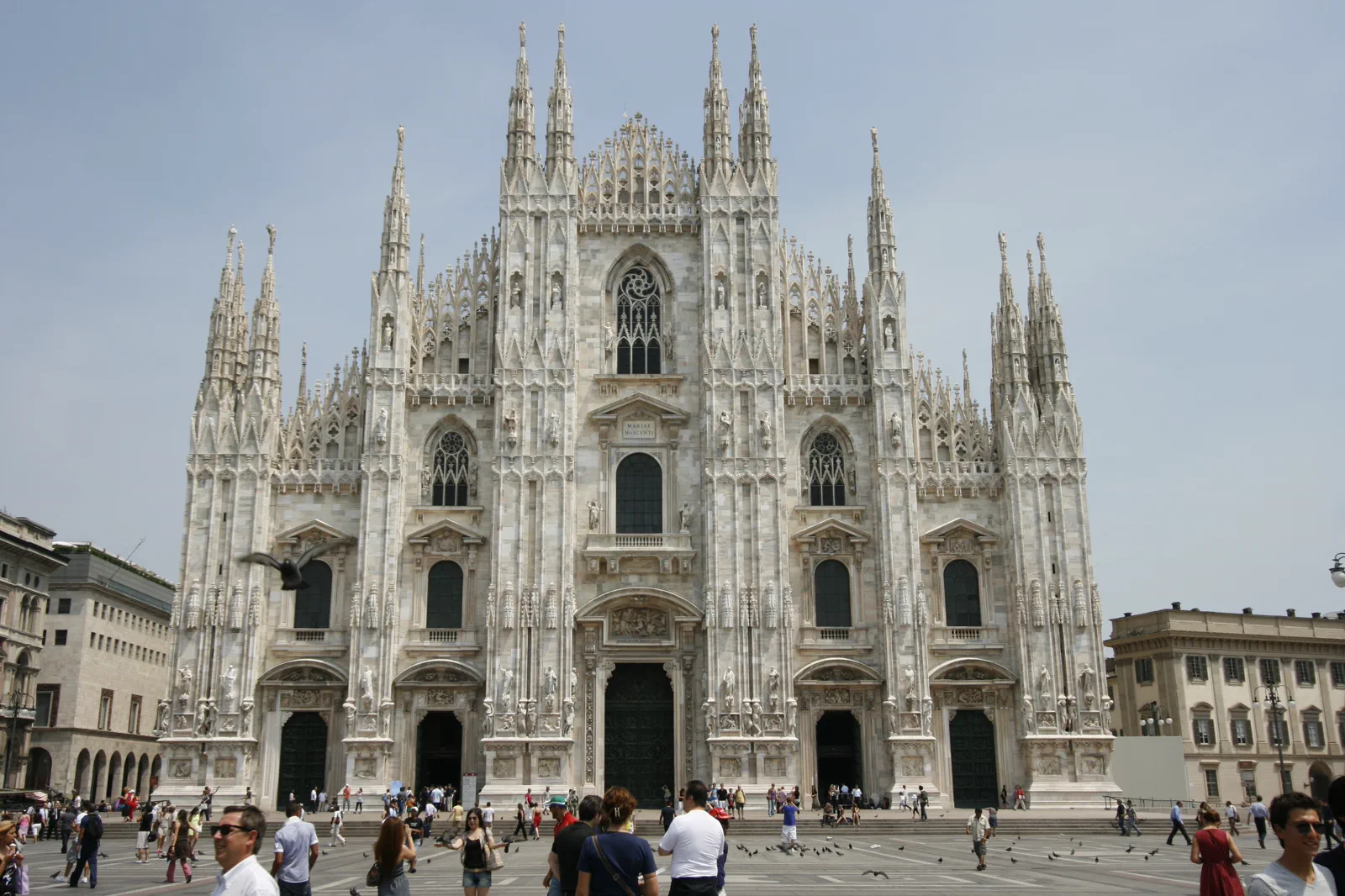 12
12Italian Lakes
Como, Maggiore and Garda are separate transport systems rather than interchangeable blue scenery. Rail reaches particular shore towns, boats operate named routes…
Open the regional folio →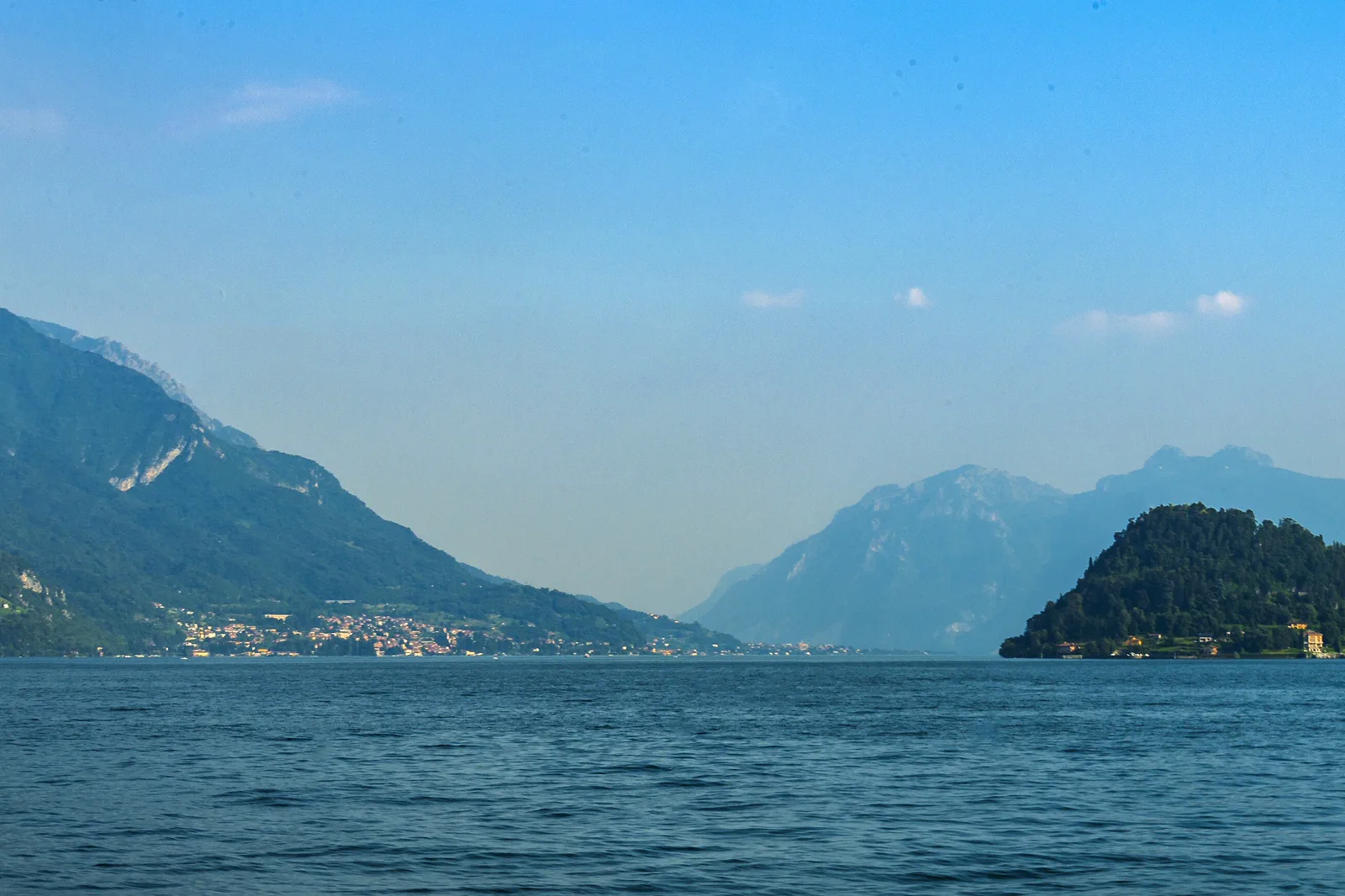 13
13Turin & Piedmont
Central Turin is a measured city of arcades, royal spaces and large collections, but Piedmont beyond it quickly becomes a branch-transport problem. The Egyptian…
Open the regional folio →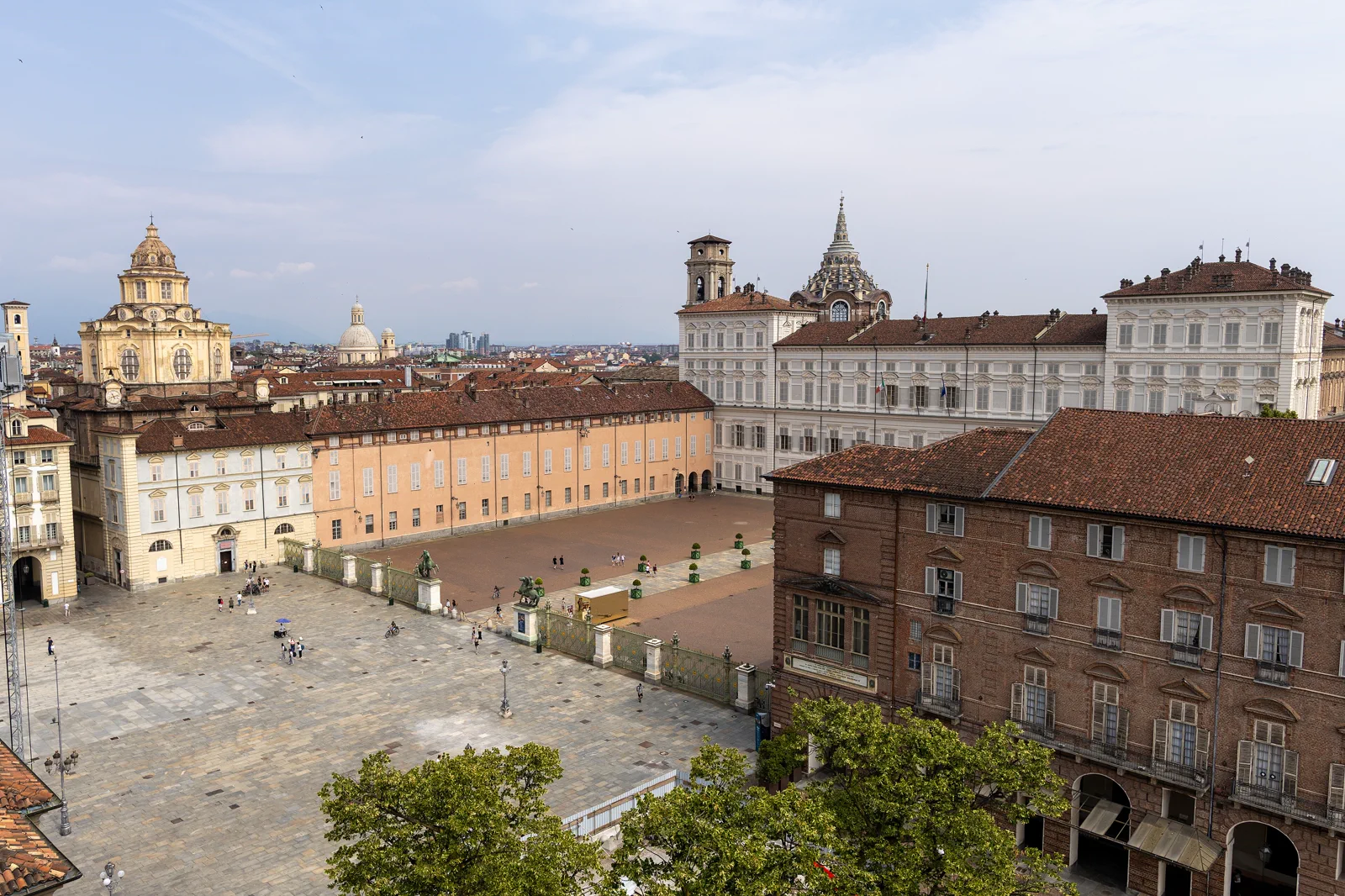 14
14Genoa & Liguria
Genoa’s port, palace streets and vertical neighborhoods form an urban section, while Liguria beyond it narrows into rail platforms, coastal paths and…
Open the regional folio →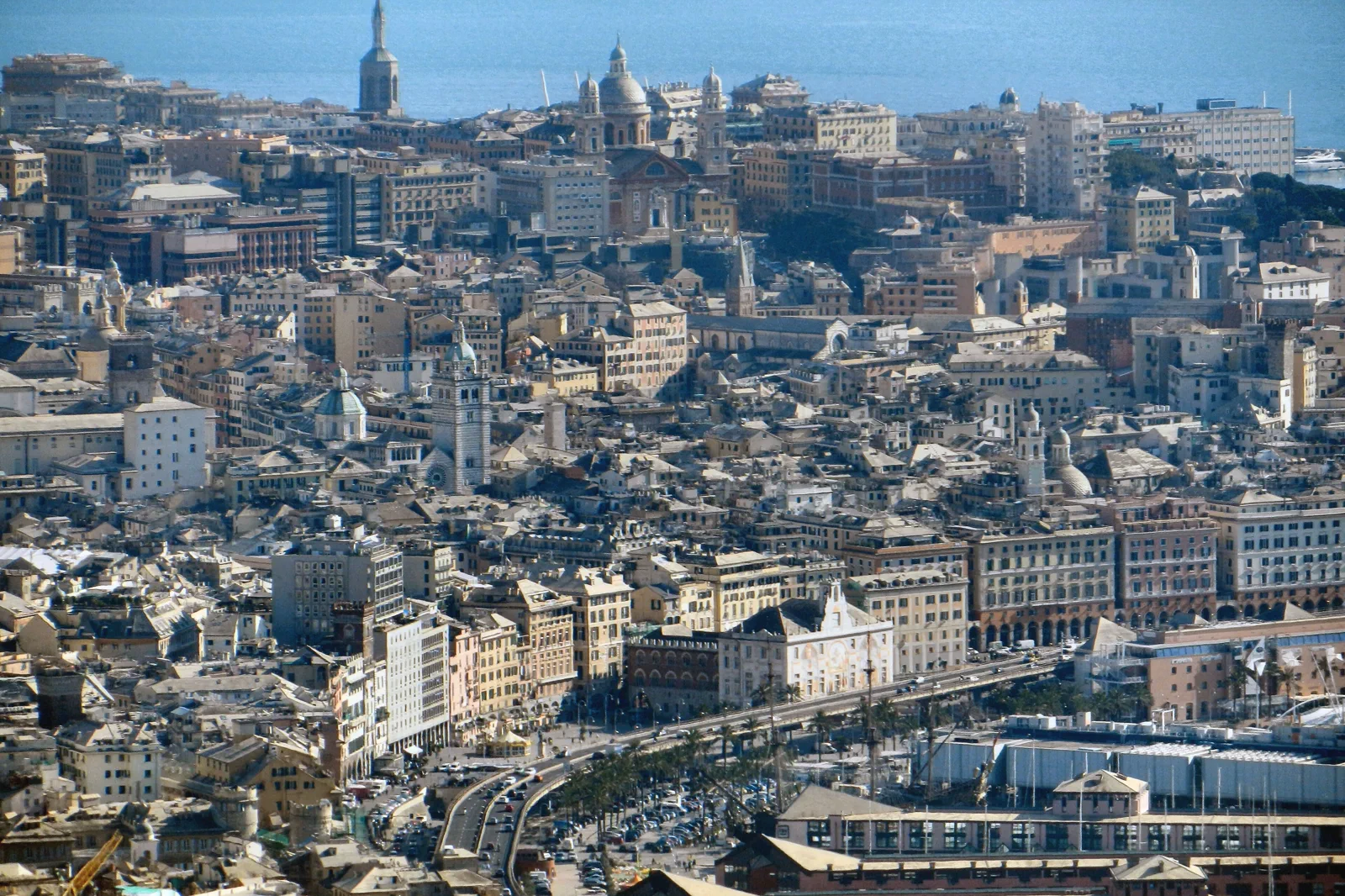
Water, fresco reservations and mountain operation use three different clocks.
Venice, Verona, Padua and the Dolomites demand exact doors, island returns, valley bases and weather-controlled lift or trail decisions.
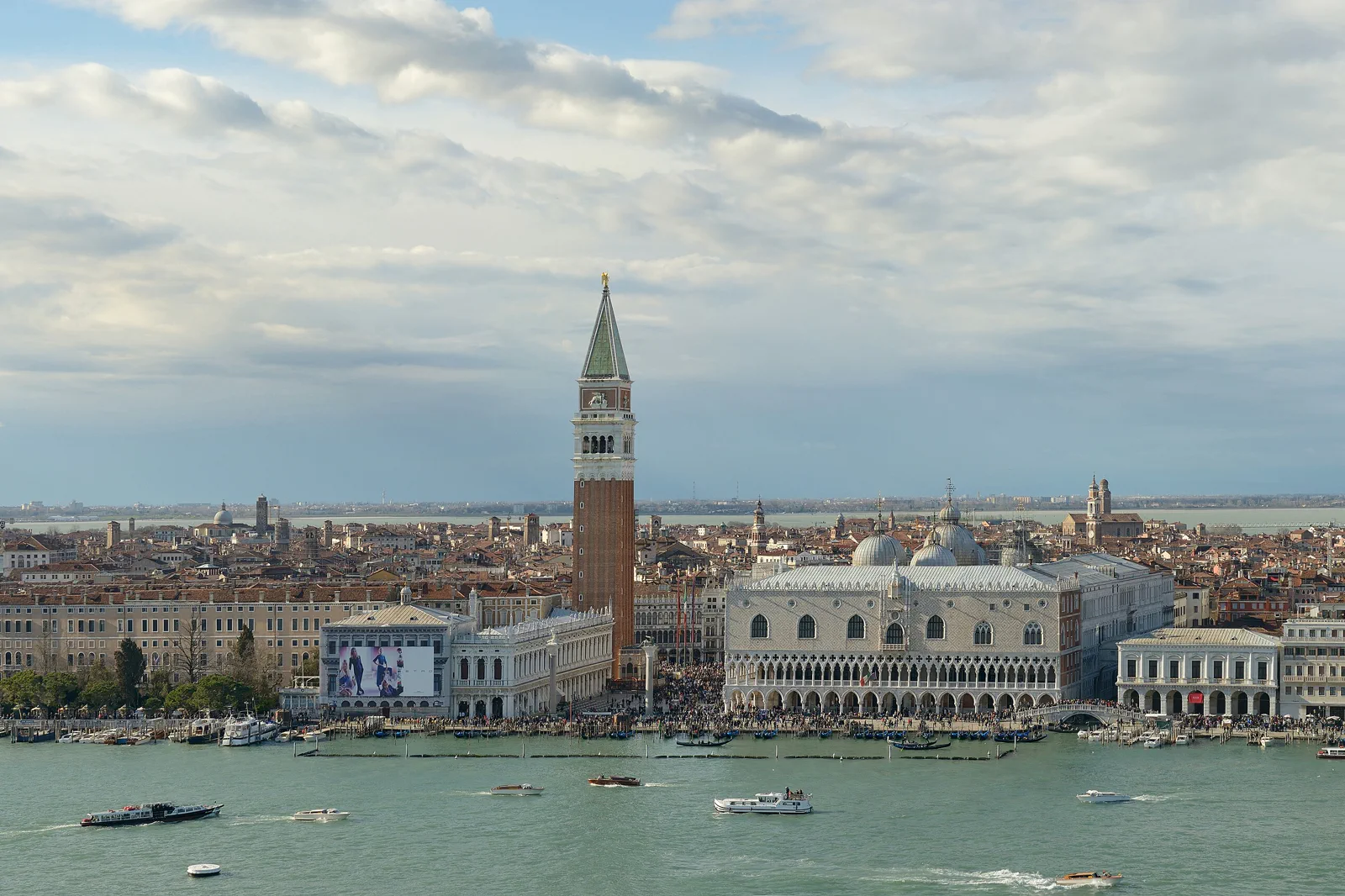
Venice & the Lagoon
Venice is a walking city interrupted by water rather than a compact set of adjacent icons. Santa Lucia, Piazzale Roma, San Marco, Fondamente Nove and the lagoon…
Open the regional folio →09Verona, Vicenza & Padua
Verona, Vicenza and Padua sit on a strong east–west railway, but the fast train is not a license to compress them. Verona’s Arena changes character on performance…
Open the regional folio →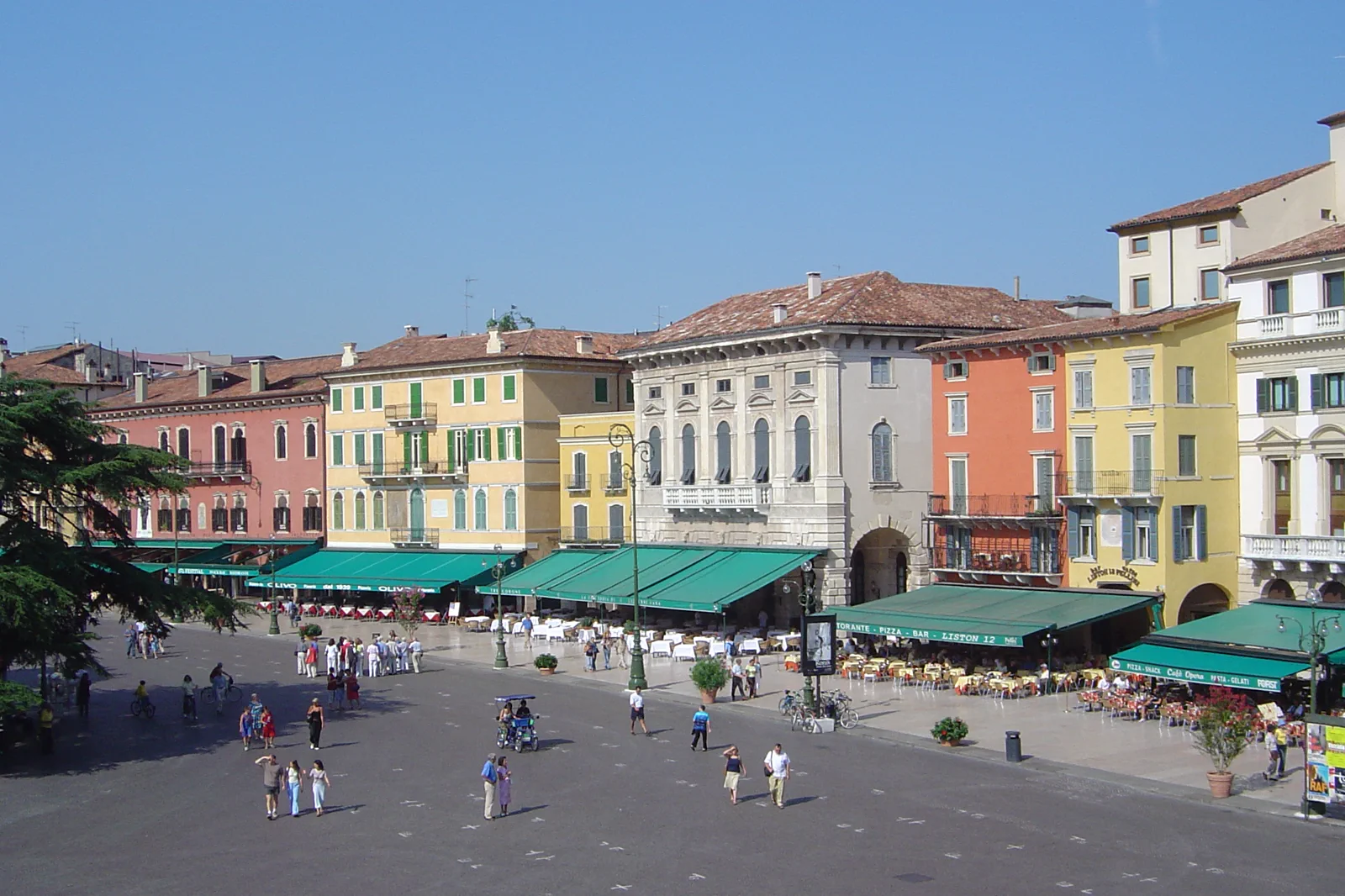 10
10Dolomites, Trentino & South Tyrol
The Dolomites and the neighboring Trentino and South Tyrol valleys are not one rail destination. Bolzano, Trento, Dobbiaco and Calalzo open different corridors;…
Open the regional folio →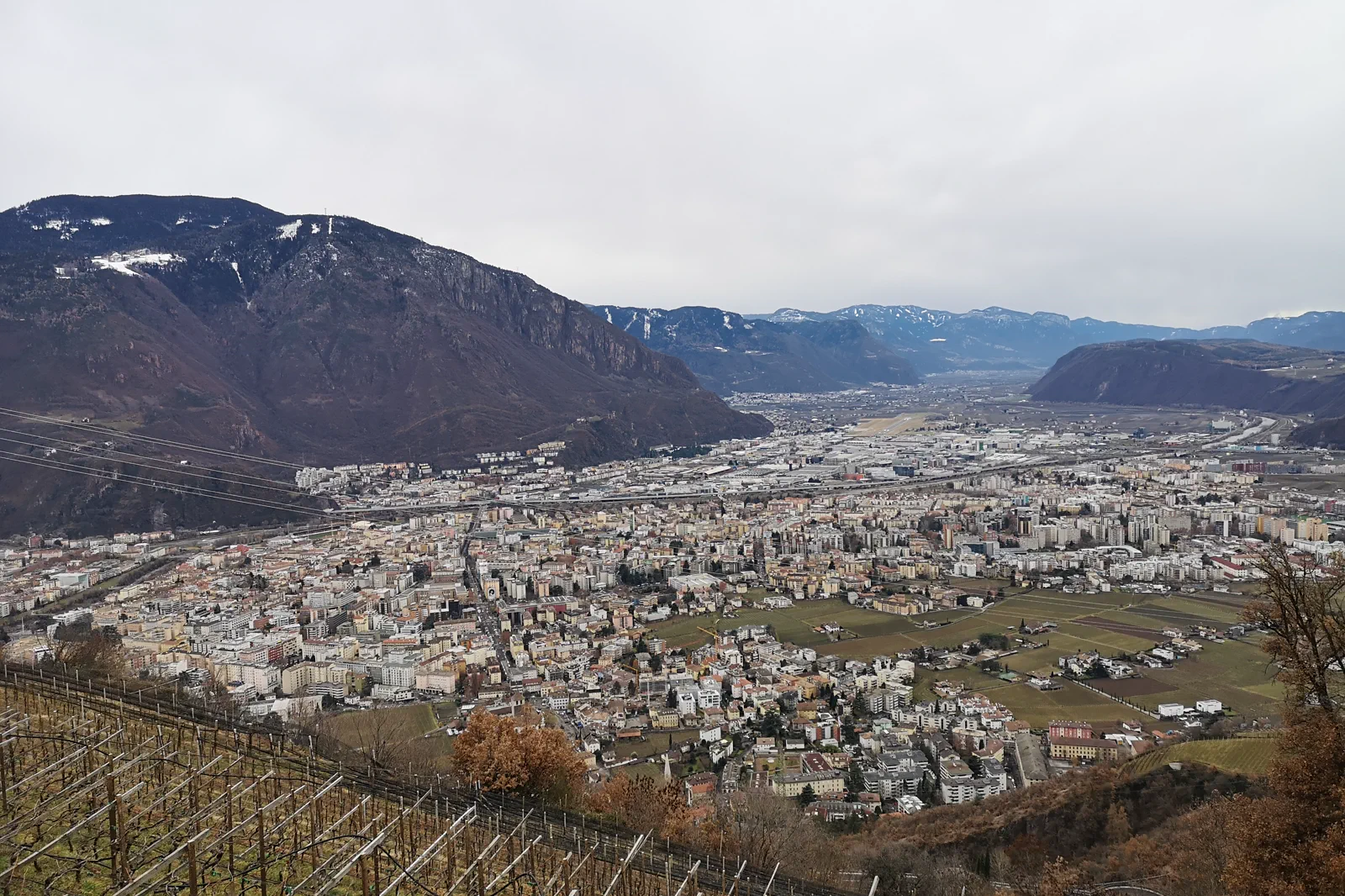
Reserve one interior; name the climb, ZTL edge or rural bus that completes the day.
Rome, Florence, Siena, Umbria and the central Adriatic mix walkable cores with steep thresholds and sparse countryside links.
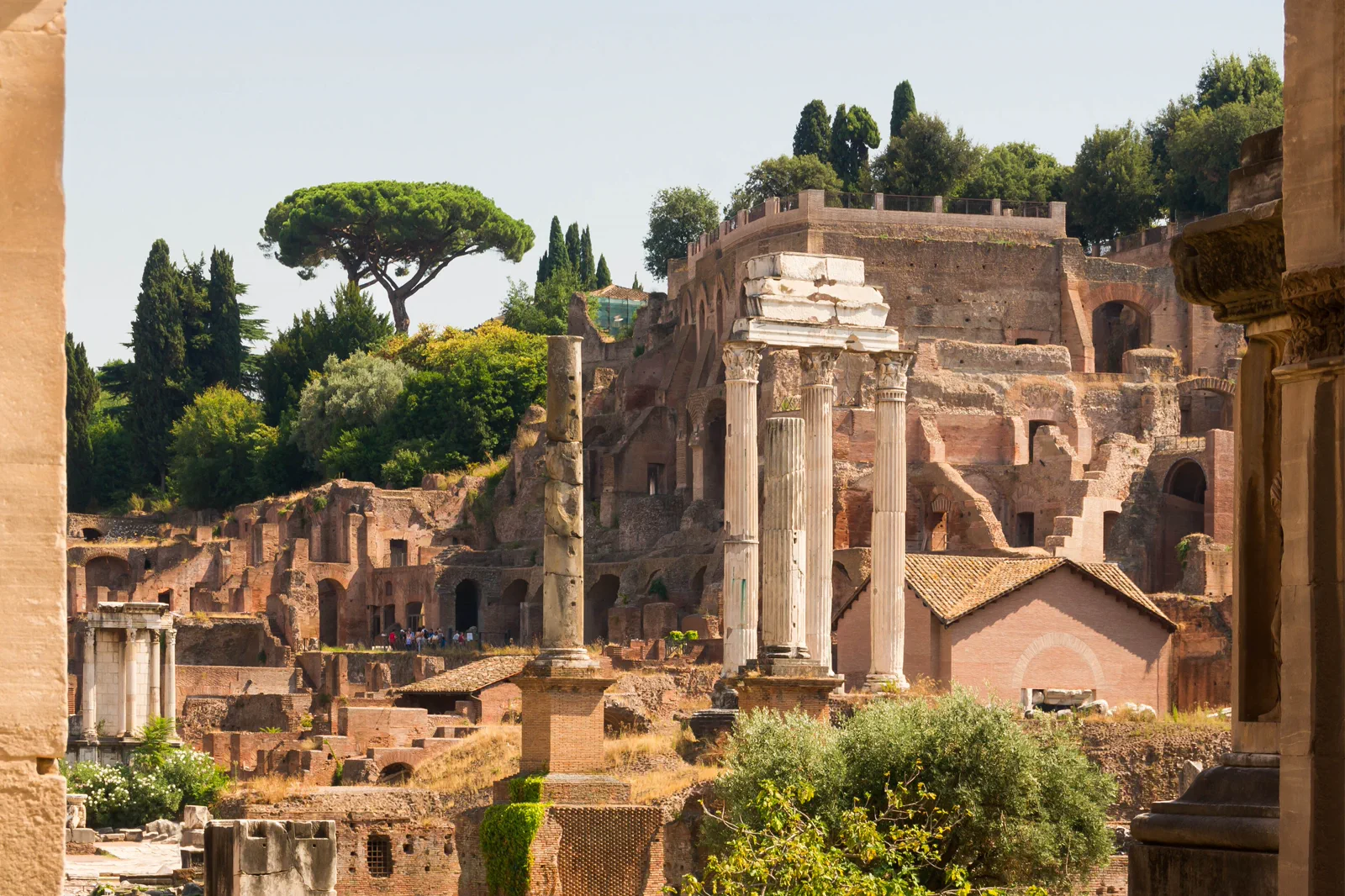
Rome
Rome is a chain of archaeological fields, living sacred spaces, civic collections and evening neighborhoods rather than one walkable monument park. A useful plan…
Open the regional folio →04Florence, Pisa & Lucca
Florence is a reservation-heavy walking city; Pisa and Lucca are separate rail cities with different station-to-centre approaches. A strong Tuscany plan gives…
Open the regional folio →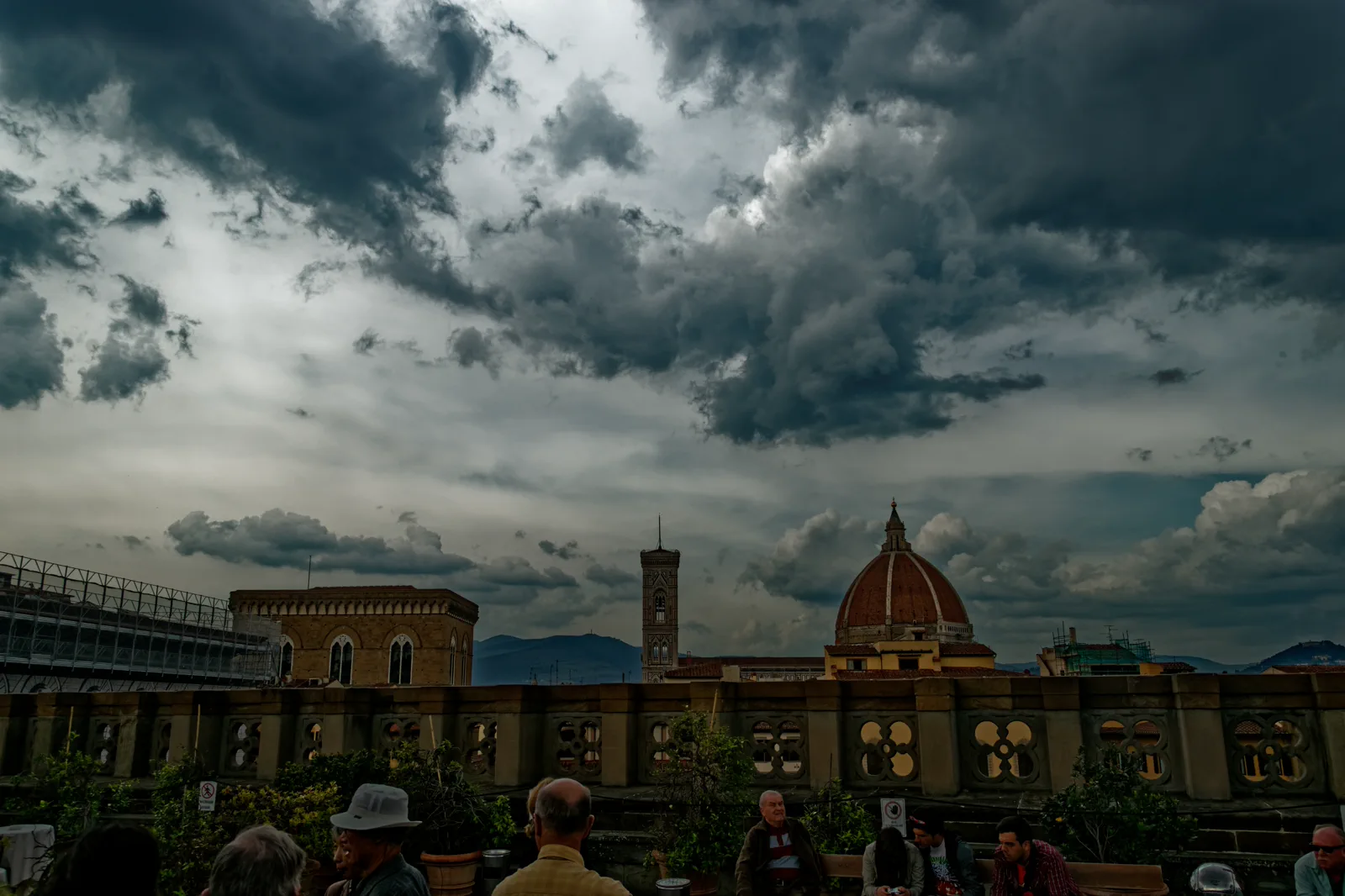 05
05Siena, Val d’Orcia & Maremma
Siena is a bus-and-walking city whose rail station sits below the historic core; Val d’Orcia and Maremma depend on sparse buses, deliberate road routes or booked…
Open the regional folio →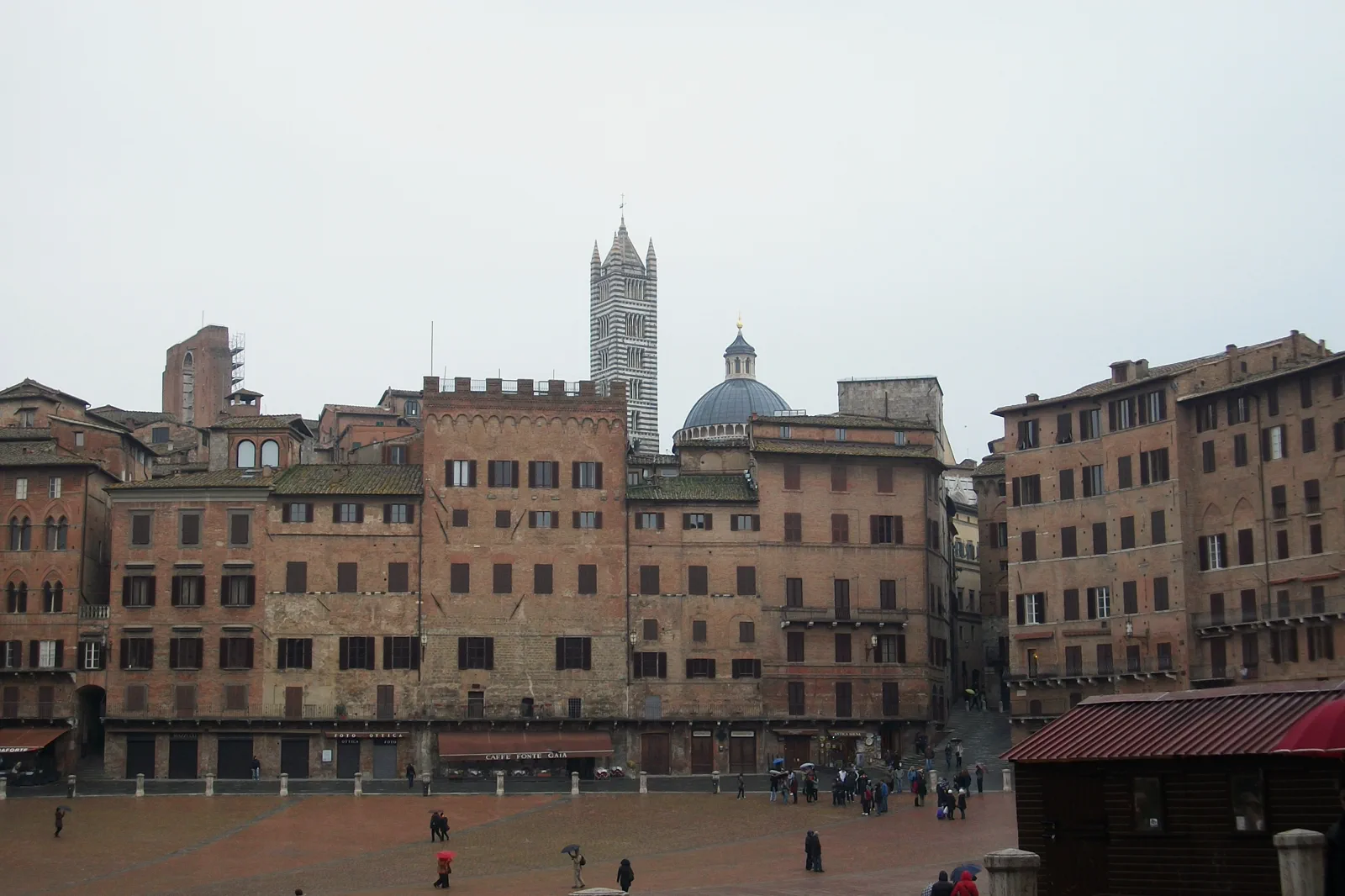 06
06Umbria
Umbria’s headline towns occupy different ridges rather than one easy urban corridor. Perugia asks travelers to understand a lower railway station and an upper…
Open the regional folio →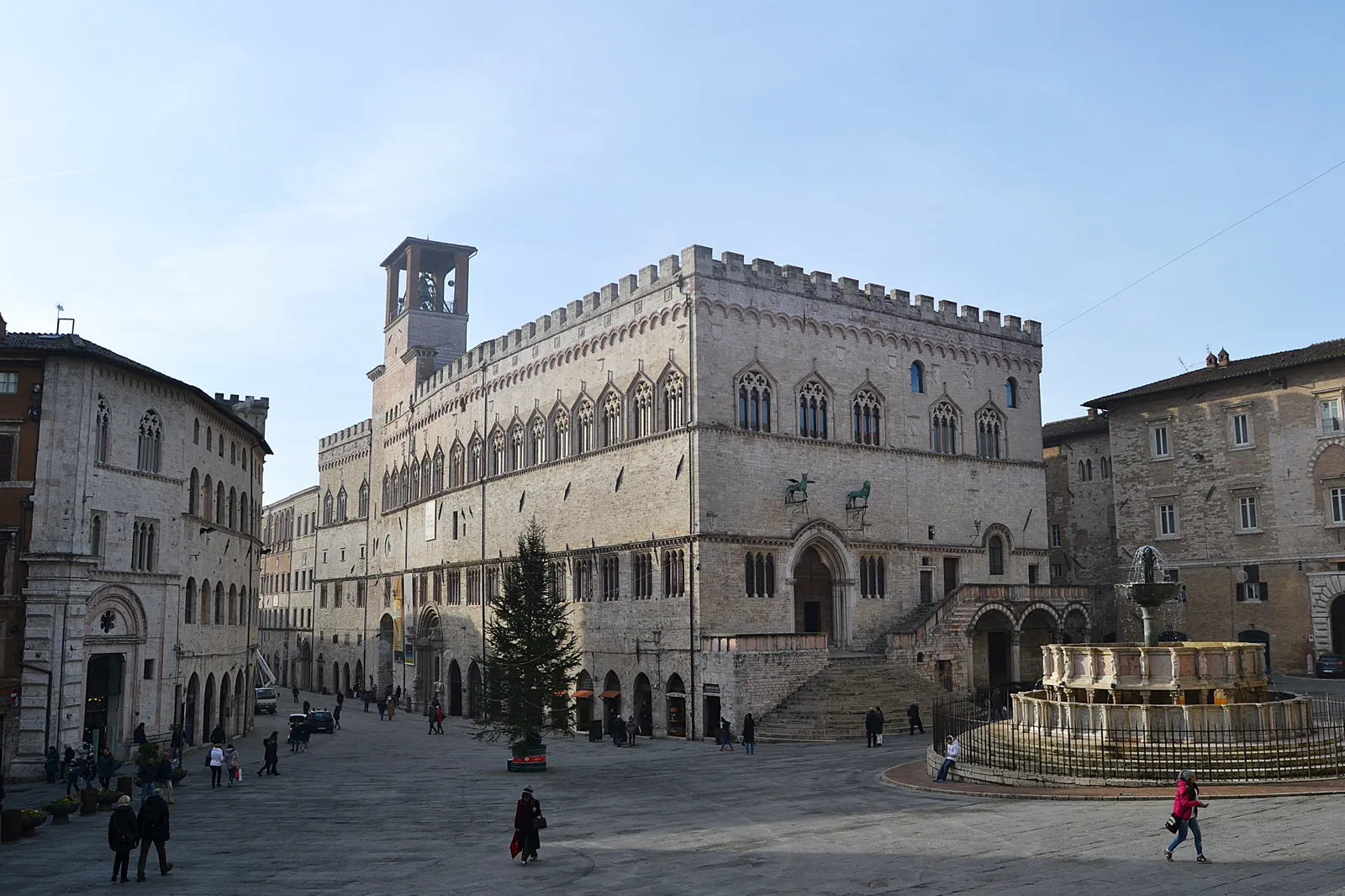 15
15Marche & Abruzzo
The Adriatic rail spine makes Pesaro and Ancona look simple, but Urbino, Monte Conero and Abruzzo’s mountain parks begin only after distinct bus, road, trail and…
Open the regional folio →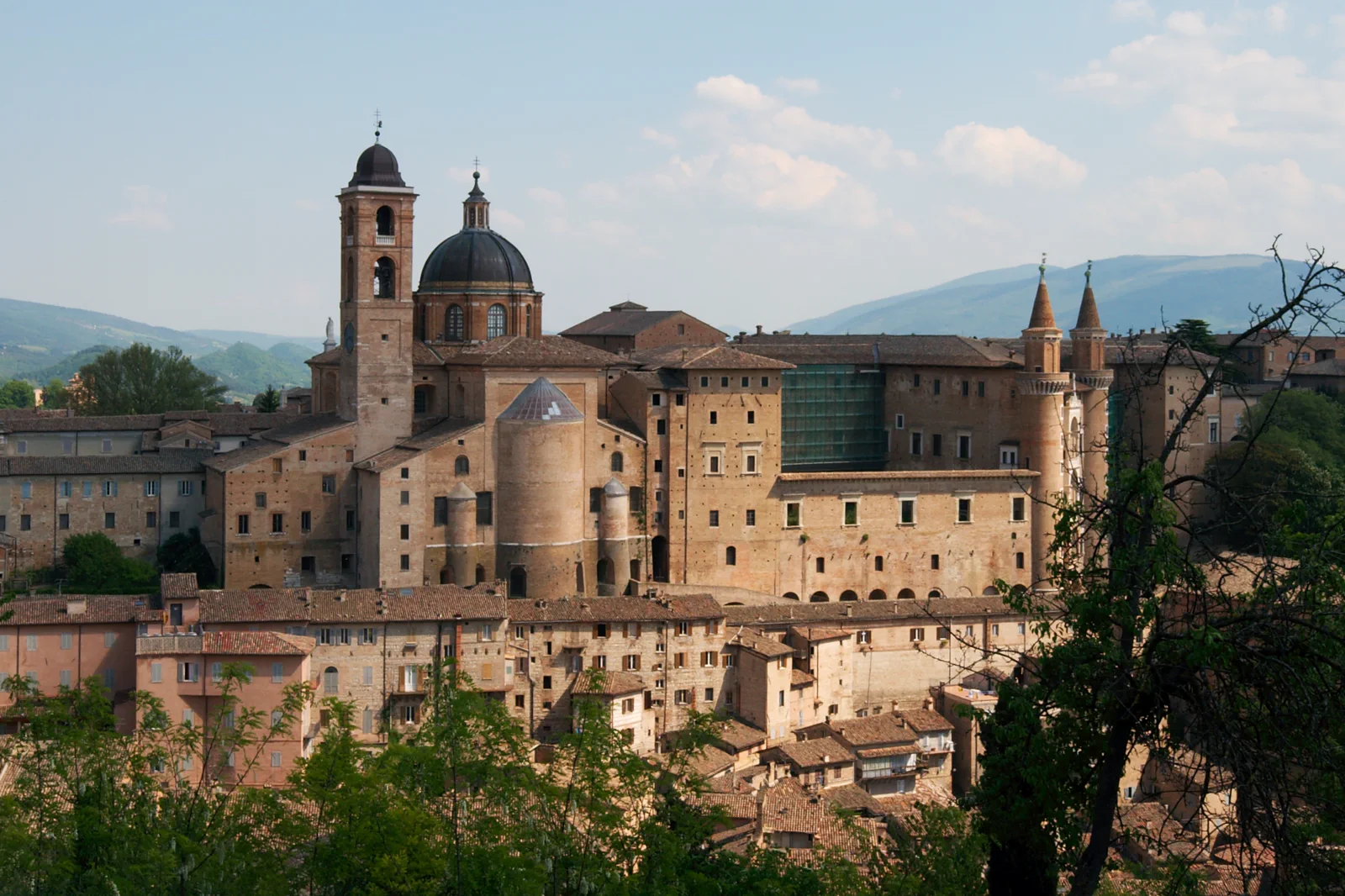
Let the port, sea state, volcano gate and final return control the postcard.
Naples, Amalfi, Puglia, Calabria, Sicily and Sardinia need strong bases, complete fallbacks and honest transfer days.
Naples, Pompeii & Vesuvius
Naples, Pompeii, Herculaneum and Vesuvius share a volcanic landscape but not one visitor system. The city uses metro, funicular and walking layers; archaeological…
Open the regional folio →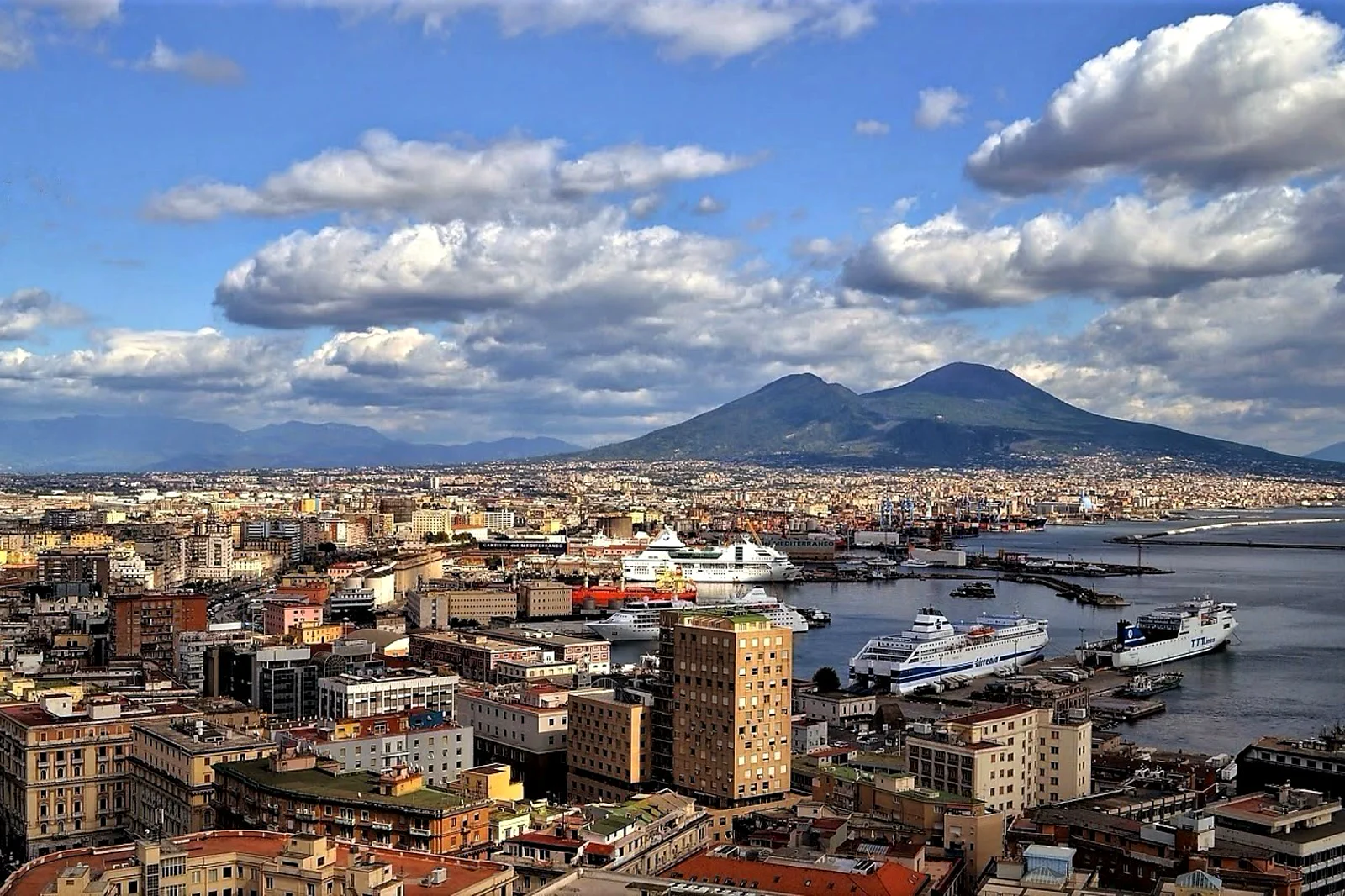 03
03Sorrento, Amalfi Coast & Capri
Sorrento, the Amalfi Coast and Capri sit close on a map but operate through different rail, bus, road and marine systems. A credible plan chooses Sorrento, Salerno…
Open the regional folio →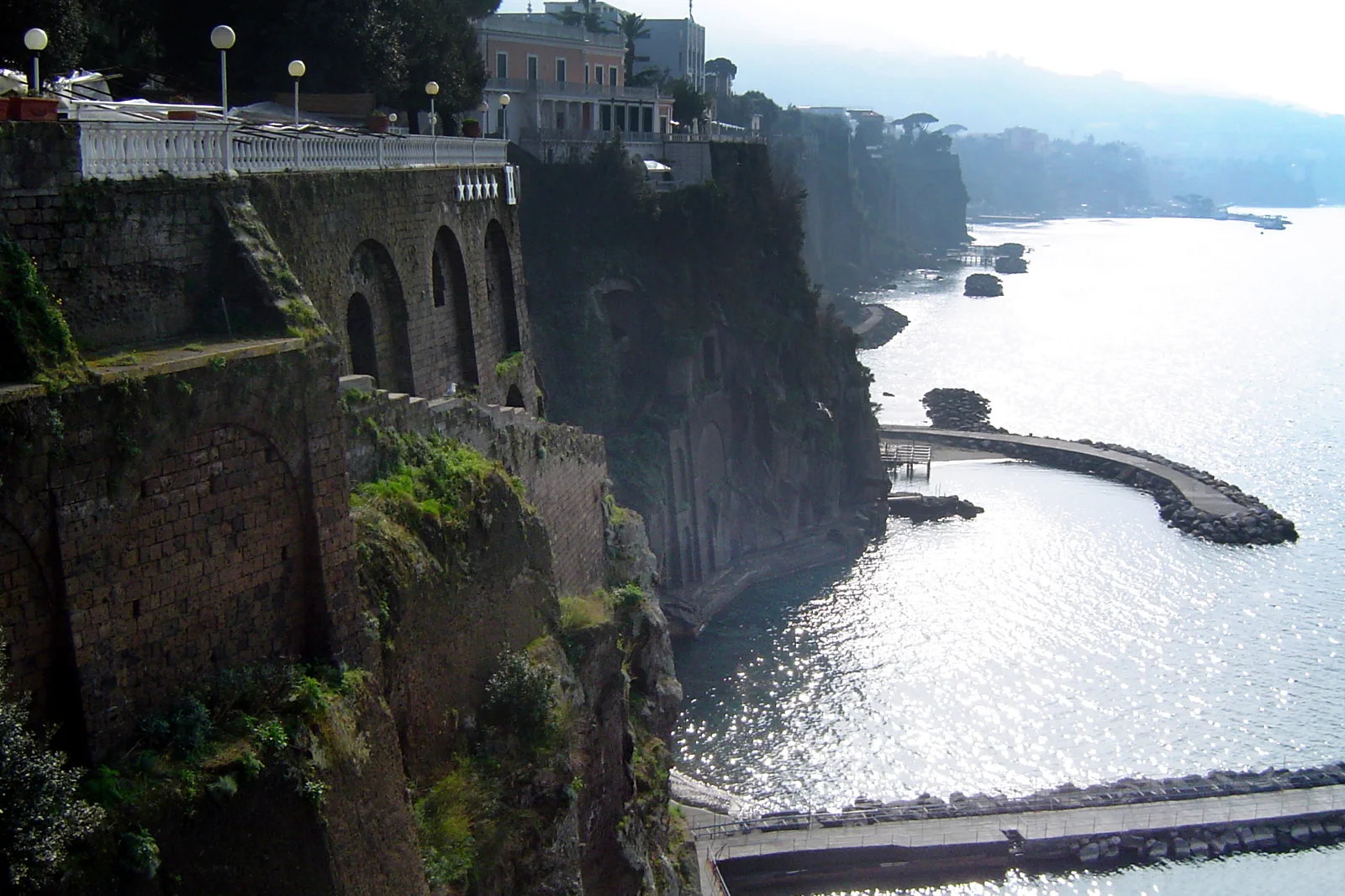 16
16Puglia
Puglia looks linear on a national rail map, but its useful journeys split between the Adriatic main line, FS Sud Est branches, inland UNESCO sites and two very…
Open the regional folio →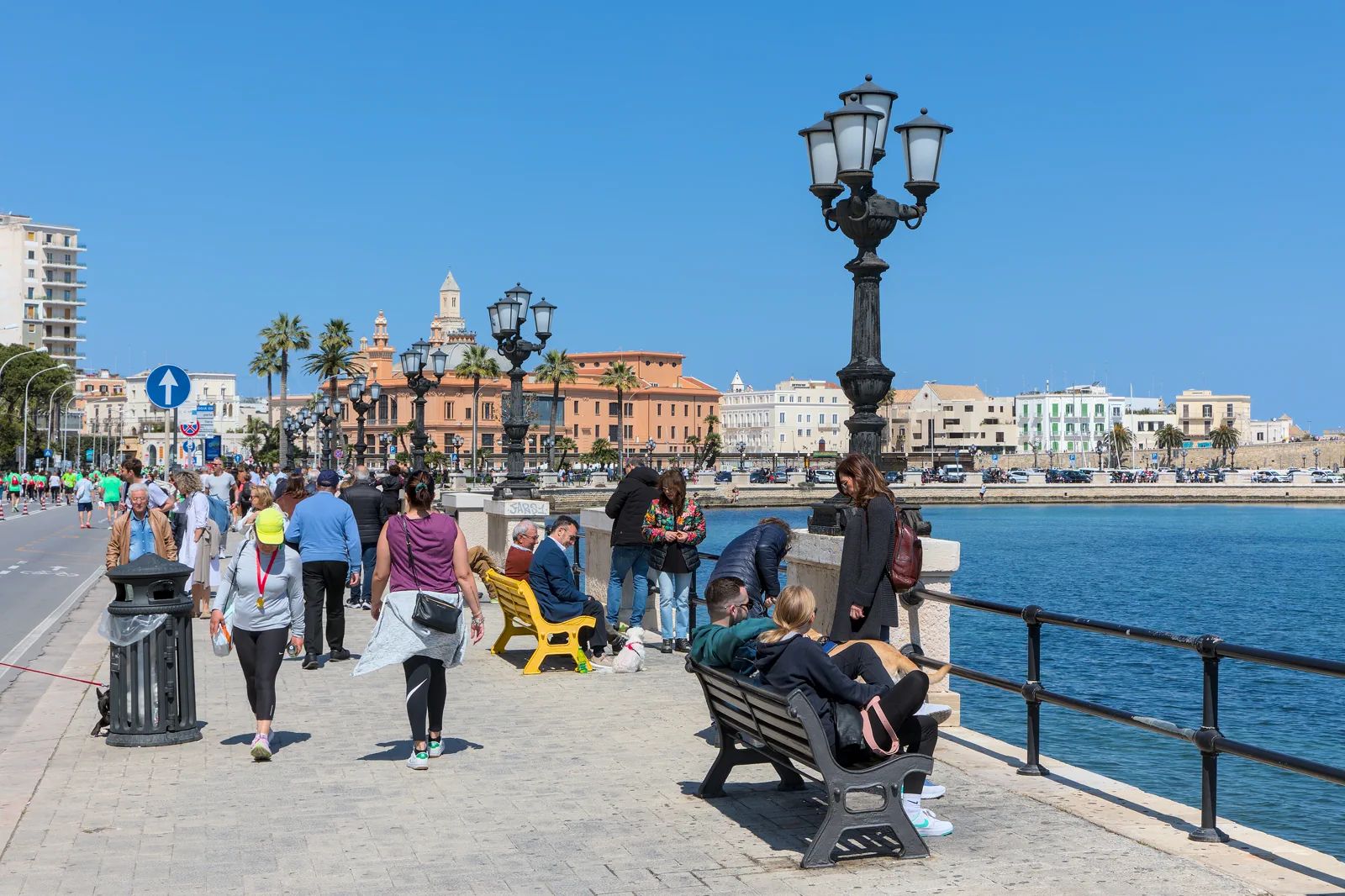 17
17Basilicata & Calabria
Basilicata and Calabria join dramatic stone, high national parks and long coastlines, but they do not form one effortless road trip. Matera looks toward Bari by…
Open the regional folio →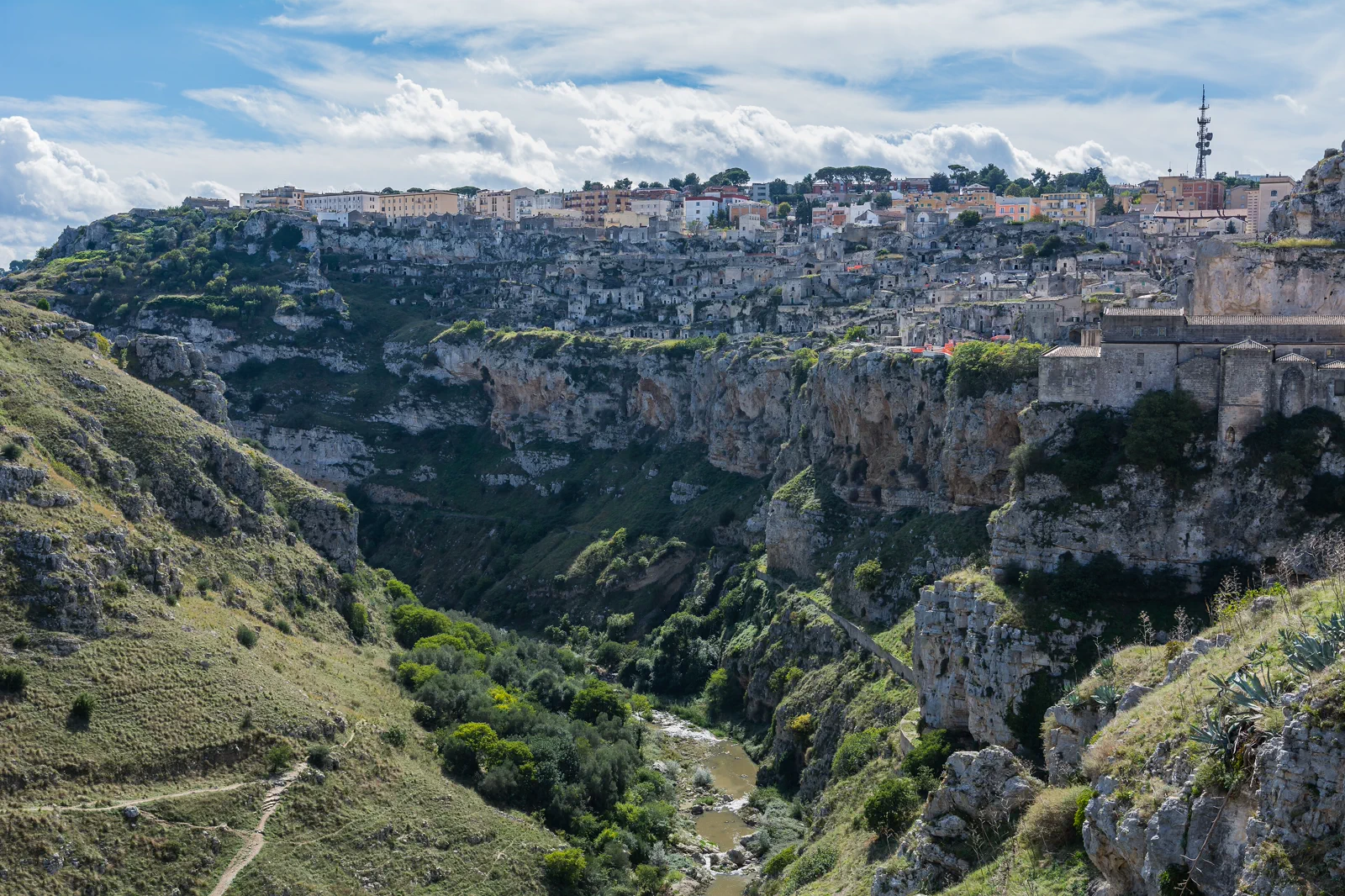 18
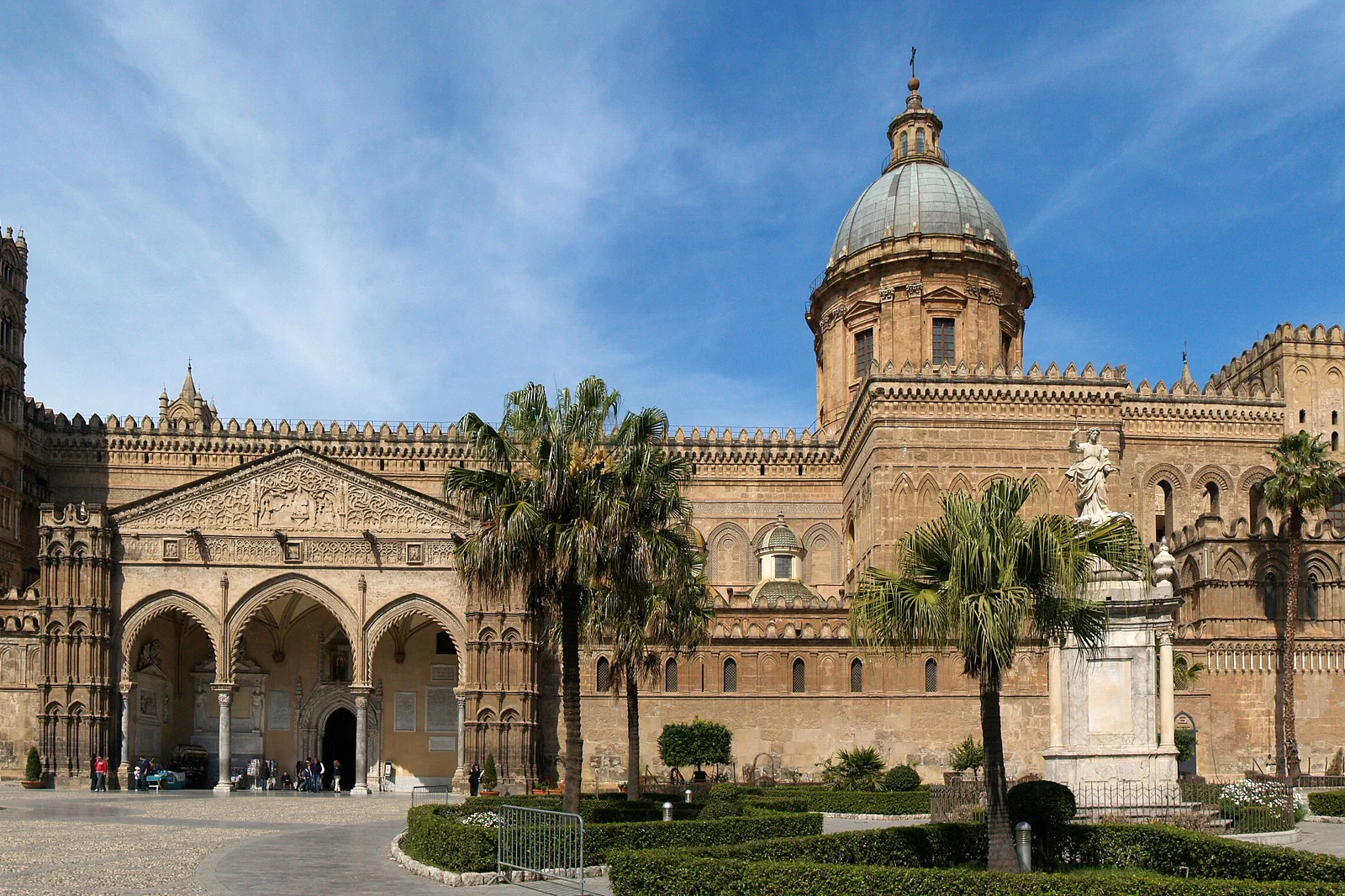
18Western Sicily
Western Sicily combines Palermo’s dense living capital, large archaeological landscapes and a wind-exposed ferry coast. The rail and bus network reaches useful…
Open the regional folio →19Eastern Sicily
Eastern Sicily is shaped by Etna, the Ionian coast and the rebuilt baroque southeast, but each has a different operating system. Catania can support a city or…
Open the regional folio →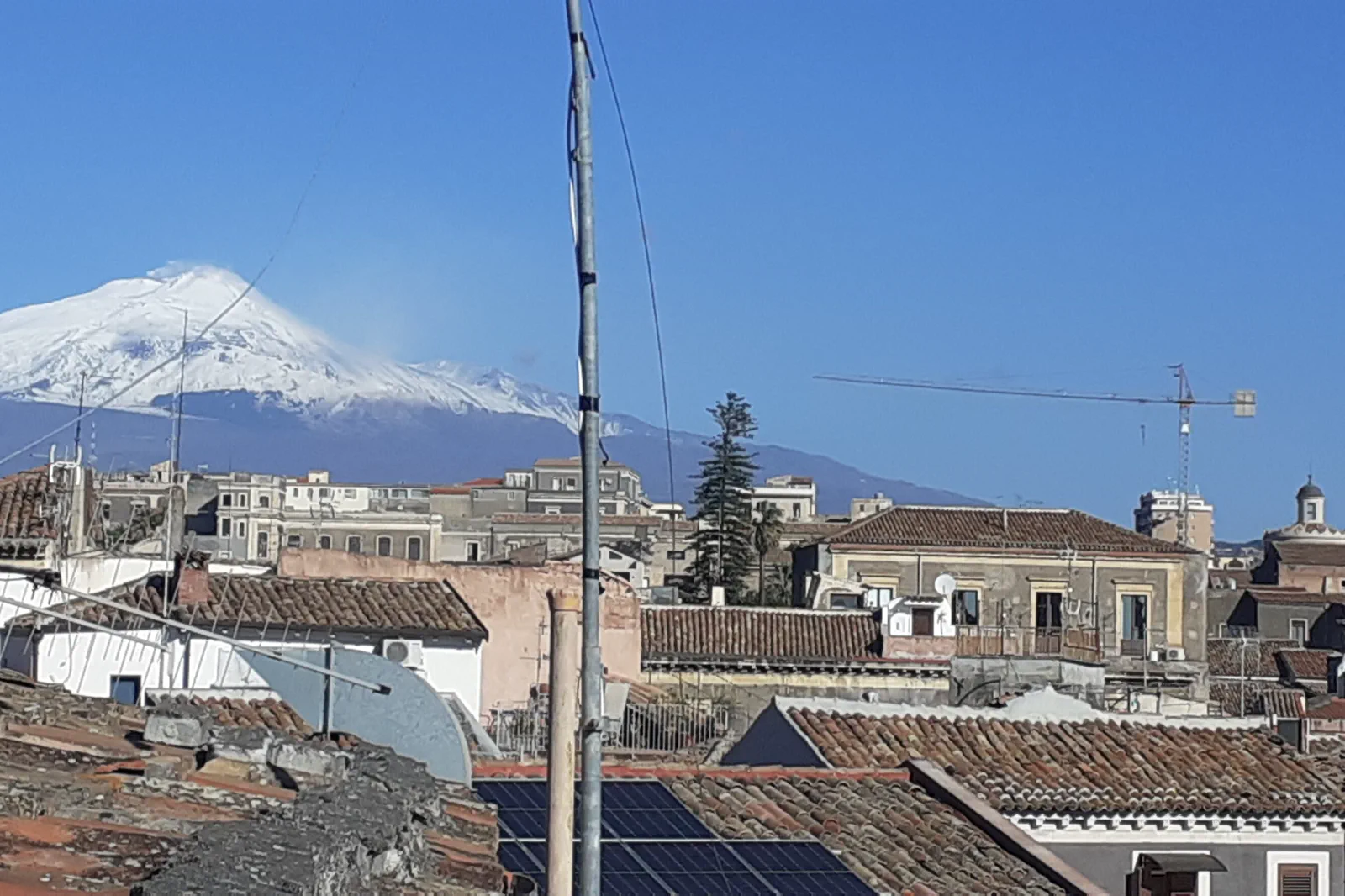 20
20Sardinia
Sardinia is an island large enough to require regional bases, not a beach added to an Italian city trip. Cagliari and the south, La Maddalena and Gallura, and the…
Open the regional folio →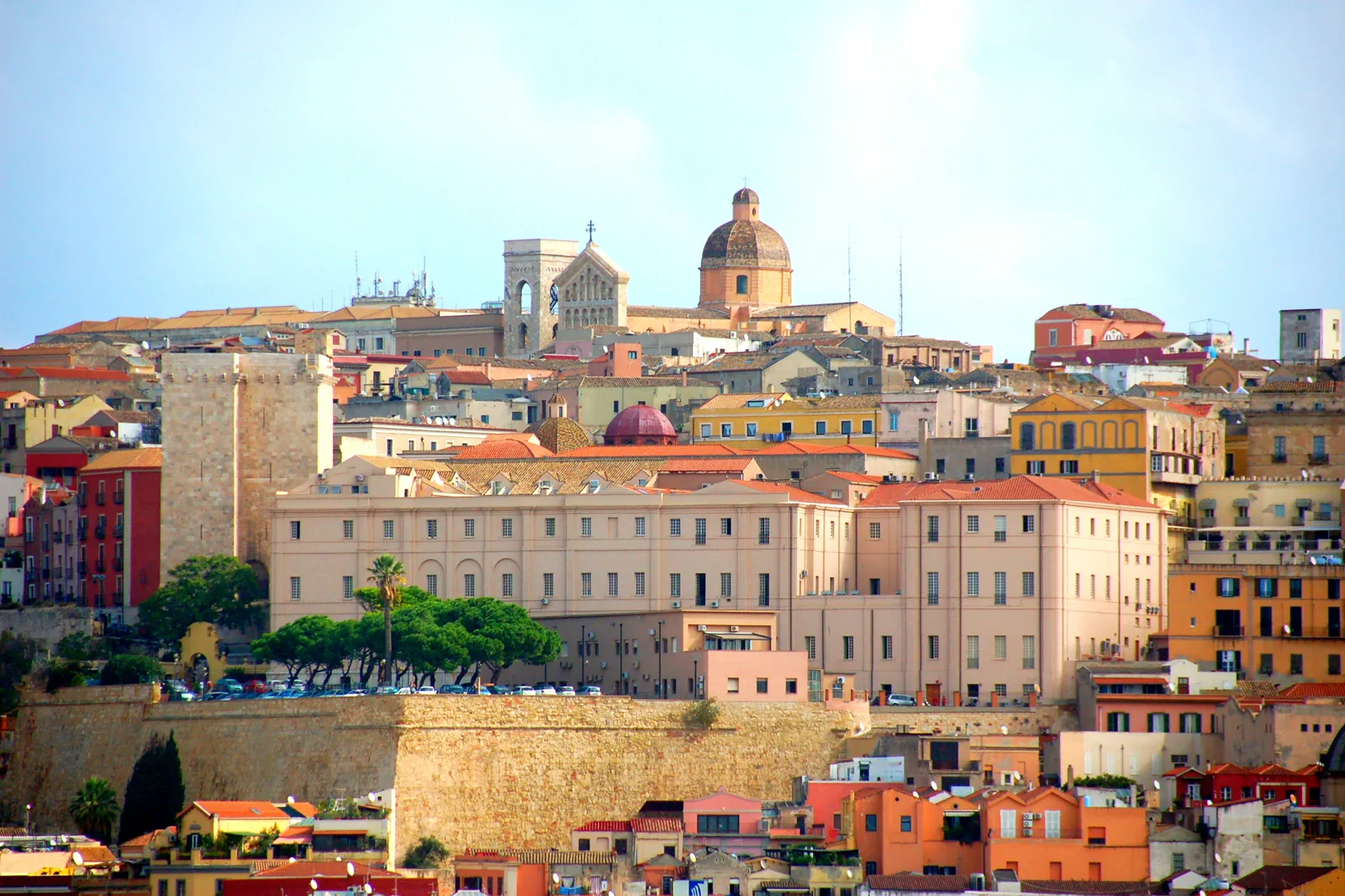
The trunk is fast; the meaningful day begins at the last mile.
Keep national rail, city access, rural thresholds and coast or mountain operation as separate contracts.
Price the named train and station.
Advance fares, operator rules and station identity matter. A fast journey does not include hotel checkout, platform access or the next rural connection.
One reservation should shape the day.
Uffizi, Vatican, Colosseum, Last Supper, Scrovegni and other controlled interiors each need their own arrival and fallback.
Stop outside the historic core.
Hill towns, vineyards and parks require a named bus, legal lot, tour, bicycle or walking threshold; a map pin is not a transport plan.
Operation can override the booking.
Vaporetto routes, ferries, lifts, trails, volcanoes and coast roads need live checks and a return that survives disruption.
Count stable bases, not regions crossed.
One clear corridor
Choose Rome plus Tuscany, Venice plus the north, Campania, Sicily or another coherent system. Use two or three bases at most.
Two systems with one honest transfer
Pair a northern or central rail corridor with one southern or island system, counting the luggage and port day.
Three bases and one landscape branch
Add a lake, hill-town, coast or mountain system only when it changes the trip’s argument, not to collect another region.
Do not protect the second ticket before the first threshold is real.
Airports and terminal cities
Rome, Milan, Venice, Naples, Bologna, Pisa, Sicily and Sardinia use different airport-to-city contracts. Leave margin before separately ticketed rail or ferries.
High-speed versus regional
Fast trains solve the trunk; regional rail, private operators, bus links and port transfers solve the places visitors actually sleep and enter.
Cars, ZTLs and islands
Use cars selectively outside city cores, identify legal parking and treat vehicle ferries, island roads and wine visits as separate decisions.
Italy FAQ
How many bases suit a first Italy trip?
For seven to ten days, choose one north–central rail corridor or one southern system and use two or three bases. For fourteen to twenty-one days, add a second corridor only when the transfer day and luggage move are explicit.
Should I buy a rail pass?
Price the exact high-speed and regional journeys against advance or flexible tickets. Local buses, private railways, ferries, mountain lifts and reservations are separate products and may matter more than the trunk fare.
Do I need a car?
Rome, Florence, Venice, Milan, Naples and many art cities work better without one. A car can help in rural Tuscany, Basilicata, Calabria and Sardinia, but ZTLs, parking, mountain roads, ferries and wine visits can make it a liability.
What should I reserve first?
Reserve the highest-priority controlled monument or collection after the corridor and base are stable. Then align the train, station exit or port; do not build the country route around a list of unrelated ticket times.
How should I handle strikes, heat or closures?
Recheck the operator and local authority, keep a complete city-strength fallback in the same base and avoid tying a separate flight, ferry or long rail ticket to a fragile exposed day.
Official sources and photo credits
Country planning and image licensing were reviewed on 26 September 2026. Entry, rail, roads, ZTLs, paths, ferries, weather and operating status change; verify directly before travel.
- Italia.it — official national tourism portal.
- Italia.it — official travel-around-Italy guidance.
- Trenitalia — official national and regional rail planning.
- IT-alert — official public warning information.
- Forum Romanum through Arch of Septimius Severus Forum Romanum Rome.jpg — Jebulon, CC0. Resized, display-cropped and converted to WebP; no other material edits.
- Napoli vista dall'alto. 0009.jpg — Giuseppe Guida, CC BY-SA 4.0. Resized, display-cropped and converted to WebP; no other material edits.
- Sorrento Cliff 2.jpg — Halley from Boston, CC BY 2.0. Resized, display-cropped and converted to WebP; no other material edits.
- Firenze - Florence - Galleria degli Uffizi - Terrace on top of Loggia dei Lanzi - View on il Duomo & thunderclouds.jpg — Txllxt TxllxT, CC BY-SA 4.0. Resized, display-cropped and converted to WebP; no other material edits.
- Piazza del Campo de Siena un dia de pluja.JPG — Joanbanjo, CC BY-SA 3.0. Resized, display-cropped and converted to WebP; no other material edits.
- Perugia - Palazzo dei Priori - 2025-09-07 21-53-14 001.JPG — Maddy16869, CC BY-SA 4.0. Resized, display-cropped and converted to WebP; no other material edits.
- Bologna Piazza Maggiore 11.jpg — GennaroBologna, CC BY-SA 4.0. Resized, display-cropped and converted to WebP; no other material edits.
- Panorama Piazza San Marco and Venice on Easter 2013.jpg — Wolfgang Moroder, CC BY-SA 3.0. Resized, display-cropped and converted to WebP; no other material edits.
- Verona Italy Piazza Bra from arena DSC08039.JPG — David Monniaux, CC BY-SA 3.0. Resized, display-cropped and converted to WebP; no other material edits.
- Gries-Bozen vom Guntschnaberg Richtung Süden.jpg — Bartleby08, CC BY-SA 4.0. Resized, display-cropped and converted to WebP; no other material edits.
- Milan-duomo-front-facade.jpg — Skarkkai, CC0. Resized, display-cropped and converted to WebP; no other material edits.
- Bellagio and Lake Como from Menaggio-Varenna ferry.jpg — Daniel Case, CC BY-SA 3.0. Resized, display-cropped and converted to WebP; no other material edits.
- Piazza Castello di Torino e scorcio della Piazzetta Reale.jpg — Guglielmo di Rivoli, CC0. Resized, display-cropped and converted to WebP; no other material edits.
- Genova panorama Molo Carignano.jpg — Bbruno, CC BY-SA 4.0. Resized, display-cropped and converted to WebP; no other material edits.
- Urbino-palazzo e borgo.jpg — Il conte di Luna, CC BY-SA 2.0. Resized, display-cropped and converted to WebP; no other material edits.
- Bari - Lungomare Araldo di Crollalanza.jpg — Benjamin Smith, CC BY-SA 4.0. Resized, display-cropped and converted to WebP; no other material edits.
- Matera gorge south-2879.jpg — Isiwal, CC BY-SA 4.0. Resized, display-cropped and converted to WebP; no other material edits.
- Panoramica Cattedrale di Palermo.jpg — Kiban, CC BY-SA 3.0. Resized, display-cropped and converted to WebP; no other material edits.
- Etna, Catania (Italy).jpg — 1888-stefan, CC0. Resized, display-cropped and converted to WebP; no other material edits.
- Castello (Cagliari).jpg — Municipality of Cagliari, CC BY-SA 3.0 it. Resized, display-cropped and converted to WebP; no other material edits.