Verona, Vicenza & Padua
Give each rail city its own timed work, civic layer and return instead of racing all three.
Verona, Vicenza and Padua sit on a strong east–west railway, but the fast train is not a license to compress them. Verona’s Arena changes character on performance days, Vicenza’s Palladian villas leave the walkable centre, and Padua’s Scrovegni Chapel uses a strict timed threshold. Each city needs a separate accession plan from station to one principal work, followed by a return that does not depend on squeezing in the next city.
Base, transfer, season and fallback must work together.
Sleep beside the useful departure.
Three to five nights supports two city days and a third specialist branch, with Verona or Padua offering the broadest onward rail choices. Vicenza rewards an overnight when architecture or evening streets matter. A single base can work, but daily station transfers should not replace time inside the art and civic spaces.
Name the whole last mile.
Frequent trains join the three principal stations, yet Verona Porta Nuova, Vicenza and Padova stations sit outside their key visitor thresholds. Local buses, trams or walks finish the trip; a rural Palladian villa needs another contract. Keep high-speed reservations, regional flexibility and last-mile city transport as separate choices.
Let current conditions edit the route.
Summer Arena performances, university activity, exhibitions and holiday weekends can transform availability and street flow. Heat makes Verona’s river loop and villa approaches slower; rain changes Padua’s fresco-to-basilica walking plan; winter may simplify crowds while shortening the practical villa and garden window.
Keep one complete lower-risk day.
If a timed chapel, Arena, theatre or villa becomes unavailable, keep a full city day around its civic museums, churches and public architecture. Remain in Verona, Vicenza or Padua rather than boarding a train to replace one missed door with another city’s unresearched schedule.
Choose the gateway, threshold and return you actually have.
Each route uses a different planning instrument, exact official sources and a complete alternative when the main gate closes.
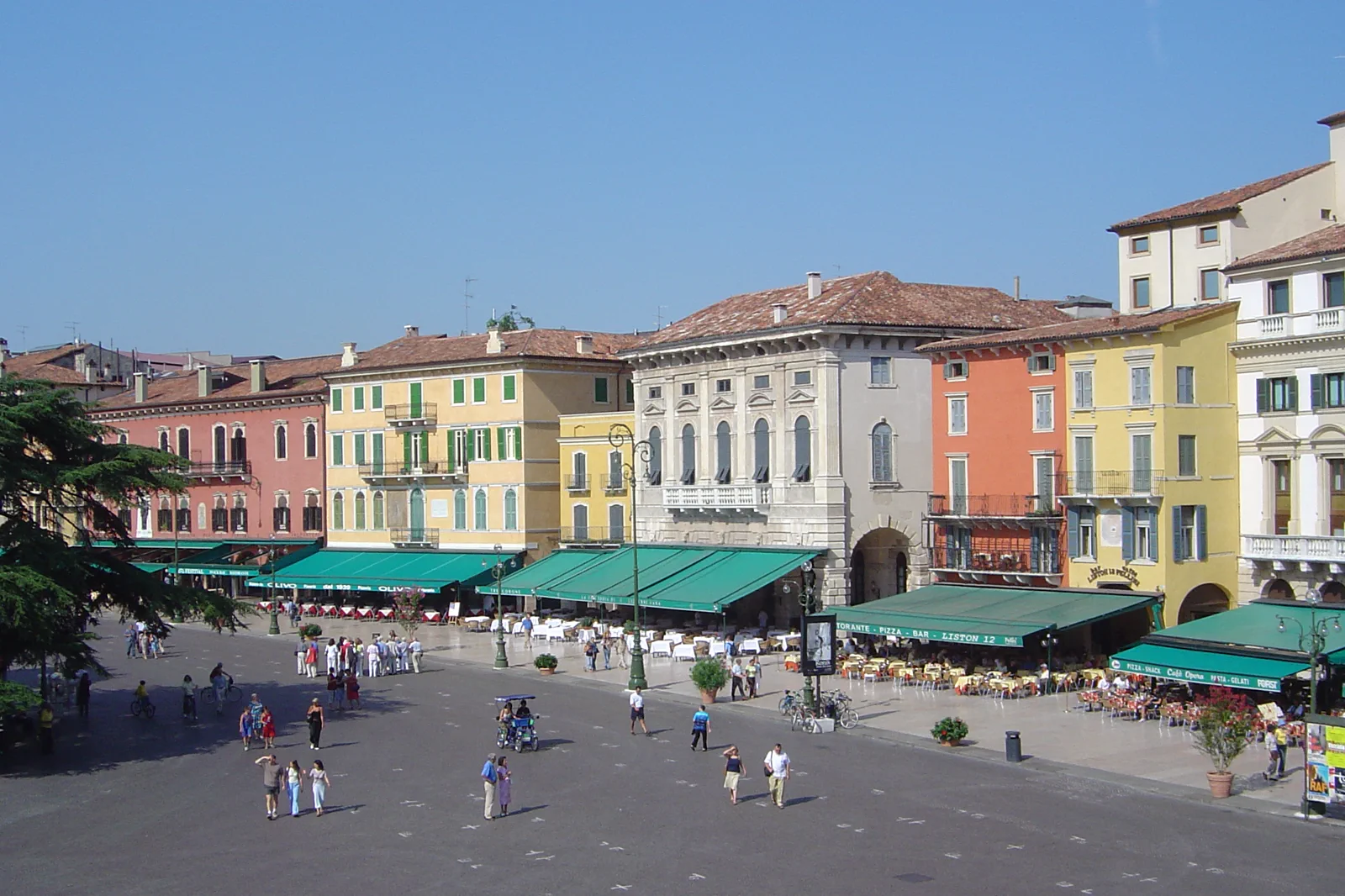
Verona Arena & River
Choose an Arena visit or performance, Verona’s Roman and Castelvecchio collections, or an Adige street-and-river circuit, then let event security and the Porta Nuova transfer set the city clock.
Open the complete route →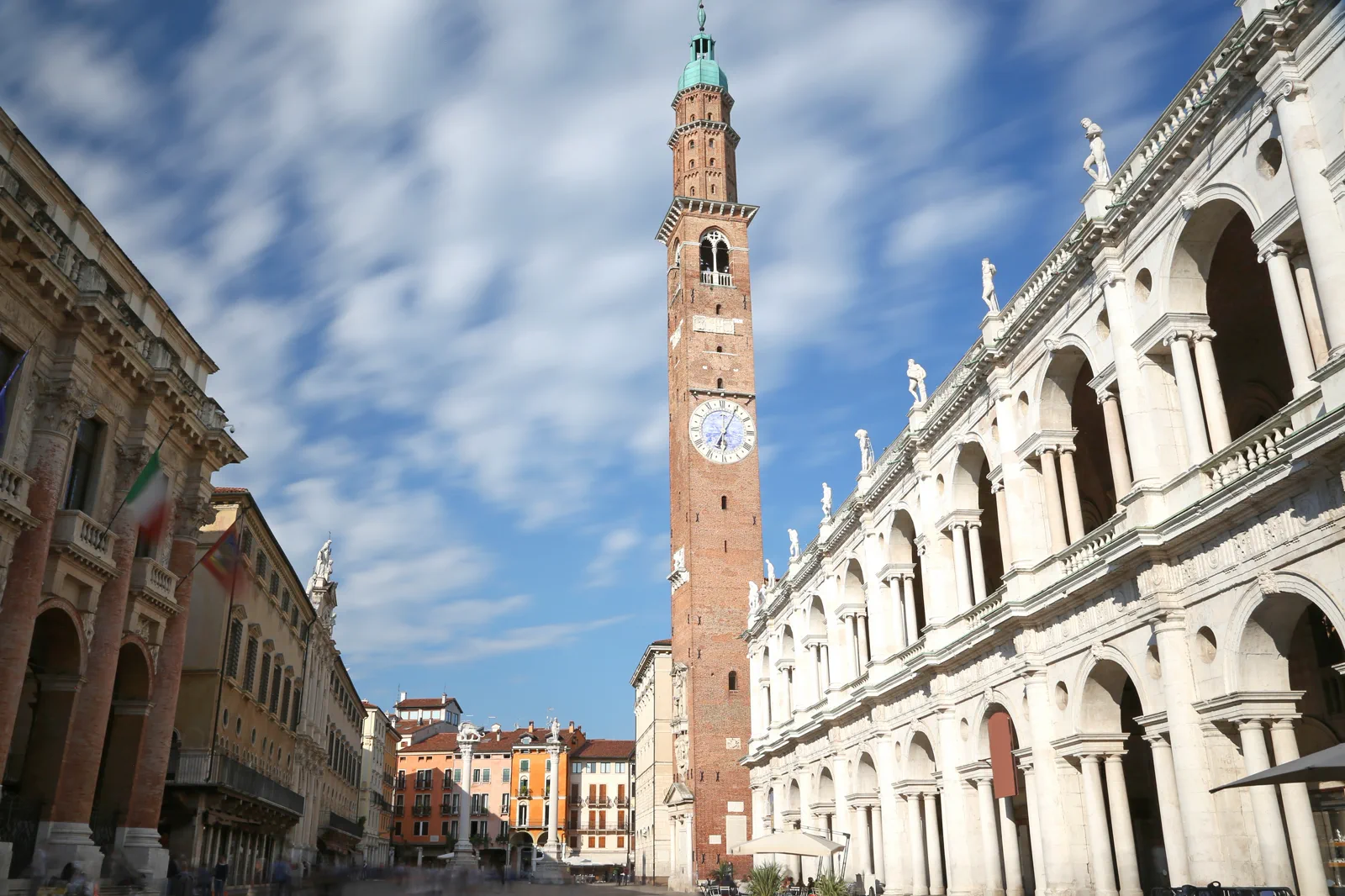
Vicenza Palladian City
Choose a walk through Palladio’s central city, the Teatro Olimpico and civic collections, or one specifically selected villa, then distinguish walkable architecture from a countryside last mile.
Open the complete route →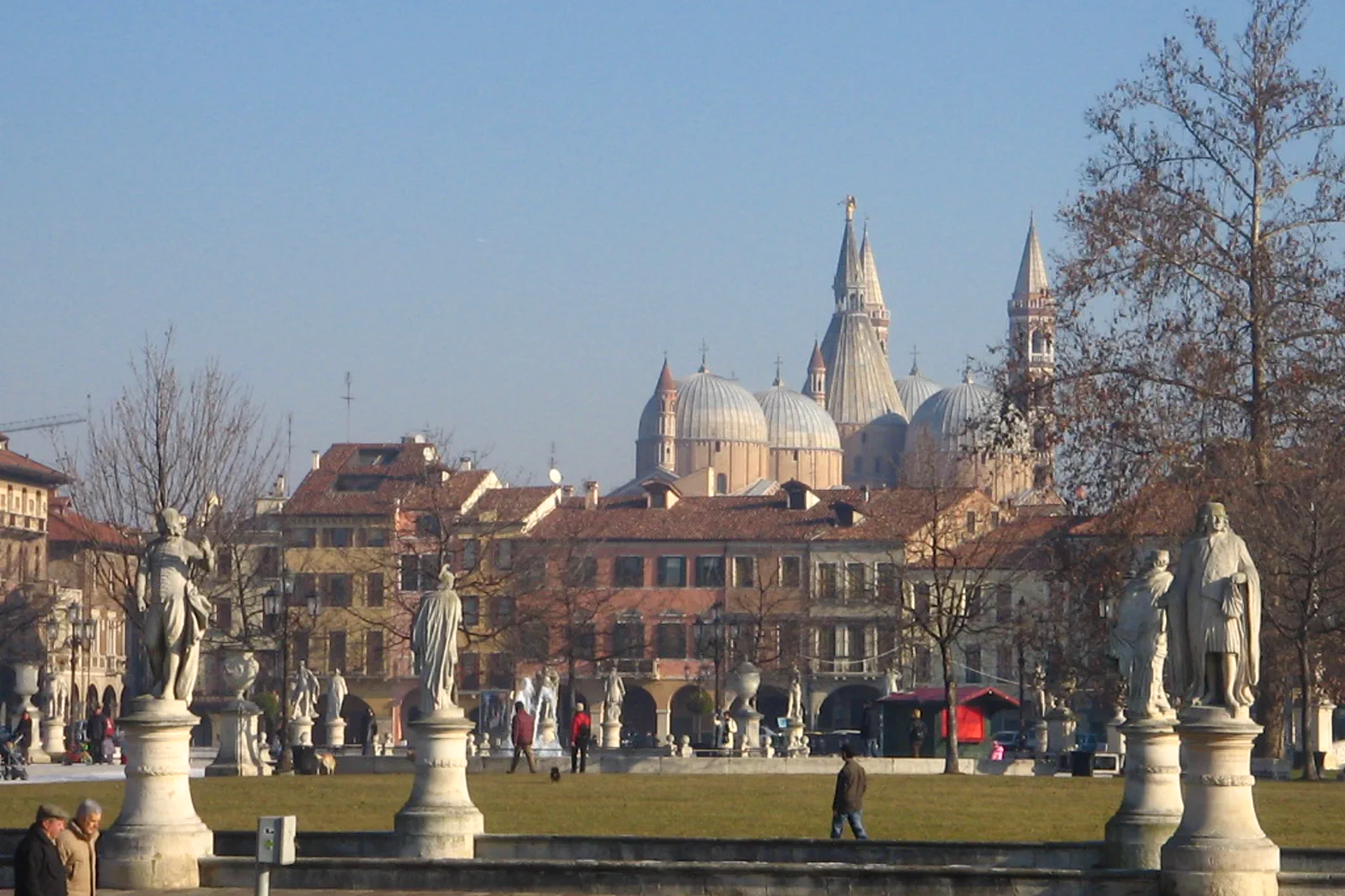
Padua Frescoes & Basilica
Choose the Scrovegni Chapel’s strict timed admission, the Basilica of Saint Anthony and pilgrimage city, or Padua’s civic market-and-palace layer, then build the street sequence around that non-negotiable threshold.
Open the complete route →Every route gains something by leaving something else out.
Verona Arena & River
Gateway: Verona Porta Nuova is south of Piazza Bra rather than inside the historic centre. City buses and a substantial walk use different arrival points; event closures or ZTL controls can alter drop-offs. Identify the Arena entrance or first museum before leaving the station, and keep the correct Porta Nuova return stop separate from local “Verona” labels.
Sacrifice: An Arena performance controls security, bag, meal and finish times, while Castelvecchio and the Roman sites pull the route in different directions along the Adige. Choosing one central clock gives up another major interior but protects both the river geography and the onward journey.
Time: Allow six to eight hours for one major interior and the river-centre route. An evening Arena performance turns the visit into a full day and requires a protected meal and security buffer.
Vicenza Palladian City
Gateway: Vicenza station lies southwest of the walkable centre, with a direct approach toward Corso Palladio and Piazza dei Signori. Teatro Olimpico and the main civic museums cluster centrally, but villas such as La Rotonda use separate walking, bus, taxi or driving arrangements. Confirm the exact villa entrance rather than navigating to a UNESCO label.
Sacrifice: The city’s Palladian facades are best understood as a connected urban sequence, while Teatro Olimpico and Palazzo Chiericati reward sustained interiors. A villa adds landscape but removes city time and transport flexibility, so one branch must become the explicit sacrifice.
Time: Allow five to seven hours for the central city and two compatible interiors. A villa extension normally needs a full day or a deliberately shortened Vicenza centre.
Padua Frescoes & Basilica
Gateway: Padova station stands north of the centre. The Eremitani and Scrovegni area is reachable by a direct walk or urban transit, while the basilica lies farther south along the city axis. The chapel requires the visitor to follow the stated ticket-collection and reporting instructions; the booking time is not the moment to arrive at the park gate.
Sacrifice: Scrovegni admission fixes a precise part of the day and demands punctuality, while the basilica operates around worship rather than museum timing. Attempting both plus every civic palace reduces each to a crossing, so the booked fresco or sacred quarter must take priority.
Time: Allow six to eight hours for Scrovegni, civic context and a basilica or market finish. Without chapel admission, a focused civic-and-sacred route still needs most of a day.
These sources control the moving parts.
Use this guide for structure, then reopen the official destination, transport, park or venue information for the exact date.
Verona, Vicenza & Padua FAQ
How long should I give Verona, Vicenza & Padua?
Three to five nights supports two city days and a third specialist branch, with Verona or Padua offering the broadest onward rail choices. Vicenza rewards an overnight when architecture or evening streets matter. A single base can work, but daily station transfers should not replace time inside the art and civic spaces.
What transport decision matters most around Verona, Vicenza & Padua?
Frequent trains join the three principal stations, yet Verona Porta Nuova, Vicenza and Padova stations sit outside their key visitor thresholds. Local buses, trams or walks finish the trip; a rural Palladian villa needs another contract. Keep high-speed reservations, regional flexibility and last-mile city transport as separate choices.
What should I do if weather, access or transport changes?
If a timed chapel, Arena, theatre or villa becomes unavailable, keep a full city day around its civic museums, churches and public architecture. Remain in Verona, Vicenza or Padua rather than boarding a train to replace one missed door with another city’s unresearched schedule.
Official sources and photo credits
Planning facts and image licensing were reviewed on 26 September 2026. Verify current tickets, rail, roads, ZTLs, paths, ferries and site access before travel.
- Visit Verona — official destination information.
- Vicenzaè — official Vicenza and province visitor information.
- Turismo Padova — official destination information.
- Verona Italy Piazza Bra from arena DSC08039.JPG — David Monniaux, CC BY-SA 3.0. Resized, display-cropped and converted to WebP; no other material edits.
- Basilica Palladiana a Vicenza Italy and Piazza dei Signori and Loggia del Capitaniato Palace.jpg — Federico, CC BY-SA 4.0. Resized, display-cropped and converted to WebP; no other material edits.
- Prato 5 con Santo.JPG — P tasso, CC BY-SA 3.0. Resized, display-cropped and converted to WebP; no other material edits.