Verona Arena & River
Move from Verona Porta Nuova to one controlled cultural anchor, follow a single line through Piazza Bra, the historic core and the Adige, and finish on the station-facing side before an evening event or regional train removes the margin.
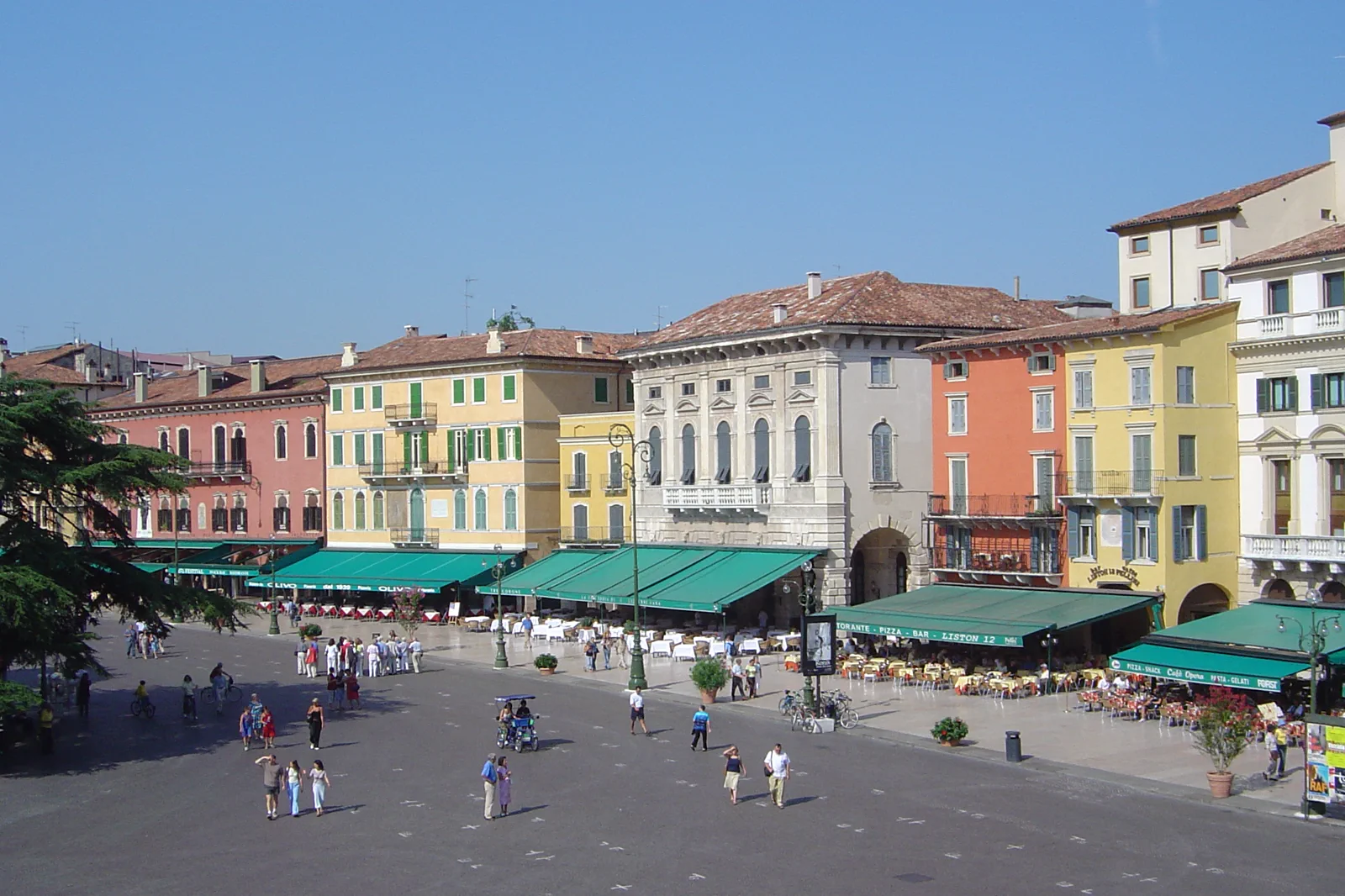
Three useful routes, each with a visible sacrifice.
Choose an Arena visit or performance, Verona’s Roman and Castelvecchio collections, or an Adige street-and-river circuit, then let event security and the Porta Nuova transfer set the city clock.
01 →Arena or performance day
Make the Arena ticket, event check-in and Piazza Bra the fixed sequence. This is the strongest monumental choice, but a performance-day security window sacrifices a deep museum and long river circuit.
02 →Roman and Castelvecchio layers
Choose Castelvecchio with the bridge, or the Roman archaeology line across the river, and connect only nearby civic evidence. Collection depth means the Arena remains exterior context.
03 ↺Adige streets and viewpoints
Use Piazza delle Erbe, the river crossings and one elevated or riverside finish as a largely public route. It is flexible around tickets but weather and walking replace the certainty of an interior.
Begin where the transport actually ends.
Verona Porta Nuova is south of Piazza Bra rather than inside the historic centre. City buses and a substantial walk use different arrival points; event closures or ZTL controls can alter drop-offs. Identify the Arena entrance or first museum before leaving the station, and keep the correct Porta Nuova return stop separate from local “Verona” labels.
Know what the chosen line leaves out.
An Arena performance controls security, bag, meal and finish times, while Castelvecchio and the Roman sites pull the route in different directions along the Adige. Choosing one central clock gives up another major interior but protects both the river geography and the onward journey.
Verona, Vicenza & Padua has four layers to align.
Verona, Vicenza and Padua sit on a strong east–west railway, but the fast train is not a license to compress them. Verona’s Arena changes character on performance days, Vicenza’s Palladian villas leave the walkable centre, and Padua’s Scrovegni Chapel uses a strict timed threshold. Each city needs a separate accession plan from station to one principal work, followed by a return that does not depend on squeezing in the next city.
BASE
Three to five nights supports two city days and a third specialist branch, with Verona or Padua offering the broadest onward rail choices. Vicenza rewards an overnight when architecture or evening streets matter. A single base can work, but daily station transfers should not replace time inside the art and civic spaces.
TRANSFER
Frequent trains join the three principal stations, yet Verona Porta Nuova, Vicenza and Padova stations sit outside their key visitor thresholds. Local buses, trams or walks finish the trip; a rural Palladian villa needs another contract. Keep high-speed reservations, regional flexibility and last-mile city transport as separate choices.
SEASON
Summer Arena performances, university activity, exhibitions and holiday weekends can transform availability and street flow. Heat makes Verona’s river loop and villa approaches slower; rain changes Padua’s fresco-to-basilica walking plan; winter may simplify crowds while shortening the practical villa and garden window.
LOWER-RISK DAY
If a timed chapel, Arena, theatre or villa becomes unavailable, keep a full city day around its civic museums, churches and public architecture. Remain in Verona, Vicenza or Padua rather than boarding a train to replace one missed door with another city’s unresearched schedule.
Arrive, cross one gate, use one layer, then protect the return.
Check the Arena’s current visitor or event notice, the selected civic museum, local bus service, security and bag rules, and any central traffic restriction before leaving Porta Nuova.
- 01Arrive
Bridge the station gap
From Porta Nuova, use the verified bus or direct walk to Piazza Bra and save the return stop. Do not begin with a peripheral detour before the event or museum door.
- 02Cross the threshold
Meet the Arena-side anchor
Enter the Arena under current visitor or performance instructions, or use Castelvecchio as the fixed collection. Keep security and ticket collection inside the scheduled block.
- 03Use the layer
Follow one Adige line
Move through Piazza delle Erbe toward the chosen bridge, Roman layer or river view without shuttling across the centre. Use the second bank only when it serves the planned finish.
- 04Protect the return
Return before event pressure
End near a direct station bus or the booked performance entrance. If attending an evening event, separate the pre-event meal and security queue from the sightseeing clock.
Reopen the pages that control today’s gate.
The guide provides the decision structure; these authorities control admission, transport, paths, weather, marine operation and closures.
Keep a complete alternative, not fragments.
If the Arena is unavailable, retain Piazza Bra and complete Castelvecchio, the civic centre and a short Adige crossing. If rain or high heat removes the river section, use the confirmed civic museums rather than boarding for another Veneto city.
Check the Arena’s current visitor or event notice, the selected civic museum, local bus service, security and bag rules, and any central traffic restriction before leaving Porta Nuova.
Change the plan while the return is still strong.
Event days change the monument
Rehearsals, performances and security setup can modify ordinary Arena access. A daytime admission assumption may not survive an evening program.
Porta Nuova is a separate leg
The station-to-centre walk and bus wait belong in every arrival and departure calculation, especially after a late performance.
The river creates false shortcuts
Bridges are specific and slopes differ. Choose the crossing that advances the route instead of chasing viewpoints on both banks.
Other complete ways to use Verona, Vicenza & Padua.
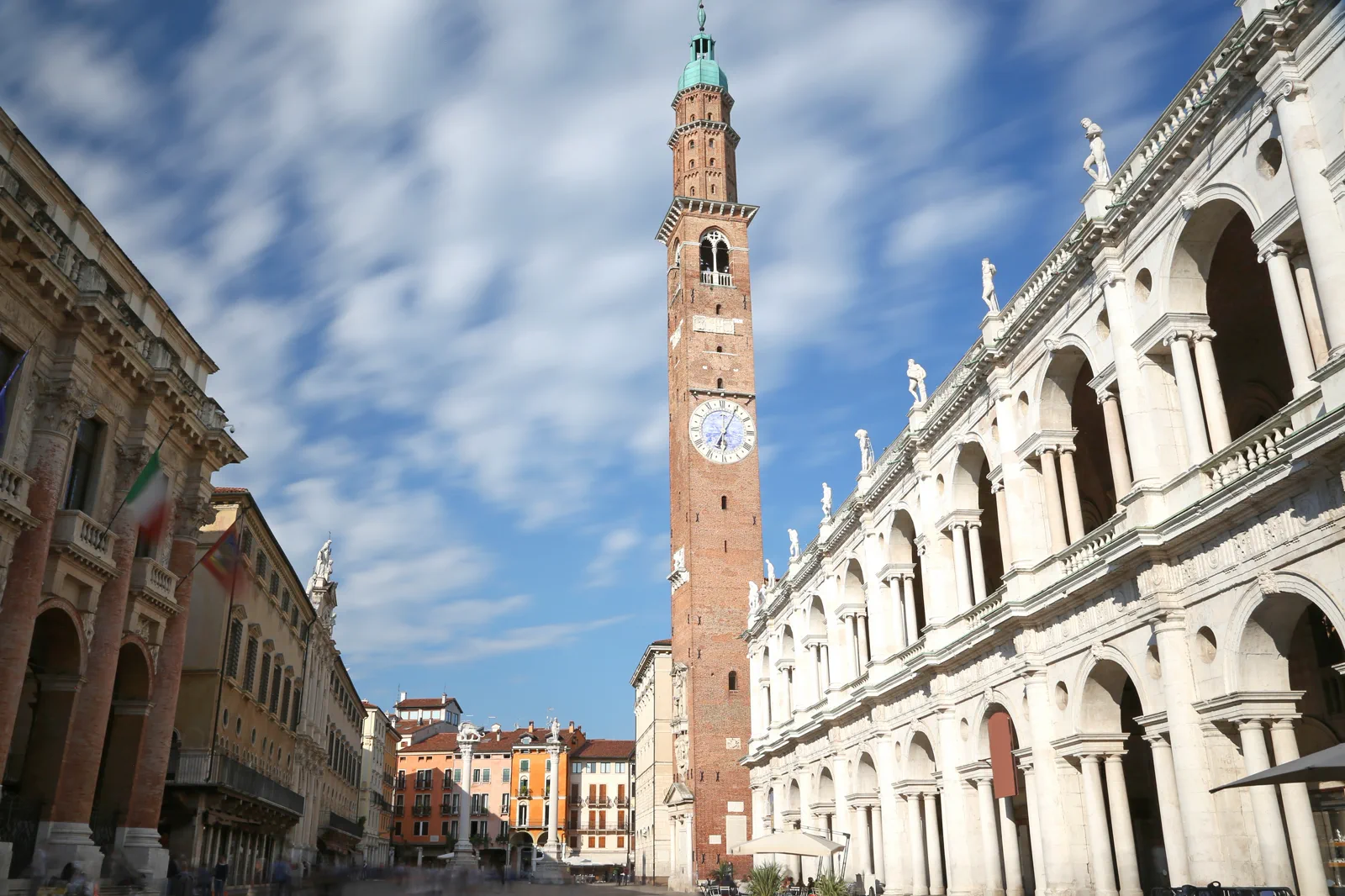
Vicenza Palladian City
Choose a walk through Palladio’s central city, the Teatro Olimpico and civic collections, or one specifically selected…
Open this route folio →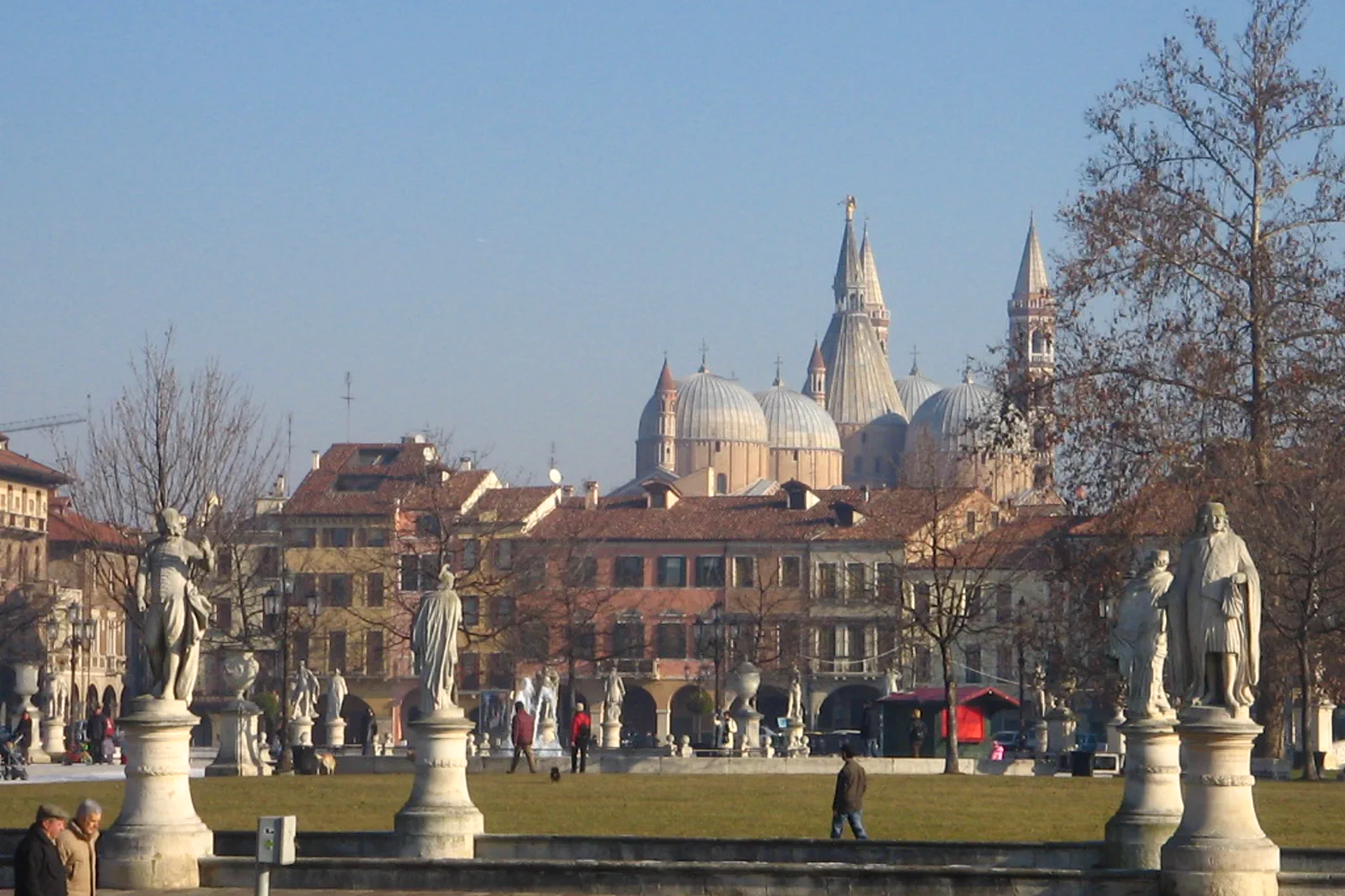
Padua Frescoes & Basilica
Choose the Scrovegni Chapel’s strict timed admission, the Basilica of Saint Anthony and pilgrimage city, or Padua’s civic…
Open this route folio →Verona Arena & River FAQ
How much time should I give Verona Arena & River?
Allow six to eight hours for one major interior and the river-centre route. An evening Arena performance turns the visit into a full day and requires a protected meal and security buffer.
What should I combine with Verona Arena & River?
Combine the Arena with the immediate historic core, or Castelvecchio with one Adige bridge line. Keep Lake Garda, Vicenza and a second performance-scale interior for separate days.
What should I verify before leaving?
Check the Arena’s current visitor or event notice, the selected civic museum, local bus service, security and bag rules, and any central traffic restriction before leaving Porta Nuova.
Official sources and photo credits
Planning facts and image licensing were reviewed on 26 September 2026. Admission, rail, roads, ZTLs, paths, ferries, weather and local access can change; reopen the linked authority or operator before travel.
- Visit Verona — official visitor information.
- Musei Civici Verona — official civic museum information.
- Vicenzaè — official Vicenza and province visitor information.
- Turismo Padova — official destination information.
- Verona Italy Piazza Bra from arena DSC08039.JPG — David Monniaux, CC BY-SA 3.0. Resized, display-cropped and converted to WebP; no other material edits.
- Basilica Palladiana a Vicenza Italy and Piazza dei Signori and Loggia del Capitaniato Palace.jpg — Federico, CC BY-SA 4.0. Resized, display-cropped and converted to WebP; no other material edits.
- Prato 5 con Santo.JPG — P tasso, CC BY-SA 3.0. Resized, display-cropped and converted to WebP; no other material edits.