Oltrarno, Pitti & Fiesole
Cross the Arno once for Pitti or Oltrarno, or leave directly for Fiesole; complete one hill layer and return by the confirmed downhill transport.
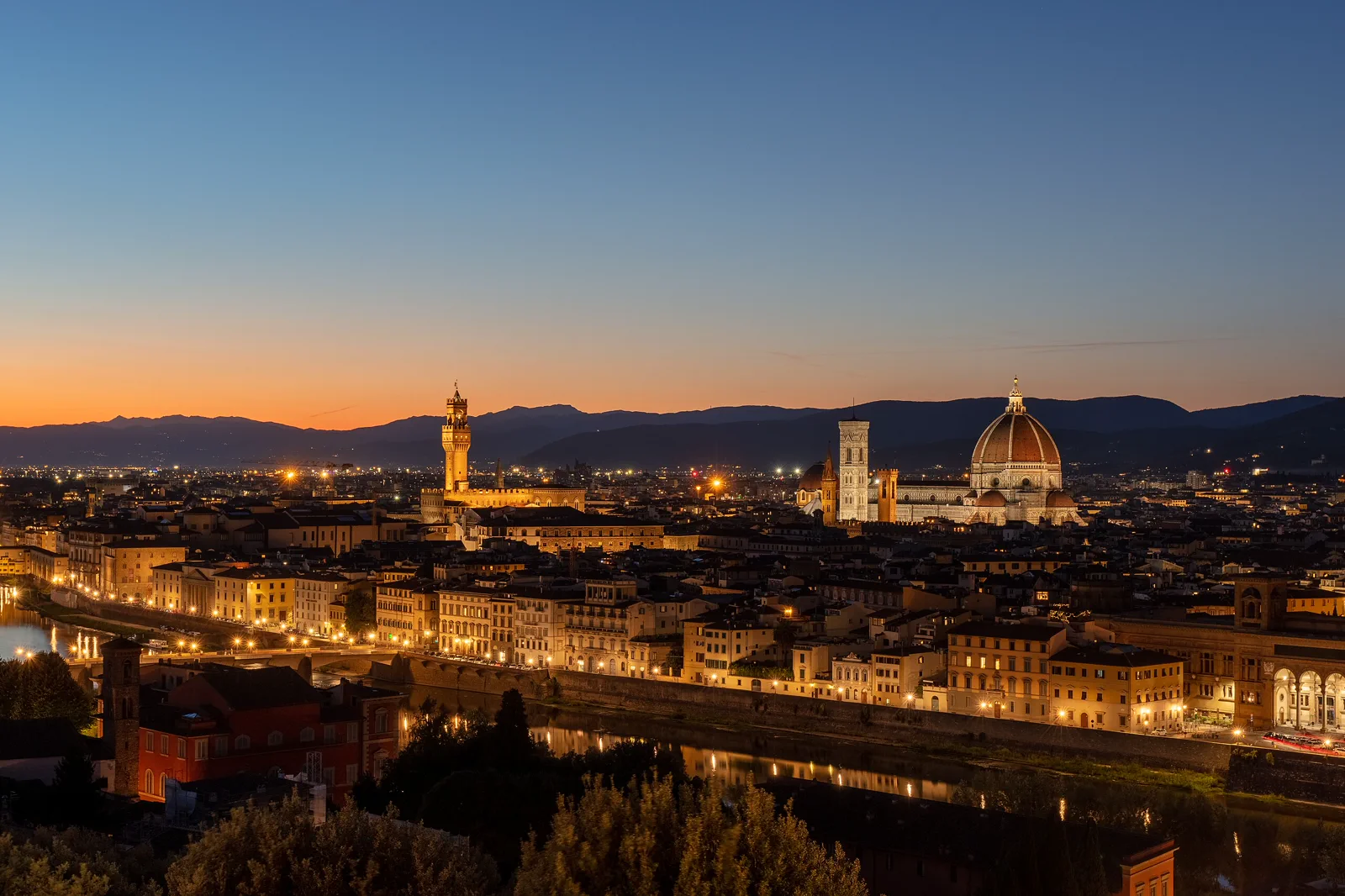
Three useful routes, each with a visible sacrifice.
Choose Pitti and Boboli, an Oltrarno craft-and-church line or Fiesole’s hill setting, then make the bridge or bus climb the day’s single elevation change instead of stacking both hills.
01 Pitti and Boboli
Use palace collections and gardens as the principal block. This offers art and landscape together but is weather- and walking-intensive.
02 Oltrarno street layer
Connect Santo Spirito, one church or workshop context and a river finish. It gives living-neighborhood rhythm but fewer headline collections.
03 Fiesole hill day
Use the confirmed bus for archaeology and views above Florence. It sacrifices Oltrarno depth but provides a different urban scale.
Begin where the transport actually ends.
Ponte Vecchio, Santa Trinita and other bridges lead to different Oltrarno streets. Pitti rises from the river, Boboli adds slopes and Fiesole requires a separate bus corridor. Choose the hill and return before crossing.
Know what the chosen line leaves out.
Pitti/Boboli and Fiesole are both elevation days. Choosing one gives up the other viewpoint but preserves energy for a museum, church or neighborhood meal instead of turning the day into climbing and transit.
Florence, Pisa & Lucca has four layers to align.
Florence is a reservation-heavy walking city; Pisa and Lucca are separate rail cities with different station-to-centre approaches. A strong Tuscany plan gives Florence at least two complete layers and treats the western cities as their own rail decision, not as disposable stops between museum tickets.
BASE
Three to five nights in Florence supports the Duomo/Uffizi core, an Oltrarno day and one western rail branch. Santa Maria Novella is practical for trains; the Duomo core reduces walking to reservations but adds crowd pressure; Oltrarno improves evenings but requires deliberate river crossings.
TRANSFER
Firenze Santa Maria Novella, Campo di Marte and Rifredi solve different arrivals. Pisa Centrale and Pisa San Rossore approach the Field of Miracles differently, while Lucca station sits outside a particular wall gate. Choose station and city order from the first reserved door.
SEASON
Summer heat and major-event crowds increase standing and reduce comfortable hill walks. Museum closure days and restoration can alter the art-city plan. Rain strengthens collections but weakens gardens and towers; keep a complete indoor sequence.
LOWER-RISK DAY
Use a same-city alternative: Opera del Duomo Museum or Palazzo Vecchio for a climb failure, Pitti interiors for Boboli weather, or a full Pisa or Lucca day when the second rail branch collapses.
Arrive, cross one gate, use one layer, then protect the return.
Check Pitti and Boboli openings, garden conditions, Fiesole archaeological access and the current bus return before departure.
- 01Arrive
Choose river or bus threshold
Cross the bridge nearest the first Oltrarno door or board the confirmed Fiesole service from its actual stop.
- 02Cross the threshold
Complete one interior
Give Pitti, a church or the Fiesole archaeological area the protected attention block.
- 03Use the layer
Use the hill selectively
Walk the garden, neighborhood slope or viewpoint only as far as the chosen return supports.
- 04Protect the return
Descend without retracing
Return by a useful bridge or bus and finish near dinner or the hotel line.
Reopen the pages that control today’s gate.
The guide provides the decision structure; these authorities control admission, transport, paths, weather, marine operation and closures.
Keep a complete alternative, not fragments.
Rain favors Pitti interiors, Oltrarno churches and artisan interpretation over Boboli or exposed Fiesole viewpoints. If the bus is disrupted, keep the day across the Arno rather than substituting a distant hill.
Check Pitti and Boboli openings, garden conditions, Fiesole archaeological access and the current bus return before departure.
Change the plan while the return is still strong.
Garden access follows weather
Boboli surfaces and sections can change. Check current conditions separately from palace admission.
The river does not remove elevation
Pitti and hillside streets climb quickly after the bridge; pace the first hour.
Fiesole is a separate transport day
A city bus ride does not make it a brief add-on after a full palace visit.
Other complete ways to use Florence, Pisa & Lucca.
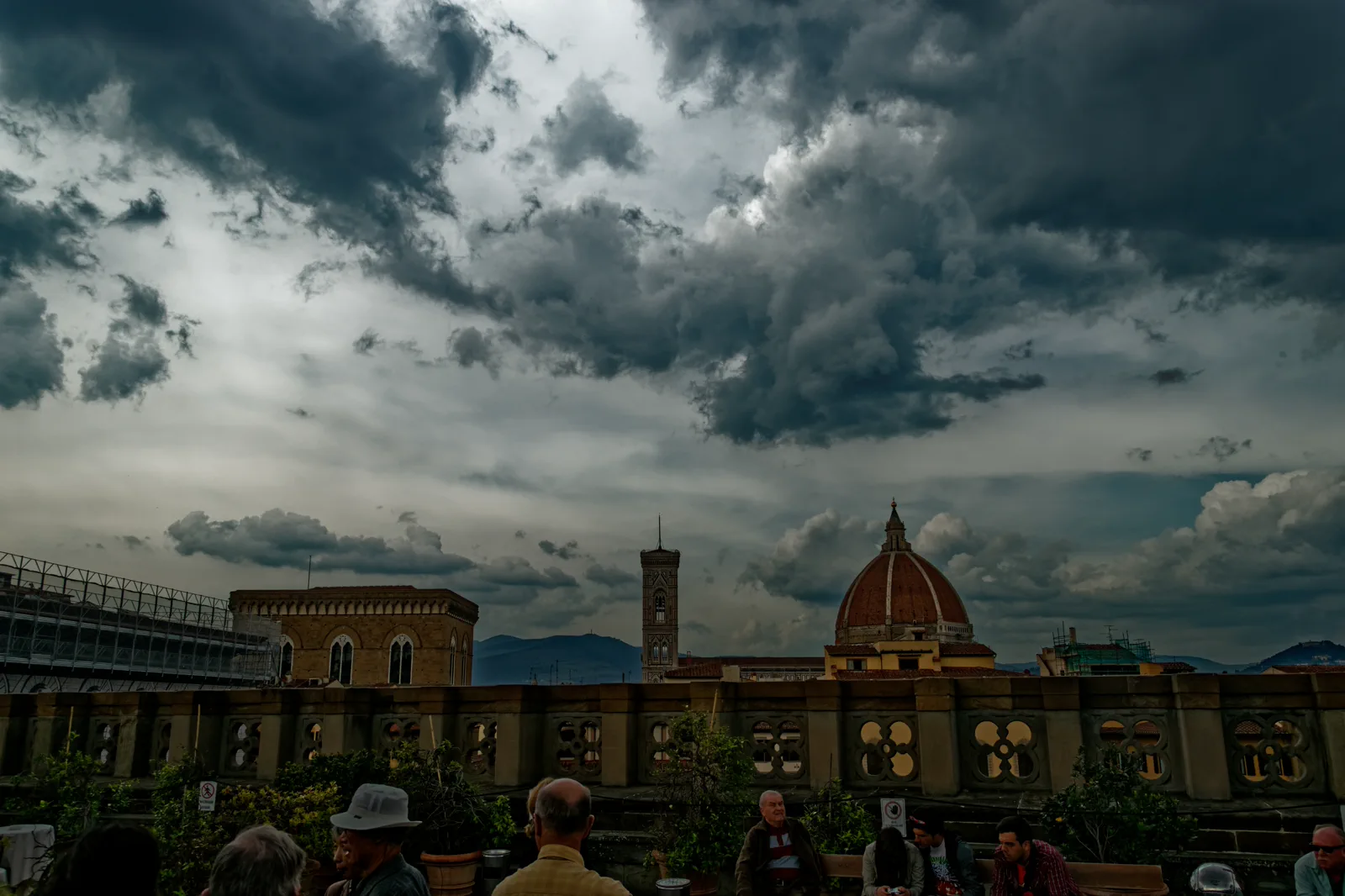
Duomo, Uffizi & the Renaissance Centre
Choose the Duomo climb, Uffizi collection or civic street-and-palace layer as the main reservation, then connect the…
Open this route folio →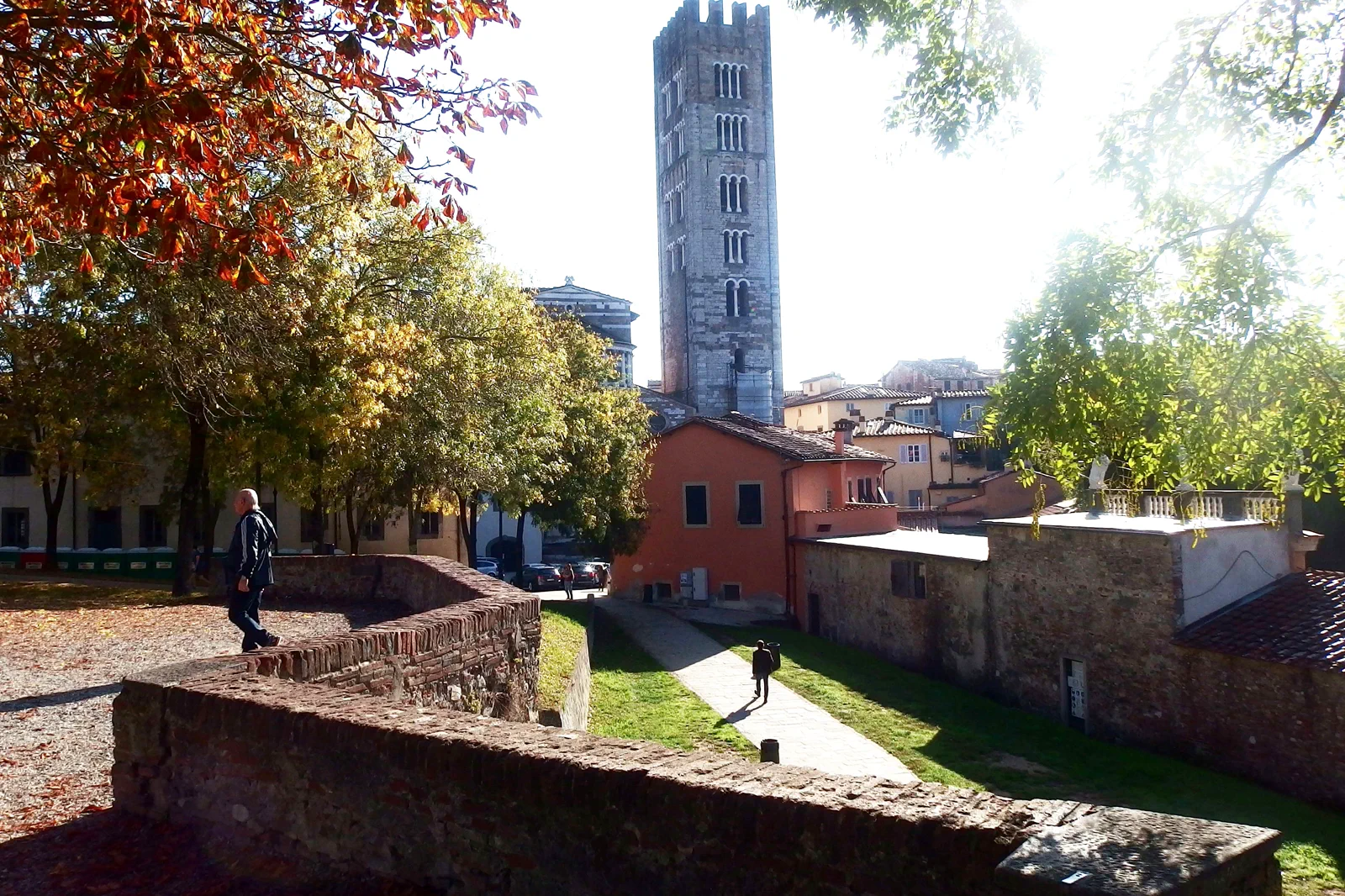
Pisa or Lucca by Rail
Choose Pisa for the Field of Miracles, Lucca for a wall-and-city circuit or a deliberately limited two-city rail day,…
Open this route folio →Oltrarno, Pitti & Fiesole FAQ
How much time should I give Oltrarno, Pitti & Fiesole?
Allow five to seven hours for Pitti/Boboli or a Fiesole-led day. An Oltrarno street-and-church route can fit four to six hours.
What should I combine with Oltrarno, Pitti & Fiesole?
Combine Pitti with Santo Spirito or a short river line. Keep Fiesole separate from a deep palace or Uffizi day.
What should I verify before leaving?
Check Pitti and Boboli openings, garden conditions, Fiesole archaeological access and the current bus return before departure.
Official sources and photo credits
Planning facts and image licensing were reviewed on 26 September 2026. Admission, rail, roads, ZTLs, paths, ferries, weather and local access can change; reopen the linked authority or operator before travel.
- Uffizi Galleries — official Pitti and Boboli information.
- FeelFlorence — official district and transport planning.
- Visit Tuscany — official regional visitor information.
- Trenitalia — official rail planning.
- Firenze - Florence - Galleria degli Uffizi - Terrace on top of Loggia dei Lanzi - View on il Duomo & thunderclouds.jpg — Txllxt TxllxT, CC BY-SA 4.0. Resized, display-cropped and converted to WebP; no other material edits.
- Vista de Florencia desde Piazzale Michelangelo, Italia, 2022-09-18, DD 212-214 HDR.jpg — Diego Delso, CC BY-SA 4.0. Resized, display-cropped and converted to WebP; no other material edits.
- Lucca, mura e campanila San Frediano.jpg — Palickap, CC BY-SA 4.0. Resized, display-cropped and converted to WebP; no other material edits.