Vatican, Borgo & Prati
Approach from the station that serves the chosen door, complete one controlled interior, then move once through Borgo or Prati toward the river with a same-side return.
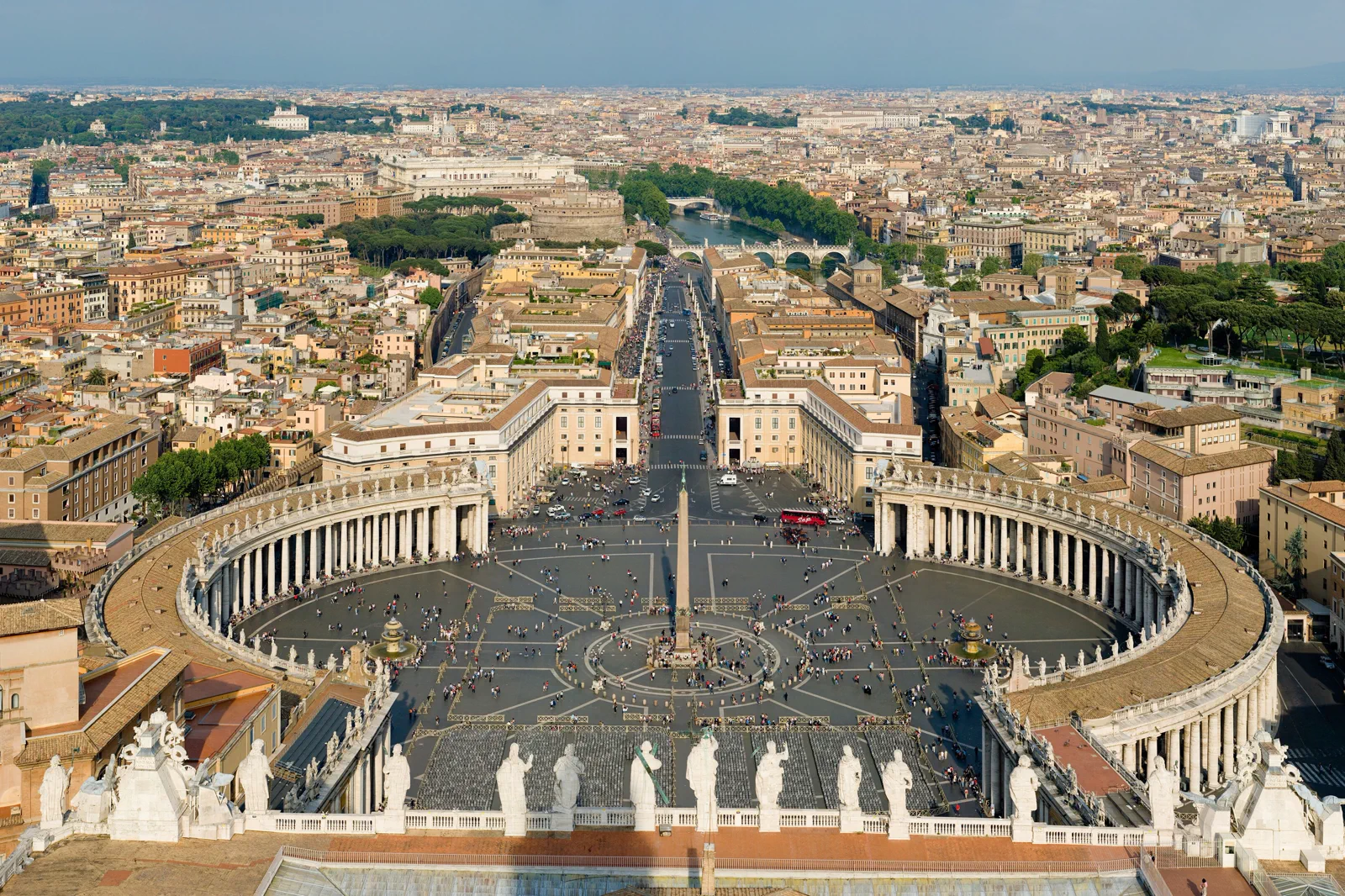
Three useful routes, each with a visible sacrifice.
Choose the Vatican Museums, St Peter’s Basilica or the Borgo–Castel Sant’Angelo civic line as the principal commitment, respecting that museum admission, worship access and dome entry use different doors and clocks.
PUBLIC APPROACH
Vatican Museums depth
Use the booked museum entrance and give the collection a bounded theme. This secures the Sistine Chapel sequence but usually sacrifices the dome and a long Prati afternoon.
CONTROLLED INTERIOR
Basilica and dome
Prioritize worship-sensitive access and the separate dome decision. It gives sacred architecture and height but leaves the museum collections for another day.
QUIET ALTERNATIVE
Borgo and river history
Keep the Vatican mostly exterior, then use Castel Sant’Angelo, Borgo streets and the Tiber as the main route. This is more flexible but gives up the headline museum interior.
Begin where the transport actually ends.
Ottaviano and Cipro approach different sides of the museum wall; Roma San Pietro serves the basilica side but not the museum entrance. St Peter’s security, the Vatican Museums gate and Castel Sant’Angelo admission are separate queues. Match the first station to the ticketed door.
Know what the chosen line leaves out.
A deep museum visit and a dome climb are both high-standing commitments. Choosing one gives up another controlled interior but preserves time for Borgo, a seated meal and a calm river exit instead of turning sacred and civic spaces into queue transitions.
Rome has four layers to align.
Rome is a chain of archaeological fields, living sacred spaces, civic collections and evening neighborhoods rather than one walkable monument park. A useful plan chooses a base by the line used after dinner, fixes one high-friction reservation each day and lets the surrounding streets explain the layer instead of crossing the city for a second headline interior.
BASE
Four to six nights supports Ancient Rome, the Vatican and a historic-centre day without turning every meal into a transfer. Termini and Monti favor rail and early archaeological access; Prati favors Vatican mornings; the Centro reduces daytime transport but can complicate luggage and late arrivals; Trastevere rewards evenings when the river crossing remains deliberate.
TRANSFER
Fiumicino and Ciampino use different airport links. Termini, Tiburtina, Ostiense and Roma San Pietro solve different arrivals, while metro stations around the centre do not remove long surface walks. Match the hotel to the airport or intercity arrival and the final evening route, not only to a famous piazza.
SEASON
Summer heat makes exposed archaeology and queues materially harder; winter shortens outdoor sequences but improves museum-led days. Jubilee, papal, civic and sporting events can change security perimeters and transport. Treat fountains, shade, water and an indoor fallback as route infrastructure.
LOWER-RISK DAY
Keep a complete same-layer alternative: Capitoline collections for an archaeological closure, Borgo and Castel Sant’Angelo for a Vatican disruption, or civic museums and churches for rain. Do not rescue a failed booking by crossing Rome to another controlled monument.
Arrive, cross one gate, use one layer, then protect the return.
Check official museum admission, basilica worship and security notices, dome access, Castel Sant’Angelo opening and the current transport route to the chosen entrance.
- 01Arrive
Approach the correct wall
Use Cipro or Ottaviano for the museum gate, or the basilica-side approach for St Peter’s; do not follow the largest crowd automatically.
- 02Cross the threshold
Cross the controlled threshold
Keep security, dress, identity and worship conditions inside the timetable and follow staff directions when access changes.
- 03Use the layer
Reset in Borgo or Prati
Leave the controlled complex for a real break before choosing Castel Sant’Angelo, Prati streets or the river.
- 04Protect the return
Finish at the river or metro
End toward Lepanto, Ottaviano, Roma San Pietro or a named bus corridor without walking back around the Vatican walls.
Reopen the pages that control today’s gate.
The guide provides the decision structure; these authorities control admission, transport, paths, weather, marine operation and closures.
Keep a complete alternative, not fragments.
If the museum booking fails, keep a complete basilica–Borgo–Castel Sant’Angelo route when access permits. If basilica access is restricted for worship or events, use the museum if booked or a Prati and river interpretation day without forcing another sacred site.
Check official museum admission, basilica worship and security notices, dome access, Castel Sant’Angelo opening and the current transport route to the chosen entrance.
Change the plan while the return is still strong.
Three doors, three products
Museum entry, basilica security and dome tickets are not one combined queue or guaranteed sequence.
Living worship overrides tourism
Liturgies and security can change visitor movement. Quiet conduct and staff instructions take priority over an itinerary.
Walls distort walking distance
A short map distance can require a long perimeter walk. Choose the correct side before leaving the station.
Other complete ways to use Rome.
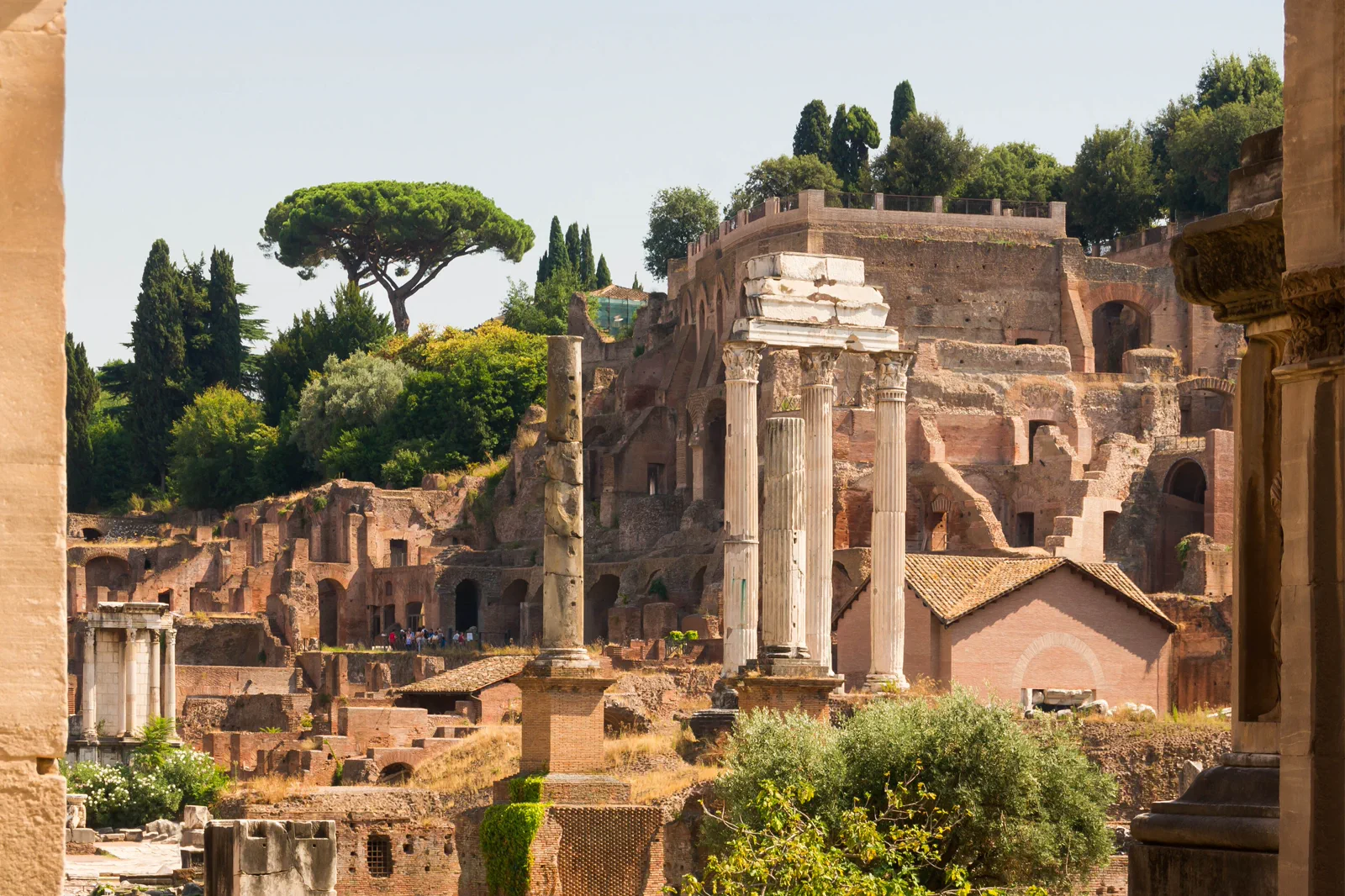
Ancient Rome & the Capitoline
Choose whether the Colosseum, the Forum–Palatine landscape or the Capitoline collections deserve the day’s deepest…
Open this route folio →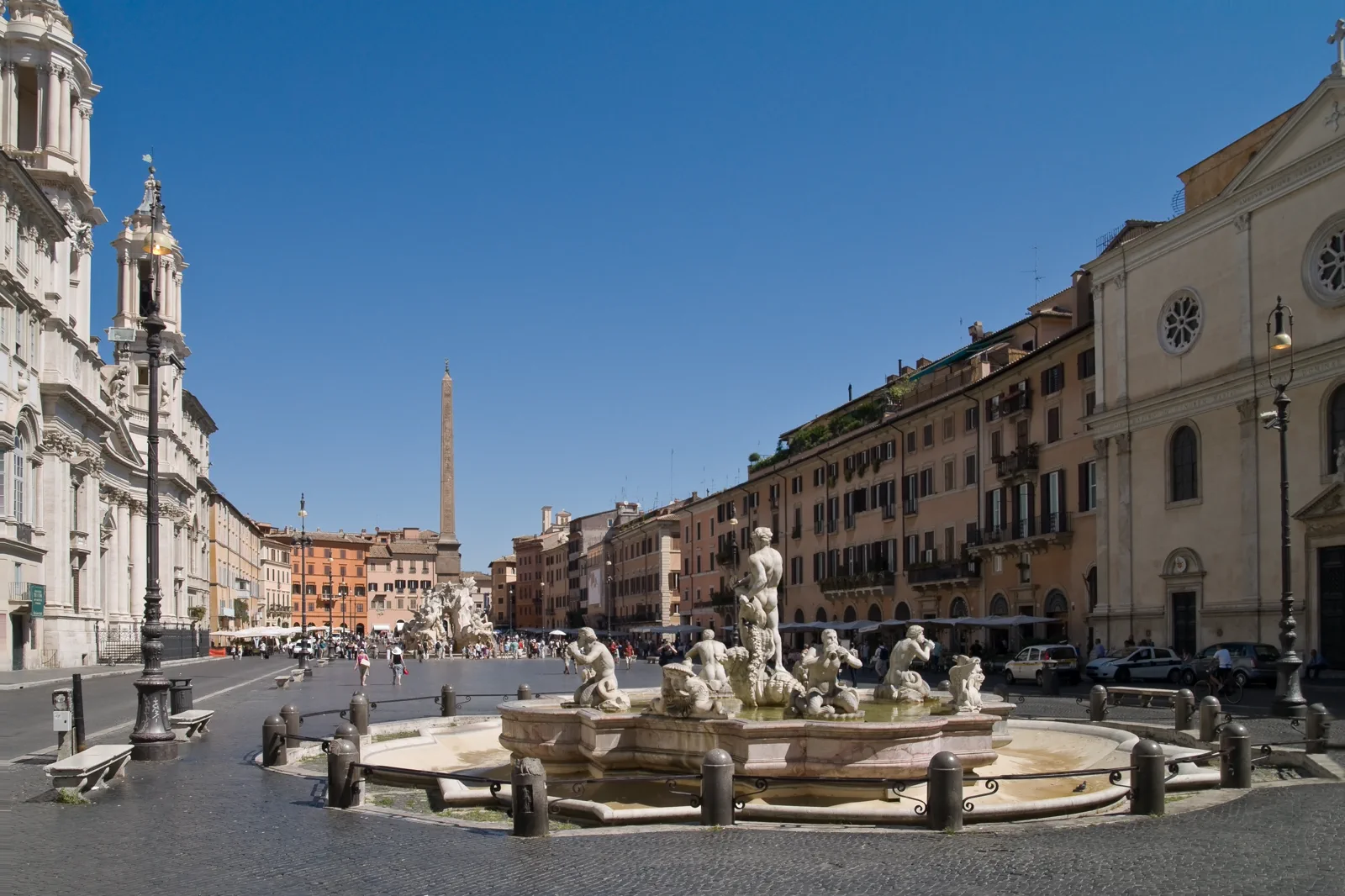
Historic Centre & Trastevere
Choose one direction through the Pantheon–Navona, Trevi–Spanish Steps or Ghetto–Trastevere layers, then cross the Tiber at…
Open this route folio →Vatican, Borgo & Prati FAQ
How much time should I give Vatican, Borgo & Prati?
Allow most of a day for the Vatican Museums plus Borgo, or five to seven hours for basilica, dome and river. A flexible exterior-and-castle route can fit four to five hours.
What should I combine with Vatican, Borgo & Prati?
Combine with Borgo, Prati or Castel Sant’Angelo because they use the same side of the Tiber. Keep Ancient Rome and Trastevere for separate days.
What should I verify before leaving?
Check official museum admission, basilica worship and security notices, dome access, Castel Sant’Angelo opening and the current transport route to the chosen entrance.
Official sources and photo credits
Planning facts and image licensing were reviewed on 26 September 2026. Admission, rail, roads, ZTLs, paths, ferries, weather and local access can change; reopen the linked authority or operator before travel.
- Vatican Museums — official visitor information.
- St Peter’s Basilica — official visit information.
- Turismo Roma — official city visitor information.
- ATAC Roma — official public transport information.
- Italia.it — official Rome destination overview.
- Forum Romanum through Arch of Septimius Severus Forum Romanum Rome.jpg — Jebulon, CC0. Resized, display-cropped and converted to WebP; no other material edits.
- St Peter's Square, Vatican City - April 2007.jpg — Diliff, CC BY-SA 3.0. Resized, display-cropped and converted to WebP; no other material edits.
- Piazza Navona 1.jpg — Myrabella, CC BY-SA 3.0. Resized, display-cropped and converted to WebP; no other material edits.