Maremma Park & Coast
Arrive through Grosseto or Alberese, confirm one official route, complete the signed landscape and return before heat, shuttle gaps or dusk complicate the coast.
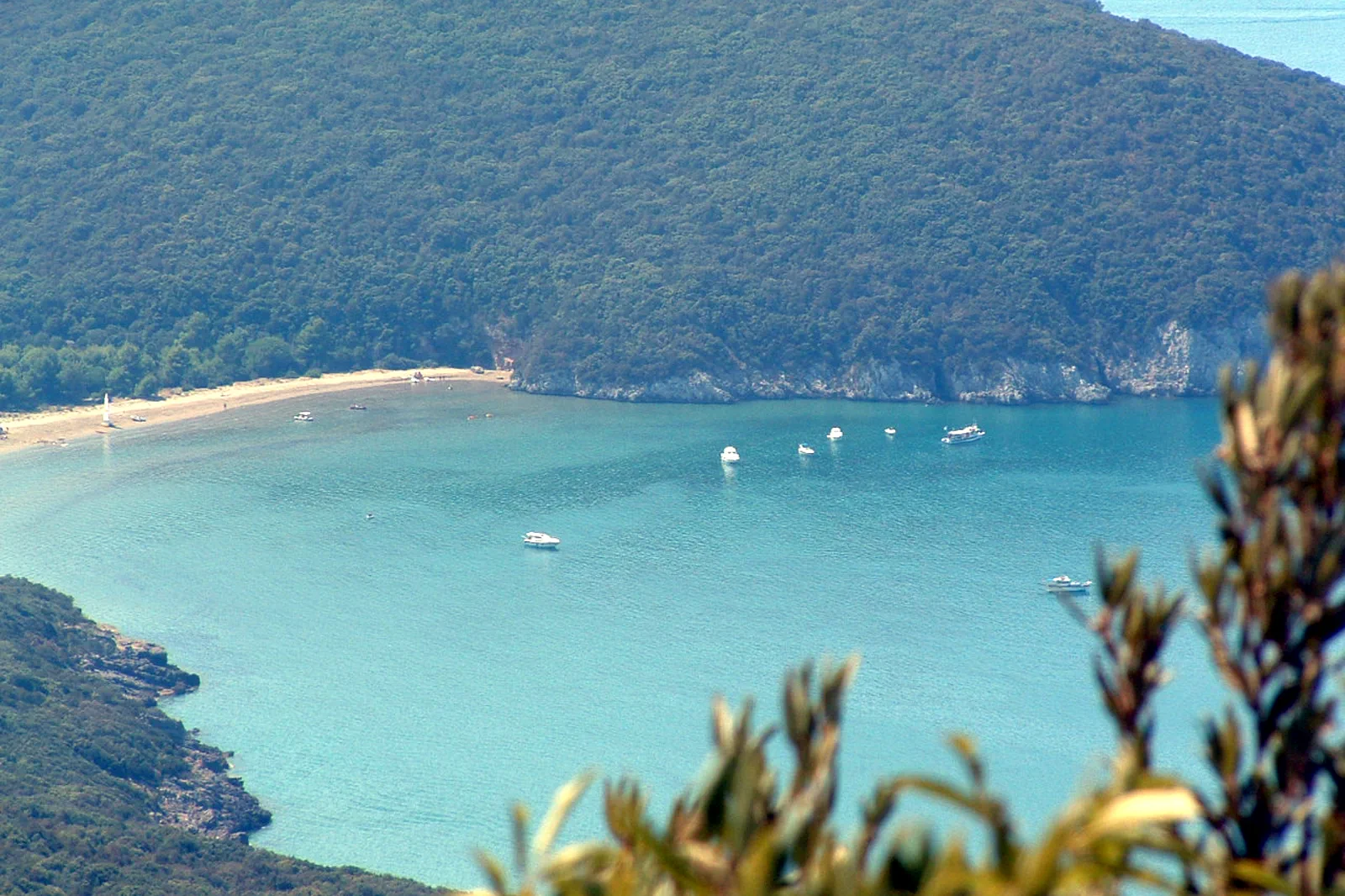
Three useful routes, each with a visible sacrifice.
Choose an Alberese park route, Grosseto cultural day or bounded coast segment, then make the visitor centre, seasonal shuttle, heat and fire status the actual gate rather than assuming every beach and trail is open.
Alberese park route
Use the visitor-centre system and one official trail or shuttle product. It gives the strongest protected landscape but depends on capacity and conditions.
Grosseto civic day
Use the walls, archaeology and museums as a complete low-risk alternative. It sacrifices the coast but works without fragile rural transport.
Bounded coast visit
Choose one legal beach or shoreline access linked to the day’s transport. It provides water and landscape but less park interpretation.
Begin where the transport actually ends.
Grosseto is the principal rail gateway; Alberese and park routes require named buses, visitor-centre instructions, shuttles, bicycles or legal parking. Trailheads and beaches are not interchangeable. Confirm the route number and return before leaving the rail corridor.
Know what the chosen line leaves out.
Park trails, remote beaches and Grosseto collections solve different days. Choosing one gives up a wider coast loop but protects shade, water, conservation rules and the final connection.
Siena, Val d’Orcia & Maremma has four layers to align.
Siena is a bus-and-walking city whose rail station sits below the historic core; Val d’Orcia and Maremma depend on sparse buses, deliberate road routes or booked excursions. A useful southern Tuscany plan chooses one town corridor or protected landscape per day and treats ZTL boundaries, heat and Sunday service as core decisions.
BASE
Two to four nights in Siena supports a complete civic day and one rural branch. A Val d’Orcia village stay reduces repeated outbound travel but makes arrival, meals and car-free movement less flexible; Grosseto is a stronger rail base for Maremma than Siena. Moving hotels only helps when the landscape system truly changes.
TRANSFER
Siena rail station, Piazza Gramsci buses and escalator approaches enter the city at different levels. Val d’Orcia towns do not share one station, while Maremma park access begins at named visitor centres and seasonal shuttles. Save the last return and legal parking threshold first.
SEASON
Summer heat, Palio periods, harvest traffic, fire risk and seasonal park services alter capacity and route length. Rain makes stone streets and country paths slower. Keep Siena or Grosseto collections as the stable fallback.
LOWER-RISK DAY
Use a complete rail- or bus-served city day when the countryside chain fails: Siena museums and cathedral, Grosseto walls and collections, or the first selected town without the second rural stop.
Arrive, cross one gate, use one layer, then protect the return.
Check Maremma Park route and shuttle status, fire and heat conditions, Autolinee Toscane service and the exact rail return.
- 01Arrive
Check the park gate
Read route availability, fire and weather status, visitor-centre instructions and any capacity control.
- 02Cross the threshold
Reach the named start
Use the confirmed bus, shuttle, bicycle or legal lot rather than navigating to the park name.
- 03Use the layer
Complete one signed landscape
Stay on the selected trail or beach access and carry the required water and sun protection.
- 04Protect the return
Return before heat or service gaps
Reach Alberese or Grosseto with margin for the final rural and rail connection.
Reopen the pages that control today’s gate.
The guide provides the decision structure; these authorities control admission, transport, paths, weather, marine operation and closures.
Keep a complete alternative, not fragments.
In extreme heat, fire restrictions, rain or shuttle disruption, make Grosseto a full walls-and-museum day or use another officially open low-distance route. Never cross a closed path to preserve the coast plan.
Check Maremma Park route and shuttle status, fire and heat conditions, Autolinee Toscane service and the exact rail return.
Change the plan while the return is still strong.
Protected routes are conditional
Fire risk, flooding, conservation and capacity can change which trail or beach is usable.
The visitor centre is not the coast
Allow the onward shuttle, bicycle or trail time after check-in.
Rural return is sparse
Save the final bus or shuttle and do not assume a taxi will be available at a remote trailhead.
Other complete ways to use Siena, Val d’Orcia & Maremma.
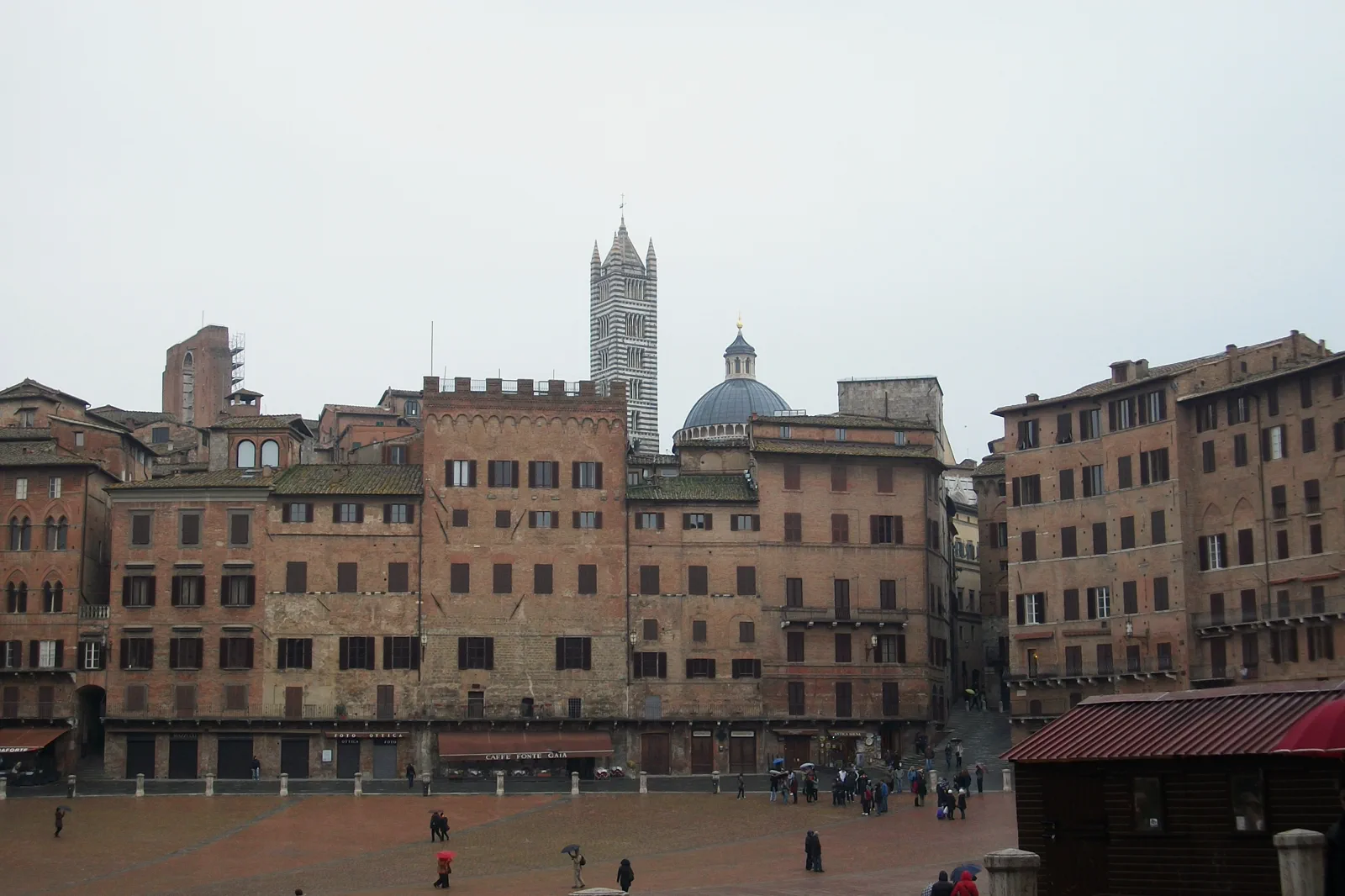
Siena Civic Centre & Cathedral
Choose the civic museum and tower, the cathedral complex or the contrada street layers as the main argument, then enter…
Open this route folio →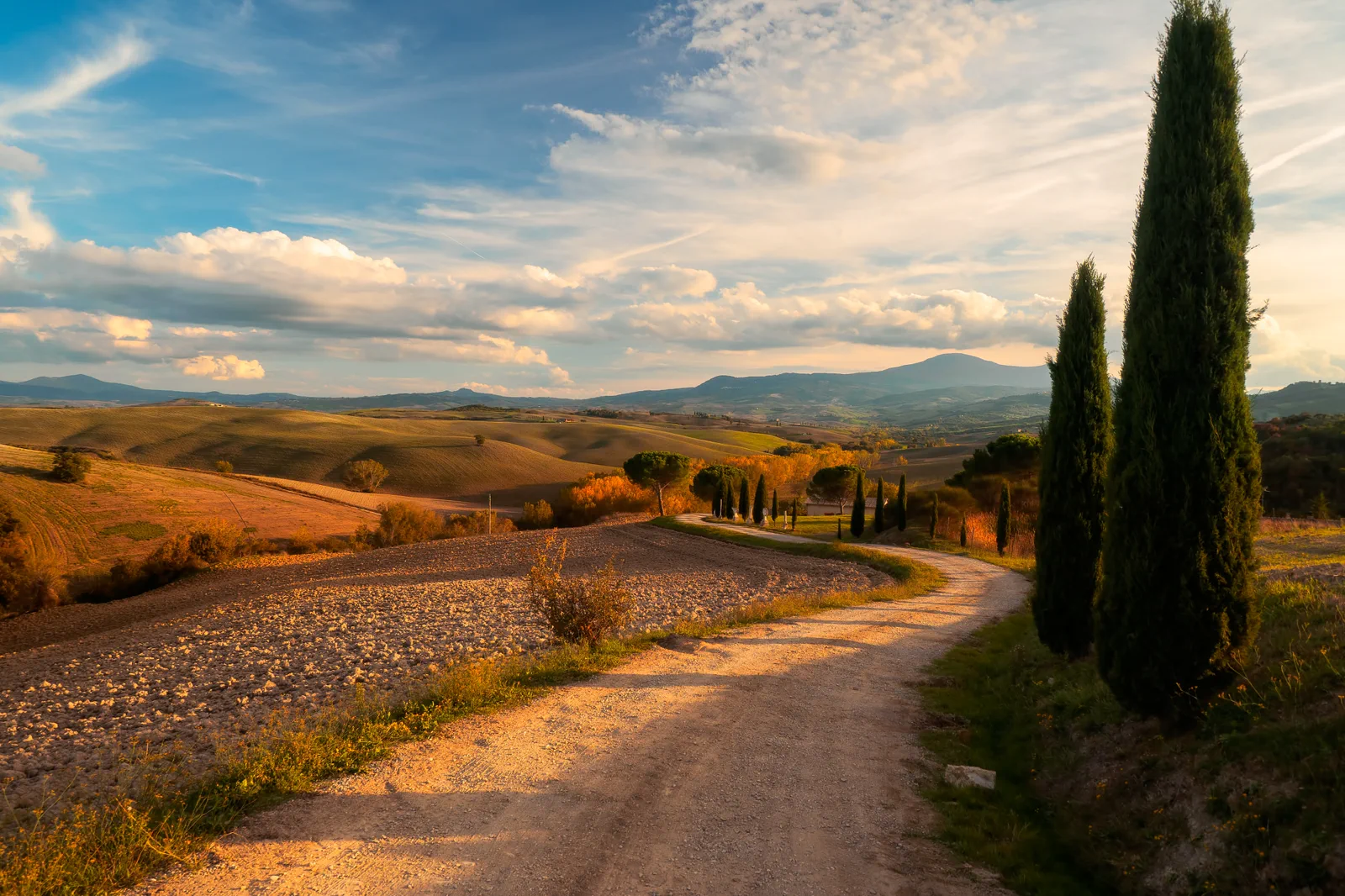
Val d’Orcia Towns
Choose the Pienza–San Quirico corridor, Montalcino or Bagno Vignoni as one workable town line, then define the bus, booked…
Open this route folio →Maremma Park & Coast FAQ
How much time should I give Maremma Park & Coast?
Allow a full day for a park or coast route from Siena or Grosseto. A Grosseto cultural day can fit five to seven hours.
What should I combine with Maremma Park & Coast?
Combine one park route with Alberese or one Grosseto evening. Keep Val d’Orcia and distant beaches for separate days.
What should I verify before leaving?
Check Maremma Park route and shuttle status, fire and heat conditions, Autolinee Toscane service and the exact rail return.
Official sources and photo credits
Planning facts and image licensing were reviewed on 26 September 2026. Admission, rail, roads, ZTLs, paths, ferries, weather and local access can change; reopen the linked authority or operator before travel.
- Parco Regionale della Maremma — official access information.
- Visit Tuscany — official Maremma destination information.
- Visit Siena — official visitor information.
- Autolinee Toscane — official regional bus information.
- Piazza del Campo de Siena un dia de pluja.JPG — Joanbanjo, CC BY-SA 3.0. Resized, display-cropped and converted to WebP; no other material edits.
- Val D Orcia In Autumn (179351679).jpeg — Fabrizio Lunardi, CC0. Resized, display-cropped and converted to WebP; no other material edits.
- Cala di forno.JPG — Simone F. Franci, CC BY-SA 3.0. Resized, display-cropped and converted to WebP; no other material edits.