San Marco & Rialto
Reach San Marco from Santa Lucia or the selected landing without mixing several arrival strategies, honor one booked or security-controlled interior, and leave through Rialto or Castello on a single directional line before the return crowd closes the useful window.
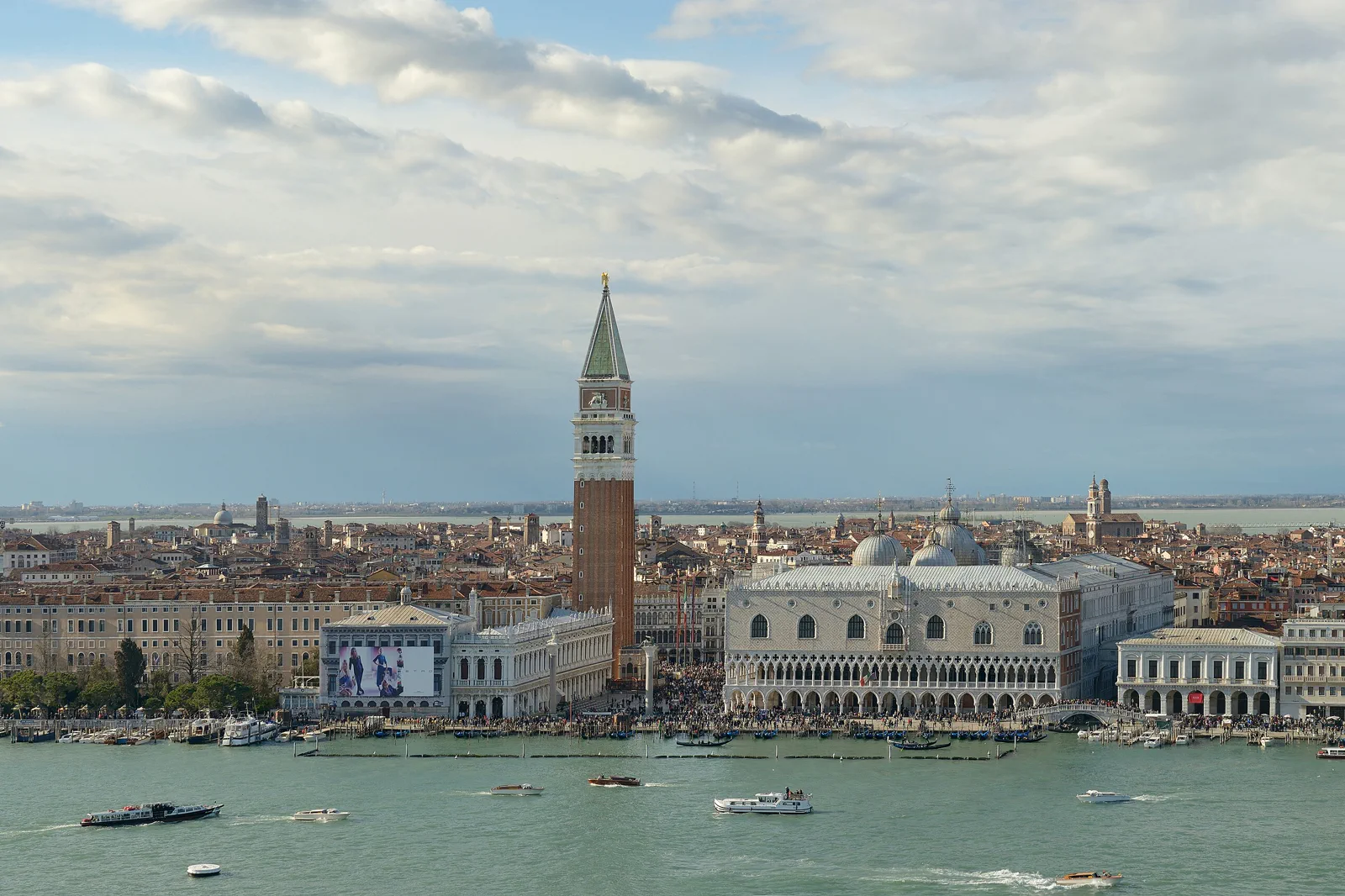
Three useful routes, each with a visible sacrifice.
Choose the Doge’s Palace, Saint Mark’s Basilica, or the basin and Rialto public realm as the day’s controlled centre, then approach through one walking or vaporetto threshold that can adapt to queues and high water.
Doge’s Palace depth
Give the palace route, institutional rooms and related collections the main block. This is the clearest civic-history choice, but the basilica interior and a long Rialto market visit become secondary.
Basilica and sacred precinct
Work from current basilica access and worship constraints, then read the Piazza and basin. The sacred threshold leads the day, which means the palace cannot also receive a full interior visit.
Early public realm and Rialto line
Use the square and waterfront before peak crowding, then follow one lane network toward Rialto and the Grand Canal. It offers flexibility without a major ticket, but sacrifices controlled interior depth.
Begin where the transport actually ends.
From Santa Lucia, travelers can walk to San Marco or use a waterbus, but those choices have different time, bridge and crowd costs. Rialto, San Marco Vallaresso and San Zaccaria landings serve different sides of the district. Match the stop and direction to the first doorway and check any high-water access notice before leaving the arrival terminal.
Know what the chosen line leaves out.
Security and timed entry at the palace or basilica can consume the same calm morning needed to experience the Piazza and Rialto streets before peak pressure. Selecting one controlled door gives up a second interior but prevents the day becoming a queue between crowded landmarks.
Venice & the Lagoon has four layers to align.
Venice is a walking city interrupted by water rather than a compact set of adjacent icons. Santa Lucia, Piazzale Roma, San Marco, Fondamente Nove and the lagoon islands are different operating thresholds; bridges add effort, vaporetti add boarding and waiting, and acqua alta can reroute the most famous squares. A good stay assigns one major doorway or one island chain to each day and keeps the return on the same side of the lagoon logic.
BASE
Three to five nights allows one San Marco day, one quieter sestiere route and one weather-dependent lagoon choice. Sleeping in Venice protects early and evening streets; Mestre can reduce room cost but adds a mainland crossing to every day. Choose by the hours you value, not by a generic “Venice” address.
TRANSFER
Mainline trains end at Venezia Santa Lucia; road transport ends at Piazzale Roma or Tronchetto; airport boats and buses use still other arrivals. ACTV waterbus routes, stop directions and island services are not interchangeable. Count bridge steps, boarding queues and the walk from the landing to the actual entrance.
SEASON
Summer heat and crowding make exposed queues and packed boats the limiting factor, while winter offers quieter streets but shorter light, fog and high-water disruption. Regattas, state or religious events and major cultural openings can alter routes around the basin even when normal transport continues elsewhere.
LOWER-RISK DAY
When high water, wind or a canceled island service closes the intended line, keep a complete route within the current sestiere: one available museum or church, a bounded street sequence and a direct return. Do not cross the lagoon to rescue a booking unless both the outward and final boat remain confirmed.
Arrive, cross one gate, use one layer, then protect the return.
Check the selected venue’s official entry rules, Venezia Unica access notices, ACTV service, high-water information and any event restriction around San Marco before setting out.
- 01Arrive
Select the basin threshold
At Santa Lucia, Piazzale Roma or the chosen landing, commit to walking or one waterbus route. Save the final-return stop and do not switch modes merely because another queue appears shorter.
- 02Cross the threshold
Meet one controlled door
Use the palace booking or current basilica visitor instructions as the fixed event. Keep bags, security, worship and possible high-water access inside the arrival allowance.
- 03Use the layer
Read the Piazza and basin
Connect the arcades, waterfront and civic facades without rejoining every visible queue. If the public realm is flooded or diverted, use the official raised-route and access guidance.
- 04Protect the return
Leave on one city line
Finish toward Rialto for the Grand Canal crossing or toward Castello for quieter streets, ending at a landing or walking route that returns directly to the accommodation or station.
Reopen the pages that control today’s gate.
The guide provides the decision structure; these authorities control admission, transport, paths, weather, marine operation and closures.
Keep a complete alternative, not fragments.
If the booked interior fails, retain San Marco as a civic landscape, use Museo Correr or another verified nearby interior when available, then leave toward Castello rather than waiting indefinitely. During disruptive high water, follow official access guidance and shift the long walking block to a better-drained sestiere.
Check the selected venue’s official entry rules, Venezia Unica access notices, ACTV service, high-water information and any event restriction around San Marco before setting out.
Change the plan while the return is still strong.
High water changes entrances first
A pass or reservation does not guarantee the normal doorway or walking line. Use current municipal and venue instructions on the day.
Boat-stop names hide direction
The same named area can have several platforms and route directions. Confirm the stop letter or destination shown locally before boarding.
The Piazza is an event space
Ceremonies, religious services, security measures and large public events can close or channel parts of the basin with little relevance to other sestieri.
Other complete ways to use Venice & the Lagoon.
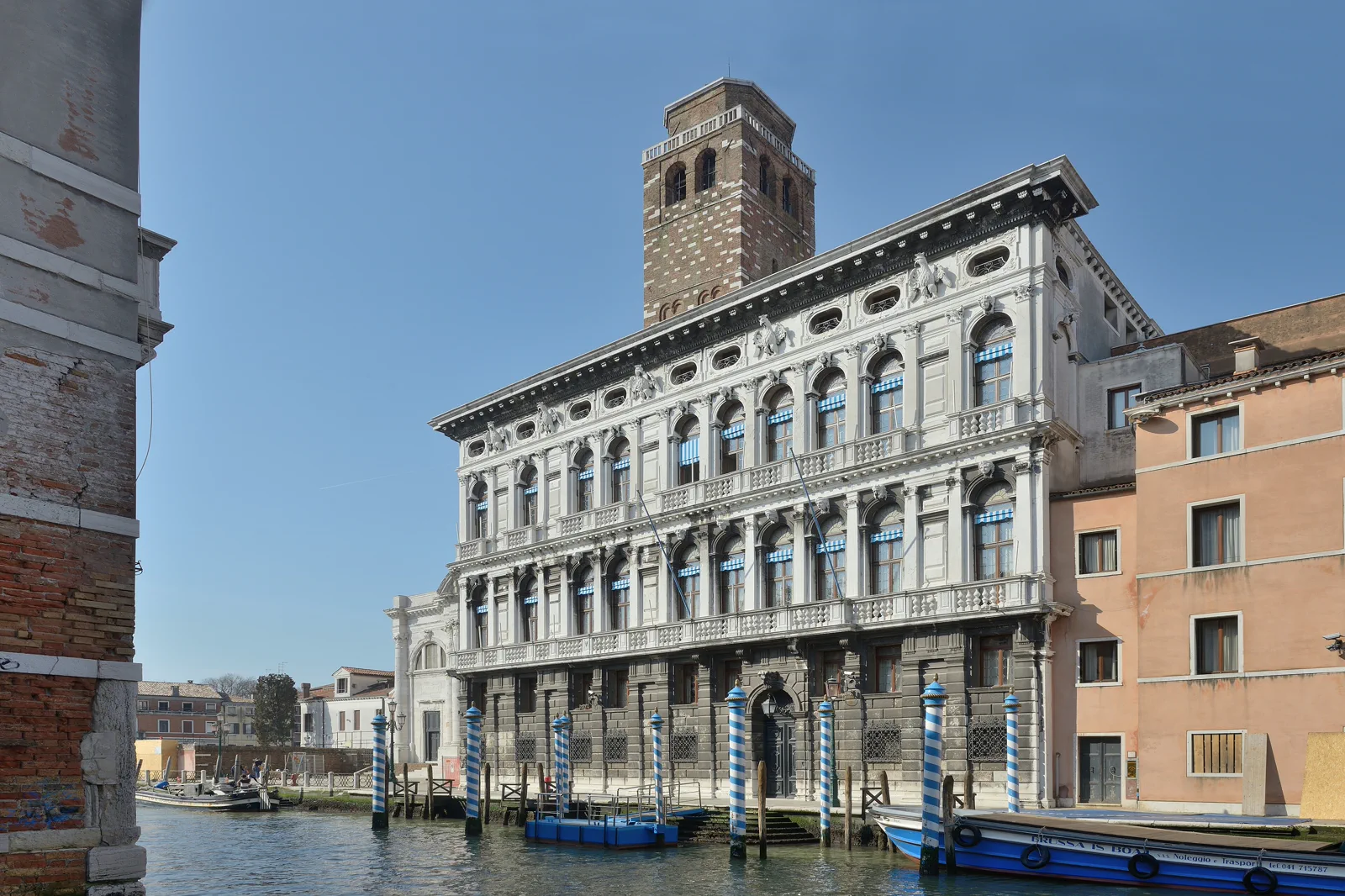
Cannaregio, Dorsoduro & Giudecca
Choose the Jewish Ghetto and Cannaregio, the Accademia-led Dorsoduro shore, or Giudecca’s separate waterline, then stay…
Open this route folio →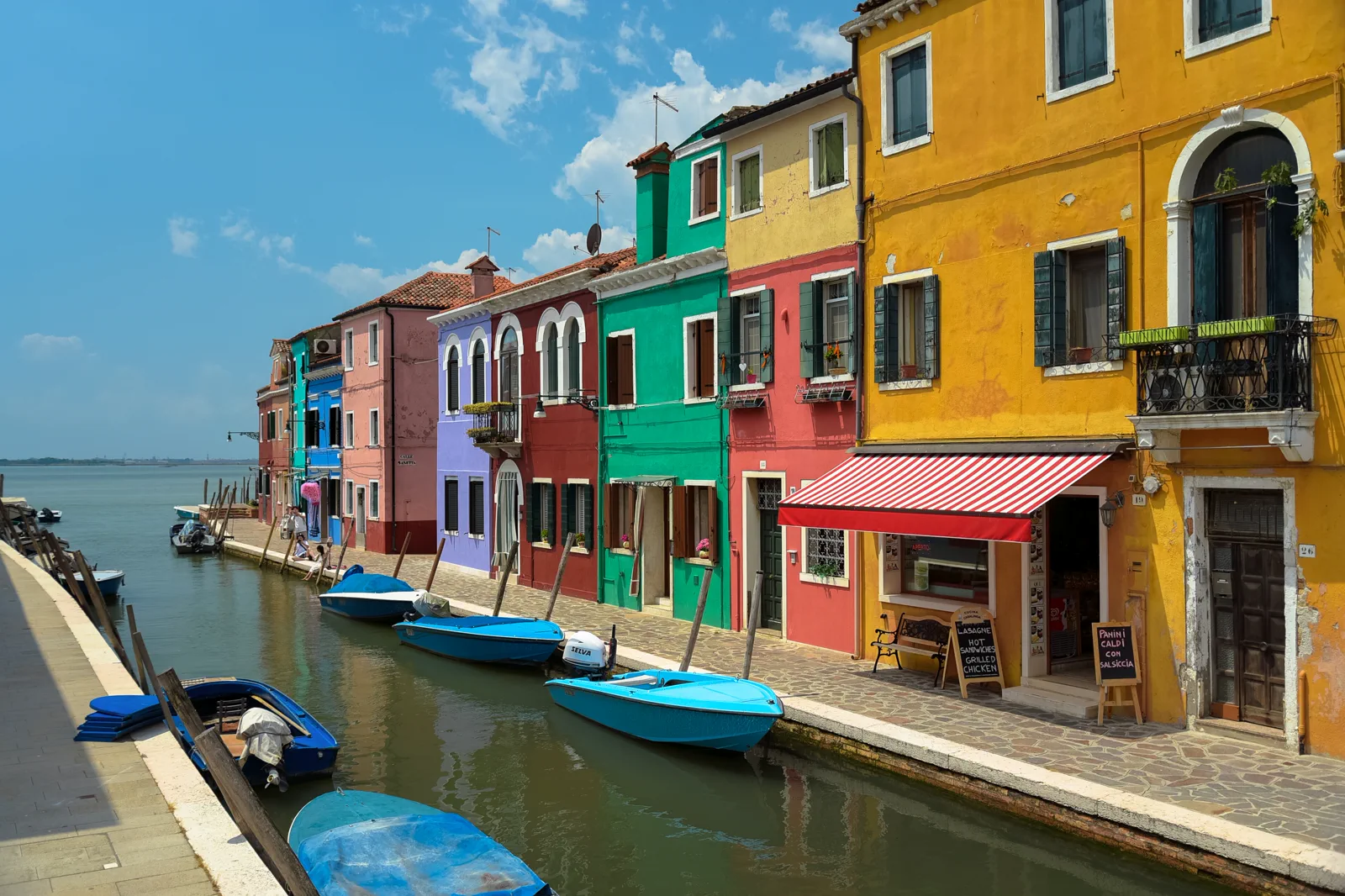
Murano, Burano & Torcello
Choose one lagoon island in depth or a disciplined two-island sequence, then build the day from the actual departure stop,…
Open this route folio →San Marco & Rialto FAQ
How much time should I give San Marco & Rialto?
Allow six to eight hours for one major interior, San Marco’s public realm and a directional exit to Rialto or Castello. Two controlled interiors need a separate day or the removal of the wider street route.
What should I combine with San Marco & Rialto?
Combine the Doge’s Palace or basilica with the immediate basin and one outward walking line. Keep the lagoon islands, Accademia and Giudecca for days whose transport and attention begin there.
What should I verify before leaving?
Check the selected venue’s official entry rules, Venezia Unica access notices, ACTV service, high-water information and any event restriction around San Marco before setting out.
Official sources and photo credits
Planning facts and image licensing were reviewed on 26 September 2026. Admission, rail, roads, ZTLs, paths, ferries, weather and local access can change; reopen the linked authority or operator before travel.
- Doge’s Palace — official MUVE visitor information.
- Venezia Unica — official Venice access and visitor information.
- AVM/ACTV — official Venice public transport information.
- Comune di Venezia — official city information.
- Panorama Piazza San Marco and Venice on Easter 2013.jpg — Wolfgang Moroder, CC BY-SA 3.0. Resized, display-cropped and converted to WebP; no other material edits.
- Palazzo Labia in Venice on Cannaregio canal.JPG — Wolfgang Moroder, CC BY-SA 3.0. Resized, display-cropped and converted to WebP; no other material edits.
- Burano - canal and colourful houses (36071932225).jpg — Jorge Franganillo, CC BY 2.0. Resized, display-cropped and converted to WebP; no other material edits.