Agrigento & Selinunte
Enter Agrigento’s long temple ridge from a chosen gate or reach Selinunte through its actual town gateway, keep the visit selective, and protect the bus or rail return before the exposed final sector.
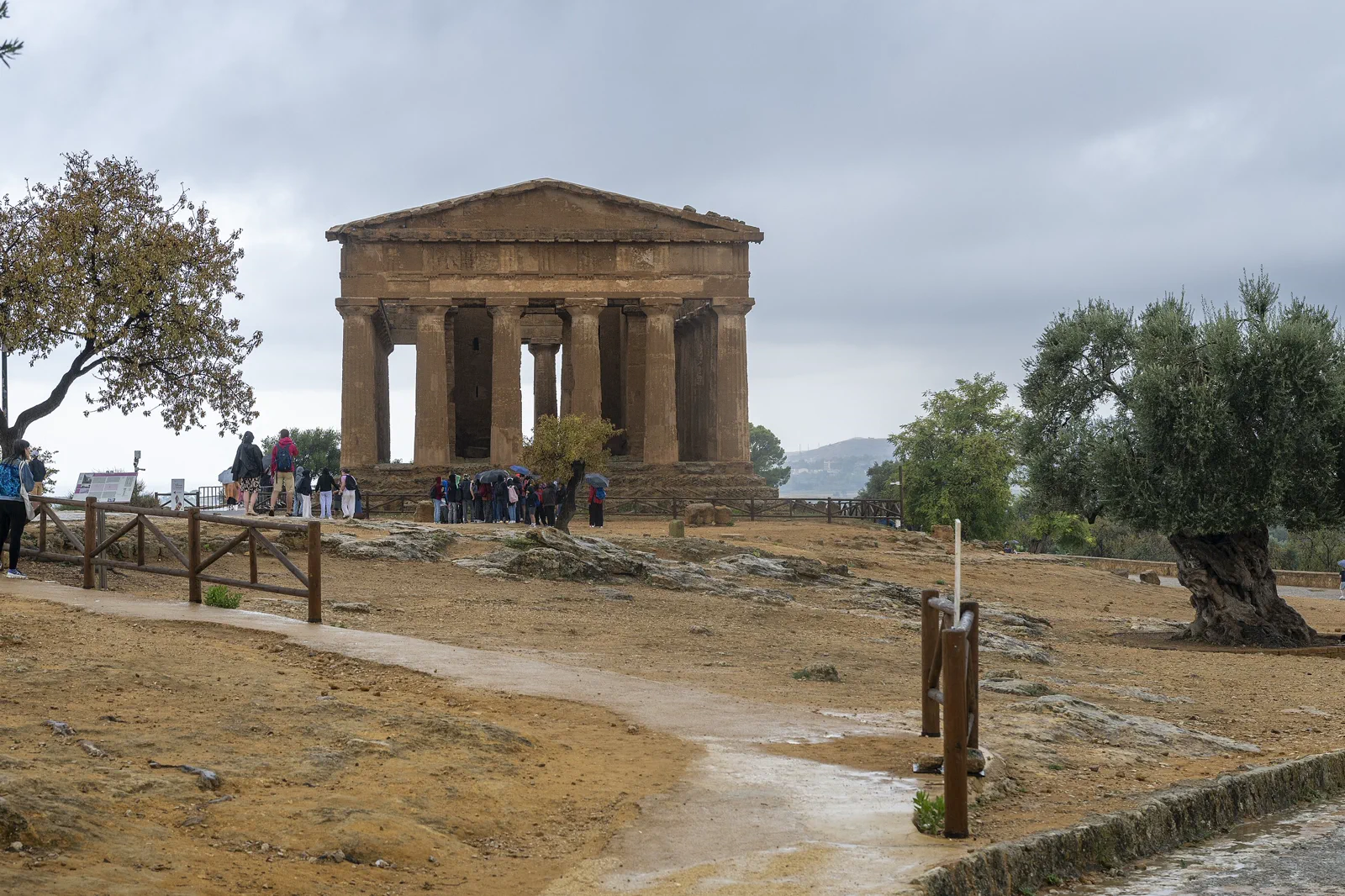
Three useful routes, each with a visible sacrifice.
Choose one of western Sicily’s two large archaeological landscapes, understand its entrance geometry and heat exposure, and reject the tempting but impractical same-day double-site claim.
Valley of the Temples ridge
Walk a planned east-to-west or west-to-east sequence through Akragas. It offers the clearest monumental line but demands heat, distance and exit planning.
Agrigento museum and city
Pair a bounded park section with the archaeological museum or upper town. This reduces ridge mileage and improves interpretation at the cost of seeing fewer temples.
Selinunte landscape
Base near Castelvetrano or Marinella di Selinunte and give the vast coastal park its own day. It gains scale and sea context but has the weaker public-transport last mile.
Begin where the transport actually ends.
Agrigento Centrale and the intercity bus station sit above the archaeological zone; city buses reach different park gates. Selinunte lies beyond Castelvetrano and requires a dated local bus, transfer or car. The sites are far apart and should never share one ordinary sightseeing day.
Know what the chosen line leaves out.
The Valley’s linear ridge and Selinunte’s dispersed plateau both reward slow spatial reading. Choosing one loses a second famous site but preserves shade stops, museum context and a reliable return.
Western Sicily has four layers to align.
Western Sicily combines Palermo’s dense living capital, large archaeological landscapes and a wind-exposed ferry coast. The rail and bus network reaches useful gateways, but Monreale, Selinunte, Erice and the Egadi Islands each add a different final connection. A good plan fixes one cultural or maritime contract before counting towns.
BASE
Four nights in Palermo supports the capital plus Monreale or Cefalù. Agrigento and Trapani work better as separate two-night bases when the Valley of the Temples, Selinunte, Erice, salt pans or an Egadi landing matter. Seven to ten nights gives western Sicily a coherent shape without daily luggage moves.
TRANSFER
Palermo–Cefalù and Palermo–Agrigento use rail corridors, Monreale uses an urban or regional road connection, and Selinunte requires a Castelvetrano-area last mile. Trapani’s cableway, buses and island hydrofoils respond differently to wind. Always identify the terminal, operator and return, not only the place name.
SEASON
Summer heat makes temple ridges and stone cities slow, while island capacity and beach demand rise. Wind can halt hydrofoils or the Erice cableway. Shoulder seasons reduce heat but thin some maritime and tourism services; winter rain changes unpaved archaeological and reserve routes.
LOWER-RISK DAY
Base every excursion on a complete mainland city day: Palermo for Monreale or Cefalù, Agrigento town and museum for the temple landscape, and Trapani for Erice or the Egadi Islands. A cancelled boat or cableway should shorten the geography, not trigger a race to another province.
Arrive, cross one gate, use one layer, then protect the return.
Check official park notices and open sectors, entrance and exit information, city or local bus times, rail status, heat and weather warnings, and the final return.
- 01Arrive
Choose the archaeological city
Commit to Agrigento or Selinunte before departure and save its actual entrance, exit and return stop. Carry water and sun protection appropriate to an exposed site.
- 02Cross the threshold
Enter from the useful gate
At Agrigento, choose the gate that supports a one-direction ridge; at Selinunte, arrive through the official visitor entrance rather than an unsurveyed road edge.
- 03Use the layer
Work a selective sequence
Prioritize a coherent set of sanctuaries, urban evidence or museum rooms. Use the official map and current closures instead of chasing every named ruin.
- 04Protect the return
Exit toward transport
Stop before the final reserve is consumed and use the planned exit. Reach the city bus, local transfer or rail connection without crossing the whole site again.
Reopen the pages that control today’s gate.
The guide provides the decision structure; these authorities control admission, transport, paths, weather, marine operation and closures.
Keep a complete alternative, not fragments.
In extreme heat or partial closure, shorten Agrigento to the museum plus a bounded temple sector, or Selinunte to the accessible acropolis zone. If the Selinunte last mile fails, stay in Castelvetrano or move the park to another day rather than improvising roadside travel.
Check official park notices and open sectors, entrance and exit information, city or local bus times, rail status, heat and weather warnings, and the final return.
Change the plan while the return is still strong.
Valley is a ridge, not a compact plaza
Entrances and exits matter. A return to the wrong gate can add a long exposed walk after the useful visit is over.
Selinunte’s scale hides transport risk
The park is large and its public gateway is not the Castelvetrano rail platform. Verify both local directions before boarding the regional train.
Heat changes the safe route
Stone, limited shade and seasonal fire or weather notices may remove a planned sector. Carry a shorter official sequence and obey closures.
Other complete ways to use Western Sicily.
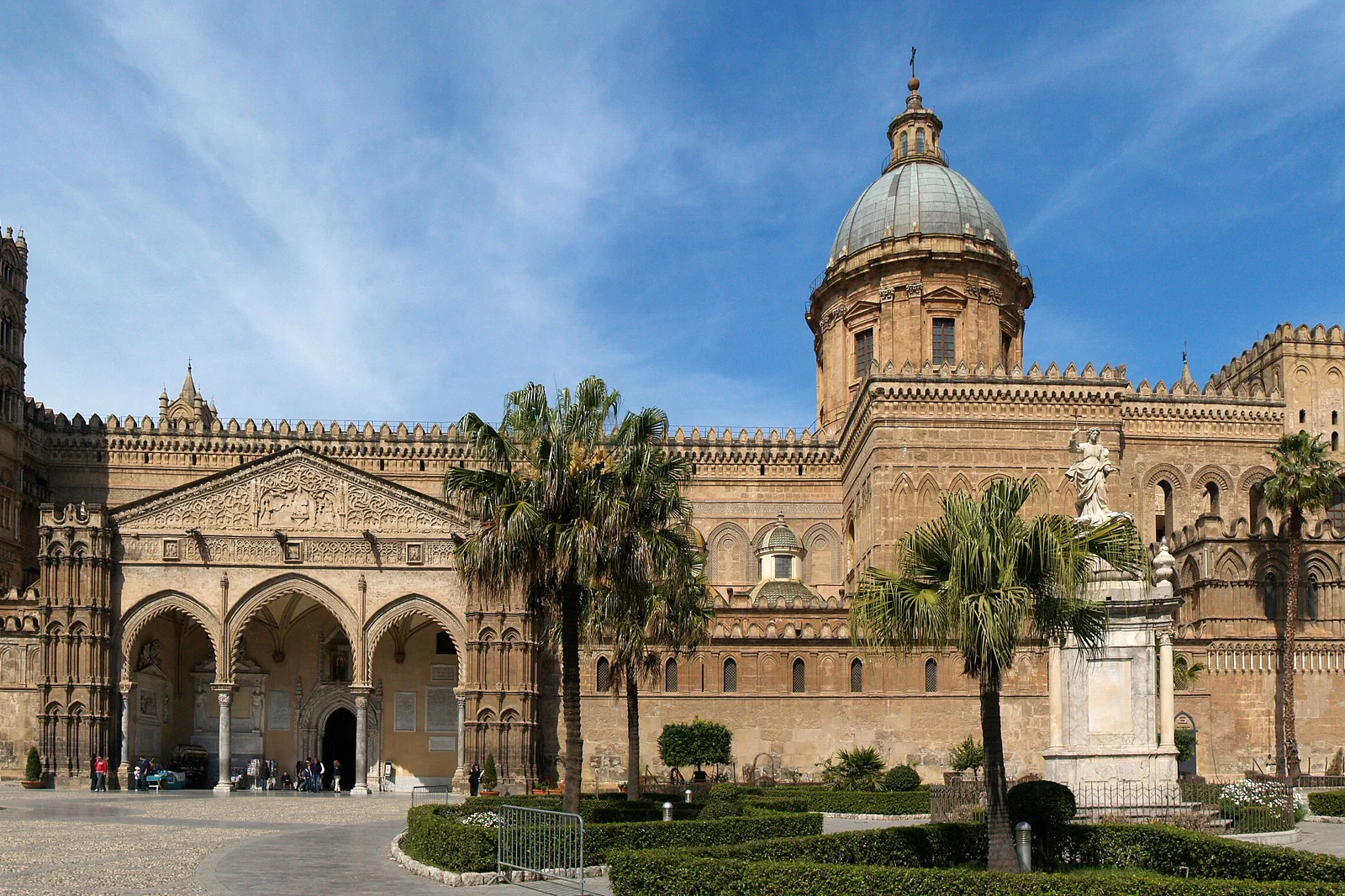
Palermo, Monreale & Cefalù
Decide whether to read Palermo in depth, climb to Monreale or take the coastal railway to Cefalù, while treating worship…
Open this route folio →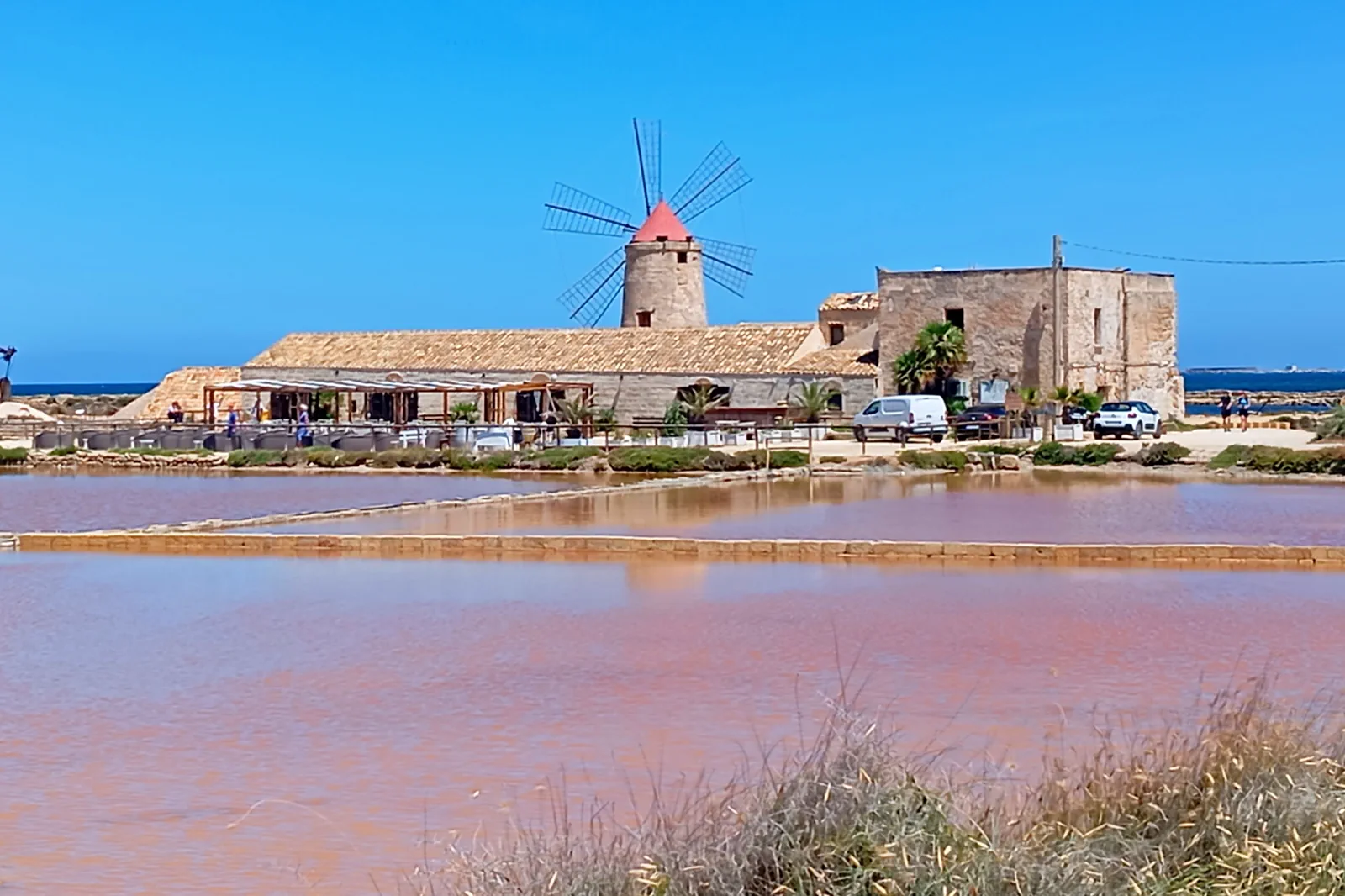
Trapani, Erice & the Egadi Islands
Choose between a hill town, salt-lagoon landscape and a genuine island landing, then let wind and the last return govern…
Open this route folio →Agrigento & Selinunte FAQ
How much time should I give Agrigento & Selinunte?
Allow six to eight hours for either park including its local transfer. Agrigento benefits from two nights; Selinunte is strongest from a western base rather than a rushed Palermo return.
What should I combine with Agrigento & Selinunte?
Combine the Valley with the archaeological museum or Selinunte with Marinella, not with the other major park. Palermo and Trapani remain separate travel days.
What should I verify before leaving?
Check official park notices and open sectors, entrance and exit information, city or local bus times, rail status, heat and weather warnings, and the final return.
Official sources and photo credits
Planning facts and image licensing were reviewed on 26 September 2026. Admission, rail, roads, ZTLs, paths, ferries, weather and local access can change; reopen the linked authority or operator before travel.
- Italian Ministry of Culture — Valley of the Temples official record.
- Regione Siciliana — official archaeological parks portal.
- Visit Sicily — official regional tourism portal.
- Palermo Welcome — official municipal tourism portal.
- Trenitalia — official rail planning for Sicily.
- Panoramica Cattedrale di Palermo.jpg — Kiban, CC BY-SA 3.0. Resized, display-cropped and converted to WebP; no other material edits.
- Valle dei Templi – Temple of Concordia 2024b.jpg — Cayambe, CC BY-SA 4.0. Resized, display-cropped and converted to WebP; no other material edits.
- Wind mill at salt.pans.jpg — Malcanton, CC BY-SA 4.0. Resized, display-cropped and converted to WebP; no other material edits.