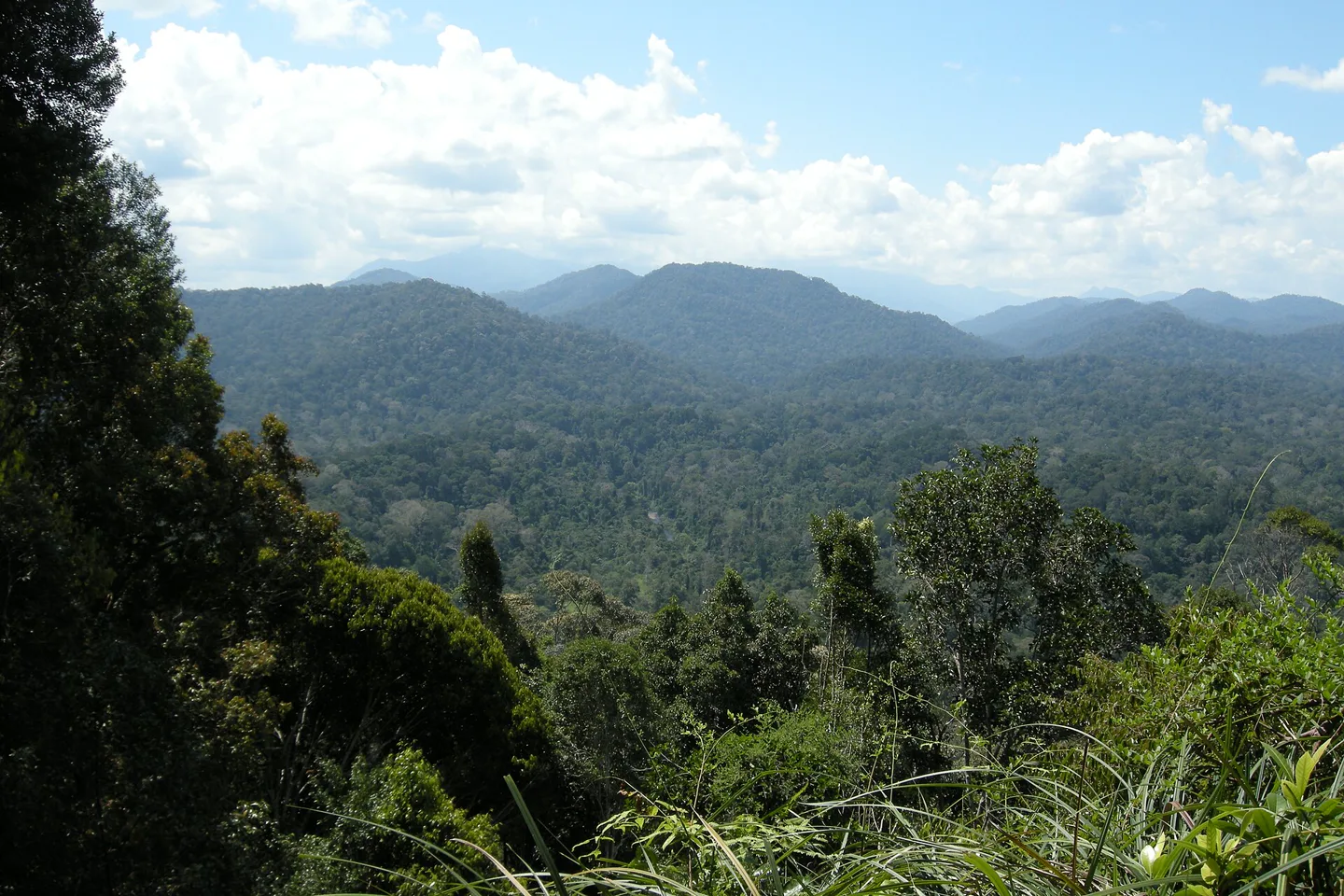
Taman Negara begins with the right riverbank.
Taman Negara spans three states and more than one entrance. For a short first visit, Kuala Tahan is a practical field base—but permits, boats, trails, guides, canopy access and weather still operate independently. Plan the forest by verified conditions, not promised sightings.
Go beyond the regional overview.
Choose the gateway before the activity. Kuala Tahan, canopy and river routes, and the Merapoh expedition side require different permits, guides and return plans.
01Kuala Tahan & Park Headquarters
Use Kuala Tahan as Taman Negara’s southern gateway with permit, river crossing, guide and accommodation checks in one arrival plan.
Open the field guide →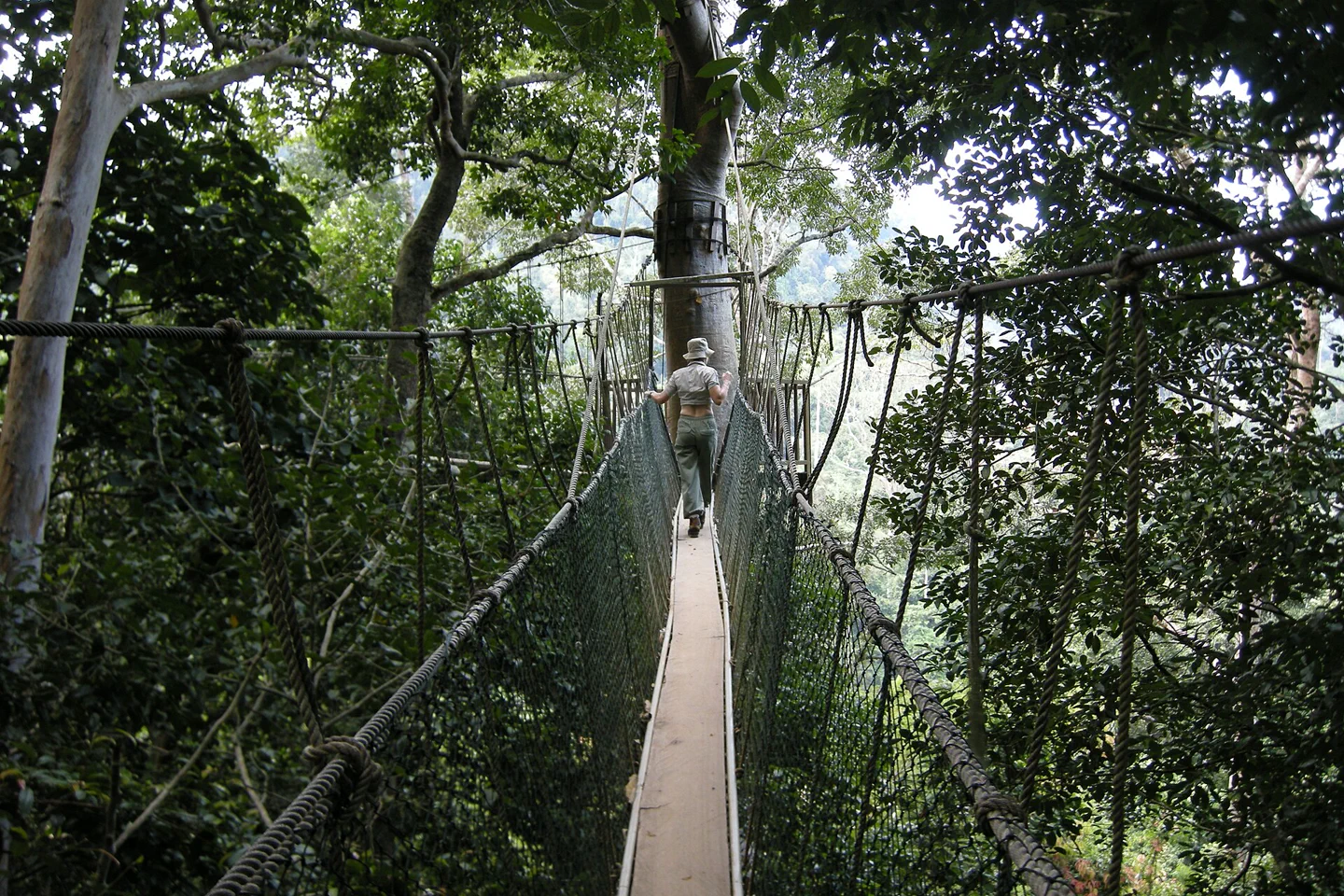 02
02Canopy Walkway & Bukit Teresek
Plan the canopy walkway and Bukit Teresek with current opening, trail conditions, heat, fitness and a guide-informed return.
Open the field guide →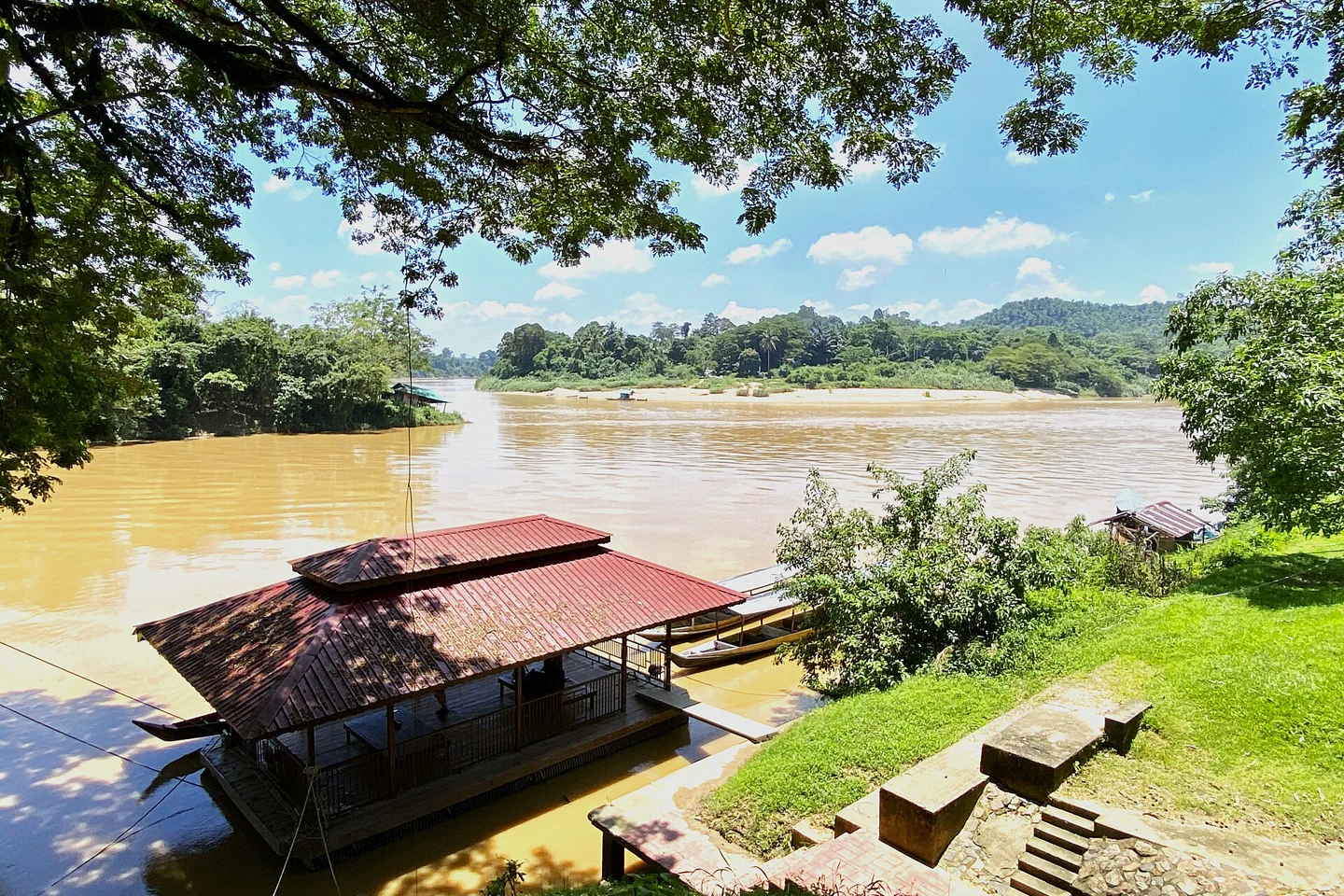 03
03Tahan River & Lata Berkoh
Build a Tahan River and Lata Berkoh outing around boat terms, water conditions, swimming judgment and a fixed return.
Open the field guide →04Merapoh & Sungai Relau
Use Merapoh and Sungai Relau as a separate Taman Negara expedition gateway with permits, guides, transport and multi-day scope.
Open the field guide →Name the gateway before buying transport.
The Department of Wildlife and National Parks describes four main entrance areas. A route to one does not automatically connect to the activities, accommodation or trail system of another.
Kuala Tahan, Pahang
The best-known visitor settlement sits across the river from the park entrance. It supports local accommodation, food, guides, boats and shorter forest programs, but every activity remains subject to current access and capacity.
- Reach it by a verified road transfer or current Kuala Tembeling boat arrangement
- Confirm which bank the accommodation and meeting point use
- Handle park permits and activity requirements on arrival as instructed
Merapoh / Sungai Relau
This western gateway serves its own forest programs and major trekking routes. Do not treat it as a quieter back door to a Kuala Tahan itinerary.
- Arrange permits, guide and transport specifically
- Long routes require expedition planning
- Other Kelantan and Terengganu entrances are separate again
Move upward only after the ground layer is solved.
The useful sequence is operational: reach the right bank, confirm permits, learn the nearest trail, then add river, canopy, hide or night activity only when status and ability support it.
Kuala Tahan base
Check food hours, cash needs, pickup point, mobile limits and the last crossing or boat relevant to the accommodation.
Permit desk
Confirm the current entrance, camera, fishing, camping or guide requirements that apply. Do not rely on an old fee screenshot.
Near trail
Begin with an authorized short route suited to rain, footwear and daylight. Turnaround discipline matters more than distance claimed.
Canopy layer
Use it only if the walkway and access trail are open. Height, heat and queues make it a separate ability and timing decision.
Deep program
Hides, caves, long treks and remote river routes need specific guides, equipment, capacity and emergency planning.
A named attraction can still be closed today.
Canopy walkways, trails and river trips may pause for maintenance, high water, storms or safety. Check at the park and with the responsible operator; then use the answer as a route decision, not a problem to negotiate around.
Quiet observation leaves the forest in control.
A rainforest visit is valuable without a dramatic sighting. Guides can reveal tracks, plant relationships, sound and river ecology that a checklist misses.
No bait, feeding or chase
Keep distance, silence devices, avoid flash and never ask a guide to pressure an animal into view. A missed sighting is a normal forest outcome.
Stay with the authorized route
Do not make shortcuts or collect plants, rock, insects or feathers. Carry all waste out and use the sanitation guidance provided locally.
Visit only with invitation and context
Indigenous and riverside communities are not exhibits. Choose community-led experiences, ask before photography and pay fairly for expertise or craft.
Match scope to competence
Confirm guide requirement, language, route experience, group size, safety equipment and what happens when weather changes.
A boat journey is transport only when it is actually operating.
The Kuala Tembeling route can be part of the experience, while direct road transfers can simplify time. Current departure, water level, baggage handling and onward connection decide which is useful.
Verify the whole chain, not the romantic middle.
Confirm the departure point, operator, reporting time, baggage protection, duration and arrival bank. A train or bus to a nearby town is not the same as a guaranteed transfer to the boat.
Keep enough time after leaving the park for road, river, weather and terminal delays before a fixed flight or long-distance train.
Let one full forest day remain full.
This sequence assumes Kuala Tahan and two nights. Add a third or fourth night for a guided remote program or to preserve a weather day; do not bolt one onto a short transfer window.
Reach the riverbank and complete the field setup
Arrive with daylight when practical, locate accommodation and food, confirm permits and book only the next verified activity. A short orientation walk is enough.
One forest transect plus one water or night layer
Begin with the authorized trail and canopy option if open. Add a guided river, hide or night walk only if weather, ability and return logistics remain sound.
Short local program, then a protected exit
Use the morning for a modest boat or interpretive activity. Leave ample buffer for the chosen road or river transfer and the next intercity connection.
Optional reserve day
Use an extra night for a properly guided deeper route or as insurance against rain—not as pressure to fill the forest with more sightings.
Pack for moisture and margin, not expedition theatre.
Specific treks require specific equipment. For a short Kuala Tahan visit, these basics solve more common failures.
Waterproof document layer
Protect passport, phone, medication and a dry change. Use a bag system that still works in a small boat or sudden rain.
Grip and a second pair
Choose footwear for current trail advice, not appearance. Keep dry sandals or shoes for the village after a wet route.
Water, sun and insects
Carry enough water, sun protection and suitable repellent. Long sleeves can help without pretending tropical humidity disappears.
Light and turnaround
Carry a dependable light even for a planned daytime return, and agree on the turnaround time before starting.
Taman Negara planning FAQ
Which gateway suits a first visit?
Kuala Tahan in Pahang is the best-known visitor gateway and supports short forest, river and guided programs. Merapoh and other entrances should be planned separately.
How many nights are useful?
Two nights provide one full park day. Three or four allow a weather reserve, a slower river or guided program and less pressure to force a closed activity.
Will I see wild animals?
No sighting is guaranteed. Quiet movement, suitable timing and a knowledgeable guide may improve understanding, but the forest is habitat rather than a scheduled display.
Do I need a permit?
Visitors must follow current park entry and activity permit requirements. Fees and categories can change, so confirm with the Department of Wildlife and National Parks or the park office.
Is the canopy walkway always open?
No. Maintenance, weather, safety and capacity can affect access. Check current status at the park and keep a ground-level alternative.
Can I visit as a day trip from Kuala Lumpur?
The long transfer leaves little field time and creates a fragile return. At least two nights make the gateway, permits and one full park day coherent.
Official sources and photo credits
Planning facts and licenses were reviewed on 30 August 2026. Permits, boats, trails, canopy access and weather change; verify directly before travel. Photographs were resized, center-cropped to 1440 × 960 and converted to WebP; no other material edits were made.
- Department of Wildlife and National Parks — Taman Negara Pahang, Kuala Tahan.
- Department of Wildlife and National Parks — ecotourism FAQ, entrances and permits.
- Tourism Pahang — Taman Negara and state brochures.
- METMalaysia — district weather forecast.
- Taman Negara panorama — Vyacheslav Argenberg, CC BY 4.0.
- Taman Negara canopy walkway — Vyacheslav Argenberg, CC BY 4.0.
- Kuala Tembeling landing — Slleong, CC0 1.0.