Seoul
A capital of palace walls, steep lanes, late kitchens, design experiments and river light. Stop crossing it for isolated pins: build each day around one side of the city.
Seoul quick facts
Choose an area by the day it creates
These are travel clusters, not claims that every attraction shares one administrative neighborhood. Each page explains the useful walking line, transport edge and reason to stop.
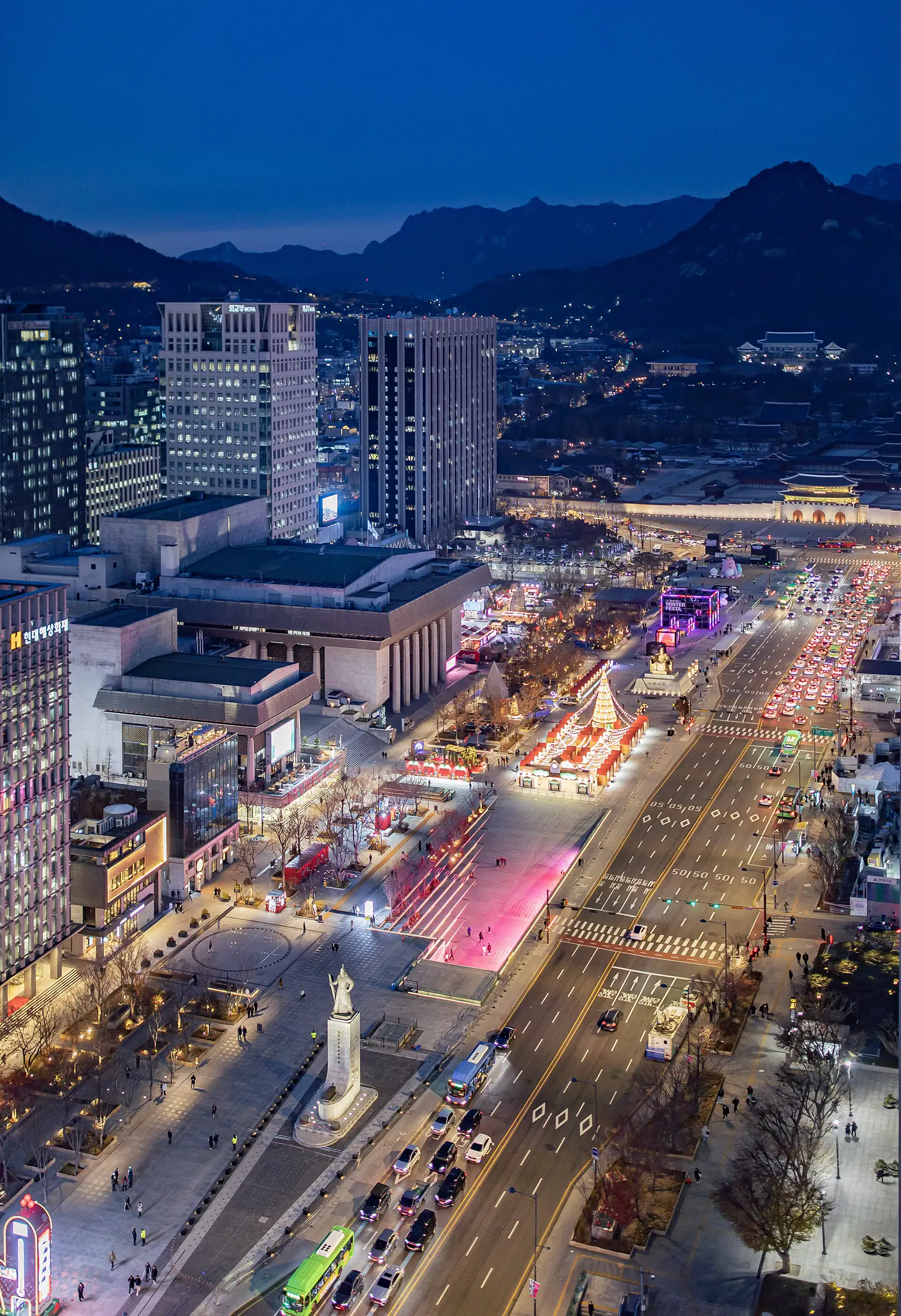
Jongno & Gwanghwamun
Choose one palace, walk the central axis and protect museum or stream time.
Open area guide →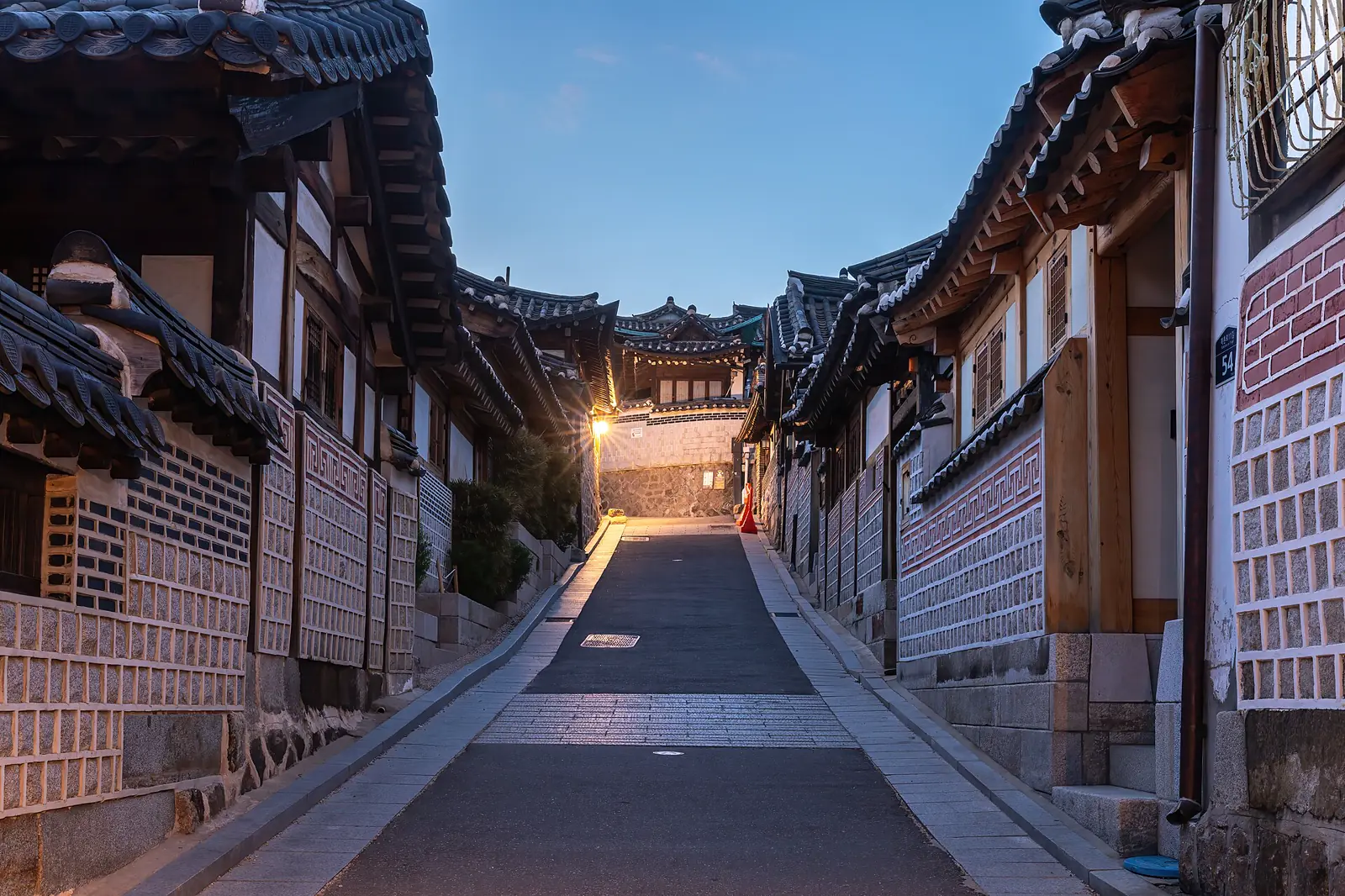
Bukchon & Seochon
Respect restricted residential lanes and choose one side of Gyeongbokgung.
Open area guide →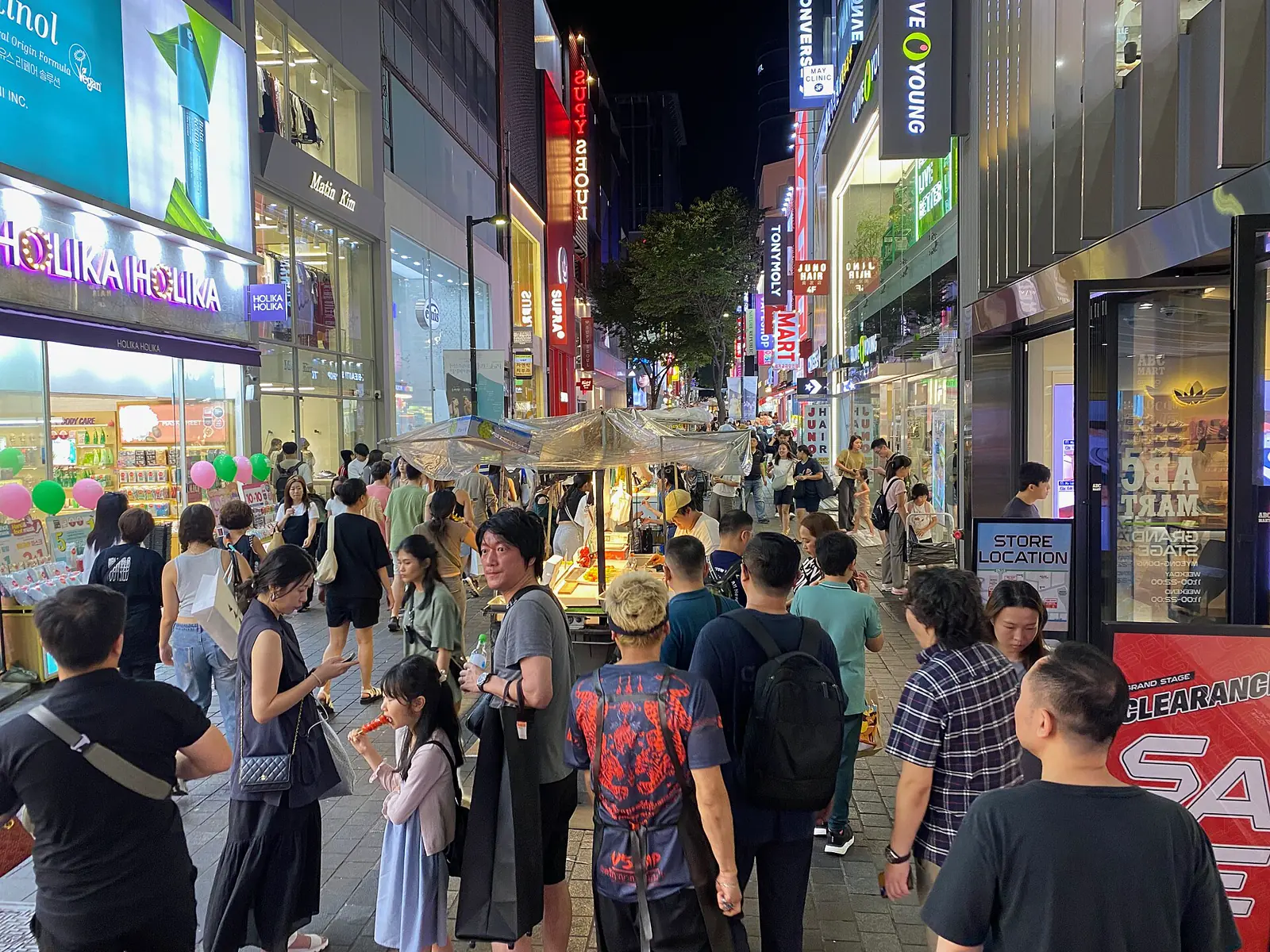
Myeongdong & Namsan
Use the district for practical access, then earn the skyline on foot or transit.
Open area guide →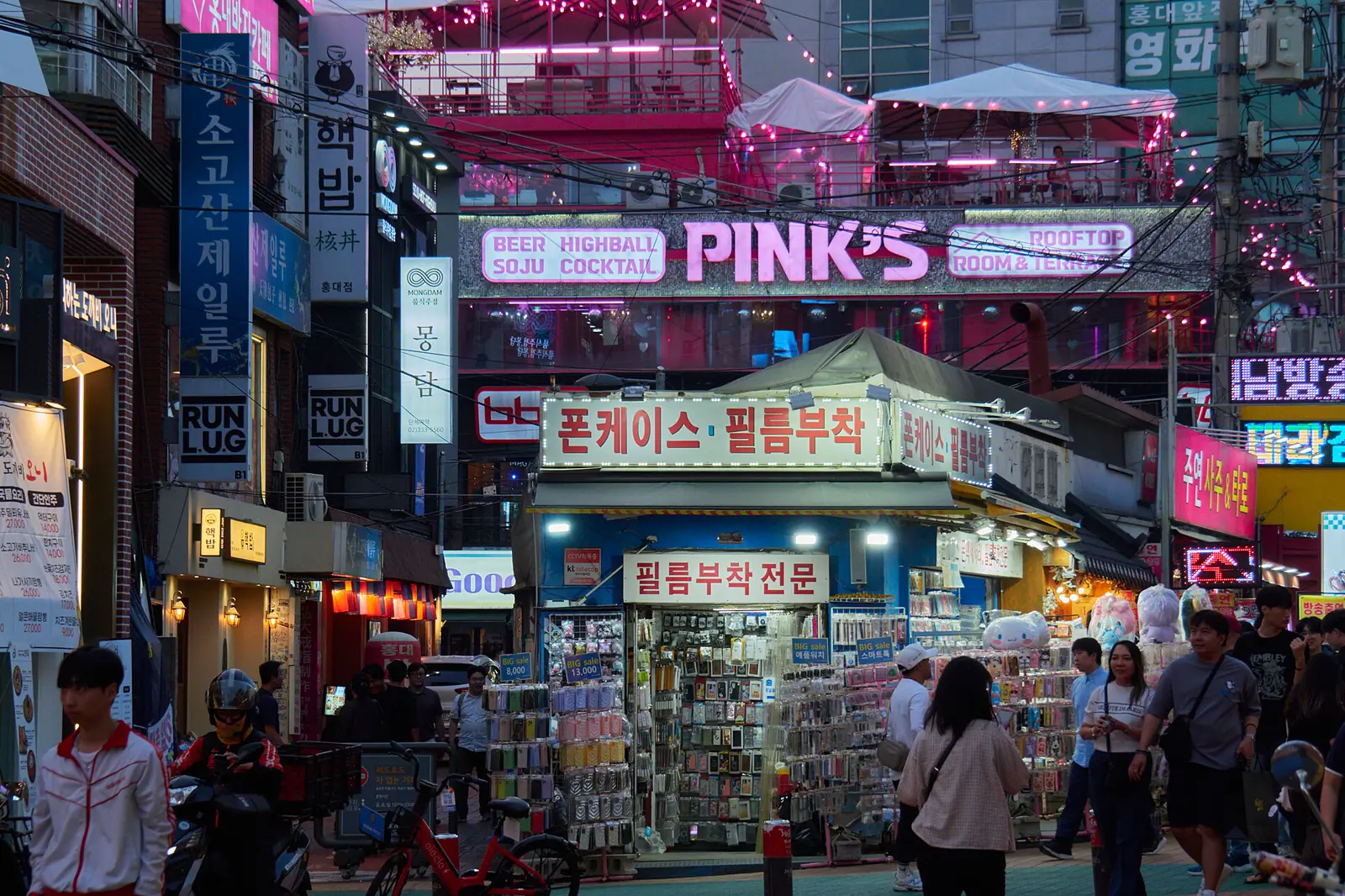
Hongdae & Yeonnam
Separate performance streets, quieter park edges and airport-friendly hotel logic.
Open area guide →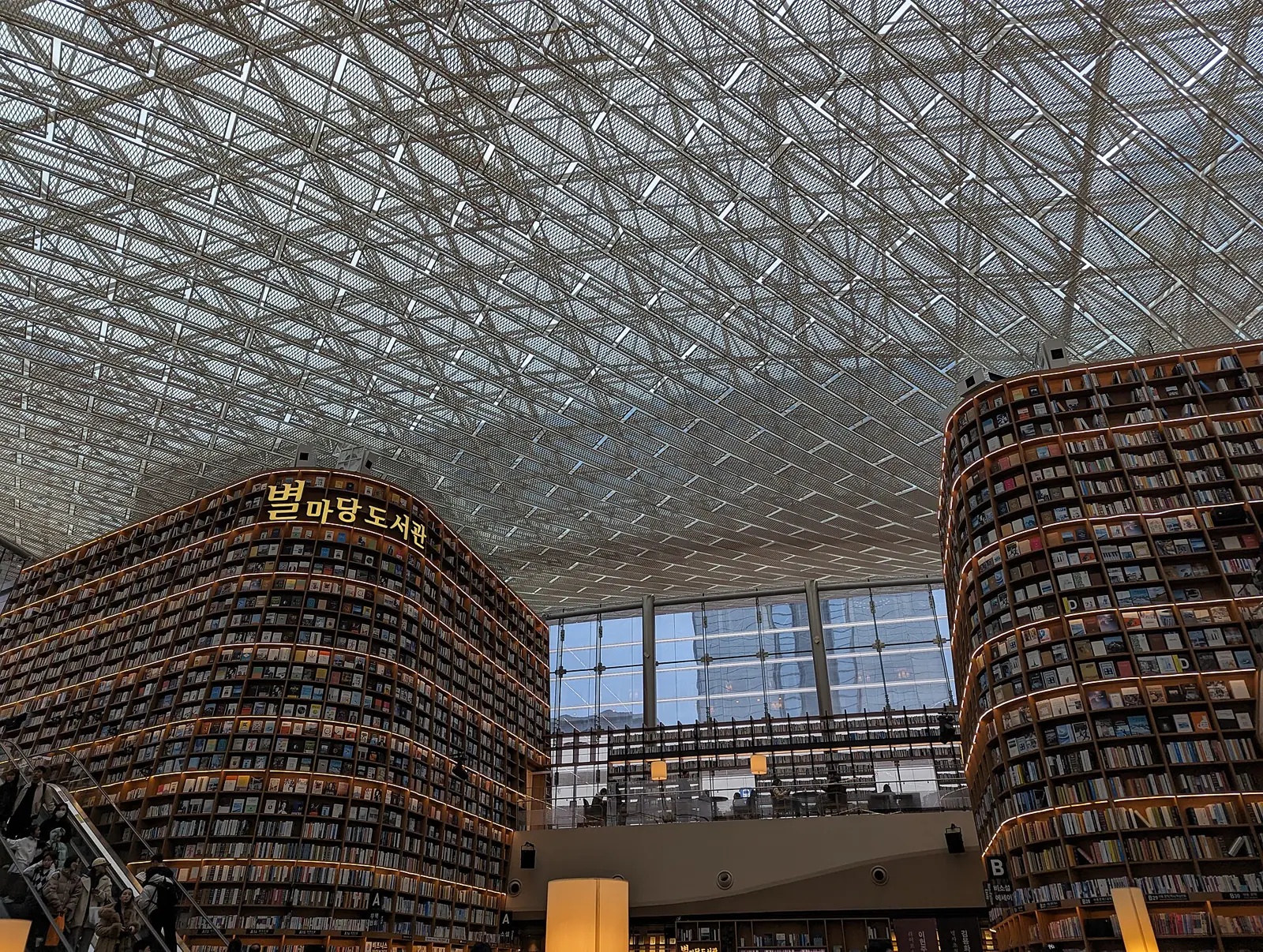
Gangnam & Jamsil
COEX, design, shopping and Jamsil form separate nodes—not one short walk.
Open area guide →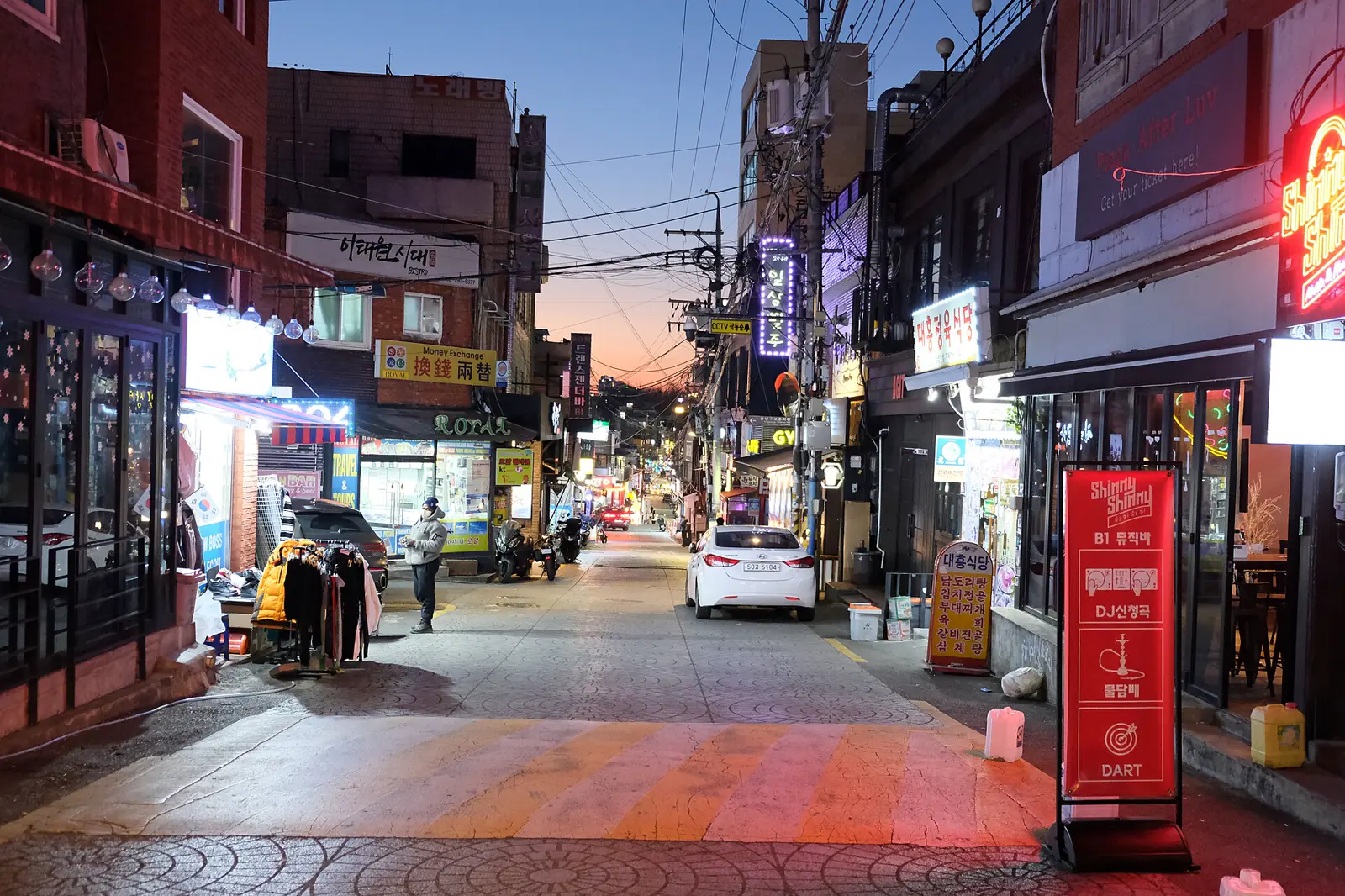
Itaewon & Hannam
Plan for hills, gallery reservations and an evening shaped by the exact street.
Open area guide →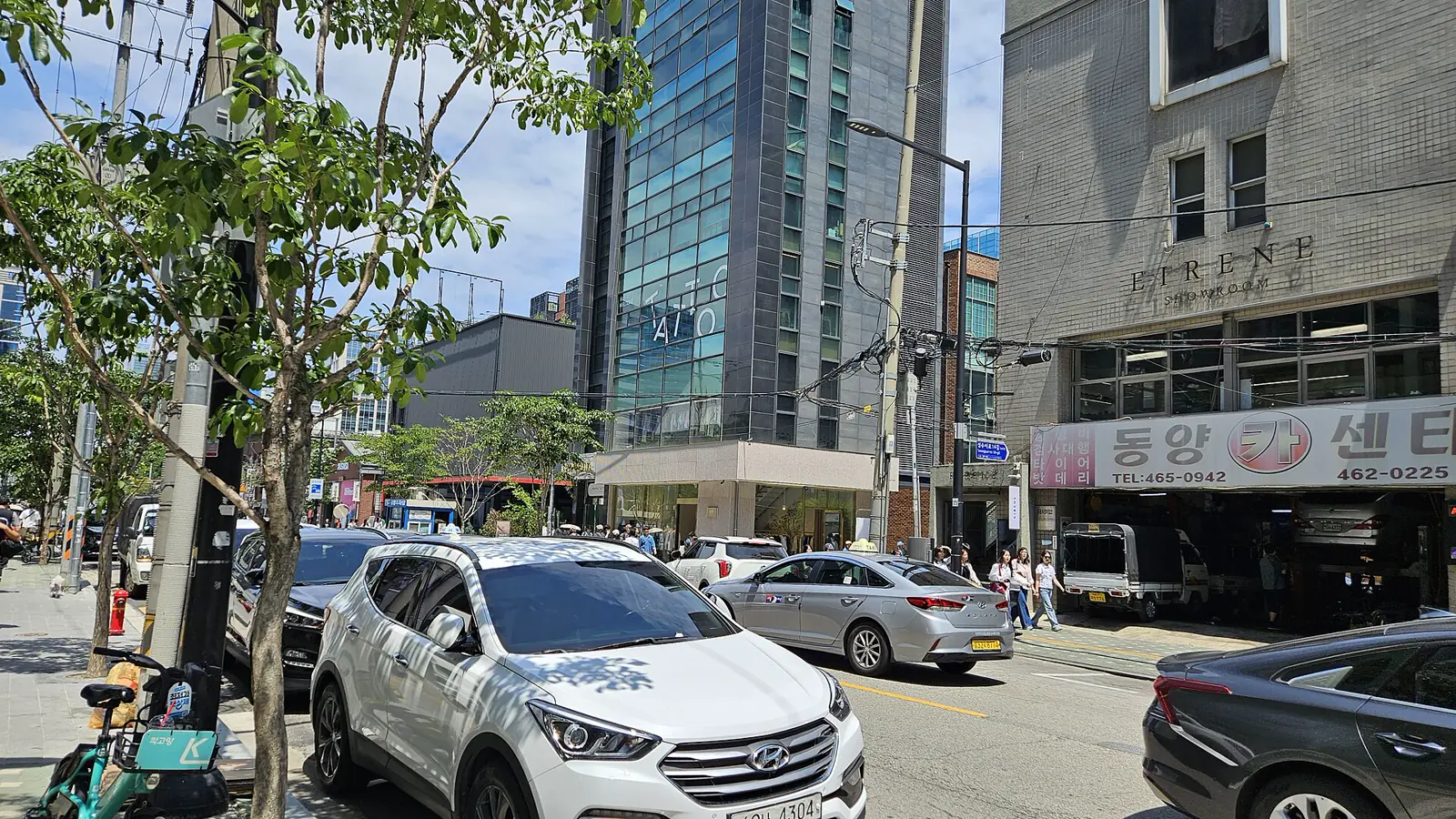
Seongsu & Seoul Forest
Check pop-up dates, then balance changing retail blocks with a real park walk.
Open area guide →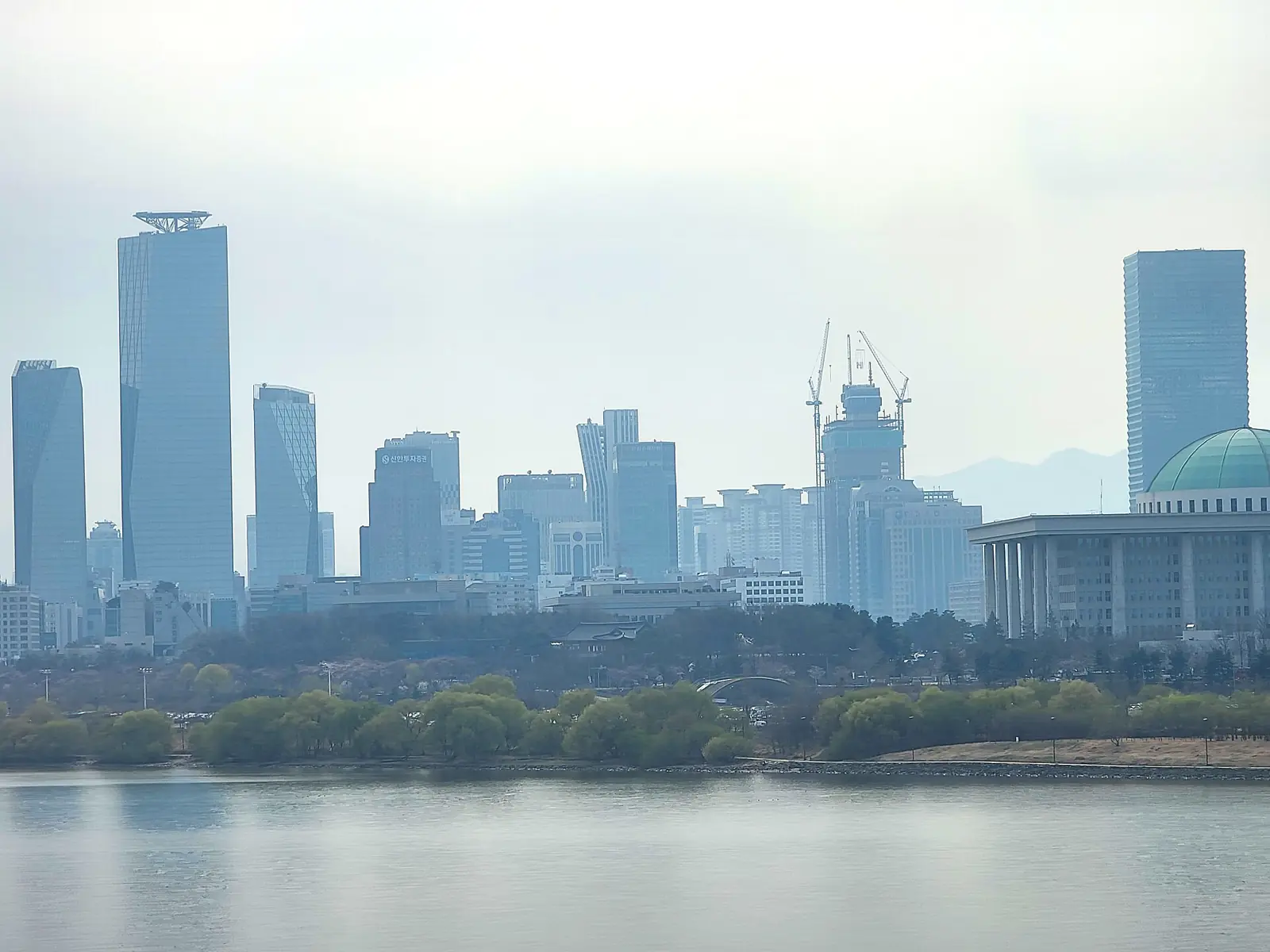
Yeouido & Hangang
Use weather, sunset and event access to choose the right river park.
Open area guide →Choose the station cluster you will use at night
A famous neighborhood can still be inconvenient when the hotel sits uphill, across an arterial road or on the wrong side of a large station.
Jongno · Euljiro
Good for palace days, central food streets and multiple lines. The exact block determines whether evenings feel lively or quiet.
Myeongdong
Central, visitor-friendly and useful for airport buses. Expect dense retail and verify the final uphill walk toward Namsan.
Hongdae
Useful AREX access and late energy. Choose Yeonnam for a calmer edge or the core for immediate nightlife.
Gangnam · Jamsil
Excellent when most meetings, shopping or attractions are south of the river; inefficient for repeated palace mornings.
Compare the final transfer, not the fastest headline
Incheon is the major international gateway and sits well outside central Seoul. Gimpo is closer and handles domestic plus selected regional routes.
AREX all-stop
Useful for Hongdae and Seoul Station with metropolitan fares and more stops. Check the final line change and luggage path.
AREX express
A reserved, nonstop option to Seoul Station. It is only fastest when Seoul Station is useful for the hotel or onward train.
Airport limousine bus
Can reduce transfers near specific hotels, but road traffic and stop sequence matter. Verify the current route and last departure.
Tap correctly and plan the station exit
A reloadable transport card is the practical default for most visitors. Unlimited products can help, but coverage and activation rules must match the actual itinerary.
Tap out of buses
Correct tapping supports transfer calculation. Do not assume a cash fare receives the same treatment.
Save the exit number
Large stations and six-lane roads can add a long surface correction after an otherwise perfect route.
Check the final connection
Late-night districts can outlast the subway. Verify the current last service or budget for a taxi.
Cross the river with a reason
Reverse outdoor days for weather and closure calendars. The order matters less than keeping each day spatially coherent.
Historic north → creative west → central hill → south → river
Jongno axis
Choose one major palace, Gwanghwamun and one museum, market or stream continuation.
Bukchon or Seochon
Follow current residential rules, then add Insadong, Ikseon-dong or a palace edge without doubling back.
Hongdae to Yeonnam
Start with design or café streets, use the forest park as a hinge and save the louder core for evening.
South and river
Give Gangnam or Jamsil a focused day; reserve the final day for Myeongdong, Namsan, Seongsu or Hangang by weather.
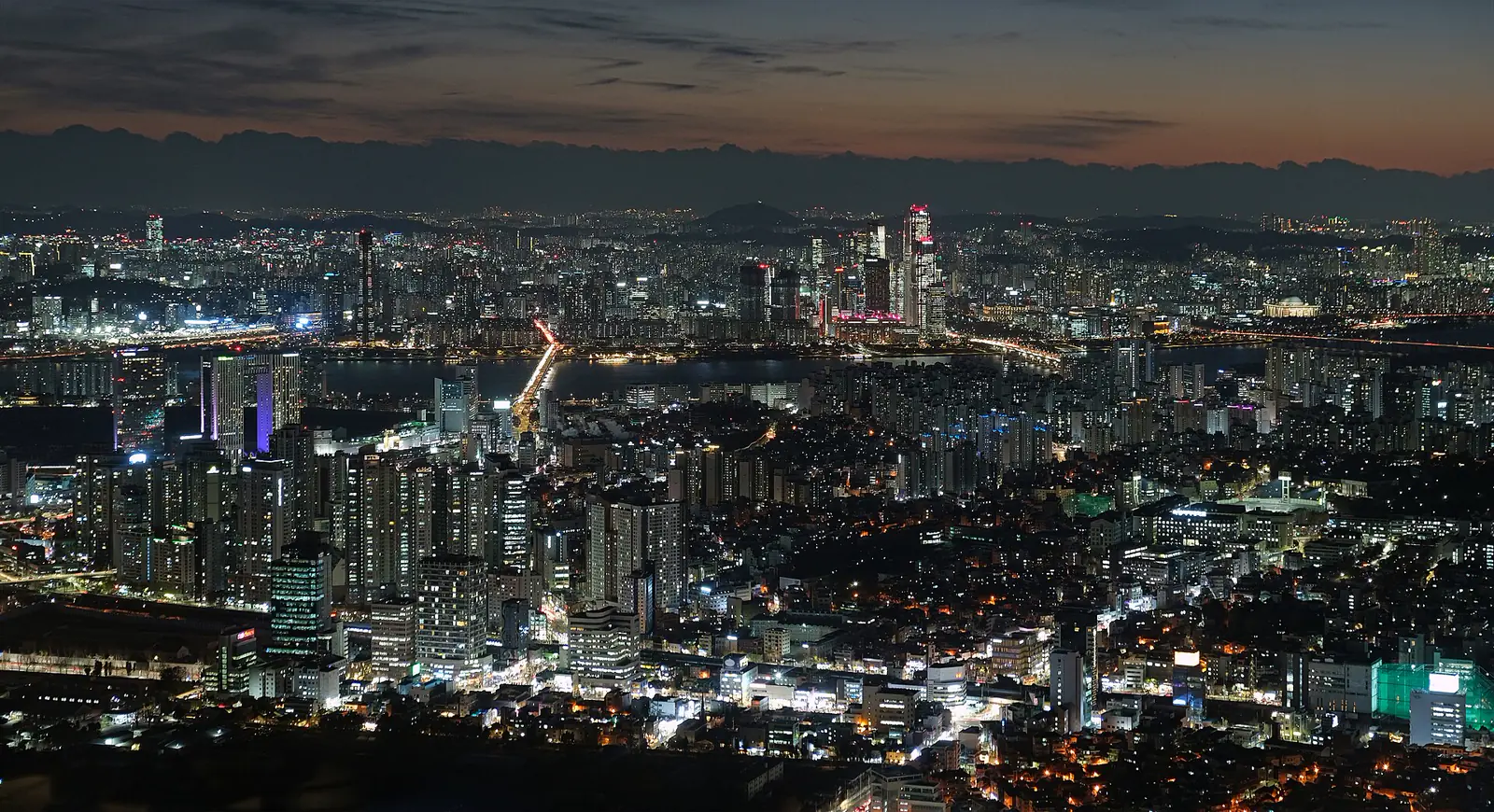
Use the skyline as a weather decision
Heat haze, rain, fine dust and cloud can erase a paid panorama. Keep Namsan, river parks and exposed palace grounds movable, then switch to museums, markets or design spaces when conditions turn.
- Check air quality as well as rain.
- Carry water during humid summer days.
- Use layers for winter wind and heated interiors.
- Confirm seasonal events on the official calendar.
Seoul FAQ
Is five days too long for Seoul?
No. Five days allow north, west, central, south and river or interest-led districts without spending every day crossing the city.
Should I stay near Seoul Station?
It is useful for airport and intercity rail, but the station complex and surrounding roads can make the exact block important. Compare it with Jongno, Myeongdong or Hongdae for repeated evenings.
Can I use one transport card everywhere?
A standard reloadable card works across much of the urban network, but airport express services, special passes and some products have distinct rules. Check official coverage.
Do palaces all close on the same day?
No. Closure days and seasonal hours differ. Choose the palace first, confirm its official calendar and only then finalize that day's route.
Keep the next transfer purposeful
Official sources and photo credits
Planning facts were reviewed on 26 August 2026. Recheck airport transport, subway coverage, attraction hours, air quality and event operations before visiting.
- Seoul Metropolitan Government — airport access.
- Seoul Metropolitan Government — public transportation.
- Official Seoul tourist and subway map.
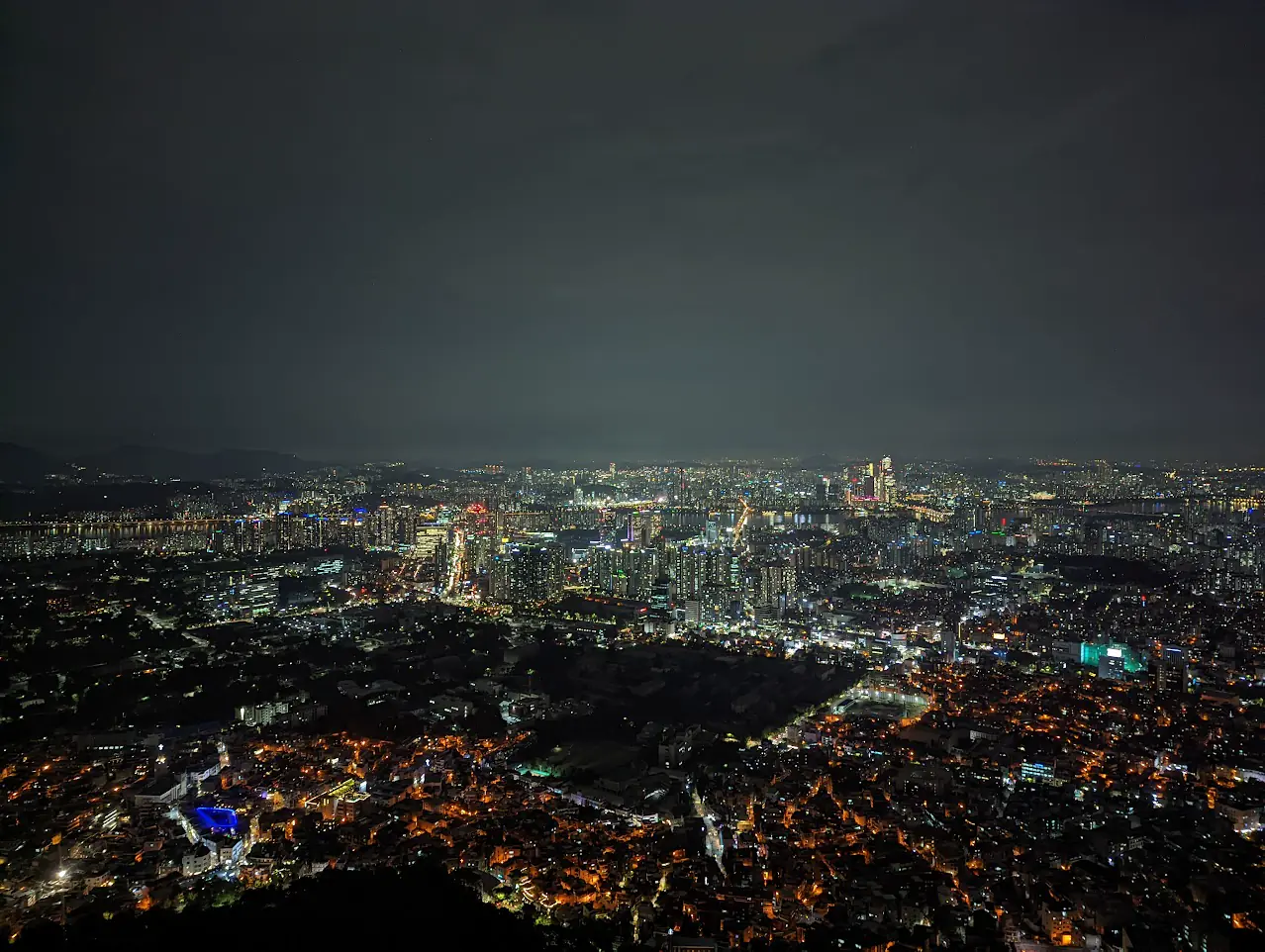
- Seoul skyline photo — Takipoint123, CC BY-SA 4.0.
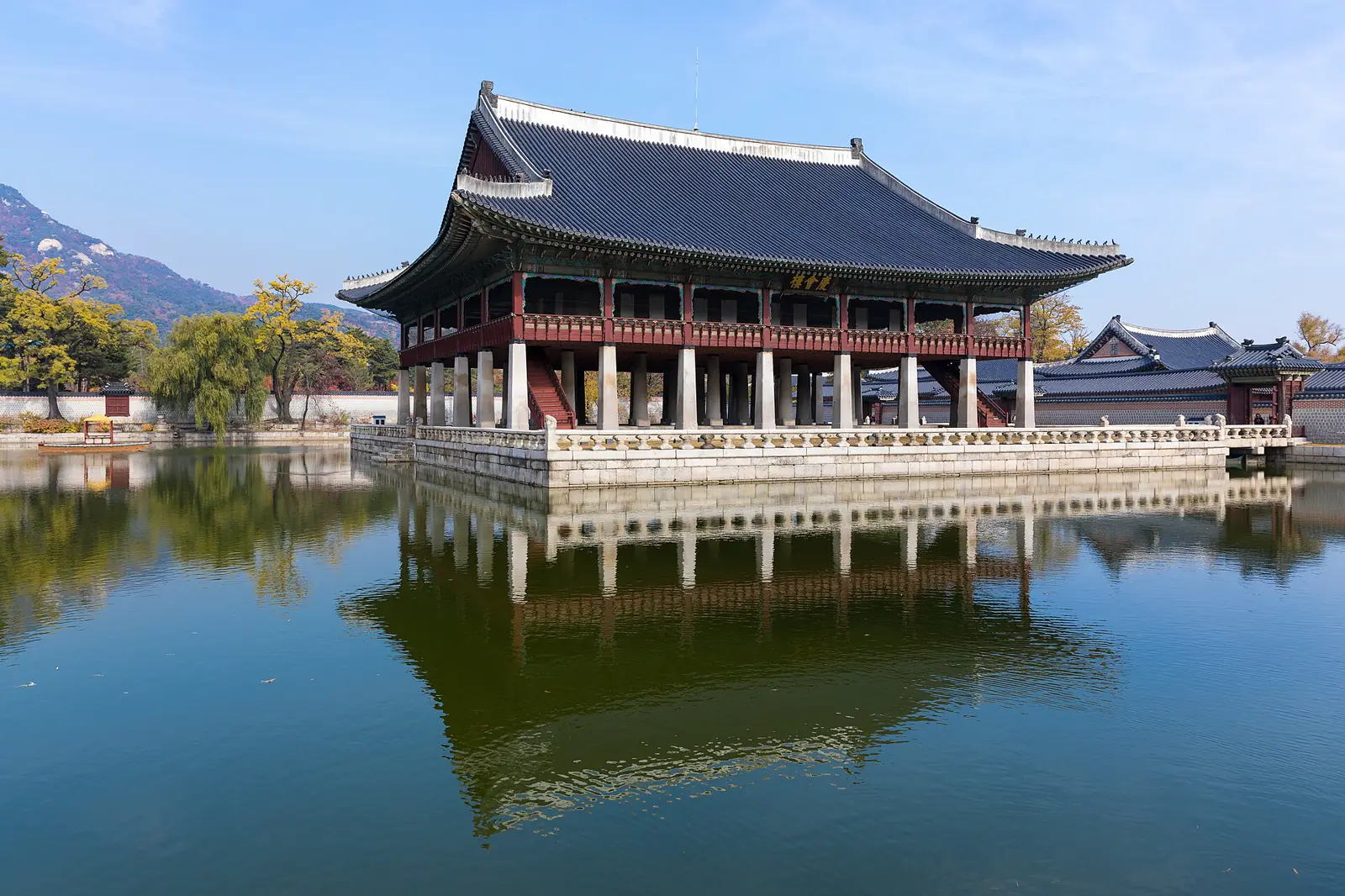
- Gyeongbokgung photo — Frank Schulenburg, CC BY-SA 4.0.
- N Seoul Tower photo — kallerna, CC BY-SA 4.0.