Kleinbasel, Dreiländereck & Border Context
Use Kleinbasel and the northern Rhine to understand Basel as a border city, without turning the day into a meaningless dash across three national frontiers.
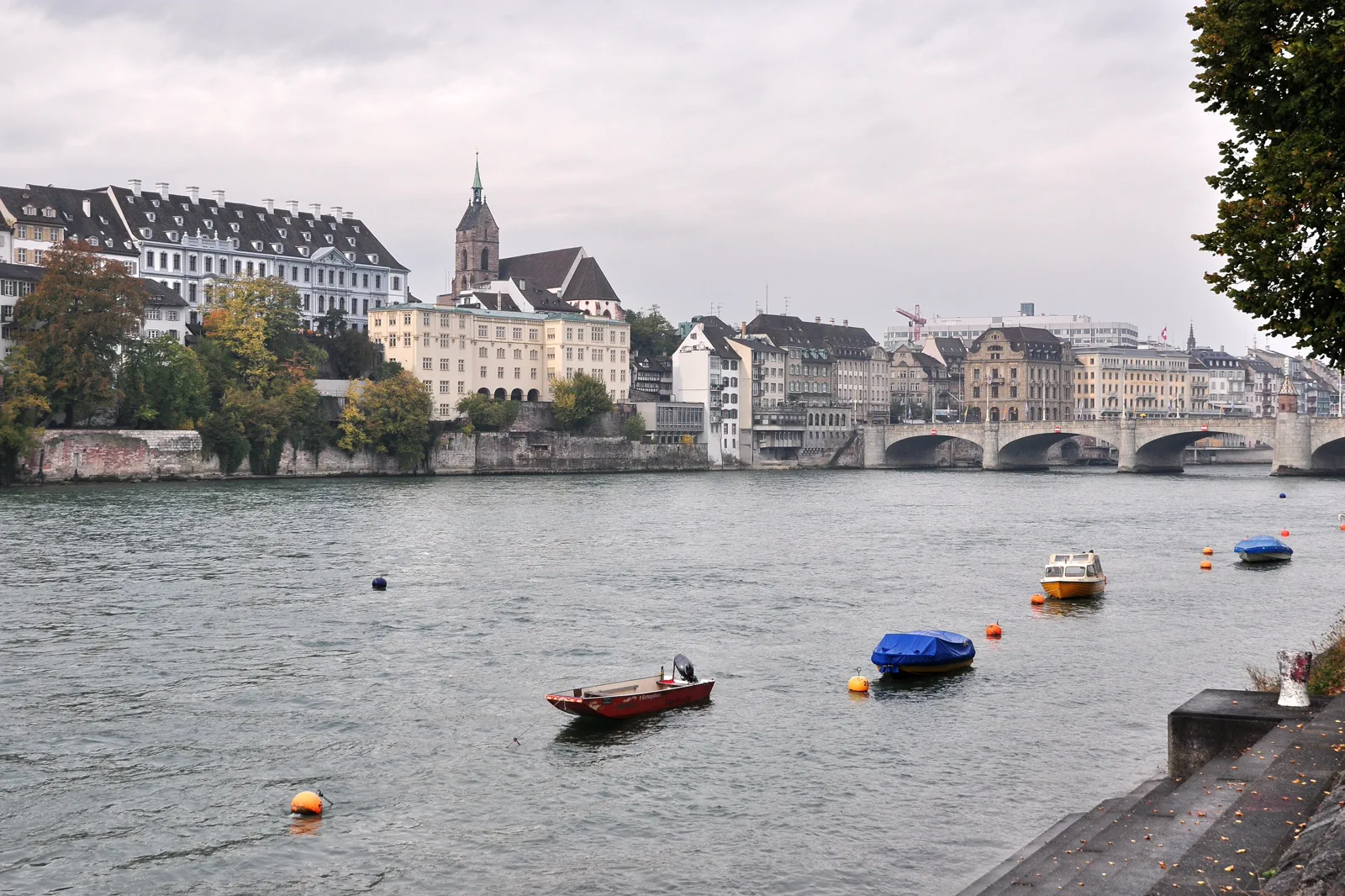
Neighborhood day
Kleinbasel streets, riverbank and food; strongest for lived-in city context.
Border-geography day
Add Dreiländereck and port landscapes; strongest for urban geography.
Tri-national extension
Only when a named destination in France or Germany adds independent value.
Know where the day actually begins.
Start in Kleinbasel and move north by tram or riverside sections. Dreiländereck is a geographic marker in an urban/port landscape, not a major scenic attraction; public transport keeps the industrial stretches proportionate.
What this route gives up.
This route gives contemporary Basel, river infrastructure and tri-national context. It gives up the cathedral-and-museum density of the center, so it works best for repeat visitors or travelers interested in urban geography.
Fit this field guide into Basel & the Rhine, not into an isolated checklist.
Basel’s historic core, Rhine banks and unusually dense museum landscape sit close together, but the city still needs selection. Use the river as the organizing line, choose one large collection, and treat cross-border geography as context rather than a checklist of three countries.
Two nights suit a first visit; add a third only for multiple museums or a day trip. Basel SBB is the easiest national-rail base, while old-town hotels reduce evening transit.
Trams dominate local movement. Basel SBB and Basel Badischer Bahnhof are different stations; international services may use either. Save the actual station name before departure.
Museums make Basel robust year-round. Summer strengthens riverbank life; winter shifts the balance toward collections, markets and short tram-linked walks.
Rain is rarely a reason to abandon Basel: choose a major museum, use trams between the cathedral/old city and river edges, and leave long river walks for the dry window.
Arrive, orient, commit, then protect the return.
Check BVB routes and current access around port/river areas. Carry the travel documents required for your cross-border plans even within the wider Basel urban area.
- 01Arrive
Begin in Kleinbasel
Start near a tram anchor and let the neighborhood scale replace the old-city checklist.
- 02Orient
Follow the river selectively
Walk the sections with public life and views; use transit past low-value industrial stretches.
- 03Commit
Read the border marker in context
Treat Dreiländereck as a coordinate in a working port region, not a monument requiring an hour.
- 04Return
Return on the tram grid
Finish centrally or at Basel SBB without duplicating the riverside path.
A useful day even when the postcard disappears.
If weather or construction makes the river walk unpleasant, use tram stops to sample Kleinbasel neighborhoods and return to the old city. The border story does not require completing every waterfront kilometer.
Check BVB routes and current access around port/river areas. Carry the travel documents required for your cross-border plans even within the wider Basel urban area.
Change the plan before the problem compounds.
Border symbolism
Standing near three countries is not automatically a full itinerary. Add it only if the urban context interests you.
Port access
Working infrastructure can change pedestrian routes. Respect closures and signed access.
Documents and roaming
Cross-border travel can still affect tickets, mobile service and document requirements. Verify before extending the route.
Other ways to use Basel & the Rhine.
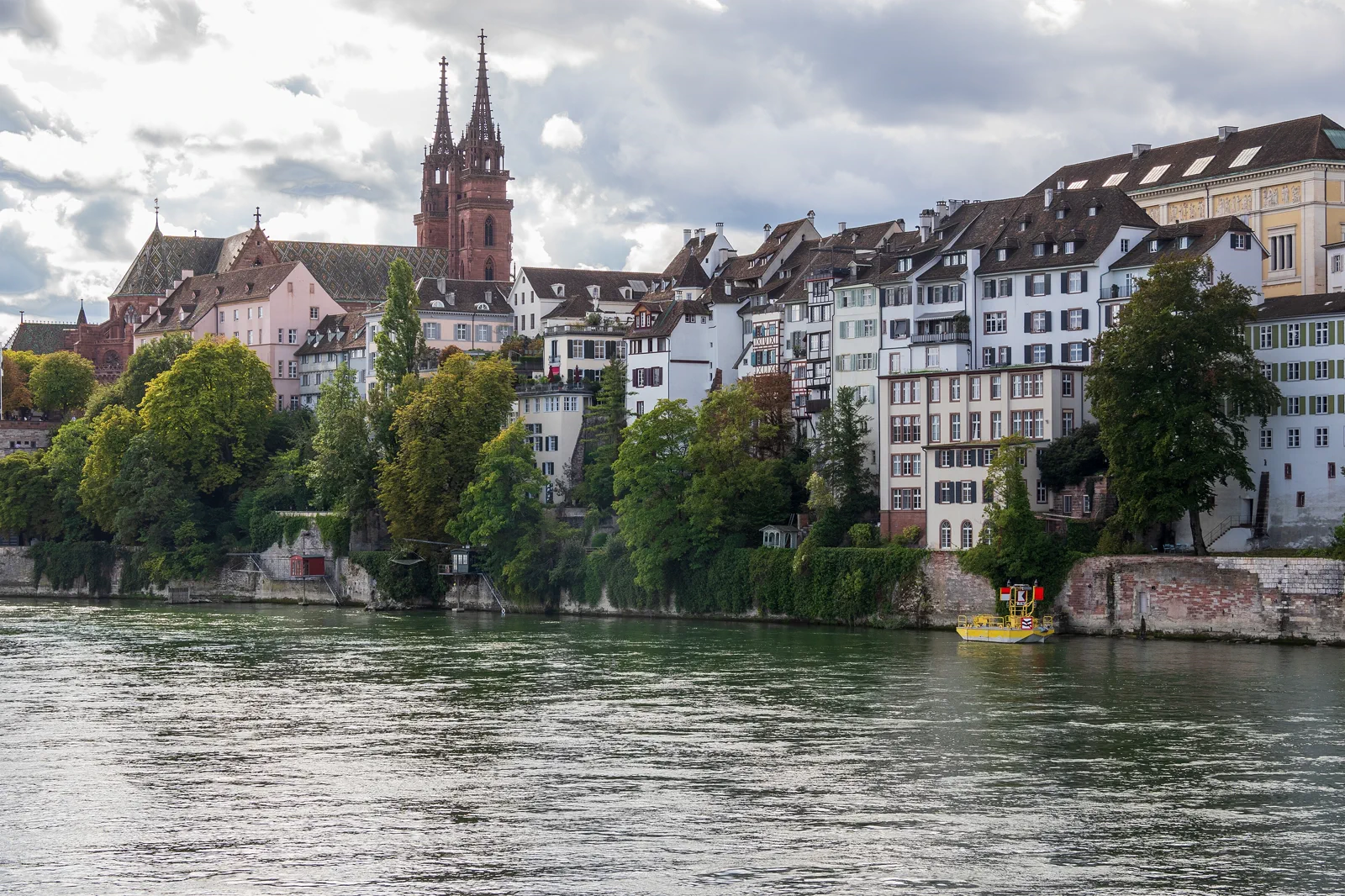
Basel Old Town & Rhine Banks
Use Münsterplatz and the Rhine crossings to connect Grossbasel and Kleinbasel, with one deliberate riverbank stretch…
Open this guide →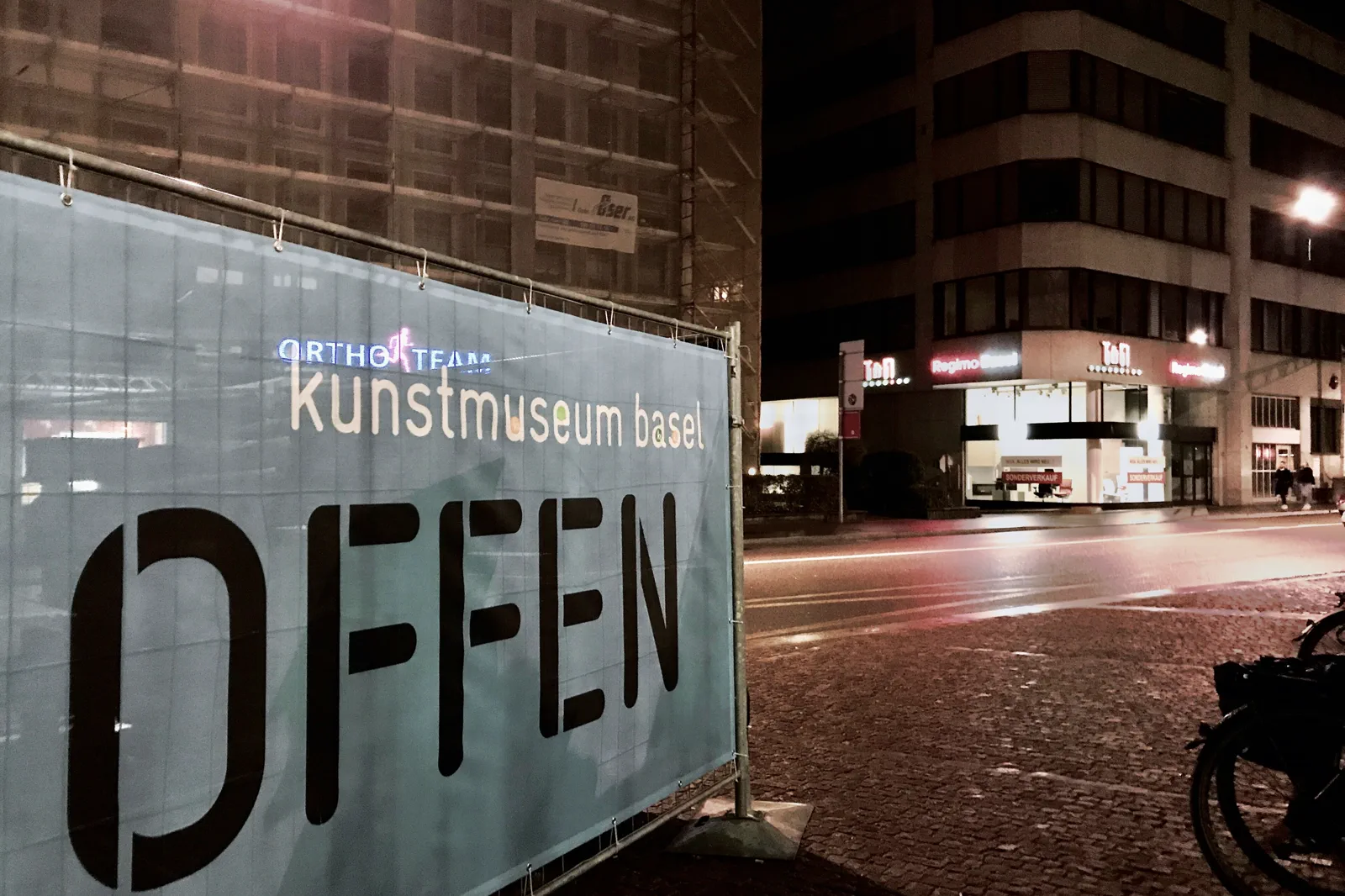
Basel Art Museums & Fondation Beyeler
Compare Kunstmuseum Basel, Fondation Beyeler and other collections by subject and location, then commit to one major…
Open this guide →Kleinbasel, Dreiländereck & Border Context FAQ
How much time should I give Kleinbasel, Dreiländereck & Border Context?
Three to four hours is enough for Kleinbasel and the northern marker. Add a neighborhood meal rather than extending to multiple cross-border towns without a clear purpose.
What should I combine with Kleinbasel, Dreiländereck & Border Context?
Pair with the central old-town loop for contrast. Cross into France or Germany only when you have a specific museum, town or meal objective.
What should I verify before leaving?
Check BVB routes and current access around port/river areas. Carry the travel documents required for your cross-border plans even within the wider Basel urban area.
Official sources and photo credits
Planning facts and image licensing were reviewed on 12 September 2026. Lift, boat, trail, weather and transport conditions can change quickly; verify the linked operator or authority before travel.
- Basel Tourism.
- Basler Verkehrs-Betriebe.
- SBB rail planning.
- Kunstmuseum Basel.
- Blick von der Mittleren. Brücke zur Grossbasler Altstadt (2023).jpg — JoachimKohler-HB, CC BY-SA 4.0. Resized, display-cropped and converted to WebP; no other material edits.
- Kunstmuseum Basel - Museum Night 2020 (Ank Kumar) 01.jpg — Ank Kumar, CC BY-SA 4.0. Resized, display-cropped and converted to WebP; no other material edits.
- Basel - Mittlere Rheinbrücke - Kleinbasel Rheinweg 2011-10-25 11-03-08 ShiftN.jpg — Roland zh, CC BY-SA 3.0. Resized, display-cropped and converted to WebP; no other material edits.