Switzerland read the timetable and topography as one map.
The country is compact on a rail map, but a useful day changes with lake shores, valley floors, funiculars, mountain railways, lifts and cloud level. Sixteen complete hubs make those operating systems visible before the postcard decides the route.
Choose the operating region.
Zurich, Lake Lucerne, Jungfrau, Zermatt, Engadin and Ticino may be close in kilometers but they use different local transport and weather gates.
Protect the last descent.
Mountain days are built backward from the last practical lift, funicular, boat or valley train—not forward from the first Instagram viewpoint.
Keep one lower layer.
Cloud can erase the expensive part of a mountain day while the city, lake or valley below remains useful. A good itinerary already knows that fallback.
Stations are itinerary architecture.
Zurich, Bern, Basel and Geneva work best when the main station, tram network, river or lake edge and one cultural anchor define the day before extra districts are added.
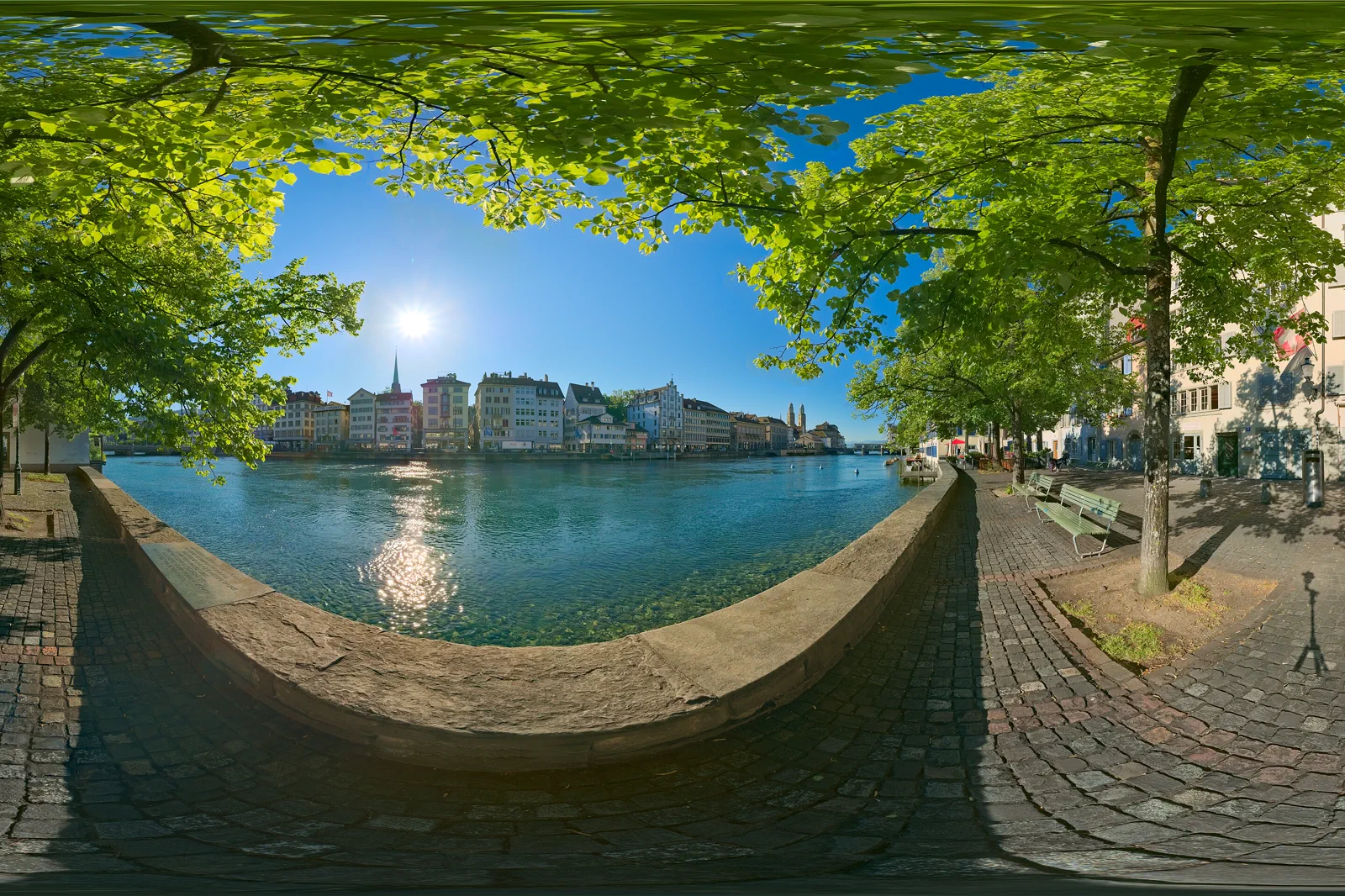
Zurich & Lake Zurich
Zurich works because the main station, old town, lakefront and dense tram network compress a large-city itinerary into short moves. The mistake is…
Open the regional timetable →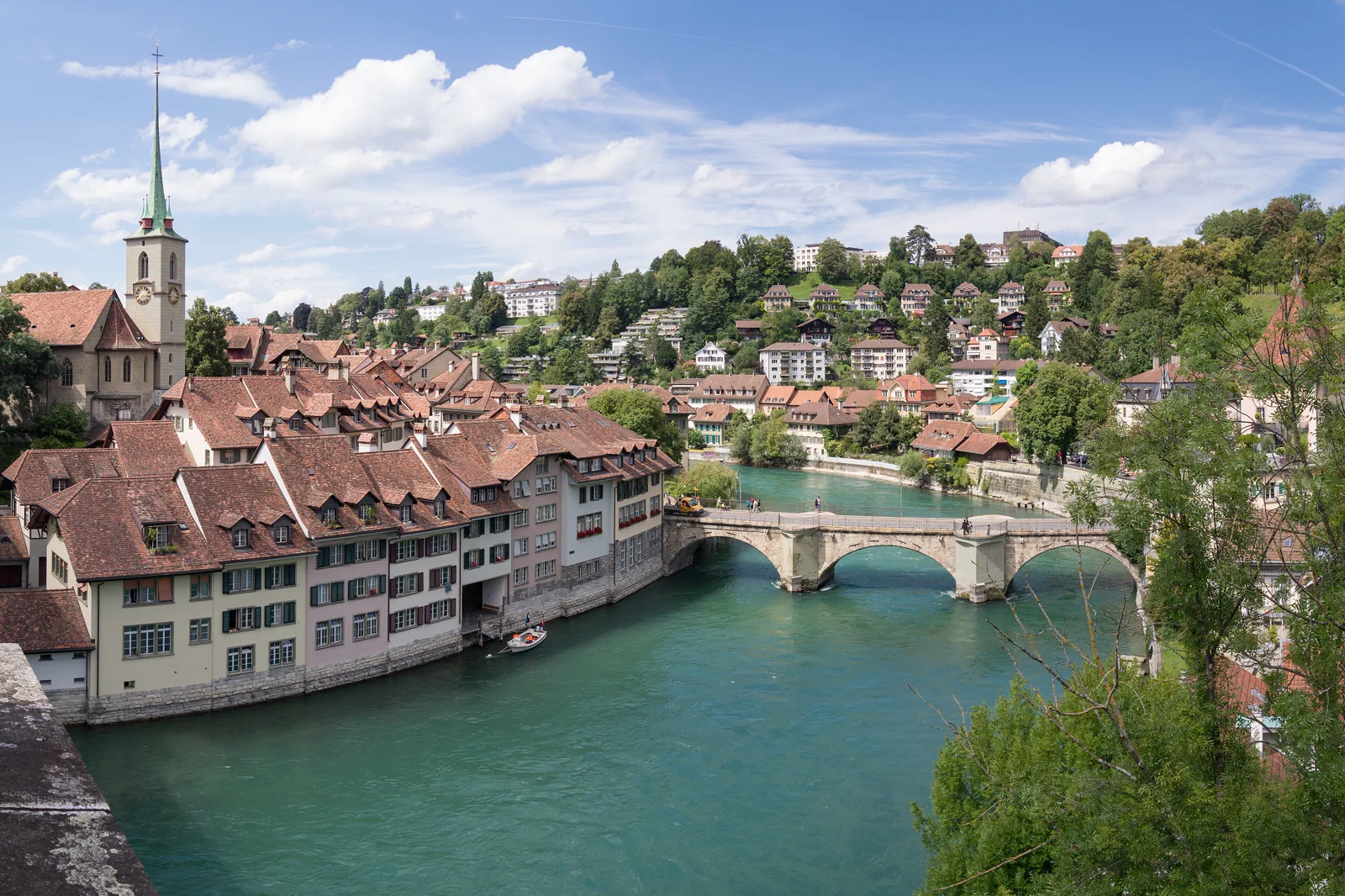
Bern & Emmental
Bern’s UNESCO-listed old city is unusually coherent, so a checklist works worse than a directional walk. Use the station-to-bear-park axis once, then…
Open the regional timetable →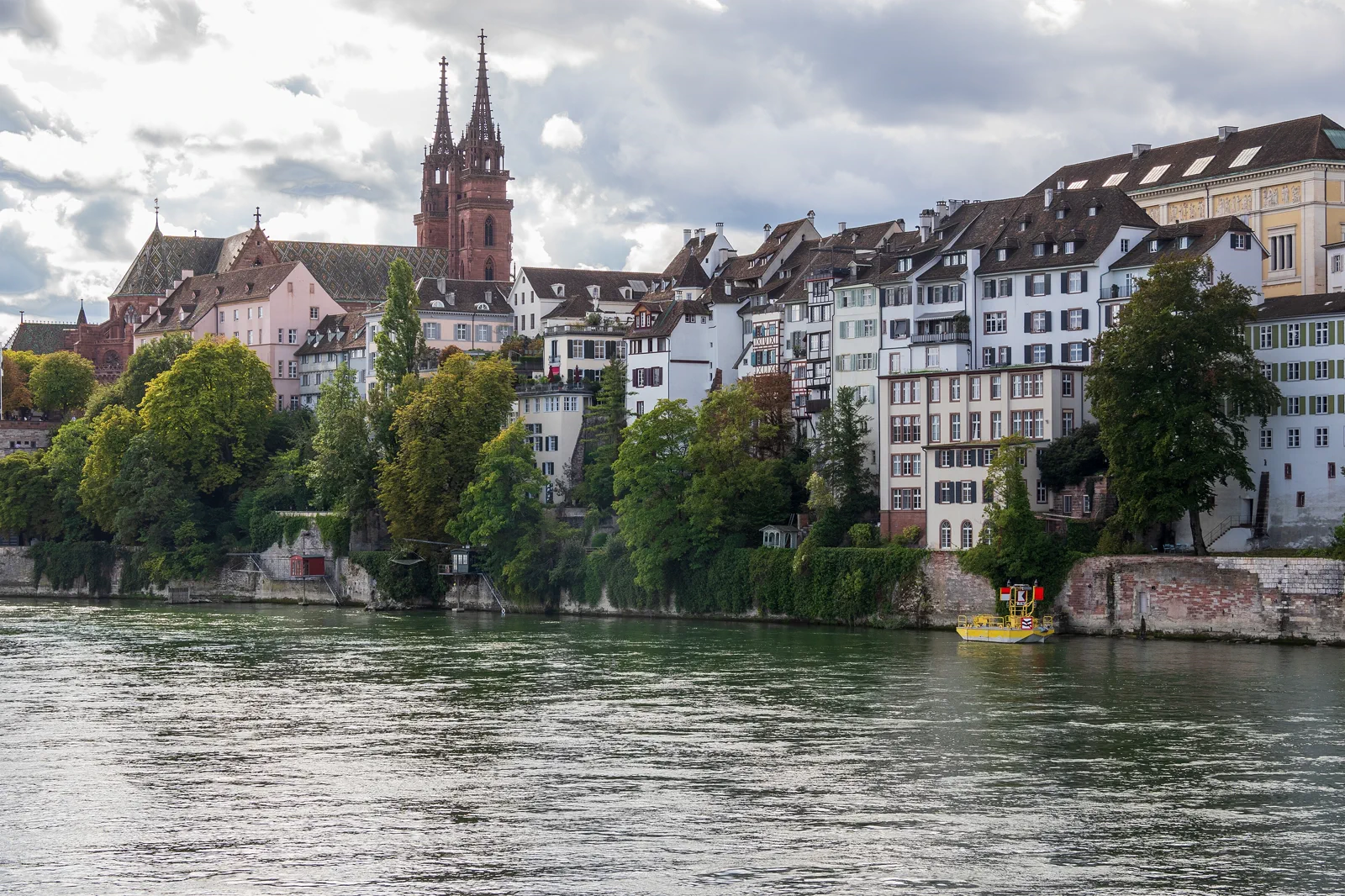
Basel & the Rhine
Basel’s historic core, Rhine banks and unusually dense museum landscape sit close together, but the city still needs selection. Use the river as the…
Open the regional timetable →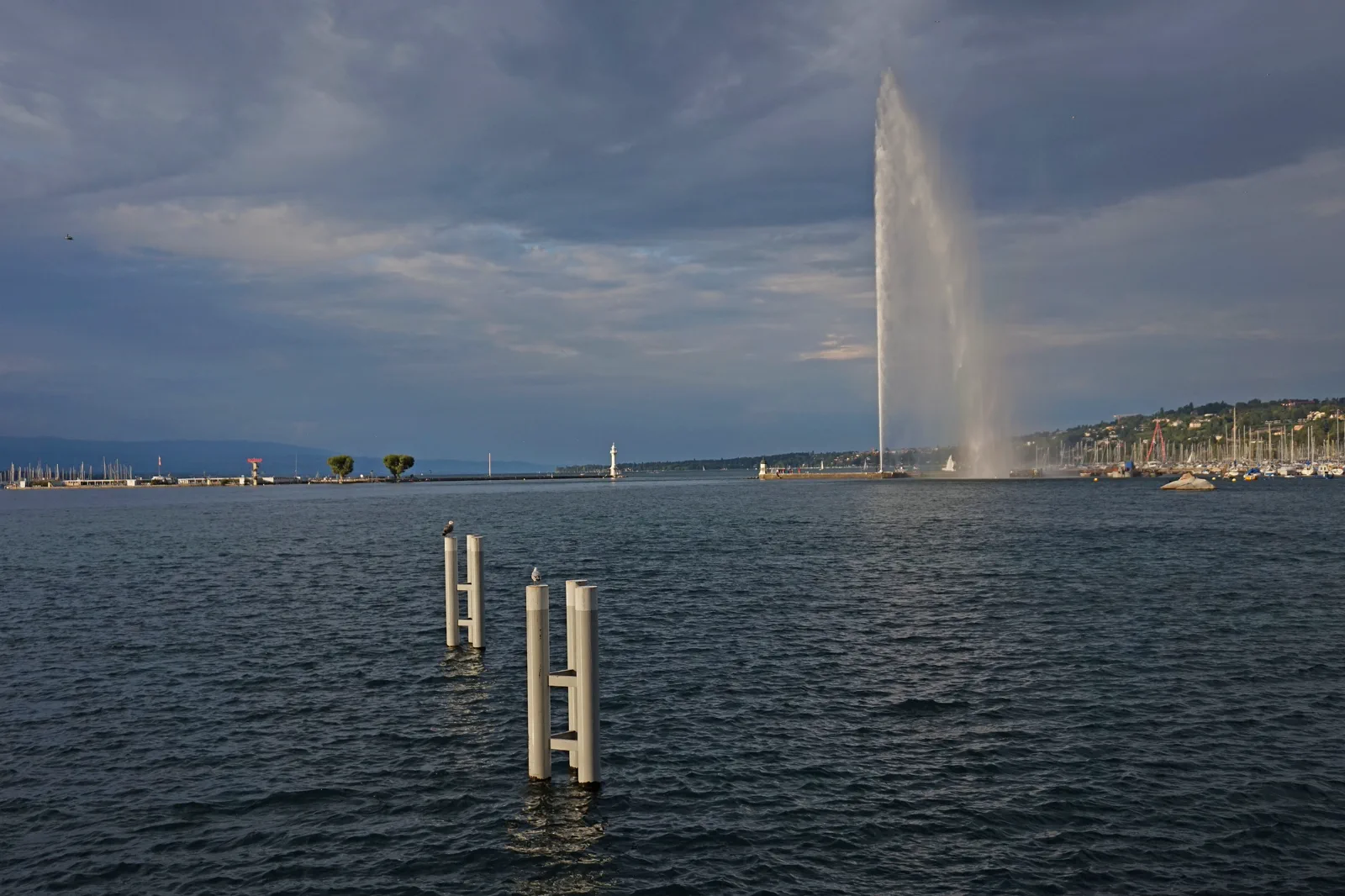
Geneva & Western Lake Geneva
Geneva’s compact center can be walked, but the international district and Carouge reward separate transport decisions. Use the lake to orient the city,…
Open the regional timetable →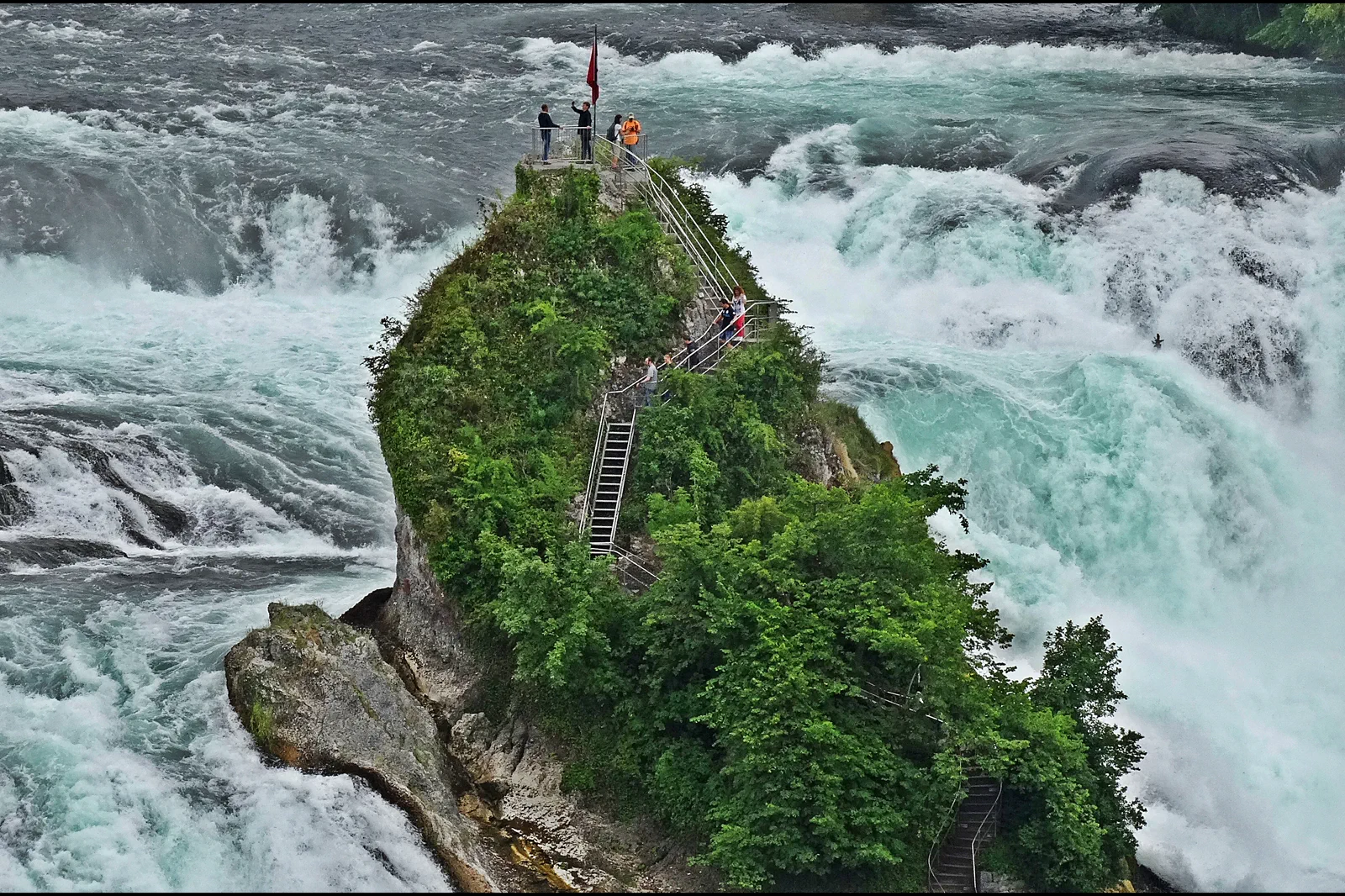
Schaffhausen & Rhine Falls
Rhine Falls is easy to reach but confusing when treated as a single pin. The north and south banks offer different access and attraction patterns, while…
Open the regional timetable →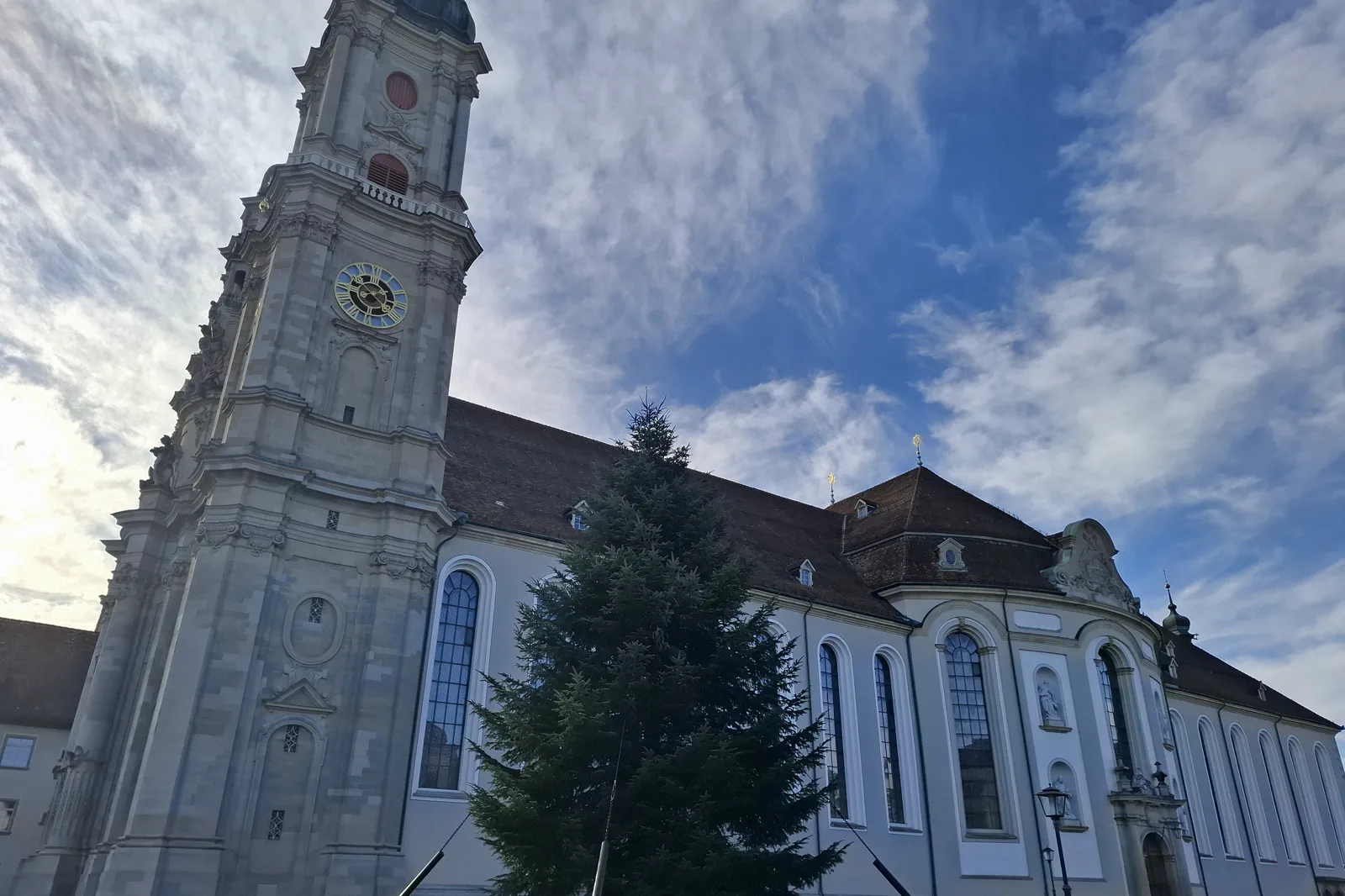
St Gallen & Appenzell
St Gallen’s Abbey District, Appenzell’s compact village and the Alpstein mountains form three different travel modes within a short regional network. The…
Open the regional timetable →Use water as a connector, not decoration.
Lucerne, Lausanne, the Riviera, Interlaken and Ticino add boats, shoreline rail and steep local elevation. A scenic connection still needs a timetable and a useful return.
Lucerne, Pilatus & Rigi
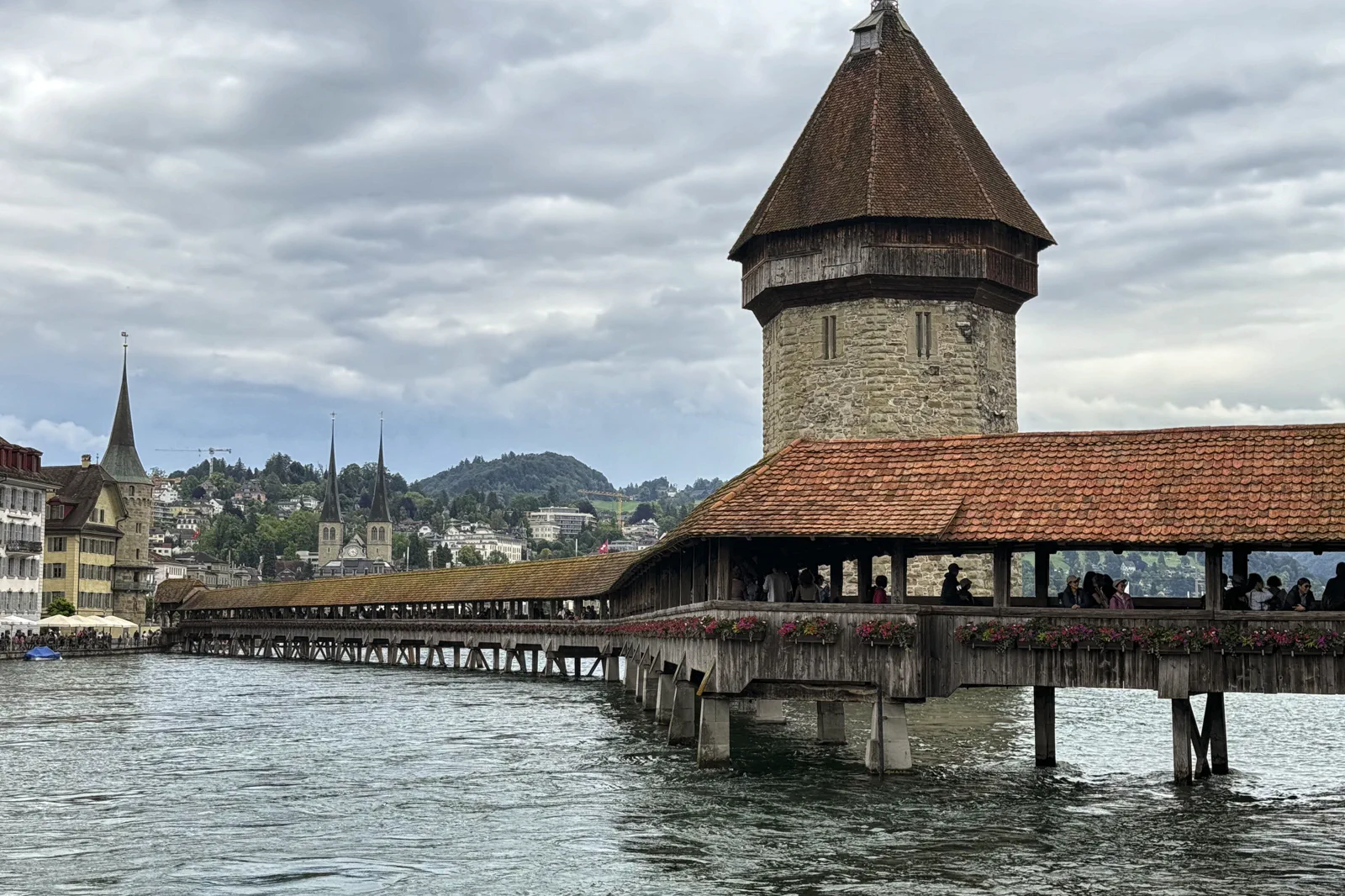
Lucerne combines a compact medieval center with two famous mountain systems and Lake Lucerne boats. The practical question is not “what is best?” but…
Open the regional timetable →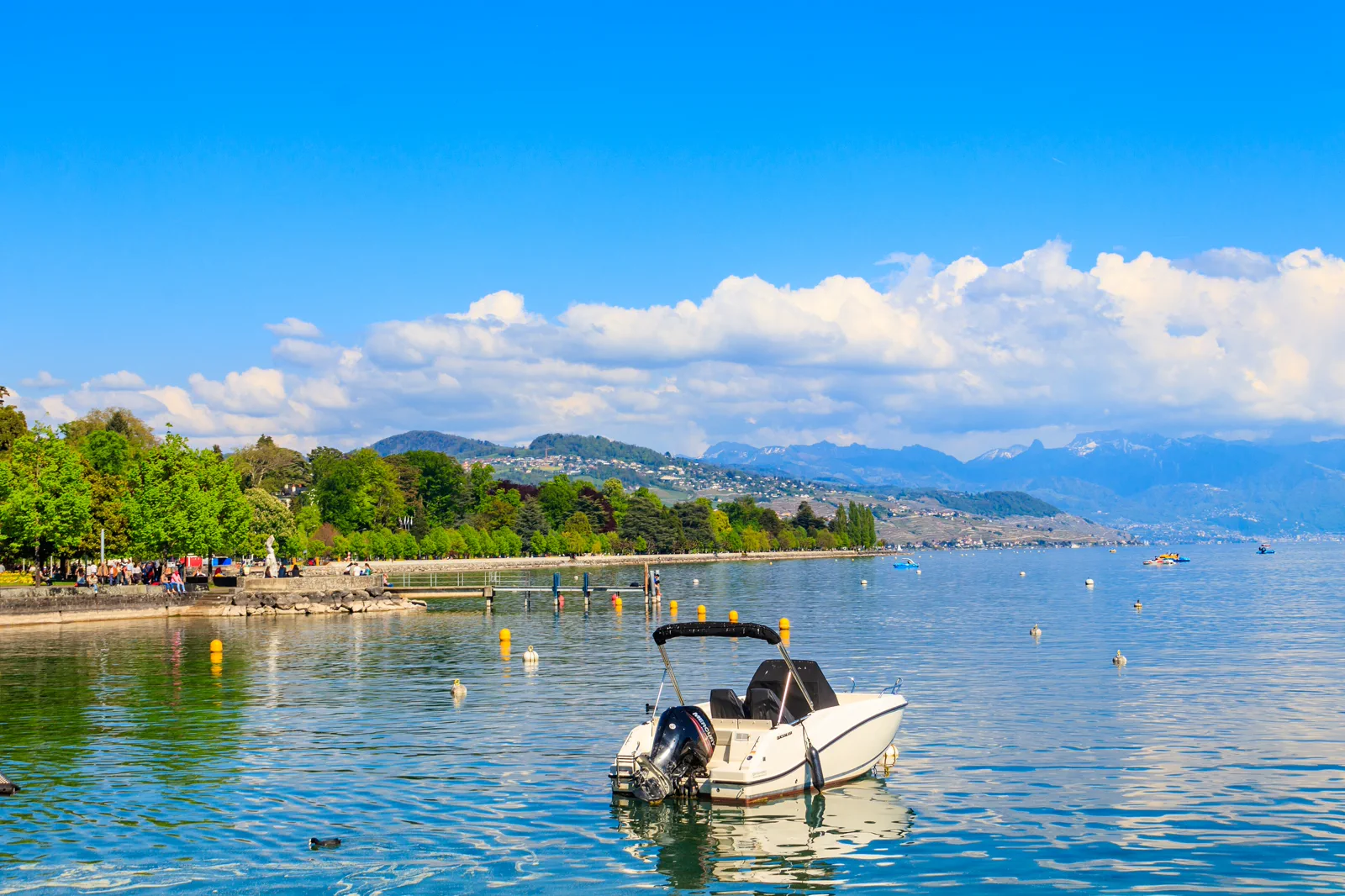
Lausanne & Lavaux
Lausanne stacks its station, old city and Ouchy lakefront on different elevations, while Lavaux stretches east along rail lines and vineyard terraces.…
Open the regional timetable →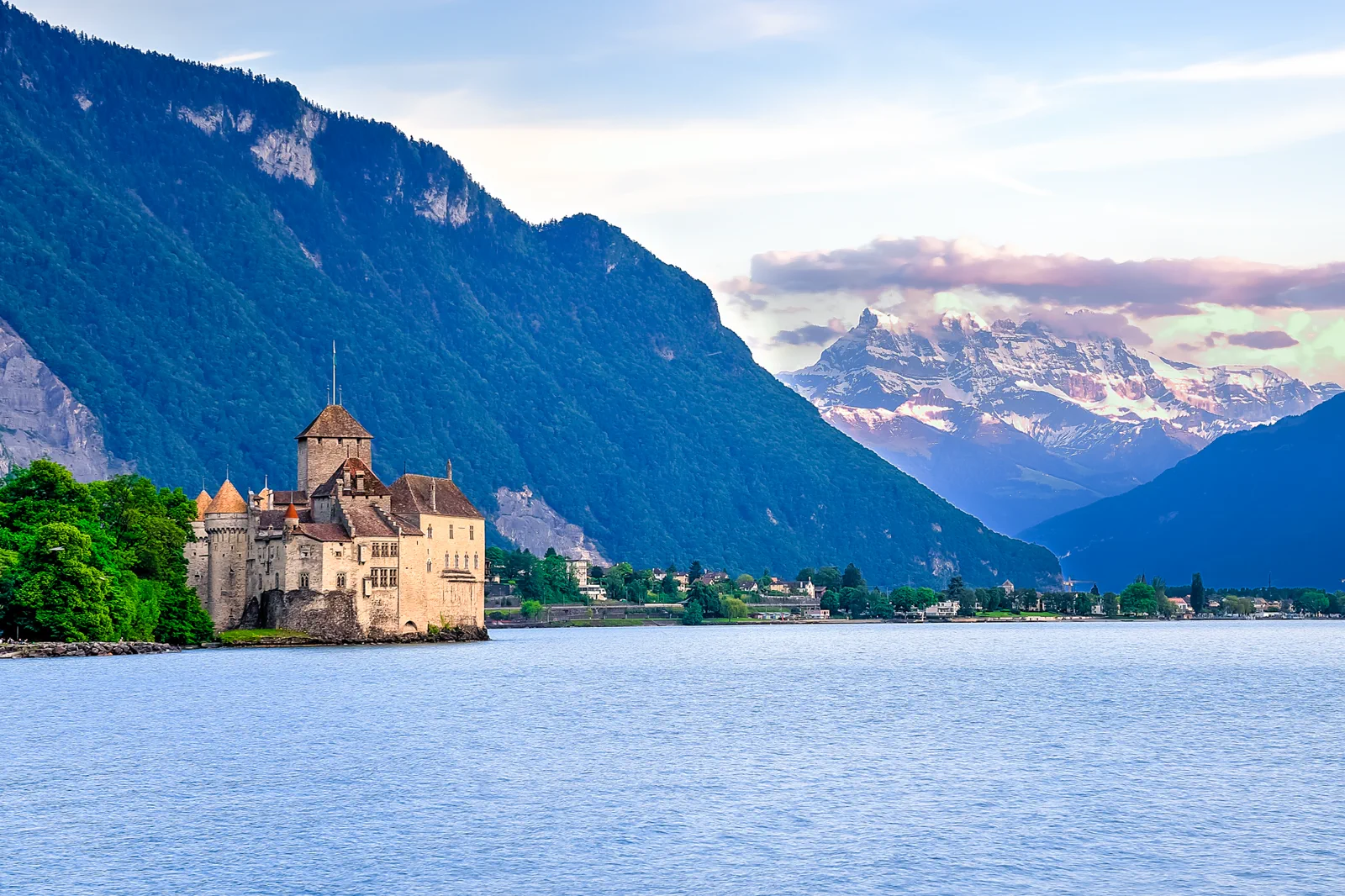
Montreux, Vevey & the Riviera
Montreux and Vevey share a dramatic lake-and-mountain setting but serve different days. Chillon is a fixed historical anchor, Rochers-de-Naye is a…
Open the regional timetable →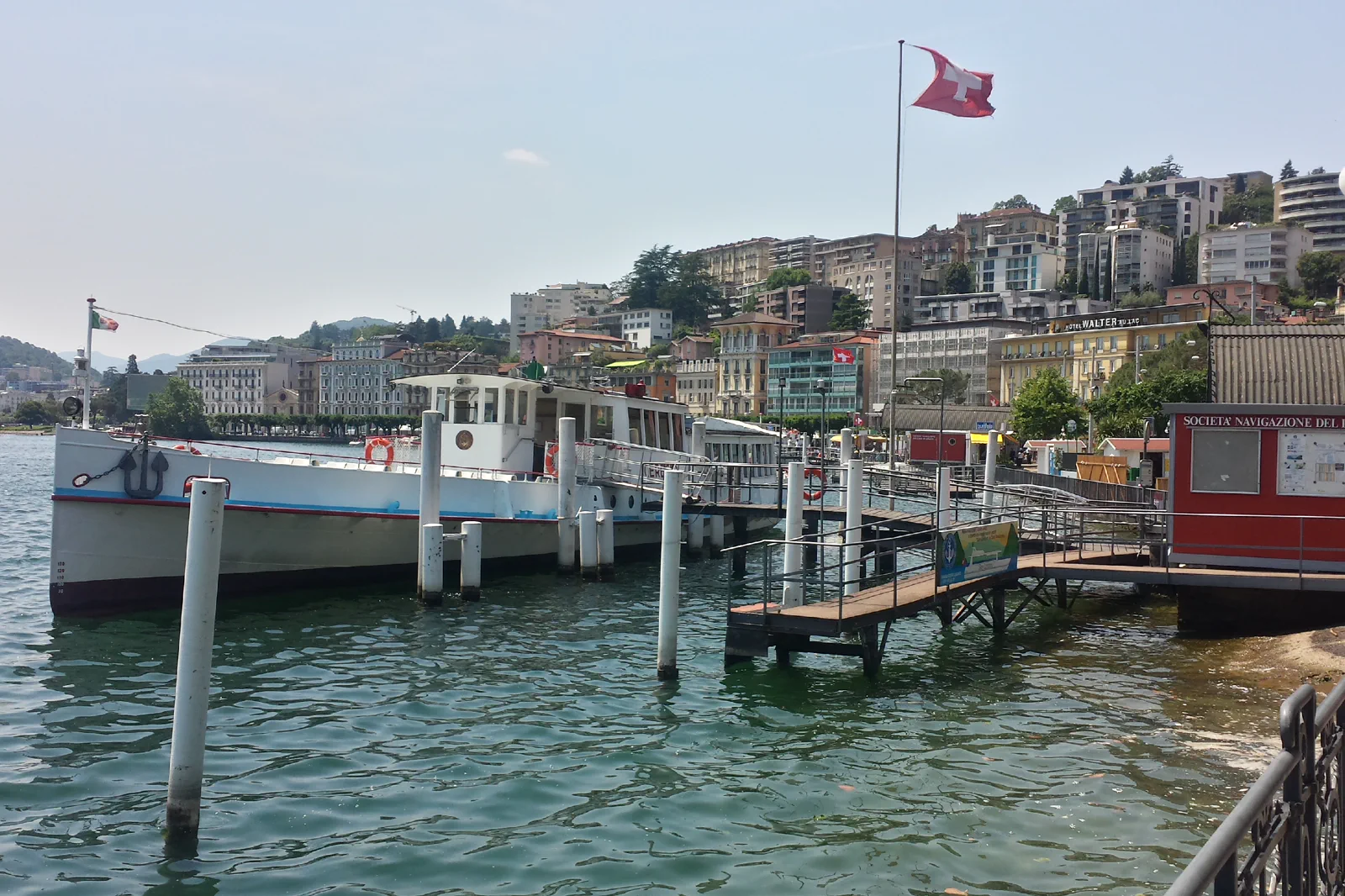
Lugano & Southern Ticino
Lugano is compact around the lake but steep once the hills begin. Monte San Salvatore, Monte Brè and Monte Generoso are separate viewpoint systems with…
Open the regional timetable →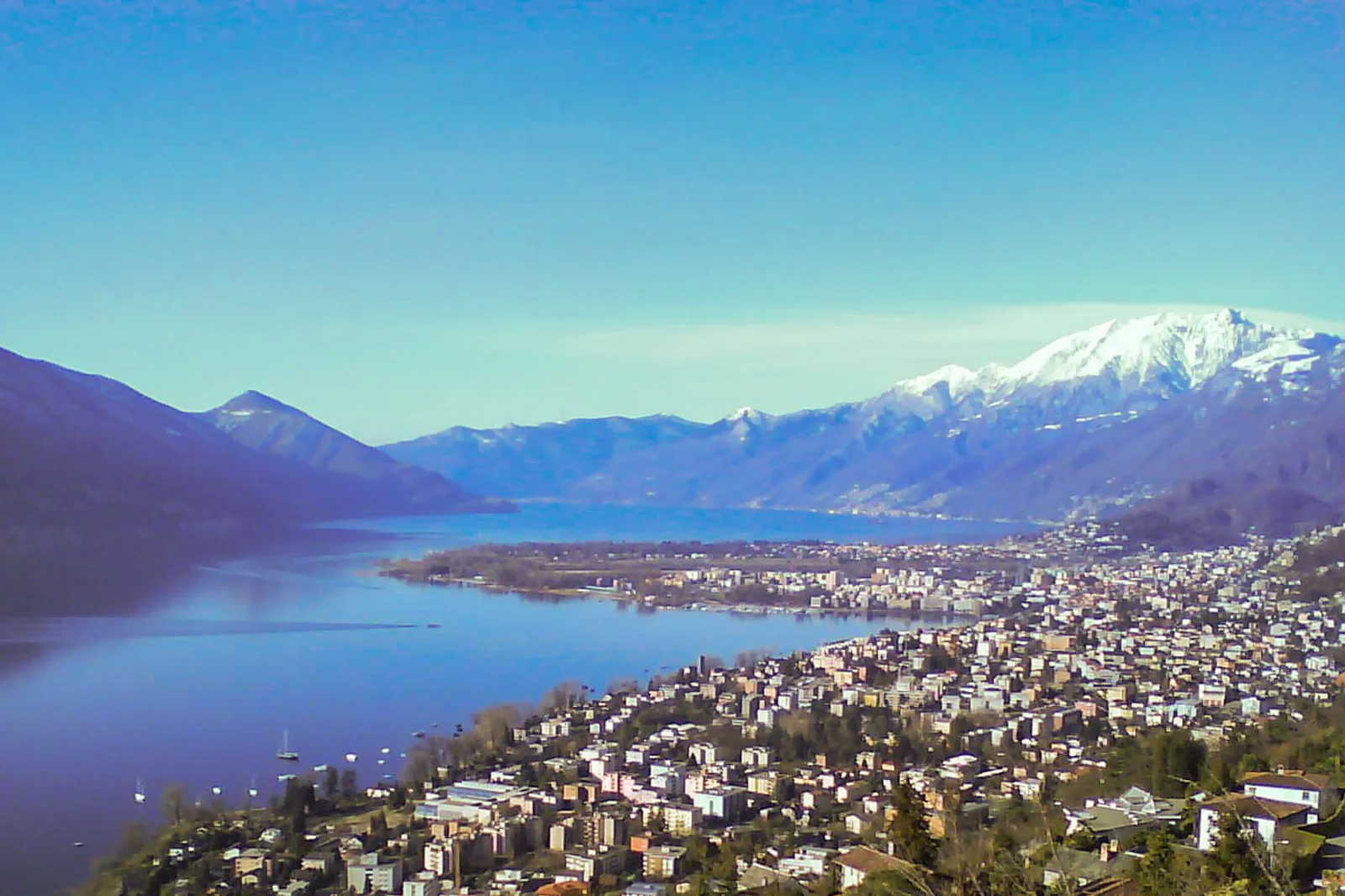
Locarno, Ascona & Ticino Valleys
Locarno and Ascona form a relaxed lake base, while Verzasca, Maggia and Centovalli branch away with different bus and rail logic. The valleys are not…
Open the regional timetable →Pay for elevation only when conditions justify it.
Jungfrau, Zermatt, Engadin, Graubünden and Appenzell turn weather, lift status and final descent into the core planning decision rather than a footnote.
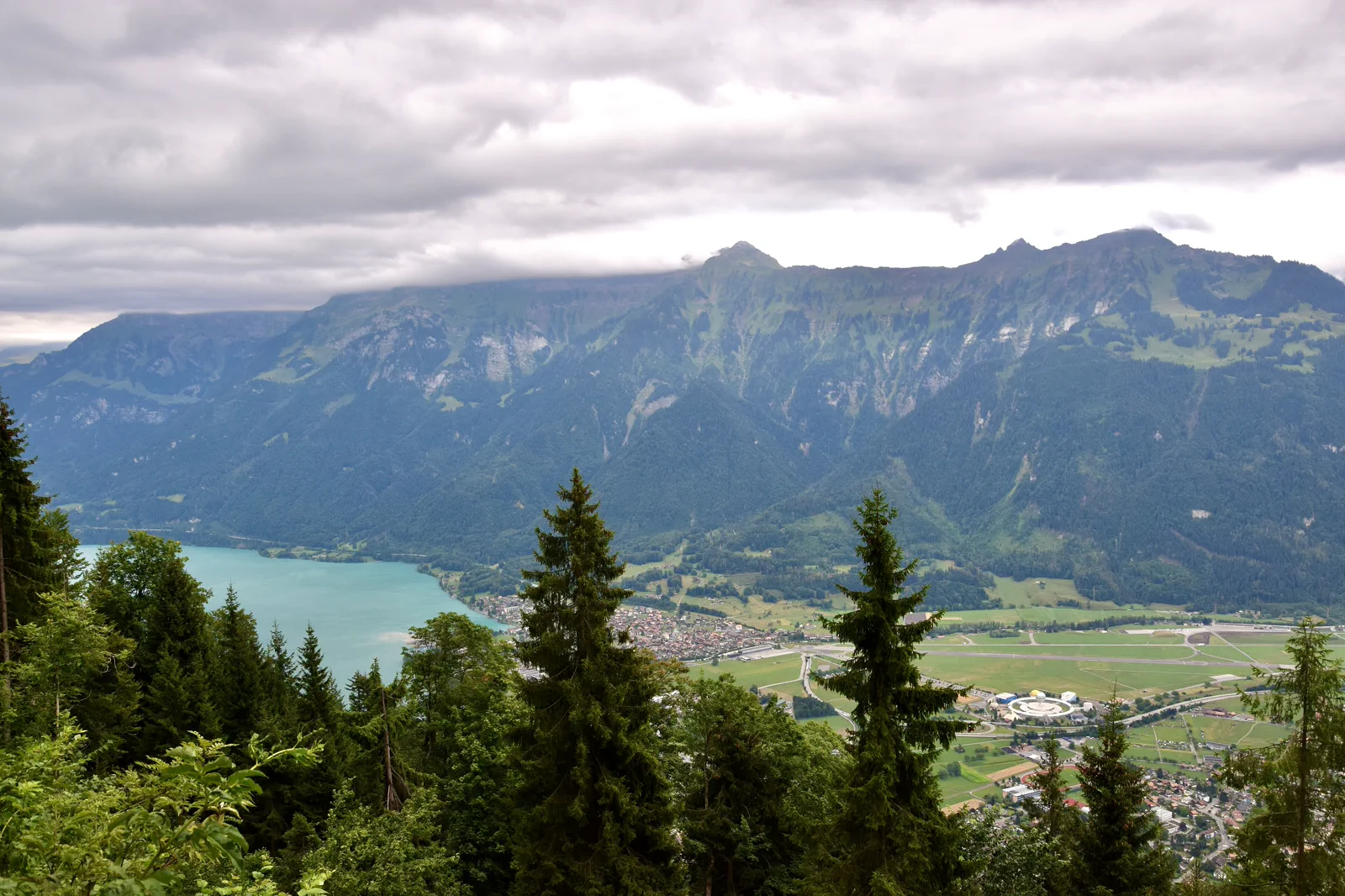
Interlaken, Thun & Brienz
Interlaken sits between Lake Thun and Lake Brienz and connects onward to the Jungfrau region. The town itself is convenient but not the strongest reason…
Open the regional timetable →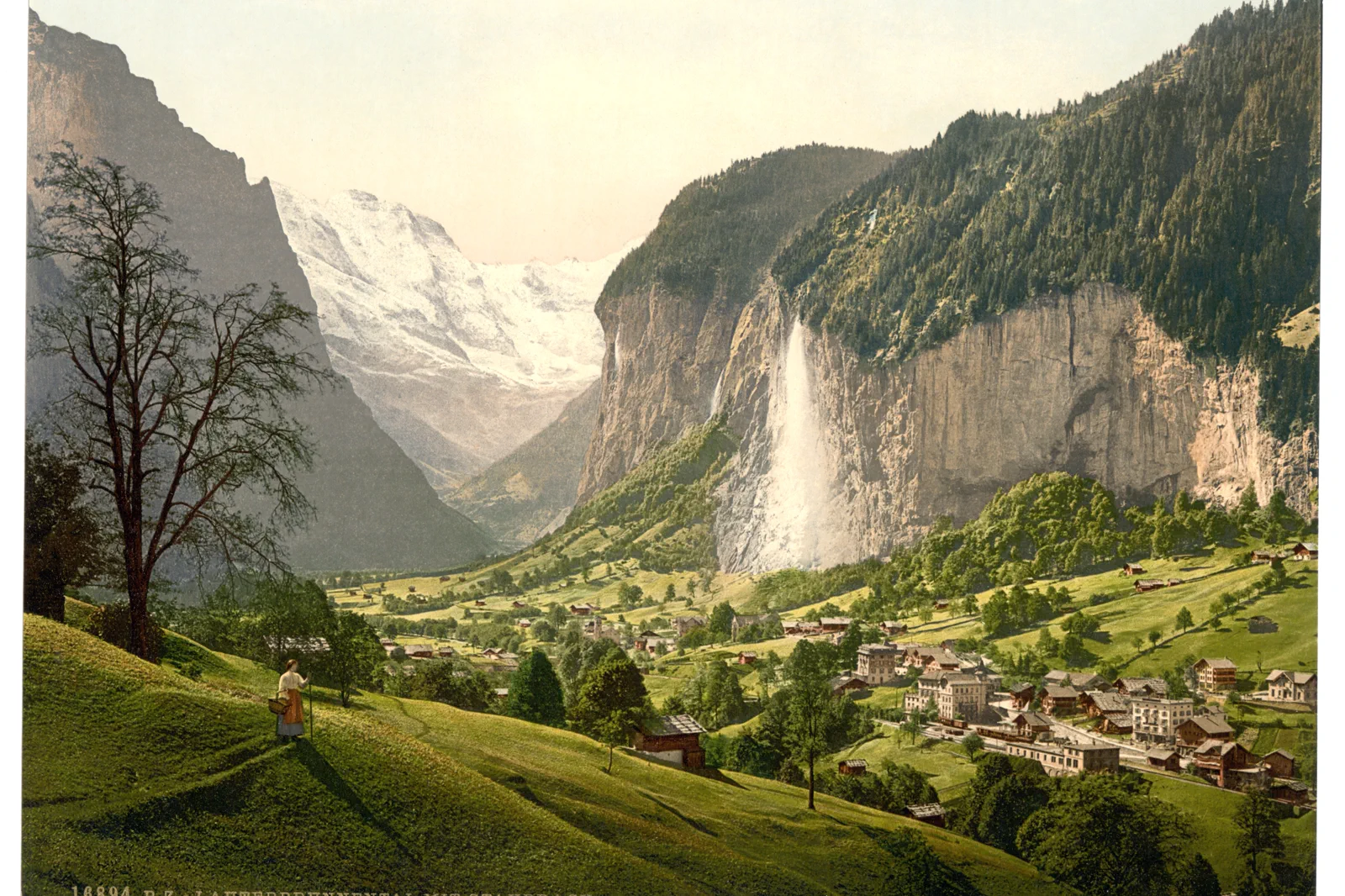
Jungfrau Region
Lauterbrunnen, Wengen and Grindelwald look close on a map but each uses a different valley and mountain-rail rhythm. A successful stay separates valley…
Open the regional timetable →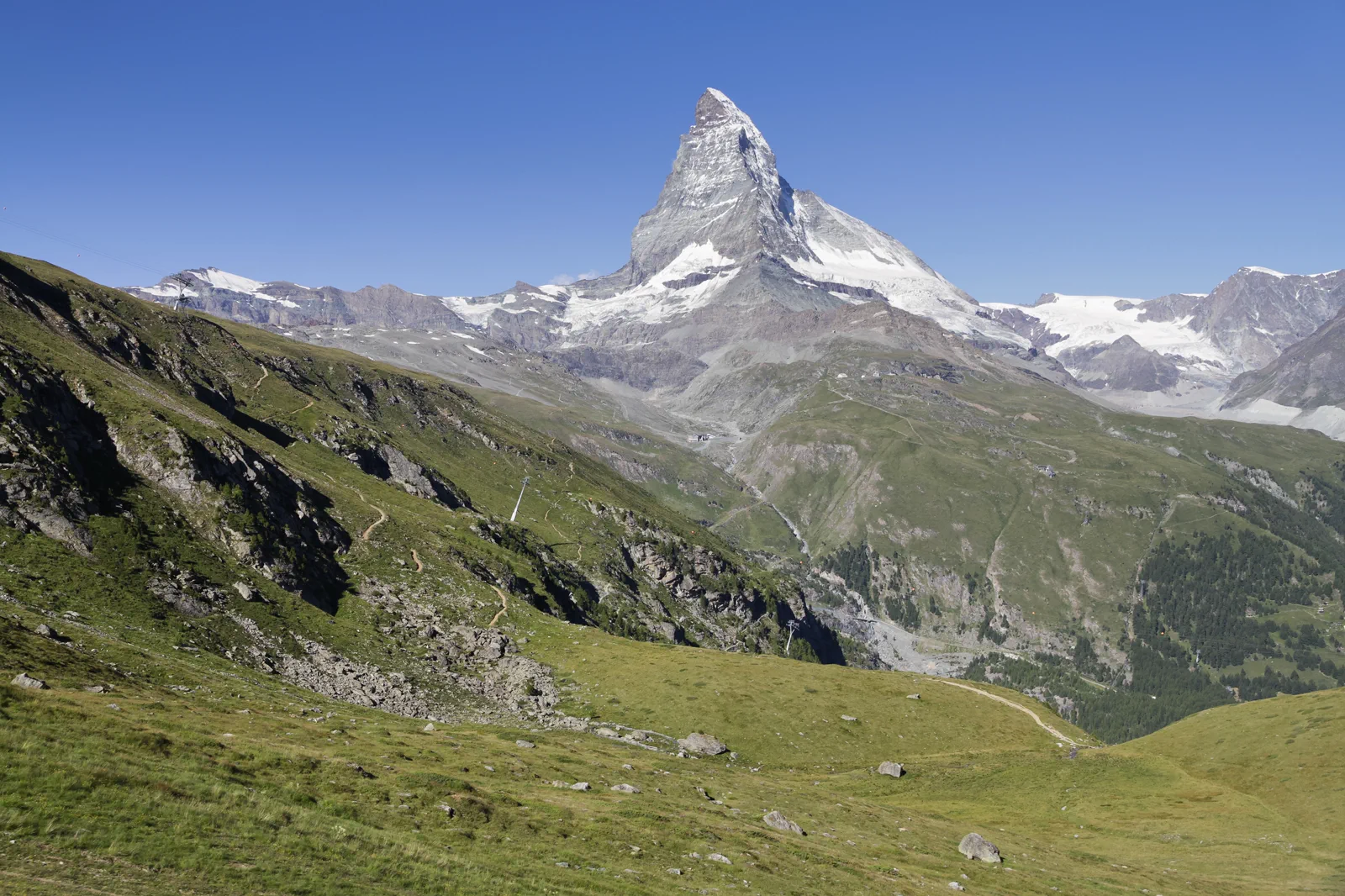
Zermatt & the Matterhorn
Zermatt’s car-free village concentrates rail, mountain transport and Matterhorn viewpoints into a small valley head. The challenge is not access to…
Open the regional timetable →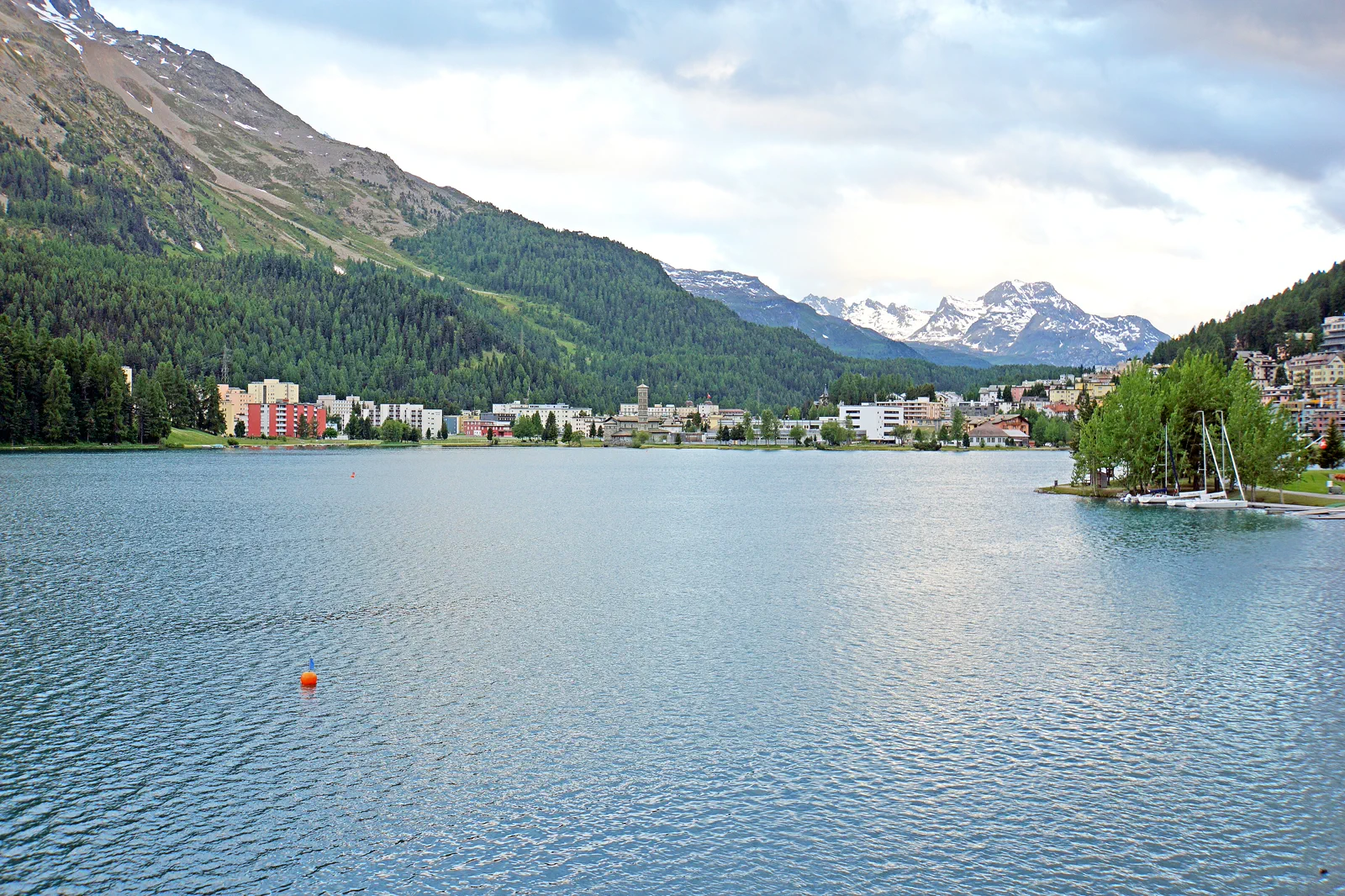
St Moritz & Upper Engadin
St Moritz is the transport and hotel anchor, but the Upper Engadin’s identity stretches through lakes, Pontresina and the Bernina corridor. Distances are…
Open the regional timetable →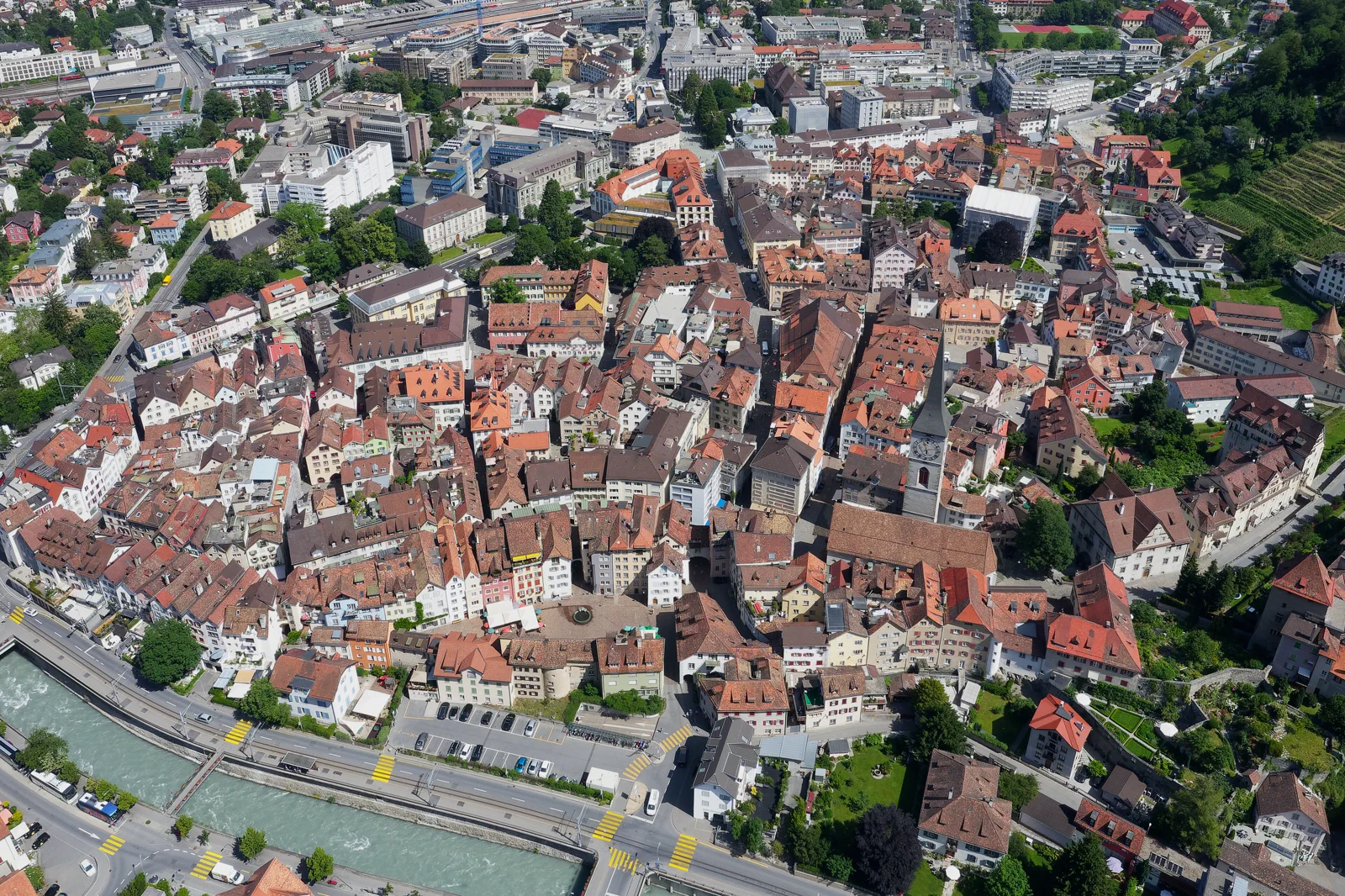
Chur, Davos & Graubünden
Chur is a compact historic city and the practical gate to multiple Rhaetian Railway corridors. Davos, Arosa and the Rhine Gorge are not neighboring…
Open the regional timetable →Switzerland is rail-first, not planning-free.
Dense public transport removes many car problems but creates a different discipline: know the operator, exact station or quay, reservation rules where relevant, and the last useful connection.
Use SBB as the national spine.
Intercity and regional rail make multi-base trips easy. Compare door-to-door times and hotel changes, not only the fastest platform-to-platform number.
Trams and buses finish the city route.
Zurich, Basel, Bern, Geneva, Lausanne and regional networks reward saving the exact stop and line rather than assuming a station name identifies one entrance.
Funicular, cogwheel and lift are separate contracts.
Operating seasons, maintenance, wind, snow and cloud can affect each segment differently. Confirm the system that actually reaches your chosen route.
Scenic does not mean frequent.
Lake services can be excellent itinerary links, but season and route pattern matter. Keep rail or bus as the fallback when water does not match the return.
Fewer bases, more weather flexibility.
One city + one mountain/lake region
Example: Zurich + Lucerne, or Bern + Jungfrau. Keep one flexible day instead of racing across language regions.
Two or three connected bases
Use one mainline rail corridor, then add one alpine branch. Let weather decide the order of mountain and lowland days.
Add a contrasting region
Ticino, Engadin or western Lake Geneva becomes worthwhile when the transfer buys a genuinely different landscape and culture, not another hotel key.
Read elevation before the calendar label.
Lowland cities remain usable while mountain transport, snow conditions and daylight redefine high routes. Resort operations are not the same as summer hiking access.
Valleys can feel mild while high trails remain snowy or muddy. Shoulder-season lift maintenance makes exact operating dates important.
Long daylight helps lake and hiking plans, but thunderstorms, heat and crowding can still push the best mountain window earlier.
Clear days can be excellent, but shortening daylight and seasonal closures reward conservative return times and current operator checks.
Switzerland FAQ
How many regions should I combine on a first Switzerland trip?
Two or three operating regions usually fit a seven-to-ten-day trip more comfortably than a grand loop. Base in rail-connected cities and add mountain or lake days only when they solve a specific travel goal.
Do I need a rental car in Switzerland?
No for the core itinerary. National and regional rail, trams, buses, boats and mountain transport cover many major destinations. A car can help selected rural plans, but parking, mountain-road conditions and car-free resorts change the trade-off.
Should I buy a Swiss Travel Pass?
Price the pass against the actual long-distance rail, local transport, museum and mountain-transport benefits you will use. The best product depends on itinerary and eligibility; confirm current inclusions with SBB or the issuer.
What changes fastest in Switzerland?
Mountain visibility, trail status, lift maintenance, boat seasons and high-altitude weather can change a day more quickly than city transit. Keep one lower-elevation alternative in every mountain-heavy stay.
Official sources and photo credits
Country planning and image licensing were reviewed on 12 September 2026. Entry, fares, passes, timetables, lifts, trails and weather change; verify directly before travel.
- Switzerland Tourism.
- SBB — national rail and public transport planning.
- MeteoSwiss.
- Swiss Federal Office for Customs and Border Security — travel information.
- Zürich Limmat panosphere 20220614.jpg — Daniel Kraft, CC BY-SA 3.0. Resized, display-cropped and converted to WebP; no other material edits.
- Chapel Bridge GFgf814.jpg — Gillfoto, CC BY-SA 4.0. Resized, display-cropped and converted to WebP; no other material edits.
- Old City and the Aare river - Bern, Switzerland - panoramio.jpg — Sergey Ashmarin, CC BY-SA 3.0. Resized, display-cropped and converted to WebP; no other material edits.
- Blick von der Mittleren. Brücke zur Grossbasler Altstadt (2023).jpg — JoachimKohler-HB, CC BY-SA 4.0. Resized, display-cropped and converted to WebP; no other material edits.
- Geneva - Jet d'eau.jpg — Tiia Monto, CC BY-SA 3.0. Resized, display-cropped and converted to WebP; no other material edits.
- Lake Geneva in Lausanne.jpg — OlhaSolodenko, CC BY-SA 4.0. Resized, display-cropped and converted to WebP; no other material edits.
- Chateau Chillon Montreux, Alps Castle Lake Léman.jpg — Karim Kanoun Photography, CC BY-SA 3.0. Resized, display-cropped and converted to WebP; no other material edits.
- View of Interlaken and Lake Brienz from Harder Kulm (Ank Kumar) 02.jpg — Ank Kumar, CC BY-SA 4.0. Resized, display-cropped and converted to WebP; no other material edits.
- Lauterbrunnen Valley with Staubbach, Bernese Oberland, Switzerland-LCCN2001701212.jpg — Photochrom Print Collection, Public domain. Resized, display-cropped and converted to WebP; no other material edits.
- Matterhorn from mountain side between Zermatt and Gornergrat, Wallis, Switzerland, 2012 August - 3.jpg — Ximonic (Simo Räsänen), CC BY-SA 4.0. Resized, display-cropped and converted to WebP; no other material edits.
- Switzerland-01761 - Lake St. Moritz (22298240145).jpg — Dennis G. Jarvis, CC BY-SA 2.0. Resized, display-cropped and converted to WebP; no other material edits.
- Chur (Altstadt).jpg — Freaktalius, CC BY-SA 4.0. Resized, display-cropped and converted to WebP; no other material edits.
- Lakefront Lugano 2017-05-29 13.15.22.jpg — Chris j wood, CC BY-SA 4.0. Resized, display-cropped and converted to WebP; no other material edits.
- Locarno, Ascona & Lago Maggiore von Brione sopra M.jpg — Glenn Steiger (Switzerland), CC BY 3.0. Resized, display-cropped and converted to WebP; no other material edits.
- Caught in turbulent waters at the Rhine Falls, Neuhausen - panoramio.jpg — More pics than views…, CC BY 3.0. Resized, display-cropped and converted to WebP; no other material edits.
- Kathedrale St-Gallen.jpg — Pablodbds, CC0. Resized, display-cropped and converted to WebP; no other material edits.