Geneva Old Town & Lakefront
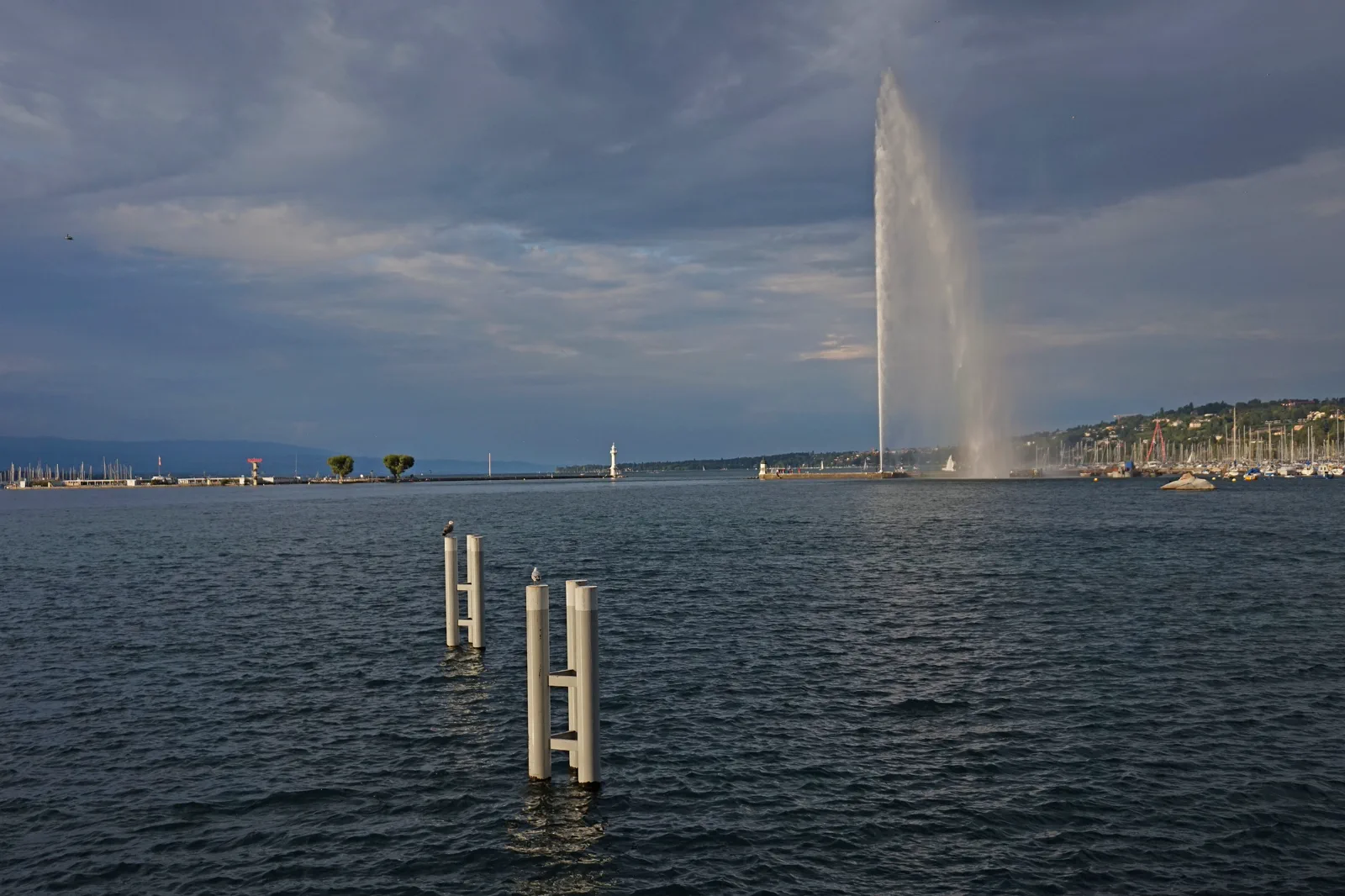
Connect the lakefront, Rhône crossings, St Pierre hill and old-town lanes in one ascending route, then return at water level instead of circling the same luxury-shopping blocks.
Classic civic route
Lake → Rhône → St Pierre → old city; strongest first visit.
Museum route
Short lake orientation plus one major museum; useful in poor weather.
Evening route
Old city late afternoon and lake at dusk; best when the day began elsewhere.
Know where the day actually begins.
Use Cornavin or a central tram stop as the approach, then orient on the lake before climbing into the old city. The elevation change is modest but deliberate; choose a downhill return that ends near the lake or hotel.
What this route gives up.
This is the best first-day introduction because it explains the lake, river and historic high ground. It does not cover Geneva’s international institutions or Carouge in depth, so keep those as separate chapters.
Fit this field guide into Geneva & Western Lake Geneva, not into an isolated checklist.
Geneva’s compact center can be walked, but the international district and Carouge reward separate transport decisions. Use the lake to orient the city, then choose between civic history, international institutions and neighborhood life. Do not spend the whole day around the Jet d’Eau simply because it dominates the skyline.
Two nights are enough for the city; three allow museums or a lake excursion. Cornavin is practical for rail and airport access; the old city and Eaux-Vives give more evening atmosphere.
Genève-Cornavin anchors trains and trams; the airport has direct rail. Trams and buses connect Carouge and the international quarter. Lake boats can be transport or sightseeing, but service patterns vary.
Lakefront days improve in warm, clear weather, while museums and institutions keep winter useful. The Jet d’Eau and some lake services can be affected by weather or operational conditions.
In poor weather, shift toward museums, the old city and indoor international/cultural sites. Keep the exposed lakefront as a short orientation segment rather than the center of the day.
Arrive, orient, commit, then protect the return.
Check Geneva Tourism for Jet d’Eau/current waterfront notices and TPG for transit. Verify museum opening days if an interior stop is essential.
- 01Arrive
Read the lake edge
Use the basin, Jet d’Eau and Mont Blanc bridge area to establish direction before climbing away from the water.
- 02Orient
Cross the Rhône once
Move from commercial center toward the historic high ground without repeating the same bridge corridor.
- 03Commit
Climb to St Pierre
Use the cathedral and surrounding lanes as the old city anchor, then choose only a few civic stops.
- 04Return
Descend toward the lake
Finish by a different route and let the water return become the visual end of the day.
A useful day even when the postcard disappears.
In rain, shorten exposed quays and use museums, cathedral interiors and the old-town street network. The route remains strong because central transit can remove the longest waterfront return.
Check Geneva Tourism for Jet d’Eau/current waterfront notices and TPG for transit. Verify museum opening days if an interior stop is essential.
Change the plan before the problem compounds.
Jet d’Eau fixation
The fountain is a landmark, not a full itinerary. Do not wait indefinitely for conditions to change.
Luxury-district drift
Central shopping streets can consume walking time without adding context. Keep the civic axis clear.
Sunday/holiday closures
Retail and museum rhythms differ. Verify the institution that matters instead of assuming central Geneva is uniformly open.
Other ways to use Geneva & Western Lake Geneva.
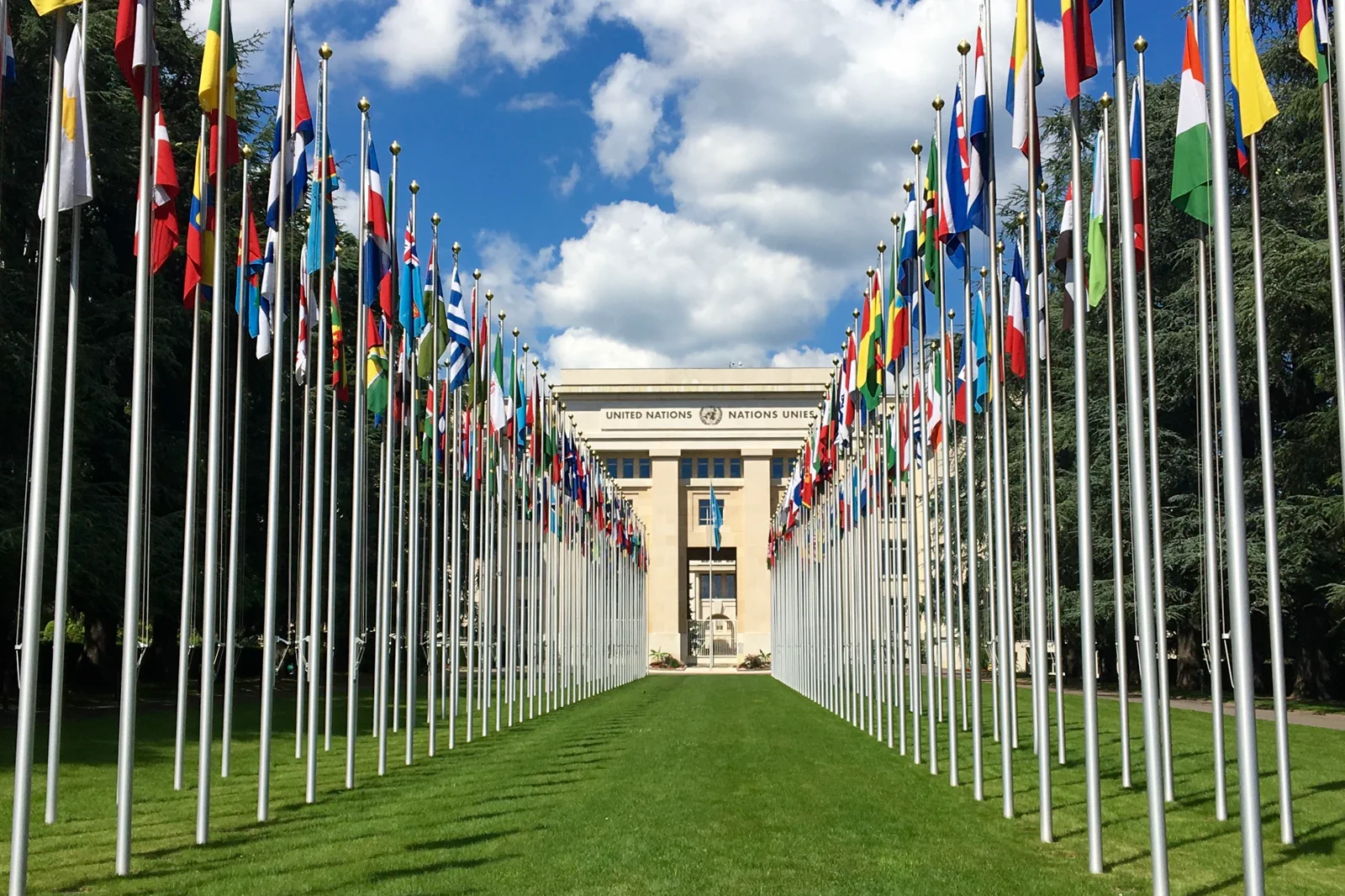
International Geneva & Nations Quarter
Treat the UN and international quarter as an access-controlled institutional visit, then connect the parks and lake…
Open this guide →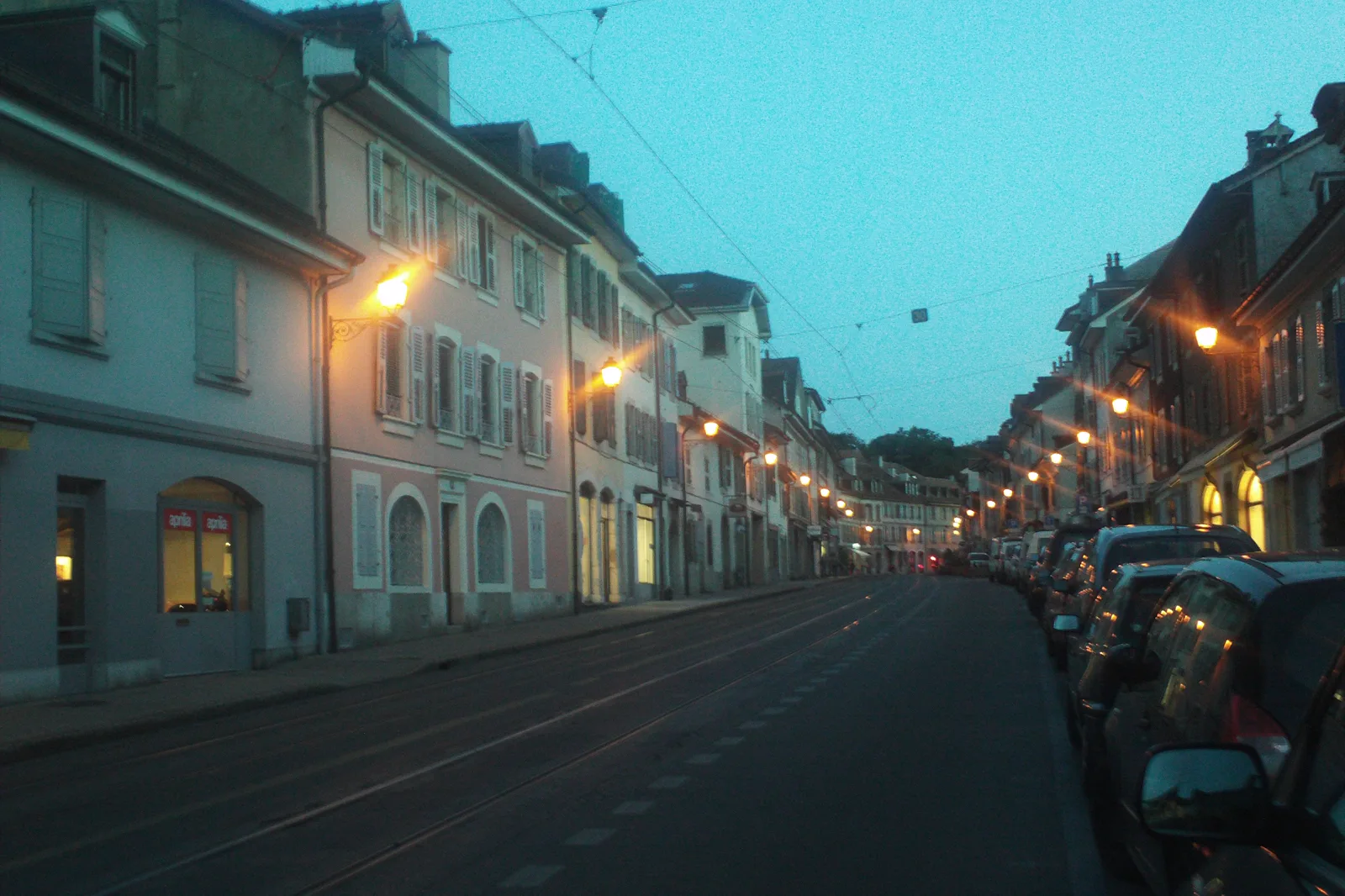
Carouge, Plainpalais & the Arve
Leave central Geneva for Carouge’s smaller streets, Plainpalais markets and the Arve corridor, using the tram as the…
Open this guide →Geneva Old Town & Lakefront FAQ
How much time should I give Geneva Old Town & Lakefront?
Four to six hours covers the civic core with breaks. Add a lake boat only if the timetable and weather make it a better use of time than another neighborhood.
What should I combine with Geneva Old Town & Lakefront?
Pair with Carouge for dinner if you still want a change of scale. Keep the international district for another half day.
What should I verify before leaving?
Check Geneva Tourism for Jet d’Eau/current waterfront notices and TPG for transit. Verify museum opening days if an interior stop is essential.
Official sources and photo credits
Planning facts and image licensing were reviewed on 12 September 2026. Lift, boat, trail, weather and transport conditions can change quickly; verify the linked operator or authority before travel.
- Geneva Tourism.
- Transports publics genevois.
- United Nations Geneva visitors.
- SBB rail planning.
- Geneva - Jet d'eau.jpg — Tiia Monto, CC BY-SA 3.0. Resized, display-cropped and converted to WebP; no other material edits.
- Palais des Nations unies, à Genève.jpg — Groov3, CC0. Resized, display-cropped and converted to WebP; no other material edits.
- Carouge street.JPG — User: (WT-shared) Ypsilonatshared at wts wikivoyage, Public domain. Resized, display-cropped and converted to WebP; no other material edits.