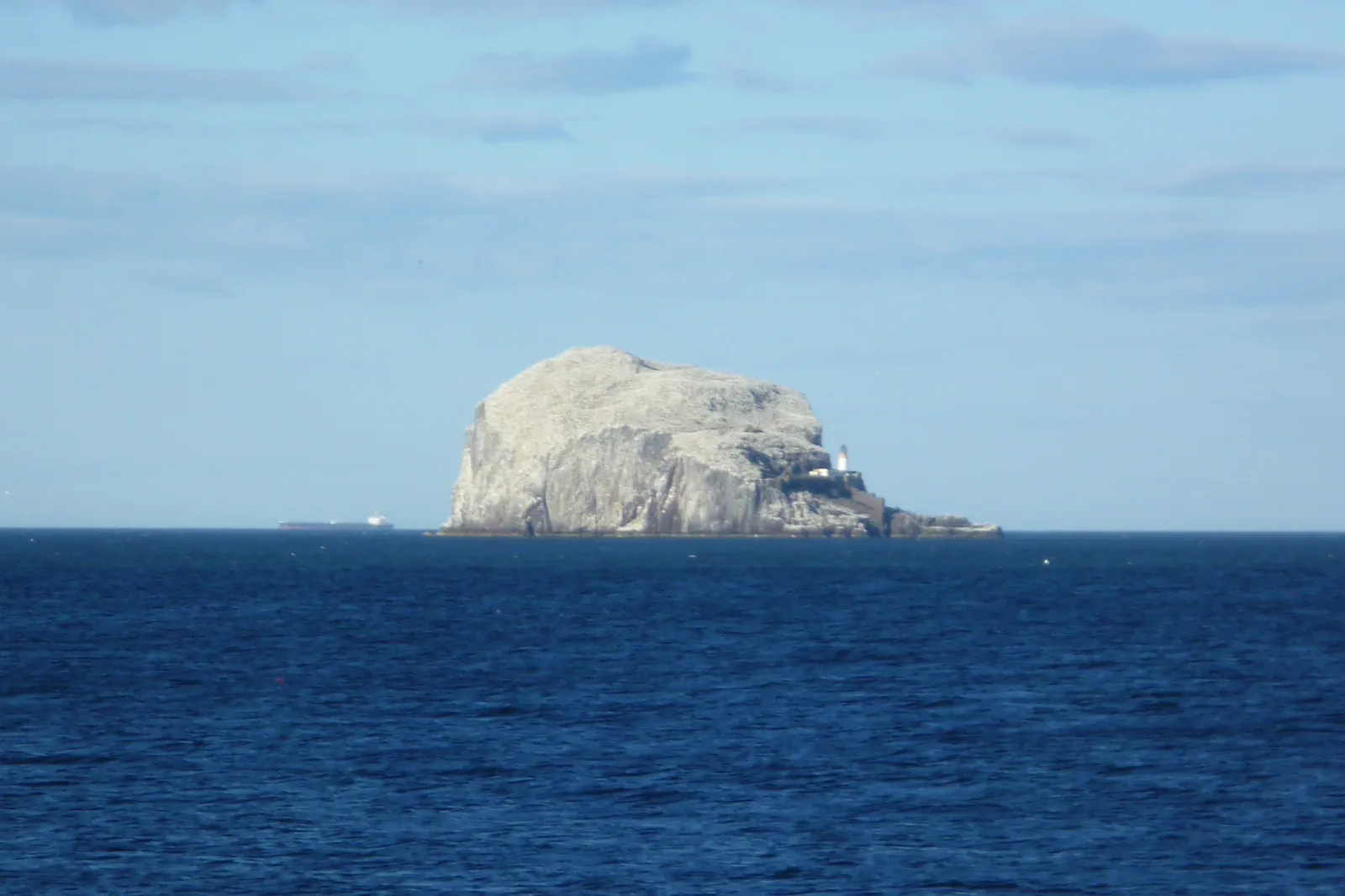
North Berwick & East Lothian
Walk from North Berwick station to town and harbour, assess wind and sea state, complete one coast activity, and return before the branch service or daylight narrows.
Three useful choices, each with a real sacrifice.
Harbour and seabird centre
Keep the day around town, harbour and the Scottish Seabird Centre. It offers marine context without requiring a sailing.
Booked wildlife boat
Use one operator and exact sailing as the anchor. It gives the strongest island perspective but can cancel for sea conditions.
Coast walk and town
Follow a bounded signed beach or clifftop section with a turn-back. It is flexible but exposed and tide-aware.
Meet the day at its real gateway.
North Berwick station is inland from the harbour. Boats use specific departure points and weather policies; coast paths and beaches have different surfaces and tide exposure. Save the final ScotRail service before leaving town.
Know what this route leaves out.
A substantial boat trip, long coast walk and relaxed town visit do not fit one weather-resilient day. Choosing the boat sacrifices walking distance; choosing land gives up the island approach but protects flexibility.
Use Edinburgh & the Lothians as an operating system, not a pin collection.
Edinburgh’s Old Town ridge, New Town terraces and lower valleys create a vertical city where short map distances conceal stairs and steep streets. East Lothian adds a separate coast railway. A strong plan fixes one controlled interior and uses the city’s level changes as the route rather than an inconvenience.
Three to five nights supports Old Town, New Town and an East Lothian branch with weather flexibility. Staying near Waverley is central but can involve steep exits; Haymarket suits western connections and some airport journeys.
Waverley station sits in the valley between Old and New Towns, with exits at different levels. Trams, buses and rail serve distinct corridors. Festival periods, rugby and major events can alter central access and accommodation pressure.
Wind and rain affect exposed viewpoints year-round. Festival season increases crowds and ticket pressure; winter shortens Arthur’s Seat and coast plans but gives strong museum and street-light alternatives.
Keep a complete National Museum, gallery or lower-city route for poor weather. If a castle or palace booking fails, remain on the same ridge instead of crossing the city for another timed monument.
Arrive, read the window, commit once, then get back.
Check ScotRail service, the exact boat operator, Scottish Seabird Centre information, marine weather and tide before departure.
- 01Arrive
Walk station to shore
Follow the direct town route, locating the final return and any boat check-in before browsing side streets.
- 02Read the window
Read the marine window
Use the harbour and Seabird Centre information to assess wind, visibility and wildlife trip status.
- 03Commit
Commit to boat or coast
Board the booked sailing or follow one signed land route with a time-based turnaround. Do not add both at maximum length.
- 04Return
Return on the branch line
Regain the station with margin for a meal and changing weather. Keep one train in reserve during events or summer peaks.
Reopen the sources that control today’s window.
The guide explains the route decision; these official pages control transport, admission, paths, tides, weather and closures.
Keep a complete lower-risk day.
If boats cancel, use the Seabird Centre, harbour, town and a sheltered coast section. If wind makes the shore unpleasant, return early to Edinburgh for galleries rather than transferring to another exposed beach.
Check ScotRail service, the exact boat operator, Scottish Seabird Centre information, marine weather and tide before departure.
Change the plan while the return is still strong.
Marine cancellation is normal risk
A booking does not guarantee sailing. Keep the land day complete and understand the operator’s current policy.
Bass Rock is not a casual landing
Trips differ in route, landing and accessibility. Read the exact product rather than assuming every boat reaches the same place.
Branch trains can be busy
Festival and summer demand may crowd services. Avoid the final comfortable return where possible.
Other ways to use Edinburgh & the Lothians.
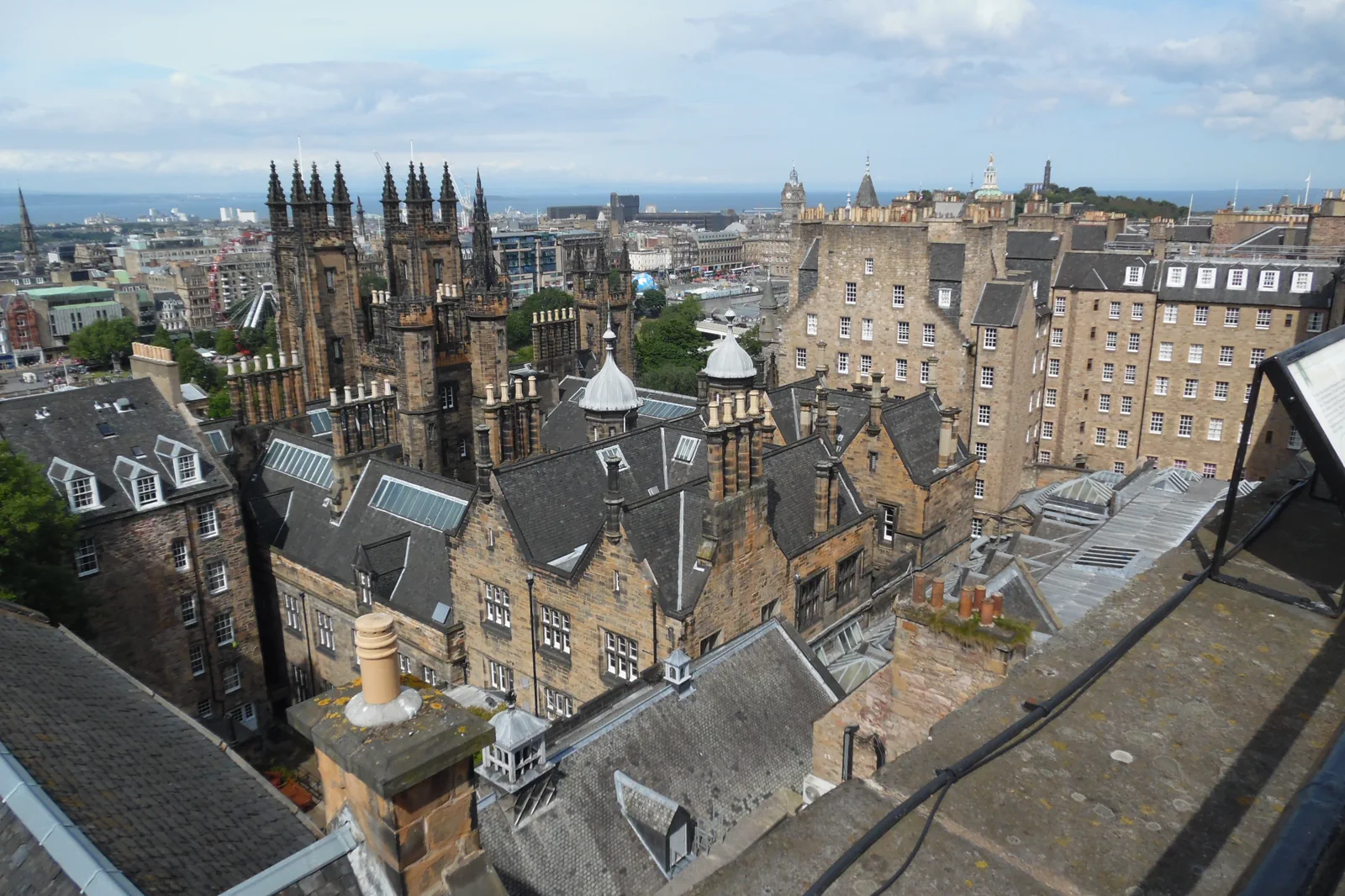
Old Town, Castle & Royal Mile
Choose Edinburgh Castle, the Palace of Holyroodhouse or the public Royal Mile as the main layer, then travel one direction…
Open this field file →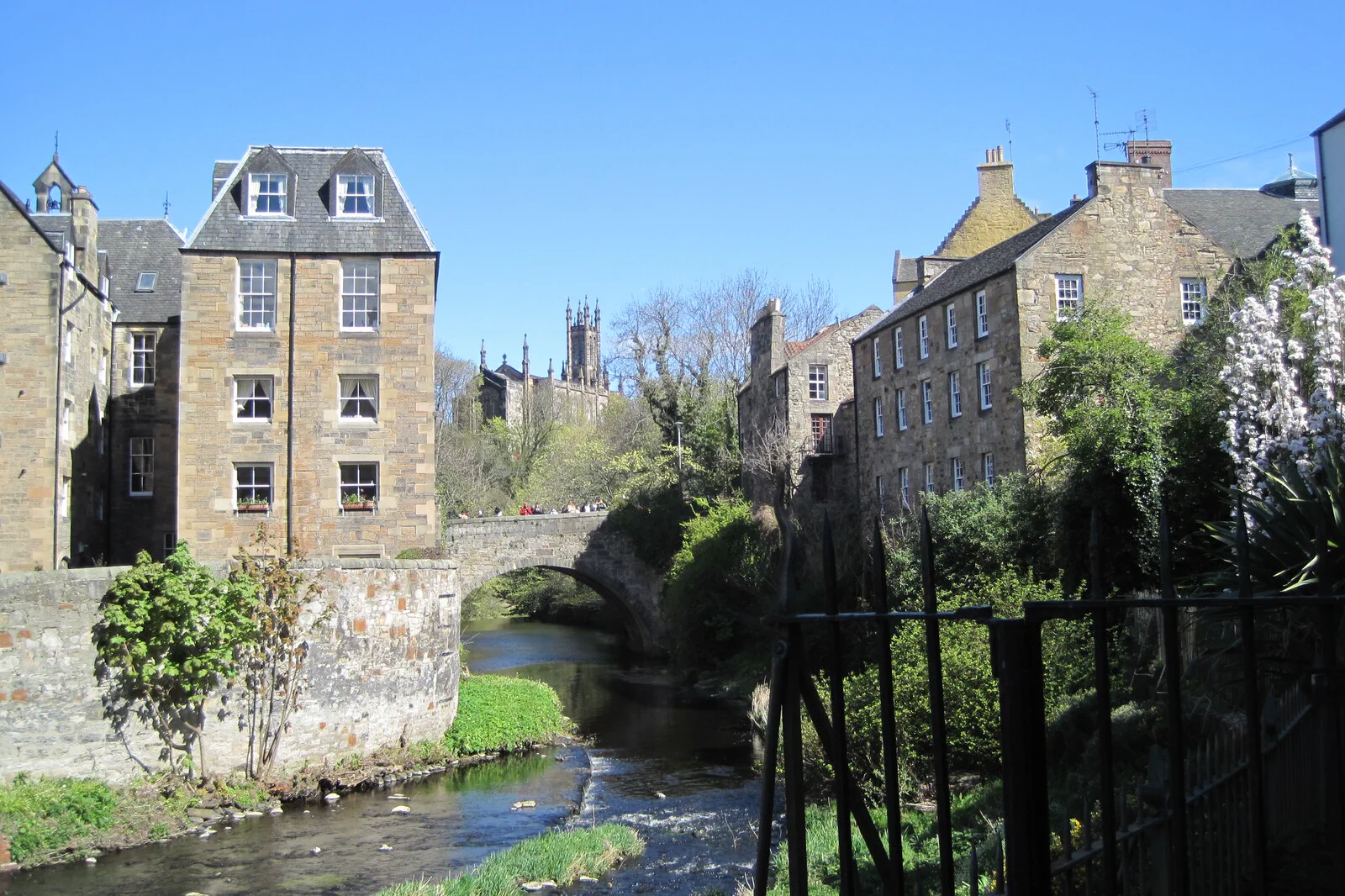
New Town, Galleries & Dean Village
Choose a National Galleries collection or the Georgian street plan as the main argument, then descend to Dean Village and…
Open this field file →North Berwick & East Lothian FAQ
How much time should I give North Berwick & East Lothian?
Allow a full day from Edinburgh with a boat, or five to six hours for town and coast. A long walk needs the full daylight window.
What should I combine with North Berwick & East Lothian?
Combine the harbour with the Seabird Centre or one coast route. Keep Edinburgh’s Old Town and distant castles for separate days.
What should I verify before leaving?
Check ScotRail service, the exact boat operator, Scottish Seabird Centre information, marine weather and tide before departure.
Official sources and photo credits
Planning facts and image licensing were reviewed on 20 September 2026. Admission, transport, roads, paths, tides, weather and local access can change; reopen the linked authority or operator before travel.
- Scottish Seabird Centre — official visitor information.
- Visit East Lothian — official destination guide.
- Forever Edinburgh — official destination guide.
- Lothian Buses — official local transport information.
- ScotRail — rail planning and service updates.
- Edinburgh's Skyline from Castle Hill (1) - geograph.org.uk - 4836425.jpg — David Hillas, CC BY-SA 2.0. Resized, display-cropped and converted to WebP; no other material edits.
- Dean Village and the Water of Leith - geograph.org.uk - 8303284.jpg — Jim Barton, CC BY-SA 2.0. Resized, display-cropped and converted to WebP; no other material edits.
- Bass Rock from the harbour rocks - geograph.org.uk - 3545720.jpg — kim traynor, CC BY-SA 2.0. Resized, display-cropped and converted to WebP; no other material edits.