United Kingdom
Choose the operating window before the postcard.
Fast rail makes cities look close, but station exits, advance fares, booked monuments, rural buses, mountain weather, tides and ferry check-in decide the usable day. Twenty regional signal books make those constraints visible before you commit.
Choose a rail or ferry spine, not four capitals.
London–York–Edinburgh, a Wales corridor, a Highland roadbook or a Belfast-based route each needs a different number of bases and transfer days.
Read the last mile as a separate ticket.
A national-rail arrival rarely completes a castle, valley, island or coast journey. Name the bus, boat, path and return before booking the trunk.
Keep one city-strength fallback.
Mountain cloud, cliff wind, tide and marine cancellation are normal planning conditions. Protect a complete museum, town or lower route in the same base.
Read the capital, university towns, stone cities and chalk coast as separate systems.
London, Oxford, Cambridge, Bath, Cornwall and the south-east combine strong rail trunks with very different booked doors, branch lines, rural buses and coast-weather gates.
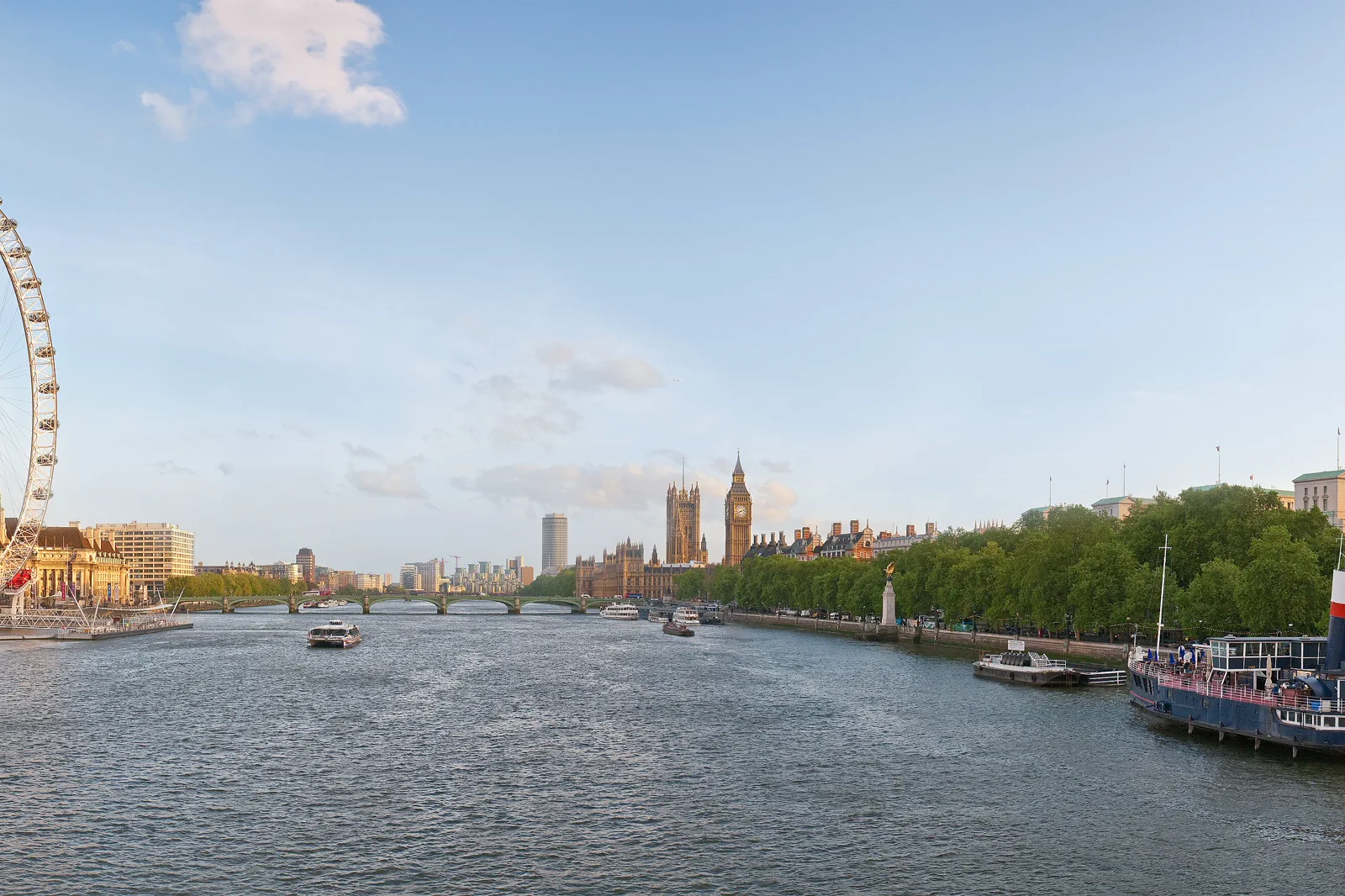
London
London is not one compact centre but a chain of walkable districts joined by rail, Underground, bus and river services. A useful plan fixes one timed interior,…
Open the regional signal book →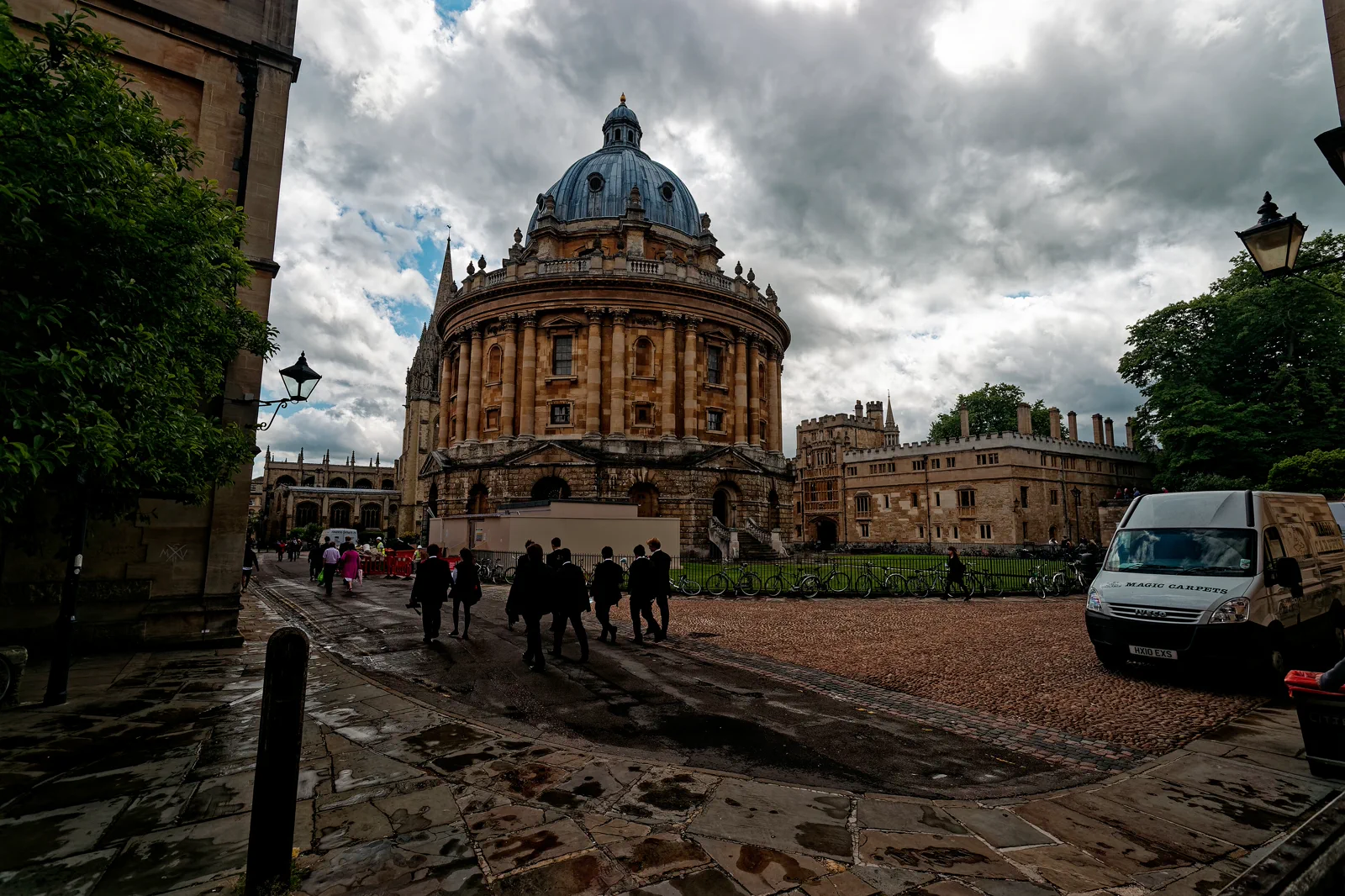
Oxford, Blenheim & the Cotswolds
Oxford is a rail-connected walking city, while Blenheim Palace and the Cotswold towns depend on buses, tours, bicycles or a car. A strong base plan distinguishes…
Open the regional signal book →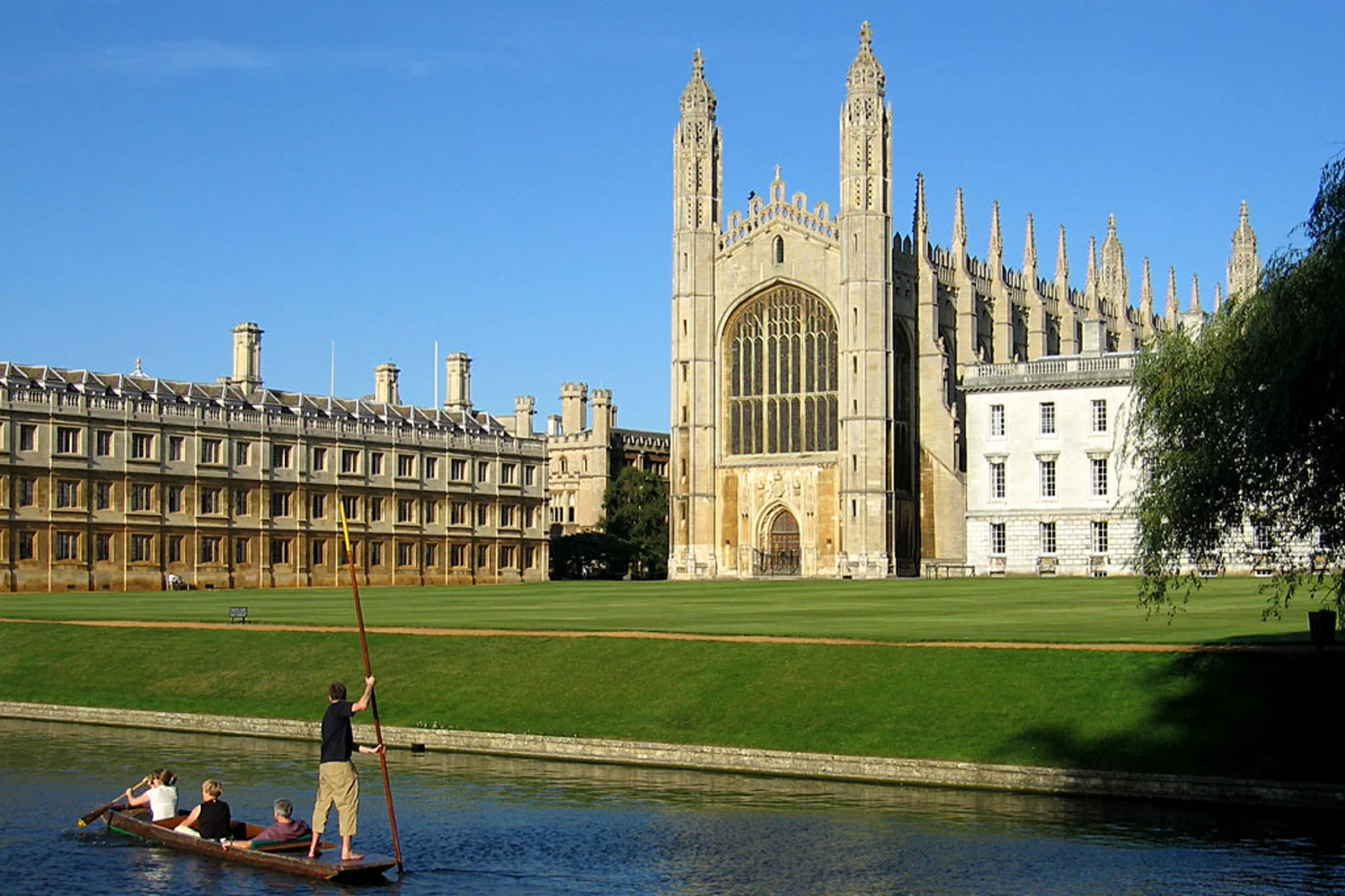
Cambridge & East Anglia
Cambridge, Ely and Norwich sit on useful rail lines, but their stations, historic cores and surrounding fen or coast landscapes operate at different scales. A good…
Open the regional signal book →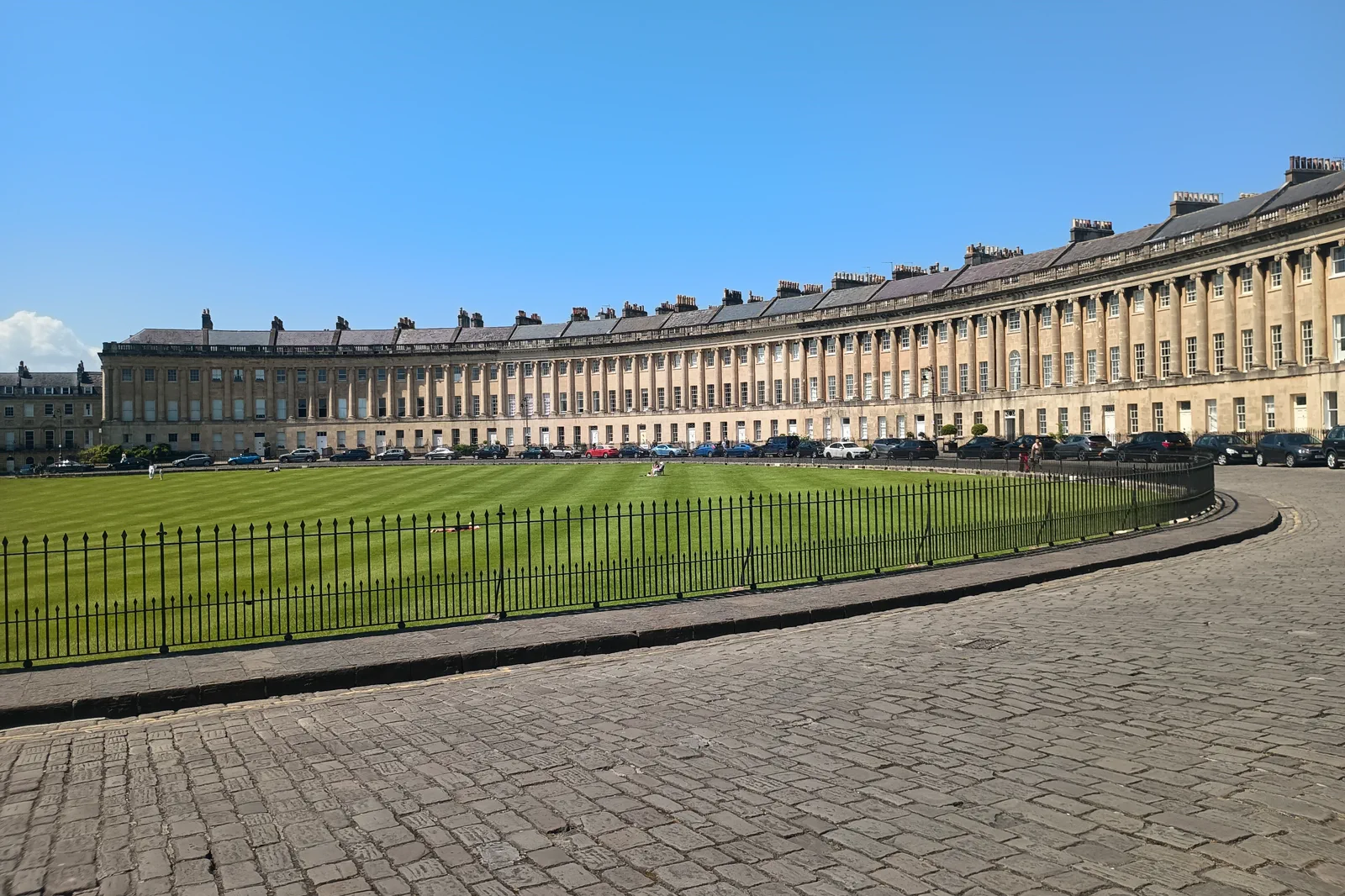
Bath, Bristol & Somerset
Bath and Bristol are close by rail but reward different days: one concentrates Roman archaeology and Georgian streets, the other a working harbour, collections and…
Open the regional signal book →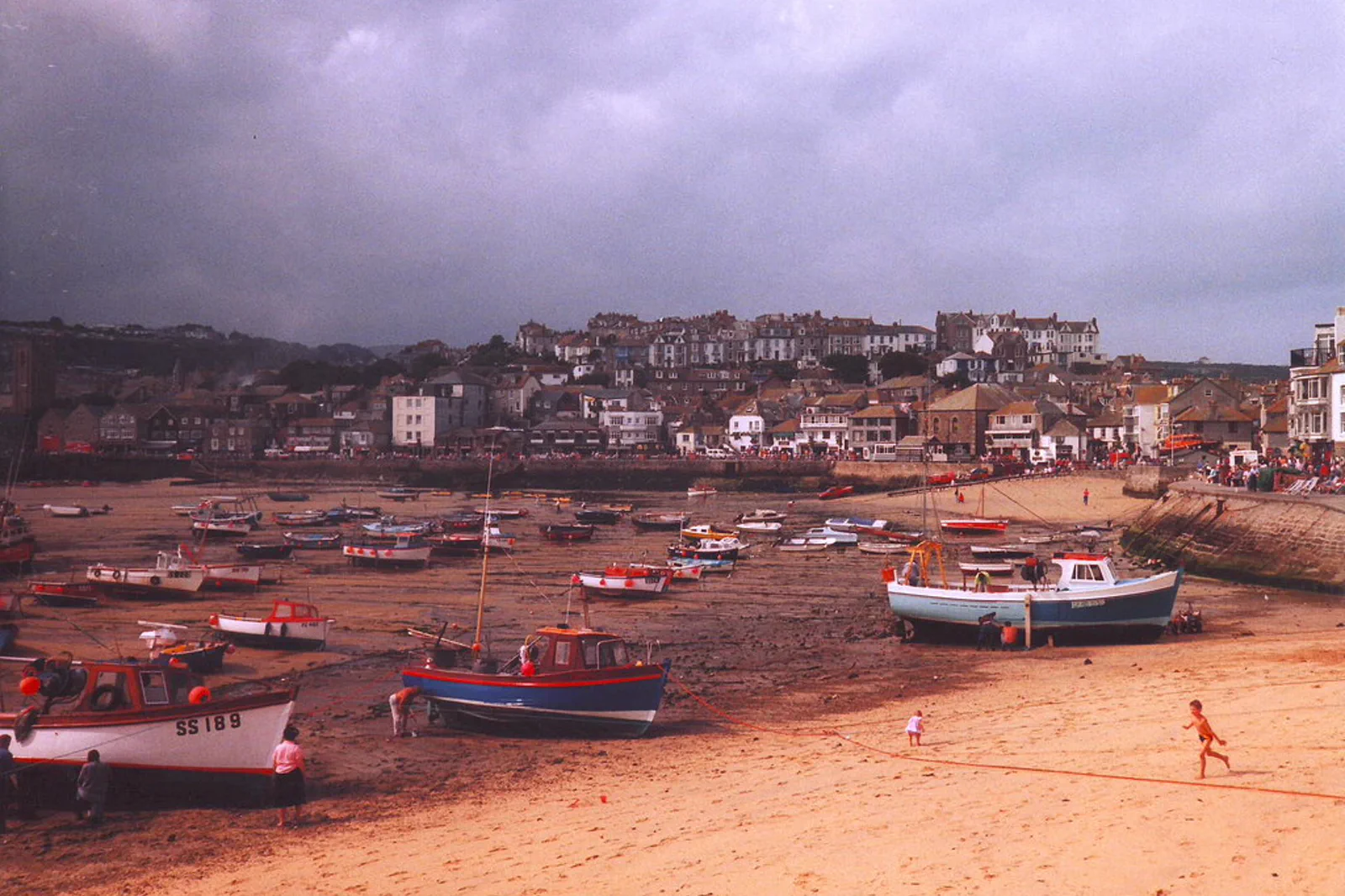
Cornwall & Devon
Cornwall and Devon contain rail-linked cities and harbour towns, but the peninsula’s headlands, villages and moors depend on slower branches, buses, boats or…
Open the regional signal book →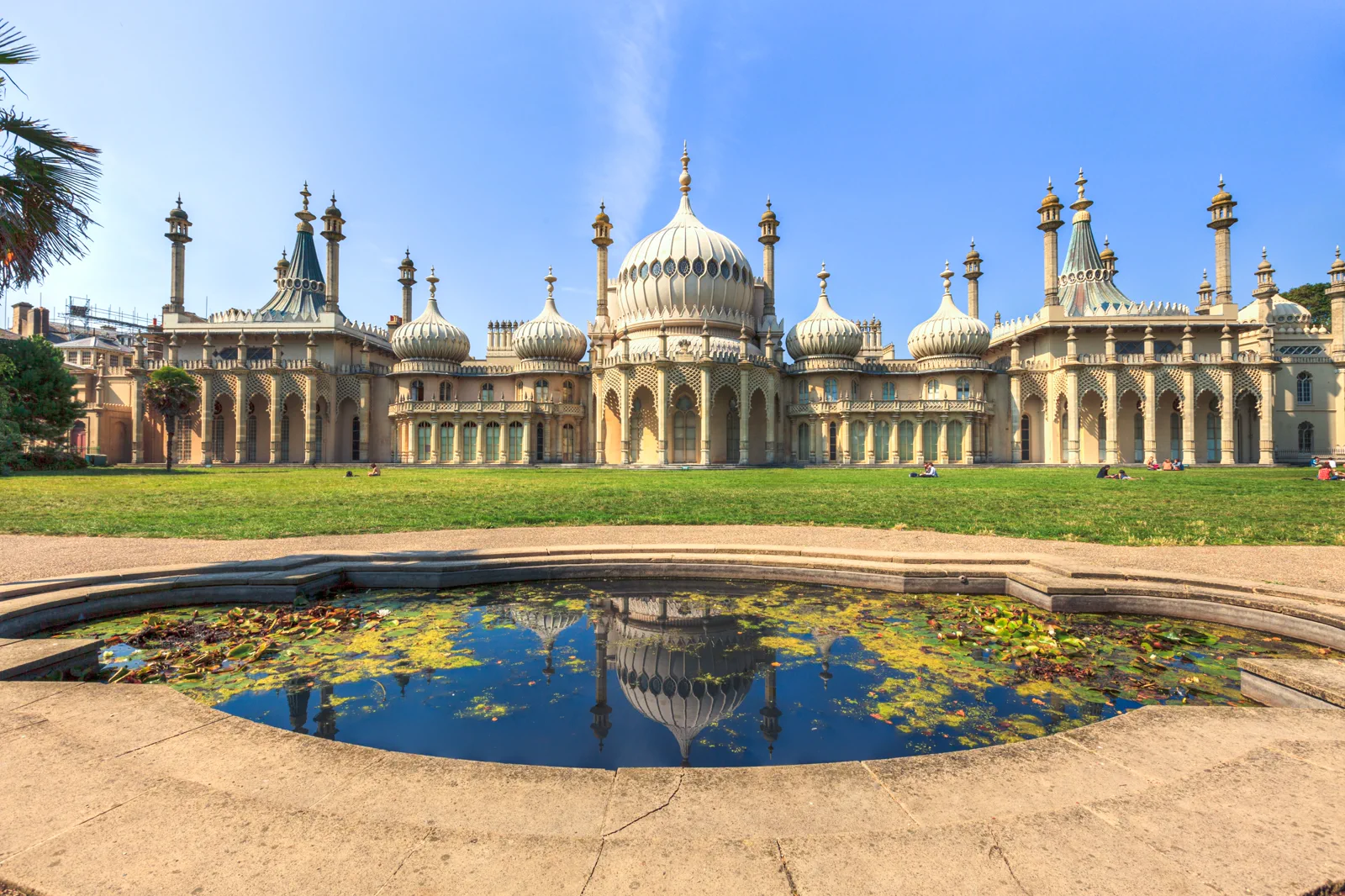
Kent, Sussex & the South Coast
Brighton, Canterbury, Dover and the Seven Sisters sit on different rail and bus corridors despite sharing the south-east coast. A useful day chooses one urban or…
Open the regional signal book →Use city rail first; name every estate, dale, lake and coast last mile.
Birmingham, the Peak District, Liverpool, Manchester, Yorkshire, Cumbria and Northumberland reward one regional base and one complete outward branch per day.
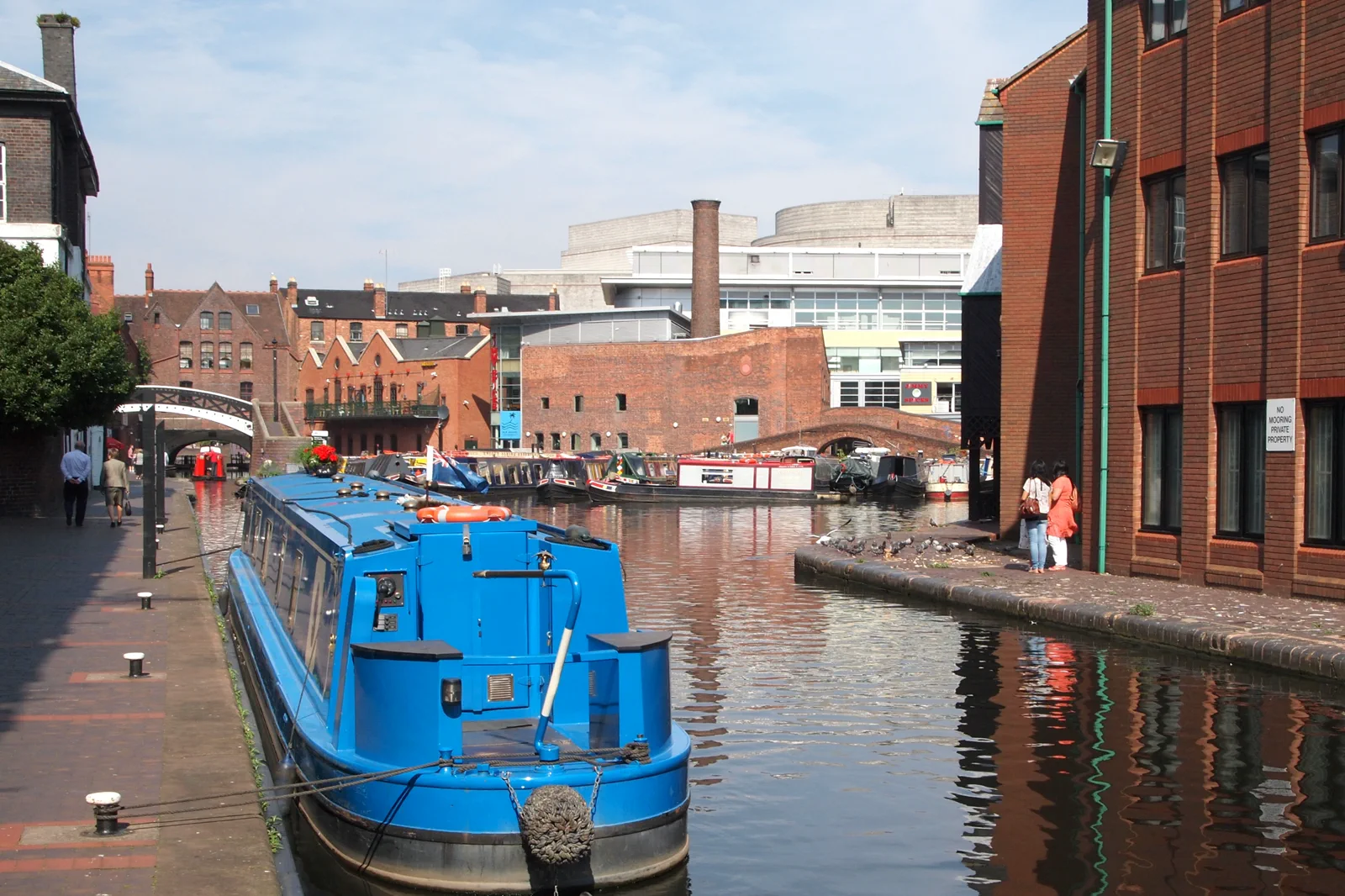
Birmingham & the West Midlands
Birmingham’s canals, civic centre and Jewellery Quarter form a connected urban day, while Stratford-upon-Avon and Ironbridge require different rail or bus…
Open the regional signal book →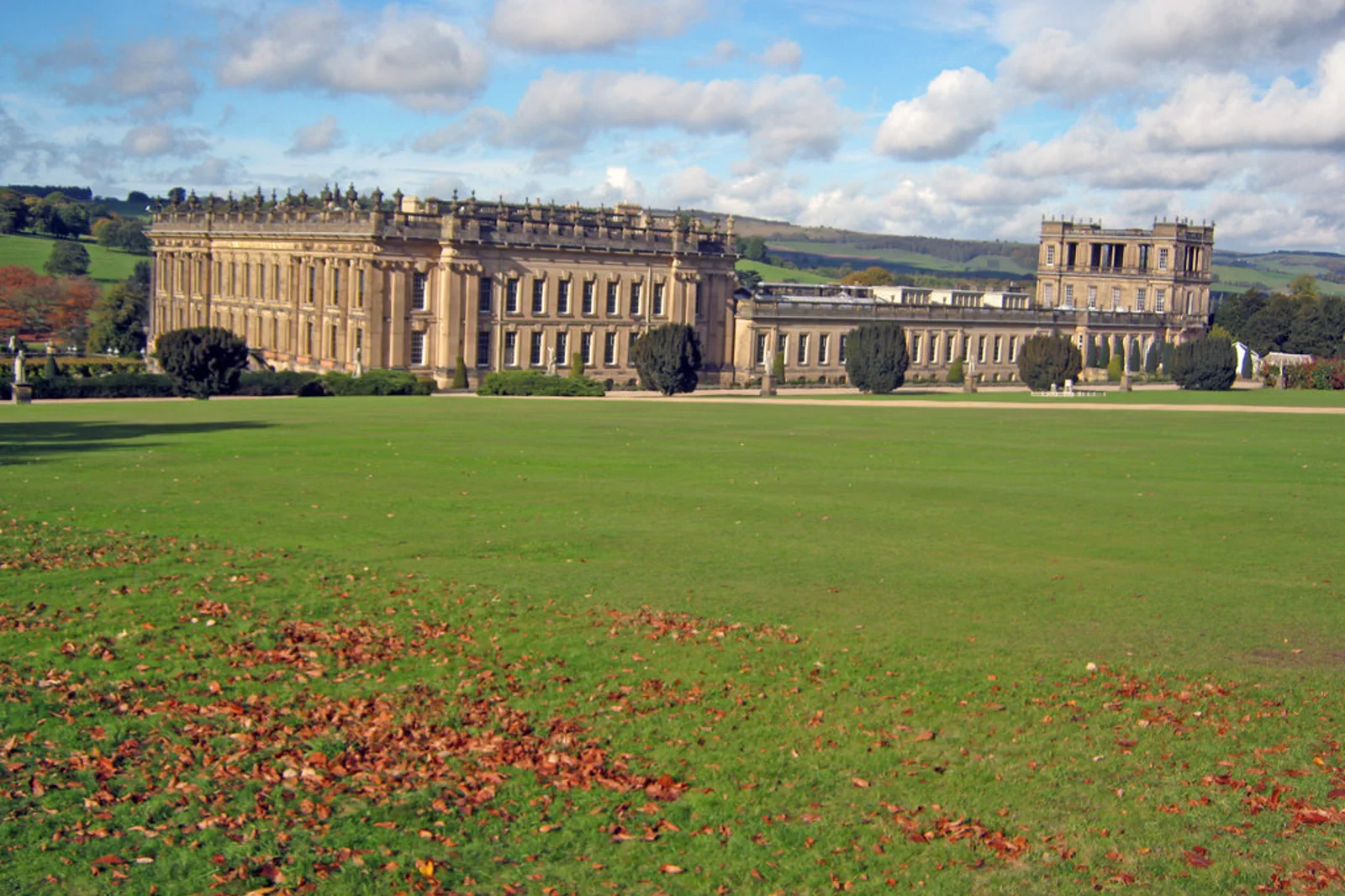
Peak District & Derbyshire
The Peak District is a group of valleys, moors, towns and estates rather than one arrival point. Hope Valley rail, Bakewell and Chatsworth buses, and the southern…
Open the regional signal book →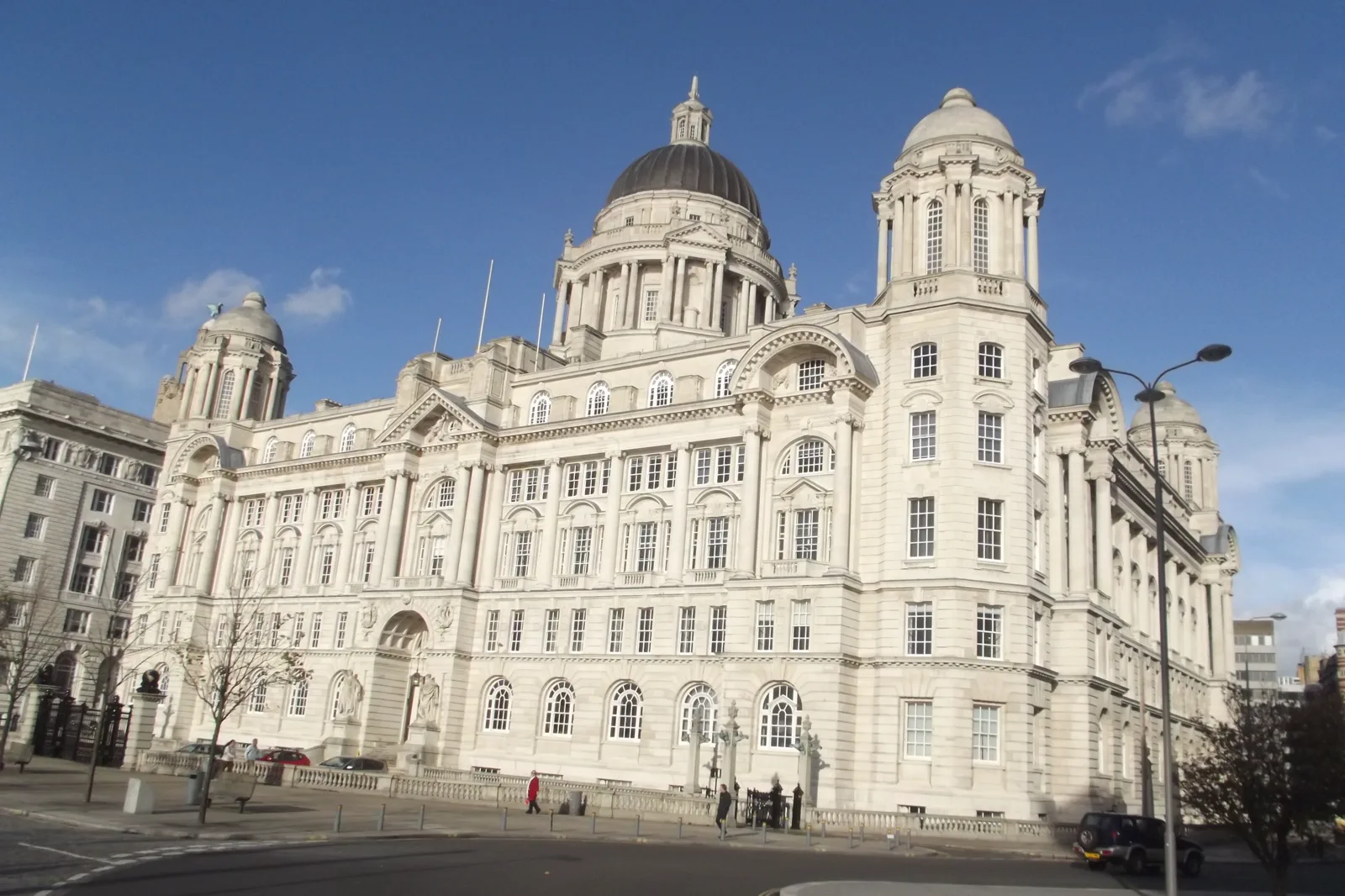
Liverpool, Manchester & Chester
Liverpool and Manchester are close by rail but their useful visitor geographies point in different directions: Mersey waterfront and mercantile streets versus…
Open the regional signal book →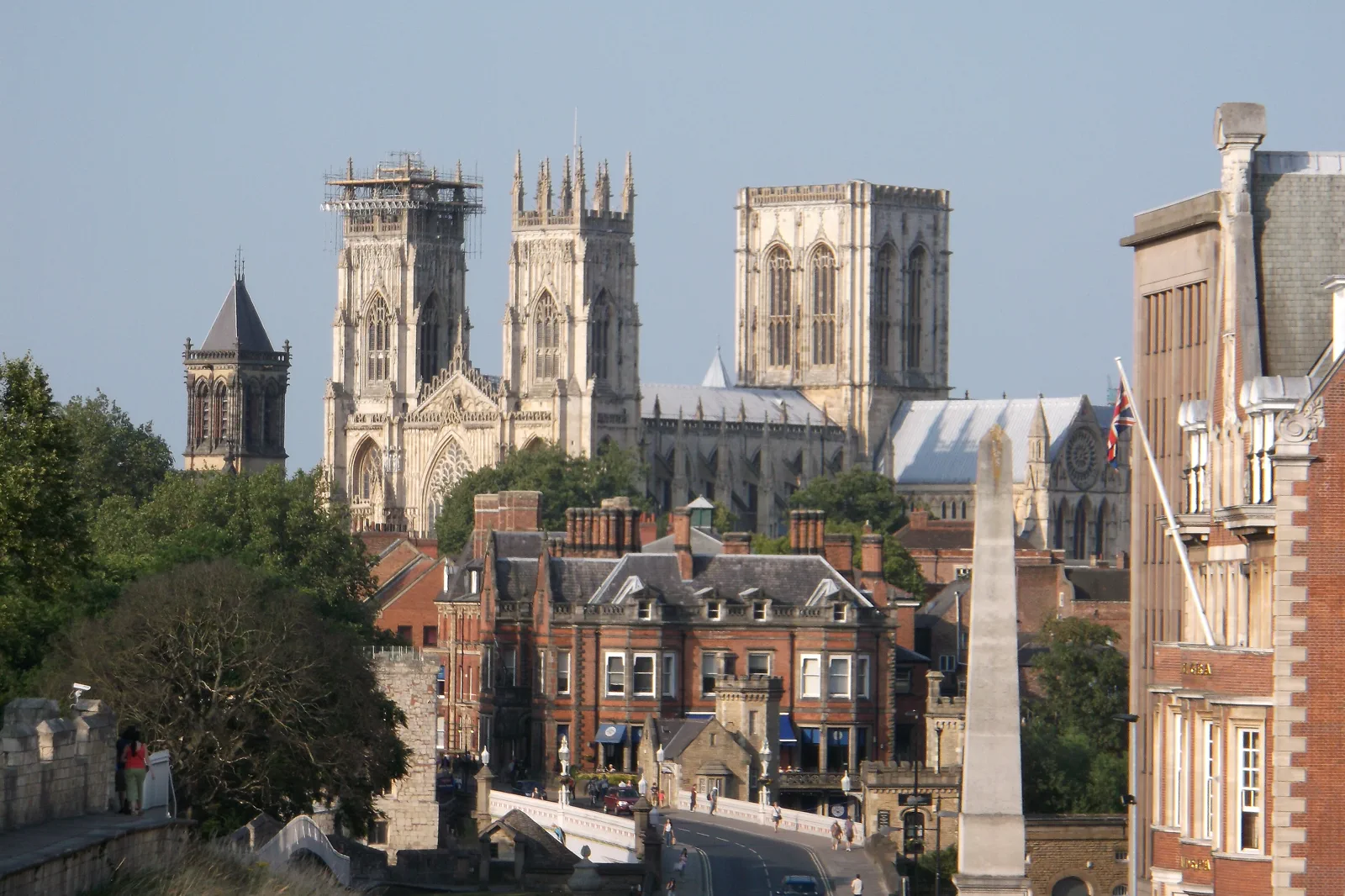
York, Leeds & Yorkshire
York’s walls and Minster, Leeds and Saltaire’s civic-industrial collections, and the North York Moors–Whitby line are three distinct travel systems. Fast intercity…
Open the regional signal book →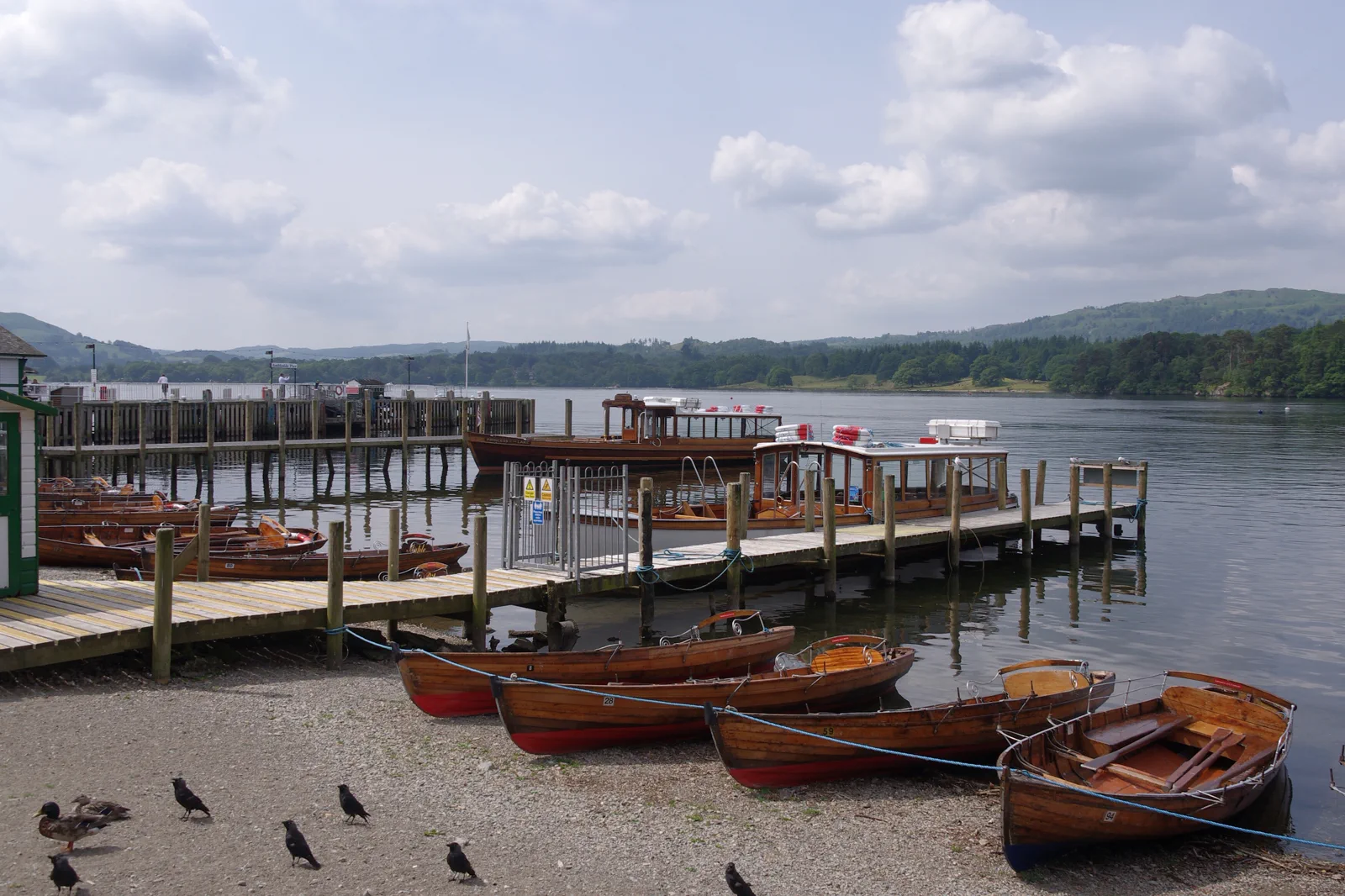
Lake District & Cumbria
Windermere and Ambleside, Keswick and Derwentwater, and Carlisle with the western Wall use different railheads and buses. The Lake District rewards one basin at a…
Open the regional signal book →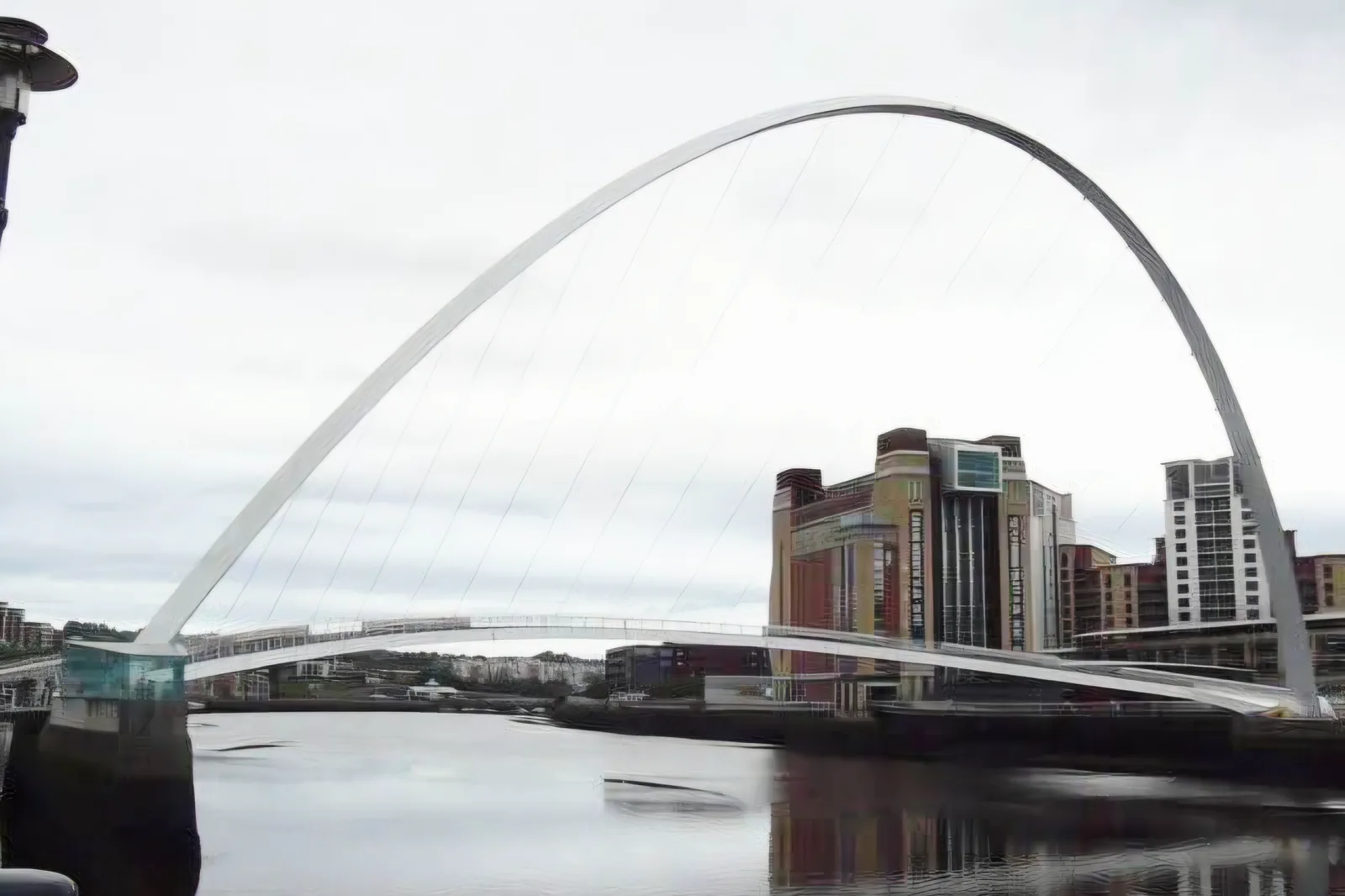
Newcastle, Durham & Northumberland
Newcastle–Gateshead and Durham are compact rail cities with strong river and collection routes, while Bamburgh and Holy Island introduce long road links and a…
Open the regional signal book →Let level changes, road distance, mountain weather and ferry check-in control the map.
Edinburgh and Glasgow are complete city systems; the Highlands and islands require named gateways, buffers and lower-risk alternatives.
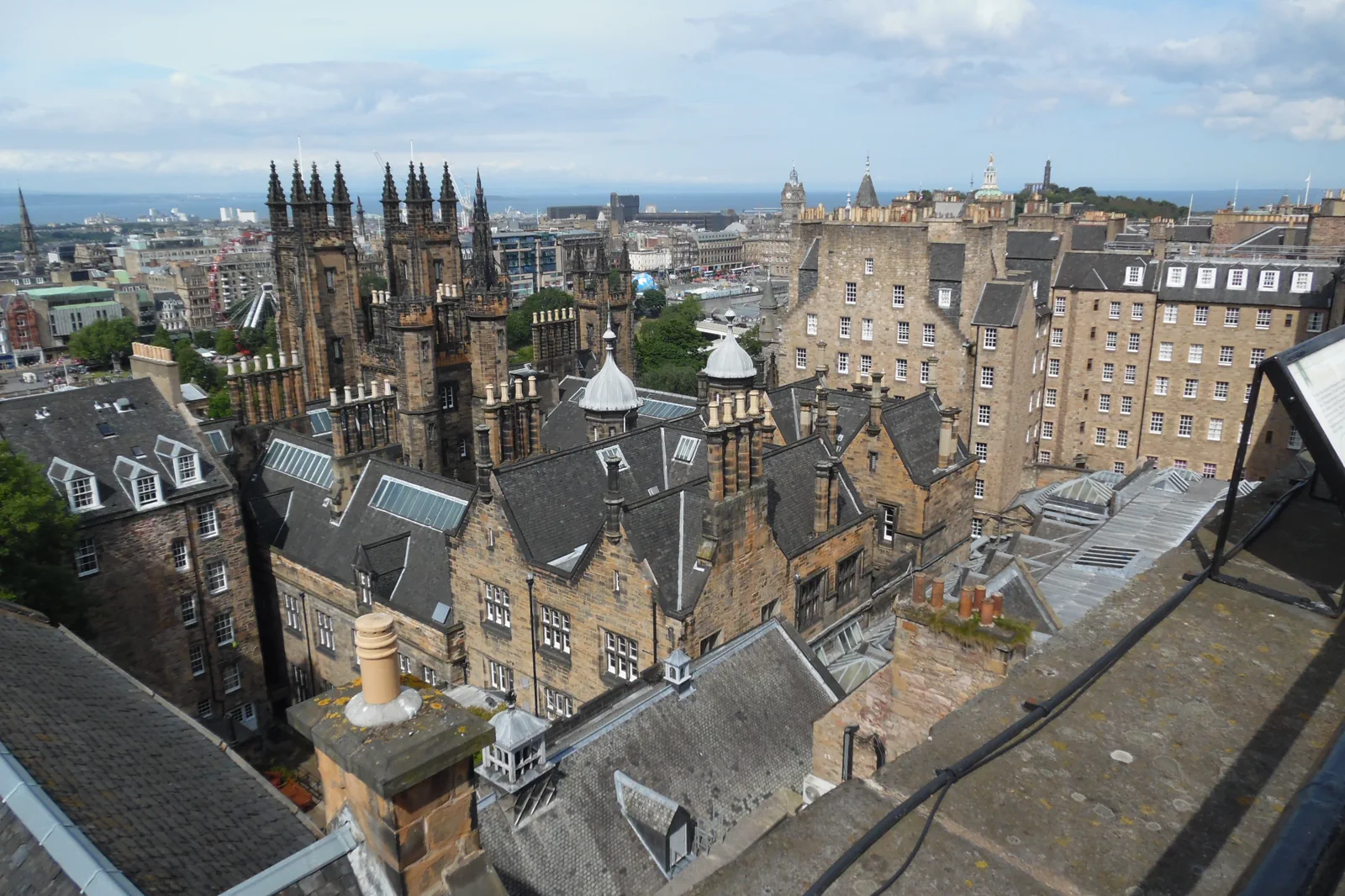
Edinburgh & the Lothians
Edinburgh’s Old Town ridge, New Town terraces and lower valleys create a vertical city where short map distances conceal stairs and steep streets. East Lothian…
Open the regional signal book →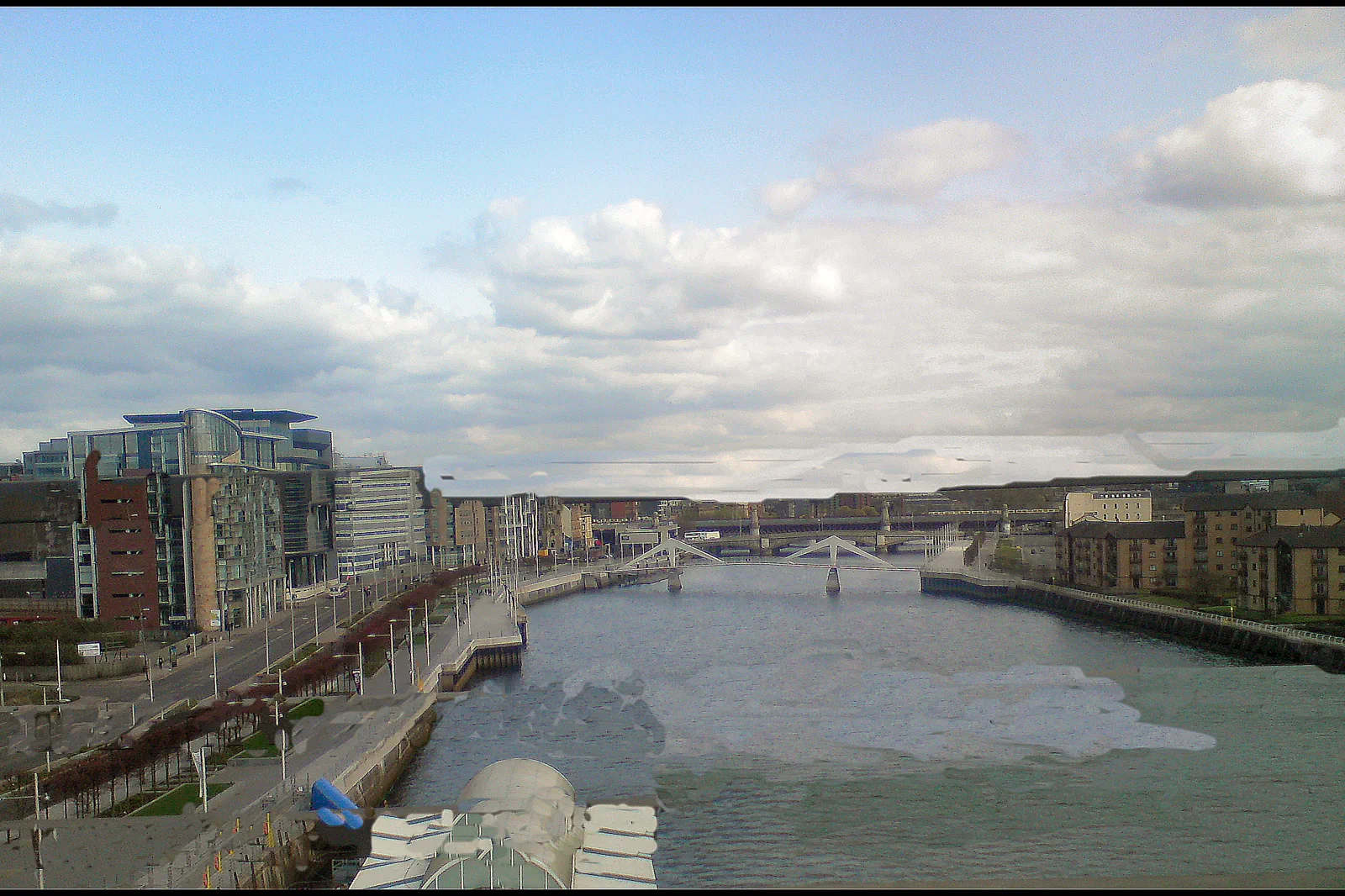
Glasgow & the Clyde
Glasgow’s centre, Merchant City and Clyde waterfront form one urban field; the West End has its own museum-and-park rhythm; Loch Lomond adds a rail-to-water branch…
Open the regional signal book →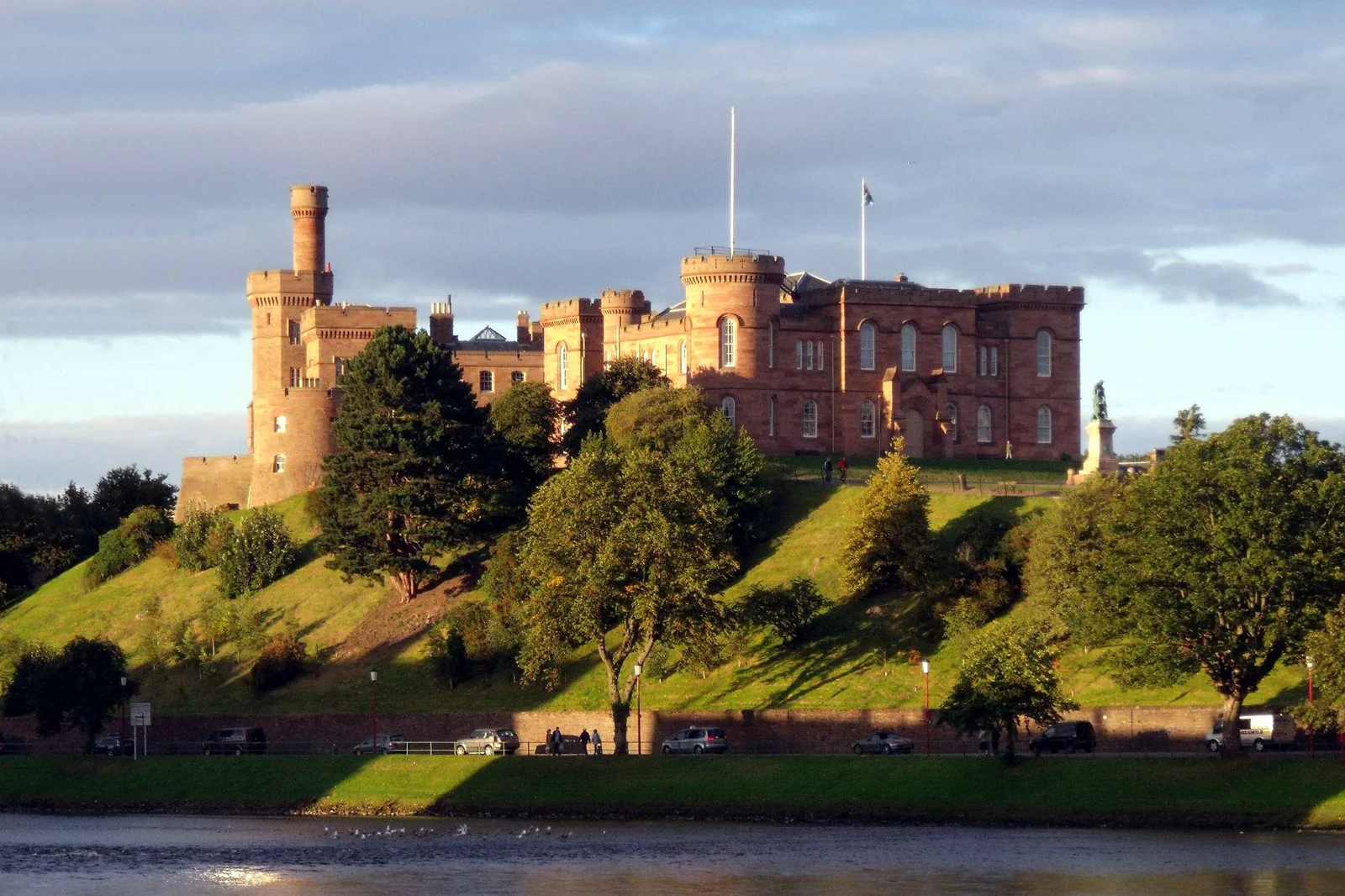
Inverness & the Scottish Highlands
Inverness and Loch Ness, Glencoe and Fort William, and Aviemore with the Cairngorms use long, weather-sensitive rail and road corridors. Distances, daylight and…
Open the regional signal book →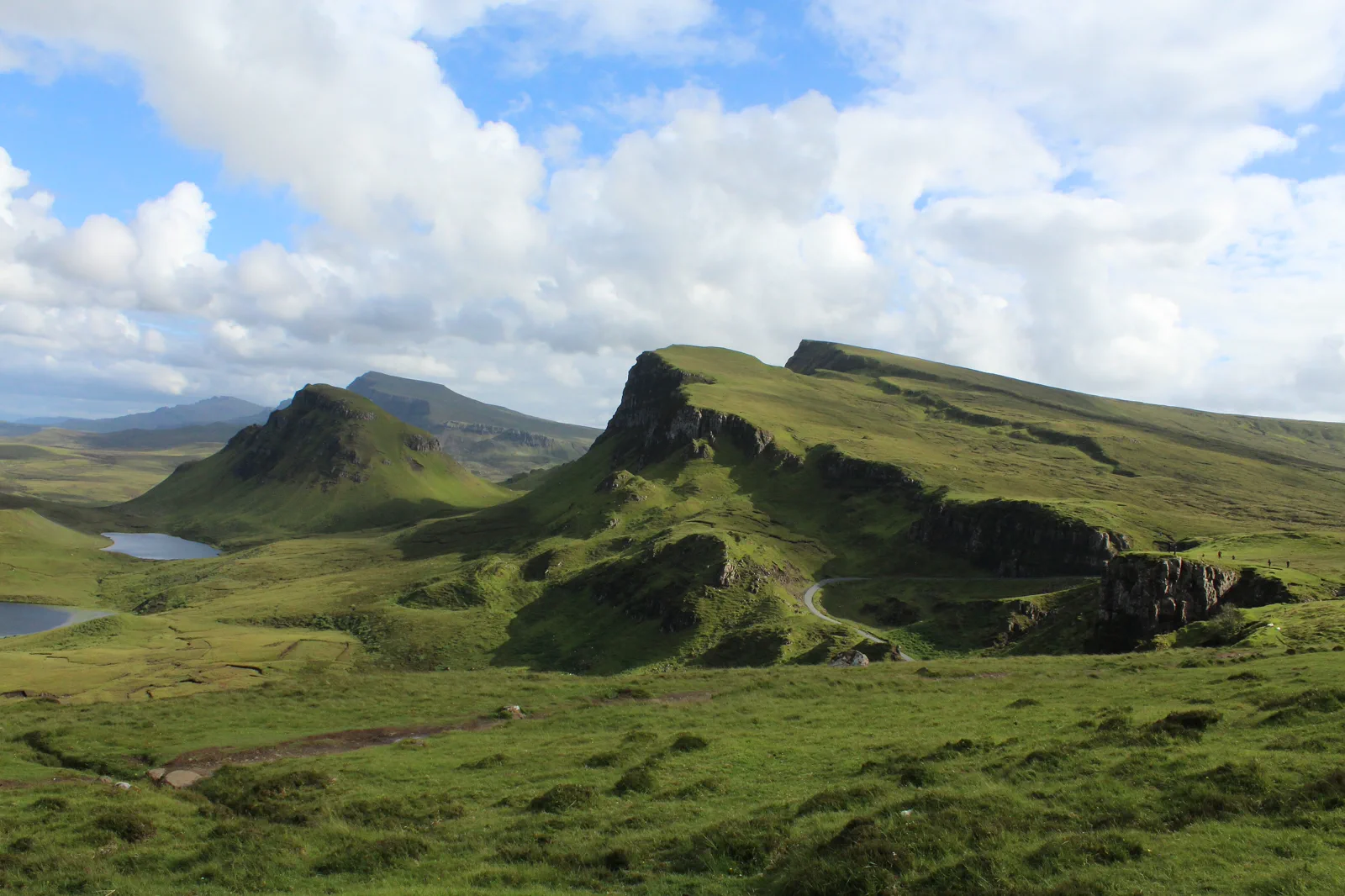
Skye, Orkney & the Outer Hebrides
Skye, Orkney and Lewis with Harris are not one archipelago circuit. They use different ferries, flights, road distances and weather patterns. A credible island…
Open the regional signal book →Castles and cities remain reliable; mountains, peninsulas and tidal coasts need live decisions.
Cardiff, Eryri, Pembrokeshire, Belfast, the Causeway Coast and Derry combine rail cities with sparse buses, exposed paths, ferries and causeway clocks.
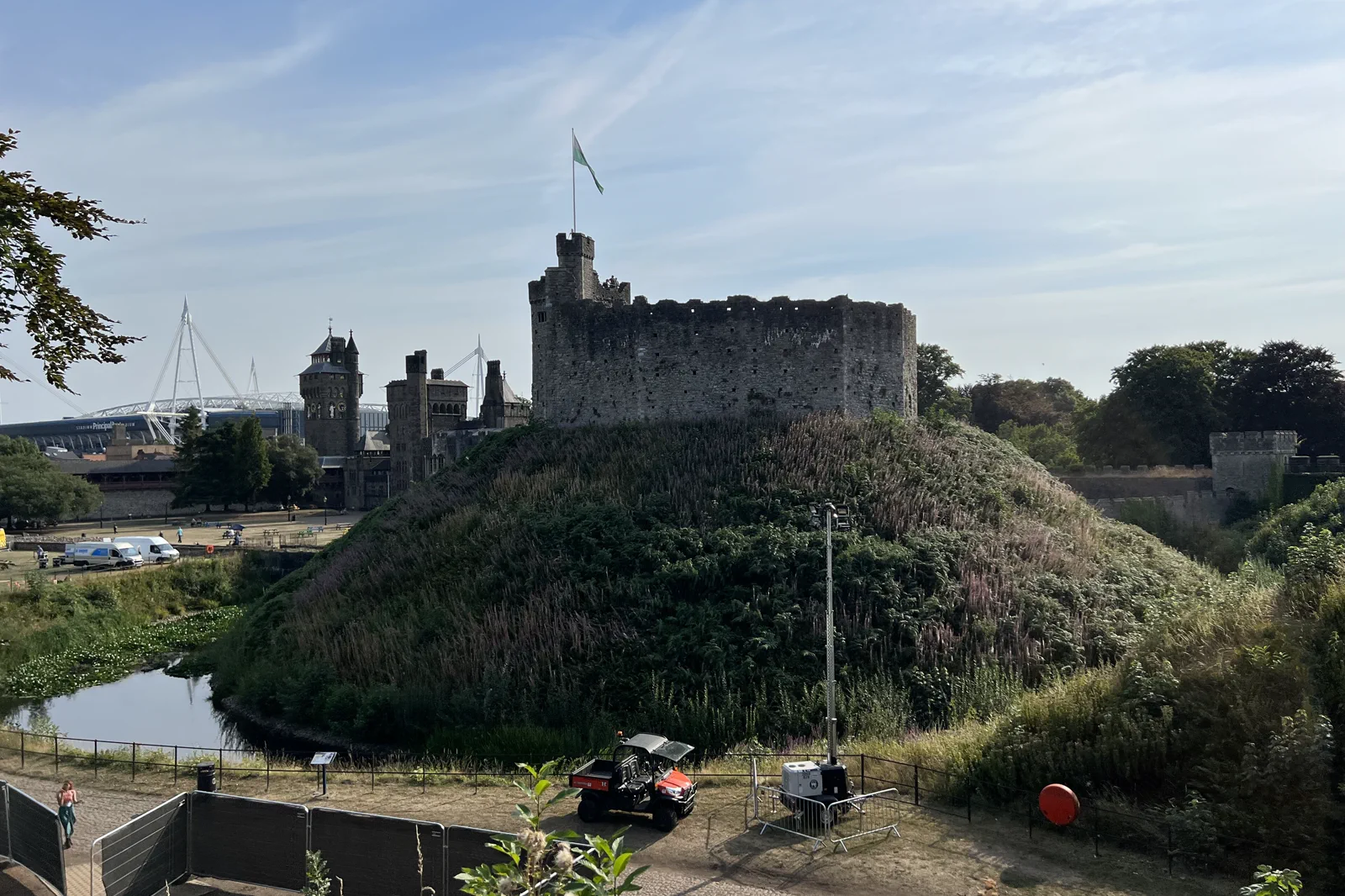
Cardiff, Bannau Brycheiniog & Gower
Cardiff’s civic centre, castle and bay form a rail-and-bus city system. Bannau Brycheiniog and the Gower Peninsula require different gateways, road or bus…
Open the regional signal book →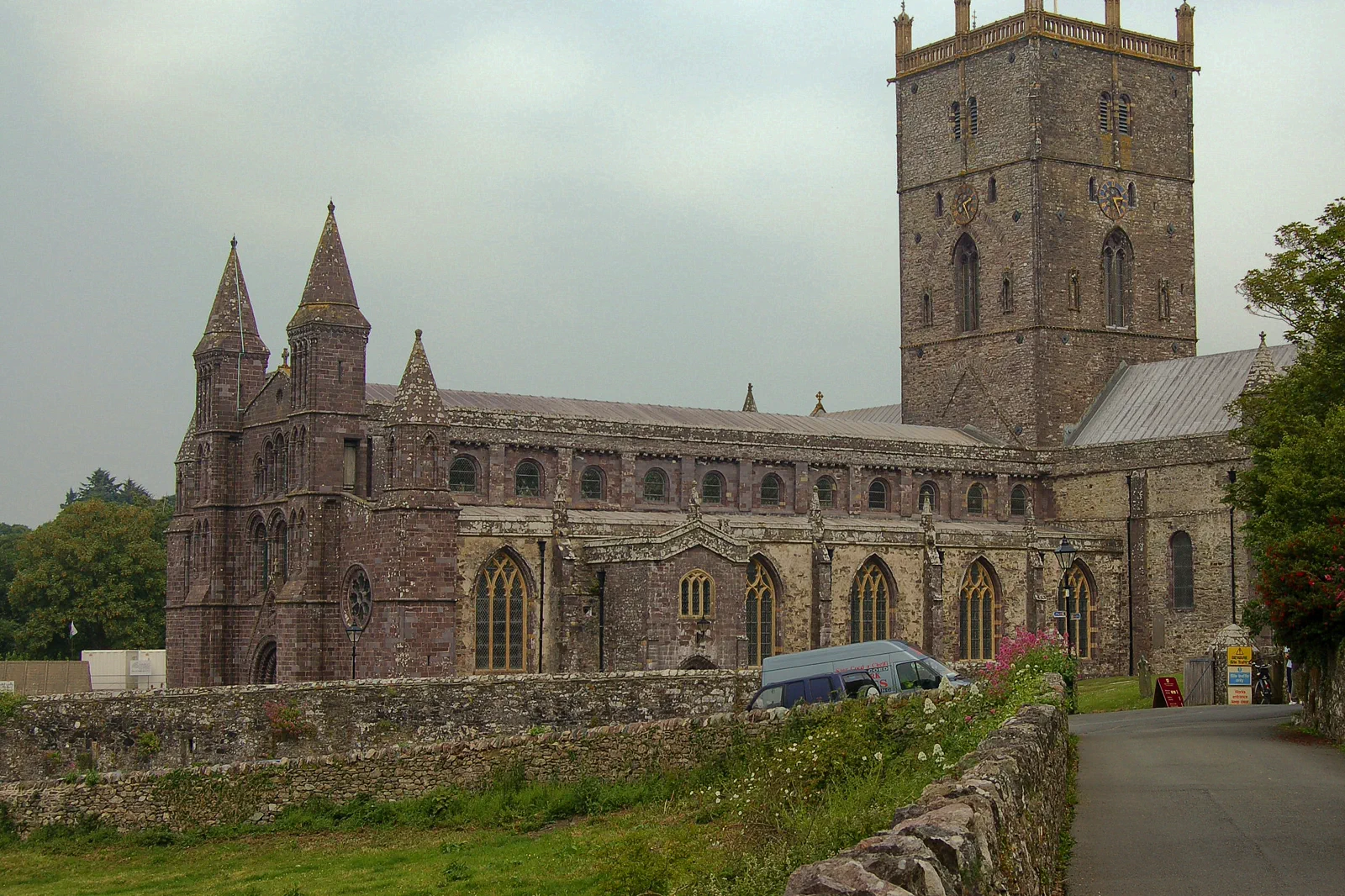
Pembrokeshire & West Wales
St Davids, Tenby and the Ceredigion coast sit on separate West Wales corridors. Rail reaches Tenby and Aberystwyth, while St Davids needs a bus or road connection.…
Open the regional signal book →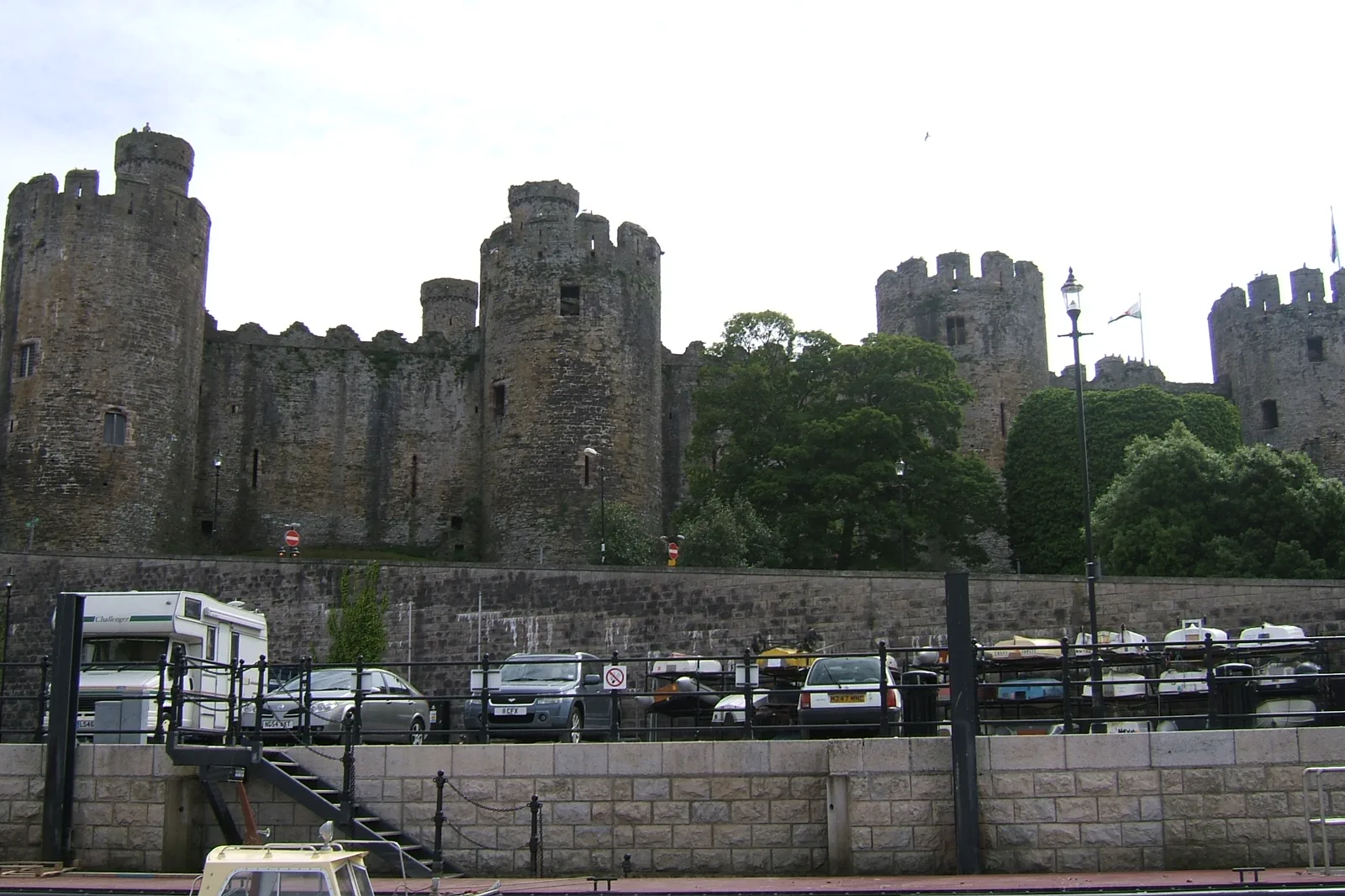
North Wales & Eryri
Conwy and Llandudno, Eryri’s mountain gateways, and Caernarfon with Anglesey form three distinct North Wales systems. Rail follows the coast, while mountain routes…
Open the regional signal book →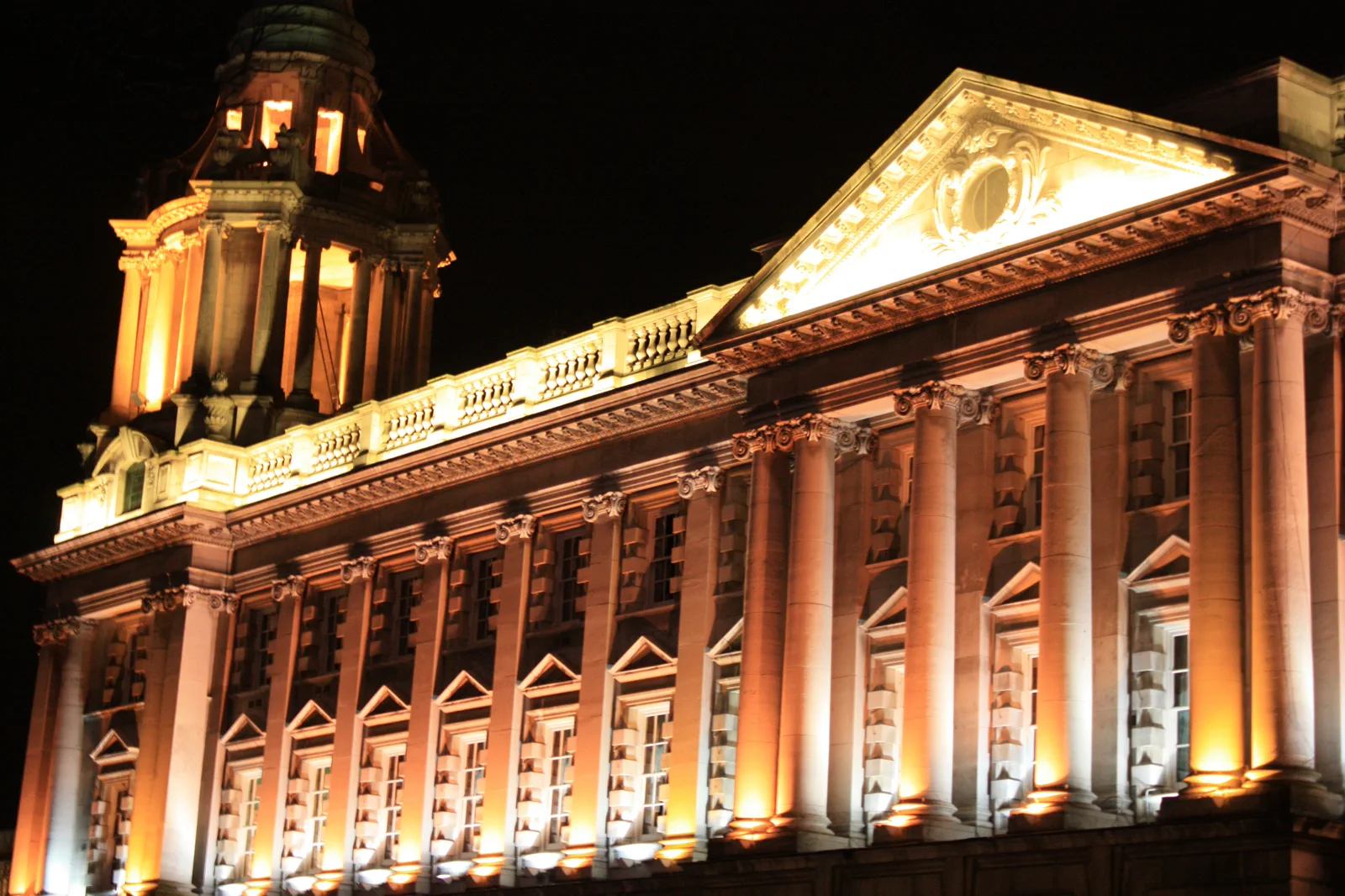
Belfast, Causeway Coast & Derry
Belfast’s civic quarters and Maritime Mile are urban transit days; the Causeway Coast is a rail-and-bus or road corridor; Derry is a separate walled city whose…
Open the regional signal book →The trunk is fast; the useful day still depends on the window.
Keep intercity rail, urban transport, rural access and sea or mountain operation as separate decisions.
Price the named train and station.
Advance fares, operator restrictions, engineering work and London terminal changes matter. A short journey time does not include hotel-to-platform or a missed connection.
Large stations are multi-exit systems.
London, Manchester, Birmingham, Edinburgh and Glasgow each use different local products. Choose the arrival door from the first district, not the city name.
Bus frequency edits the itinerary.
Castles, villages, national parks and coasts may need seasonal buses, tours, bicycles or cars. Verify the final return and Sunday pattern first.
Operation can override the booking.
Mountain forecasts, cliff closures, causeway times, ferry check-in and marine weather are live gates. A booked room does not open a closed route.
Count full bases, not flags crossed.
London + one regional system
Choose Oxford and Bath, York, Edinburgh or another single corridor. Keep the capital and region as two bases at most.
Two nations or one long corridor
Pair London with Scotland, Wales or Northern Ireland, or build an England rail route. Count the flight, ferry or hotel-change day honestly.
Three bases with a real contrast
Add an island, mountain or coast only when it changes the trip’s argument. Avoid using extra days for daily check-outs.
The calendar never replaces live conditions.
Cities and collections remain strong; mountain, island and rural services need precise checks and short-light planning.
Gardens and coast days expand, but high routes can retain snow and Atlantic weather remains changeable.
Long light helps, yet island vehicles, castle tickets, coast buses and popular trailhead capacity need early commitments.
Storms and shortening light reduce return margin. Keep a lower city or valley day beside every exposed plan.
Do not protect an onward ticket before the border, terminal and baggage move are real.
London airports
Heathrow, Gatwick, Stansted, Luton and London City use different rail products and terminals. Leave a wide buffer before a separately ticketed intercity train.
Regional airports and Belfast
Edinburgh, Glasgow, Manchester, Birmingham, Cardiff and Belfast can remove a cross-country transfer, but compare the complete route to the regional base.
Ferries and islands
Port, check-in, vehicle space and sea state matter. Match the island arrival to the road and coast you plan to use rather than crossing it immediately.
United Kingdom FAQ
How many bases suit a first United Kingdom trip?
For seven to ten days, use London plus one region or two strong regional bases. For twelve to fourteen days, three bases can work when each sits on a clear rail corridor. Do not count an island ferry or Highland transfer as a sightseeing day.
Should I buy a rail pass?
Price the actual intercity journeys, eligibility and reservation rules against advance tickets. Local buses, London transport, ferries, heritage railways and mountain products are separate decisions.
Can I visit England, Scotland, Wales and Northern Ireland in one trip?
Yes only with enough time and carefully chosen flights, ferries or long rail days. A short trip is stronger when it chooses two nations or one cross-border corridor rather than collecting capitals.
Do I need a car?
London and many cities work best without one. Rural coasts, national parks and islands may need a car, tour, bicycle or seasonal bus, but parking, single-track roads, tides and weather can make a car a liability. Decide route by route.
What should I reserve first?
Reserve the highest-priority timed monument, theatre or intercity fare once the route is stable. Book ferries and island vehicles early, but keep exposed mountain, cliff and boat days flexible where operators allow.
Official sources and photo credits
Country planning and image licensing were reviewed on 20 September 2026. Entry, fares, reservations, roads, paths, tides, weather and operating status change; verify directly before travel.
- VisitBritain — official destination guide.
- National Rail — rail planning and disruption information.
- Met Office — official forecasts and warnings.
- GOV.UK — official border control information.
- Thames Panorama, London - May 2009.jpg — Diliff, CC BY-SA 3.0. Resized, display-cropped and converted to WebP; no other material edits.
- Oxford - Catte Street - View SSW on the Radcliffe Camera 1737-48 by James Gibbs - University Church of St Mary the Virgin & Brasenose College in the back.jpg — Txllxt TxllxT, CC BY-SA 4.0. Resized, display-cropped and converted to WebP; no other material edits.
- KingsCollegeChapelWest.jpg — Andrew Dunn, CC BY-SA 2.0. Resized, display-cropped and converted to WebP; no other material edits.
- Royal Crescent in Bath - geograph.org.uk - 7845942.jpg — Kevin Pearson, CC BY-SA 2.0. Resized, display-cropped and converted to WebP; no other material edits.
- The beach in St. Ives harbour, Cornwall - geograph.org.uk - 2273997.jpg — nick macneill, CC BY-SA 2.0. Resized, display-cropped and converted to WebP; no other material edits.
- The Royal Pavilion Brighton UK.jpg — Fenliokao, CC BY-SA 3.0. Resized, display-cropped and converted to WebP; no other material edits.
- Gas Street Canal Basin, Birmingham - geograph.org.uk - 3627856.jpg — David Hallam-Jones, CC BY-SA 2.0. Resized, display-cropped and converted to WebP; no other material edits.
- Chatsworth House - geograph.org.uk - 2191619.jpg — Trevor Rickard, CC BY-SA 2.0. Resized, display-cropped and converted to WebP; no other material edits.
- The Three Graces - Liverpool Waterfront - Port of Liverpool Building (10731141643).jpg — Elliott Brown from Birmingham, United Kingdom, CC BY-SA 2.0. Resized, display-cropped and converted to WebP; no other material edits.
- York Minster from Mickelgate section of city walls (2).JPG — Harry Mitchell, CC BY 3.0. Resized, display-cropped and converted to WebP; no other material edits.
- Lake Windermere MMB 37 Ambleside.jpg — mattbuck ( category ), CC BY-SA 3.0. Resized, display-cropped and converted to WebP; no other material edits.
- Gateshead Millennium Bridge viewed from the Gateshead bank, Tyne and Wear, England.jpg — Salwa Farwaneh Dameh, CC0. Resized, display-cropped and converted to WebP; no other material edits.
- Edinburgh's Skyline from Castle Hill (1) - geograph.org.uk - 4836425.jpg — David Hillas, CC BY-SA 2.0. Resized, display-cropped and converted to WebP; no other material edits.
- River Clyde Glasgow City Centre - panoramio.jpg — dan kearney, CC BY-SA 3.0. Resized, display-cropped and converted to WebP; no other material edits.
- Inverness Castle and River Ness Inverness Scotland - conner395.jpg — dave conner from Inverness, Scotland, CC BY 2.0. Resized, display-cropped and converted to WebP; no other material edits.
- Quiraing Isle of Skye.jpg — Guillaume.R-B., CC BY-SA 4.0. Resized, display-cropped and converted to WebP; no other material edits.
- Cardiff Castle keep - exterior 01.jpg — Ferdinando Traversa, CC BY-SA 4.0. Resized, display-cropped and converted to WebP; no other material edits.
- St Davids Cathedral Wales Pembrokeshire.jpg — Aqwis, CC BY-SA 3.0. Resized, display-cropped and converted to WebP; no other material edits.
- Conwy Castle viewed from River Conwy - geograph.org.uk - 1925680.jpg — Richard Hoare, CC BY-SA 2.0. Resized, display-cropped and converted to WebP; no other material edits.
- Belfast City Hall (05), December 2009.JPG — Ardfern, CC BY-SA 3.0. Resized, display-cropped and converted to WebP; no other material edits.