Kent, Sussex & the South Coast
Choose a city, fortress or cliff line before the coast starts consuming transfers.
Brighton, Canterbury, Dover and the Seven Sisters sit on different rail and bus corridors despite sharing the south-east coast. A useful day chooses one urban or landscape argument, names the station and final connection, and treats exposed chalk paths as weather decisions rather than scenic filler.
Choose one file from the gateway, weather and return you actually have.
Every file carries its own access decision, sequence, fallback, break points, official sources and licensed image record.
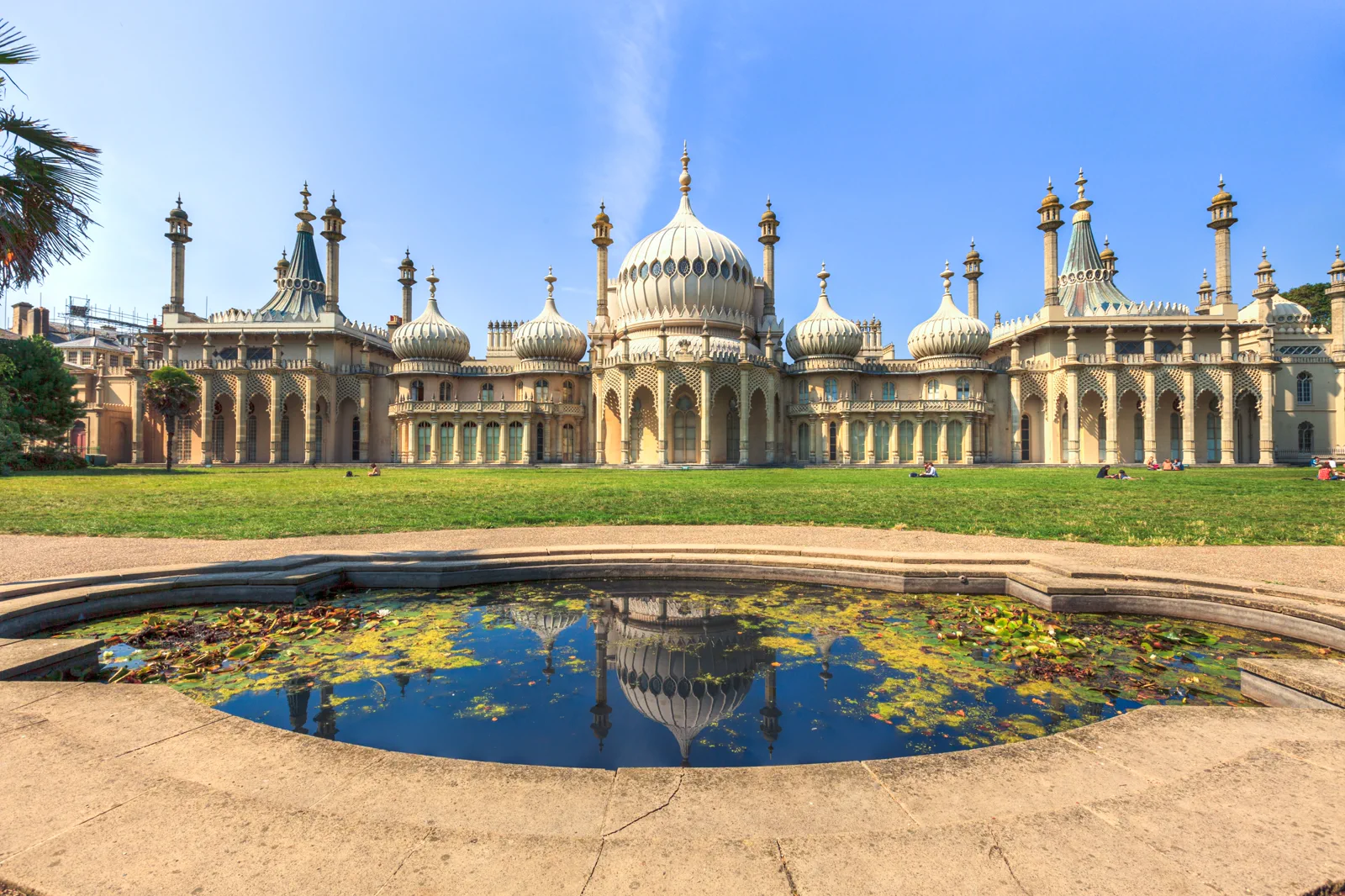
Brighton Lanes, Pavilion & Seafront
Choose the Royal Pavilion, independent lanes or the seafront as the day’s main layer and connect them downhill toward the sea without repeatedly climbing between station, shopping streets and pier.
Open the complete field file →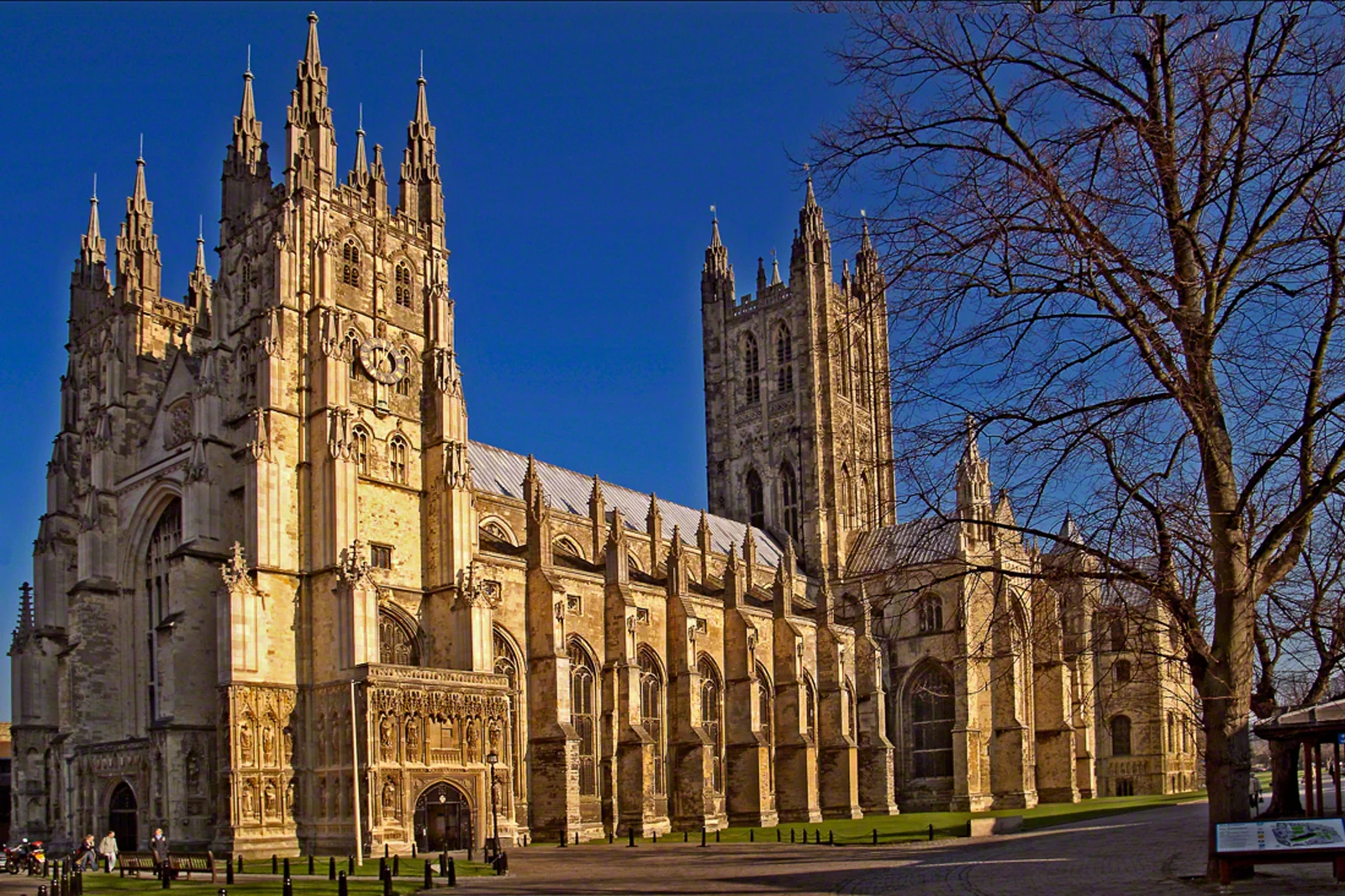
Canterbury Cathedral & Dover Castle
Decide whether Canterbury Cathedral or Dover Castle deserves the full controlled interior, then use the rail corridor for one city-to-fortress connection rather than rushing two large heritage sites.
Open the complete field file →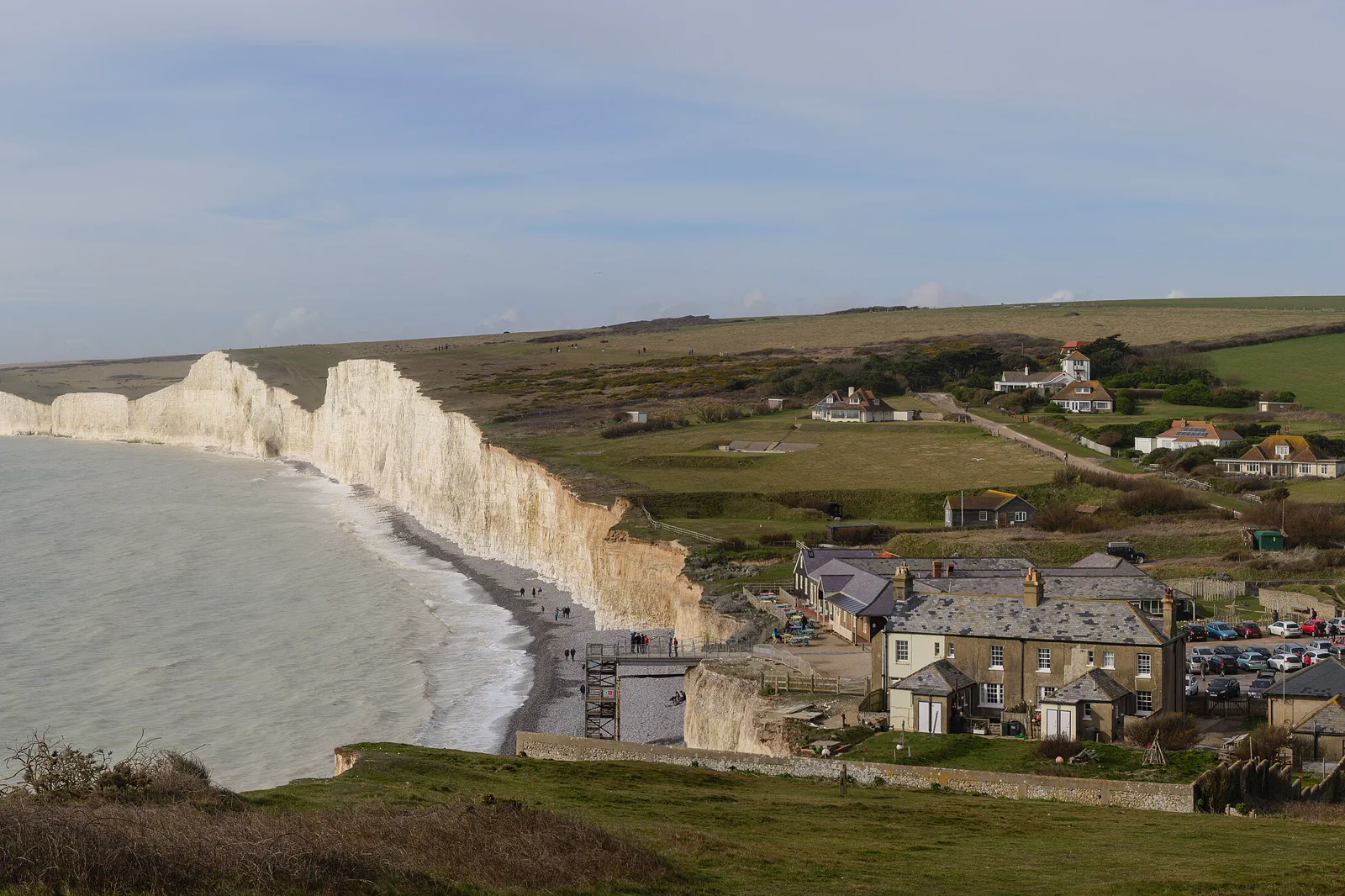
Seven Sisters & Eastbourne
Choose a safe, bounded Seven Sisters viewpoint or walk with a named start and finish, using Eastbourne or Seaford as the transport anchor rather than advertising the whole cliff line as one casual stroll.
Open the complete field file →Each route buys something by leaving something else out.
Brighton Lanes, Pavilion & Seafront
Gateway: Brighton station sits uphill from the Pavilion and sea. North Laine and the historic Lanes are different street areas. Choose one downhill line and identify the bus or walking route back; do not leave the climb until a tight train connection.
Sacrifice: A deep Pavilion visit, both lane districts and a long walk to Hove or the marina exceed a relaxed day. Choosing the seafront sacrifices interior depth; choosing the Pavilion keeps the coast shorter but more coherent.
Time: Allow five to seven hours for one interior, both central street areas and a bounded seafront. A coast-heavy day can use the full daylight window.
Canterbury Cathedral & Dover Castle
Gateway: Canterbury West and East serve different sides of the core. Dover Priory is below the castle and not at its visitor entrance. Confirm the rail leg, the castle climb or local bus, and the final train before attempting both towns.
Sacrifice: The cathedral and castle each justify several hours plus security or walking. Choosing both means giving up depth, meals and contingency; choosing one anchor creates a reliable day with a useful secondary town.
Time: Allow a full day for either anchor. Combining both requires eight to ten hours and a deliberately shorter visit at one site; an overnight makes the pairing far better.
Seven Sisters & Eastbourne
Gateway: There is no Seven Sisters railway station. Seaford, Eastbourne and Brighton connect to different buses and trailheads. Save the exact stop, path and final service, and never navigate toward the cliff edge from an informal map pin.
Sacrifice: A short valley-and-viewpoint visit sacrifices the long cliff sequence but protects safety and return. A point-to-point walk gains landscape depth at the cost of museums, town time and any weak-weather fallback.
Time: Allow five to eight hours for transport and a bounded coast route. The full point-to-point line is a dedicated day, not an extension to Brighton.
These sources control the moving parts.
Use the route book for structure, then reopen current transport, destination and weather information for the exact date.
Kent, Sussex & the South Coast FAQ
How long should I give Kent, Sussex & the South Coast?
Two to four nights supports Brighton plus one Kent or South Downs branch. Brighton is a strong evening base for Sussex; Canterbury is better for cathedral and east Kent. Using London as the base is possible, but repeated terminal crossings can erase the apparent time saved.
What transport decision matters most around Kent, Sussex & the South Coast?
Southern and Southeastern trains use different London terminals and coast branches. Seven Sisters requires a named rail-and-bus or walking approach, while Dover Castle sits above the station. Engineering works and sea weather should be checked on the actual travel date.
What should I do if weather, access or transport changes?
When cliff conditions fail, retain a complete Brighton, Canterbury or Dover interior-led day. Do not switch to another exposed headland merely because the train continues along the coast.
Official sources and photo credits
Planning facts and image licensing were reviewed on 20 September 2026. Verify current tickets, services, roads, paths, tides and site access before travel.
- Visit Brighton — official destination guide.
- Visit Kent — official destination guide.
- Southeastern — rail planning and service updates.
- The Royal Pavilion Brighton UK.jpg — Fenliokao, CC BY-SA 3.0. Resized, display-cropped and converted to WebP; no other material edits.
- Canterbury-cathedral-wyrdlight.jpg — Antony McCallum: Who is the uploader, photographer, full copyright owner and proprietor of WyrdLight.com, CC BY-SA 4.0. Resized, display-cropped and converted to WebP; no other material edits.
- Seven Sisters March 2017 02.jpg — Arild Vågen, CC BY-SA 4.0. Resized, display-cropped and converted to WebP; no other material edits.