Cornwall & Devon
Treat railheads, coastal buses and moor roads as separate layers.
Cornwall and Devon contain rail-linked cities and harbour towns, but the peninsula’s headlands, villages and moors depend on slower branches, buses, boats or roads. A useful trip chooses a compact base and one weather-facing landscape each day rather than measuring success by the number of coastal names reached.
Choose one file from the gateway, weather and return you actually have.
Every file carries its own access decision, sequence, fallback, break points, official sources and licensed image record.
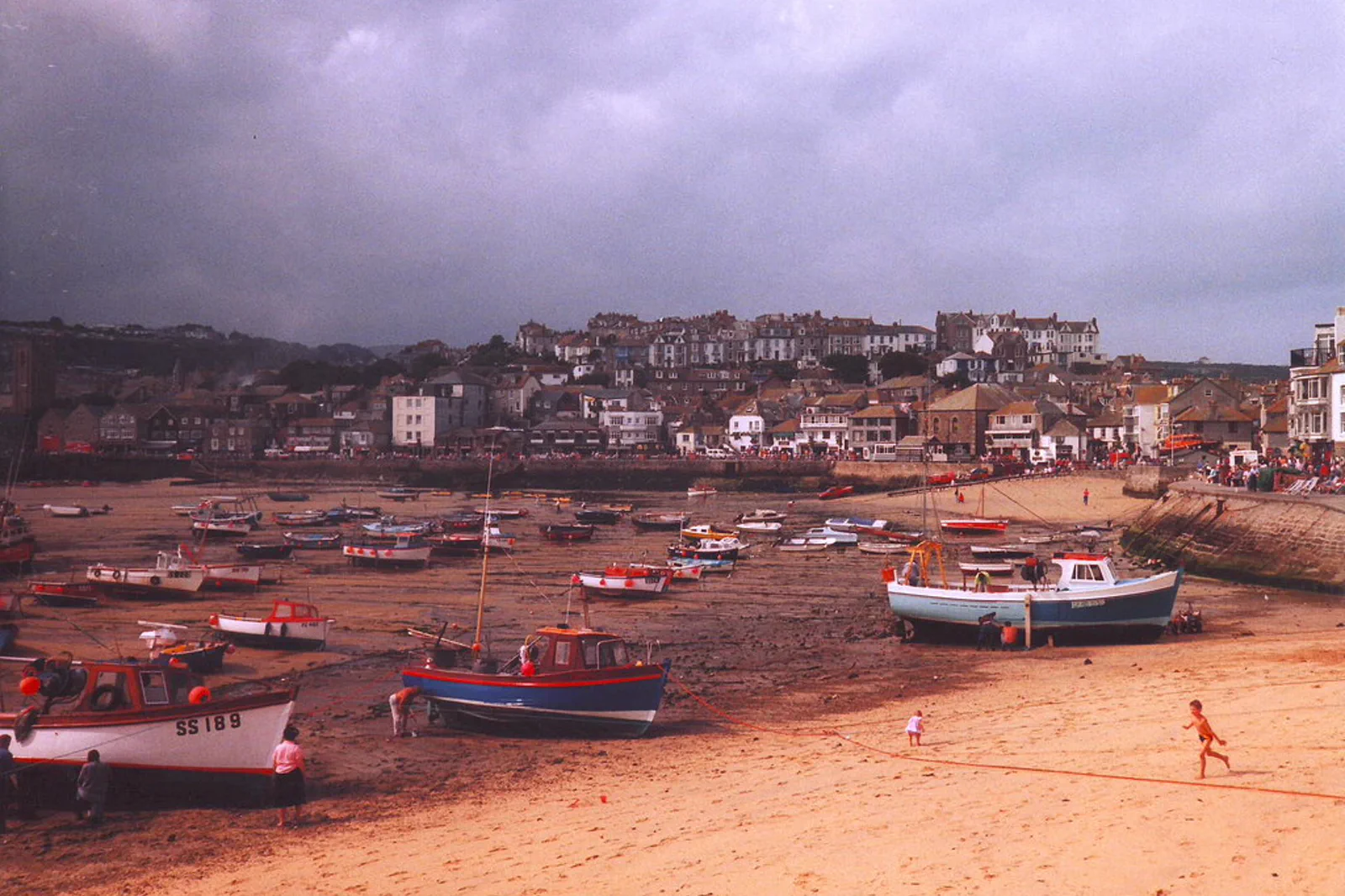
St Ives & the Penwith Coast
Choose a gallery-and-harbour day or one exposed Penwith extension, matching the St Ives branch train, local bus and coastal conditions instead of stacking Land’s End, beaches and art into one loop.
Open the complete field file →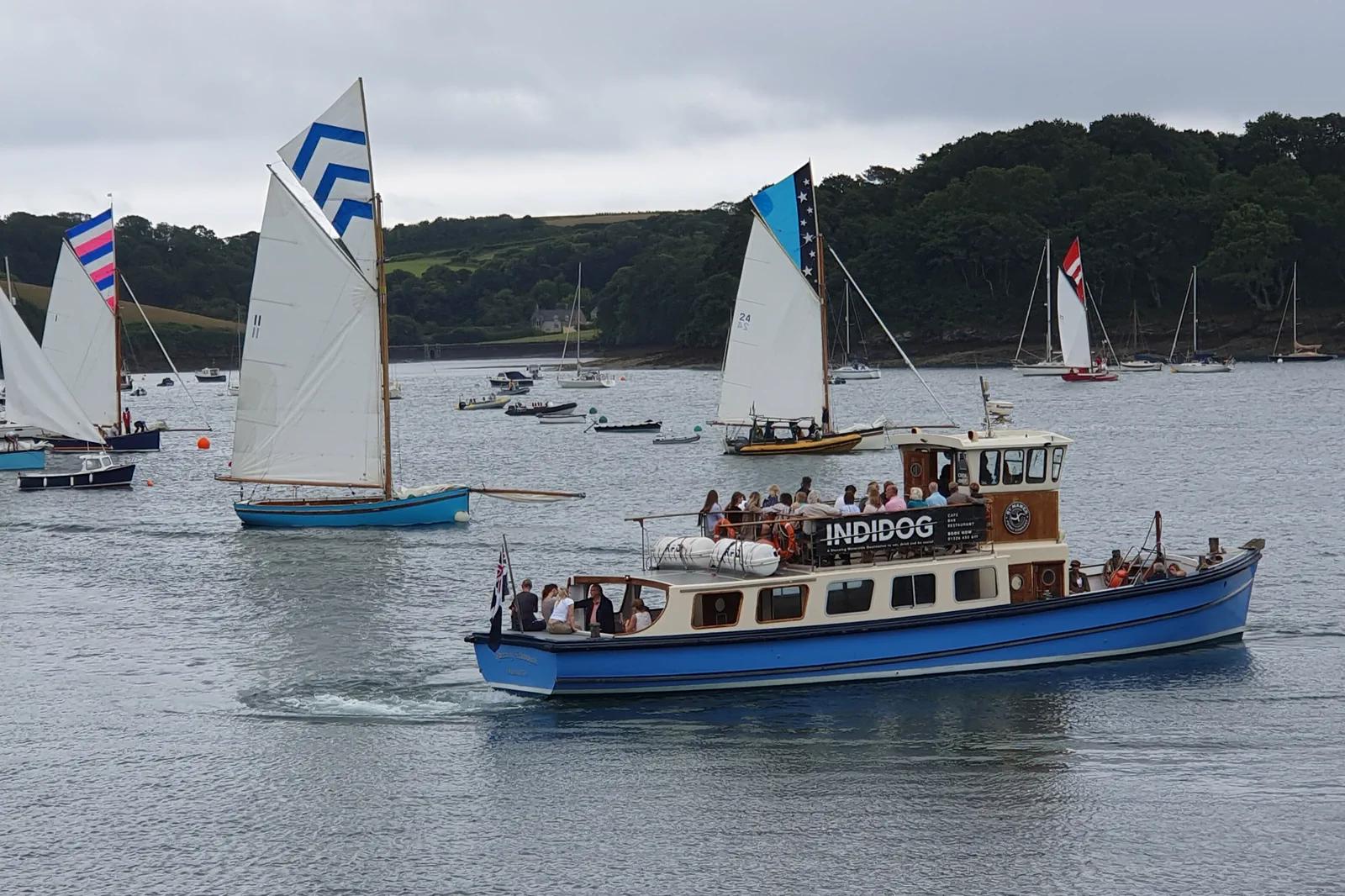
Falmouth Harbour & the Roseland
Choose a museum-and-harbour Falmouth day or one estuary crossing, distinguishing passenger ferries, seasonal boats and coast paths before the Roseland becomes an unplanned final-mile problem.
Open the complete field file →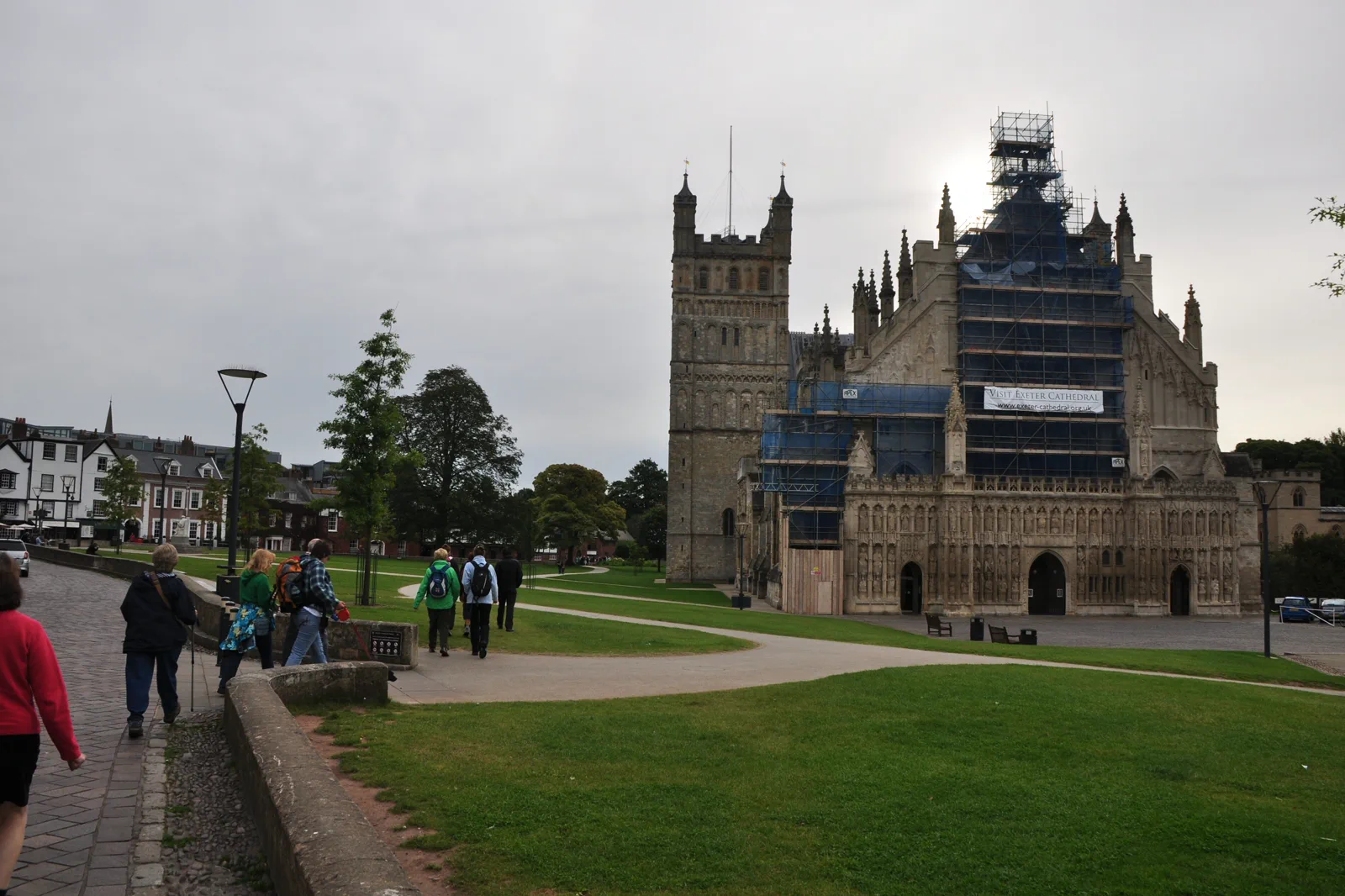
Exeter & the Dartmoor Edge
Use Exeter as a complete historic city or as the rail gateway to one Dartmoor edge, naming the branch station, onward bus or walking route instead of treating the national park as directly outside the cathedral.
Open the complete field file →Each route buys something by leaving something else out.
St Ives & the Penwith Coast
Gateway: The St Ives branch from St Erth is distinct from the main line. The station is above the town, while galleries, harbour and bus stops sit at different levels. For Penwith, confirm the exact route and final service before leaving the compact centre.
Sacrifice: Tate St Ives, the Hepworth garden and a substantial coast extension compete for the same daylight. Choosing art gives up the distant headland; choosing Penwith gives up collection depth and a relaxed harbour meal.
Time: Allow a full day from a nearby base for St Ives plus one chosen extension. The harbour and one gallery need at least four to five hours without Penwith.
Falmouth Harbour & the Roseland
Gateway: Falmouth Town, Falmouth Docks and Penmere stations serve different parts of the town. Ferries use named quays and seasonal schedules. Match the rail stop to the first anchor and confirm whether the return landing connects to the station route.
Sacrifice: A full museum, Pendennis and a relaxed Roseland crossing do not share one comfortable day. Crossing the estuary sacrifices collection or castle depth; staying in Falmouth gives up the village but removes the marine cutoff.
Time: Allow six to eight hours for Falmouth and one ferry branch, or five hours for the museum-and-harbour route. Roseland depth is better with an overnight or separate day.
Exeter & the Dartmoor Edge
Gateway: Exeter St David’s and Exeter Central serve different levels of the city. Dartmoor gateways require the correct rail or bus corridor and may still sit outside open moor routes. Match the station to the plan and keep the final connection visible.
Sacrifice: A full Exeter heritage day and a meaningful moor walk are separate days. Choosing the moor sacrifices cathedral and museum depth; staying in the city gives up open landscape but avoids an exposed, timetable-bound return.
Time: Allow a full day for Exeter or one Dartmoor gateway. A city-plus-short-rural combination works only when the branch schedule creates a clear five-to-seven-hour window.
These sources control the moving parts.
Use the route book for structure, then reopen current transport, destination and weather information for the exact date.
Cornwall & Devon FAQ
How long should I give Cornwall & Devon?
Four to six nights allows one west Cornwall base plus a Devon or central Cornwall base. A two-night visit should stay on one branch line or harbour system; moving luggage across the peninsula can consume the usable day.
What transport decision matters most around Cornwall & Devon?
Mainline trains reach Exeter, Plymouth, Truro and Penzance, with branches to St Ives and Falmouth. Coastal buses, ferries and moor services are separate networks with seasonal patterns. Protect the connection back to the railhead before walking beyond town.
What should I do if weather, access or transport changes?
Keep a complete harbour, gallery or cathedral day near each base. If wind cancels a boat or makes a headland unsafe, do not substitute another exposed coast simply because it is nearby.
Official sources and photo credits
Planning facts and image licensing were reviewed on 20 September 2026. Verify current tickets, services, roads, paths, tides and site access before travel.
- Visit Cornwall — official destination guide.
- Visit Devon — official destination guide.
- Great Western Railway — rail planning and service updates.
- The beach in St. Ives harbour, Cornwall - geograph.org.uk - 2273997.jpg — nick macneill, CC BY-SA 2.0. Resized, display-cropped and converted to WebP; no other material edits.
- Ferry to Falmouth & sailing boats, St Mawes Harbour, Cornwall - June 2025.jpg — Mutney, CC BY 4.0. Resized, display-cropped and converted to WebP; no other material edits.
- Exeter , Exeter Cathedral ^ Green - geograph.org.uk - 3144068.jpg — Lewis Clarke, CC BY-SA 2.0. Resized, display-cropped and converted to WebP; no other material edits.