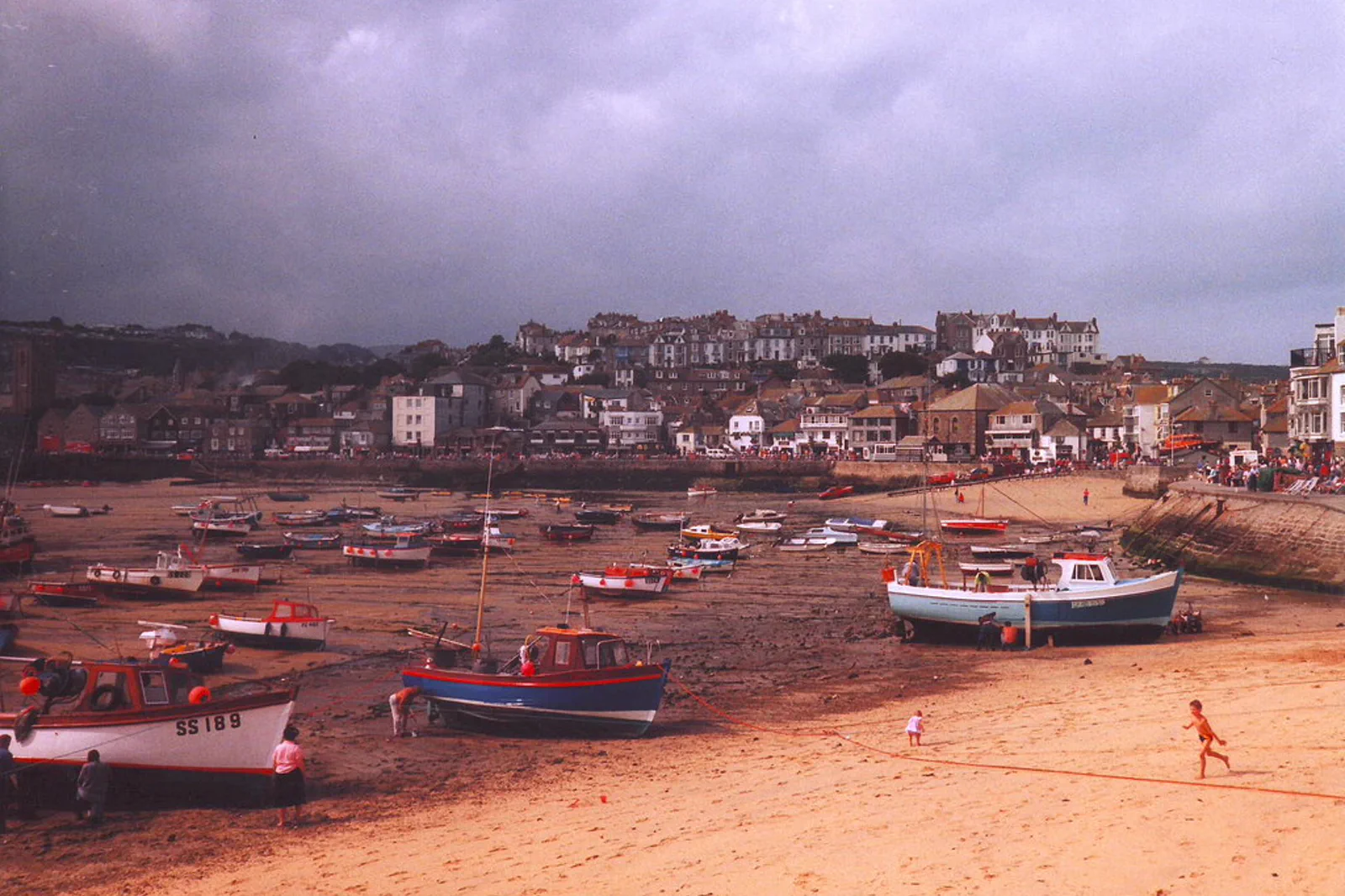
St Ives & the Penwith Coast
Arrive by the branch line, give St Ives harbour and one collection a coherent block, then use a verified bus or bounded coastal walk only when the return and weather remain secure.
Three useful choices, each with a real sacrifice.
St Ives art and harbour
Use Tate St Ives, Barbara Hepworth or one collection plus the harbour and beaches. This is the strongest poor-weather and car-free day.
Short coast walk
Take one signed section from St Ives with a clear turn-back or bus return. It adds landscape but sacrifices museum depth.
Penwith bus circuit
Use a verified bus to one further town or headland, not every famous stop. This gains reach but depends most on seasonal frequency.
Meet the day at its real gateway.
The St Ives branch from St Erth is distinct from the main line. The station is above the town, while galleries, harbour and bus stops sit at different levels. For Penwith, confirm the exact route and final service before leaving the compact centre.
Know what this route leaves out.
Tate St Ives, the Hepworth garden and a substantial coast extension compete for the same daylight. Choosing art gives up the distant headland; choosing Penwith gives up collection depth and a relaxed harbour meal.
Use Cornwall & Devon as an operating system, not a pin collection.
Cornwall and Devon contain rail-linked cities and harbour towns, but the peninsula’s headlands, villages and moors depend on slower branches, buses, boats or roads. A useful trip chooses a compact base and one weather-facing landscape each day rather than measuring success by the number of coastal names reached.
Four to six nights allows one west Cornwall base plus a Devon or central Cornwall base. A two-night visit should stay on one branch line or harbour system; moving luggage across the peninsula can consume the usable day.
Mainline trains reach Exeter, Plymouth, Truro and Penzance, with branches to St Ives and Falmouth. Coastal buses, ferries and moor services are separate networks with seasonal patterns. Protect the connection back to the railhead before walking beyond town.
Atlantic wind and rain affect cliffs, boats and exposed paths in every season. Summer improves frequency but increases road and parking pressure; winter and shoulder months reward towns and museums but demand earlier turn-backs.
Keep a complete harbour, gallery or cathedral day near each base. If wind cancels a boat or makes a headland unsafe, do not substitute another exposed coast simply because it is nearby.
Arrive, read the window, commit once, then get back.
Check Tate and Hepworth admission, the St Erth branch service, Transport for Cornwall buses, tide and coast-path weather before departure.
- 01Arrive
Ride the branch deliberately
Make the St Erth connection with enough margin and note the final branch train. Descend toward the first booked gallery or harbour line.
- 02Read the window
Read harbour and collection
Use one museum, the working harbour and a bounded town circuit. Avoid walking past the bus stop needed for the afternoon branch.
- 03Commit
Commit to town or coast
Stay for the second collection and beaches or board the verified bus or signed path. Turn back early when wind, rain or delay increases.
- 04Return
Climb to the return
Allow time to regain the station or reach the correct bus interchange. Do not leave the uphill station approach to the final minutes.
Reopen the sources that control today’s window.
The guide explains the route decision; these official pages control transport, admission, paths, tides, weather and closures.
Keep a complete lower-risk day.
If coast conditions or buses fail, keep Tate St Ives, the Hepworth garden when open, harbour lanes and a sheltered beach edge. If galleries close, use the town and a short lower-risk coastal segment rather than a distant taxi plan.
Check Tate and Hepworth admission, the St Erth branch service, Transport for Cornwall buses, tide and coast-path weather before departure.
Change the plan while the return is still strong.
The branch connection is a hard edge
A late bus into St Ives can miss the useful train at St Erth. Protect the interchange rather than assuming the main line will wait.
Coast paths are weather-facing
Cliffs, wet rock and wind make mileage a poor planning measure. Carry a turn-back point and avoid unsurveyed shortcuts.
Tides alter beach links
A beach that appears to connect two areas may narrow or disappear. Use streets and signed paths as the dependable route.
Other ways to use Cornwall & Devon.
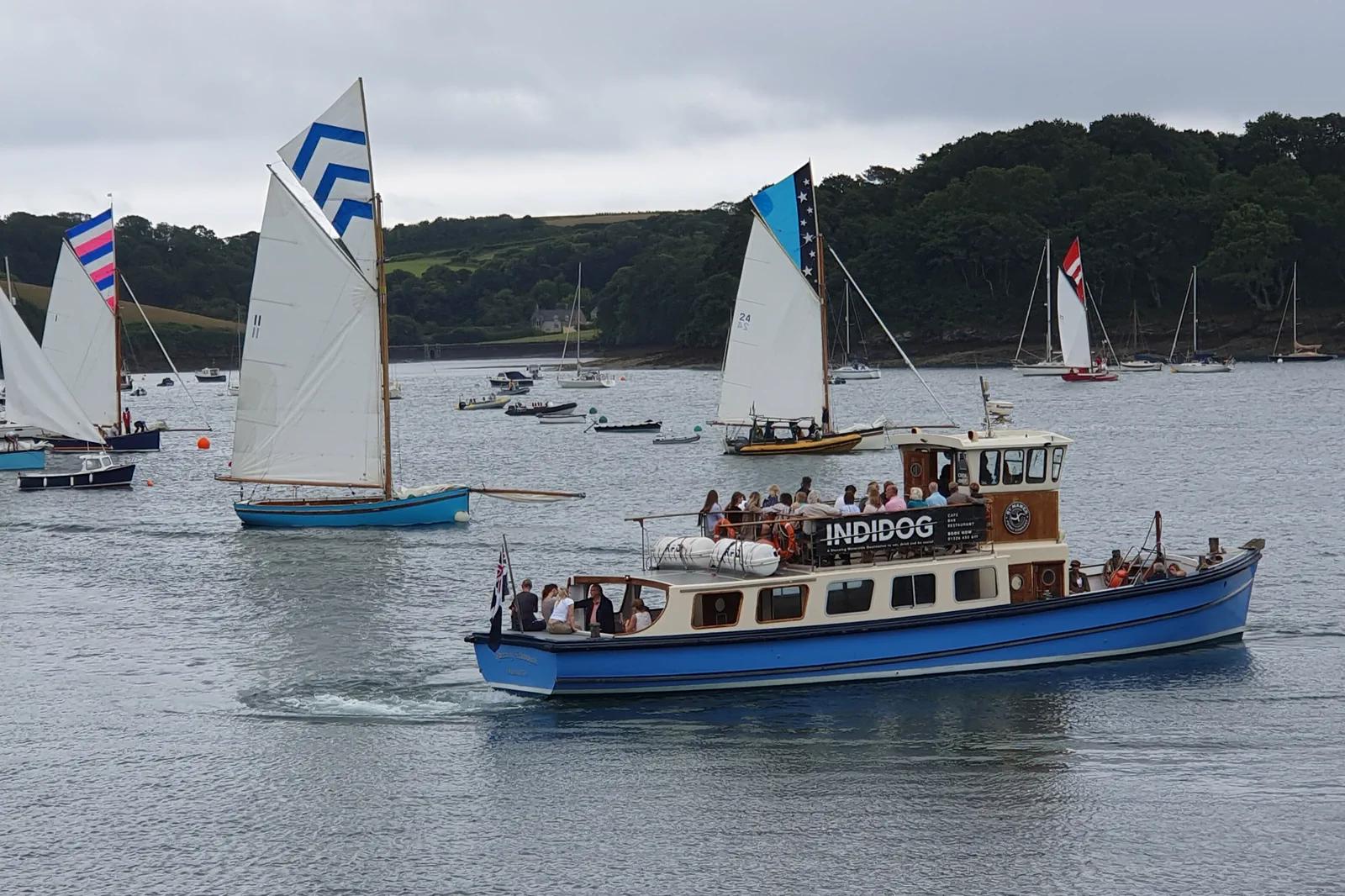
Falmouth Harbour & the Roseland
Choose a museum-and-harbour Falmouth day or one estuary crossing, distinguishing passenger ferries, seasonal boats and…
Open this field file →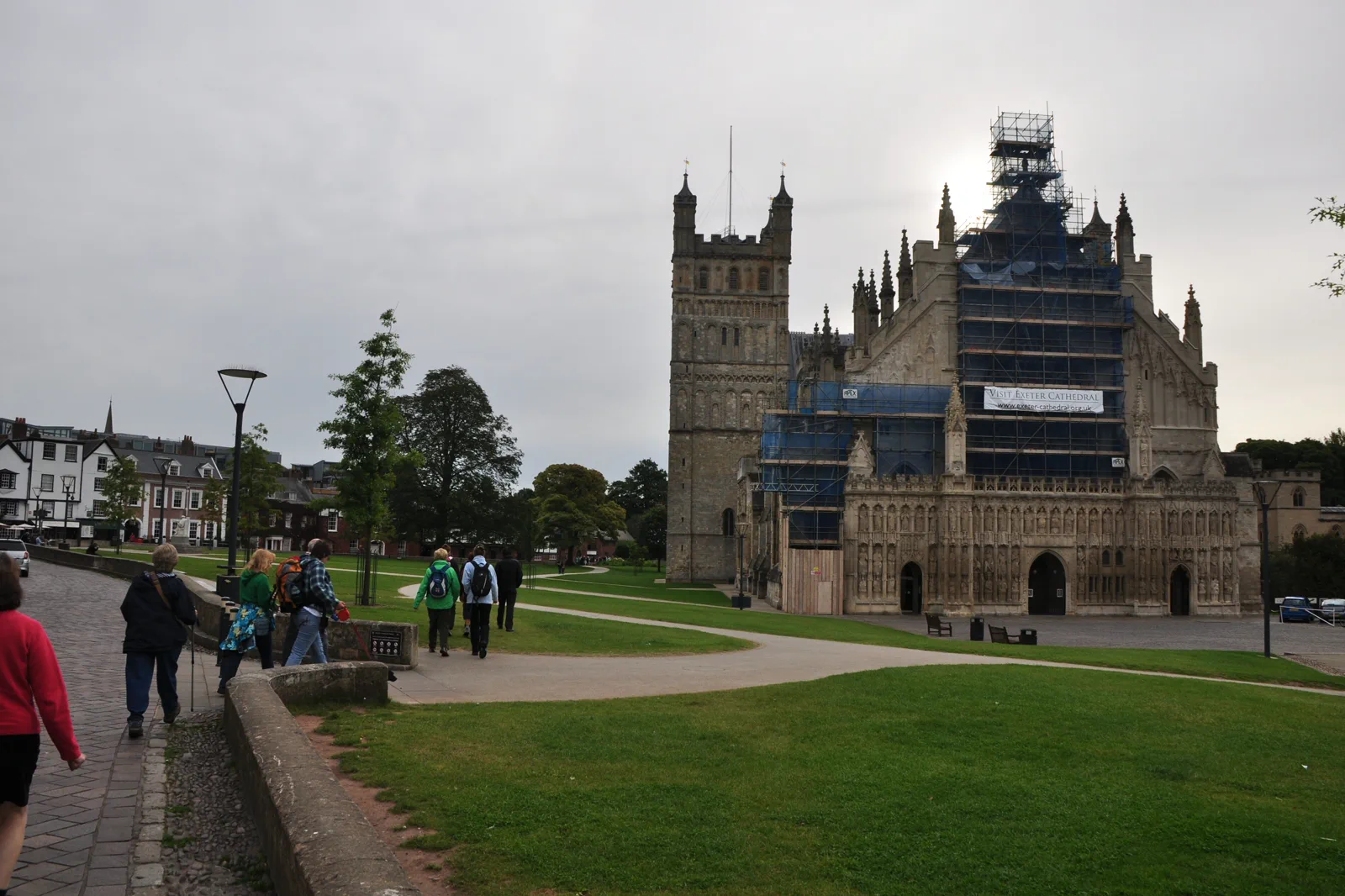
Exeter & the Dartmoor Edge
Use Exeter as a complete historic city or as the rail gateway to one Dartmoor edge, naming the branch station, onward bus…
Open this field file →St Ives & the Penwith Coast FAQ
How much time should I give St Ives & the Penwith Coast?
Allow a full day from a nearby base for St Ives plus one chosen extension. The harbour and one gallery need at least four to five hours without Penwith.
What should I combine with St Ives & the Penwith Coast?
Combine St Ives with one gallery pair or one coast branch. Keep Land’s End, Penzance and St Michael’s Mount as separate weather-and-transport days.
What should I verify before leaving?
Check Tate and Hepworth admission, the St Erth branch service, Transport for Cornwall buses, tide and coast-path weather before departure.
Official sources and photo credits
Planning facts and image licensing were reviewed on 20 September 2026. Admission, transport, roads, paths, tides, weather and local access can change; reopen the linked authority or operator before travel.
- Tate St Ives — official visitor information.
- Transport for Cornwall — official bus information.
- Visit Cornwall — official destination guide.
- Visit Devon — official destination guide.
- Great Western Railway — rail planning and service updates.
- The beach in St. Ives harbour, Cornwall - geograph.org.uk - 2273997.jpg — nick macneill, CC BY-SA 2.0. Resized, display-cropped and converted to WebP; no other material edits.
- Ferry to Falmouth & sailing boats, St Mawes Harbour, Cornwall - June 2025.jpg — Mutney, CC BY 4.0. Resized, display-cropped and converted to WebP; no other material edits.
- Exeter , Exeter Cathedral ^ Green - geograph.org.uk - 3144068.jpg — Lewis Clarke, CC BY-SA 2.0. Resized, display-cropped and converted to WebP; no other material edits.