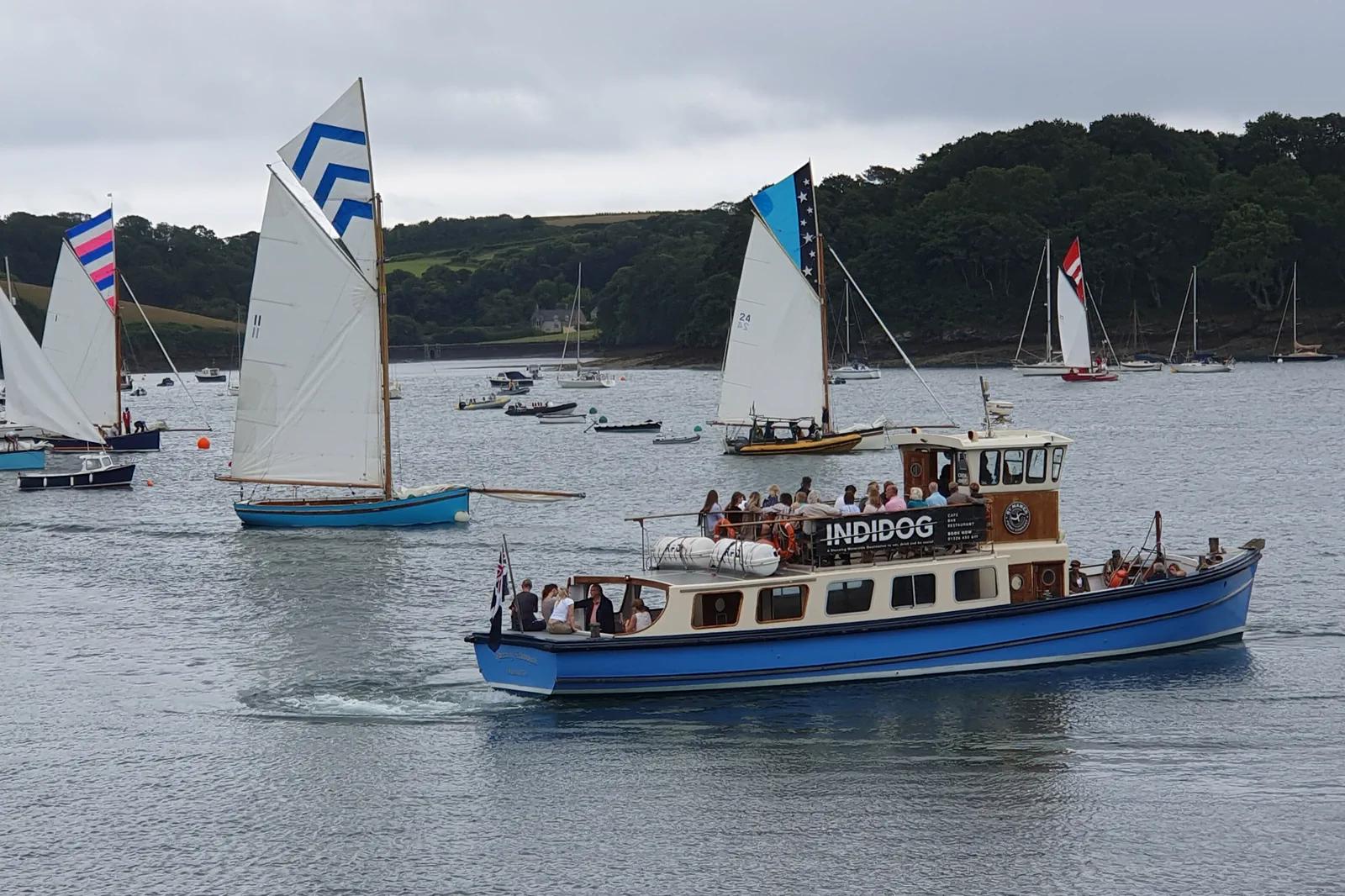
Falmouth Harbour & the Roseland
Arrive on the correct Falmouth branch station, use the maritime museum or Pendennis as the fixed anchor, then cross the estuary only with a verified outward and return sailing.
Three useful choices, each with a real sacrifice.
Maritime museum and town
Keep the day around the National Maritime Museum, harbour streets and a short waterfront line. It is the most resilient choice in variable weather.
Pendennis headland
Give the castle and headland views the main block. This adds walking and exposure but remains on the Falmouth side.
Roseland crossing
Use one confirmed passenger ferry to St Mawes or another named landing. It creates a two-shore day but makes the final sailing non-negotiable.
Meet the day at its real gateway.
Falmouth Town, Falmouth Docks and Penmere stations serve different parts of the town. Ferries use named quays and seasonal schedules. Match the rail stop to the first anchor and confirm whether the return landing connects to the station route.
Know what this route leaves out.
A full museum, Pendennis and a relaxed Roseland crossing do not share one comfortable day. Crossing the estuary sacrifices collection or castle depth; staying in Falmouth gives up the village but removes the marine cutoff.
Use Cornwall & Devon as an operating system, not a pin collection.
Cornwall and Devon contain rail-linked cities and harbour towns, but the peninsula’s headlands, villages and moors depend on slower branches, buses, boats or roads. A useful trip chooses a compact base and one weather-facing landscape each day rather than measuring success by the number of coastal names reached.
Four to six nights allows one west Cornwall base plus a Devon or central Cornwall base. A two-night visit should stay on one branch line or harbour system; moving luggage across the peninsula can consume the usable day.
Mainline trains reach Exeter, Plymouth, Truro and Penzance, with branches to St Ives and Falmouth. Coastal buses, ferries and moor services are separate networks with seasonal patterns. Protect the connection back to the railhead before walking beyond town.
Atlantic wind and rain affect cliffs, boats and exposed paths in every season. Summer improves frequency but increases road and parking pressure; winter and shoulder months reward towns and museums but demand earlier turn-backs.
Keep a complete harbour, gallery or cathedral day near each base. If wind cancels a boat or makes a headland unsafe, do not substitute another exposed coast simply because it is nearby.
Arrive, read the window, commit once, then get back.
Check museum or castle access, the exact Fal River sailing, branch-line service, wind and the final return before committing to the second shore.
- 01Arrive
Use the correct branch stop
Leave the train at the station nearest the first anchor and note the final service. Do not descend to the wrong quay for a similarly named boat.
- 02Read the window
Complete the harbour anchor
Visit the maritime museum or Pendennis and read the working harbour from one shore before buying another transport product.
- 03Commit
Commit to one water move
Board only the verified ferry with a return sailing and weather policy. If it is cancelled, deepen Falmouth instead of improvising around the estuary by road.
- 04Return
Return before the marine edge
Come back with a sailing in reserve and allow the uphill station approach. Keep a town-side meal as the final flexible element.
Reopen the sources that control today’s window.
The guide explains the route decision; these official pages control transport, admission, paths, tides, weather and closures.
Keep a complete lower-risk day.
If ferries stop, use the museum, harbour, art gallery and Pendennis approach according to weather. If the headland is exposed, retain the lower waterfront and indoor collection without attempting another coast.
Check museum or castle access, the exact Fal River sailing, branch-line service, wind and the final return before committing to the second shore.
Change the plan while the return is still strong.
Quays are product-specific
Sightseeing, passenger and event boats may leave from different landings. Confirm the operator and boat name, not only “Falmouth harbour.”
Wind can break the two-shore plan
A fine rail journey does not guarantee an estuary sailing. Keep the complete Falmouth alternative ready.
The town rises from the water
Walking between harbour, Pendennis and stations adds gradients. Choose the final station before the day becomes tired.
Other ways to use Cornwall & Devon.
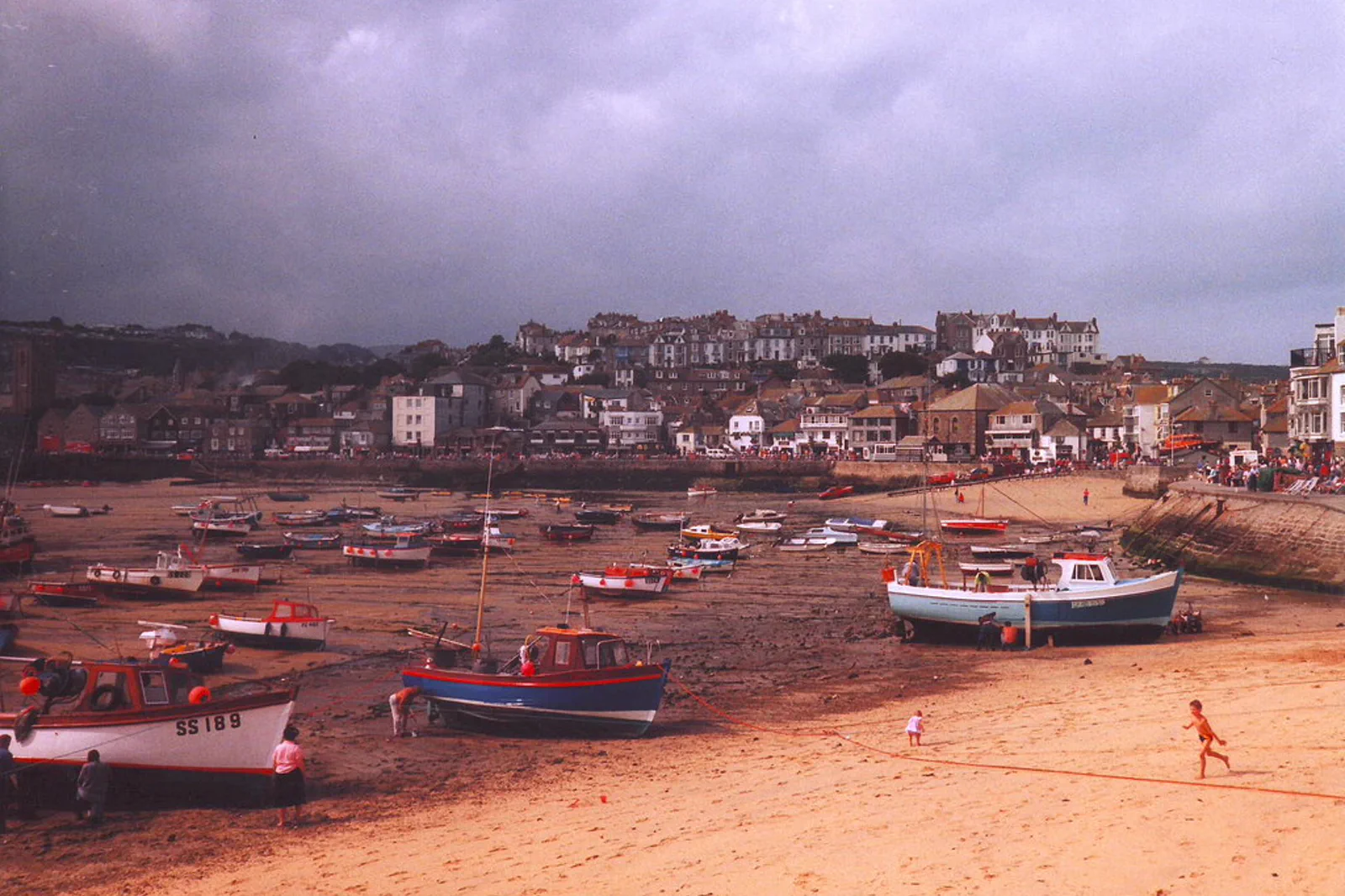
St Ives & the Penwith Coast
Choose a gallery-and-harbour day or one exposed Penwith extension, matching the St Ives branch train, local bus and coastal…
Open this field file →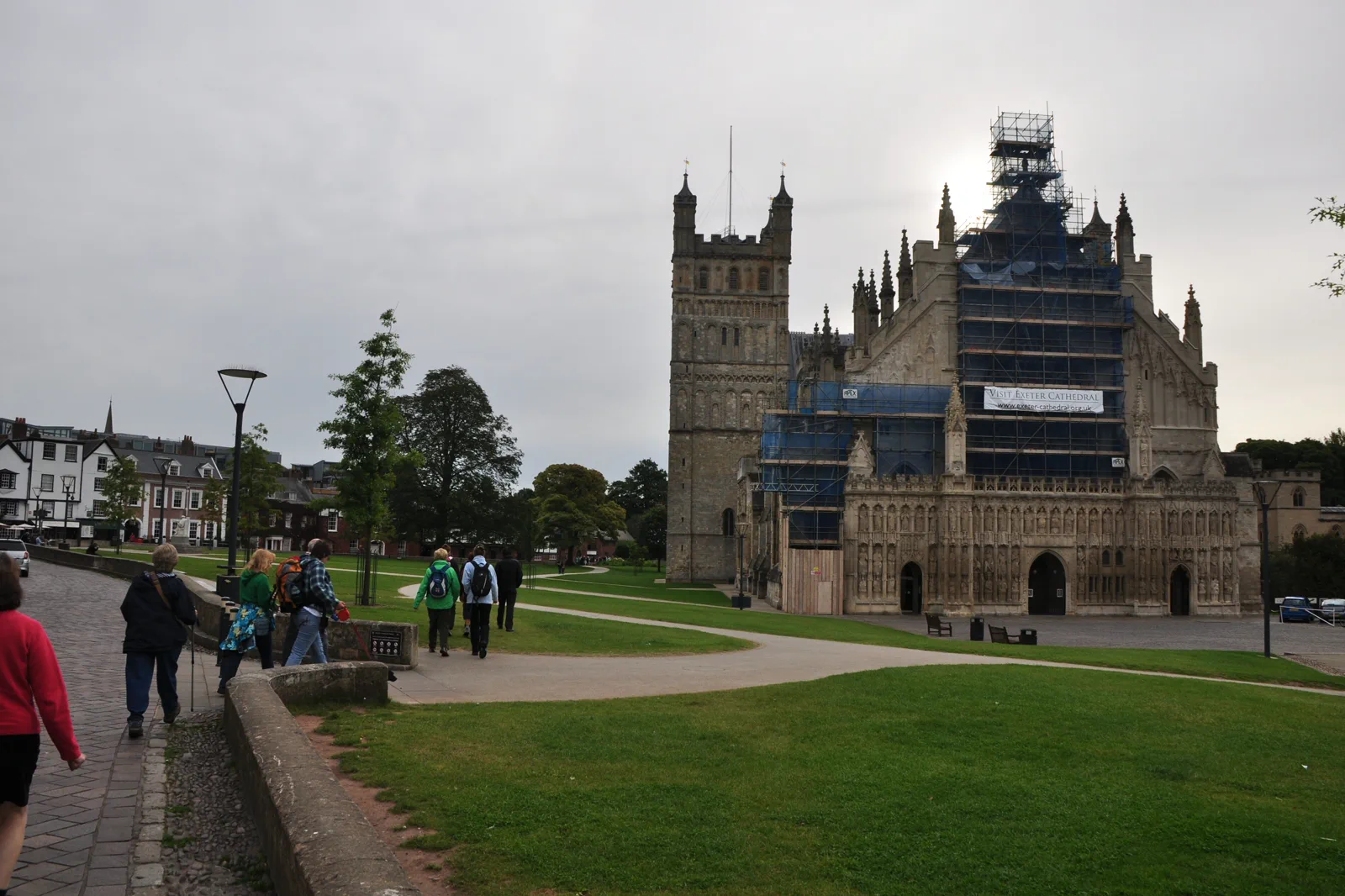
Exeter & the Dartmoor Edge
Use Exeter as a complete historic city or as the rail gateway to one Dartmoor edge, naming the branch station, onward bus…
Open this field file →Falmouth Harbour & the Roseland FAQ
How much time should I give Falmouth Harbour & the Roseland?
Allow six to eight hours for Falmouth and one ferry branch, or five hours for the museum-and-harbour route. Roseland depth is better with an overnight or separate day.
What should I combine with Falmouth Harbour & the Roseland?
Combine the museum with the harbour or Pendennis, or Falmouth with one St Mawes crossing. Keep St Ives and the Lizard for different days.
What should I verify before leaving?
Check museum or castle access, the exact Fal River sailing, branch-line service, wind and the final return before committing to the second shore.
Official sources and photo credits
Planning facts and image licensing were reviewed on 20 September 2026. Admission, transport, roads, paths, tides, weather and local access can change; reopen the linked authority or operator before travel.
- National Maritime Museum Cornwall — official visit planning.
- Fal River — official ferry and river information.
- Visit Cornwall — official destination guide.
- Visit Devon — official destination guide.
- Great Western Railway — rail planning and service updates.
- The beach in St. Ives harbour, Cornwall - geograph.org.uk - 2273997.jpg — nick macneill, CC BY-SA 2.0. Resized, display-cropped and converted to WebP; no other material edits.
- Ferry to Falmouth & sailing boats, St Mawes Harbour, Cornwall - June 2025.jpg — Mutney, CC BY 4.0. Resized, display-cropped and converted to WebP; no other material edits.
- Exeter , Exeter Cathedral ^ Green - geograph.org.uk - 3144068.jpg — Lewis Clarke, CC BY-SA 2.0. Resized, display-cropped and converted to WebP; no other material edits.