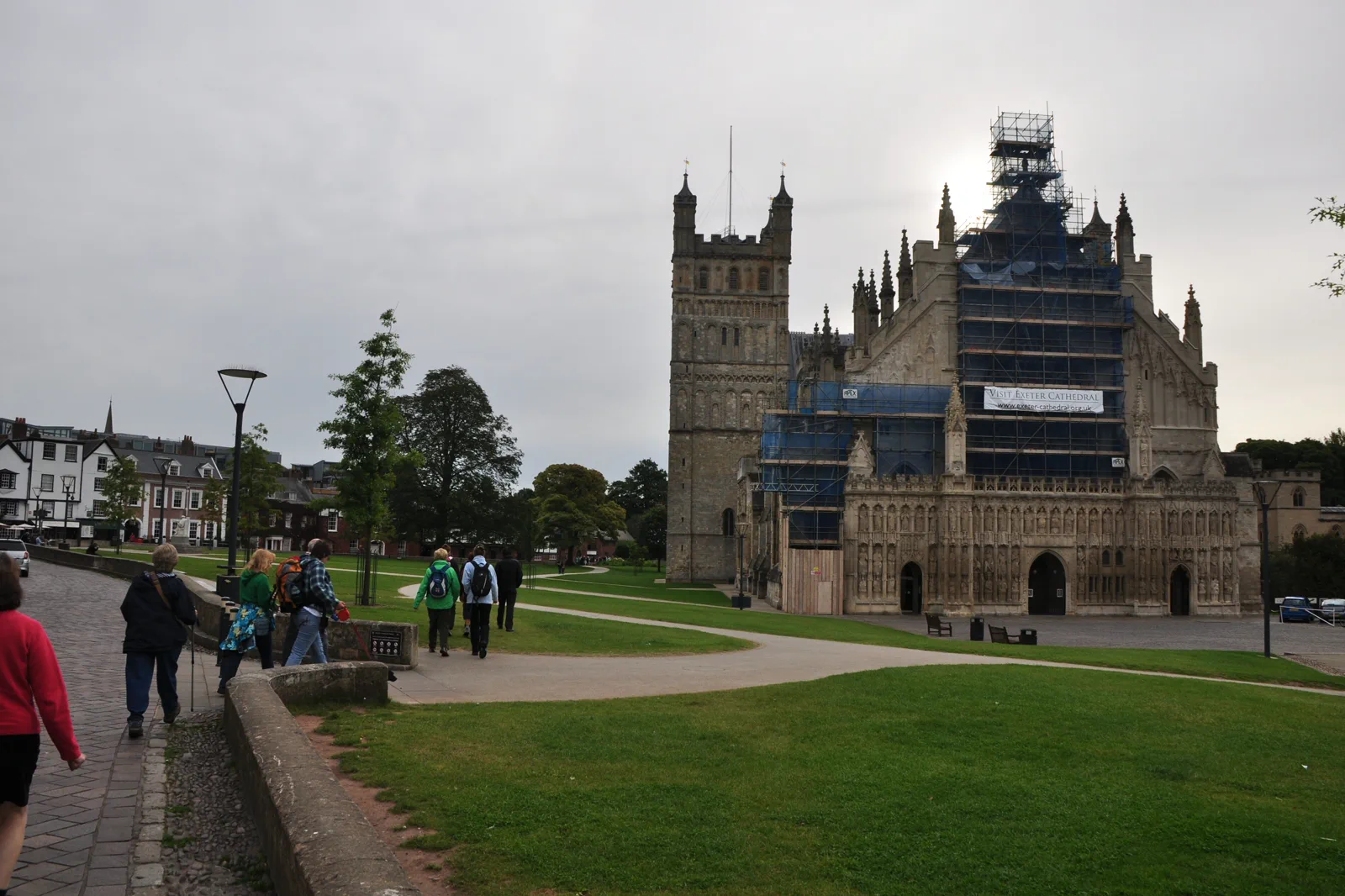
Exeter & the Dartmoor Edge
Read Exeter’s cathedral and quays first, then remain in the city or commit to one verified moor gateway with weather, daylight and the final rail return already checked.
Three useful choices, each with a real sacrifice.
Exeter city depth
Prioritize the cathedral, Roman and medieval streets, museum and quays. This is the strongest all-weather choice and needs no rural connection.
Rail-to-moor gateway
Use a current Dartmoor Line or other rail gateway and a bounded local walk. It adds landscape while preserving a train-based return.
Bus or guided moor day
Reach a deeper moor village or trail by verified bus, tour or car. This gives broader scenery but depends most on weather and sparse frequency.
Meet the day at its real gateway.
Exeter St David’s and Exeter Central serve different levels of the city. Dartmoor gateways require the correct rail or bus corridor and may still sit outside open moor routes. Match the station to the plan and keep the final connection visible.
Know what this route leaves out.
A full Exeter heritage day and a meaningful moor walk are separate days. Choosing the moor sacrifices cathedral and museum depth; staying in the city gives up open landscape but avoids an exposed, timetable-bound return.
Use Cornwall & Devon as an operating system, not a pin collection.
Cornwall and Devon contain rail-linked cities and harbour towns, but the peninsula’s headlands, villages and moors depend on slower branches, buses, boats or roads. A useful trip chooses a compact base and one weather-facing landscape each day rather than measuring success by the number of coastal names reached.
Four to six nights allows one west Cornwall base plus a Devon or central Cornwall base. A two-night visit should stay on one branch line or harbour system; moving luggage across the peninsula can consume the usable day.
Mainline trains reach Exeter, Plymouth, Truro and Penzance, with branches to St Ives and Falmouth. Coastal buses, ferries and moor services are separate networks with seasonal patterns. Protect the connection back to the railhead before walking beyond town.
Atlantic wind and rain affect cliffs, boats and exposed paths in every season. Summer improves frequency but increases road and parking pressure; winter and shoulder months reward towns and museums but demand earlier turn-backs.
Keep a complete harbour, gallery or cathedral day near each base. If wind cancels a boat or makes a headland unsafe, do not substitute another exposed coast simply because it is nearby.
Arrive, read the window, commit once, then get back.
Check cathedral access, Dartmoor National Park alerts, GWR or local bus service, Met Office conditions and daylight before leaving the city.
- 01Arrive
Choose city station or gateway
Leave Exeter Central for the compact city or use St David’s and the correct branch for the rural plan. Do not cross the city with luggage between them without time.
- 02Read the window
Complete the urban anchor
Use the cathedral and green or the museum and quays as one city line. For a moor day, keep this step short and reach the branch train on time.
- 03Commit
Pass the weather gate
Continue only on the verified rail, bus or signed walk when visibility, surface and daylight remain suitable. Use a firm turn-back point.
- 04Return
Return through Exeter
Reach the gateway before the final comfortable service and allow any change at St David’s. Use Exeter as the fallback evening, not another rural detour.
Reopen the sources that control today’s window.
The guide explains the route decision; these official pages control transport, admission, paths, tides, weather and closures.
Keep a complete lower-risk day.
If Dartmoor weather or transport fails, use Exeter Cathedral, the Royal Albert Memorial Museum and the quays as a complete city day. If a city interior closes, retain the walls, green and river route.
Check cathedral access, Dartmoor National Park alerts, GWR or local bus service, Met Office conditions and daylight before leaving the city.
Change the plan while the return is still strong.
Dartmoor is not one stop
Rail and bus gateways serve different edges and trails. Name the exact start instead of navigating to “Dartmoor.”
Open moor conditions change quickly
Mist, wind, rain and saturated ground can erase easy-looking routes. Carry a proper route and turn back early.
Exeter stations are not interchangeable
Central is higher and closer to the core; St David’s is lower and serves mainline connections. Preserve the transfer time.
Other ways to use Cornwall & Devon.
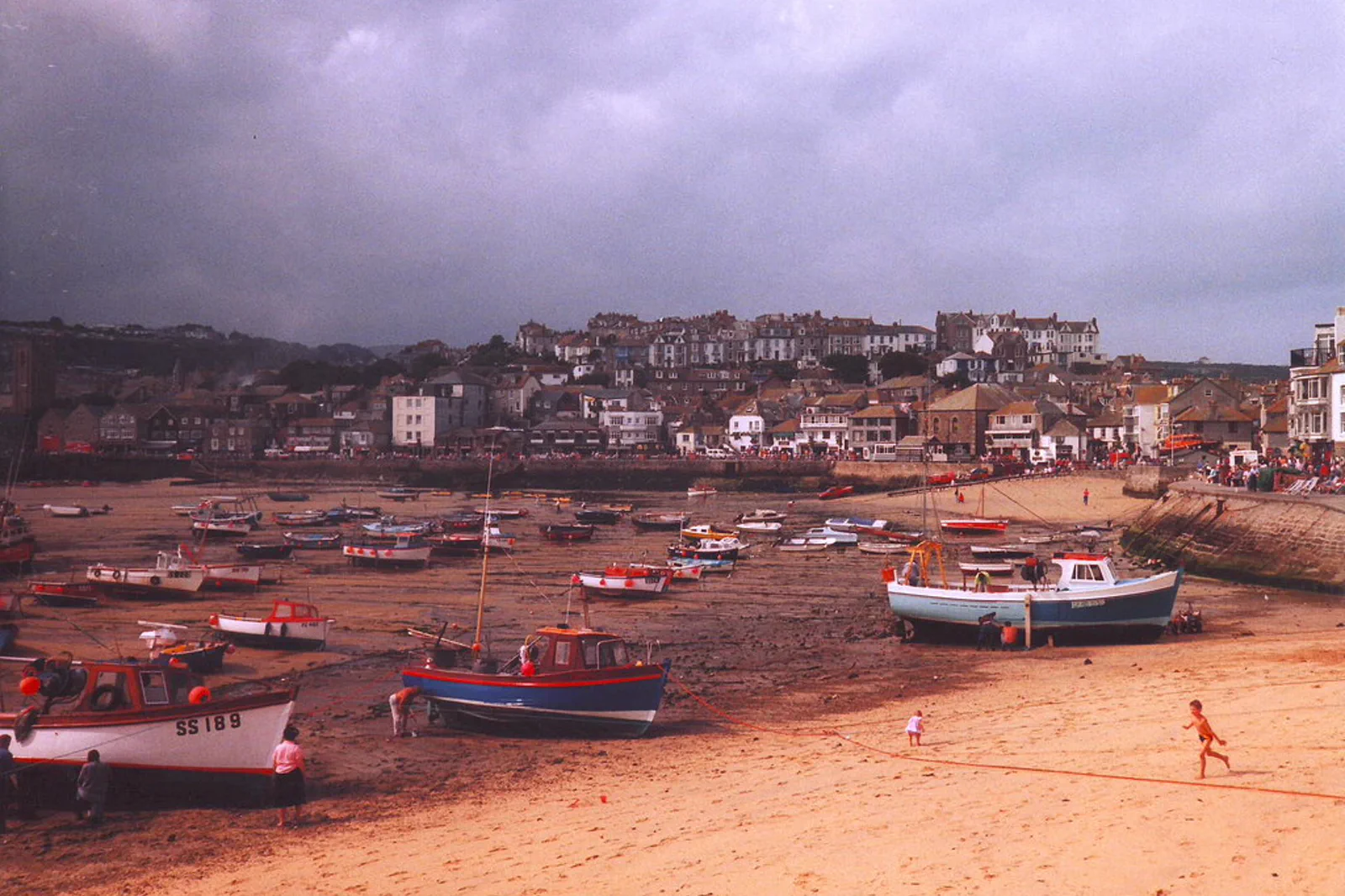
St Ives & the Penwith Coast
Choose a gallery-and-harbour day or one exposed Penwith extension, matching the St Ives branch train, local bus and coastal…
Open this field file →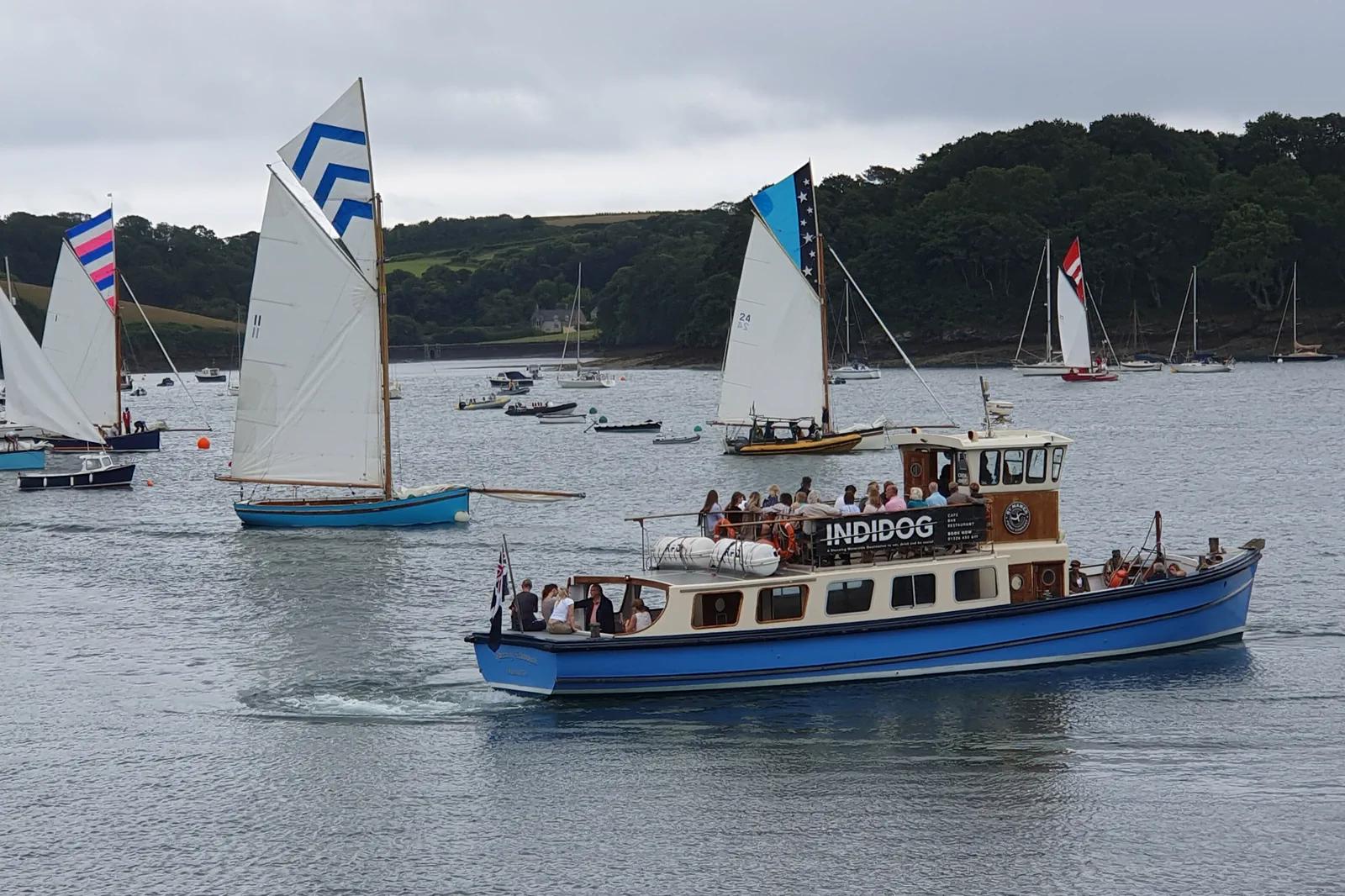
Falmouth Harbour & the Roseland
Choose a museum-and-harbour Falmouth day or one estuary crossing, distinguishing passenger ferries, seasonal boats and…
Open this field file →Exeter & the Dartmoor Edge FAQ
How much time should I give Exeter & the Dartmoor Edge?
Allow a full day for Exeter or one Dartmoor gateway. A city-plus-short-rural combination works only when the branch schedule creates a clear five-to-seven-hour window.
What should I combine with Exeter & the Dartmoor Edge?
Combine Exeter’s cathedral with the quays, or a rail gateway with one signed local walk. Keep the deeper moor, Plymouth and Cornwall for separate days.
What should I verify before leaving?
Check cathedral access, Dartmoor National Park alerts, GWR or local bus service, Met Office conditions and daylight before leaving the city.
Official sources and photo credits
Planning facts and image licensing were reviewed on 20 September 2026. Admission, transport, roads, paths, tides, weather and local access can change; reopen the linked authority or operator before travel.
- Exeter Cathedral — official visitor information.
- Dartmoor National Park — official visitor and safety guidance.
- Visit Cornwall — official destination guide.
- Visit Devon — official destination guide.
- Great Western Railway — rail planning and service updates.
- The beach in St. Ives harbour, Cornwall - geograph.org.uk - 2273997.jpg — nick macneill, CC BY-SA 2.0. Resized, display-cropped and converted to WebP; no other material edits.
- Ferry to Falmouth & sailing boats, St Mawes Harbour, Cornwall - June 2025.jpg — Mutney, CC BY 4.0. Resized, display-cropped and converted to WebP; no other material edits.
- Exeter , Exeter Cathedral ^ Green - geograph.org.uk - 3144068.jpg — Lewis Clarke, CC BY-SA 2.0. Resized, display-cropped and converted to WebP; no other material edits.