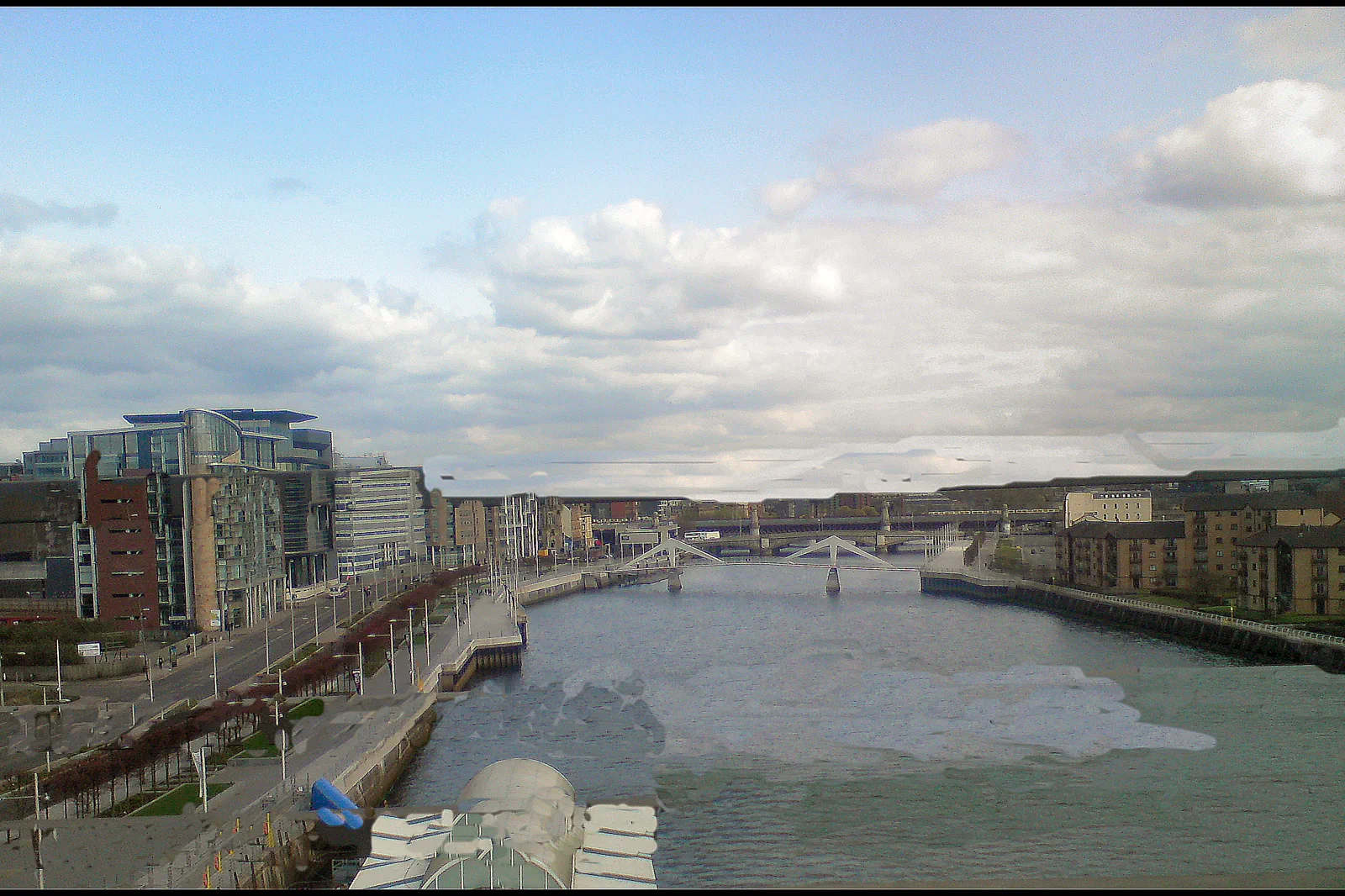
Central Glasgow, Merchant City & the Clyde
Start at the station serving the first district, complete one civic or collection anchor, descend through Merchant City or the grid, and finish along a bounded Clyde section.
Three useful choices, each with a real sacrifice.
Civic centre and Mackintosh
Use the central grid, library or selected architecture interior as the main story. It is compact but depends on current building access.
Merchant City and cathedral edge
Move east through Merchant City toward the cathedral and Necropolis. This adds history and elevation while leaving the Clyde shorter.
Clyde and contemporary city
Prioritize the river, bridges and one waterfront venue. It reveals regeneration but can require longer walking or transit.
Meet the day at its real gateway.
Central and Queen Street sit on different sides of the core; the Clyde is downhill. Choose the arrival station and final bridge or venue before walking. Some celebrated architecture remains under restoration or controlled access, so verify the exact interior.
Know what this route leaves out.
The cathedral edge and western Clyde venues point in opposite directions. Choosing one sacrifices the other but creates a readable city day instead of a transit zig-zag.
Use Glasgow & the Clyde as an operating system, not a pin collection.
Glasgow’s centre, Merchant City and Clyde waterfront form one urban field; the West End has its own museum-and-park rhythm; Loch Lomond adds a rail-to-water branch beyond the city. A useful stay chooses one district per half-day and does not let Subway convenience erase walking and collection scale.
Three to five nights supports two Glasgow city days and one Clyde or Loch Lomond branch. Central station suits southern and western rail, Queen Street serves Edinburgh and northern routes, and the Subway helps within the city but does not replace every final walk.
Glasgow Central and Queen Street are separate stations. Subway, buses and ScotRail use different fares and corridors. Loch Lomond stations serve distinct shores and boat points; choose the destination before boarding a generic northbound train.
Rain is common and can be absorbed by Glasgow’s collections. Park, river and loch plans need wind and daylight judgment. Football, concerts and conferences can load transit and accommodation at any time.
Use a complete museum and civic route in Glasgow when loch weather or rail fails. If one large museum is closed, keep the same district through galleries, parks and streets.
Arrive, read the window, commit once, then get back.
Check Glasgow Life venue access, ScotRail and Subway status, river weather and the event calendar before departure.
- 01Arrive
Enter the correct grid
Leave Central or Queen Street toward the selected civic anchor, noting the final station rather than defaulting to the arrival point.
- 02Read the window
Complete one city argument
Use Merchant City, a museum or architecture stop as a bounded block. Confirm current building access before relying on an interior.
- 03Commit
Descend once to river or east
Move toward the Clyde or cathedral precinct, not both. Use one bridge or hill sequence with a named endpoint.
- 04Return
Exit on rail or Subway
Finish near the matching station, Subway or bus. Event crowds can lengthen the apparent short city connection.
Reopen the sources that control today’s window.
The guide explains the route decision; these official pages control transport, admission, paths, tides, weather and closures.
Keep a complete lower-risk day.
If a building is closed, use the Gallery of Modern Art, Mitchell Library or public architecture and continue the same grid. In poor river weather, keep the lower city section short and move to an indoor collection.
Check Glasgow Life venue access, ScotRail and Subway status, river weather and the event calendar before departure.
Change the plan while the return is still strong.
Famous architecture may not be open
Restoration, fire recovery and event use affect access. Confirm the specific building rather than planning from an old guide.
The cathedral side climbs
Merchant City to cathedral and Necropolis adds elevation. Preserve energy or use a bus.
Central and Queen Street require a street transfer
There is no same-platform interchange. Include the walk and station entrances in onward plans.
Other ways to use Glasgow & the Clyde.
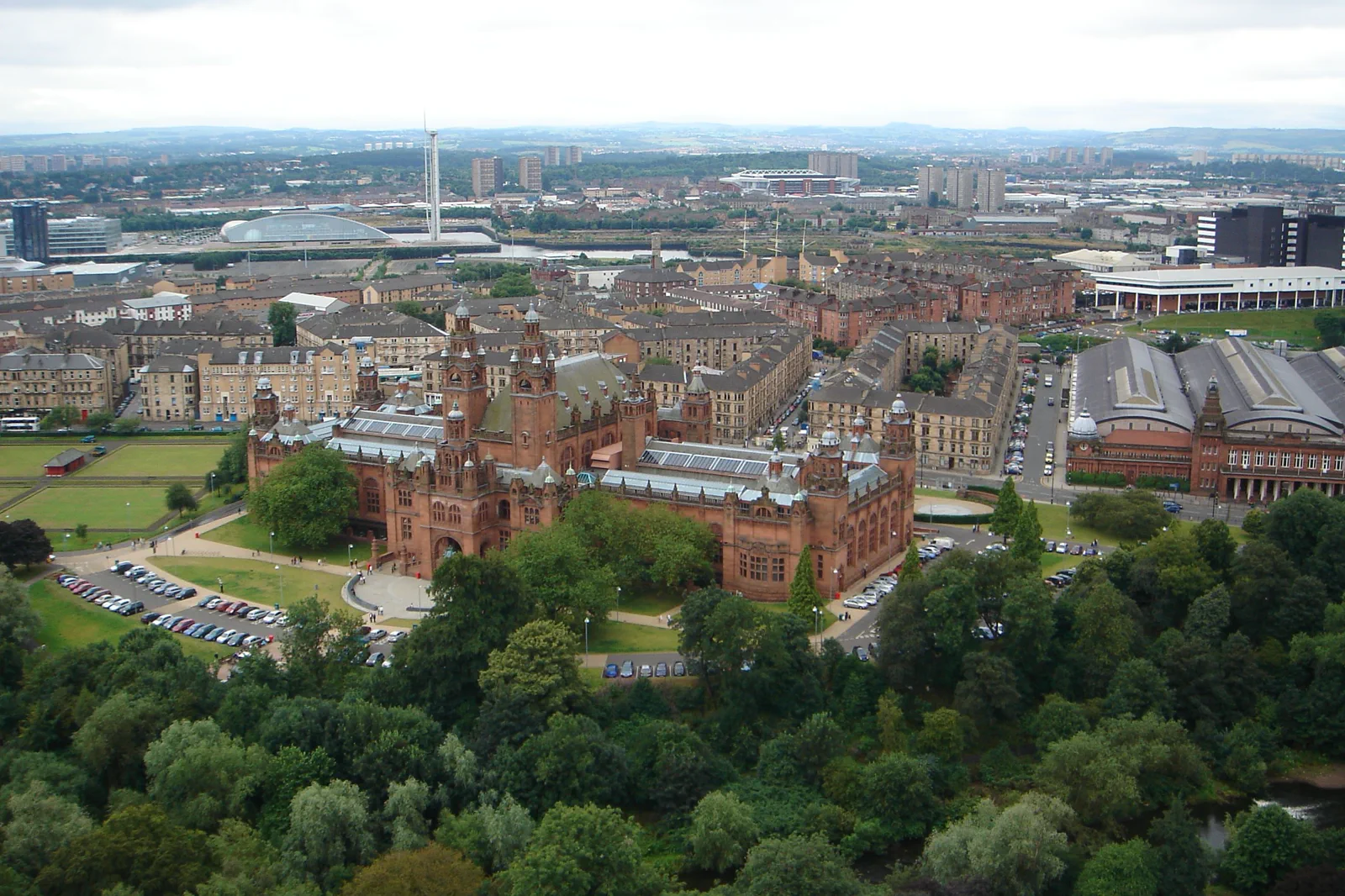
West End, Kelvingrove & the University
Choose Kelvingrove, the Hunterian or the Botanic Gardens as the main anchor and connect park, university and neighbourhood…
Open this field file →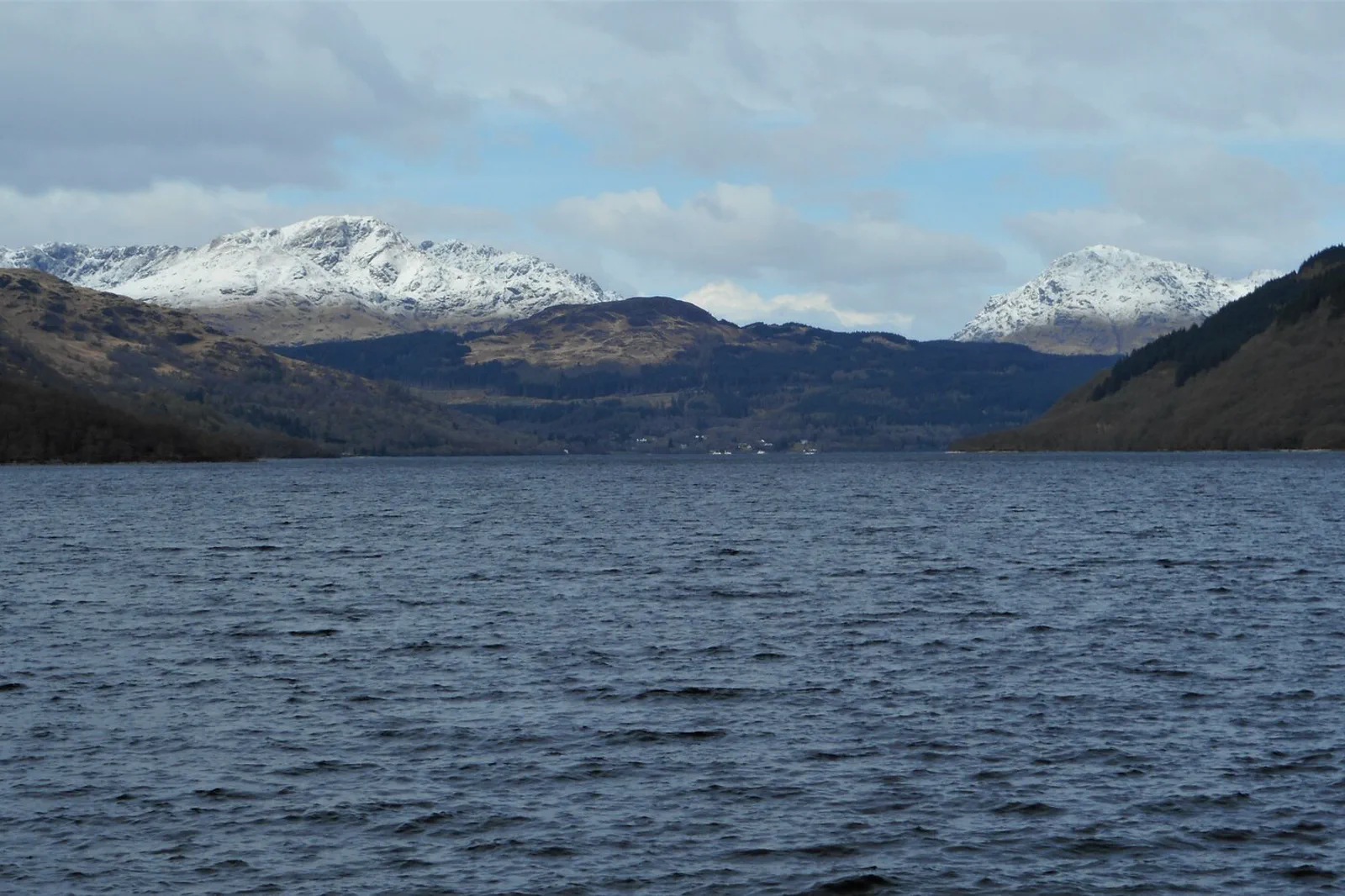
Loch Lomond from Glasgow
Choose Balloch, Luss or another named Loch Lomond gateway and match its rail, bus or boat connection, rather than treating…
Open this field file →Central Glasgow, Merchant City & the Clyde FAQ
How much time should I give Central Glasgow, Merchant City & the Clyde?
Allow six to eight hours for one civic anchor and one east or river branch. A central grid route can fit four to five hours.
What should I combine with Central Glasgow, Merchant City & the Clyde?
Combine Merchant City with cathedral edge or the central grid with the Clyde. Keep the West End and Loch Lomond for separate days.
What should I verify before leaving?
Check Glasgow Life venue access, ScotRail and Subway status, river weather and the event calendar before departure.
Official sources and photo credits
Planning facts and image licensing were reviewed on 20 September 2026. Admission, transport, roads, paths, tides, weather and local access can change; reopen the linked authority or operator before travel.
- Glasgow Life Museums — official visitor information.
- SPT — Glasgow Subway information.
- People Make Glasgow — official destination guide.
- Strathclyde Partnership for Transport — official network information.
- ScotRail — rail planning and service updates.
- River Clyde Glasgow City Centre - panoramio.jpg — dan kearney, CC BY-SA 3.0. Resized, display-cropped and converted to WebP; no other material edits.
- Kelvingrove Art Gallery and Museum from the University of Glasgow Tower.jpg — User:DavidMcKenzie, CC BY-SA 2.5. Resized, display-cropped and converted to WebP; no other material edits.
- View up Loch Lomond to Cruach Tairbeirt - geograph.org.uk - 7140385.jpg — Richard Sutcliffe, CC BY-SA 2.0. Resized, display-cropped and converted to WebP; no other material edits.