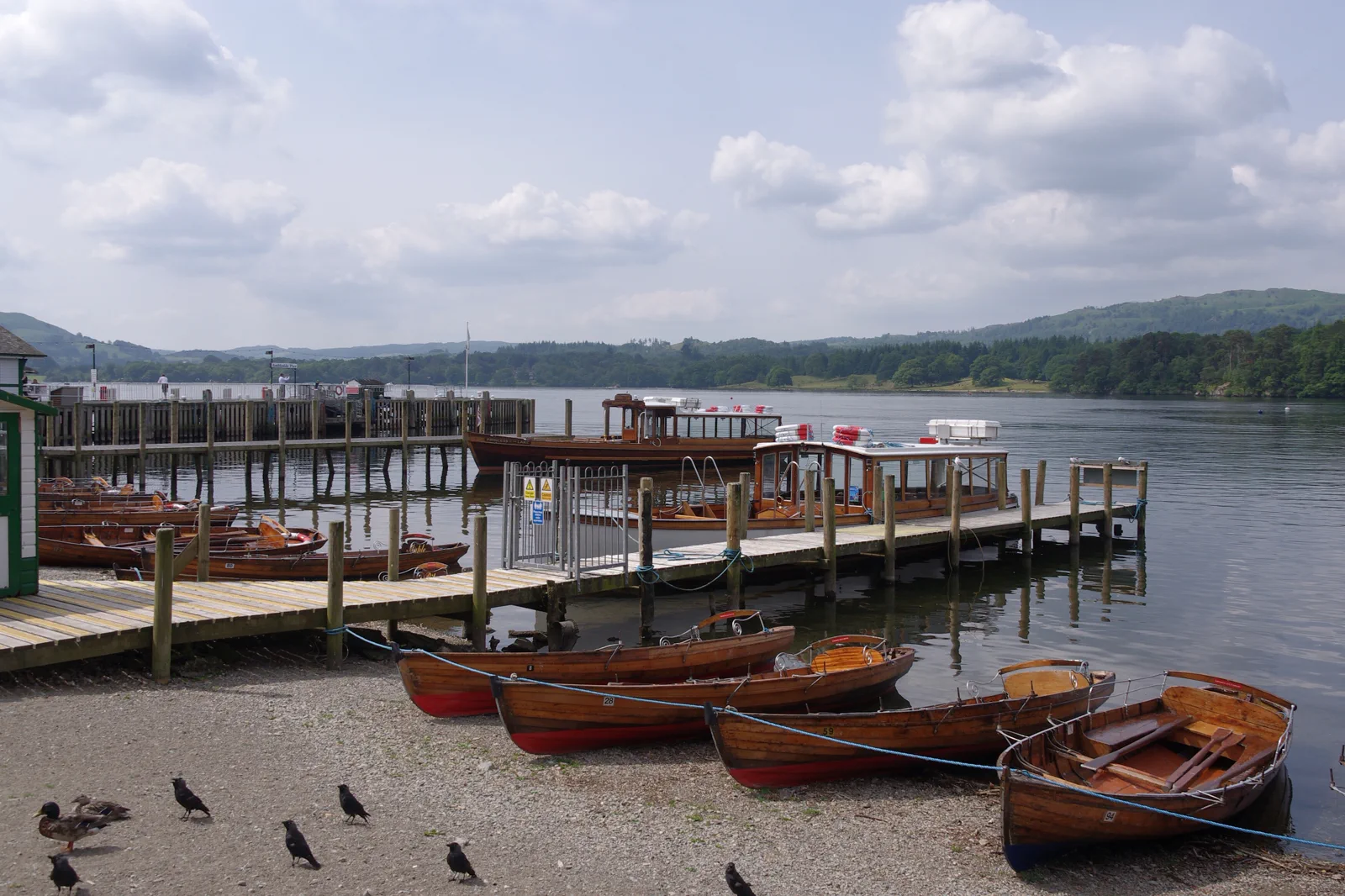
Windermere, Bowness & Ambleside
Arrive at Windermere station, descend to Bowness or connect to Ambleside, use one verified boat or shore line, and protect the final bus or branch train.
Three useful choices, each with a real sacrifice.
Boat-and-town circuit
Use one scheduled lake cruise with Bowness or Ambleside as the land anchor. This gives water perspective but depends on marine operation and pier choice.
Low-level shore and town
Keep the day on buses, public shores and compact walks. It is the most weather-resilient choice and avoids a vessel cutoff.
Fell-edge viewpoint
Add one signed lower fell or viewpoint from a named start. It gains elevation but should replace, not supplement, the long boat circuit.
Meet the day at its real gateway.
Windermere station is in Windermere town, not beside the lake; Bowness and Ambleside require bus, walk or boat connections. Piers have specific names and stopping patterns. Save the final bus to the station before boarding a vessel or climbing.
Know what this route leaves out.
A multi-stop cruise, Ambleside town and a substantial fell walk do not fit one reliable day. Choosing the boat sacrifices trail time; choosing elevation gives up the long lake circuit and its flexible stops.
Use Lake District & Cumbria as an operating system, not a pin collection.
Windermere and Ambleside, Keswick and Derwentwater, and Carlisle with the western Wall use different railheads and buses. The Lake District rewards one basin at a time: weather, boat operation, valley traffic and the last bus matter more than the short distances shown on a map.
Four to six nights supports two lake basins and one Cumbria history day with a weather fallback. Windermere is the easiest rail arrival, Keswick opens the north, and Carlisle suits the western Wall; moving between them is a regional transfer, not a quick hotel change.
Windermere has a branch-line station; Ambleside and Keswick do not. Buses connect valleys but frequencies and journey times vary. Carlisle is a mainline hub for the western county. Always match the day to one railhead and final bus rather than crossing the park late.
Rain, wind, low cloud, snow and saturated paths can change any fell plan. Summer adds buses and boats but crowding and road pressure; winter requires low-level routes and early returns. Lake conditions can suspend vessels independently of buses.
Every base needs a complete low-level alternative: town, museum, boat only when running, lakeshore or rail-served historic site. Do not replace one clouded fell with another high route across the park.
Arrive, read the window, commit once, then get back.
Check Windermere Lake Cruises, Stagecoach service, branch trains, detailed weather and any path notice before departure.
- 01Arrive
Leave the railhead deliberately
At Windermere station, choose the Bowness or Ambleside connection and note the final branch train. Do not walk downhill without a return plan.
- 02Read the window
Read one lakeside town
Use Bowness pier and town or Ambleside’s waterfront and centre as the first complete block. Locate the onward bus or pier before lunch.
- 03Commit
Commit to boat or height
Board the verified sailing or begin the signed lower route only when weather and return times remain sound. Avoid stacking both at maximum length.
- 04Return
Close the interchange
Reach the bus stop or station with one connection in reserve. Road traffic and full buses can consume a tight rail transfer.
Reopen the sources that control today’s window.
The guide explains the route decision; these official pages control transport, admission, paths, tides, weather and closures.
Keep a complete lower-risk day.
If boats stop, retain Bowness, Ambleside, buses and a sheltered low-level lakeshore route. If cloud removes the viewpoint, use the town and water edge rather than transferring to another valley.
Check Windermere Lake Cruises, Stagecoach service, branch trains, detailed weather and any path notice before departure.
Change the plan while the return is still strong.
Windermere is three practical places
Station, Bowness and Ambleside are not one walkable stop. Name the transfer before setting the itinerary.
Boat and bus tickets are separate
A cruise product does not automatically solve the road return. Confirm operator, pier and final sailing.
Valley traffic delays buses
Peak traffic and weather can affect connections. Keep margin before the last branch train.
Other ways to use Lake District & Cumbria.
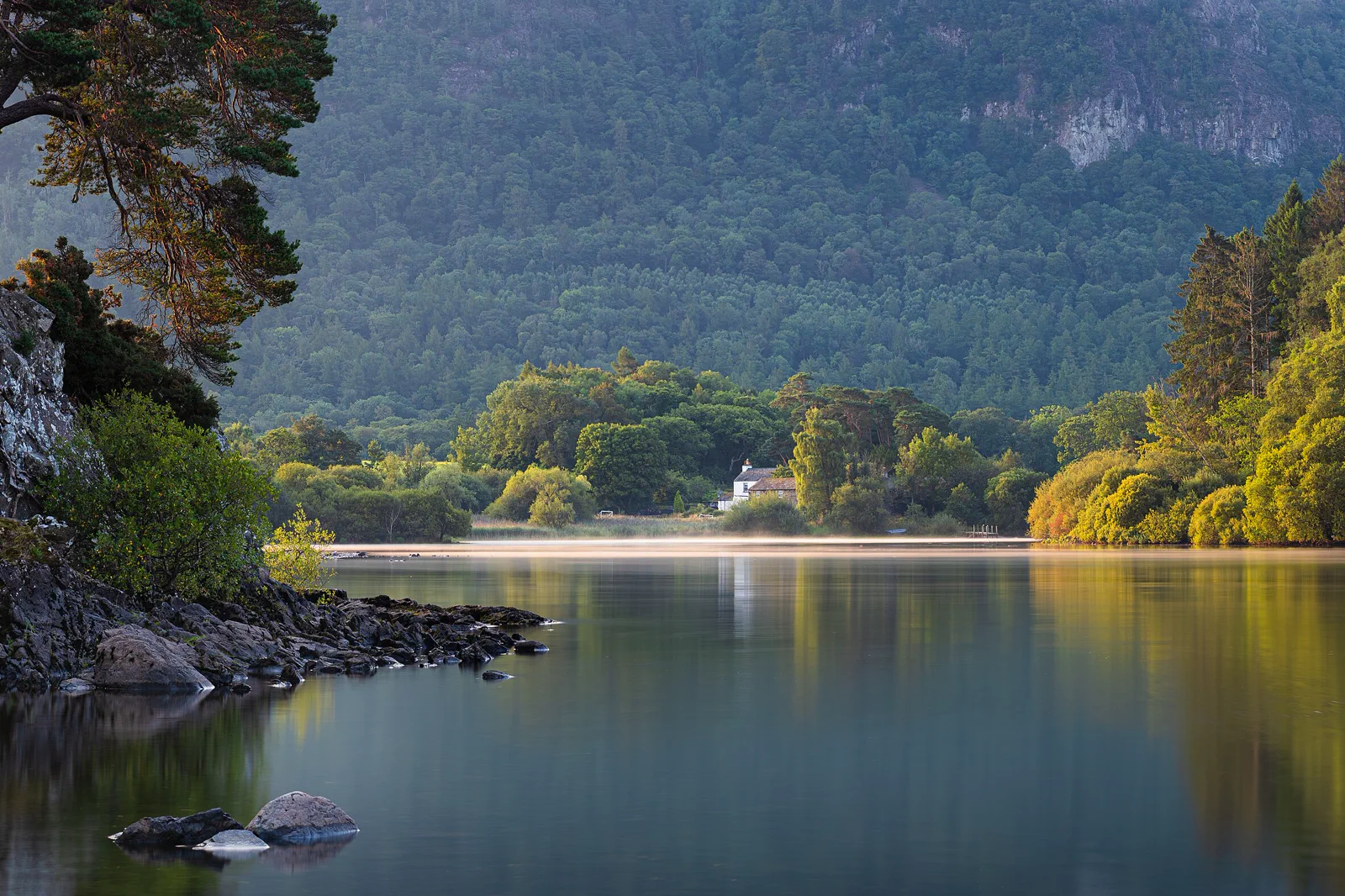
Keswick & Derwentwater
Choose a Derwentwater launch, low-level shore route or one fell approach from Keswick, and make the bus arrival and last…
Open this field file →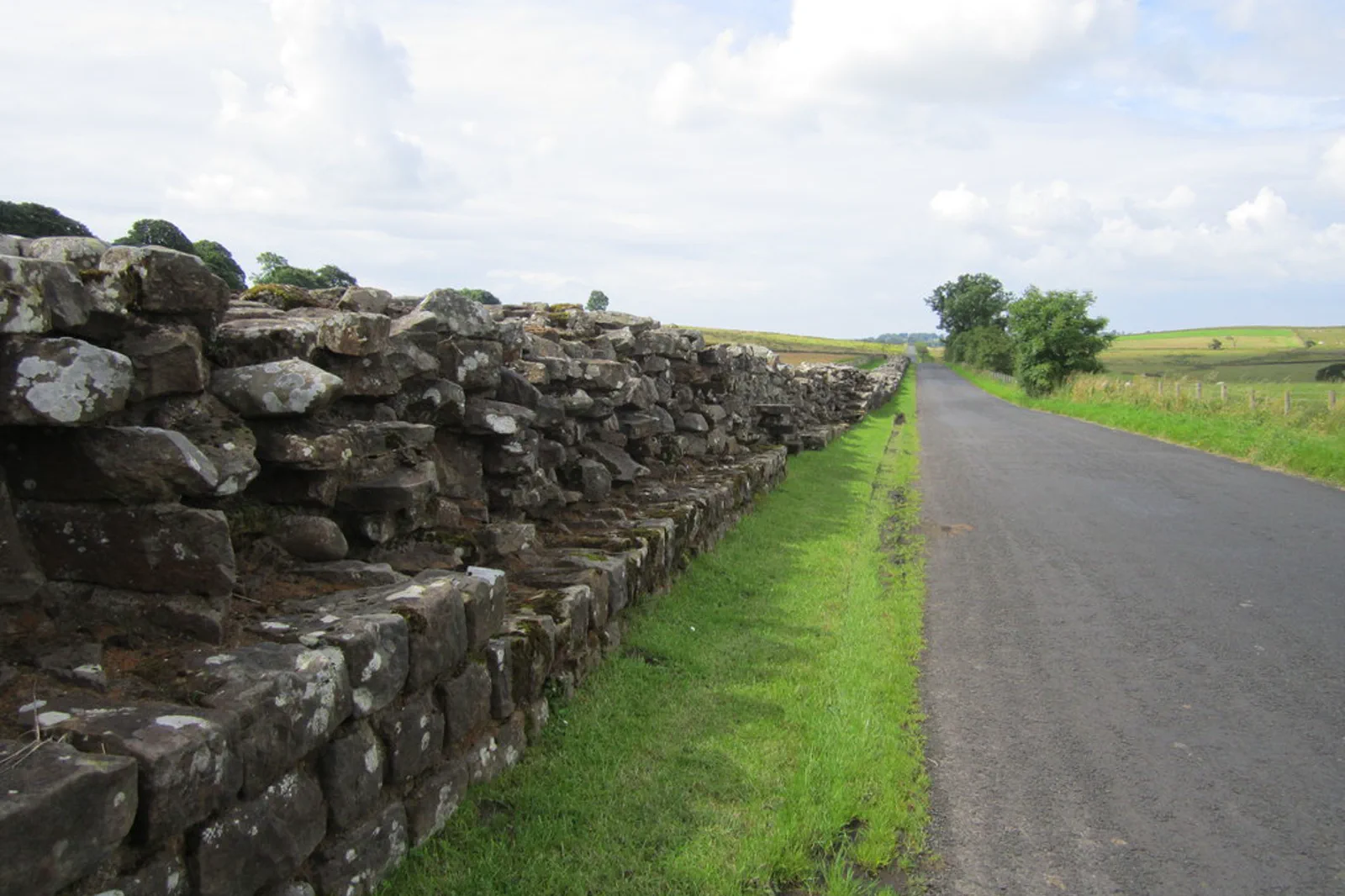
Carlisle & Hadrian’s Wall West
Use Carlisle as the rail and museum base for one western Hadrian’s Wall site, naming the onward train, bus or walk and…
Open this field file →Windermere, Bowness & Ambleside FAQ
How much time should I give Windermere, Bowness & Ambleside?
Allow a full day for two lakeside towns and one boat or low fell branch. A Bowness-only visit can fit four to five hours from the railhead.
What should I combine with Windermere, Bowness & Ambleside?
Combine Bowness with one lake cruise or Ambleside with a lower walk. Keep Keswick and Carlisle for separate days.
What should I verify before leaving?
Check Windermere Lake Cruises, Stagecoach service, branch trains, detailed weather and any path notice before departure.
Official sources and photo credits
Planning facts and image licensing were reviewed on 20 September 2026. Admission, transport, roads, paths, tides, weather and local access can change; reopen the linked authority or operator before travel.
- Windermere Lake Cruises — official visit planning.
- Lake District National Park — official transport guidance.
- Lake District National Park — official visitor information.
- Visit Lake District — official destination guide.
- Stagecoach — Cumbria bus journey planning.
- Lake Windermere MMB 37 Ambleside.jpg — mattbuck ( category ), CC BY-SA 3.0. Resized, display-cropped and converted to WebP; no other material edits.
- Friars' Crag Derwentwater Lake District 2022 01.jpg — Julian Herzog ( Website ),, CC BY 4.0. Resized, display-cropped and converted to WebP; no other material edits.
- Hadrians Wall - geograph.org.uk - 3179504.jpg — Chris McAuley, CC BY-SA 2.0. Resized, display-cropped and converted to WebP; no other material edits.