
Chester Walls & Roman City
Walk from Chester station to a named wall gate, complete a weather-aware section or full circuit, descend once for the Rows and one interior, then return through the compact centre.
Three useful choices, each with a real sacrifice.
Full wall circuit
Use the elevated walls and gates as the main route, adding only one interior. This gives the clearest urban form but is exposed and step-dependent.
Roman evidence
Prioritize the amphitheatre, museum or booked experience with shorter wall sections. It offers historical depth but less continuous city panorama.
Cathedral and Rows
Keep the route around the cathedral, two-level shopping streets and central wall gates. It is compact and weather-resilient.
Meet the day at its real gateway.
Chester station is north-east of the walled centre. Wall access points have stairs and different gradients; step-free street alternatives exist but are not identical to the elevated route. Identify the first gate and a mid-route exit before climbing.
Know what this route leaves out.
The full wall circuit, deep Roman interpretation and relaxed Rows shopping do not fit equally. Choosing the walls sacrifices interior time; choosing museums turns the wall into selected viewpoints rather than a complete loop.
Use Liverpool, Manchester & Chester as an operating system, not a pin collection.
Liverpool and Manchester are close by rail but their useful visitor geographies point in different directions: Mersey waterfront and mercantile streets versus canals, civic collections and industrial quarters. Chester adds a compact walled city on another line. Each deserves a separate day even when journey times look short.
Three to five nights supports both cities and Chester without changing hotels. Liverpool works well for waterfront evenings; Manchester offers broader regional rail connections. Choose one base from the late return pattern and event calendar.
Liverpool Lime Street, Manchester Piccadilly, Victoria and Oxford Road serve different city edges. Merseyrail and Metrolink are separate local systems. Football, concerts and engineering work can alter capacity, so use station-specific plans rather than city names alone.
Rain favors the region’s strong museums, but waterfront wind and exposed stadium or canal routes need live judgment. Major matches, festivals and conferences can raise fares and crowd stations year-round.
Keep a complete collection-and-street day in either city. If the intercity rail corridor is disrupted, do not force the second city; deepen the base and move Chester to another date.
Arrive, read the window, commit once, then get back.
Check wall access notices, cathedral and museum openings, rail service and any racecourse or city event before travel.
- 01Arrive
Approach one city gate
Walk from the station toward Eastgate or another named access, noting a street-level alternative and the final station route.
- 02Read the window
Read the elevated circuit
Follow a clockwise or anticlockwise wall line with the racecourse, river and Roman edges in sequence. Do not repeatedly descend.
- 03Commit
Leave once for the chosen interior
Descend near the cathedral, Rows or Roman site and give it a defined block. Resume the wall only if time and weather remain good.
- 04Return
Return through the compact centre
Finish along a direct street to the station, using Eastgate or Northgate as the orientation line. Avoid one last wall segment when surfaces are wet or daylight is fading.
Reopen the sources that control today’s window.
The guide explains the route decision; these official pages control transport, admission, paths, tides, weather and closures.
Keep a complete lower-risk day.
In high wind, ice or heavy rain, use street-level gates, the cathedral, Rows and museum offer. If an interior closes, retain a shorter safe wall segment and the Roman exterior sites.
Check wall access notices, cathedral and museum openings, rail service and any racecourse or city event before travel.
Change the plan while the return is still strong.
Walls include steps and exposed surfaces
Access varies by gate, and wet or icy sections can be unsuitable. Use the street alternative without treating it as failure.
The racecourse changes some routes
Events can affect riverside movement and crowds. Check the local calendar before planning a quiet western loop.
Roman sites are distributed
Amphitheatre, gardens and museum evidence are not one attraction. Select the pieces that fit the wall direction.
Other ways to use Liverpool, Manchester & Chester.
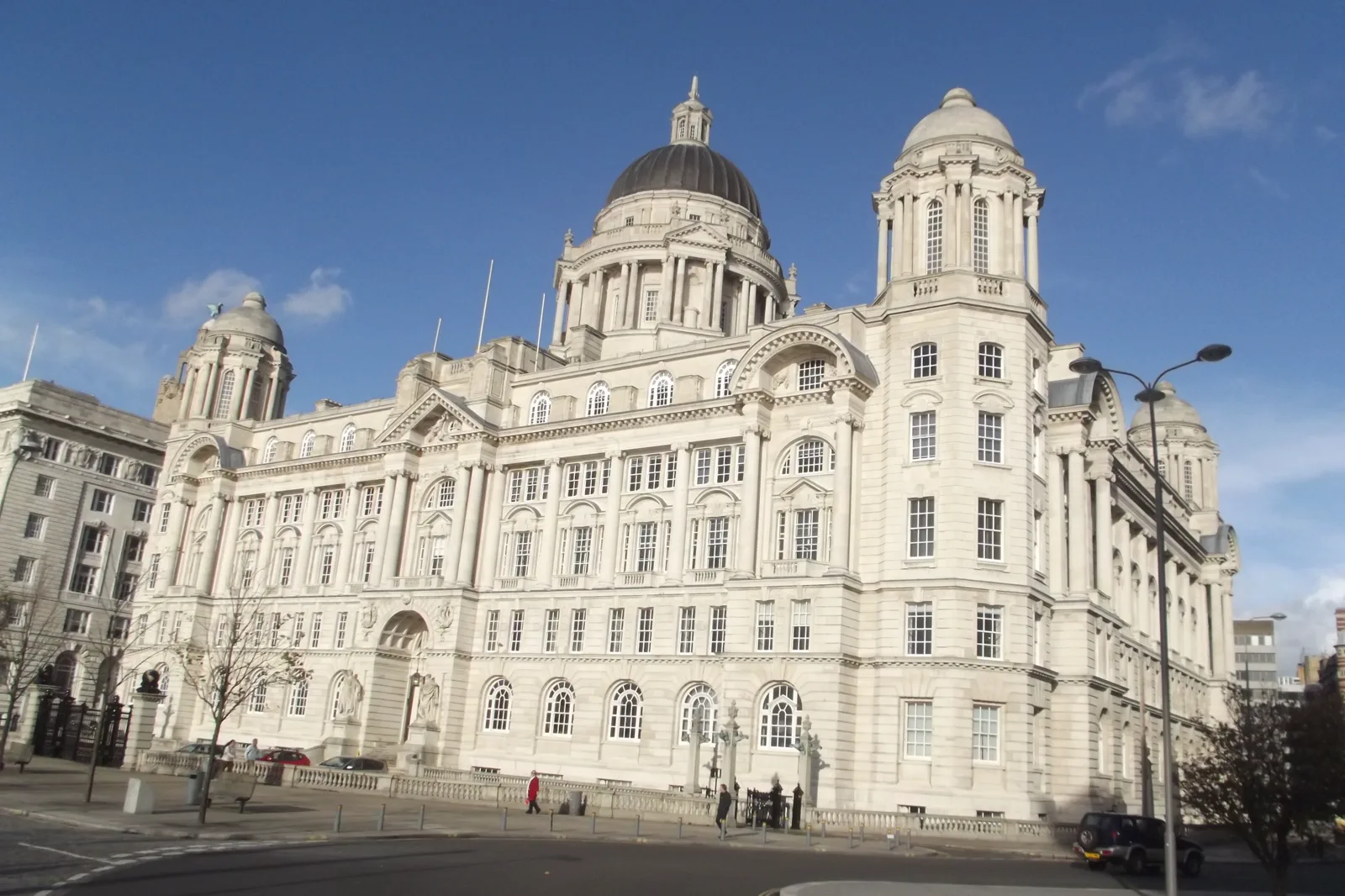
Liverpool Waterfront & Cathedrals
Choose a waterfront collection or the cathedral ridge as the main block, then connect docks, commercial streets and one…
Open this field file →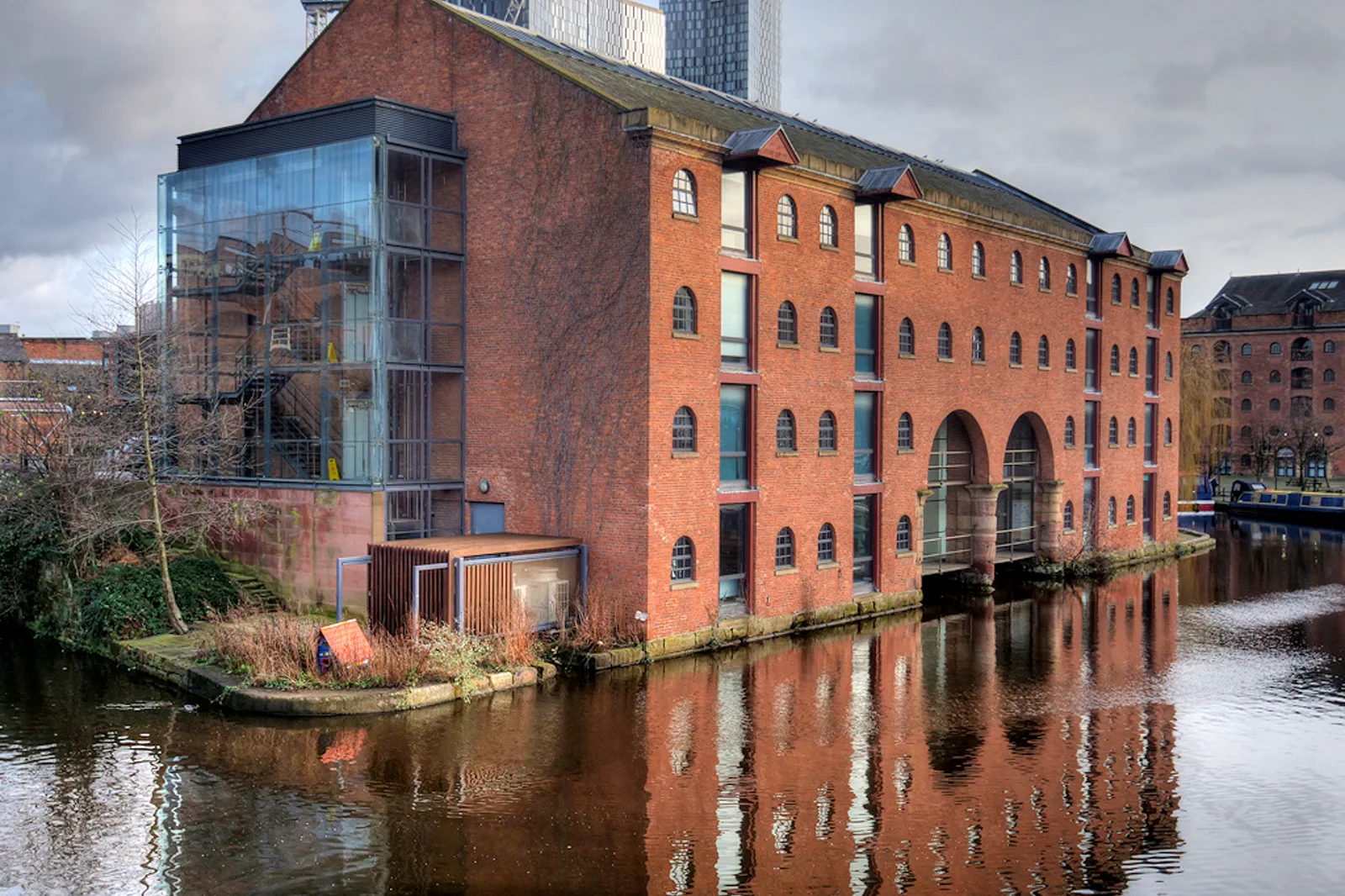
Manchester Industrial City & Collections
Choose industrial history, civic art or contemporary neighbourhoods as the main argument, then use tram and walking…
Open this field file →Chester Walls & Roman City FAQ
How much time should I give Chester Walls & Roman City?
Allow five to seven hours for the wall circuit, one interior and a meal. A central Rows and cathedral route can fit four hours.
What should I combine with Chester Walls & Roman City?
Combine the walls with the cathedral or Roman evidence. Keep Liverpool, Manchester and Chester Zoo for separate full days.
What should I verify before leaving?
Check wall access notices, cathedral and museum openings, rail service and any racecourse or city event before travel.
Official sources and photo credits
Planning facts and image licensing were reviewed on 20 September 2026. Admission, transport, roads, paths, tides, weather and local access can change; reopen the linked authority or operator before travel.
- Visit Cheshire — official Chester destination guide.
- Chester Cathedral — official visitor information.
- Visit Liverpool — official destination guide.
- Visit Manchester — official destination guide.
- Transport for Greater Manchester — network and service information.
- The Three Graces - Liverpool Waterfront - Port of Liverpool Building (10731141643).jpg — Elliott Brown from Birmingham, United Kingdom, CC BY-SA 2.0. Resized, display-cropped and converted to WebP; no other material edits.
- Merchants' Warehouse, Castlefield - geograph.org.uk - 6377127.jpg — David Dixon, CC BY-SA 2.0. Resized, display-cropped and converted to WebP; no other material edits.
- Chester Cathedral, Cheshire, England - view from the city walls.jpg — Rosser1954, CC BY-SA 4.0. Resized, display-cropped and converted to WebP; no other material edits.