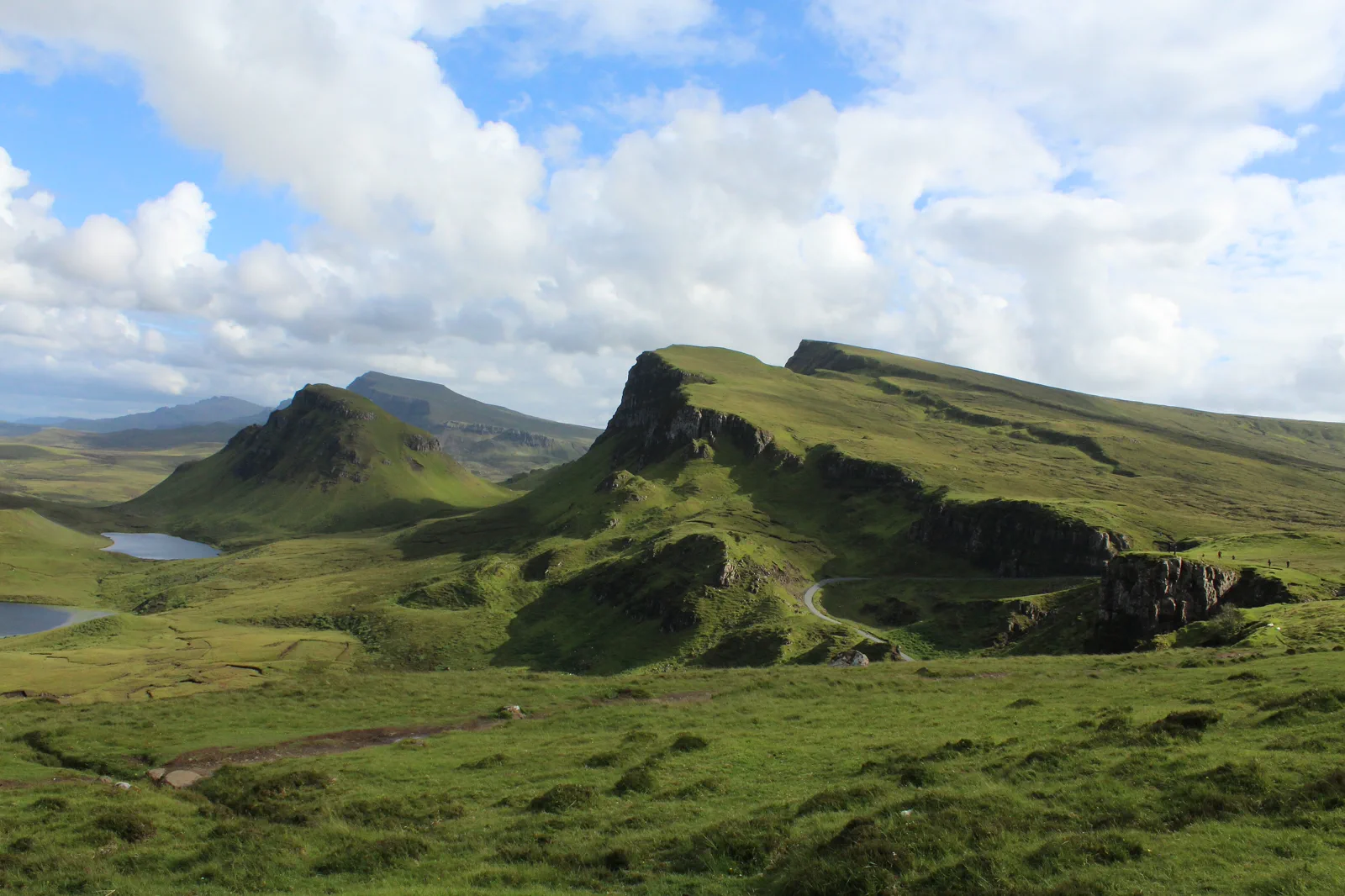
Isle of Skye Road & Weather Plan
Start from Portree or another named base, read live road and weather conditions, complete one peninsula or lower-risk island route, and return before darkness or a ferry deadline.
Three useful choices, each with a real sacrifice.
Trotternish day
Use Portree as the base for one northern road-and-walk sequence with firm parking and turnaround points. This gives the iconic geology but attracts the highest pressure.
Dunvegan and west
Focus on castle, coast and one western landscape. It offers history and sea views but is a separate road system from Trotternish.
South Skye and Sleat
Use Armadale, Broadford or a southern base for gentler coast and ferry context. It is more compatible with arrival or departure days.
Meet the day at its real gateway.
Skye is reached by bridge, Mallaig–Armadale ferry or longer road corridors. Portree is not central to every peninsula in travel time. Public buses exist but do not create a hop-on circuit; car and tour plans must include single-track etiquette and parking capacity.
Know what this route leaves out.
A full-island loop sacrifices time at every stop and magnifies road delay. Choosing one peninsula gives up a famous sight elsewhere but creates a safer, deeper day with a credible return.
Use Skye, Orkney & the Outer Hebrides as an operating system, not a pin collection.
Skye, Orkney and Lewis with Harris are not one archipelago circuit. They use different ferries, flights, road distances and weather patterns. A credible island plan chooses one system, preserves a mainland or gateway buffer and never treats a booked room as evidence that the crossing or onward bus will operate.
Give Skye at least three nights and Orkney or Lewis–Harris four when arriving by ferry; add mainland buffer nights around separate tickets. Combining island groups is a multi-transfer itinerary, not a casual extension from Edinburgh or Glasgow.
Skye has a bridge plus ferries; Orkney uses NorthLink, Pentland services or flights; the Outer Hebrides use CalMac and flights. Island buses are sparse and car hire capacity limited. Match port, vehicle rules, check-in and final road leg before booking accommodation.
Wind and sea state can disrupt crossings year-round. Summer improves services but raises vehicle and lodging pressure; winter reduces daylight and openings. Shoulder seasons require current timetables rather than assumptions from peak schedules.
Keep a complete gateway-town or same-island low-risk day. When a ferry cancels, do not buy an unprotected chain to another port unless the operator confirms the replacement and accommodation remains viable.
Arrive, read the window, commit once, then get back.
Check CalMac or bridge route, Highland road notices, detailed weather, attraction access, bus or tour confirmation and daylight before departure.
- 01Arrive
Leave the correct island base
Check road incidents, wind, rain and the final light, then start toward one peninsula with fuel and return time known.
- 02Read the window
Read the first landscape gate
At the initial stop, assess parking and path conditions. Skip rather than road-park dangerously when capacity is full.
- 03Commit
Commit to one peninsula
Complete the selected road, castle or signed route with a time-based turnaround. Do not cross Skye for a second headline viewpoint.
- 04Return
Return before dark or sailing
Reach the base, bridge or ferry port with margin for single-track delays and check-in. Treat meals and sunset as optional after the transport edge.
Reopen the sources that control today’s window.
The guide explains the route decision; these official pages control transport, admission, paths, tides, weather and closures.
Keep a complete lower-risk day.
If high wind or road pressure makes exposed routes unsuitable, use Portree, Broadford, local museums or a short sheltered coast route. If a ferry cancels, remain near the booked side rather than racing to a distant port.
Check CalMac or bridge route, Highland road notices, detailed weather, attraction access, bus or tour confirmation and daylight before departure.
Change the plan while the return is still strong.
Single-track roads need passing-place discipline
Do not park in passing places or follow an unrealistic app estimate. Let faster traffic pass and protect the return.
Parking capacity is a hard limit
Popular trailheads can fill. Use official alternatives or leave; roadside improvisation damages safety and land access.
Ferry check-in precedes departure
Vehicle and foot-passenger deadlines differ. Build the road day around check-in, not the published sailing minute.
Other ways to use Skye, Orkney & the Outer Hebrides.
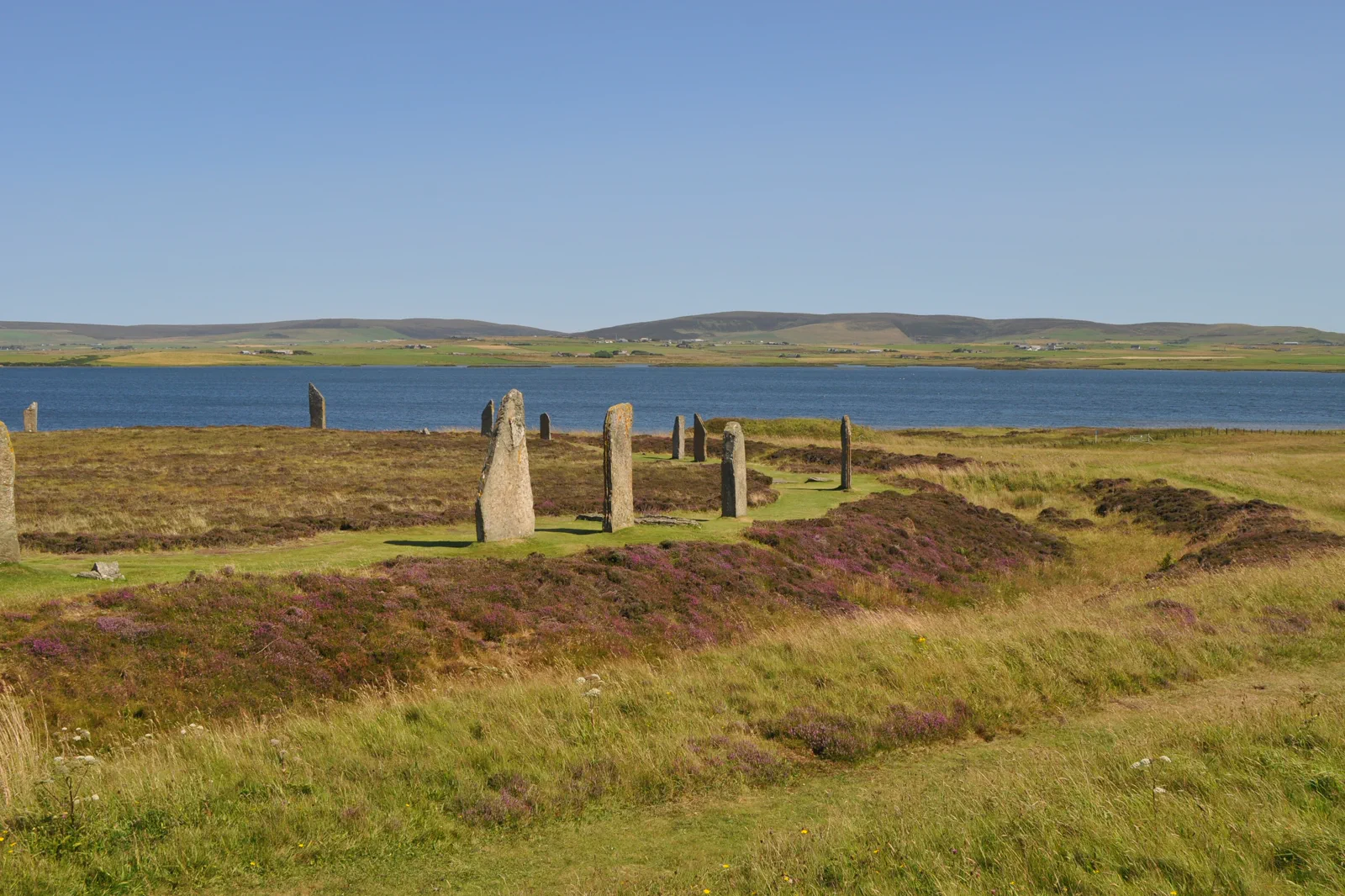
Orkney Mainland & Neolithic Sites
Choose Kirkwall, the west Mainland Neolithic sites or a wartime-and-coast route, and match ferry arrival, timed admission…
Open this field file →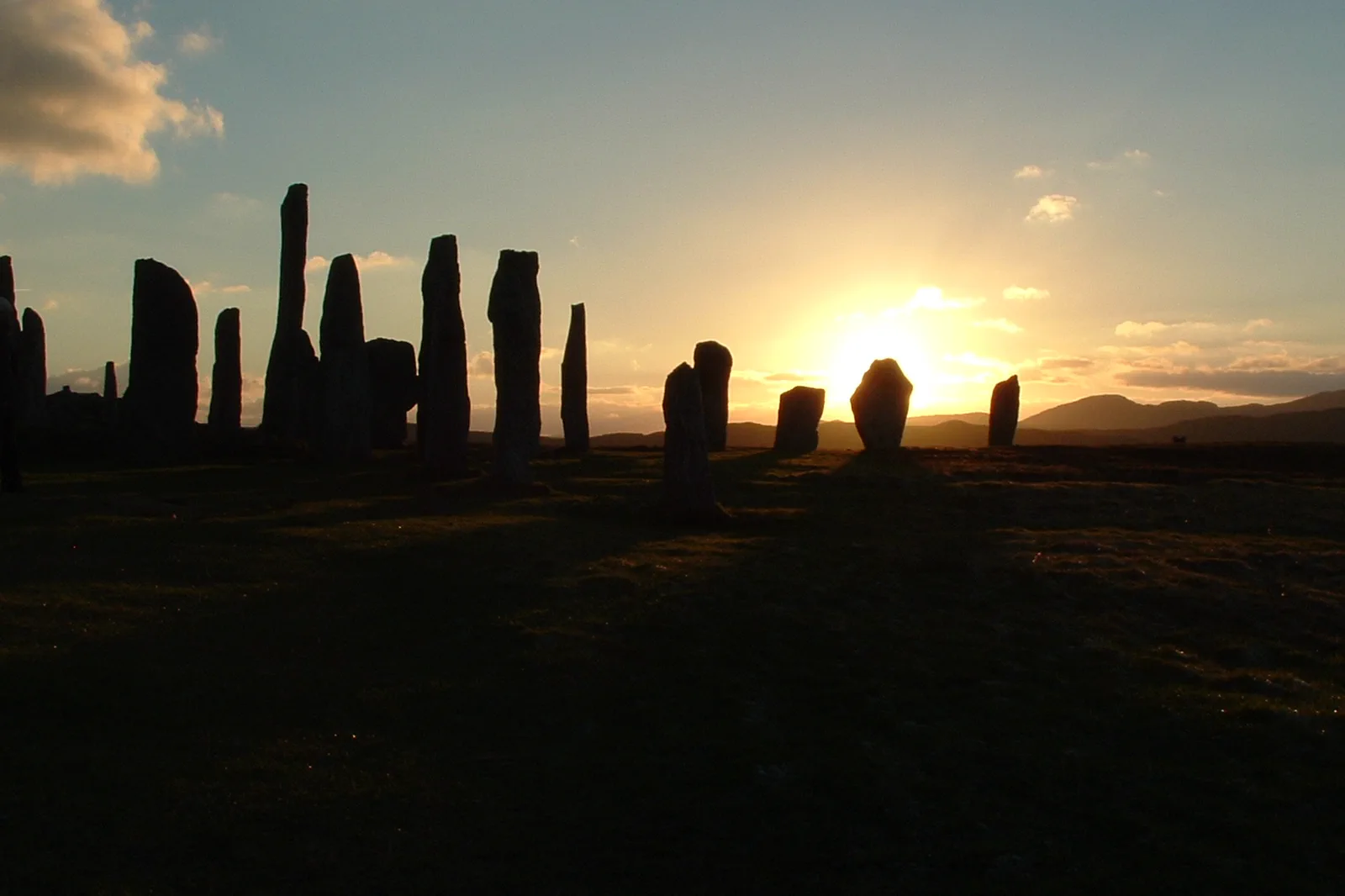
Lewis & Harris
Choose a Lewis archaeology and culture day or a Harris coast day from the actual island base, respecting the long…
Open this field file →Isle of Skye Road & Weather Plan FAQ
How much time should I give Isle of Skye Road & Weather Plan?
Allow a full day for one Skye peninsula and at least three nights for a useful island stay. Arrival or departure days should remain on the relevant shore.
What should I combine with Isle of Skye Road & Weather Plan?
Combine one peninsula with its nearby town or castle. Keep another Skye coast, the mainland Highlands and other island groups for separate days.
What should I verify before leaving?
Check CalMac or bridge route, Highland road notices, detailed weather, attraction access, bus or tour confirmation and daylight before departure.
Official sources and photo credits
Planning facts and image licensing were reviewed on 20 September 2026. Admission, transport, roads, paths, tides, weather and local access can change; reopen the linked authority or operator before travel.
- Isle of Skye — official local destination guide.
- CalMac — Mallaig to Armadale ferry information.
- VisitScotland — official islands destination guide.
- Caledonian MacBrayne — official ferry information.
- NorthLink Ferries — official Orkney ferry information.
- Quiraing Isle of Skye.jpg — Guillaume.R-B., CC BY-SA 4.0. Resized, display-cropped and converted to WebP; no other material edits.
- Ring of Brodgar, Orkney.jpg — Stevekeiretsu, CC BY-SA 3.0. Resized, display-cropped and converted to WebP; no other material edits.
- Calanais Stones at Sunset 13.jpg — The original uploader was Morrismaciver at French Wikipedia ., CC BY-SA 1.0. Resized, display-cropped and converted to WebP; no other material edits.