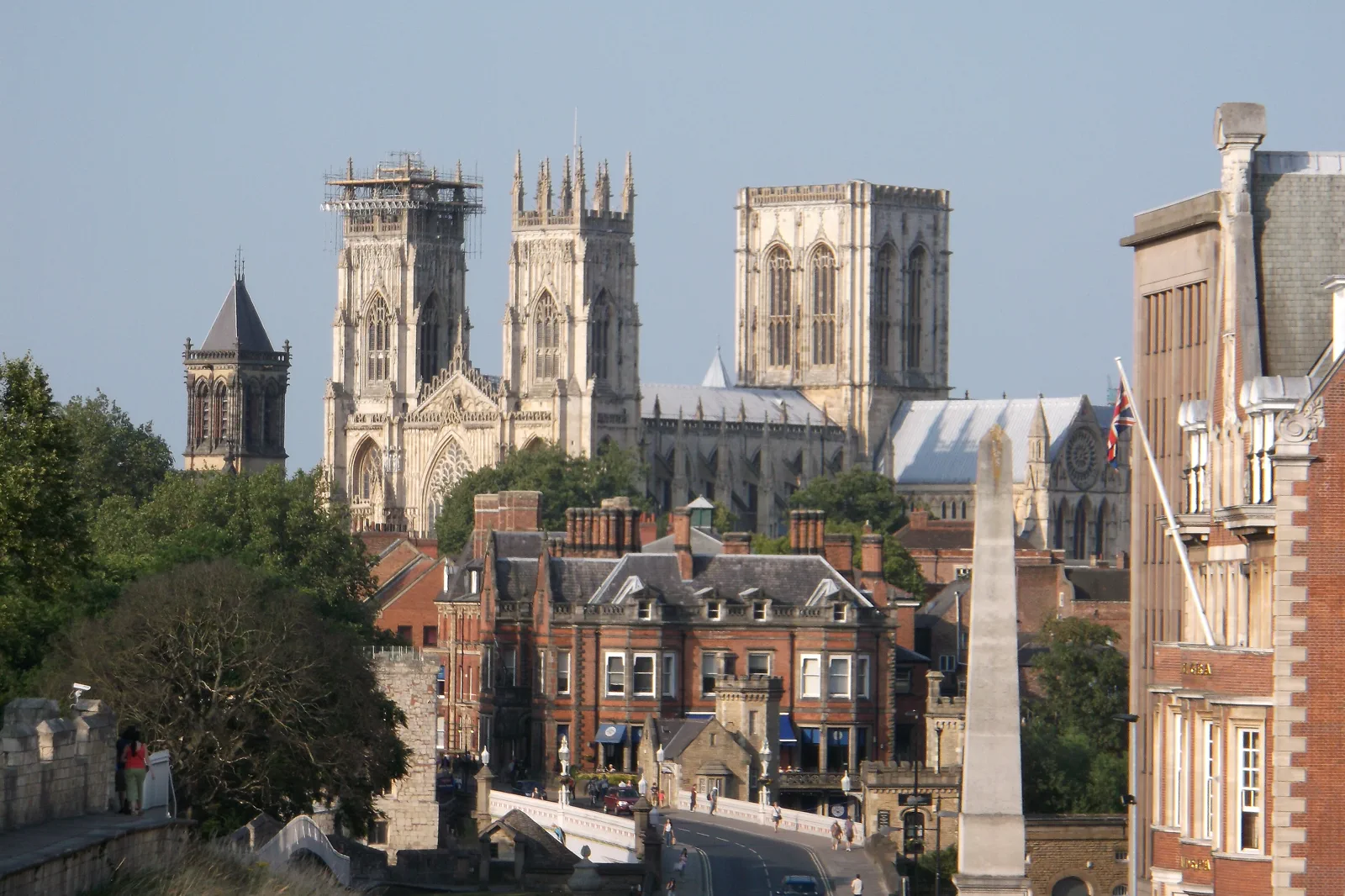
York Walls, Minster & Medieval Core
Walk from York station to a named wall gate, complete one coherent wall section, meet the Minster or museum booking, and leave through a different gate toward the station.
Three useful choices, each with a real sacrifice.
Minster depth
Use the cathedral and any selected tower or undercroft product as the main visit. The wall becomes a shorter approach and exit.
Wall circuit and urban form
Prioritize the walls, gates and river views, adding only one compact interior. This is exposed but reveals the whole city plan.
Museum-led York
Choose the railway, castle or Yorkshire museum and use the medieval streets as links. It is weather-resilient but sacrifices the complete wall line.
Meet the day at its real gateway.
York station lies just outside the walls near the western approach. Wall access points include stairs and closures can break the circuit. The Minster has controlled visitor access and worship use; choose the gate and booking order before entering the Shambles crowd.
Know what this route leaves out.
A complete wall circuit, deep Minster visit and major museum exceed a relaxed day. Choosing the walls sacrifices interior depth; choosing the Minster or railway museum turns the wall into selected sections.
Use York, Leeds & Yorkshire as an operating system, not a pin collection.
York’s walls and Minster, Leeds and Saltaire’s civic-industrial collections, and the North York Moors–Whitby line are three distinct travel systems. Fast intercity rail makes the cities easy to pair across nights, but moor and coast branches need their own weather, heritage-rail and return decisions.
Three to five nights supports York, Leeds or Saltaire and one moor or coast branch. York is the stronger heritage base; Leeds offers wider evening and rail options. A coast day should not be squeezed between hotel changes.
York and Leeds are major rail stations; Saltaire is a local stop; Whitby and moor gateways use slower rail, bus or heritage services. Engineering work, events and seasonal timetables can change the apparent ease of the branch.
City routes work year-round, while moor visibility, coast wind and heritage railway operations vary. Summer increases crowding in York and Whitby; winter shortens walls and moor days but strengthens museum alternatives.
Use York or Leeds as the complete poor-weather day. If a heritage train, coast branch or moor walk fails, do not improvise a cross-county road circuit.
Arrive, read the window, commit once, then get back.
Check York wall closures, Minster worship and ticket notices, museum status and rail service before departure.
- 01Arrive
Enter at a named bar
Use Micklegate or another gate according to the first anchor, noting closure signs and a street-level alternative.
- 02Read the window
Read one wall arc
Follow the walls in one direction to the Minster or river side. Do not descend for every lane and climb again.
- 03Commit
Commit to one interior
Complete the Minster or selected museum with its current ticket and access. Keep the Shambles as a street link, not the day’s only purpose.
- 04Return
Exit by river or gate
Return through Museum Gardens, the Ouse edge or a second gate, ending near the station without repeating the busiest streets.
Reopen the sources that control today’s window.
The guide explains the route decision; these official pages control transport, admission, paths, tides, weather and closures.
Keep a complete lower-risk day.
If walls close, use the Minster, Museum Gardens, riverside and street-level gates. If the Minster is restricted for worship or events, choose one museum and preserve the same city circuit.
Check York wall closures, Minster worship and ticket notices, museum status and rail service before departure.
Change the plan while the return is still strong.
Wall sections can close independently
Weather, maintenance and safety affect individual arcs. Check official notices and accept the street diversion.
Minster products differ
General admission, tower access and services have separate conditions. Do not assume one ticket covers every space.
Compact streets still crowd
The Shambles and central lanes can slow movement sharply. Use early or late passes and avoid a tight interior connection.
Other ways to use York, Leeds & Yorkshire.
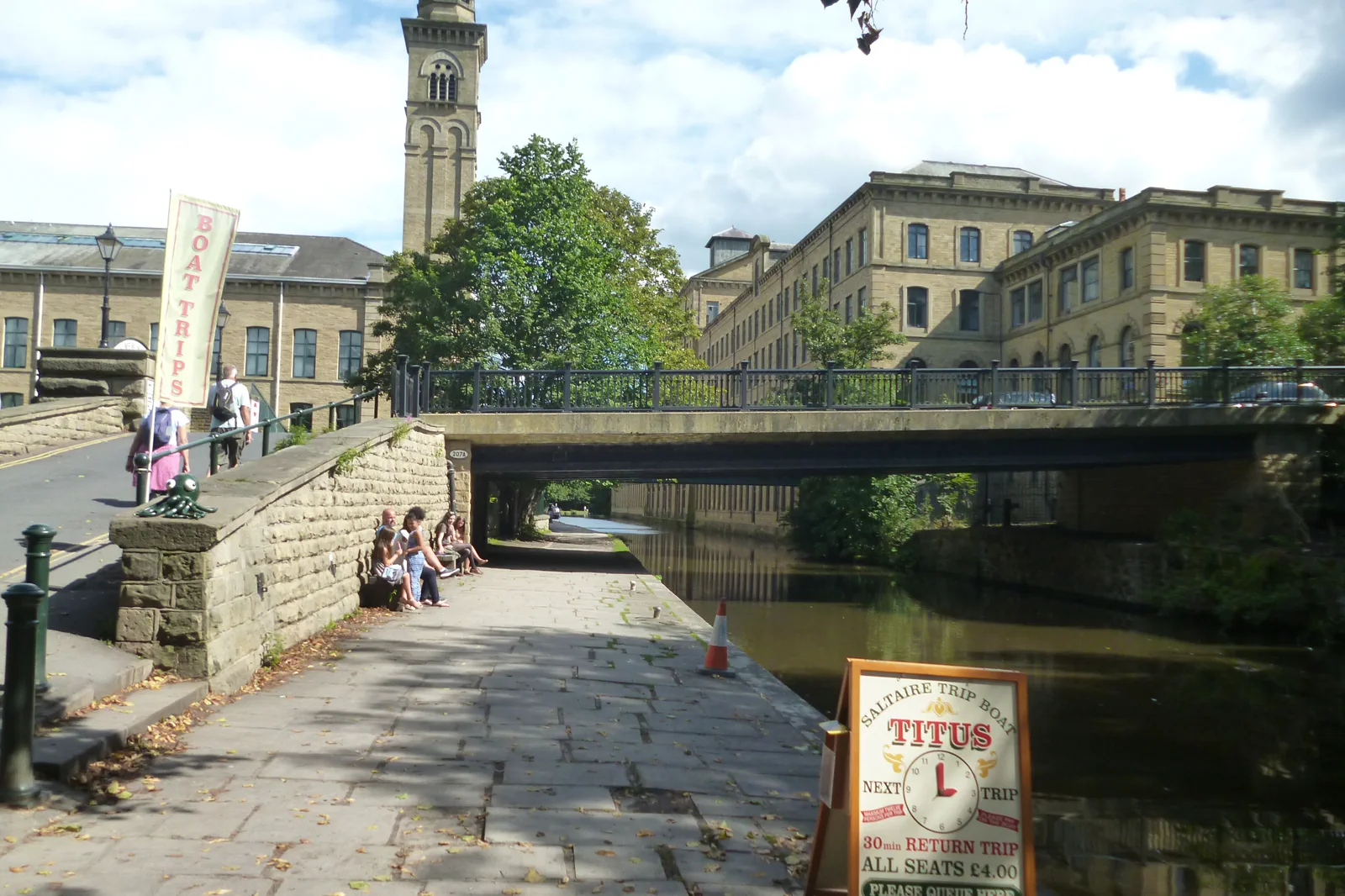
Leeds Collections & Saltaire
Choose a Leeds civic collection or the Saltaire industrial village as the main destination, using the short local train as…
Open this field file →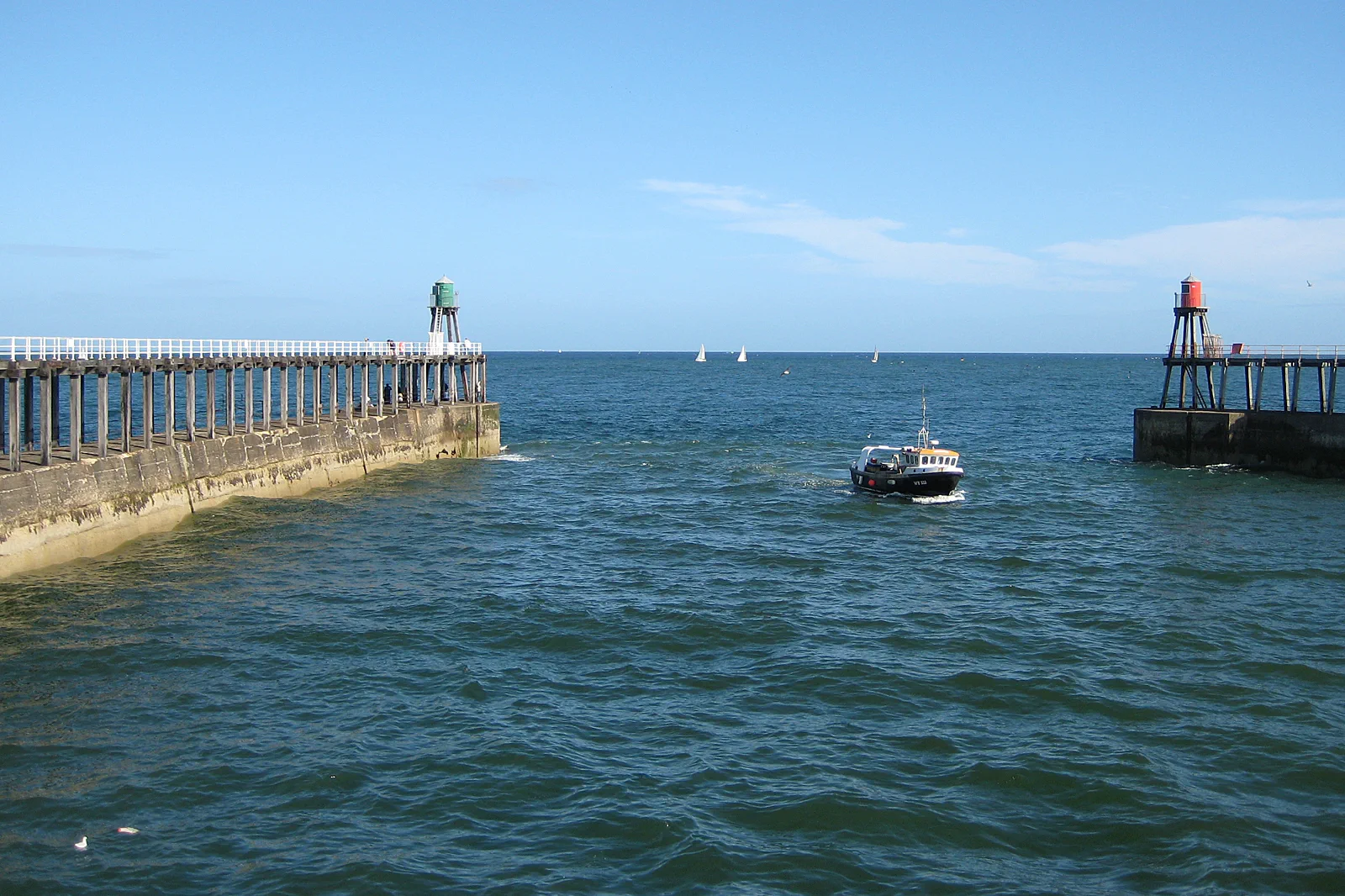
Whitby & the North York Moors
Choose a coast-town day, a moor railway experience or a signed landscape route, and build the journey around the exact…
Open this field file →York Walls, Minster & Medieval Core FAQ
How much time should I give York Walls, Minster & Medieval Core?
Allow six to eight hours for one substantial interior and a long wall section. A compact Minster-and-core route can fit four to five hours.
What should I combine with York Walls, Minster & Medieval Core?
Combine the Minster with walls or one museum with the river. Keep Leeds, Whitby and the moors for separate days.
What should I verify before leaving?
Check York wall closures, Minster worship and ticket notices, museum status and rail service before departure.
Official sources and photo credits
Planning facts and image licensing were reviewed on 20 September 2026. Admission, transport, roads, paths, tides, weather and local access can change; reopen the linked authority or operator before travel.
- York Minster — official visitor information.
- City of York Council — official city walls information.
- Visit York — official destination guide.
- Visit Leeds — official destination guide.
- North York Moors National Park — official visitor information.
- York Minster from Mickelgate section of city walls (2).JPG — Harry Mitchell, CC BY 3.0. Resized, display-cropped and converted to WebP; no other material edits.
- Saltaire, Canal bridge and Salts Mill - geograph.org.uk - 5235161.jpg — Dr Neil Clifton, CC BY-SA 2.0. Resized, display-cropped and converted to WebP; no other material edits.
- Harbour entrance, Whitby - geograph.org.uk - 3633086.jpg — Pauline E, CC BY-SA 2.0. Resized, display-cropped and converted to WebP; no other material edits.