Strasbourg Grande Île & European Quarter
Walk Grande Île by cathedral, canals and civic streets, then use one tram move for either the Neustadt or European Quarter as the second urban layer.
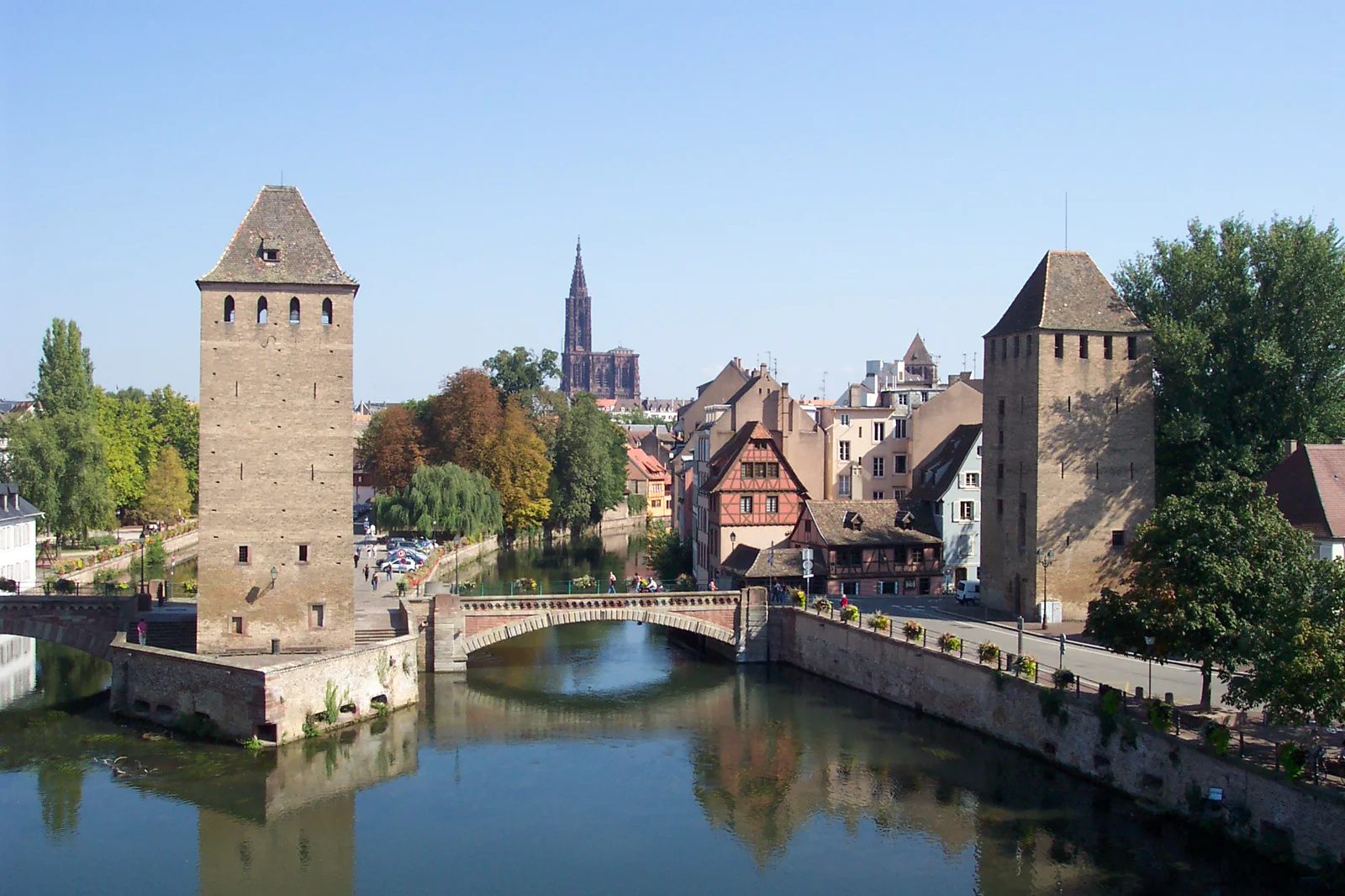
Grande Île in depth
Keep the cathedral, Maison Kammerzell area, river edges and Petite France together. This is a complete first day without institutions.
Cathedral and Neustadt
Pair medieval and imperial urban layers through Place de la République and selected museums. The route remains mostly central.
European Quarter
Use a current booked visit or exterior civic route around the institutions. This requires calendar and security checks, not just a tram ticket.
Know where the day actually begins.
Strasbourg station connects to the center by tram or a direct walk. Trams cross the historic area but cathedral-side pedestrian controls and market events may alter the final approach; use the current network map and named stop.
Choose what the route leaves out.
The European Quarter removes time from Petite France and museums. The route gives up a wine-route village so Strasbourg’s medieval, imperial or European identity can be read properly.
Fit this route into Strasbourg, Colmar & the Alsace Wine Route, not into an isolated checklist.
Strasbourg and Colmar are strong rail cities with different urban rhythms; the wine-route villages sit on a patchwork of trains, buses, bicycles and roads. A useful Alsace trip separates city depth from a village circuit and does not reduce living communities to façades.
Three nights support Strasbourg, Colmar and one village or castle day. Strasbourg is the stronger international and museum base; Colmar shortens access to central wine-route villages.
Regional rail links Strasbourg, Sélestat, Colmar and Mulhouse well, but the final village may require a bus, bicycle, seasonal shuttle, tour or car. Check Sunday and evening returns carefully.
Christmas-market periods transform crowding, prices and security; summer increases village and bicycle pressure. Harvest remains working time, while winter reduces some castle, bus and cellar options.
Use Strasbourg or Colmar collections when village buses, heat or storms undermine the route. A closed castle should become a signed lower walk or city day, not a scramble onto an unsafe trail.
Arrive, read the place, commit, then protect the return.
Check cathedral notices, CTS tram service, institution-tour confirmation, museum openings and any event security perimeter before departure.
- 01Arrive
Enter through station and river ring
Move from the station toward Grande Île, noting the tram stop for the return and any event perimeter before entering narrow streets.
- 02Read the place
Anchor at the cathedral
Use the exterior, current interior access and surrounding urban fabric; timed astronomical-clock or platform products should be treated as separate reservations.
- 03Commit
Choose canal, Neustadt or Europe
Walk Petite France, continue to the Neustadt, or take the tram to an arranged institution visit. Do not attempt all three after a long cathedral queue.
- 04Return
Return on a different city edge
Use the river ring or tram to finish near the station, avoiding a second pass through the busiest cathedral lanes.
Use the live operator, monument and destination sources for this route.
The route explains the decision; these official pages control current admission, transport, weather, access and closures.
Keep the day useful when the headline plan disappears.
In rain or security closures, use one of Strasbourg’s museums and the covered tram network. If an institution visit cancels, substitute the Neustadt or a river circuit, not a distant wine village.
Check cathedral notices, CTS tram service, institution-tour confirmation, museum openings and any event security perimeter before departure.
Change the plan before the problem compounds.
Cathedral products differ
Free worship access, platform access and clock presentation can use different schedules and lines.
Market periods rewrite circulation
Christmas and major events add security gates and crowd channels. Allow extra time and avoid large luggage.
Institutions are working buildings
Tours may require advance registration, identity documents and security. Confirm the exact institution and entrance.
Other ways to use Strasbourg, Colmar & the Alsace Wine Route.
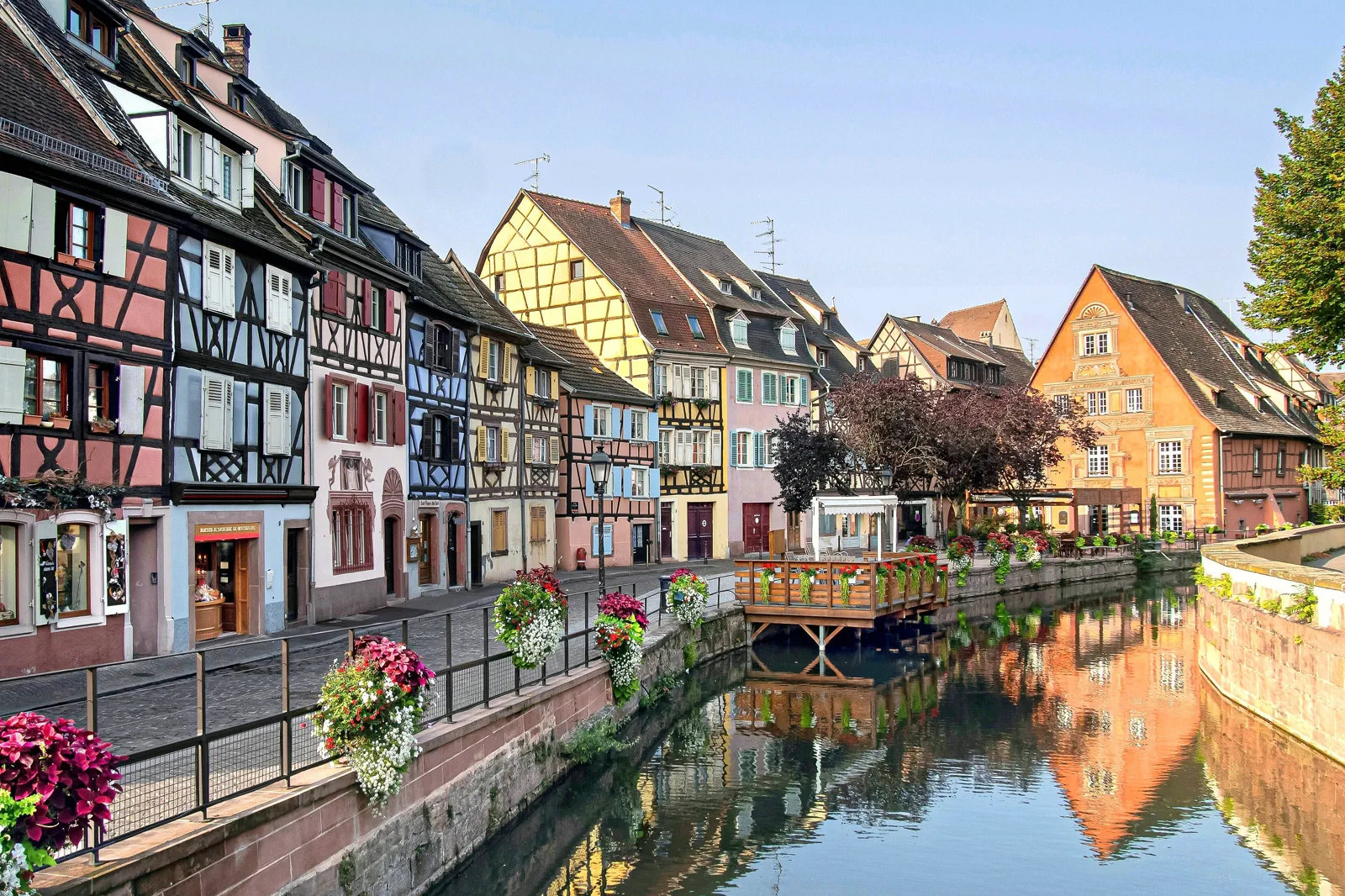
Colmar Canals, Old Town & Museums
Decide whether Colmar is a museum city, a market-and-canal walk or the base for a village day, then use a clear station…
Open this guide →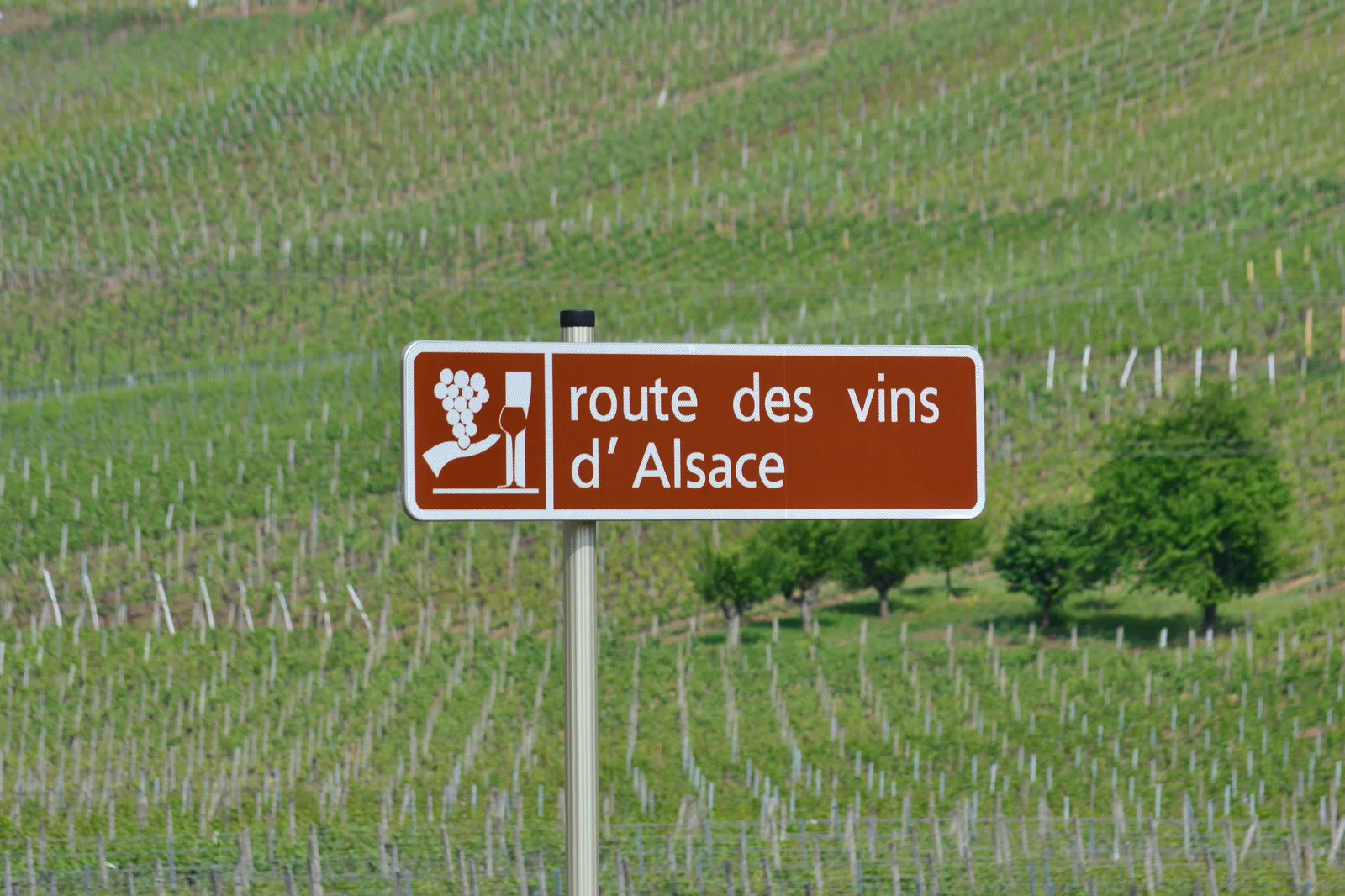
Alsace Wine Route Villages
Choose one connected village cluster and a sober transport method, replacing the impossible goal of collecting every…
Open this guide →Strasbourg Grande Île & European Quarter FAQ
How much time should I give Strasbourg Grande Île & European Quarter?
Allow six to eight hours for Grande Île plus one second district. A booked institution tour can turn the route into a full day.
What should I combine with Strasbourg Grande Île & European Quarter?
Combine Grande Île with Neustadt or the European Quarter. Keep Colmar and wine-route villages for separate rail days.
What should I verify before leaving?
Check cathedral notices, CTS tram service, institution-tour confirmation, museum openings and any event security perimeter before departure.
Official sources and photo credits
Planning facts and image licensing were reviewed on 19 September 2026. Admission, transport, roads, trails, sea, fire, weather and local access can change; reopen the linked authority or operator before travel.
- Strasbourg Tourist Office — official city planning.
- CTS Strasbourg — official tram and bus information.
- Visit Alsace — official regional tourism guide.
- TER Grand Est — official regional rail information.
- Fluo Grand Est — official regional journey planning.
- Two towers of Ponts Couverts and Strasbourg Cathedral in the distance.jpg — Christina from Victoria, Canada, CC BY 2.0. Resized, display-cropped and converted to WebP; no other material edits.
- Un canal de la petite Venise de Colmar.jpg — Rolf Kranz, CC BY-SA 4.0. Resized, display-cropped and converted to WebP; no other material edits.
- Route des Vins d'Alsace.JPG — Florival fr, CC BY-SA 3.0. Resized, display-cropped and converted to WebP; no other material edits.